

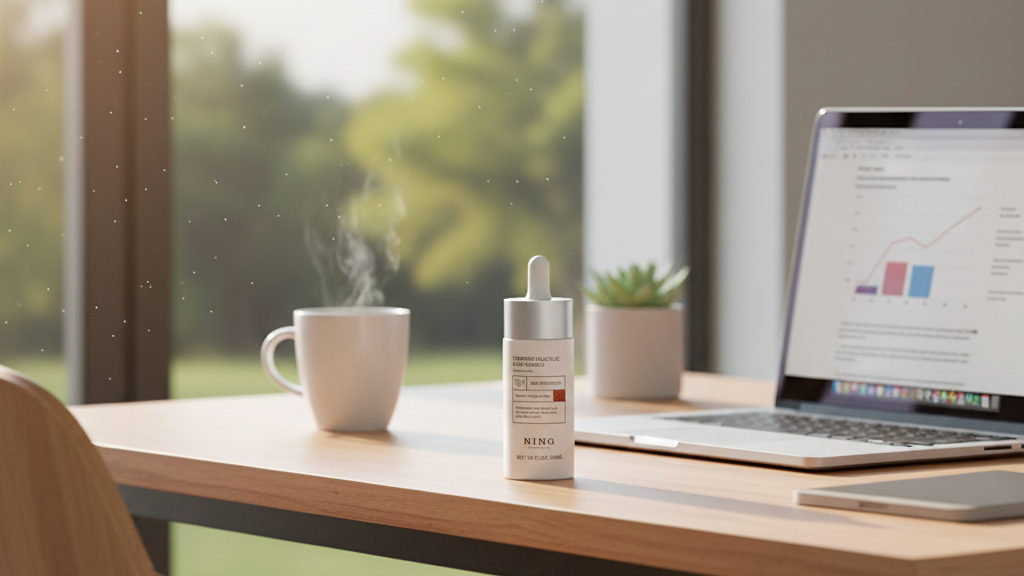

The Salicylic Acid Manifesto: Beyond the Basics of Acne Treatment
Your bathroom cabinet is likely a graveyard of half-used bottles and "miracle" cures that promised the world but delivered nothing but a compromised skin barrier. If you have oily and acne-prone skin, you’ve probably heard the name salicylic acid tossed around more times than you can count. But why does it work for some and leave others with peeling, angry patches of red skin?
At NING Dermologie, we believe the difference between a "skincare routine" and a "skincare transformation" lies in understanding the chemistry, not just following the trends. This is your ultimate guide to salicylic acid—no fluff, no marketing jargon, just the raw science of how to actually get clearer skin.

What Actually Is Salicylic Acid? (Salicylic Acid 101)
If you look at the molecular structure, salicylic acid is a beta hydroxy acid (BHA). While that sounds like a lab experiment, its origin is surprisingly earthy. It’s a derivative of salicin, found naturally in willow bark.
The "Beta" in BHA is the game-changer. Unlike alpha hydroxy acids (AHAs) like lactic acid or glycolic acid, which are water-soluble and hang out on the surface, salicylic acid is oil-soluble. This means it has a VIP pass to travel straight into your pores.
Why the Oil-Solubility Matters
Imagine your pores are narrow hallways. Oily skin produces excess sebum that acts like glue, trapping dead skin cells and creating a blockage. A water-soluble acid just slides over the top. But because salicylic acid targets oil, it dives in, breaks the bonds between dead skin cells, and flushes out the gunk. This is precisely what makes salicylic acid the undisputed king of treating acne and preventing blackheads and whiteheads.
How Salicylic Acid Works: The "Drain Cleaner" Effect
To understand how salicylic acid works, you have to stop thinking of it as a "scrub." It is a chemical exfoliant. It doesn't tear at your skin; it dissolves the "glue."
-
Desmolytic Action: It loosens the attachment between cells in the outer layer of the skin.
-
Lipophilic Nature: It dissolves the plugs of sebum (oil) that contribute to acne.
-
Anti-Inflammatory Properties: Beyond just cleaning, it calms the "angry" redness associated with acne.
When you use salicylic acid, you aren't just treating the pimple you see today; you are clearing the path so the pimple of next week never even forms. This is the true power of salicylic acid.
Choosing Your Weapon: Salicylic Acid Product Types
Not all salicylic acid formulations are created equal. Depending on your skin type, the delivery method matters as much as the percentage.
1. Salicylic Acid Face Wash / Cleanser
A salicylic acid cleanser is the "entry-level" option. Because it’s a wash-off product, it doesn't stay on the skin long. This is great for sensitive skin or those new to salicylic acid. However, for stubborn mild to moderate acne, a cleanser might not have enough "contact time" to do the heavy lifting.
2. Salicylic Acid Toner
A salicylic acid toner is a step up. It’s a liquid leave-on that covers the entire face for overall exfoliation. It’s excellent for combination skin types who struggle with an oily T-zone.
3. The Gold Standard: Salicylic Acid Serum
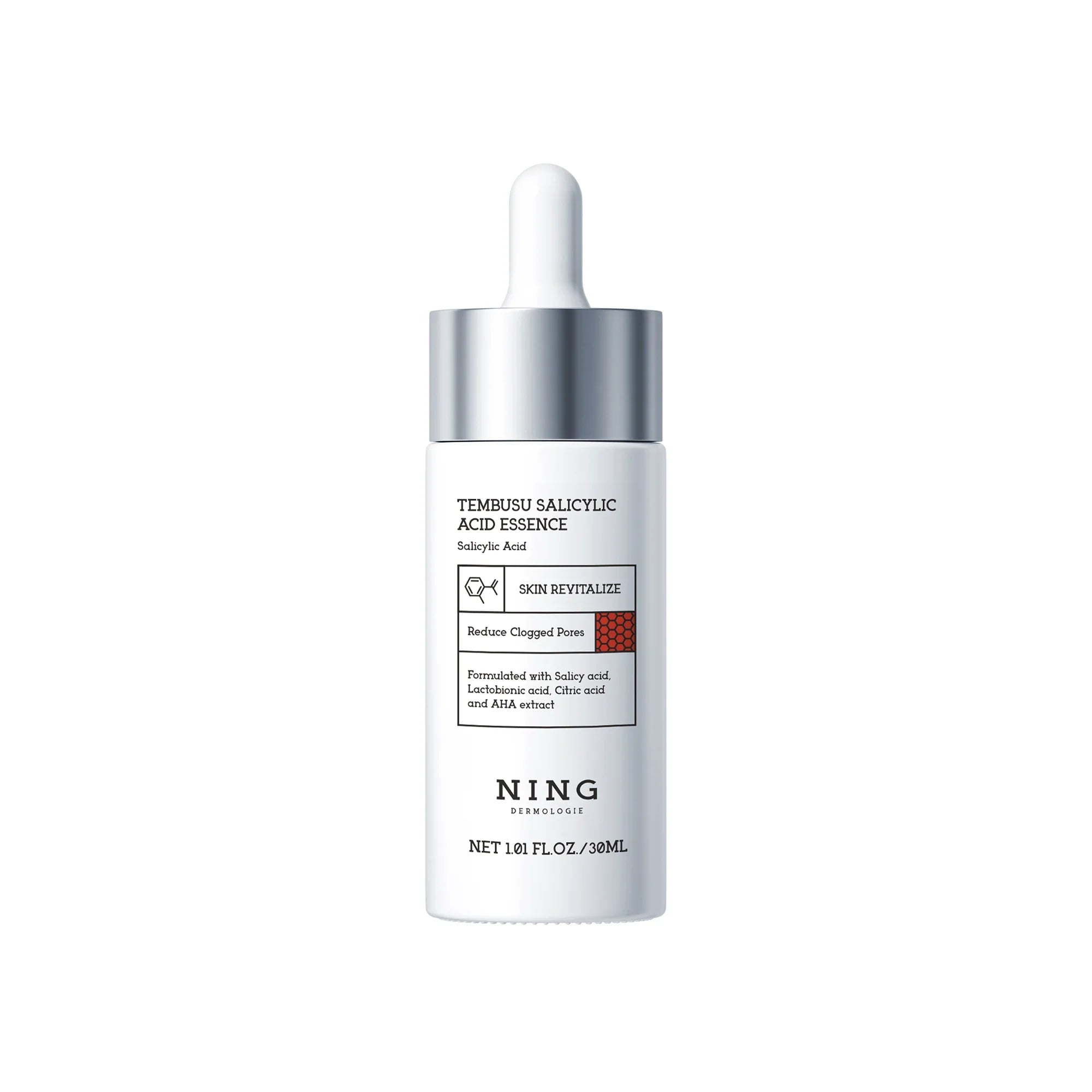
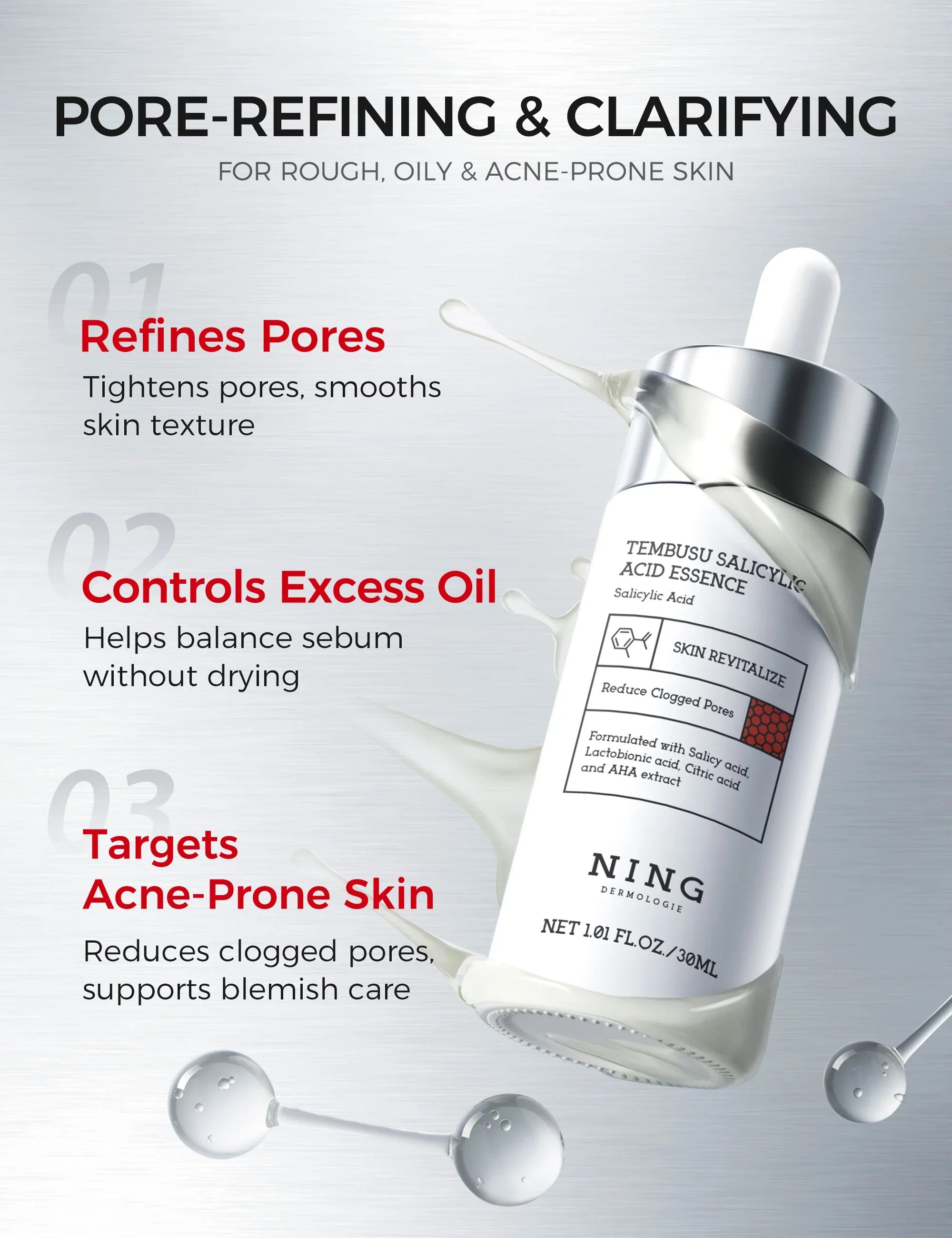
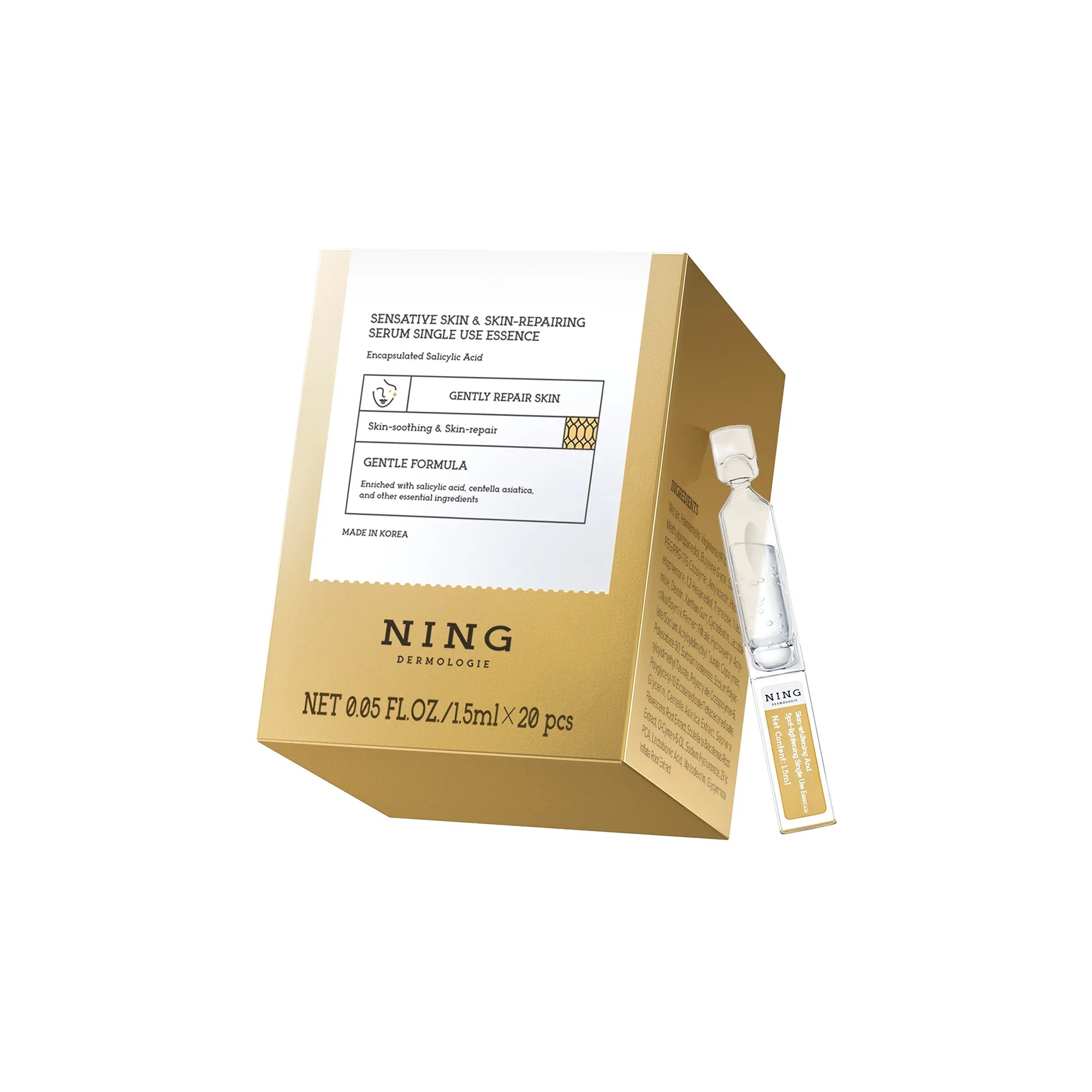
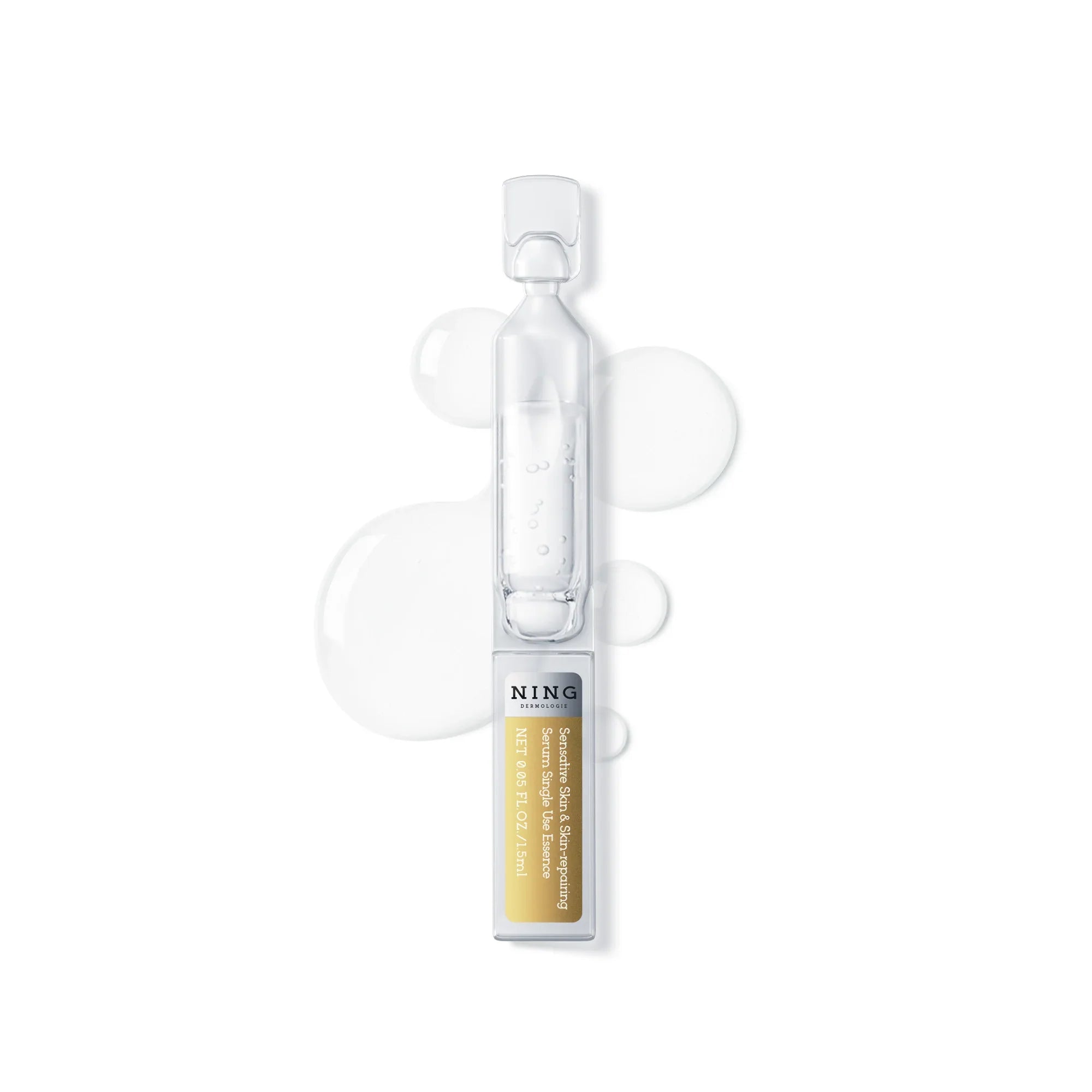
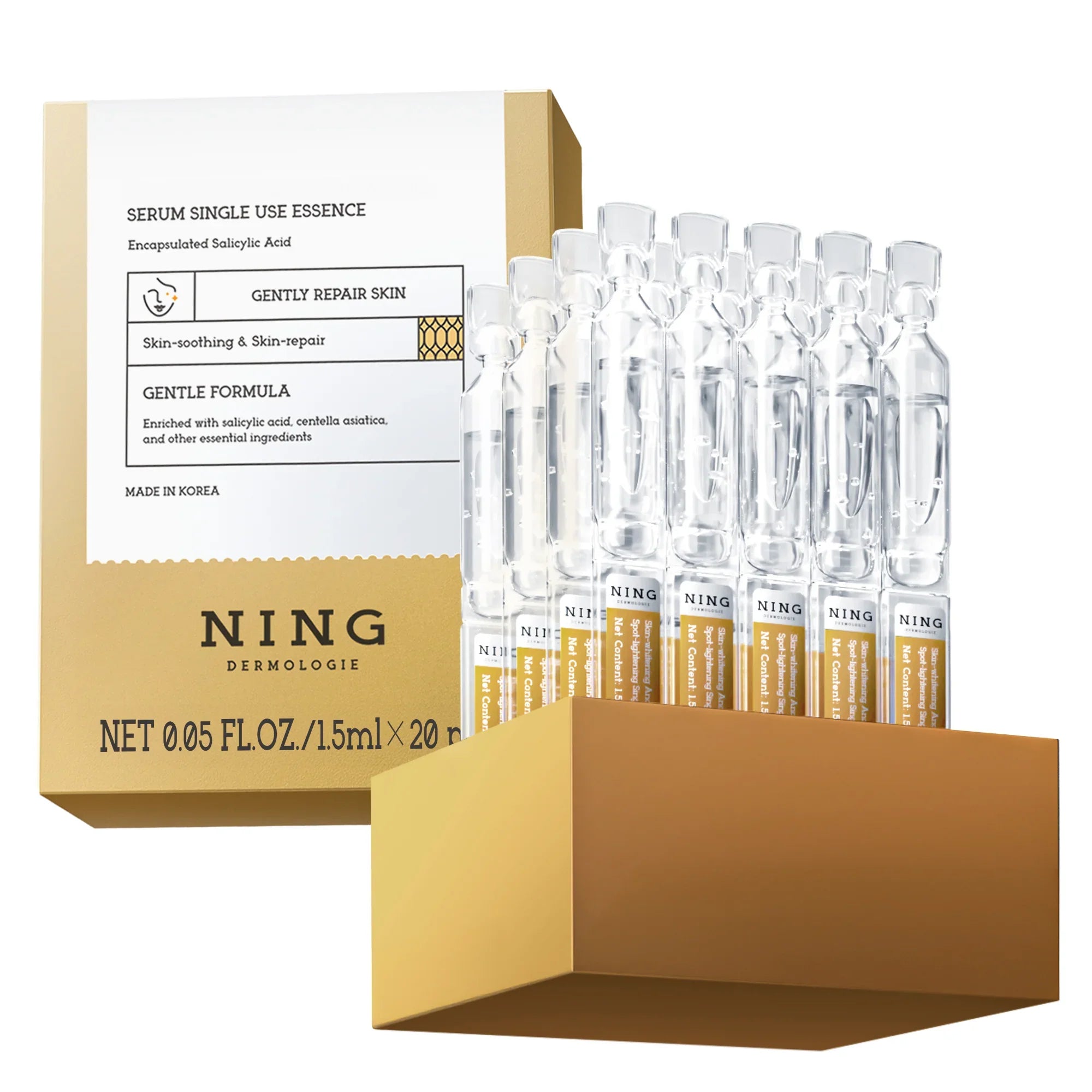
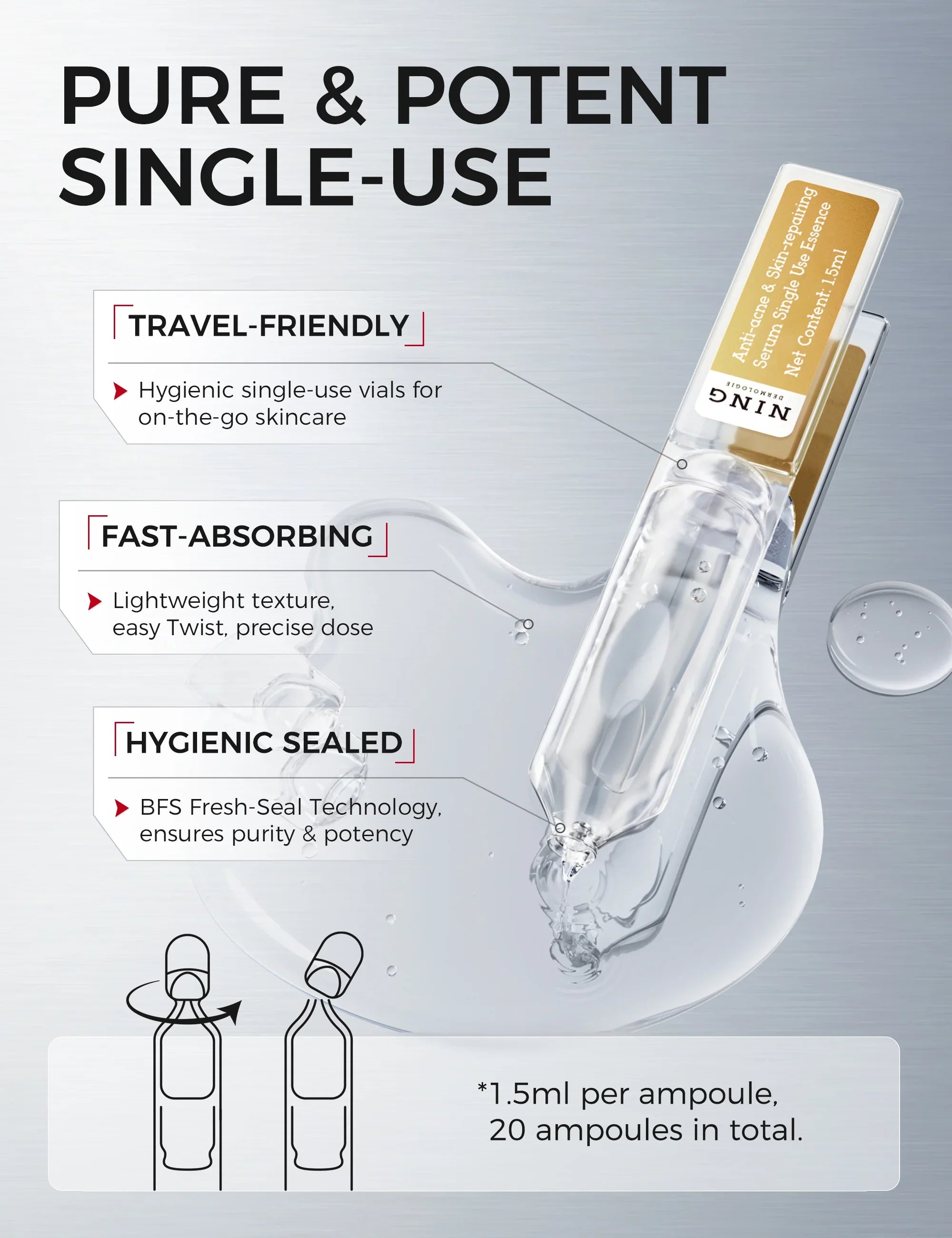
This is where the real work happens. A concentrated salicylic acid serum, like the NING Dermologie 2% Salicylic Acid Serum, is designed to sit on the skin and penetrate deeply. At a 2% concentration—the clinical "sweet spot"—it effectively exfoliates dead skin cells without the scorched-earth policy of salicylic acid chemical peels.
Salicylic Acid vs. Glycolic Acid: Which One Do You Need?
The "Acid War" is a common point of confusion. Should you reach for acids like glycolic acid or stick to BHA?
| Feature | Salicylic Acid (BHA) | Glycolic Acid (AHA) |
| Solubility | Oil-Soluble | Water-Soluble |
| Primary Target | Inside the pore (acne/blackheads) | Skin surface (texture/fine lines) |
| Skin Type | Oily and acne-prone skin | Dry skin / Sun-damaged skin |
| Irritation Risk | Moderate (can be drying) | High (can cause stinging) |
Salicylic acid stands alone when it involves addressing acne, while glycolic is better for "glow" and anti-aging. If you have combination skin, you might use both—but never at the exact same time unless you enjoy having a red, peeling face.
Incorporate Salicylic Acid into Your Skincare Routine
Adding a high-performance acid into your skincare routine requires a strategy. If you rush it, your skin barrier will stage a protest.
The NING Dermologie Protocol:
-
Cleanse: Use a gentle, pH-balanced wash. Avoid using a salicylic acid face wash and a serum together; that’s overkill.
-
Apply Salicylic Acid: Apply 2-3 drops of 2% Salicylic Acid Serum to dry skin. Why dry? Damp skin increases absorption, which sounds good but often leads to irritation for beginners.
-
Wait: Give it 30 seconds to "sink in."
-
Hydrate: This is non-negotiable. Even oily skin needs moisture. Use a lightweight, non-comedogenic moisturizer to lock everything in.
-
Protect: Salicylic acid skin can be more sensitive to UV. If you don't wear sunscreen the next morning, you’re undoing all your hard work.
Frequency: How Often?
- Week 1-2: Twice a week. See how your skin tolerates it.
- Week 3+: If your skin tolerates it well, move to every other night.
- The Pro Tip: Only use it once a day max. Using it morning and night is a fast track to dry skin and irritation.
Beyond Acne Treatment: The Secret Uses of BHA
The benefits of salicylic acid for skin go far beyond just zapping zits. Because it exfoliates the skin so effectively, it is used for a variety of skin conditions:
- Pore Refining: By keeping the "walls" of your pores clear, they don't stretch out, making your skin texture look airbrushed.
- Ingrown Hairs: It’s a secret weapon for razor bumps. It helps prevent the hair from getting trapped under dead skin cells.
- Keratosis Pilaris (Chicken Skin): Salicylic acid helps smooth those tiny bumps on the back of your arms.
- Warts and Psoriasis: In much higher concentrations, salicylic acid is effective at breaking down thickened skin, though these should be handled by a professional.

Common Mistakes: Why Your Skin Is Still Breaking Out
If you’ve been adding salicylic acid to your routine and seeing no results—or worse results—you might be falling into these traps:
-
The "Purge" Panic: When you first use salicylic acid, it speeds up cell turnover. This pushes existing "under-the-skin" clogs to the surface all at once. This is the acne but also the healing process. Don't quit in week two!
-
Mixing Retinoids and Salicylic Acid: This is the ultimate "no-no" for most people. Using retinoids and salicylic acid in the same session is like trying to run a marathon in a sauna—it's too much stress for the skin. Use BHA in the morning (with SPF) and Retinoids at night, or alternate days.
-
Skipping the Spot Treatment Method: Sometimes, you don't need to treat your whole face. A salicylic acid spot treatment is perfect for that one stubborn hormonal cyst that appears on your chin every month.
The Power of Salicylic Acid: Why NING Dermologie?
At the end of the day, salicylic acid is a powerful tool, but it's only as good as the bottle it comes in. Many mass-market products contain harsh alcohols that strip the skin, leading to more oil production and more acne breakouts.
Our 2% Salicylic Acid Serum is formulated to be "effective yet kind." We believe in the power of salicylic acid to provide clearer skin without the drama. By focusing on a clean delivery system, we ensure the acid can help your skin reach its potential for smoother skin and a healthy glow.
Frequently Asked Questions (FAQ)
1. Can I use salicylic acid every day?
Yes, but only if your skin has built up a tolerance. Start twice a week. If you notice redness, peeling, or a "tight" feeling, you are overdoing it. Most people with oily skin find that 3-4 times a week is the perfect balance for maintaining clear skin without damaging the skin barrier.
2. Why is my acne getting worse after starting the serum?
This is likely "purging." Because salicylic acid works by accelerating cell turnover, it brings dormant clogs to the surface faster. It usually lasts 2-4 weeks. If you are breaking out in places you normally don't, or if it lasts longer than six weeks, it might be a reaction rather than a purge.
3. Can I use Vitamin C with salicylic acid?
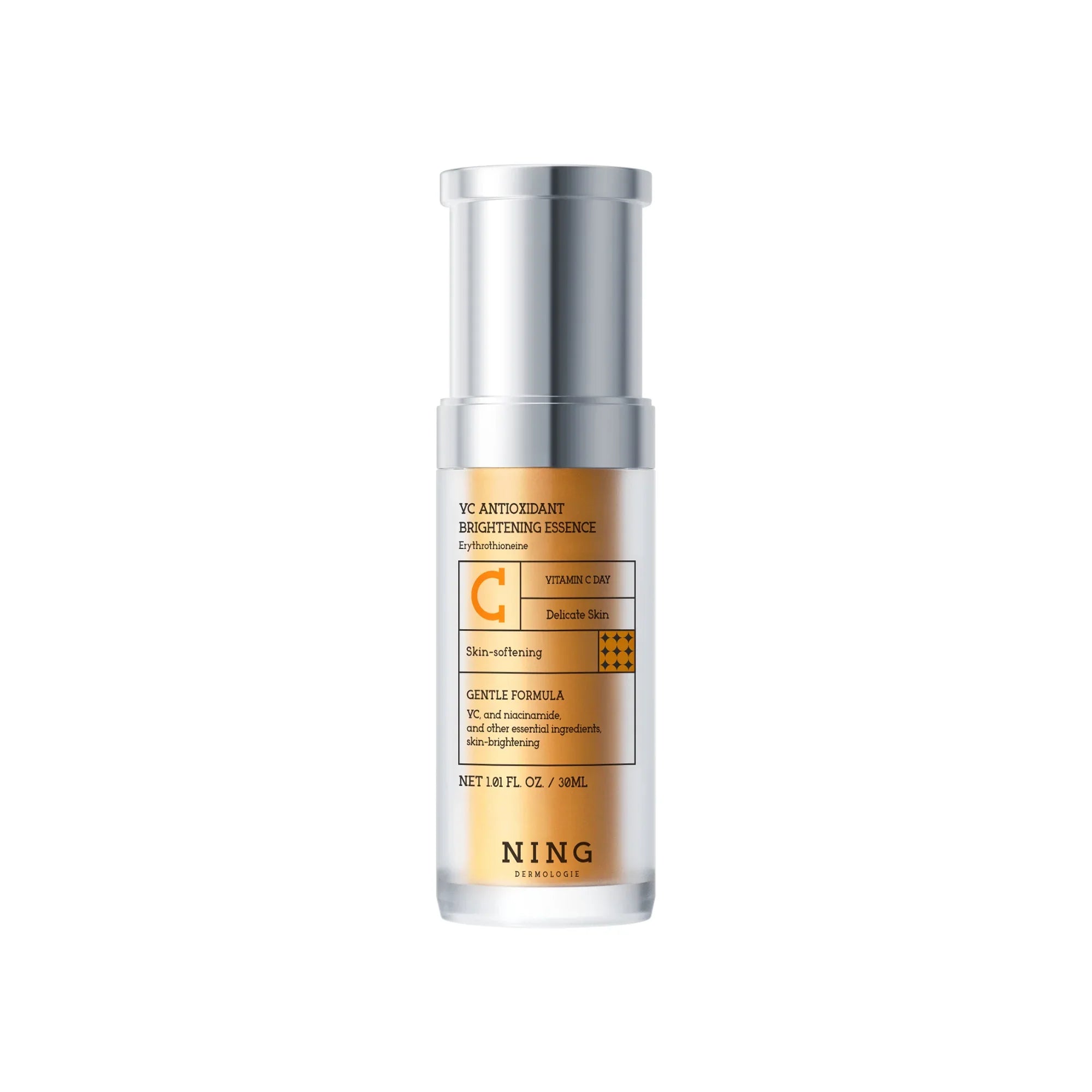
Technically yes, but be careful. Both are acidic. Using them together can cause irritation. A better skincare regimen involves using Vitamin C in the morning for antioxidant protection and your salicylic acid product in the evening to remove dead skin cells and unclog pores while you sleep.
4. Is salicylic acid safe for all skin types?
While salicylic acid is generally safe, it is best suited for oily and acne-prone skin. Those with extremely dry skin or rosacea should proceed with caution, as it can be drying. Always patch-test a new to salicylic acid product on your jawline for 24 hours before applying it to your entire face.
5. Does salicylic acid help with acne scars?
It helps more with "active" issues and "post-inflammatory hyperpigmentation" (those red/brown spots left after a pimple). By promoting cell turnover, it fades these marks faster. However, for deep, pitted scars, salicylic acid can be used as a support, but you may need professional treatments like microneedling or salicylic acid chemical peels.
6. Can I use it if I’m pregnant?
Most dermatologists recommend avoiding high-percentage use of salicylic acid (like peels) during pregnancy. However, low-concentration wash-off products or limited use of a 2% serum is often debated. You should always consult your primary healthcare provider before adding salicylic acid to your skincare routine during pregnancy or breastfeeding.
Ready to stop the cycle of breakouts? Check out the NING Dermologie 2% Salicylic Acid Serum and start your journey toward the clearer skin you deserve. Your pores will thank you.





Share:
Exploring Salicylic Acid in Anti-Aging Skincare
Salicylic Acid: A Comprehensive Guide for Skincare Enthusiasts