

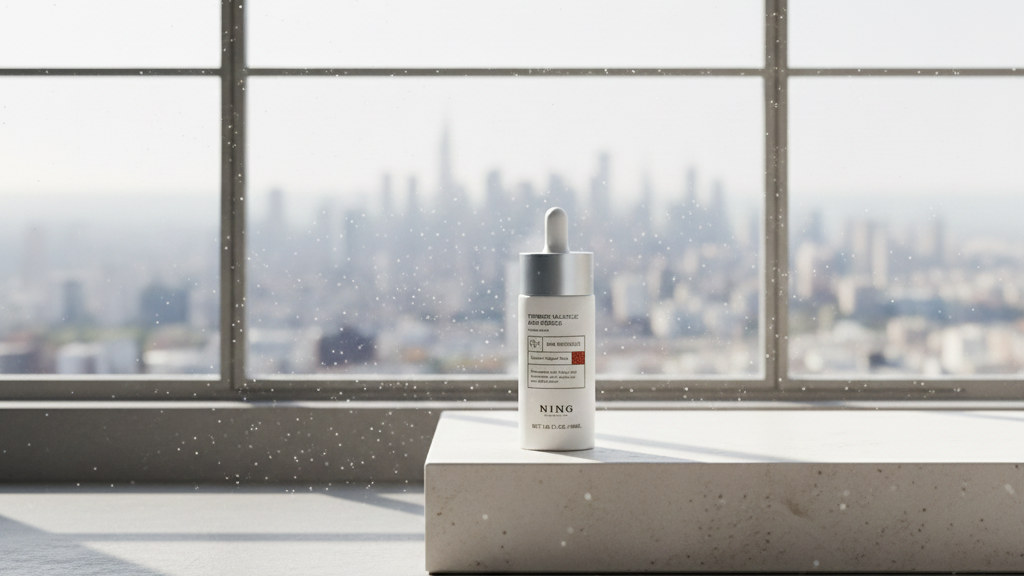

Why Salicylic Acid Dives Deeper Than the Rest
To understand the magic of salicylic acid, you have to understand the difference between "surface cleaning" and "deep-sea diving." Most acids, like glycolic acid or lactic acid, are alpha hydroxy acids (AHAs). They are water-soluble. They sit on the surface, dissolving the "glue" holding dead skin cells together to brighten your skin tone.
Salicylic acid is a beta-hydroxy acid (BHA). The "beta" part is vital because salicylic acid is oil-soluble.
Imagine your pores are narrow pipes clogged with a mixture of "sludge"—a combination of excess oil and dead skin. A water-soluble acid just flows over the top. But because salicylic acid penetrates through oil, it actually dives into the pore. Once inside, the acid helps break down the debris, effectively "power washing" the lining of your follicles. This is why salicylic acid for skin is the gold standard for anyone dealing with oily and acne-prone skin.

Finding Your Match: Products with Salicylic Acid
Not all skincare products are created equal. The vehicle—whether it’s a salicylic acid cleanser or a concentrated salicylic acid serum—determines how the ingredient behaves on your individual skin.
The "Slow and Steady": Salicylic Acid Cleanser
If you’re new to salicylic acid or have sensitive skin, a cleanser is your best entry point. When you massage it onto damp skin, the acid has enough time to begin breaking down surface oils before being rinsed away. It’s a "short-contact" therapy that minimizes the risk of irritation while still clearing the way for the rest of your skincare routine.
The "Precision Strike": 2% Salicylic Acid Serum
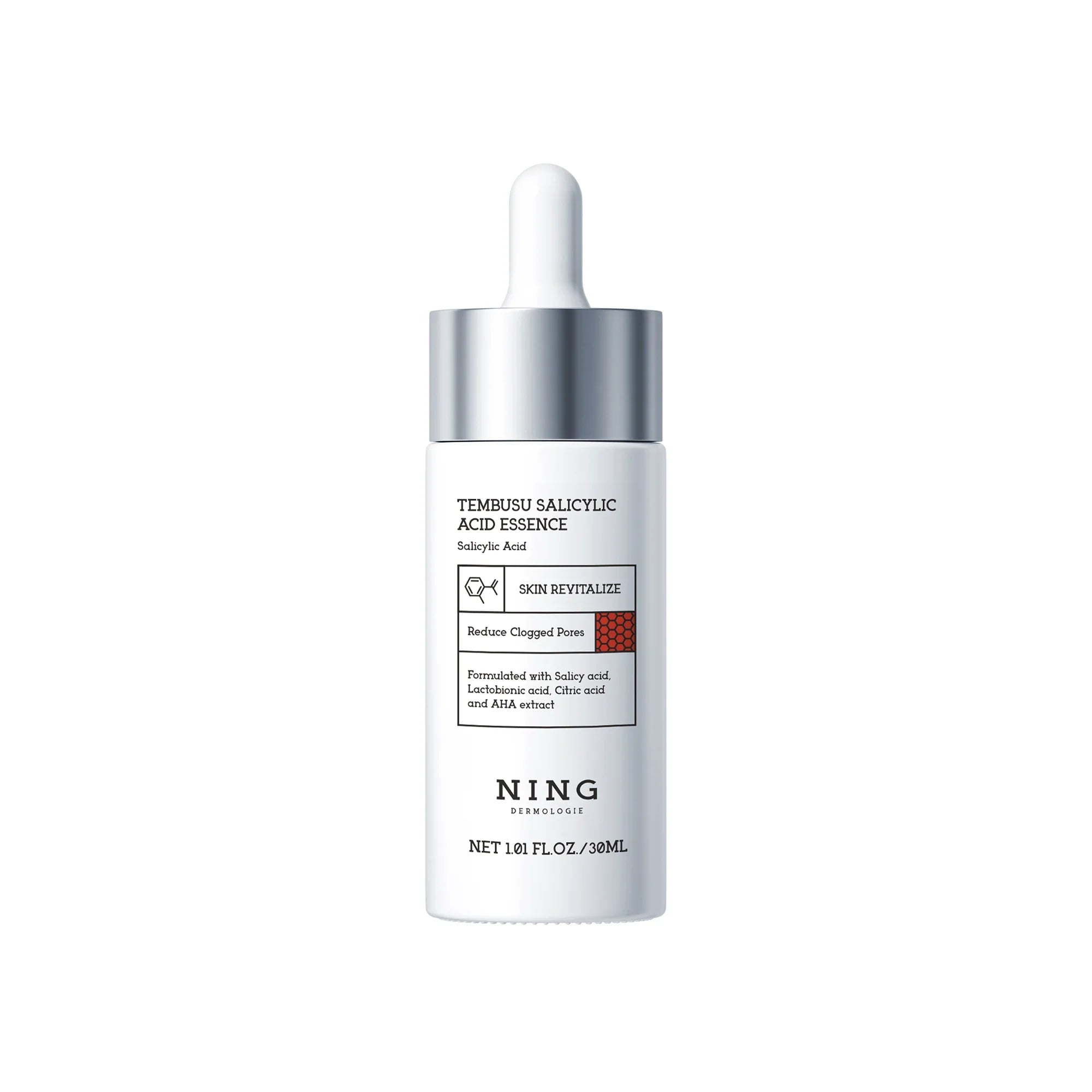
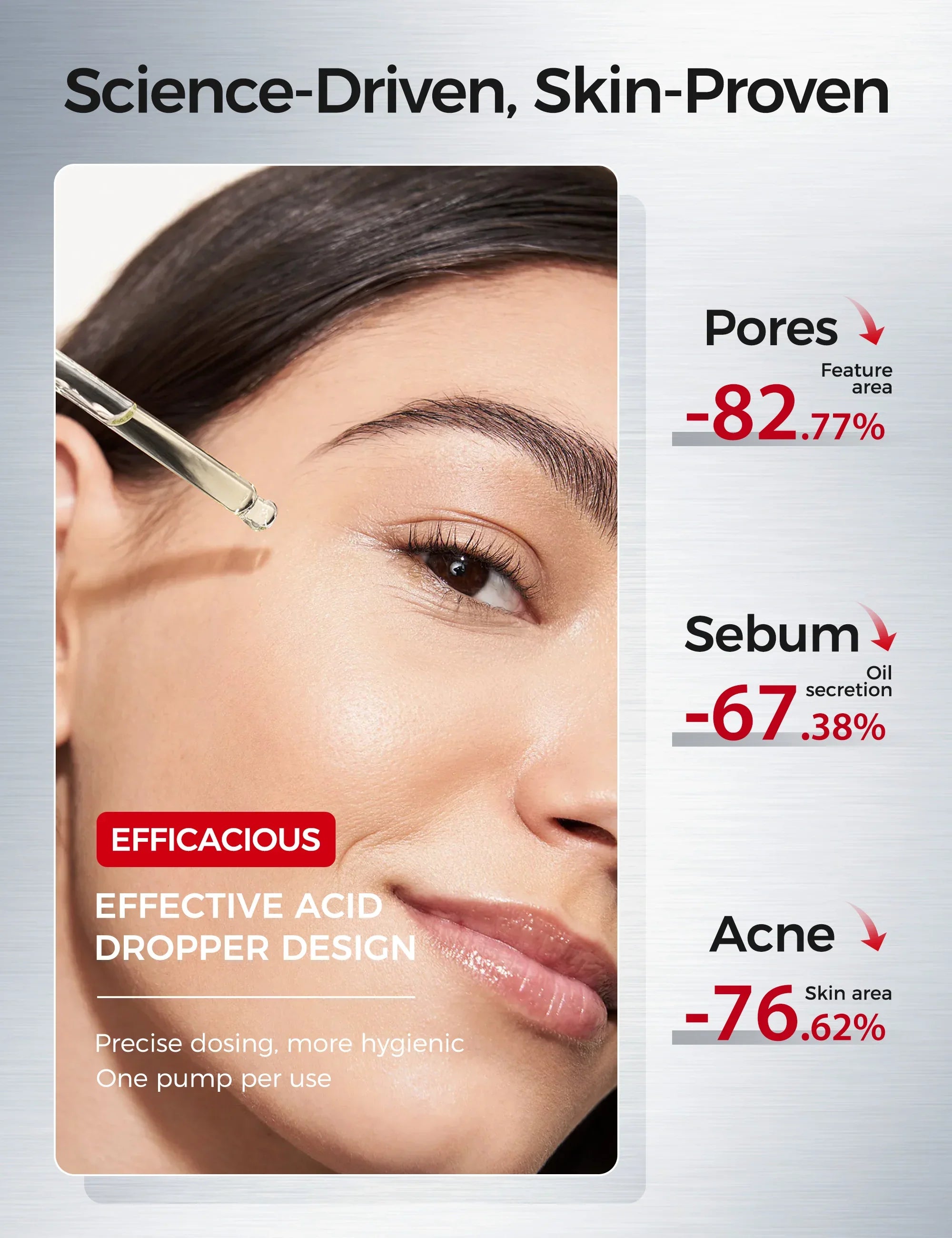
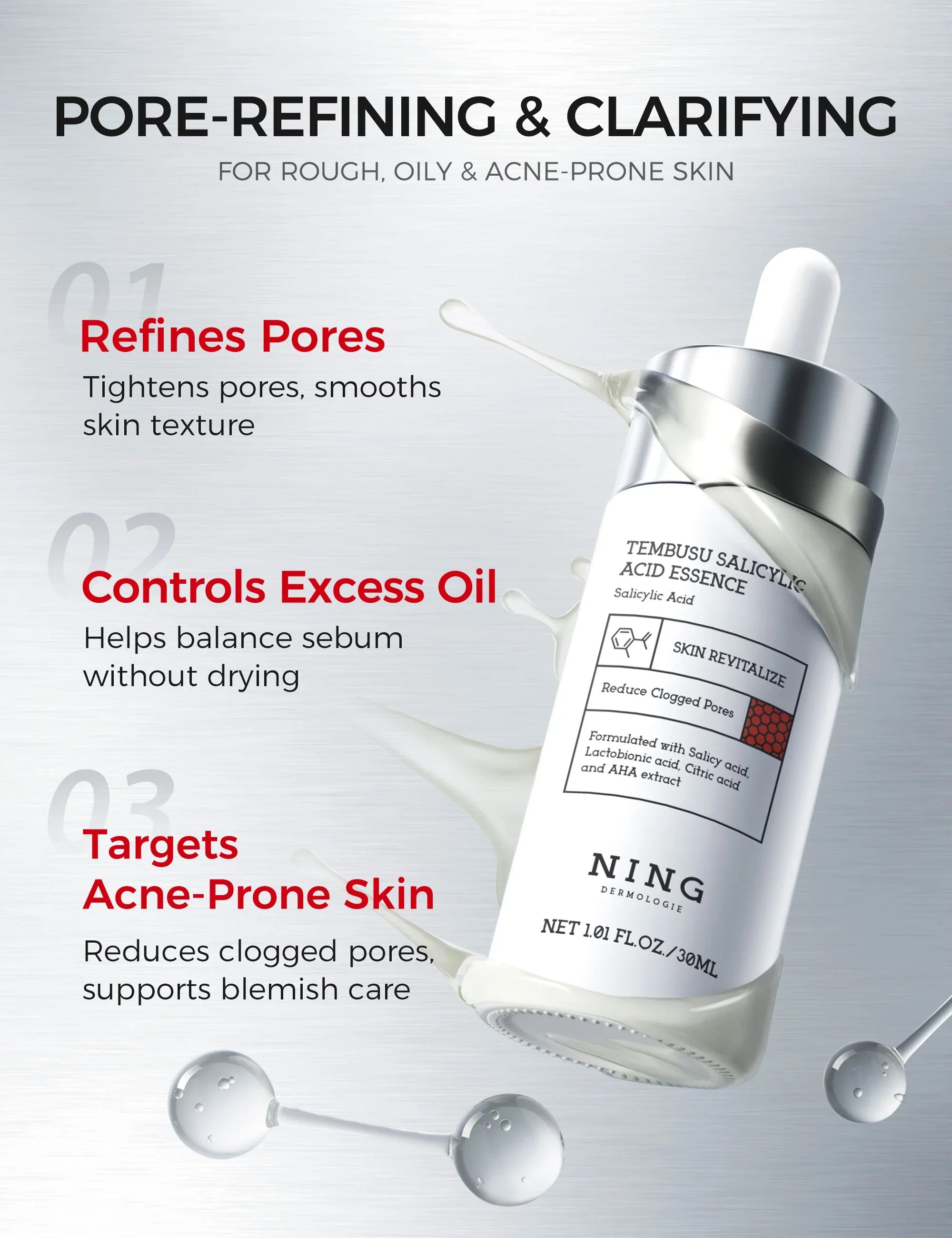
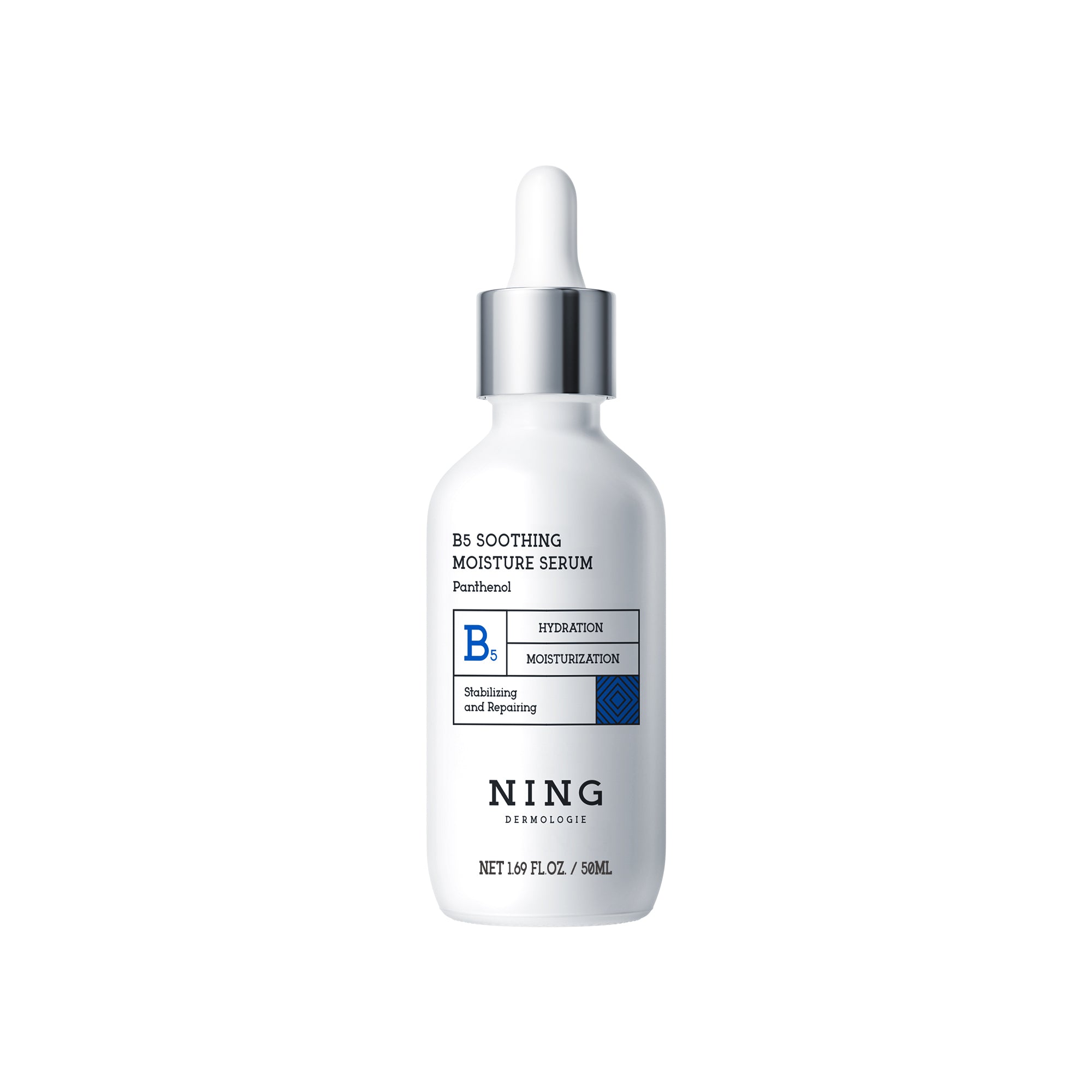
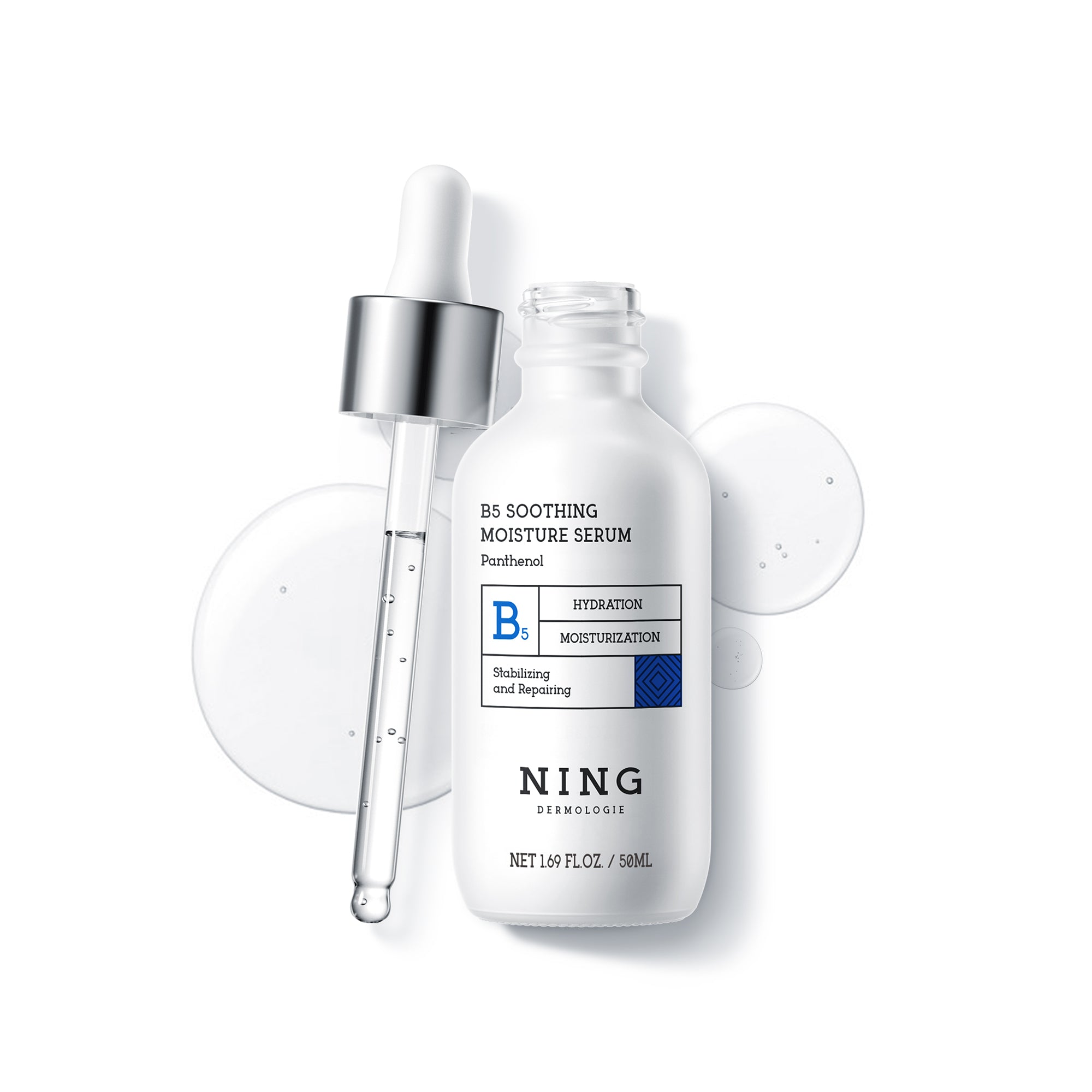
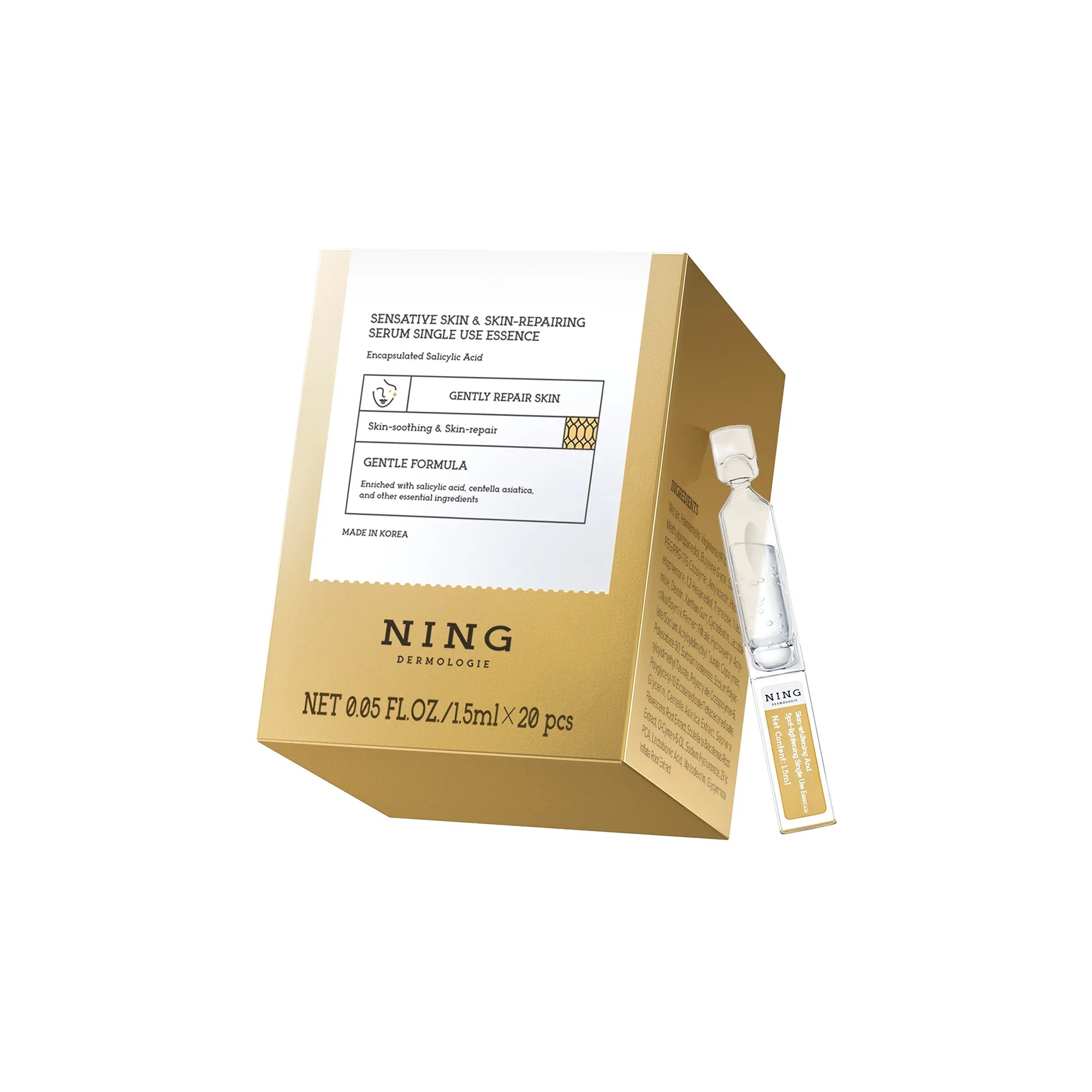
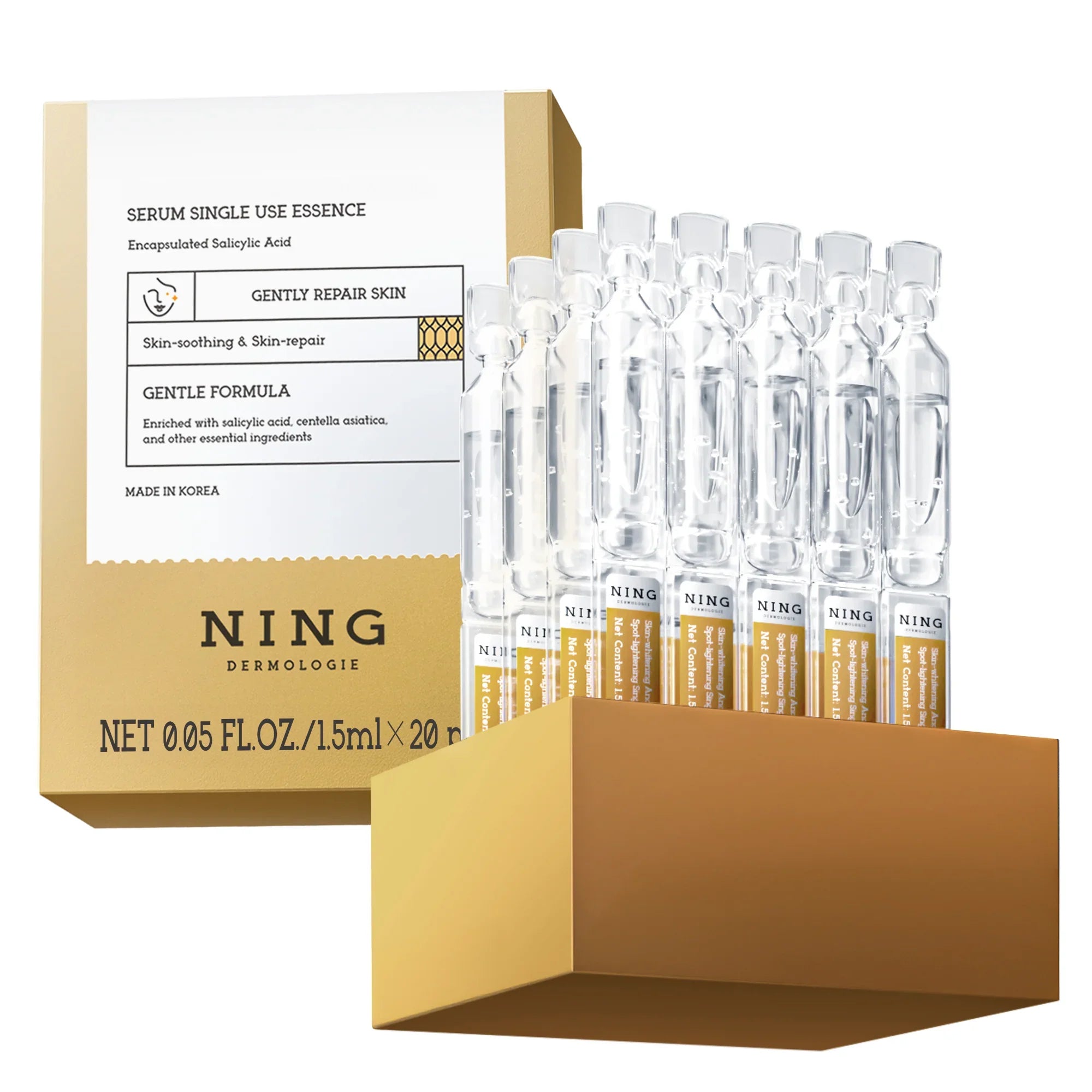
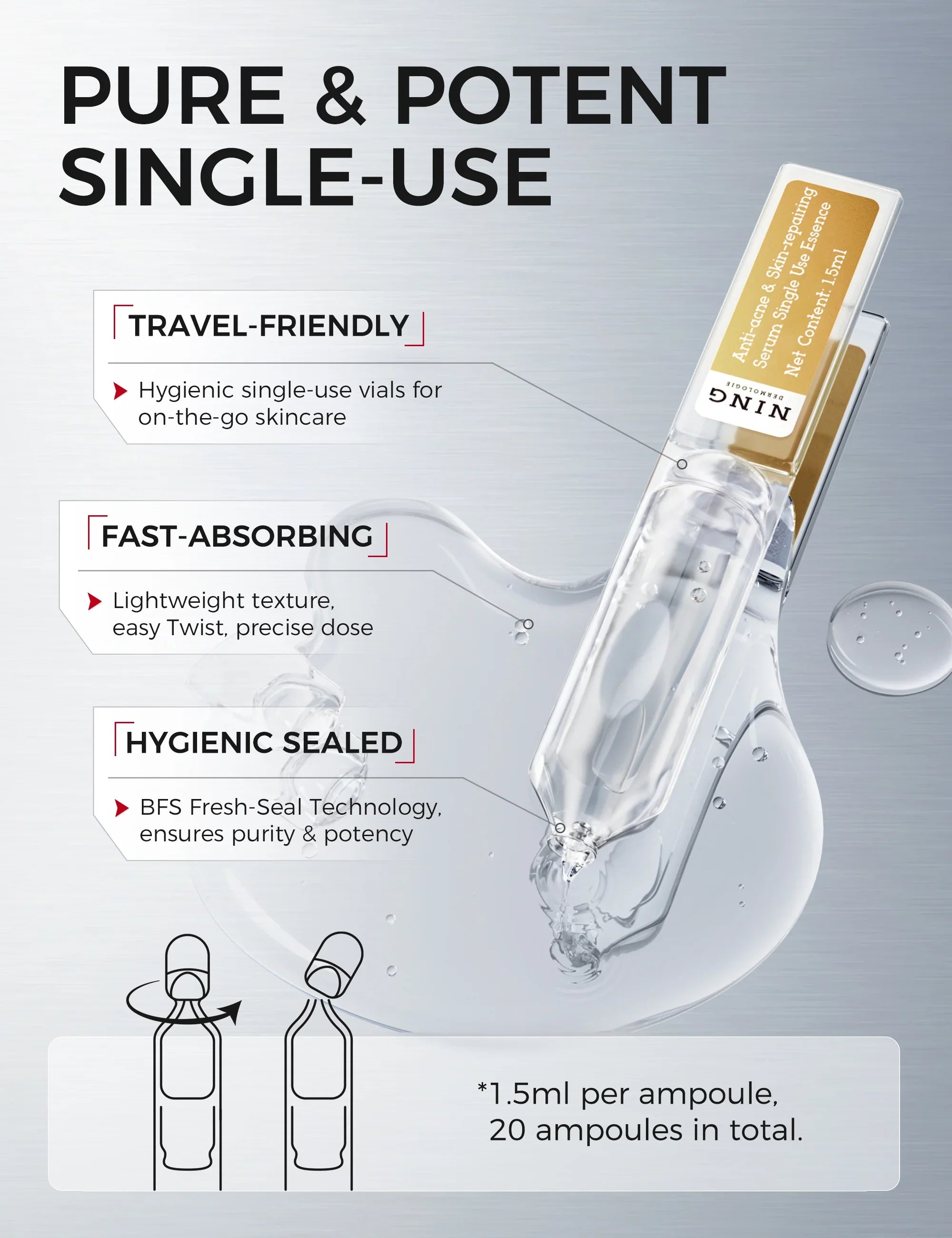
For those dealing with chronic congestion or cystic breakouts, a leave-on salicylic acid product is necessary. Our NING Dermologie 2% Salicylic Acid Serum is formulated to stay on the skin, allowing the BHA to work over several hours. Unlike many harsh drugstore formulas, we’ve balanced the properties of salicylic acid with soothing agents to ensure you get the benefits of salicylic acid without the dreaded "desert-dry" peel.
How to Use Salicylic Acid Correctly (And Safely)
The biggest mistake skincare enthusiasts make? Thinking "more is better." If you use salicylic acid every day right out of the gate, you’re likely to make your skin more sensitive and damage your skin barrier.
1. The Patch Test
Before you apply salicylic acid to your entire face, test it on your jawline. Wait 24 hours to see how your skin reacts. If there’s no intense redness or itching, you’re good to go.
2. Frequency vs. Skin Type
- Oily Skin: You might eventually use salicylic acid every day, but start with 3 times a week.
- Combination Skin: Focus the acid only on your T-zone (forehead, nose, chin).
- Sensitive or Dry Skin: Stick to a salicylic acid cleanser used twice a week. Salicylic acid can make your skin feel tighter if overused, so always follow up with a lipid-rich moisturizer.
3. The "No-Go" Pairings
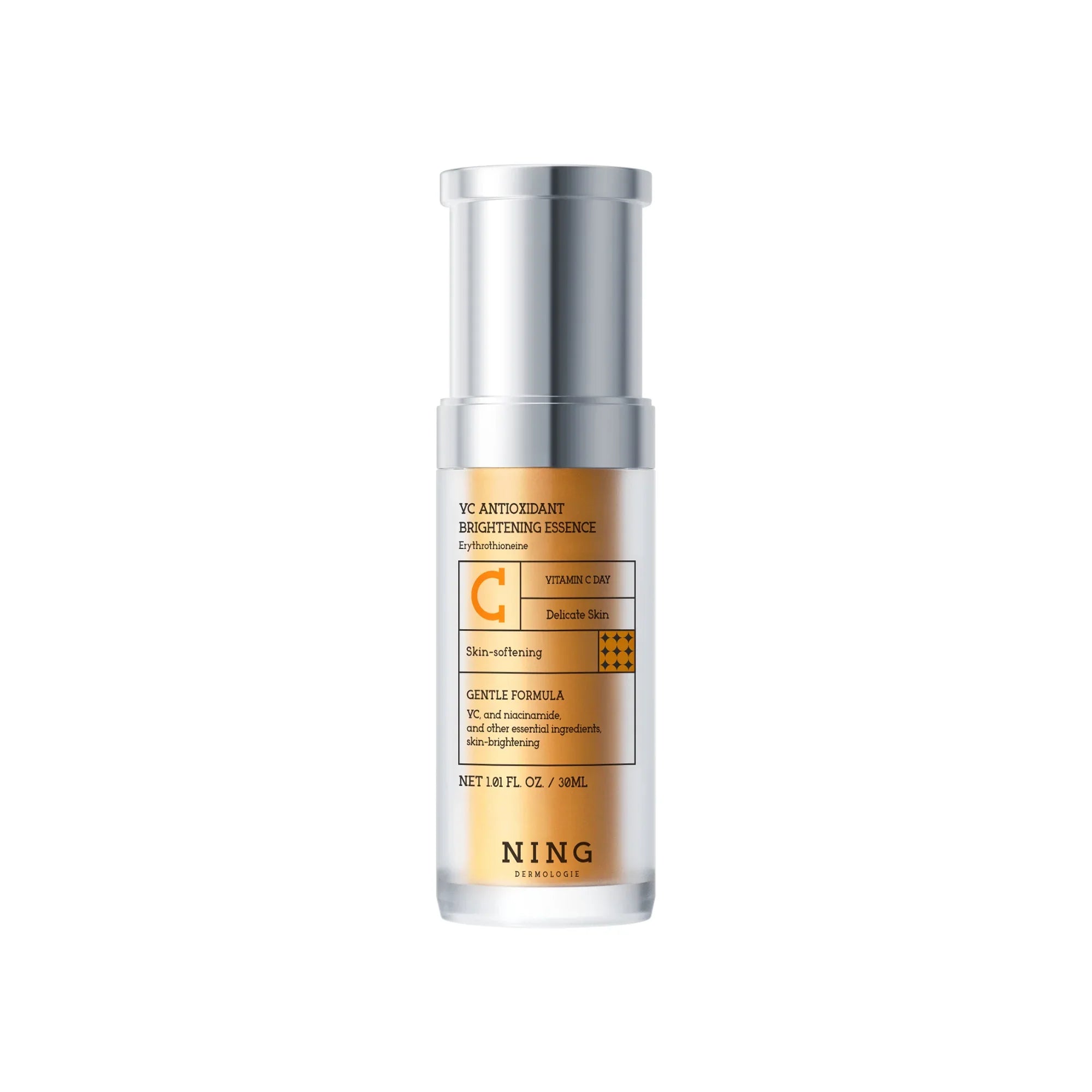
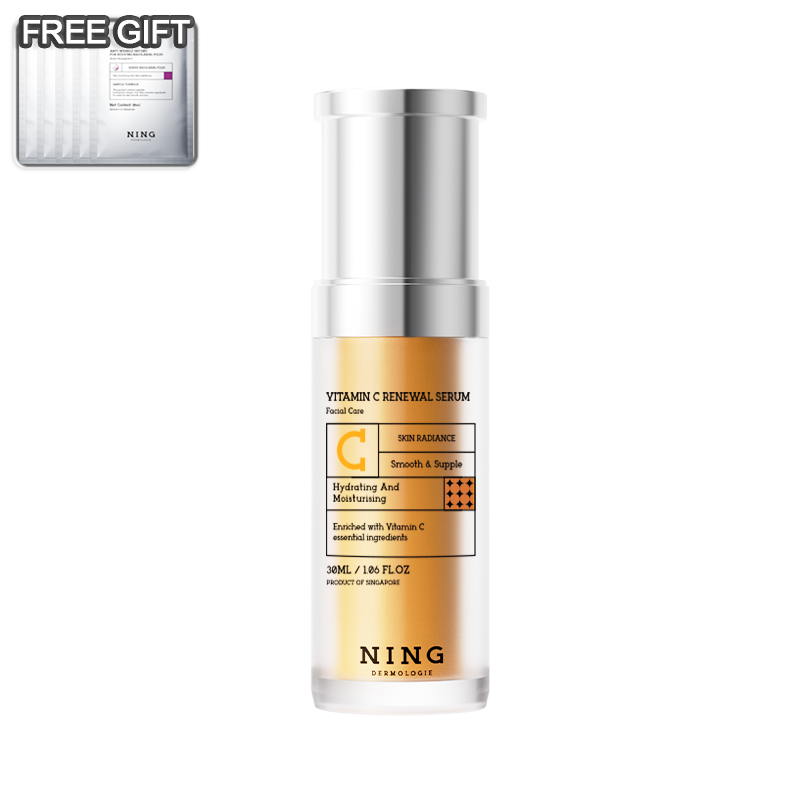
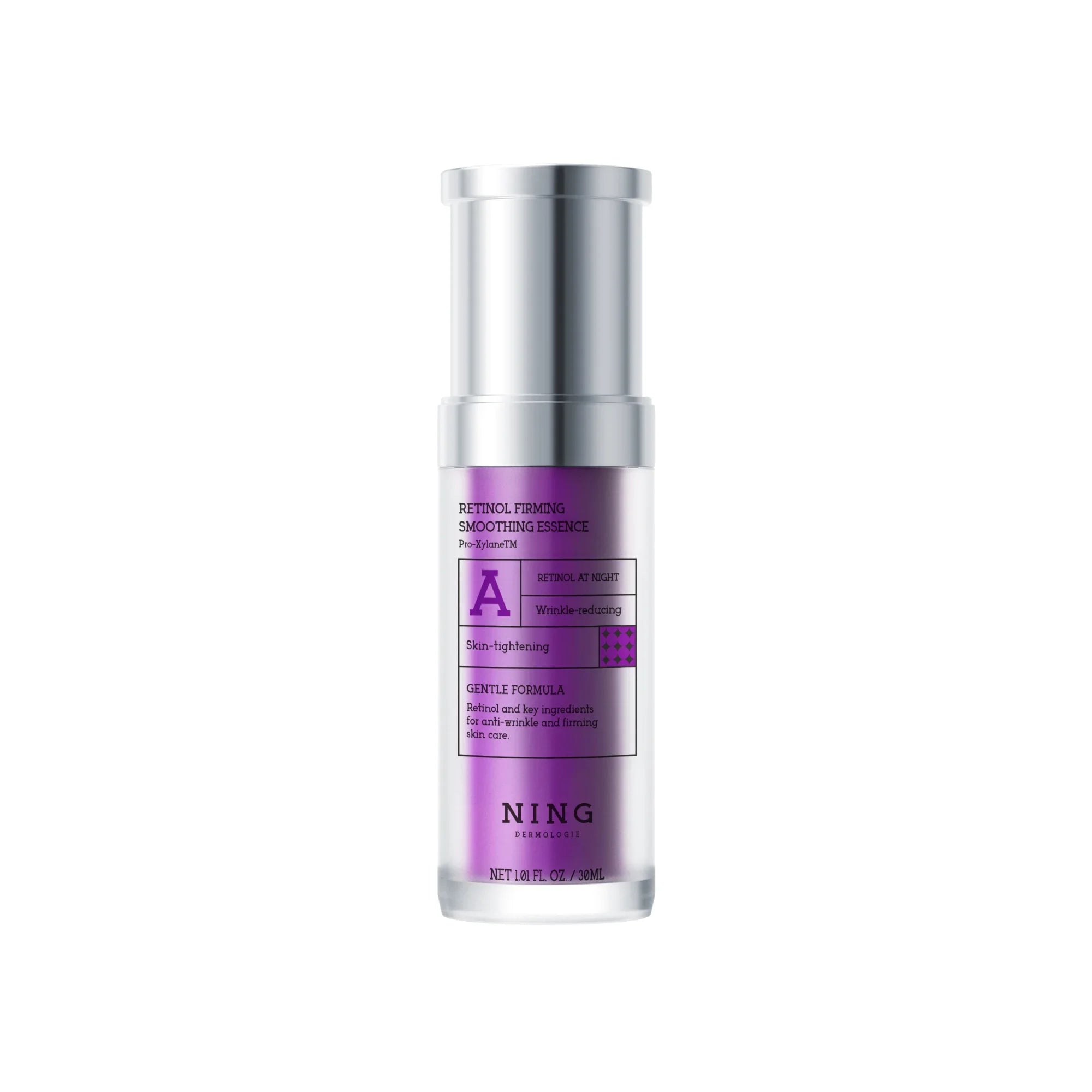
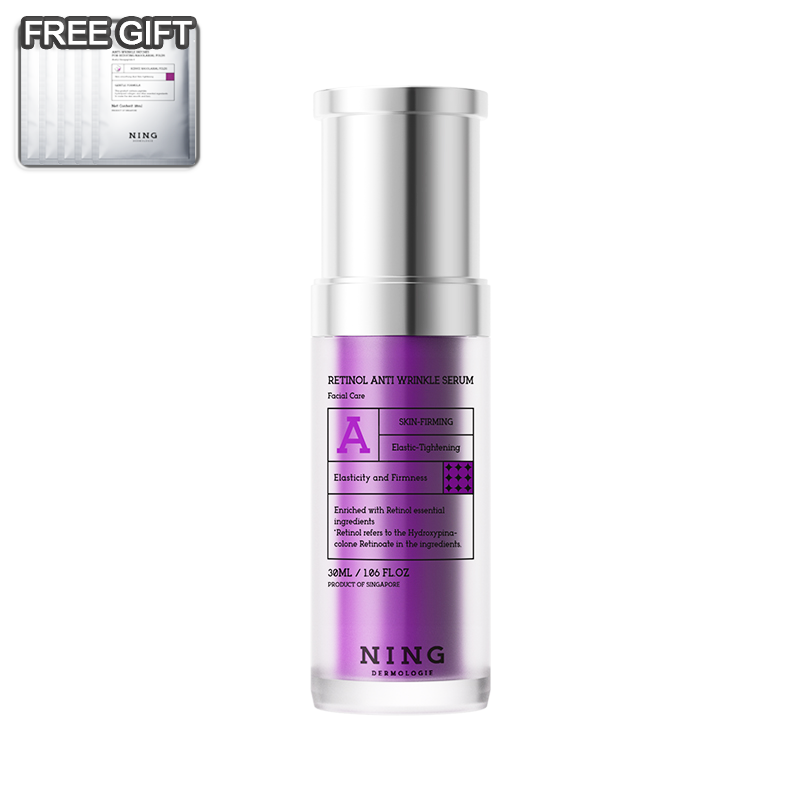
Salicylic acid can be a game-changer, but it doesn't play well with everyone. Avoid pairing salicylic acid with other strong actives like Retinol or high-strength Vitamin C in the same window. Use your salicylic acid skincare in the evening and your Vitamin C in the morning to transform your skin without a chemical clash.
Transform Your Skincare Routine: A Sample Regimen
If you’re ready to adding salicylic acid to your life, here is how a balanced skincare regimen looks using the NING Dermologie philosophy:
-
Cleanse: Use a gentle, pH-balanced wash. (Or a salicylic acid cleanser if you aren't using a leave-on serum later).
-
Treat: Apply 2-3 drops of 2% Salicylic Acid Serum to clean, dry skin. Focus on areas with visible skin concerns like blackheads or enlarged pores.
-
Hydrate: This is non-negotiable. Salicylic acid helps remove oil, so you must replace it with "good" hydration to keep the skin barrier intact.
-
Protect: Acid can make your skin more susceptible to UV damage. Never skip SPF 30+ the next morning.

Beyond Acne: The "Secret" Benefits of Salicylic Acid
While we mostly talk about breakouts, the benefits of salicylic acid go much further. Because it exfoliates dead skin cells so efficiently, it actually encourages faster cell turnover. Within 2-4 weeks, most users notice:
- A more even skin tone.
- Smooth skin texture that reflects light better (the "glow" factor).
- Reduced appearance of "strawberry legs" (Keratosis Pilaris) if used on the body.
Salicylic acid is a powerful ingredient, but it requires respect. When you discover the benefits of salicylic through a measured, careful approach, you don't just "fix" a pimple—you transform your skincare into a preventive powerhouse.
Frequently Asked Questions (FAQ)
Can I use salicylic acid and Vitamin C together?
It’s best to separate them. Salicylic acid and Vitamin C both rely on specific pH levels to work. Using them simultaneously can cause irritation and neutralize their effectiveness. Use Vitamin C in the morning to protect against environmental damage and save your salicylic acid skincare for your evening skincare routine to deep-clean pores while you sleep.
Why is my skin peeling after using the 2% serum?
Peeling usually means you are either using the acid too frequently or your skin barrier is thirsty. If you apply salicylic acid and notice flaking, drop your usage back to twice a week and increase your use of a ceramide-based moisturizer. Your individual skin needs time to build tolerance to a beta hydroxy acid.
Is salicylic acid safe for sensitive skin?
Yes, but you must use salicylic acid safely. Instead of a leave-on serum, try using a salicylic acid cleanser. This "wash-off" method allows the acid to remove dead skin cells without sitting on the skin long enough to cause a reaction. Always follow with a soothing cream to make your skin feel calm and hydrated.
How long does it take to see clearer skin?
Patience is key. While the acid helps reduce surface oil immediately, deep-seated skin concerns like blackheads and cystic acne usually take skin within 2-4 weeks of consistent use to show visible improvement. This is the time it takes for your skin to complete a full turnover cycle and away dead skin cells effectively.
Can I use salicylic acid if I have dry skin?
You can, but focus only on "problem" areas. If you have dry or sensitive skin, avoid a full-face application. Use the salicylic acid serum as a spot treatment on the nose or chin. This allows you to discover the benefits of salicylic for clogged pores without stripping the skin of the precious natural oils it already lacks.
Does salicylic acid help with anti-aging?
Surprisingly, yes. Because salicylic acid is a powerful exfoliant, it helps remove dead skin cells that make fine lines look deeper. By keeping pores clear and skin texture smooth, it promotes a more youthful, glowing skin appearance. It’s a versatile tool that helps transform your skin regardless of whether your primary concern is age or acne.
Ready to clear the clutter? Explore the NING Dermologie 2% Salicylic Acid Serum and take the first step to transform your skincare routine today.





Share:
Salicylic Acid: The Ultimate Guide to Acne Treatment and Beyond
Understanding Salicylic Acid: Uses and Benefits for Your Skin