


You look in the mirror, spot a cluster of angry new breakouts along your jawline or an exceptionally oily nose, and your first instinct is to declare war. You want to scrub, peel, and dry out those spots until they surrender.
But nuking your face rarely works. In fact, hitting your acne-prone skin with harsh, stripping ingredients usually triggers a frustrating boomerang effect. You dry out the spots, but you also destroy your skin barrier. Your face ends up red, flaking, and ironically, producing even more oil to compensate.
If you are trapped in this cycle of over-washing and breaking out, we need to talk about how to hit the brakes. You can get clear skin without making your face feel like cracked parchment.

The Vicious Cycle of Stripped Skin
To fix the problem, you have to understand the environment you are working with. Your skin ecosystem is delicate. When you have combination skin or Normal to Oily Skin, the temptation is to use intensive cleansers to strip away every ounce of oil.
Here is the problem. Your protective skin moisture barrier relies on a specific balance of lipids and water. When you use aggressive face washes that leave your skin feeling tight, you rip away that moisture barrier.
This sends a panic signal to your sebaceous glands. Your sebum production goes into overdrive. More excess sebum mixes with dead skin cells and traps bacteria—specifically Cutibacterium acnes—inside your pores. This results in more clogged pores, worse skin texture, and an increase in hormonal acne flare-ups triggered by local hormonal crosstalk in the skin layers.
The Cleanser Minefield
Let’s talk about washing your face. The skincare aisles are incredibly overwhelming. You go looking for a simple Blemish Control Cleanser or a medicated cleanser, and suddenly you are drowning in options.
Maybe your bathroom cabinet looks like a graveyard of half-used bottles. You might have tried a high-end gel-based foaming cleanser like Chanel La Mousse or the iS Clinical Cleansing Complex. Perhaps you leaned into pharmacy staples like the La Roche-Posay Toleriane Hydrating Gentle Face Cleanser or Avène Tolerance Extremely Gentle Cleanser Lotion.
People constantly recommend different formats. One week you are trying a Foaming gel cleanser like the Mixsoon PDRN Collagen Hydrating Gel Cleanser. The next week, an influencer tells you to buy the Merit Great Skin Double Cleanse Face Wash, an Alastin Skincare Ultra Calm Cleansing Cream, or a SkinCeuticals Gentle Cleanser.
If you favor botanical or indie brands, you might have experimented with a Foaming Fucus Cleansing Concentrate, a Micellar Witch Hazel Cleanser, or products using certified organic ingredients from Vancouver Island like Seaflora Skincare. You might have even tried old-school remedies like T.N. Dickinson's Witch Hazel, Apple Cider Vinegar, or heavy-duty kits like a Clear Skin Kit containing a Smoothing Cleanser and Cleansing Pads.
The sheer volume of choices—from a Hydrating Cream-to-Foam Cleanser to a Salicylic acid cleanser—makes finding your moisture balance feel impossible.
What Your Skin Actually Needs
You don't need to try every Hydrating face wash on the market. You just need to stop stripping your skin's natural barrier.
Instead of traditional foaming cleansers built with harsh sulfates, look for washes utilizing gentle surfactants like Sodium Lauroyl Oat Amino Acids or Potassium Cocoate. These lift dirt and makeup without altering your skin's crucial pH level.
For active acne, a targeted approach is better than an all-over assault. Salicylic acid and Benzoyl Peroxide are excellent for clearing dead skin and killing bacteria, but using them in every single step of your skincare routine leads to severe winter dryness and irritation.
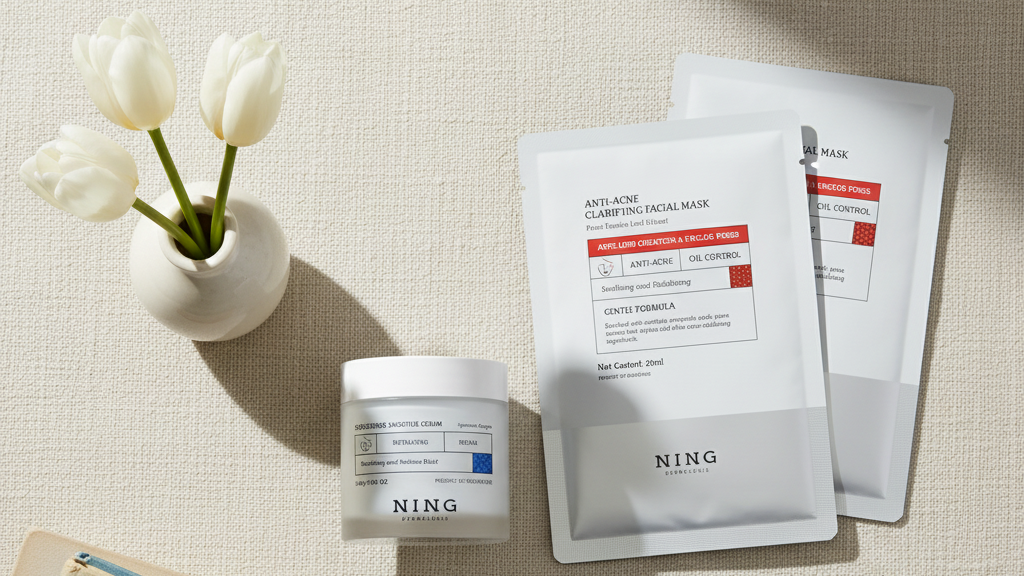
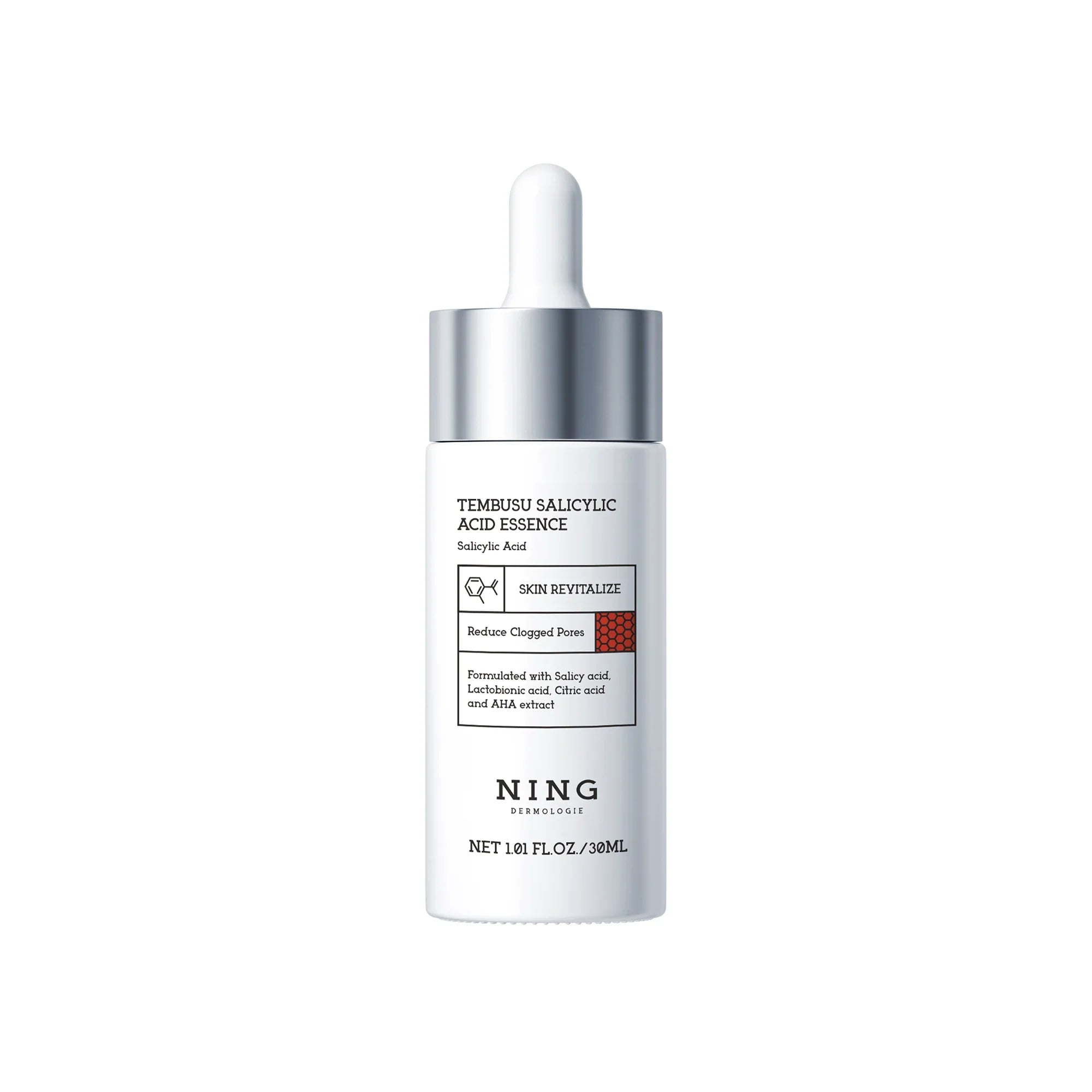
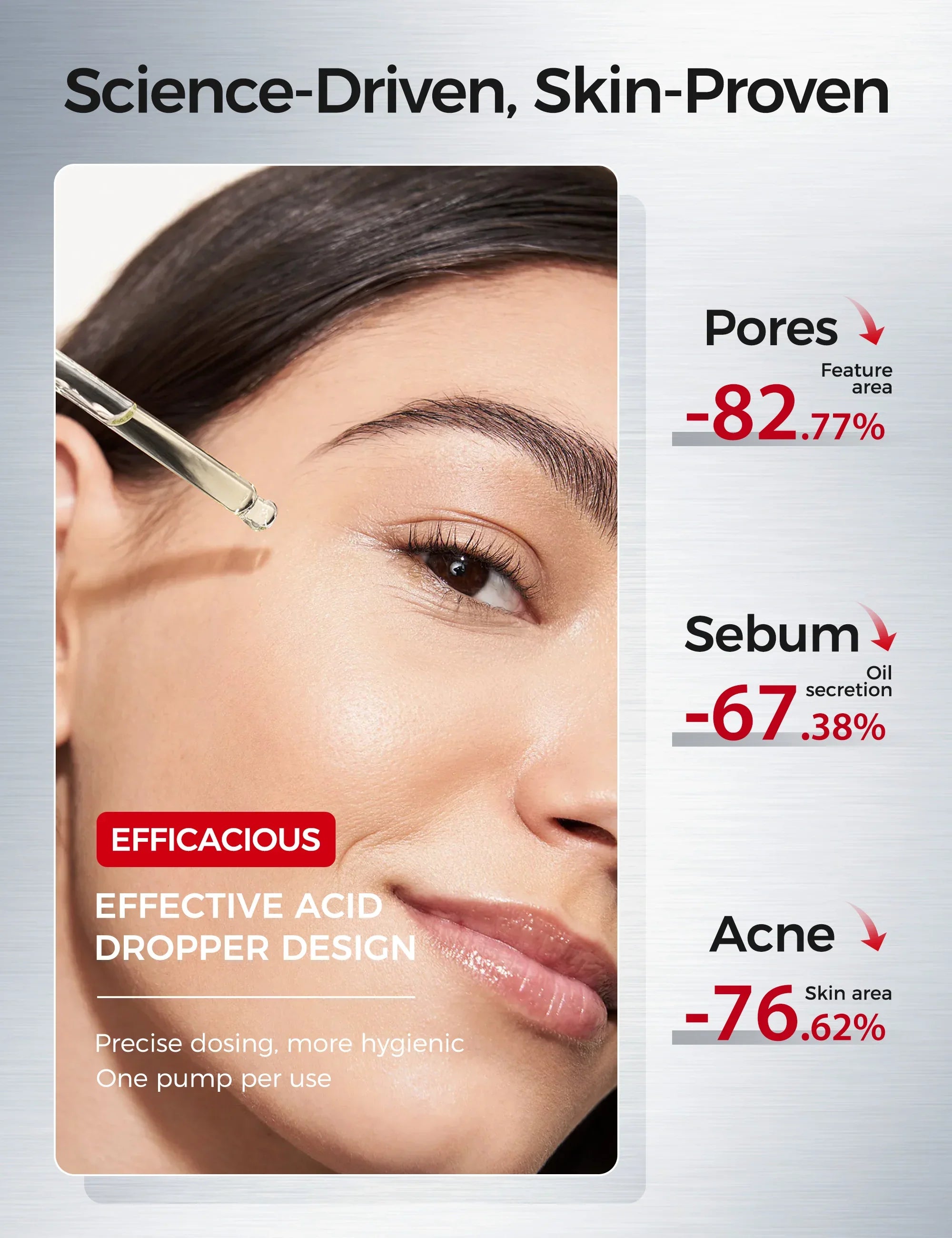
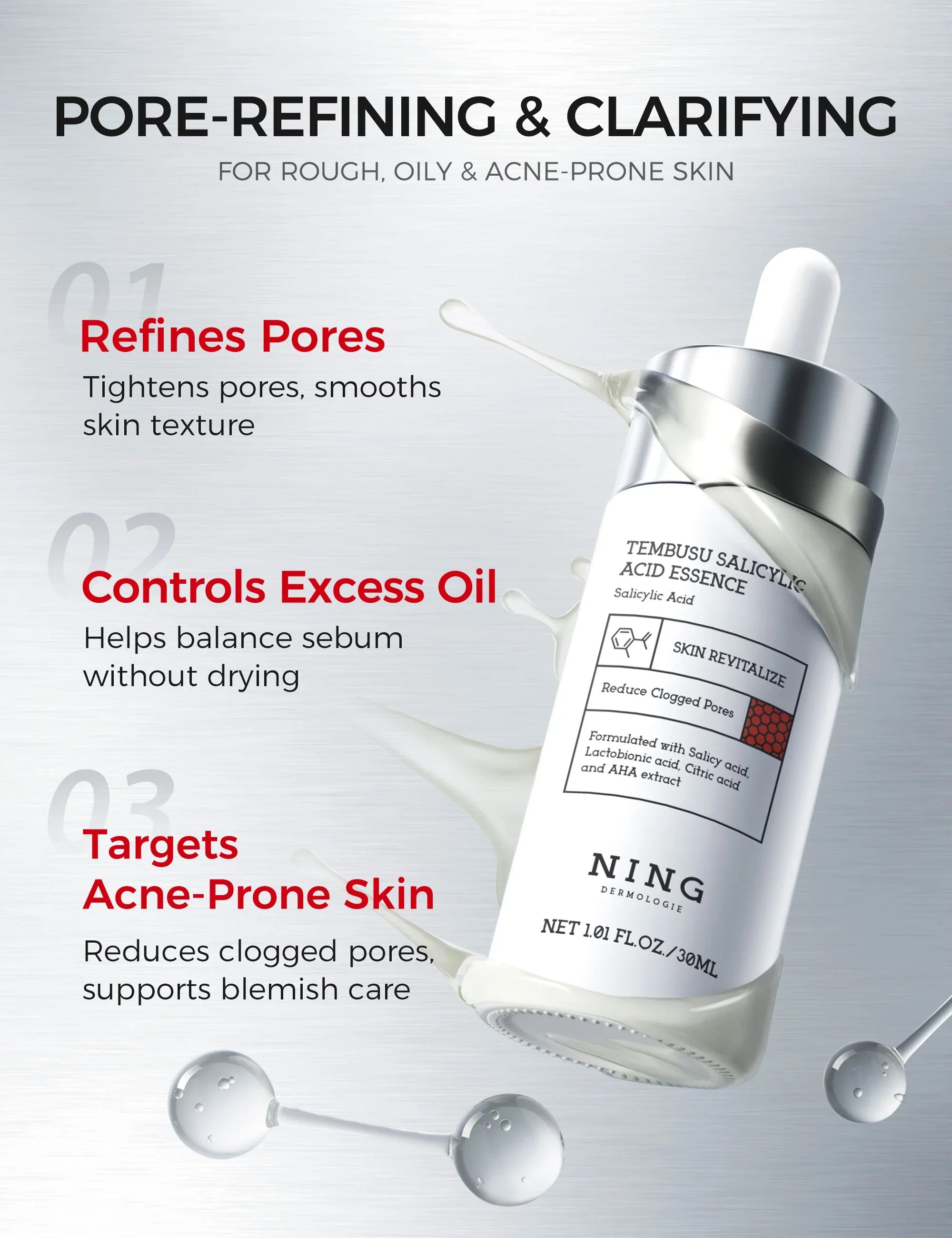
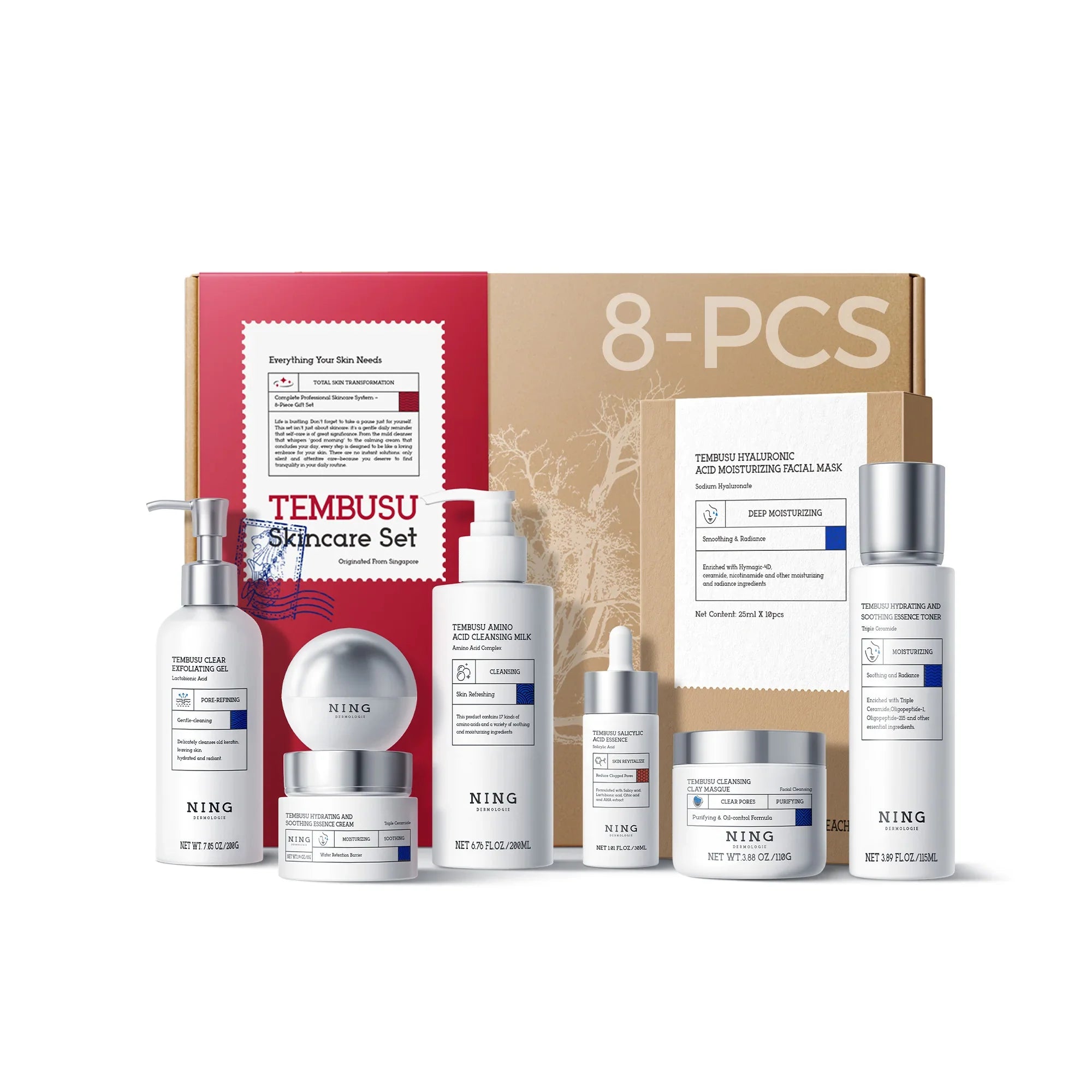
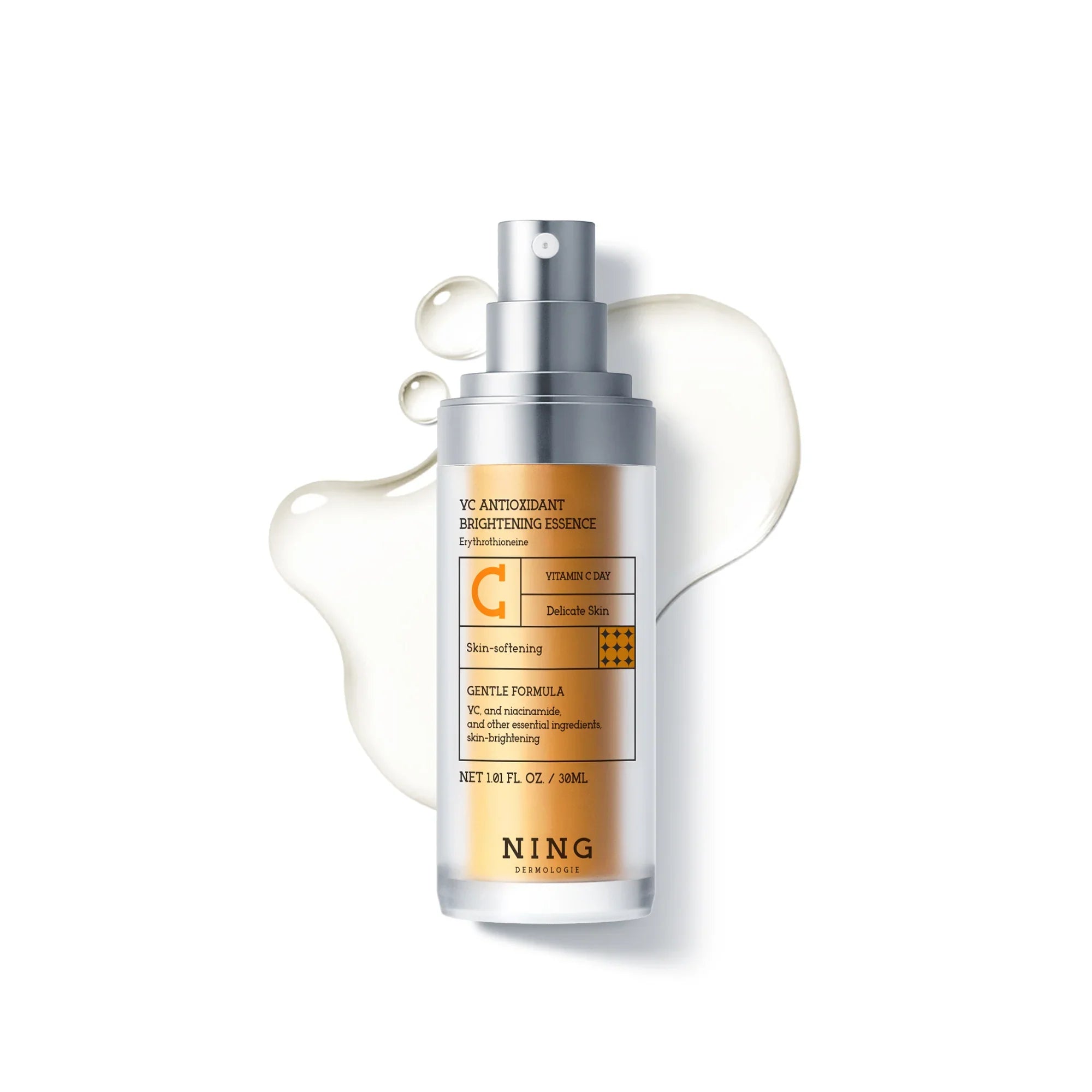
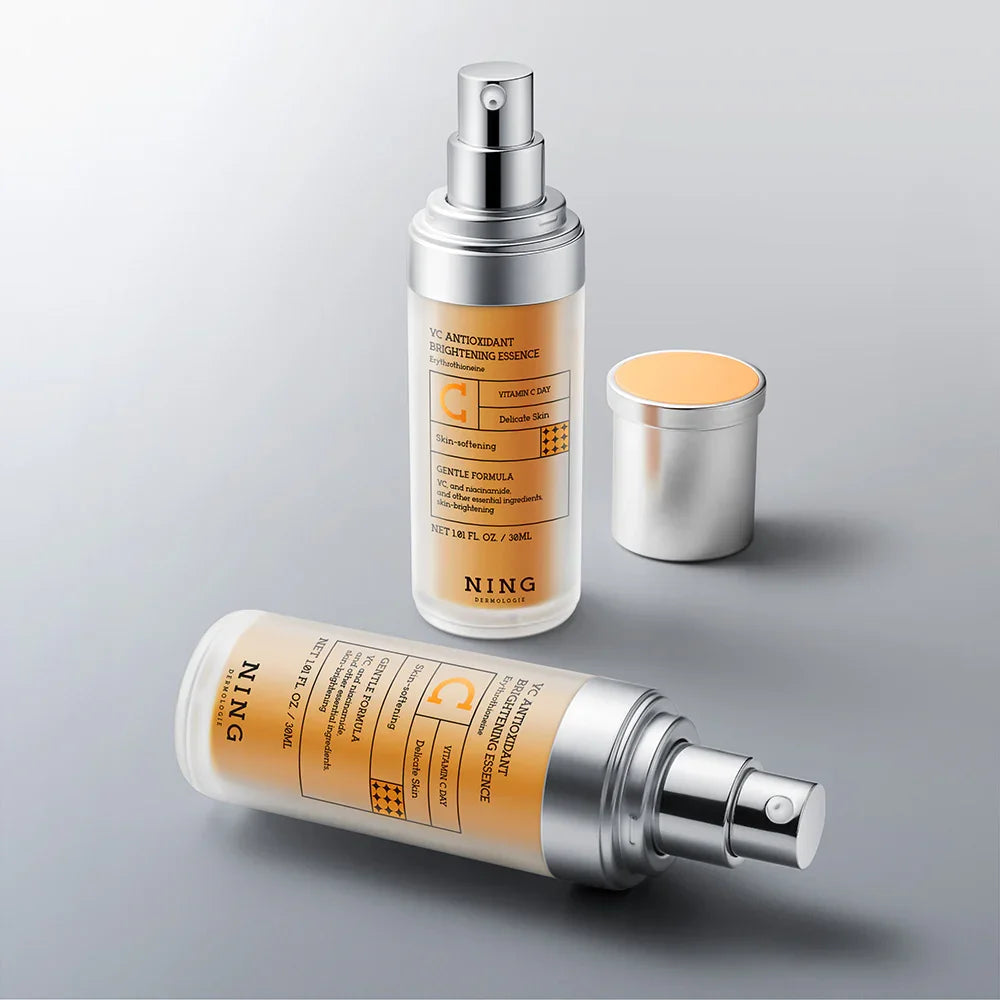
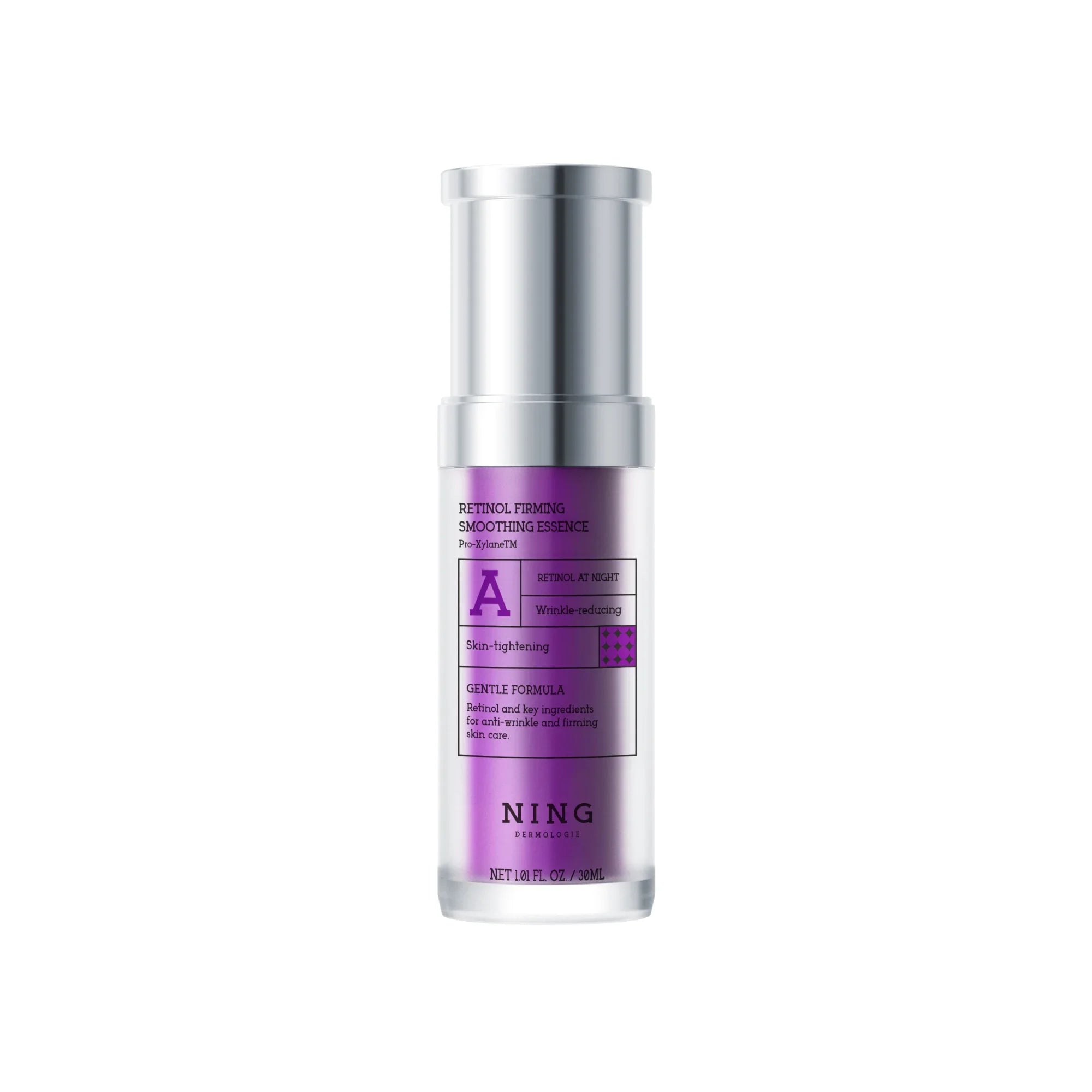
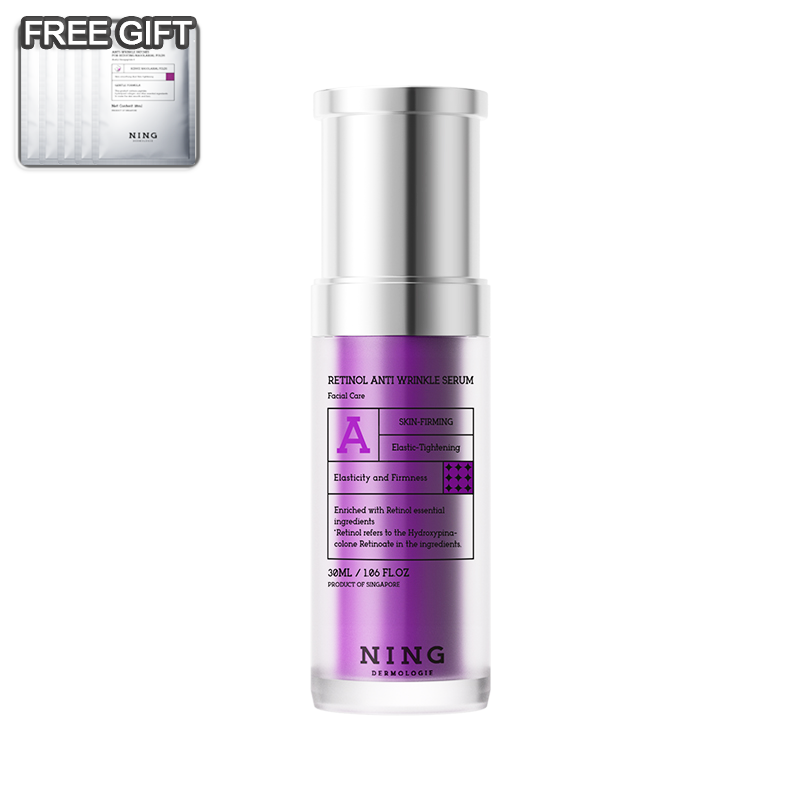
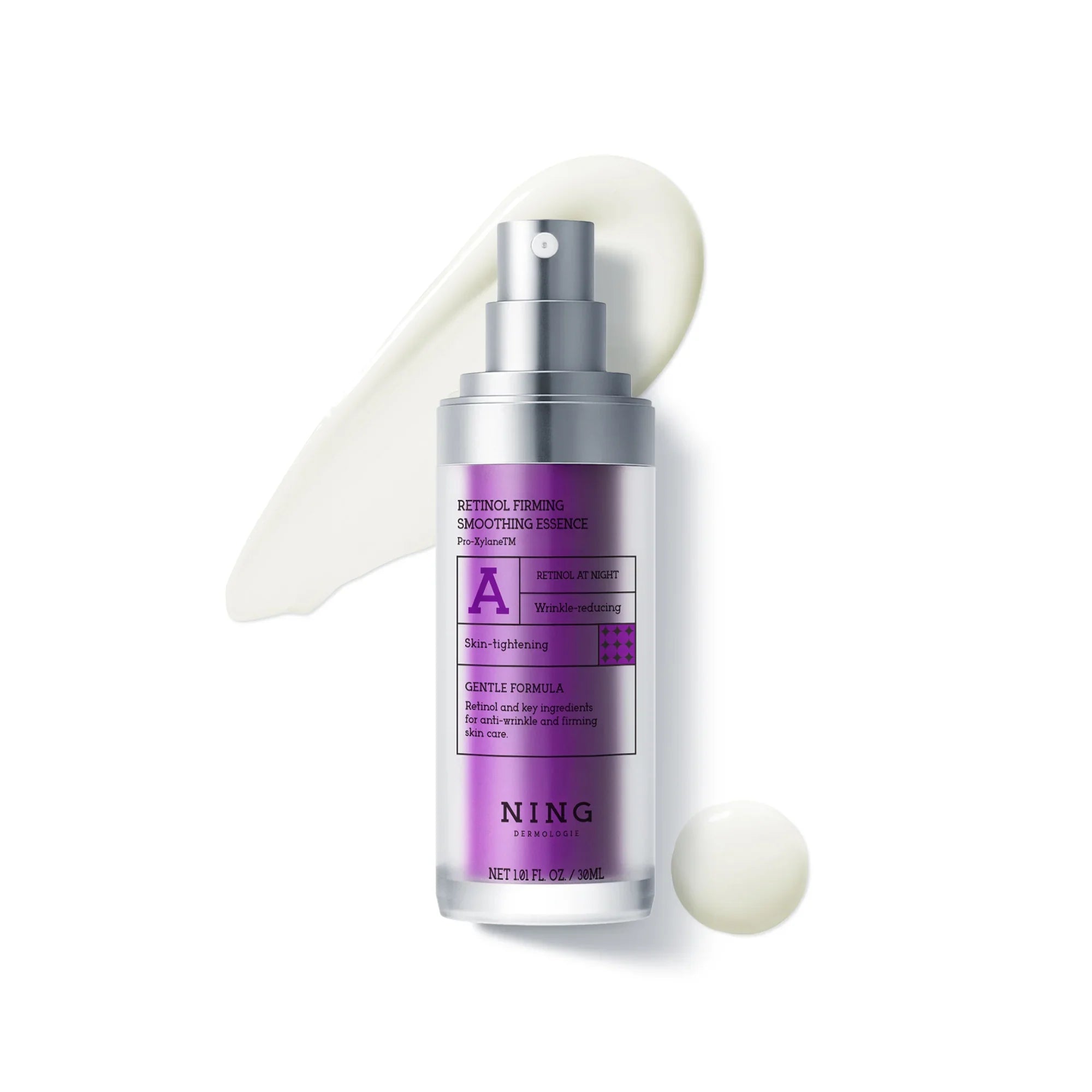
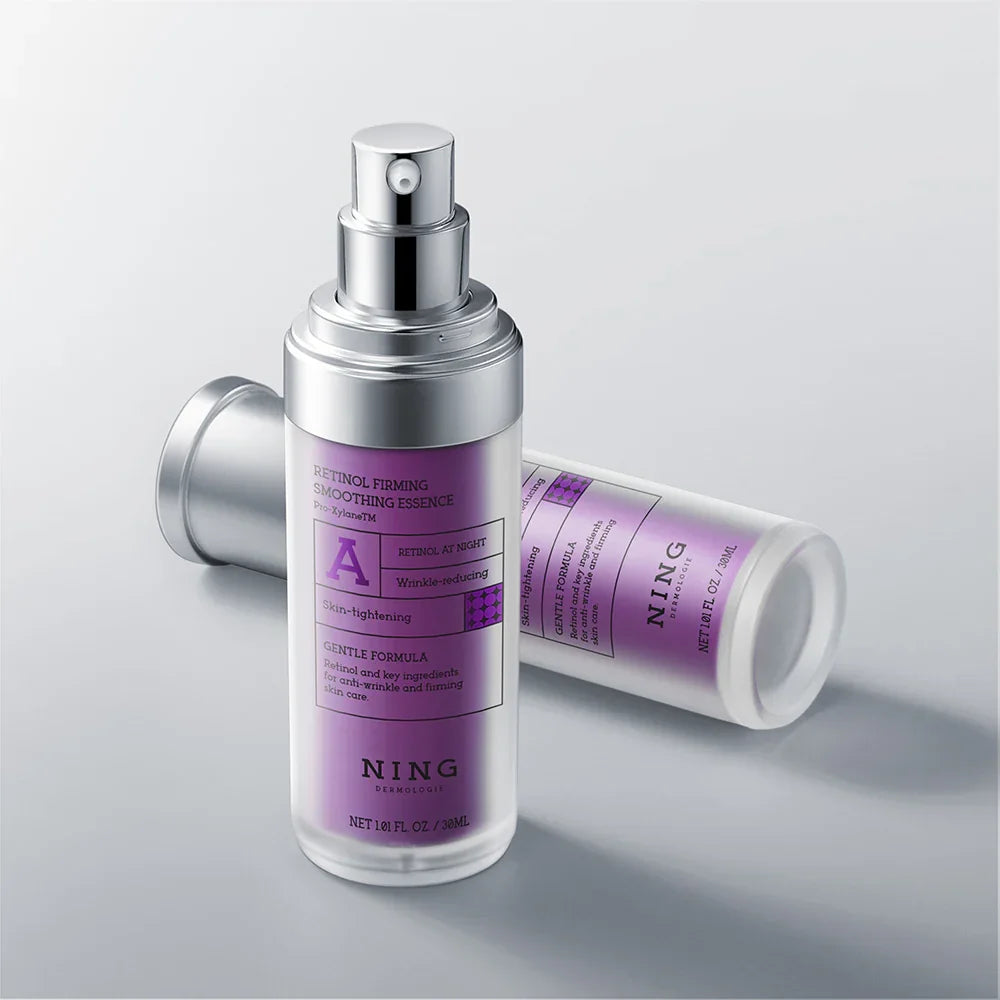
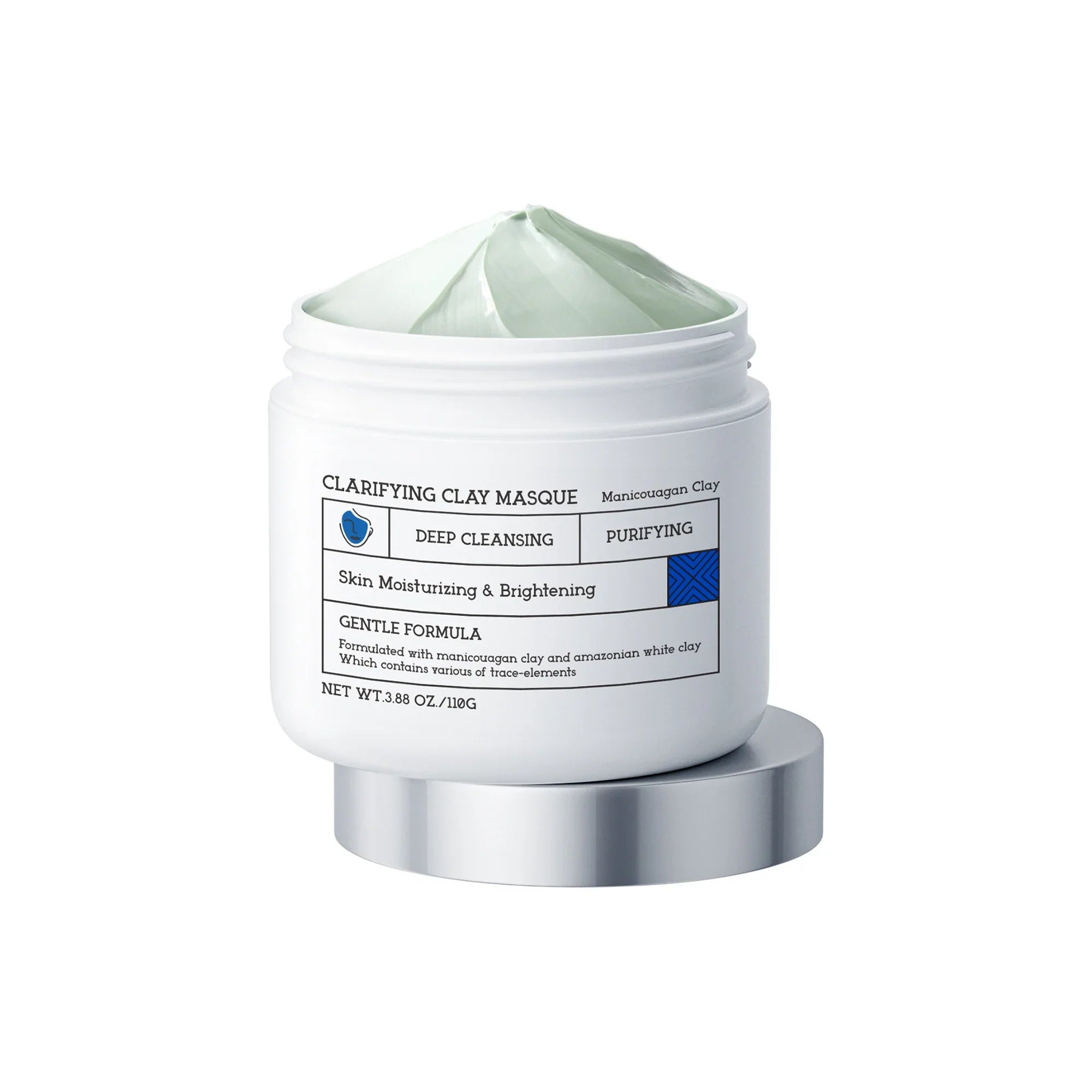
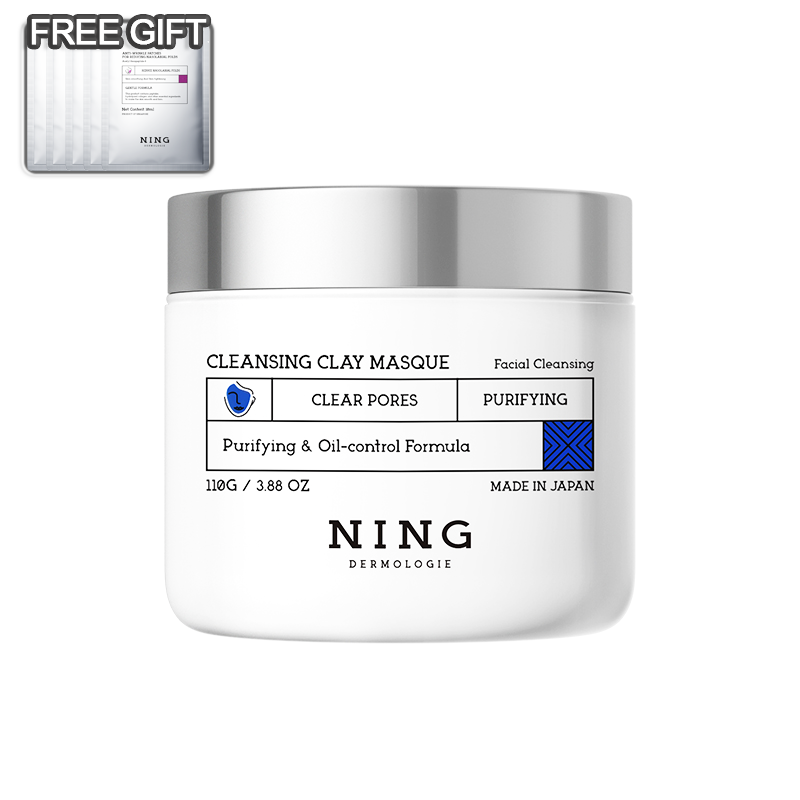
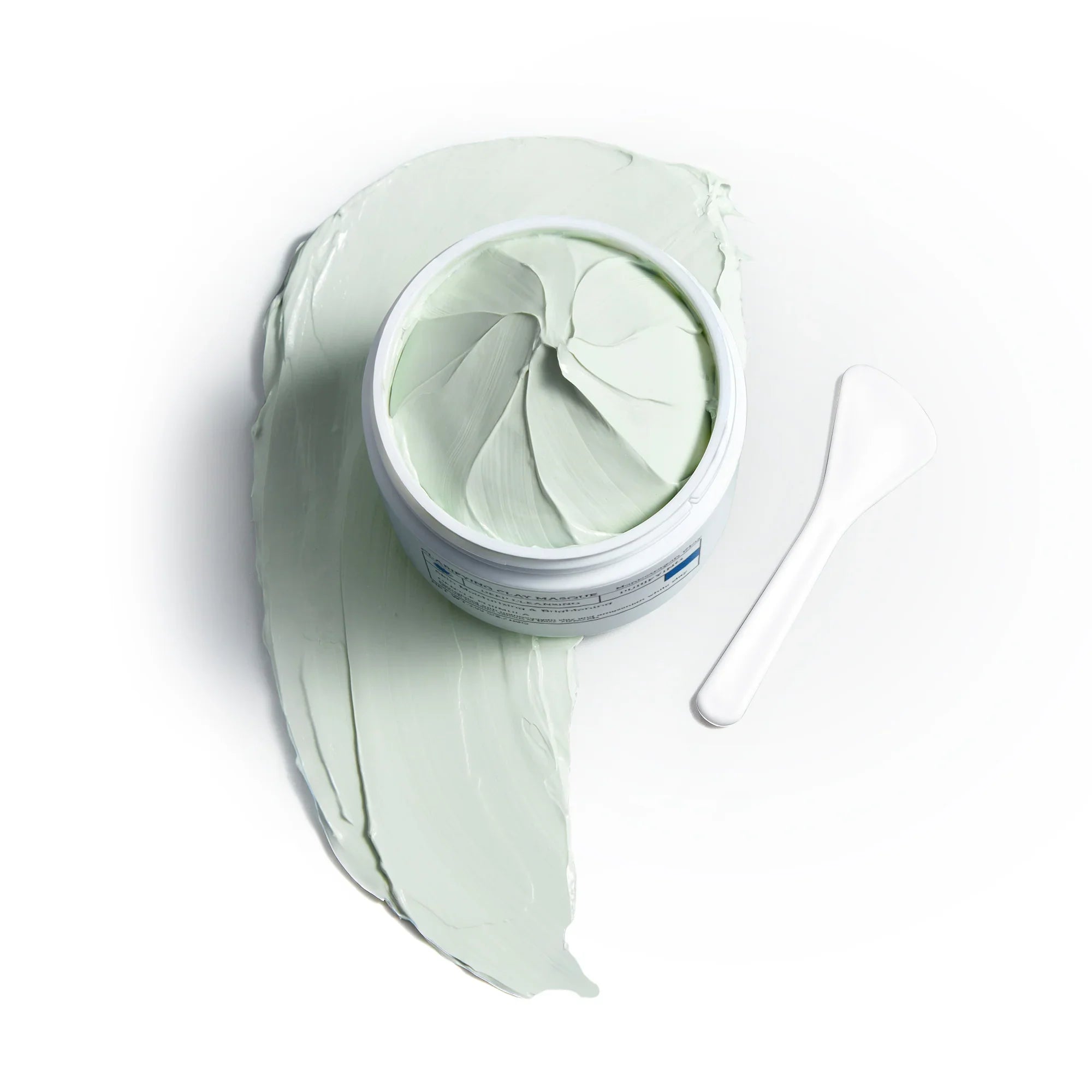
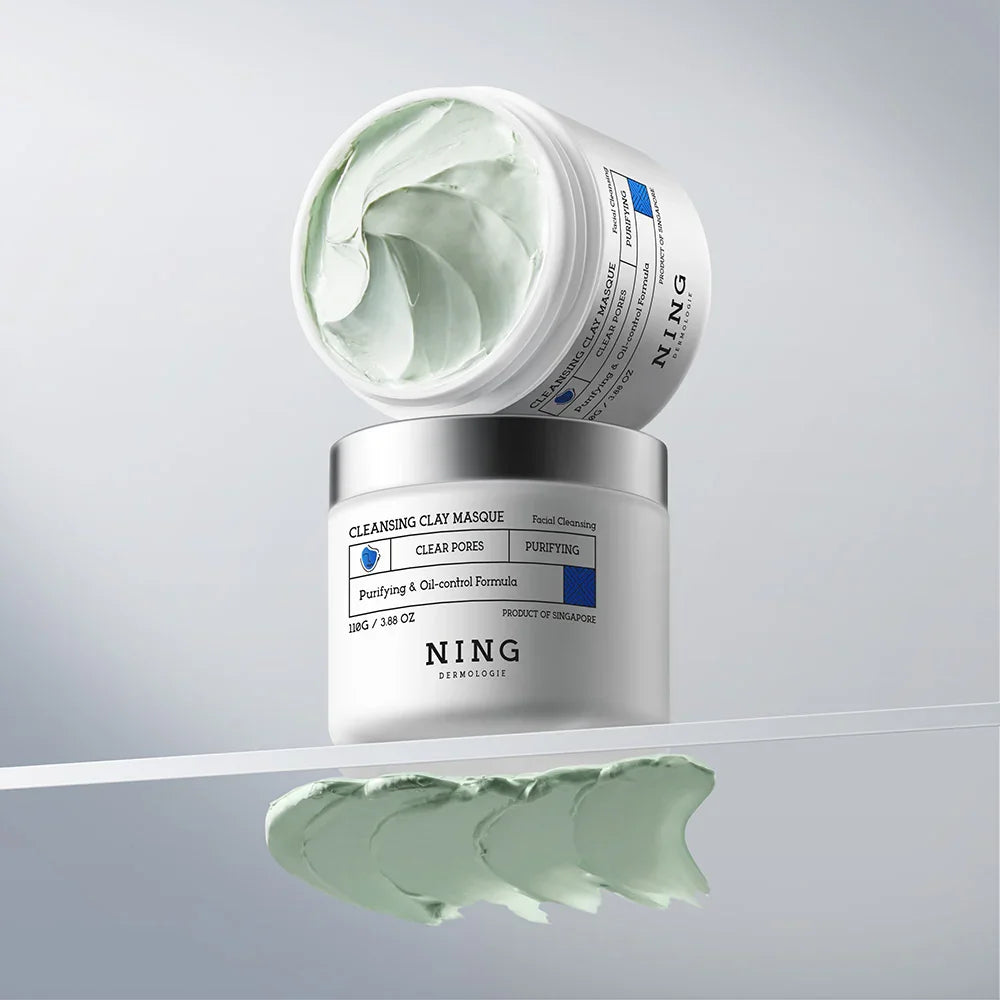
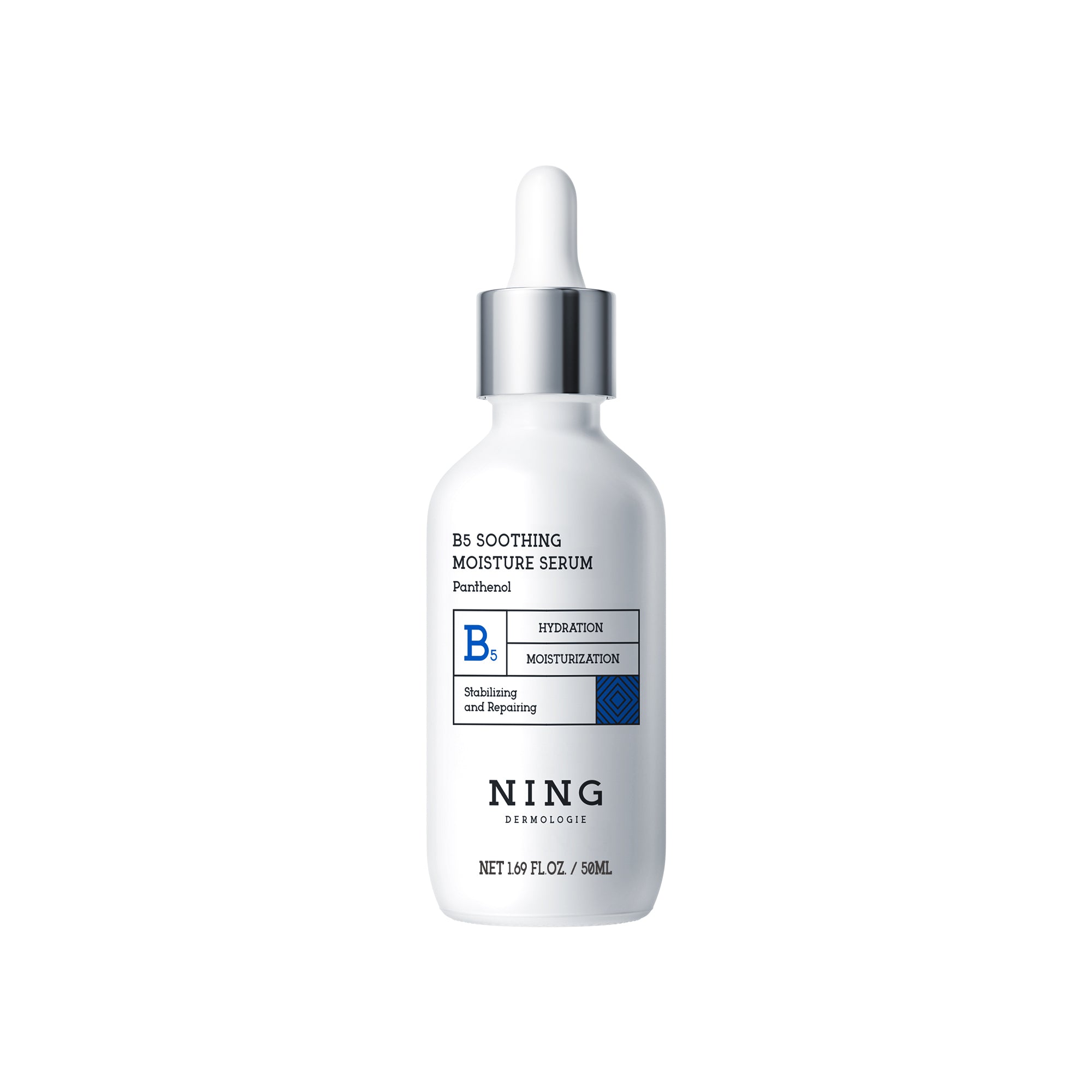
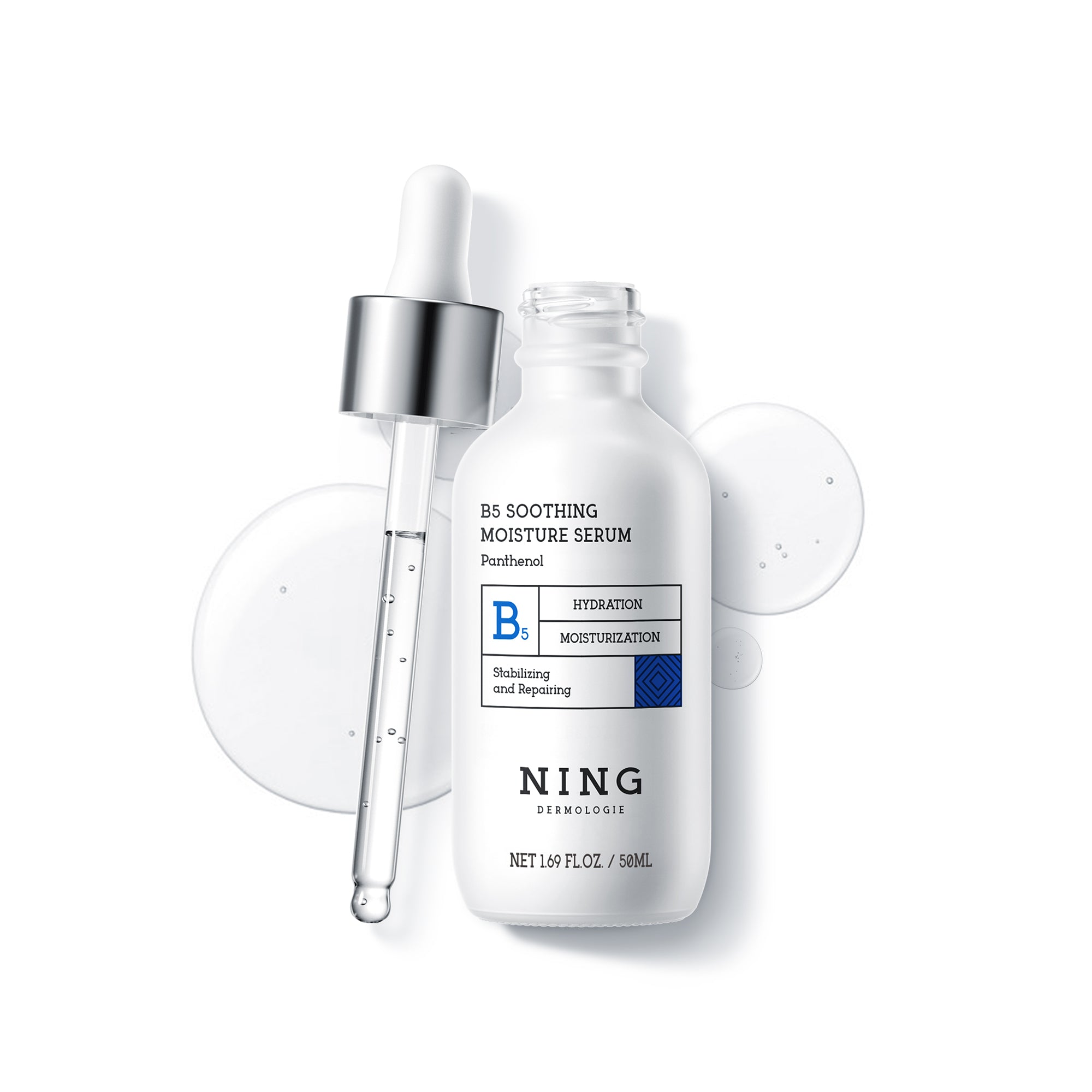
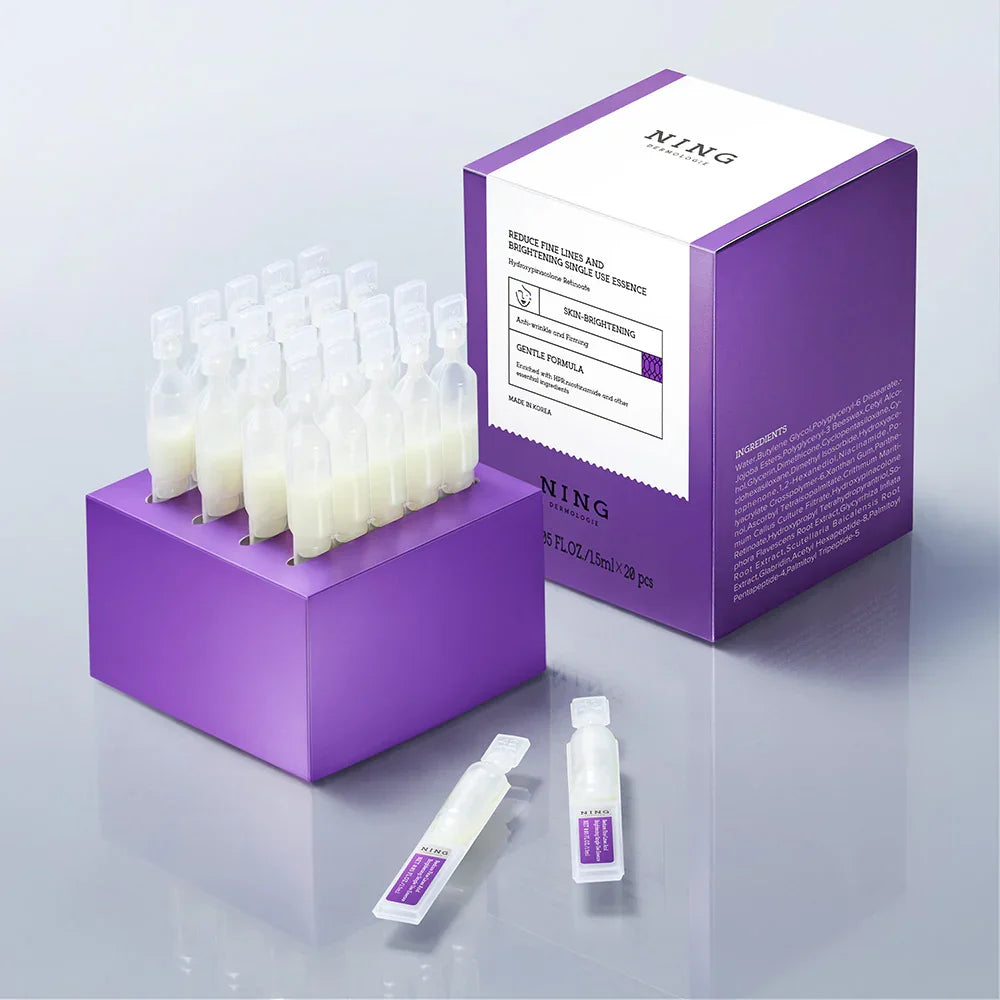
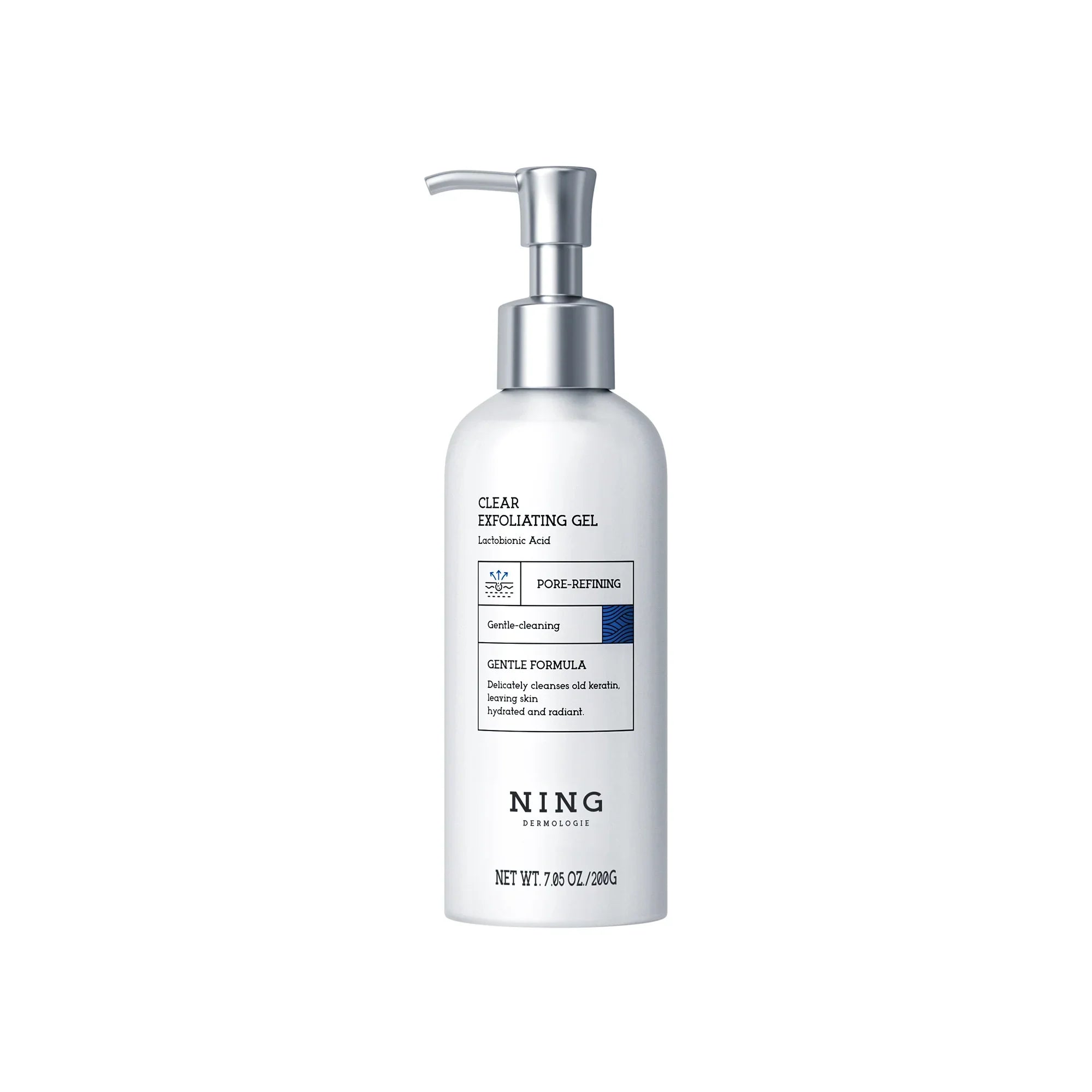
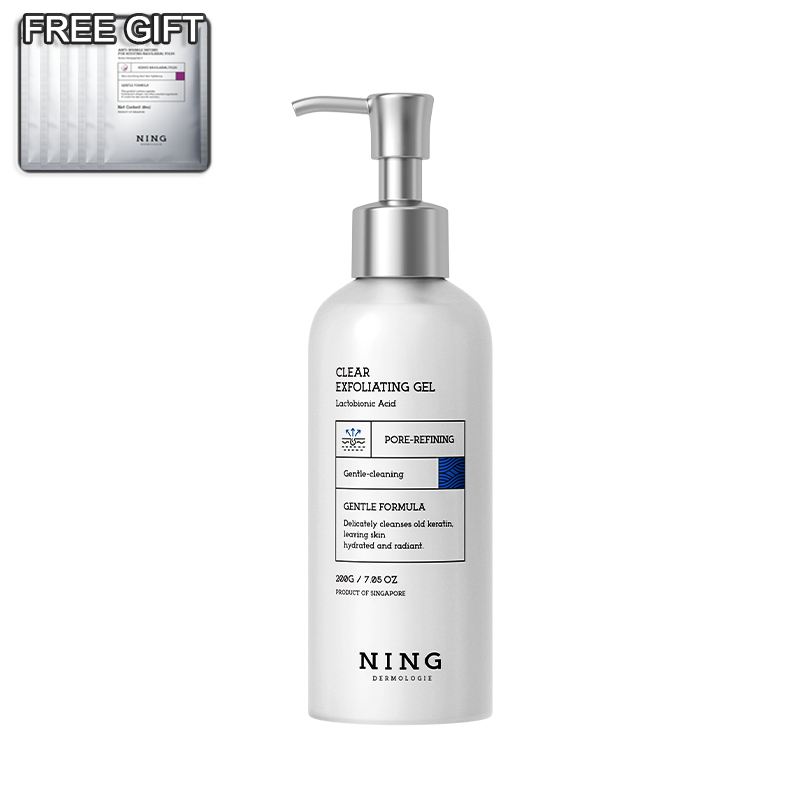
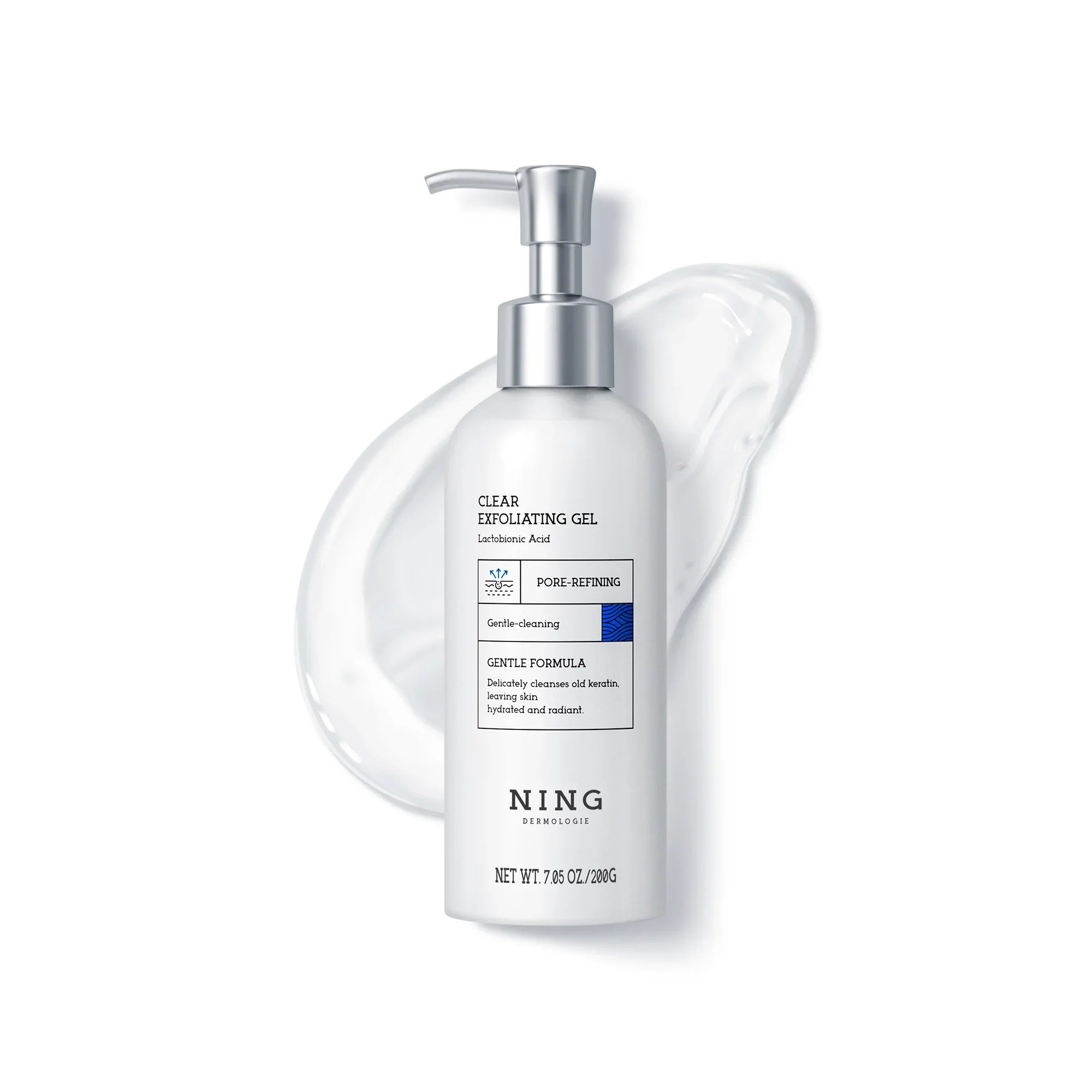
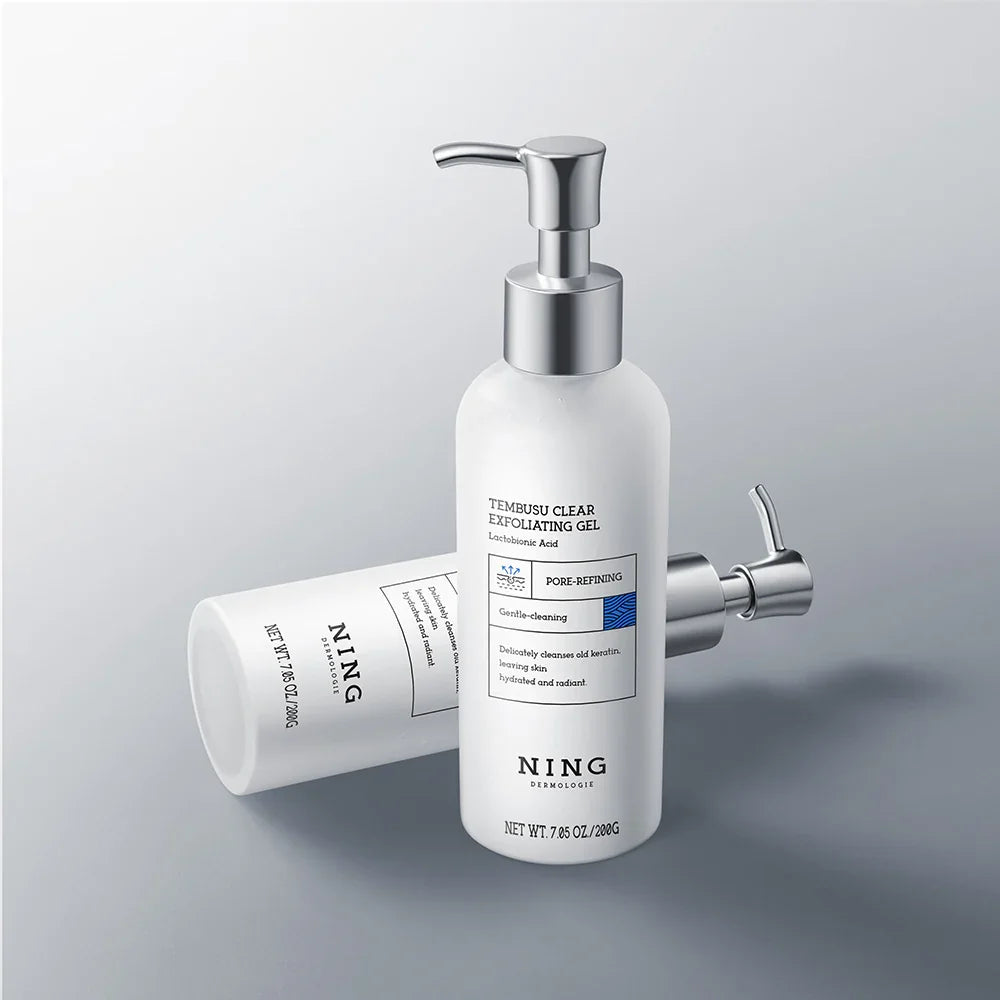
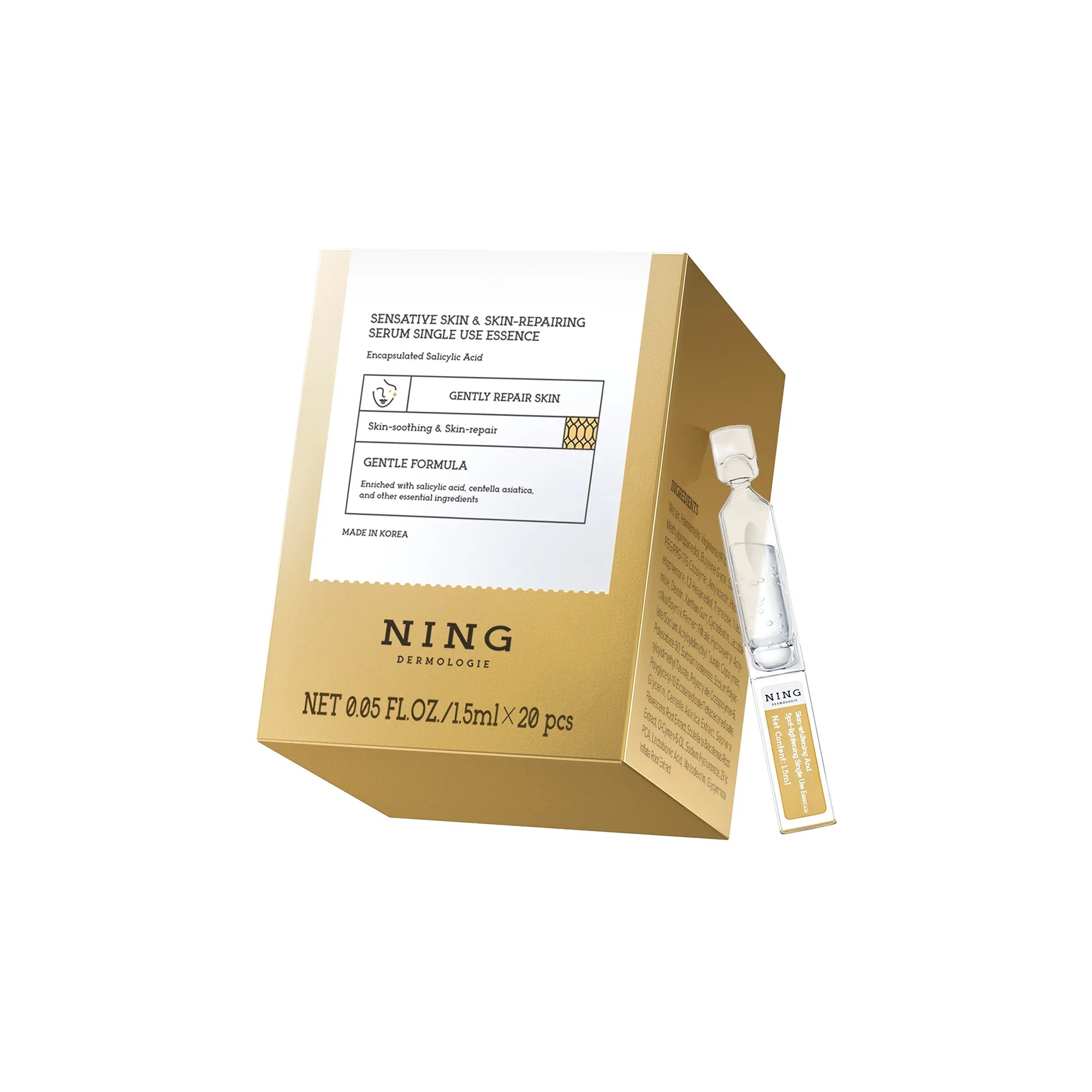
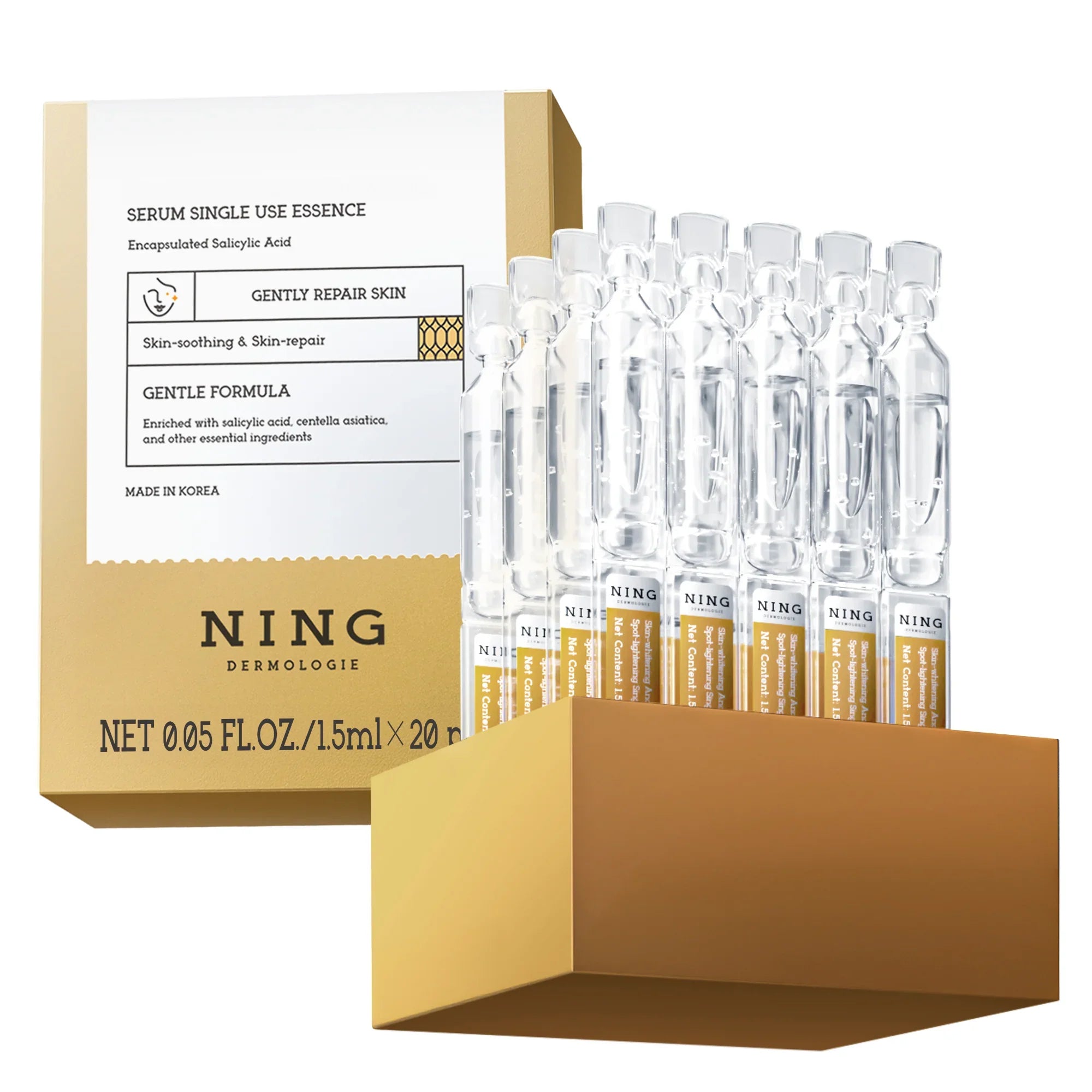
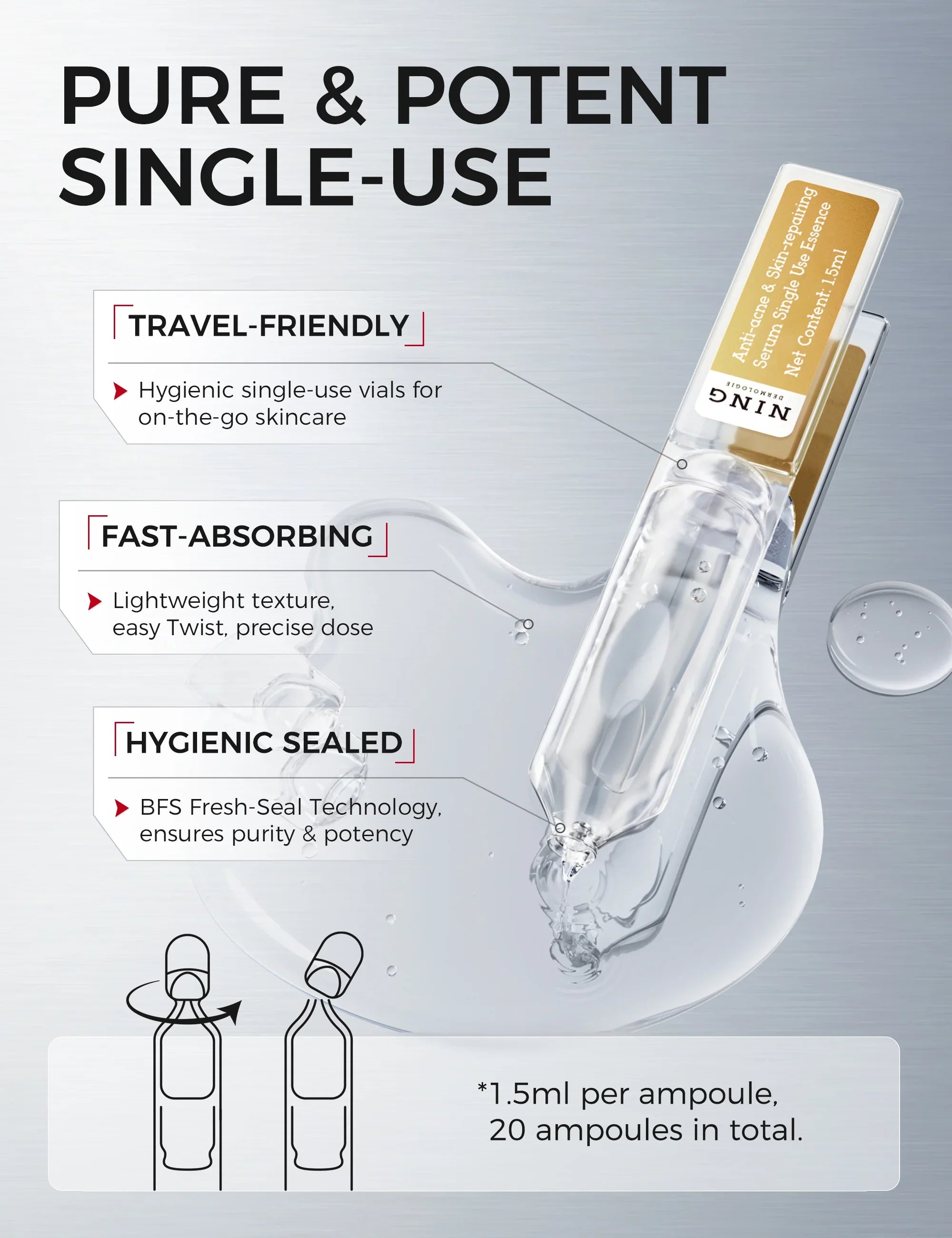
This is where smart formulation matters. If you are exhausted by the trial and error, I highly recommend looking at the Acne Control & Soothing Duo from NING Dermologie.
NING Dermologie focuses on treating acne-prone and sensitive skin simultaneously. Instead of separating your acne treatments from your barrier repair, this duo tackles both. It targets excess oil and bacteria while aggressively supporting the barrier with calming agents. You get the OIL CONTROL you want, but you wake up with a calm, hydrated face instead of a red, peeling mess.
Botanical Support vs. Hype
Many people look for a natural remedy when their barrier is compromised. You will see ingredients like Moringa Seed Extract, Moringa Water, Green Tea Extract, and Chamomile Extract praised for their anti-inflammatory properties.
Ingredients like Blue Tansy, Black Cumin Seed, and Pine Extract are fantastic for taking the red, angry heat out of a breakout. Some brands incorporate mineral-rich elements like Magnesium Oil or Red Seaweed to support the microbial flora on your skin. Even enzymes like Papaya Enzyme offer a gentler alternative to physical scrubs for removing dead skin.
You might see these in products like the Iridaea Purifying Facial Masque, Sea Splash Toning Essence, or a Skin Recovery Lotion. While these botanicals are great supporting players, they work best when paired with clinical actives in a balanced formula.
A Routine That Won't Ruin Your Barrier
Let’s put this into practice tonight. Throw out the hydration myths that oily skin doesn't need moisture. Here is a practical, barrier-safe routine.
The Evening Routine (Focus on Repair and Clearing):
- The Double Cleanse: If you wear sunscreen or makeup, a double-cleansing routine is non-negotiable for proper makeup removal. Start with a cleansing balm or oil. Follow it with a gentle, calming cleanser. You want a cleansed face, not a tight one.
- Targeted Treatment: Skip the all-over aggressive toners. If you use an exfoliating serum, a Pore + Wrinkle Perfecting Serum, or a Skin Correcting Serum, apply it only where needed. If you use spot treatments like a Meltdown Acne Oil Treatment, Meltdown Gel Cream, TAC Stick, or an Acne Conditioning Gel, dab them specifically on active spots.
- Barrier Support: Finish with a robust moisturizer. Look for hyaluronic acid and ceramides. If you are using the NING Dermologie duo, this is where you lock in that soothing hydration.
The Morning Routine (Focus on Protection):
- A Gentle Start: You don't always need a heavy wash in the morning. A splash of water or a very mild Meltdown Daily Balancing Gel Cleanser is enough.
- Antioxidants & Moisture: Apply a lightweight, non-comedogenic serum to manage your daily sebum levels and sebum composition.
- Sun Protection: You must wear broad-spectrum SPF. UV damage drastically darkens post-acne pigmentation and degrades your skin barrier further. Find an SPF that doesn't feel heavy on combination skin.
Moving Forward
Navigating hormonal changes, breakouts, and barrier health takes patience. Stop treating your face like a dirty floor that needs heavy scrubbing. Be gentle. Feed the barrier.
Take a skincare quiz to understand your specific needs, look for products with real Clinical Results, and stick to a consistent routine. (Bonus points if you shop brands offering Free Shipping and Reward Points to make the habit easier on your wallet). Calm the inflammation first, and the clear skin will follow.

Frequently Asked Questions (FAQ)
Why does my skin feel tight after washing?
Tightness means your cleanser stripped away your natural lipids. This damages your moisture barrier, leading to dehydration and rebound oil production. Switch to a non-foaming, hydrating cleanser that respects your skin’s natural pH.
Can I use salicylic acid every day?
It depends on the formula and your skin's tolerance. For sensitive skin, daily use of strong chemical exfoliants will cause irritation. Opt for gentle daily formulations or limit strong BHA serums to two or three times a week.
What is the point of a double-cleansing routine?
Water and oil do not mix. Your first cleanse (oil or balm) breaks down sunscreen, makeup, and excess sebum. The second water-based cleanse actually washes your skin. It prevents clogged pores without needing aggressive scrubbing.
Does oily skin actually need a moisturizer?
Yes. Skipping moisturizer forces your dehydrated skin to produce more oil to protect itself. This worsens breakouts. Use a lightweight, water-based gel or lotion packed with hyaluronic acid to maintain healthy hydration without heavy grease.
How long does it take to fix a damaged barrier?
A compromised barrier typically takes two to four weeks of consistent, gentle care to repair. Stop all harsh exfoliants, focus entirely on hydration and soothing ingredients, and always wear sunscreen to protect the healing skin.





Share:
The Ultimate Mask and Cream Routine for Acne-Prone and Sensitive Skin
Best Acne Control Duo for Breakouts, Oiliness, and Skin Irritation