

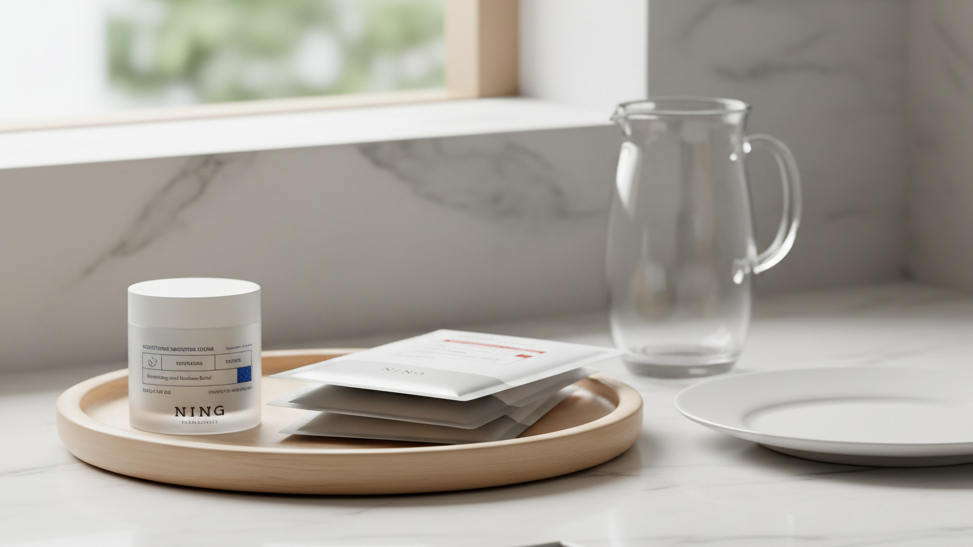

Having acne is frustrating. Having sensitive skin is annoying. Having both at the exact same time? That is a nightmare.
You try a spot treatment to dry out a stubborn breakout, and suddenly your whole face is red, angry, and peeling. You try a rich moisturizer to fix the peeling, and you wake up with three new clogged pores. It feels like you just can't win.
Most traditional acne advice is built for tough, oily skin that can handle aggressive scrubbing and high percentages of drying acids. But when your skin barrier is easily compromised, that approach will ruin your face. You need a strategy that clears out the bad stuff while actively protecting the good stuff.
This is where the mask and cream routine comes in. It is the sweet spot. Wash-off treatments give you the active ingredients without the prolonged exposure, and the right follow-up cream rebuilds your defenses. Let’s break down exactly how to do this right.

Why This Specific Combo Works
Think of your skincare routine as a negotiation. You are asking your skin to shed dead cells and clear out sebum, but you have to offer it something in return: intense hydration and barrier repair.
A targeted mask acts as the heavy lifter. Because you wash it off, you control the exact amount of time the active ingredients (like a gentle BHA or clay) sit on your skin. This minimizes irritation. You get the pore-clearing benefits without the chemical burn.
The cream is your insurance policy. Once the mask is washed away, your skin is clean but vulnerable. A well-formulated cream—ideally packed with barrier-loving ingredients like ceramides and hyaluronic acid—steps in to seal the micro-cracks in your skin barrier and lock in moisture.
The Step-by-Step Evening Ritual
If you want to see actual changes without the redness, follow this process carefully. Timing and temperature matter just as much as the products you use.
Step 1: The Gentle Cleanse
Never apply a mask over a dirty face. Use a gentle, non-foaming cleanser to remove the day's grime. Wash with lukewarm water. Not hot. Hot water strips your natural lipids and immediately triggers inflammation in sensitive skin. Pat your face dry with a clean towel. Don't rub.
Step 2: The Mask Application
Apply your mask in a thin, even layer. You don't need to look like a thick mud monster. A thin layer does the exact same job and is much easier to wash off without tugging at your skin.
Focus on your problem areas. If your cheeks are bone-dry but your chin is breaking out, just mask the chin. This is called multi-masking, and it’s a lifesaver for sensitive folks.
Leave it on for 10 to 15 minutes. Do not let it crack and flake off. If a clay or active mask dries completely, it starts drawing moisture directly out of your skin, leaving you dehydrated. Wash it off while it's still slightly tacky.
Step 3: The Cream Lock-In
While your skin is still slightly damp from rinsing off the mask, apply your cream. Damp skin absorbs moisture much better than dry skin. Take a pea-sized amount, warm it slightly between your fingertips, and gently press it into your face.
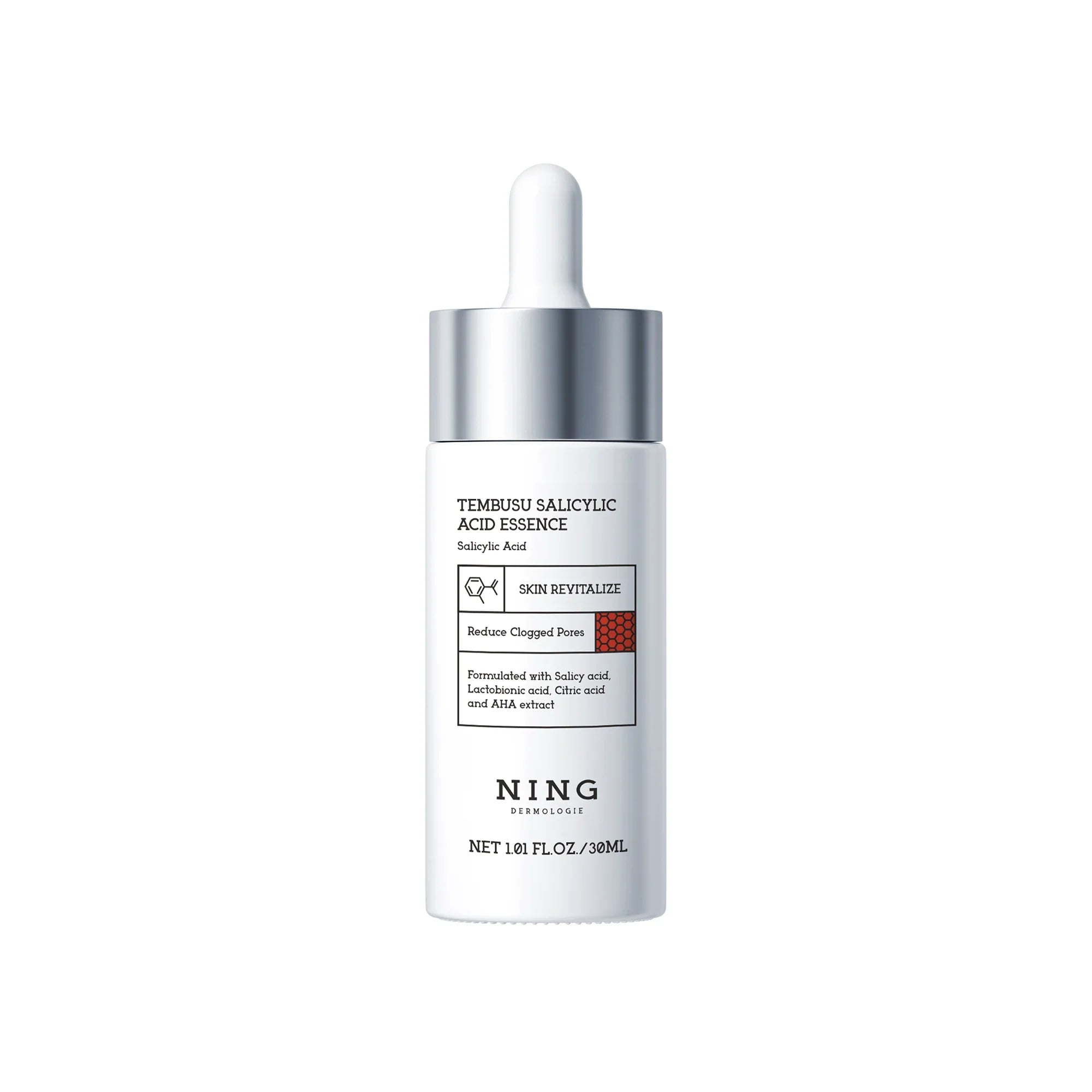
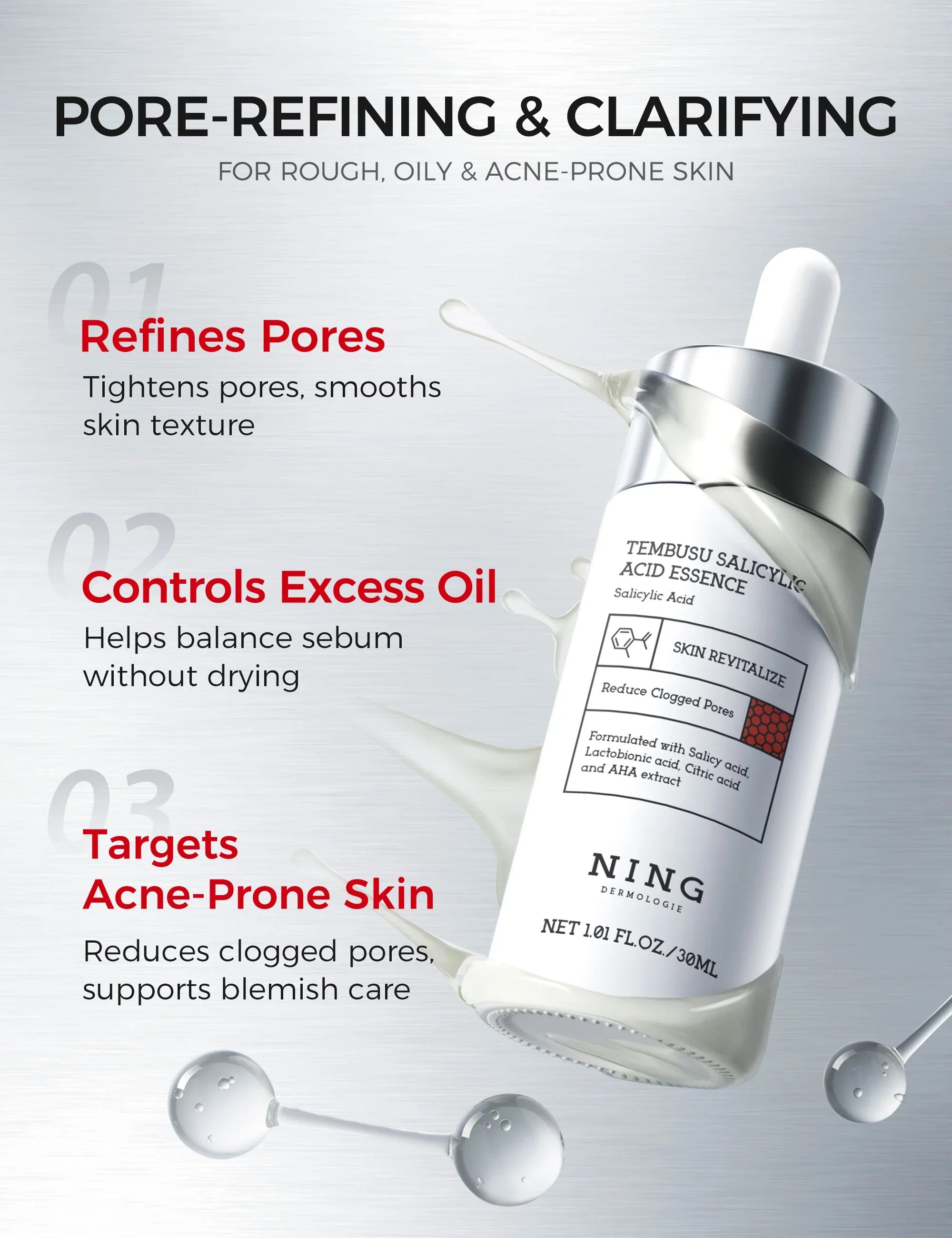
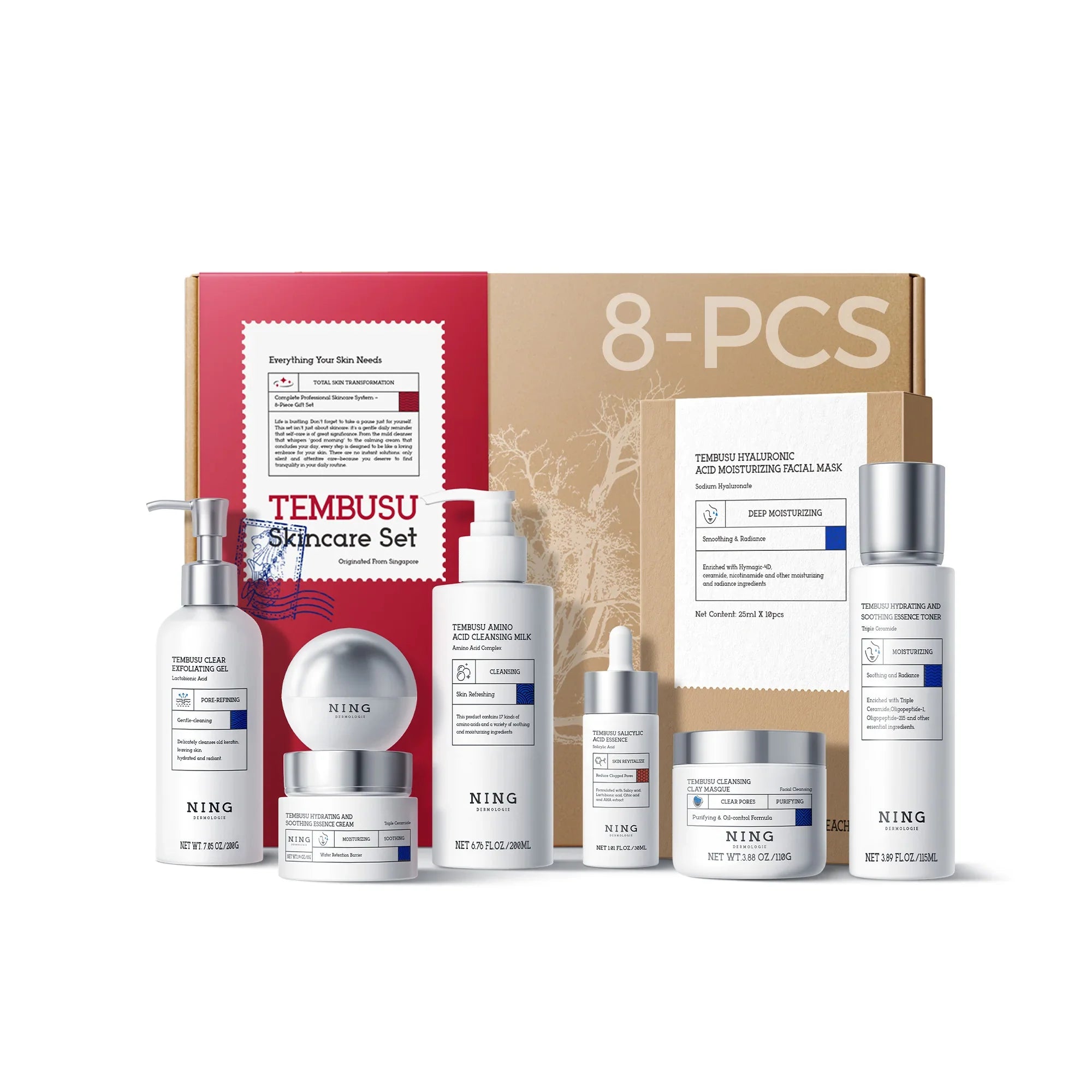
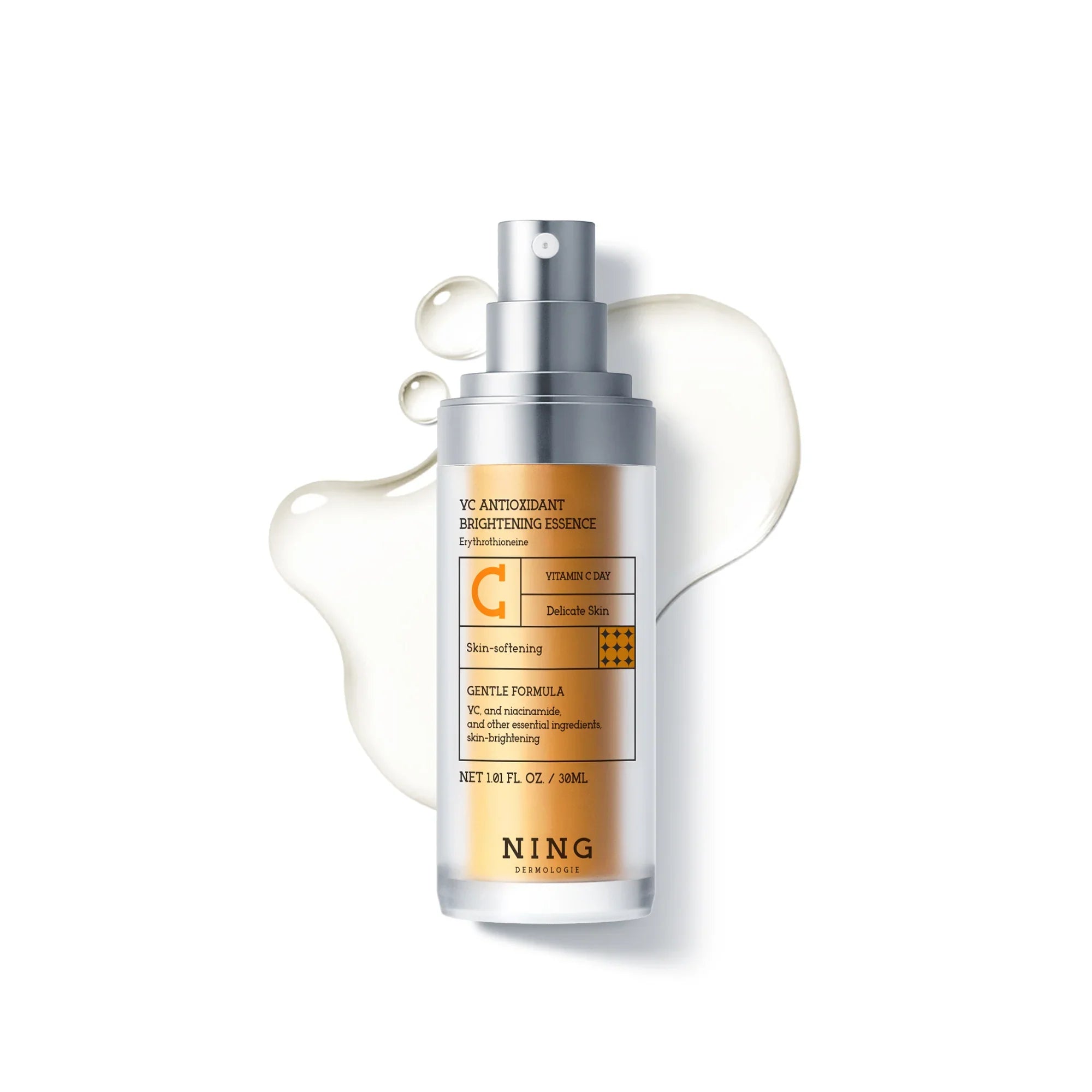
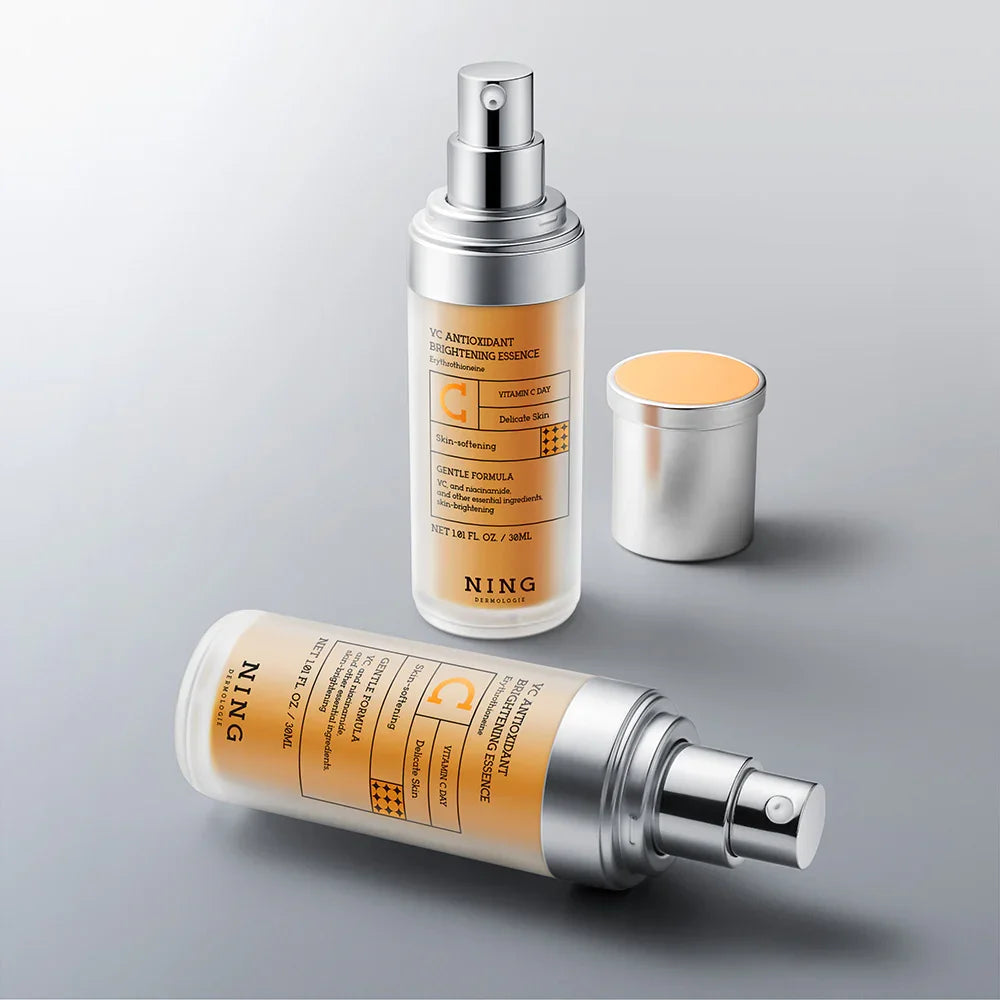
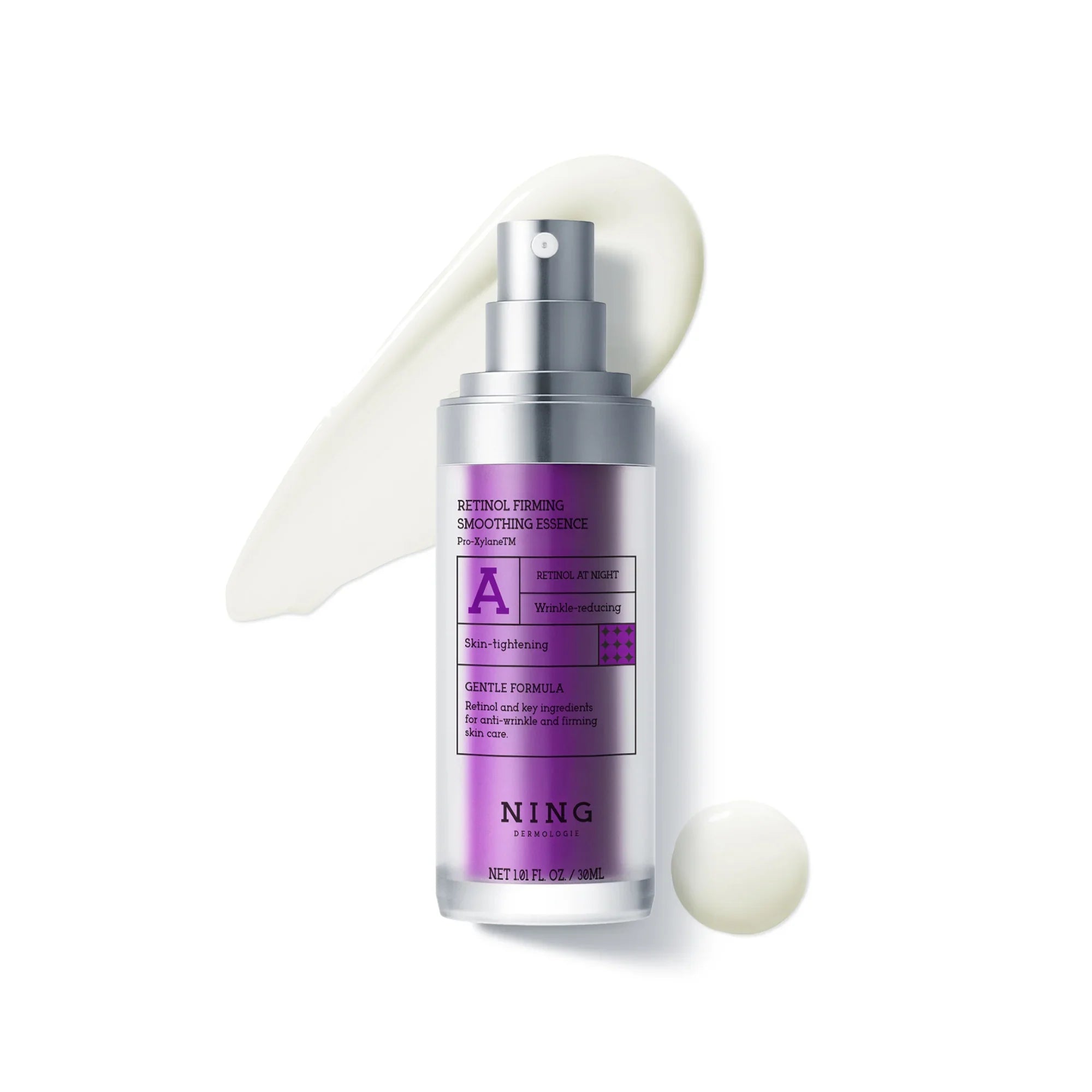
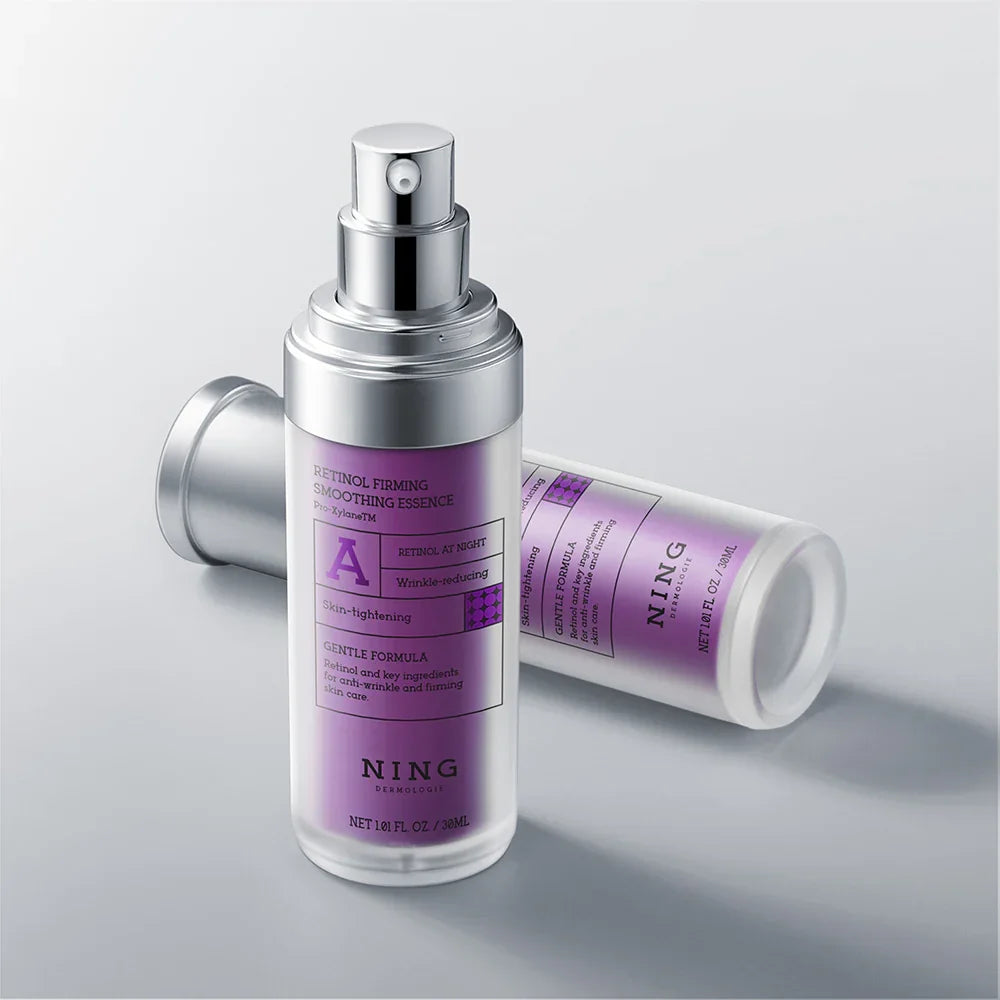
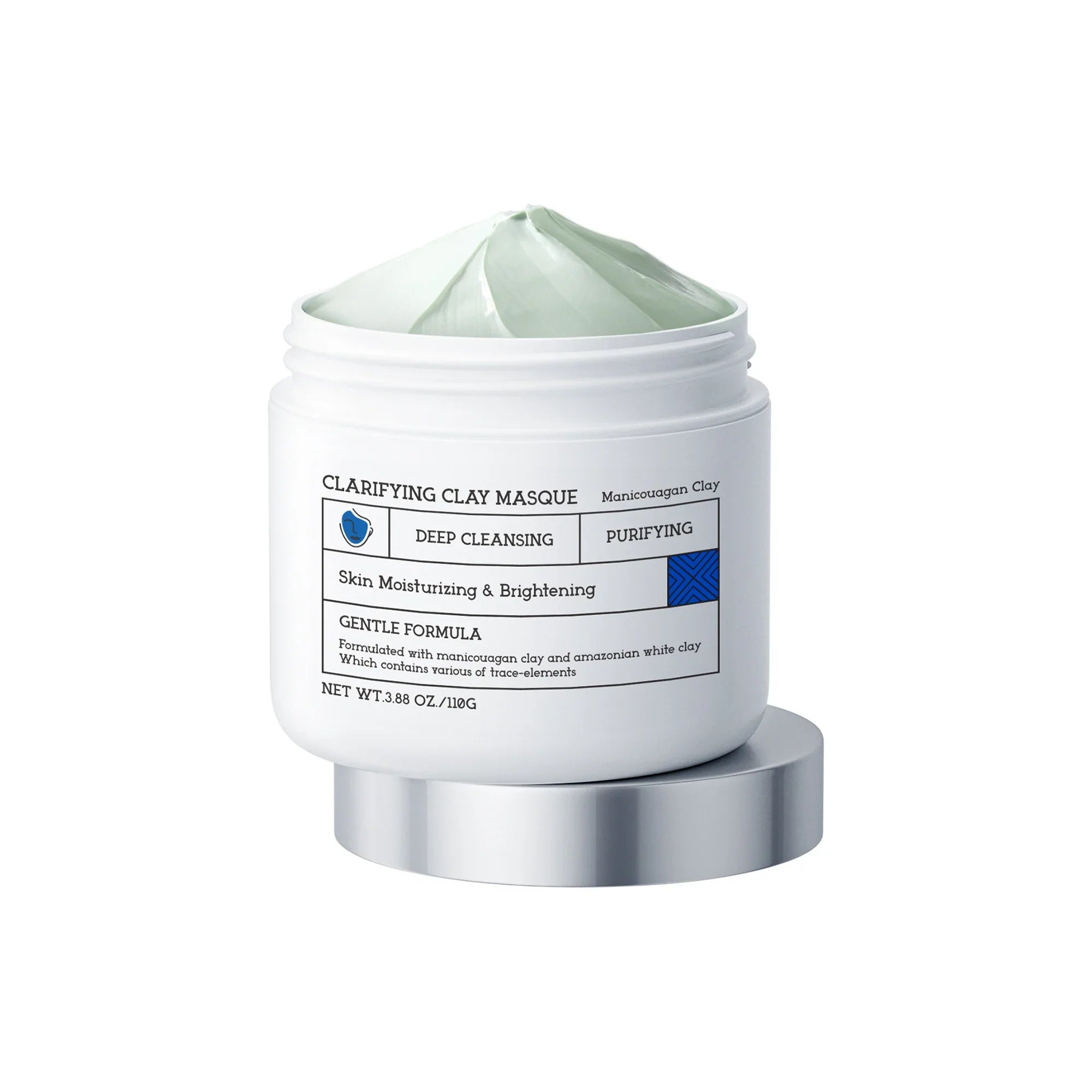
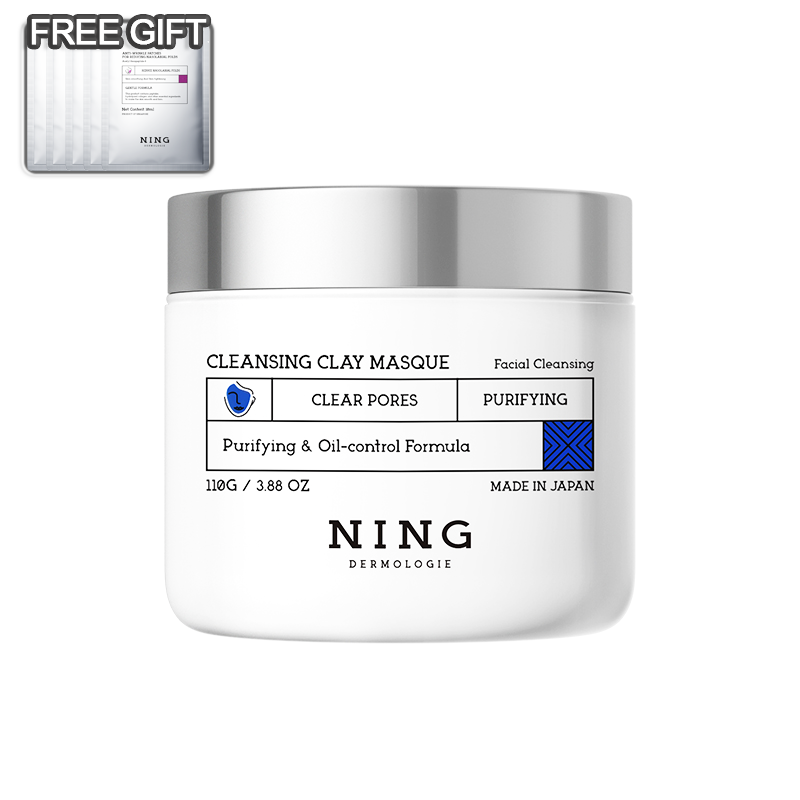
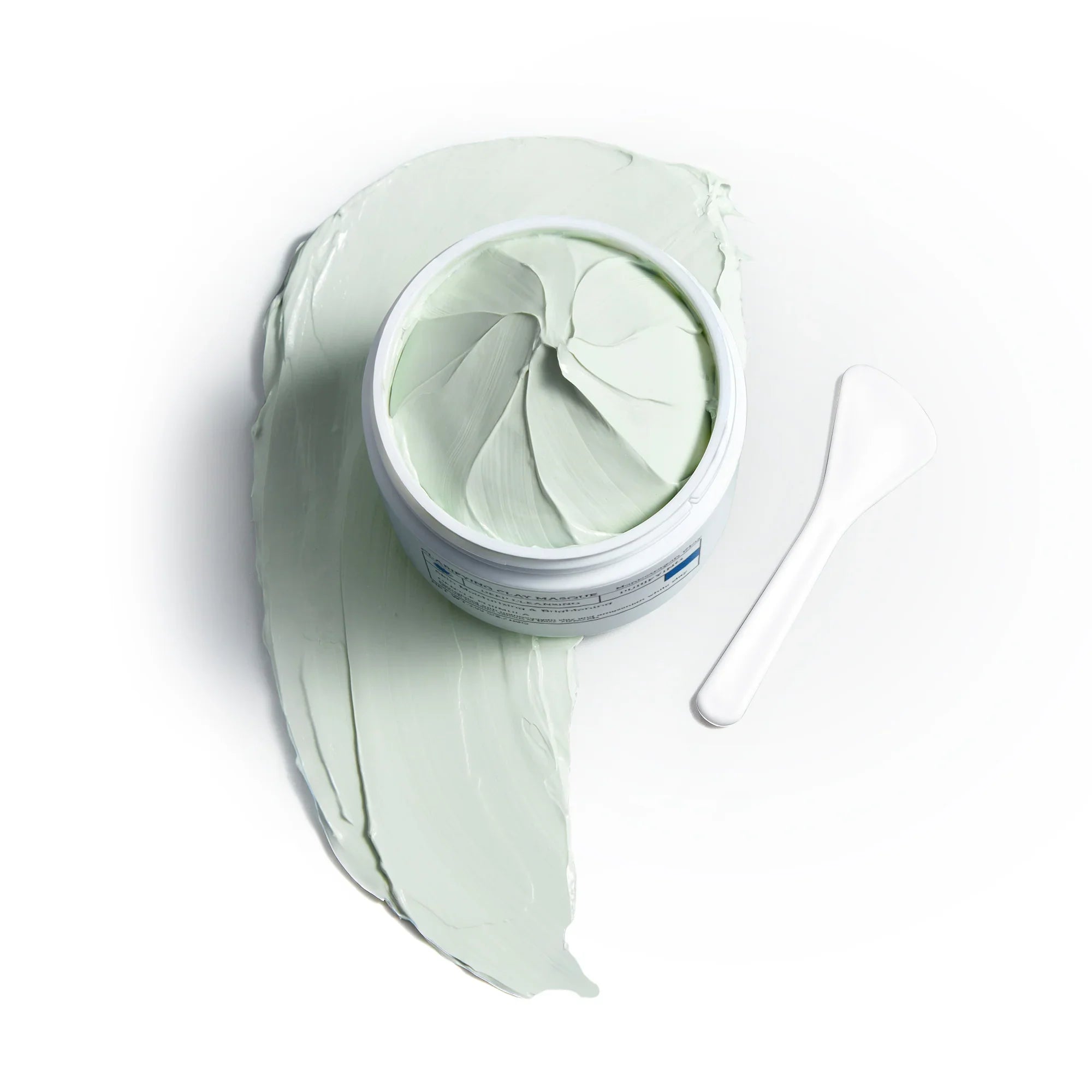
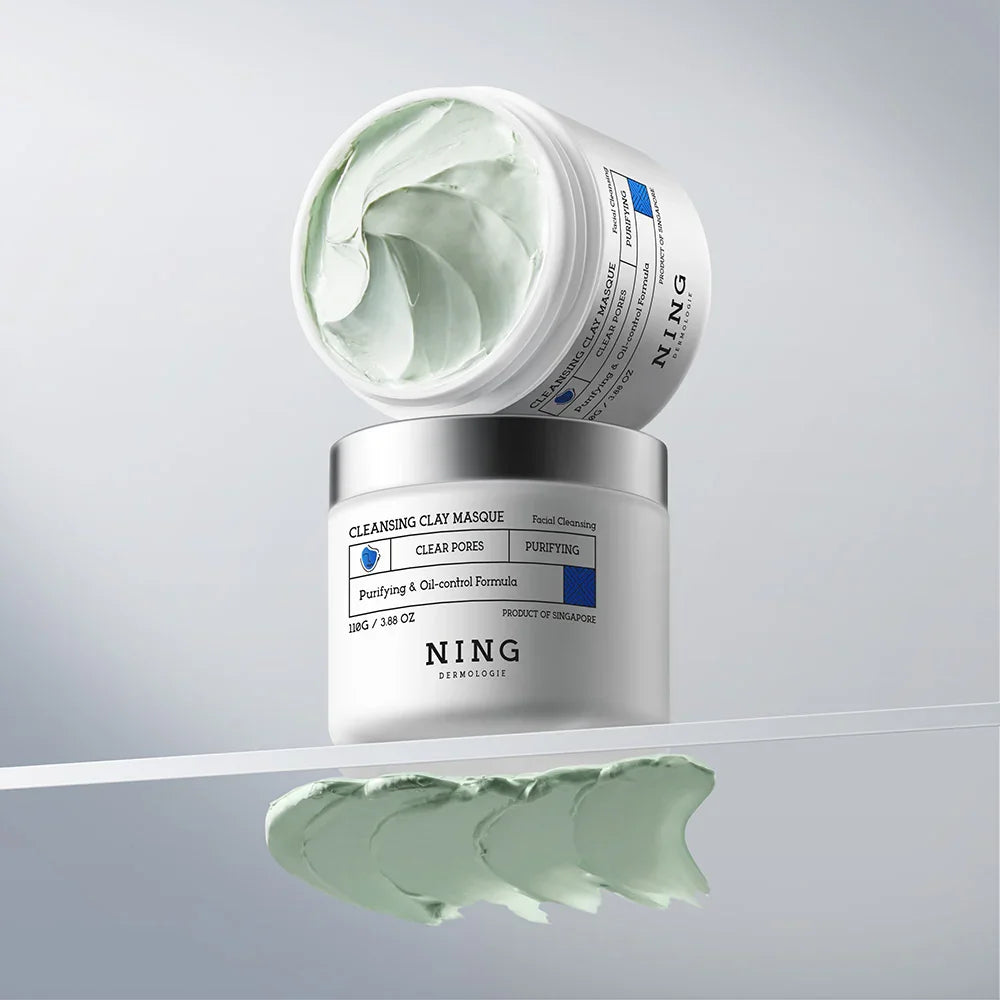
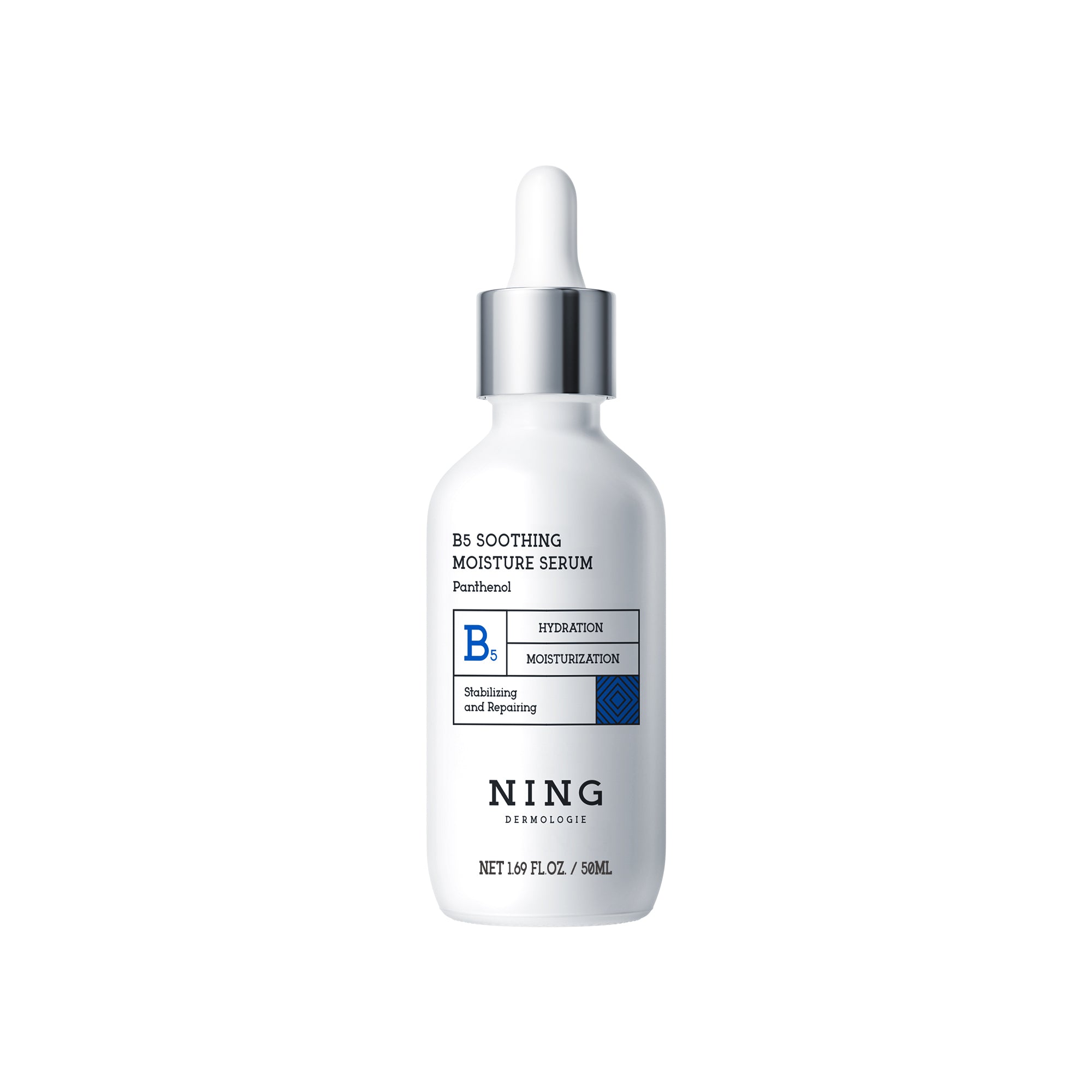
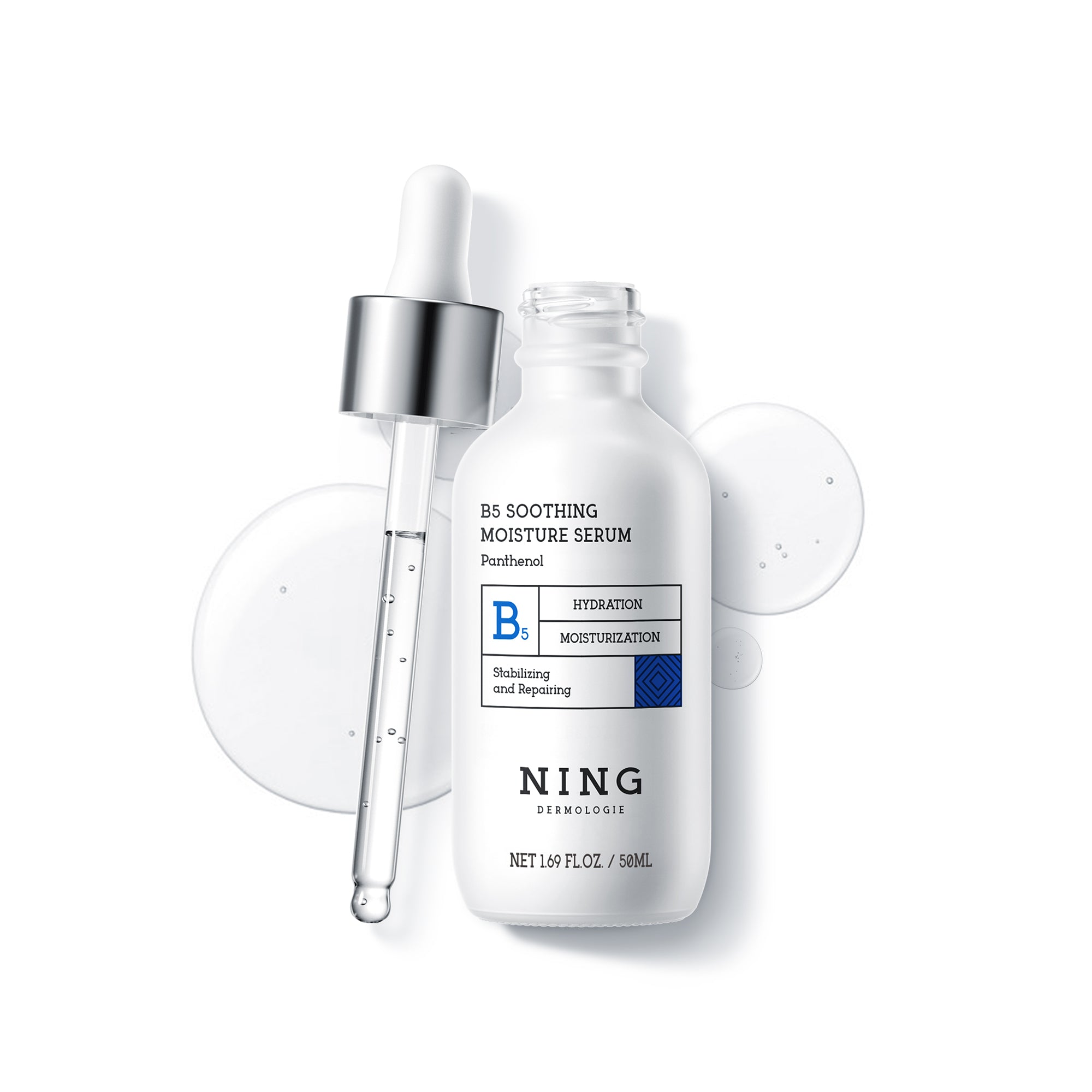
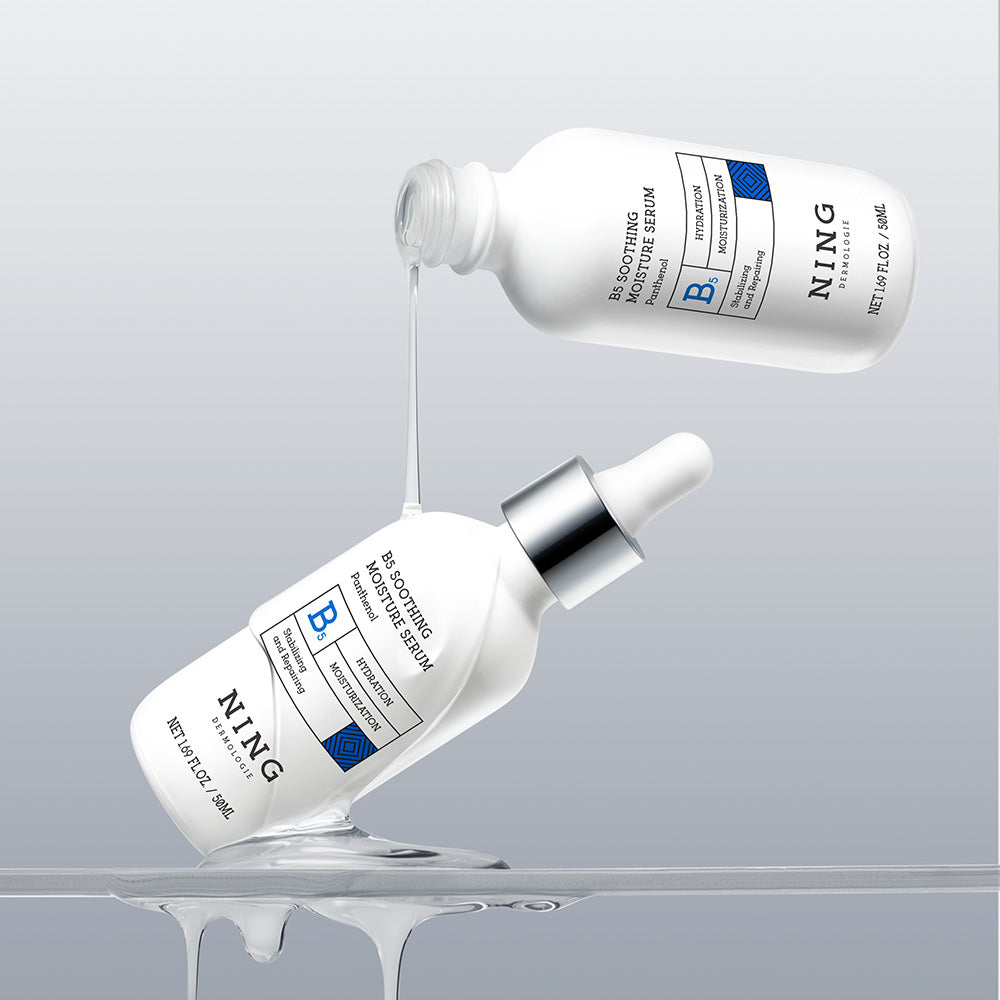
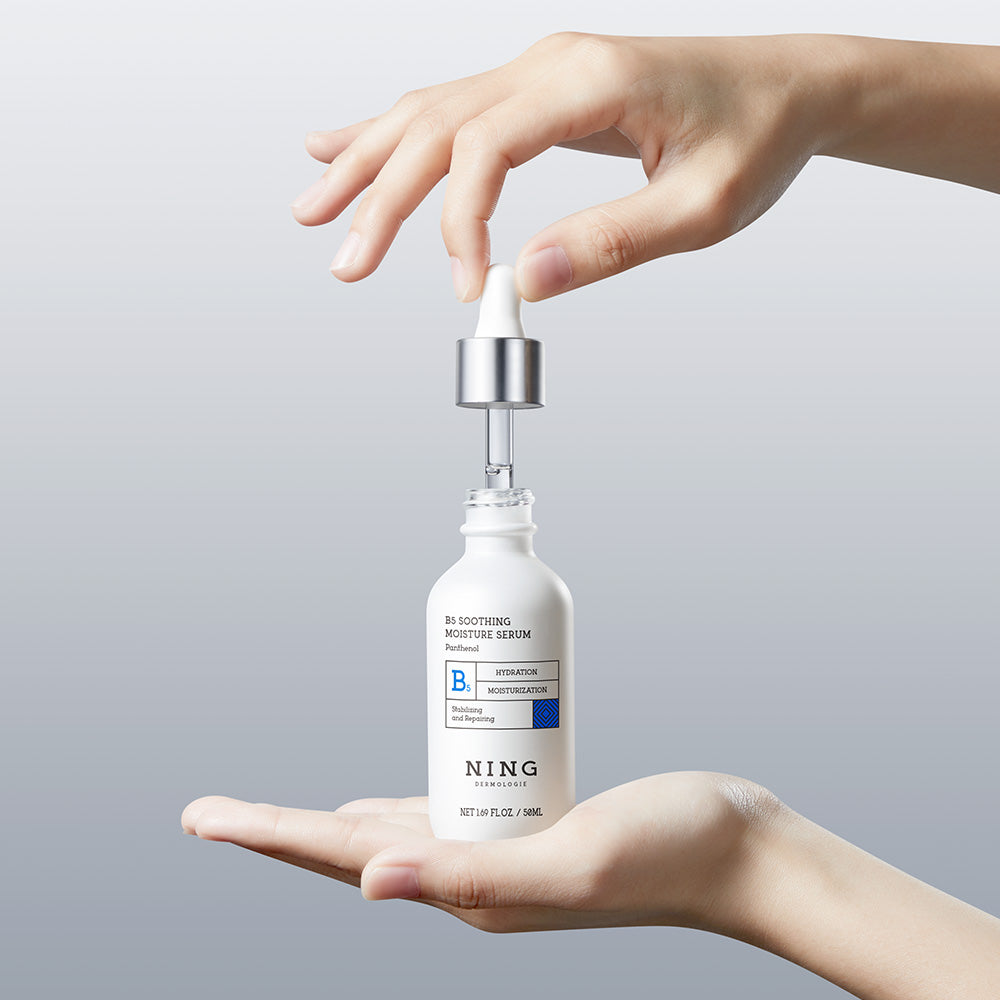
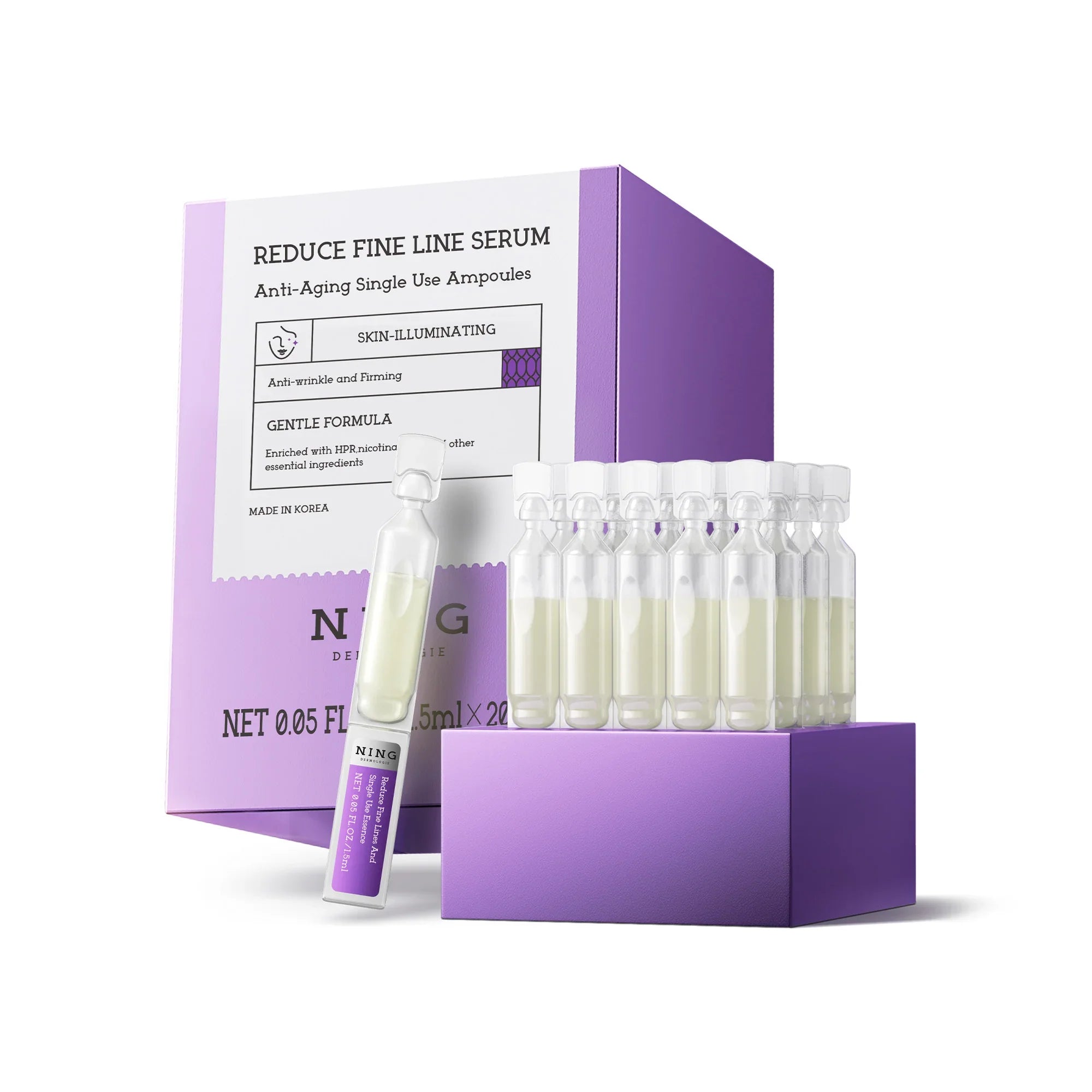
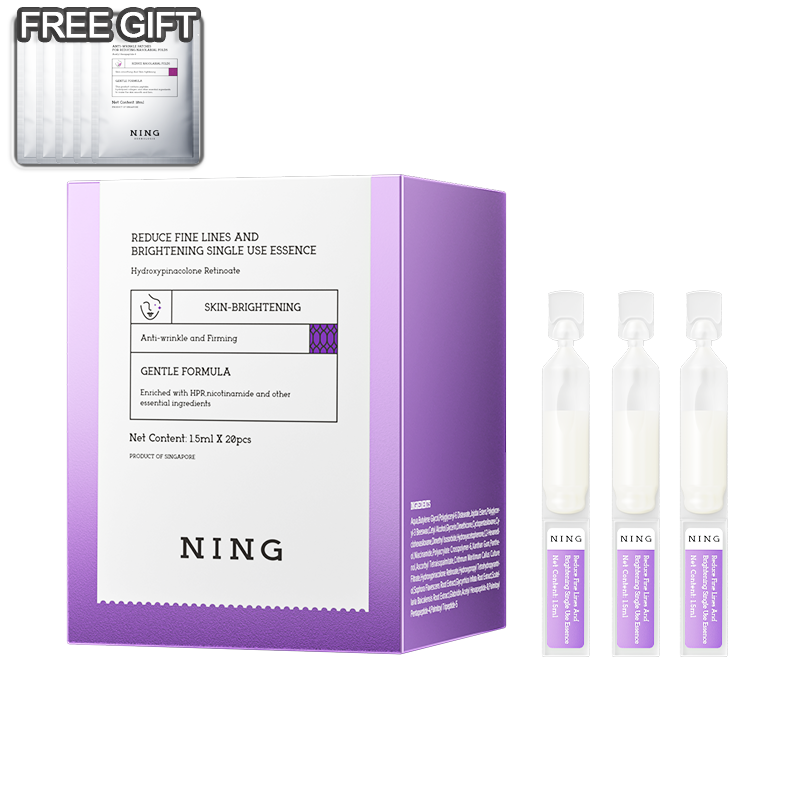
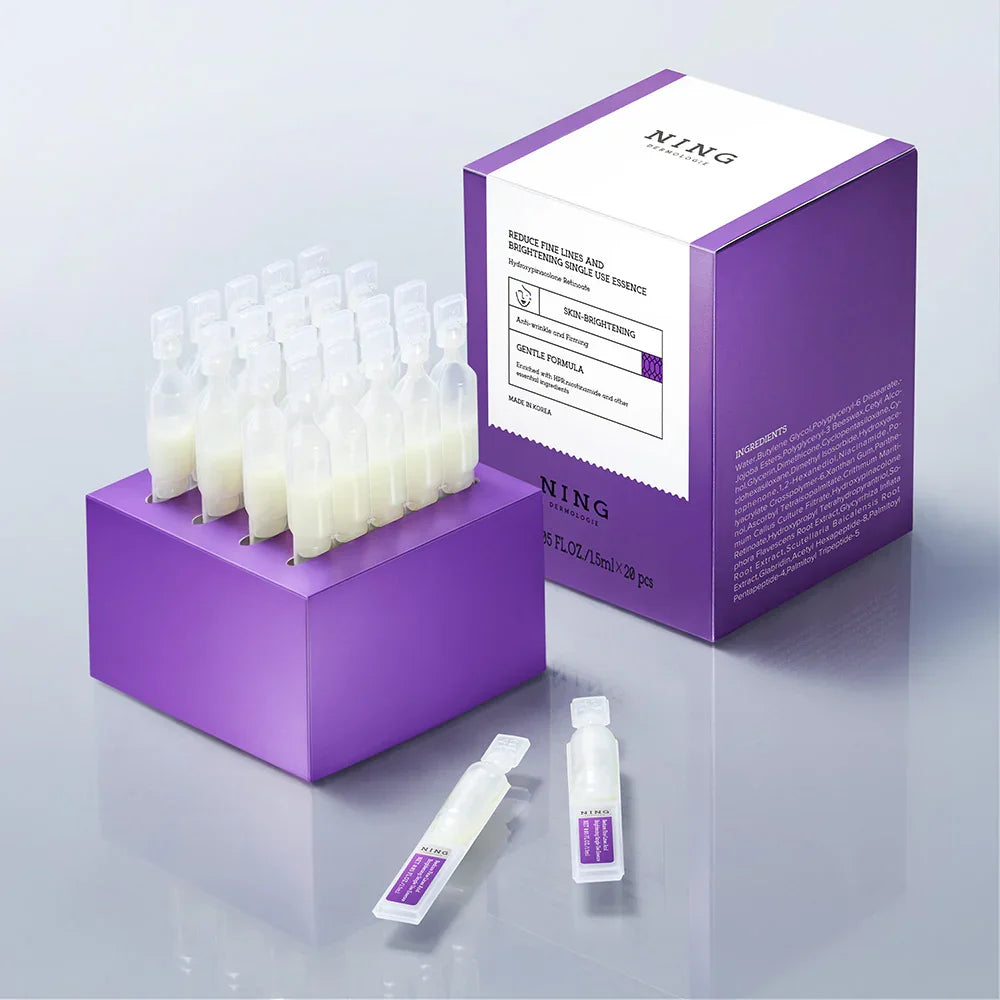
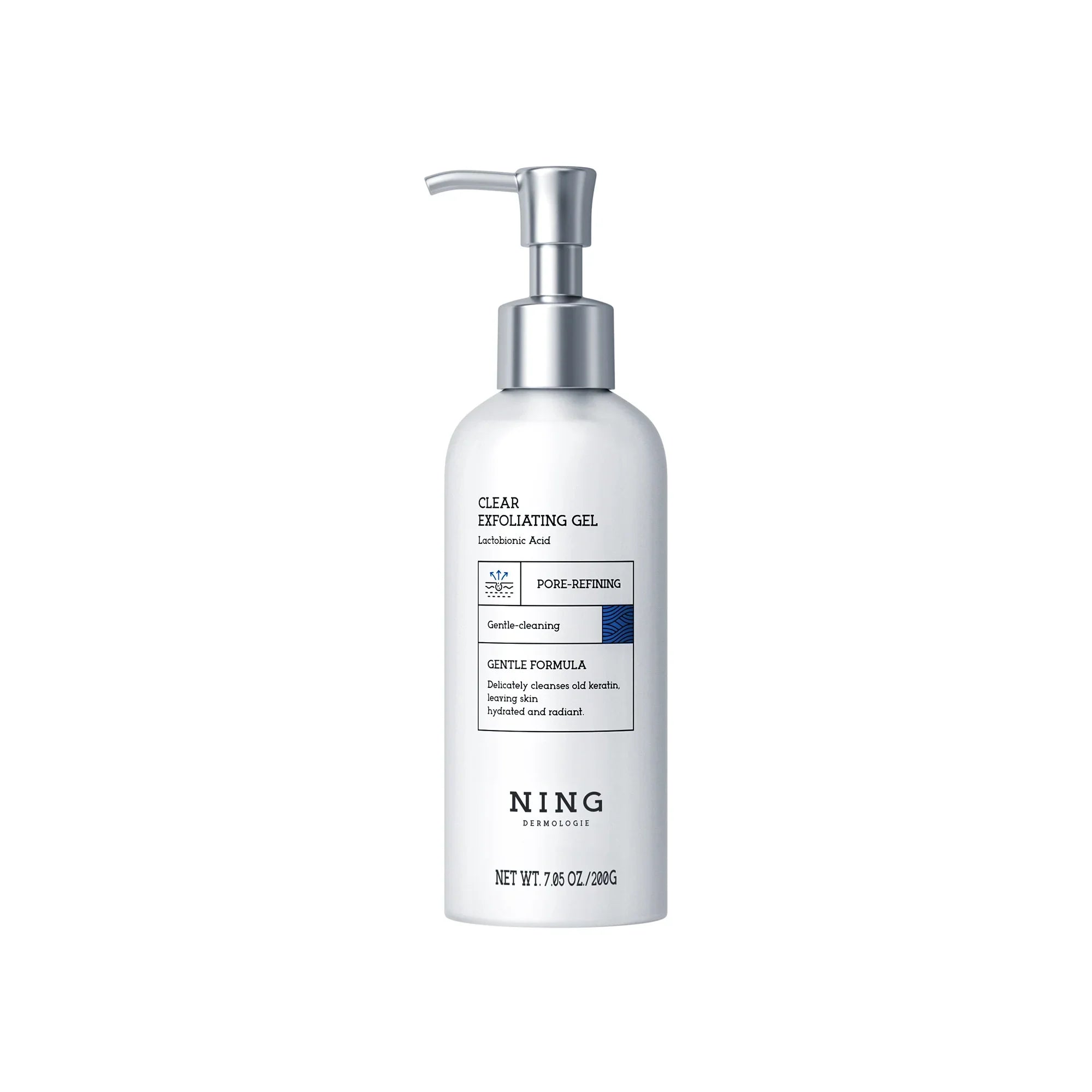
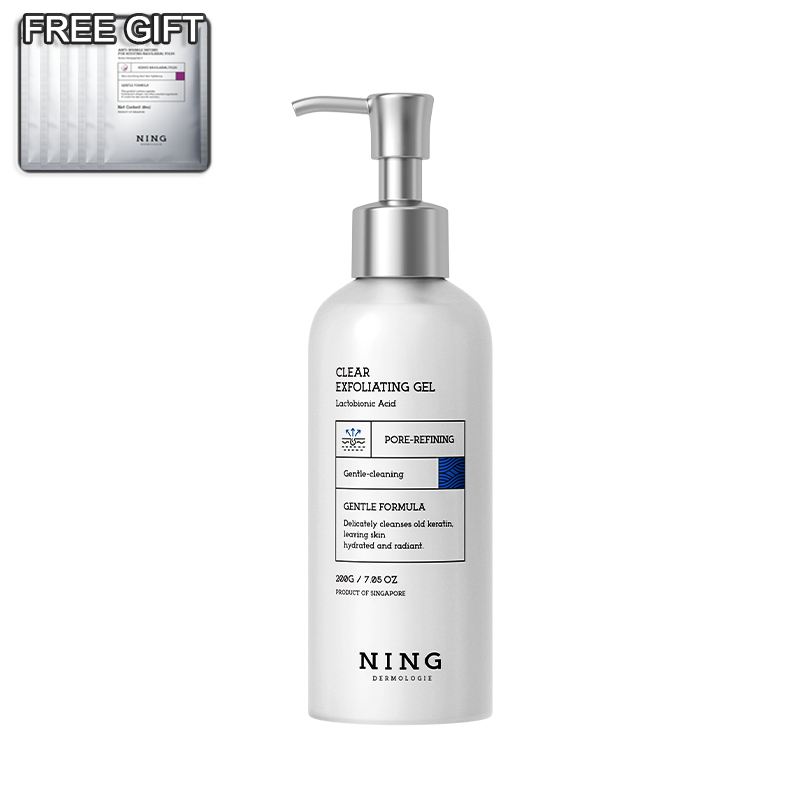
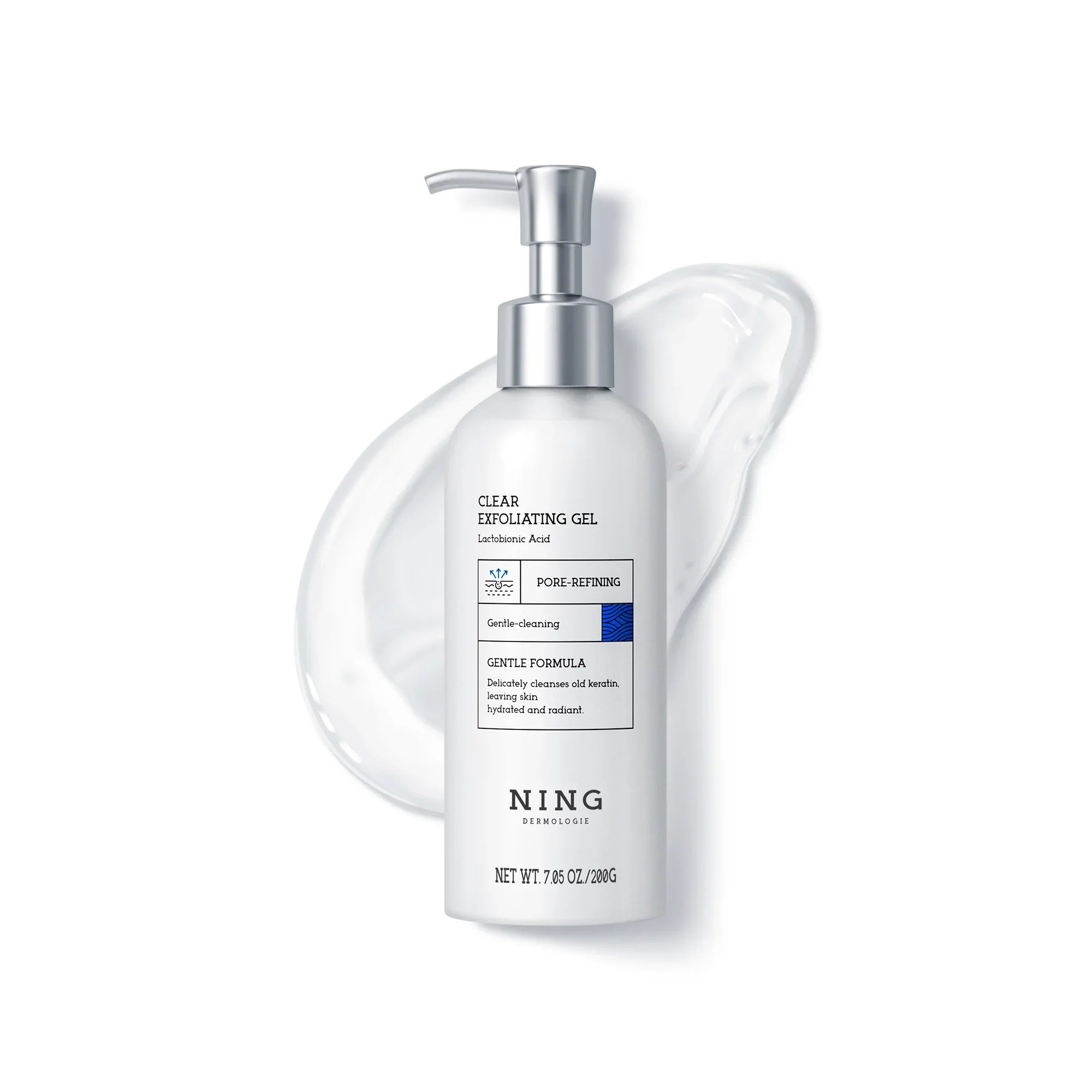
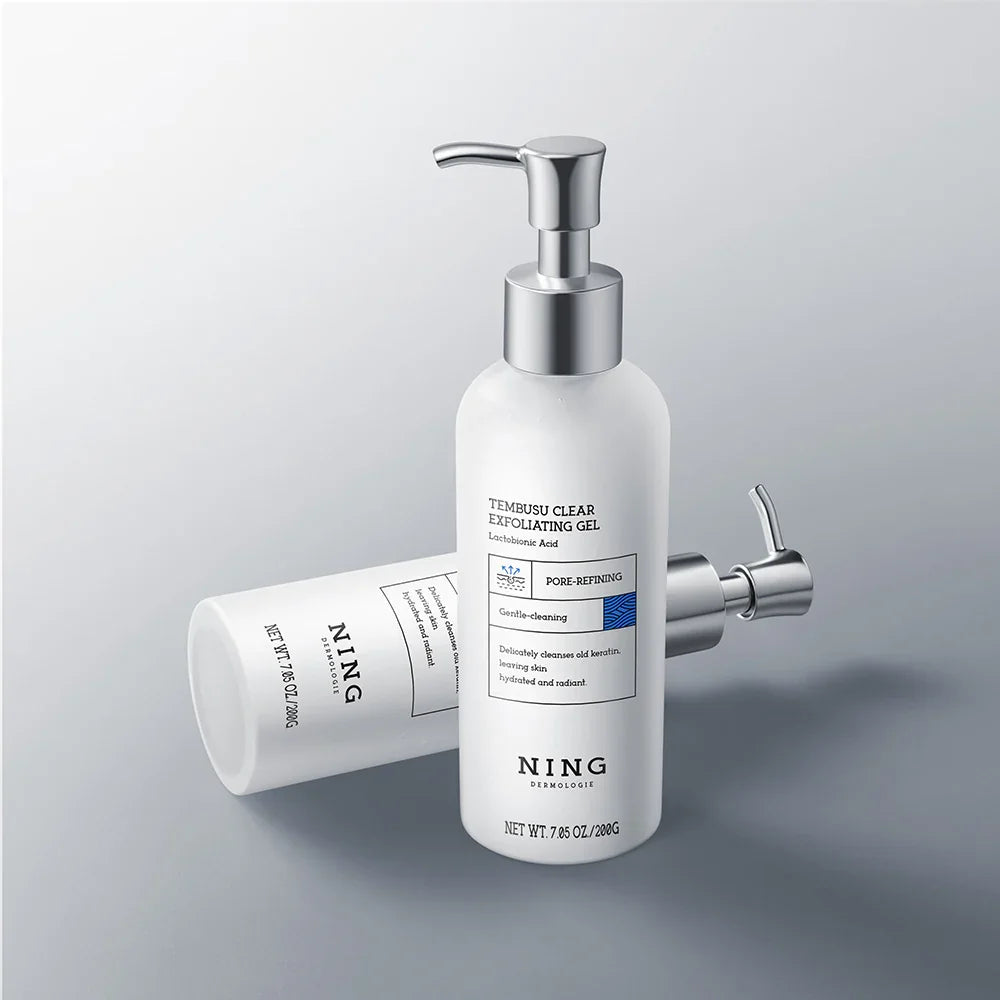
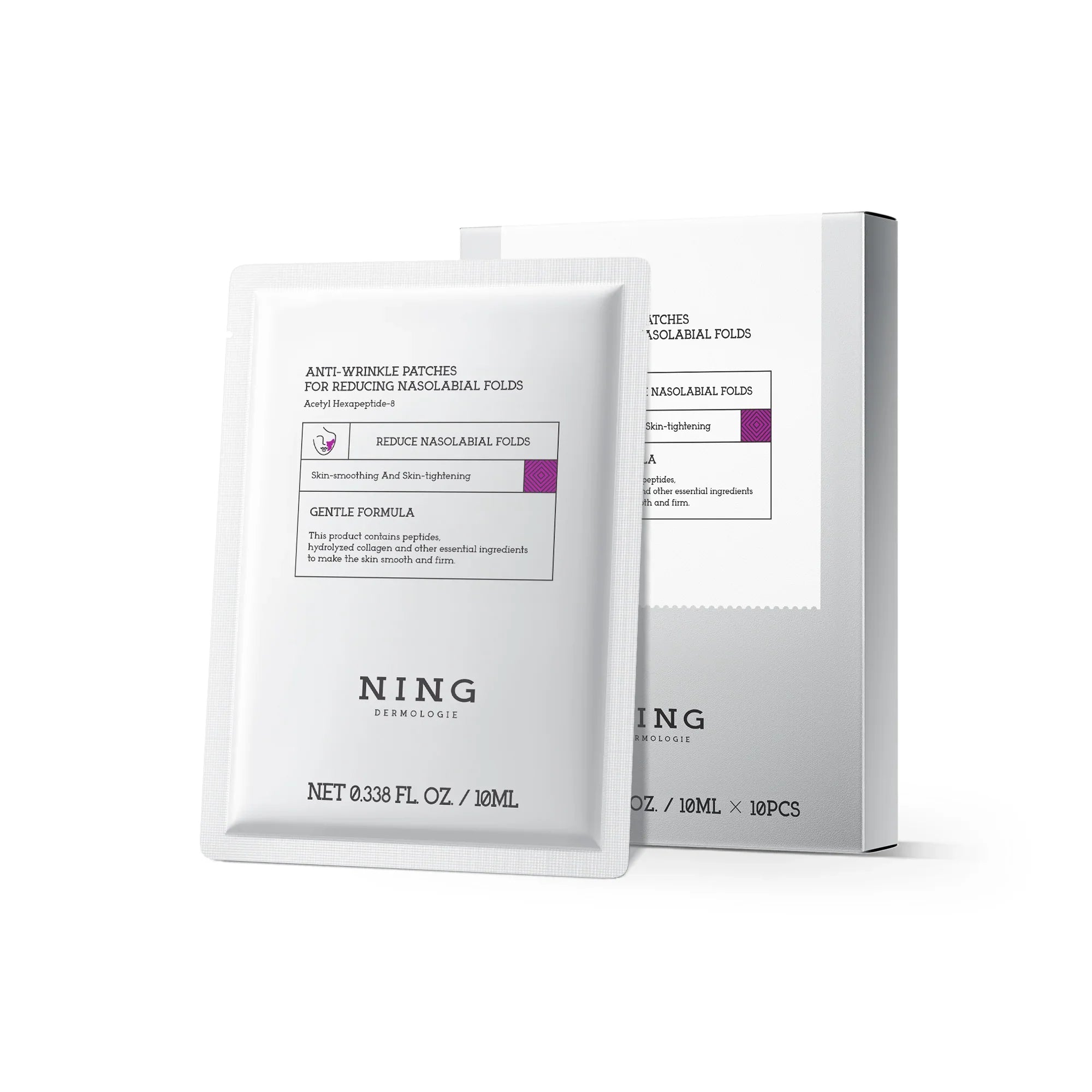
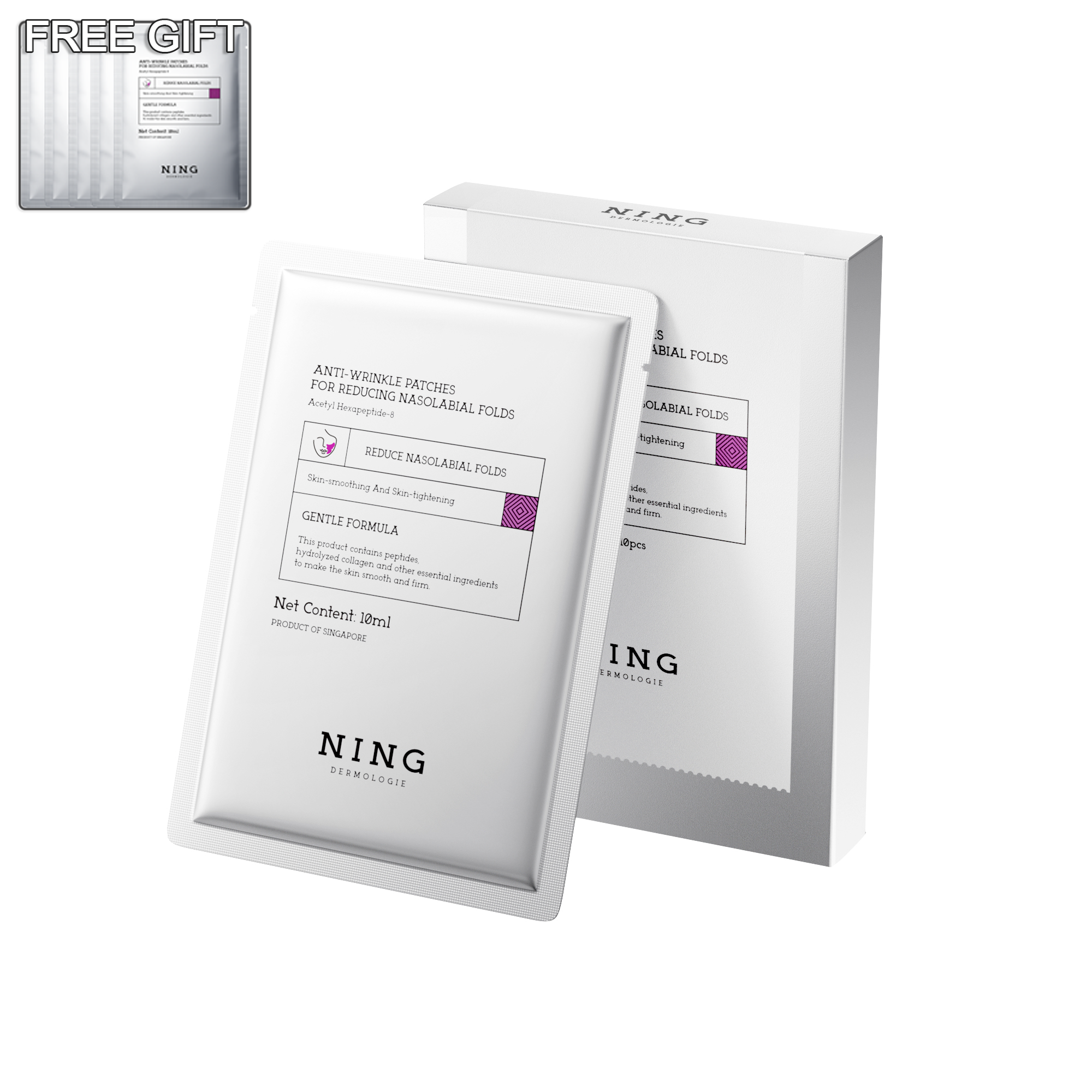
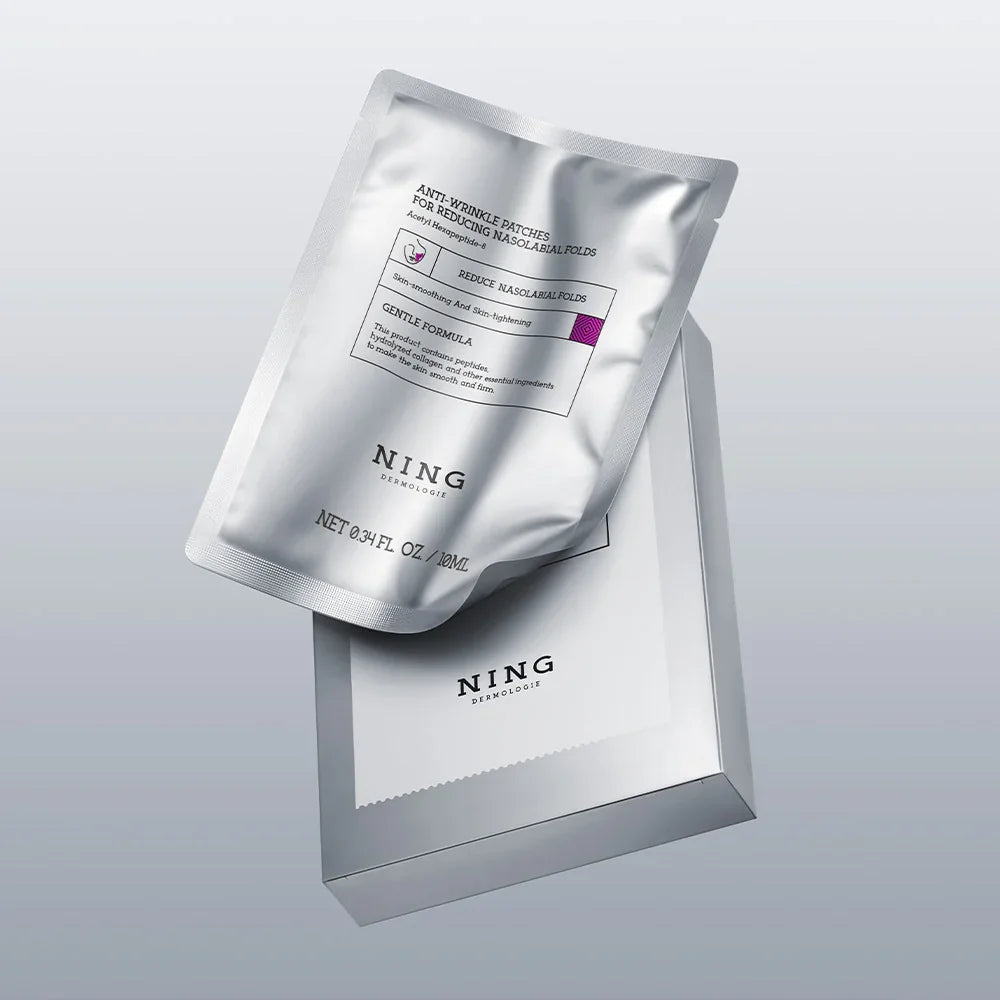
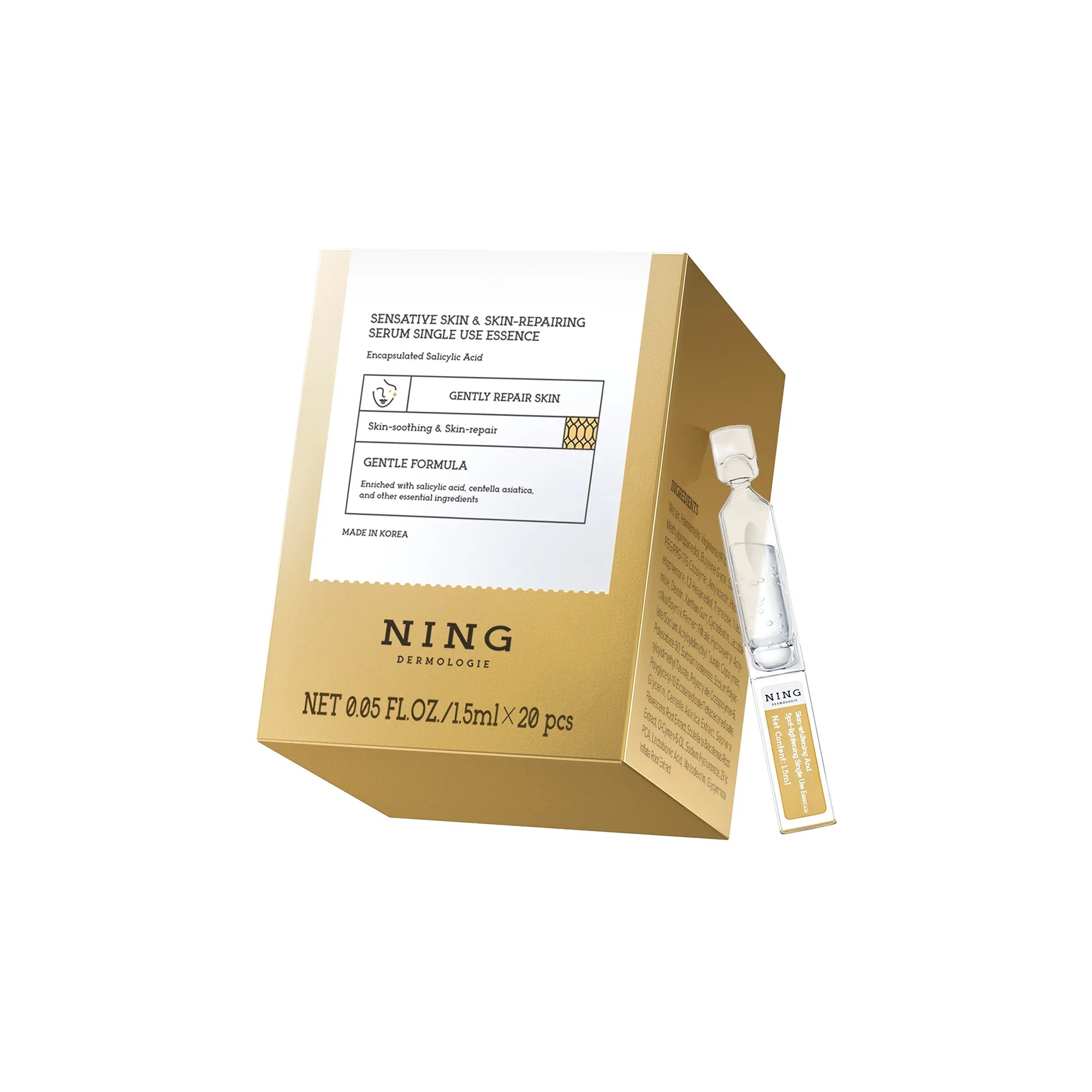
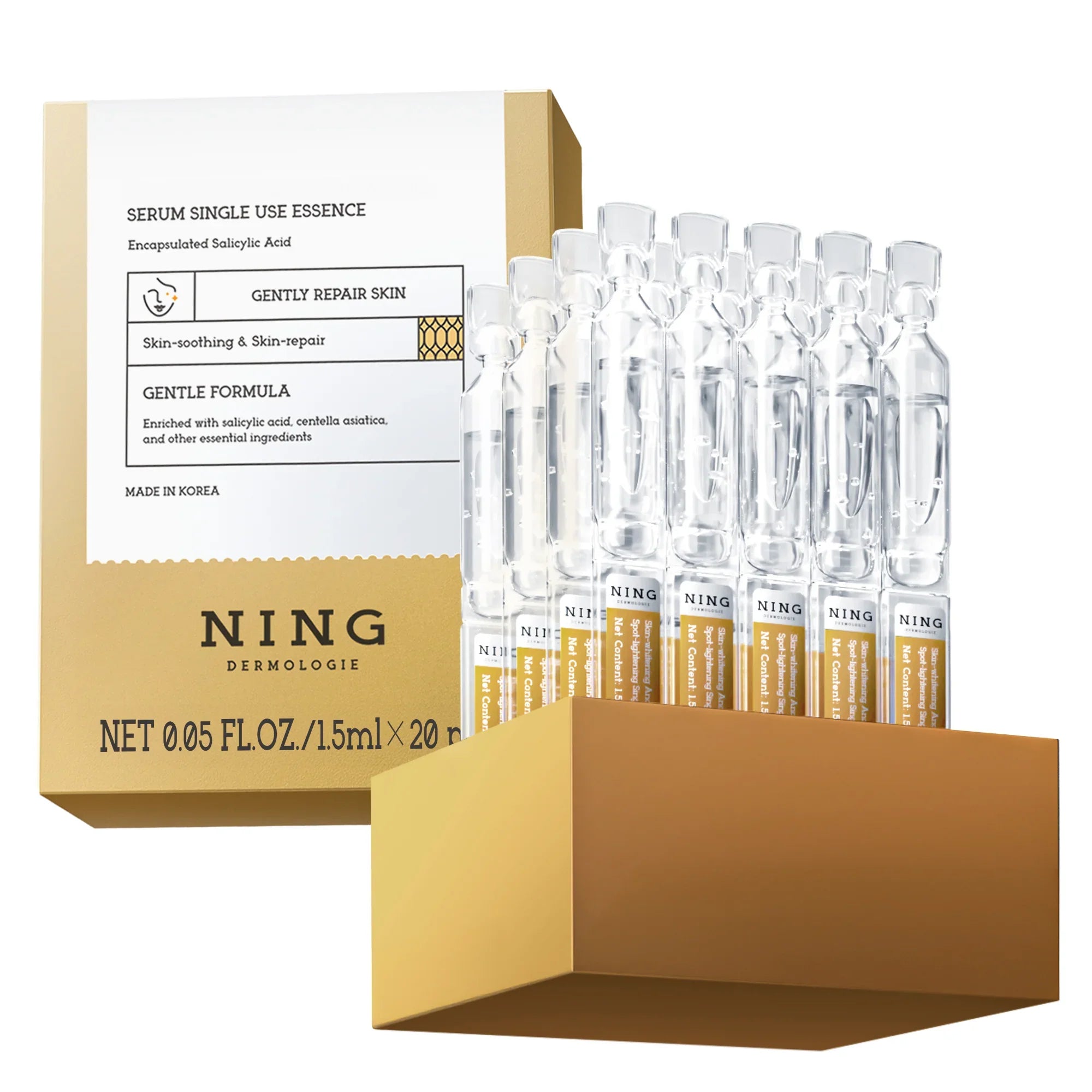
If you are looking for a reliable pairing that takes the guesswork out of this routine, we highly recommend the NING Dermologie line. Specifically, their Acne Control & Soothing Duo.
We love this duo because it respects the delicate nature of sensitive skin. The mask utilizes highly refined, gentle exfoliants to clear congestion without the sting, while the accompanying cream uses a tailored blend to instantly calm post-mask redness. It’s formulated exactly for the push-and-pull dynamic of acne-prone, sensitive skin types.
3 Massive Mistakes You Are Probably Making
Even with the best products, your technique can hold you back. Avoid these common traps:
1. The "More is Better" Trap
Applying a thicker layer of an acne mask will not cure your pimple faster. It will only waste your product and increase the risk of contact dermatitis. Stick to the recommended amount.
2. Skipping the Moisturizer Because You Feel "Oily"
Acne-prone skin often overproduces oil because it is deeply dehydrated. Your skin is panicking and trying to lubricate itself. Skipping your cream after a mask leaves your skin unprotected. Always moisturize, even if you feel slightly shiny.
3. Layering Too Many Actives
If your mask has salicylic acid, do not follow it up with a retinol serum and an exfoliating toner. You will fry your skin barrier. Keep the routine simple: Cleanse, mask, hydrate, sleep.
A Quick Note on Safe Shopping With Us
We know that navigating the internet for the right skincare can be exhausting. As an independent brand, we love connecting with beauty lovers and catering to your specific beauty interests. We even plan to roll out personalized skincare consultations to help you find your perfect routine.
But beyond your skin barrier, we also care deeply about your digital security. Processing online orders safely is our top priority. As a site owner, I am fully aware of the messy side of the internet. We frequently see automated bots and online attacks trying to disrupt e-commerce sites. Bad actors might try injecting malformed data or running a rogue SQL command to look for vulnerabilities.
You don't have to worry about that here. We utilize a top-tier security solution and an enterprise-grade security service to ensure your data is locked down tight. If you ever see a technical glitch or a Cloudflare Ray ID error page while browsing, just know it’s our protective firewalls working overtime to keep the bad guys out and your shopping experience completely secure.

Frequently Asked Questions (FAQ)
Can I use this mask and cream routine every single day?
Honestly, no. Give your skin a break. Start with twice a week. If your face feels fine and not tight, bump it up to three. Listen to your skin—if it stings, back off.
Should I pop the pimple before putting the mask on?
Please don't. Popping creates an open wound. If you apply an active mask over it, you're just inviting irritation and scarring. Keep your hands off and let the skincare do the heavy lifting.
Is the NING Dermologie duo okay for deep cystic acne?
It helps calm the intense surface inflammation. But cystic acne forms deep under the skin, so topical masks won't magically erase a cyst overnight. It will make the redness much less angry, though.
Do I wash the cream off after a few hours?
Nope! The mask is your wash-off step. The cream is your leave-on protector. Think of the cream as a cozy, breathable blanket locking in hydration while you sleep.
My skin feels a tiny bit warm after the mask. Is that normal?
A slight tingle is totally fine. It means the ingredients are working. But if it feels like a literal sunburn or hot to the touch, wash it off immediately with cold water.





Share:
How to Restore a Damaged Skin Barrier with a Complete Daily System
How to Calm Breakout-Prone Skin Without Over-Stripping the Barrier