

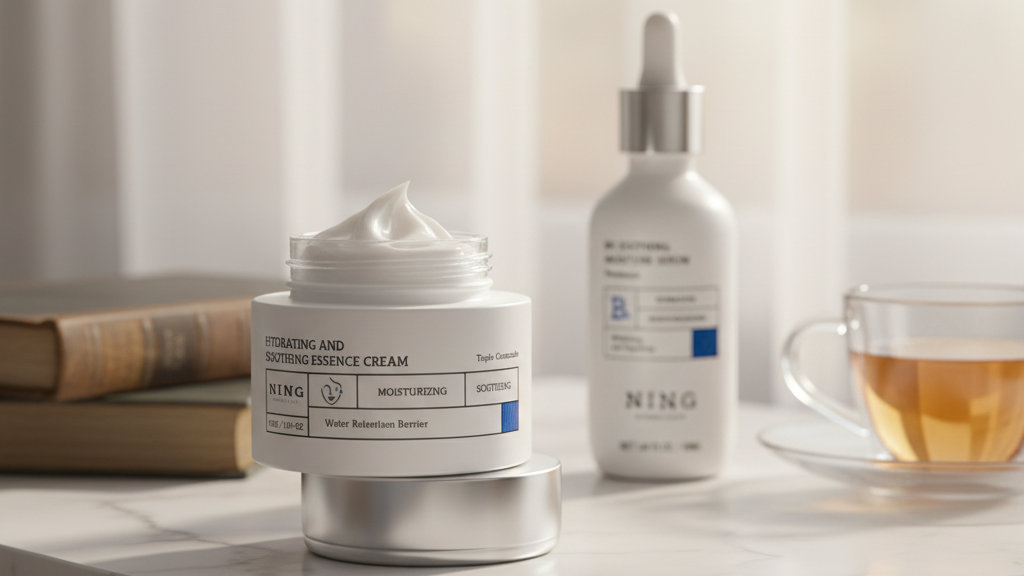

You wash your face, and it stings. You apply your holy-grail moisturizer, and your face flushes an angry red. Your skin feels tight, looks dull, and ironically, might be breaking out more than ever.
Welcome to the miserable club of Skin Barrier Damage.
I’ve been exactly where you are. Standing in front of the bathroom mirror, frustrated, wondering why an expensive 10-step skincare routine suddenly feels like splashing battery acid on my face. When your barrier is compromised, your skin isn't just "dry"—it's fundamentally broken. It’s vulnerable to every gust of wind, temperature shifts, and the invisible Daily stress we put it through.
But here is the good news: you can fix it. It requires patience, stepping away from the aggressive active ingredients, and adopting a strictly reparative regimen. Today, we are stripping it all back. We are talking about how to restore a damaged skin barrier with a complete, focused daily system.

What Actually Happened to Your Face?
To fix the problem, you need to understand the crime scene.
Your skin’s outermost layer, the stratum corneum, acts like a brick wall. Your skin cells are the bricks, and the "mortar" holding them together is a precise mix of natural oils, ceramides, cholesterol, and fatty acids.
When this epidermal barrier is healthy, it keeps the good stuff (water, hydration) locked in and the bad stuff (environmental aggressors, bacteria, free radicals) out.
But when you over-exfoliate, use harsh cleansers, or face severe environmental damage, you dissolve that mortar. The result? Massive transepidermal water loss—or as dermatologists call it, TEWL (transepidermal water loss). Moisture evaporates into thin air. Without that hydration, the enzymes responsible for shedding dead skin naturally (a process dependent on pH-Regulated mechanisms) stop working. Your skin texture becomes rough, your wrinkle depth looks exaggerated, and your skin tone becomes incredibly uneven.
Worse, this damage leaves your skin's nerve endings exposed. If you look at clinical literature on Google Scholar—specifically studies on Itch prevalence from institutions like the University of Miami (Dr. Phillip Frost Department of Dermatology), the French Expert Center on Itch, or the Centre for Chronic Pruritus at Charité-Universitätsmedizin Berlin—the data is staggering. Researchers like Yosipovitch G, Valdes-Rodriguez R, and Nattkemper L, along with teams including Mollanazar NK, Gonzalez-Muro J, Torres-Alvarez B, Lopez-Esqueda FJ, and Shevchenko A, have used a standardized itch questionnaire to document the intense physical discomfort associated with barrier disruption.
Papers published in journals like Aust Fam Physician show that barrier damage is a root cause of severe discomfort in skin disorders ranging from eczematous dermatitis and atopic skin to inflammatory acne vulgaris. It’s not just a cosmetic issue; it's a painful physiological state where your skin's antimicrobial peptides are desperately trying to fight off invaders.
The "Put It in a Drawer" Rule
Before we talk about what to use, we need to talk about what to stop using.
If your barrier is shot, you need to immediately drop the alpha-hydroxy acids (AHAs) and beta-hydroxy acids (BHAs). Put that aggressive AHA/BHA Exfoliating Cleanser and that tingly Brightening Toner in a drawer.
I know it’s tempting to layer every "healing" product you own. Maybe your bathroom cabinet looks like a Skincare Awards feature in Women's Health Magazine. You might have a half-empty EltaMD Skin Recovery Night Mask, an expensive pump of HA⁵® Hydra Collagen Replenish + Restore Hydrator, or bottles of TNS Recovery Complex and LUMIVIVE® Day Damage Defense Serum. Maybe you’ve experimented with the SkinMedica® Method, bought a F-Hydra Moisturizer, tried a trendy Storm Serum from South Korea, or layered on Recovery Botanicals and Stress Defense Complex.
Stop. Throwing fifteen different topical vehicle formulations at a broken barrier is like making a sick person eat a five-course buffet. Your skin needs absolute minimalism.
The Complete Daily Restoration System
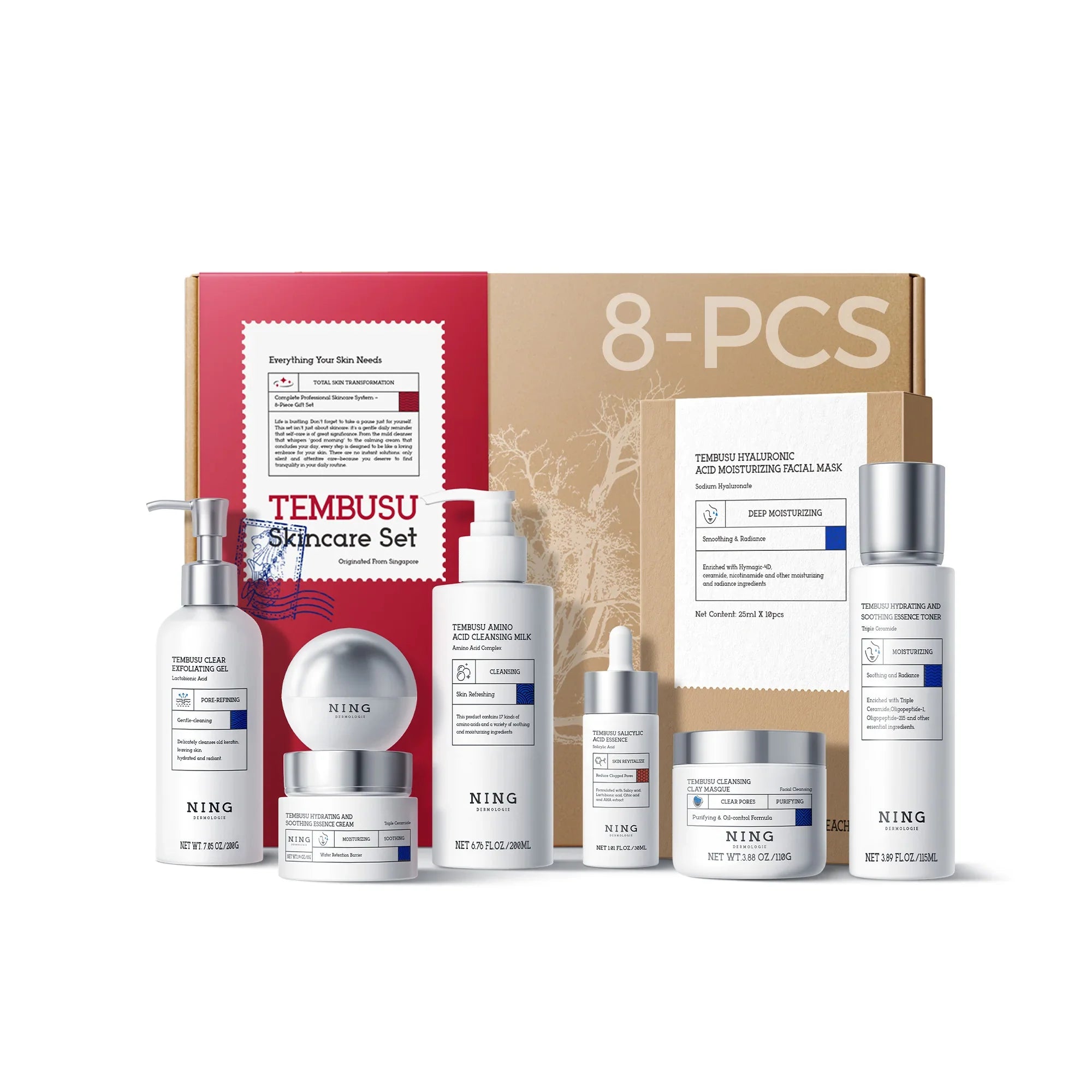
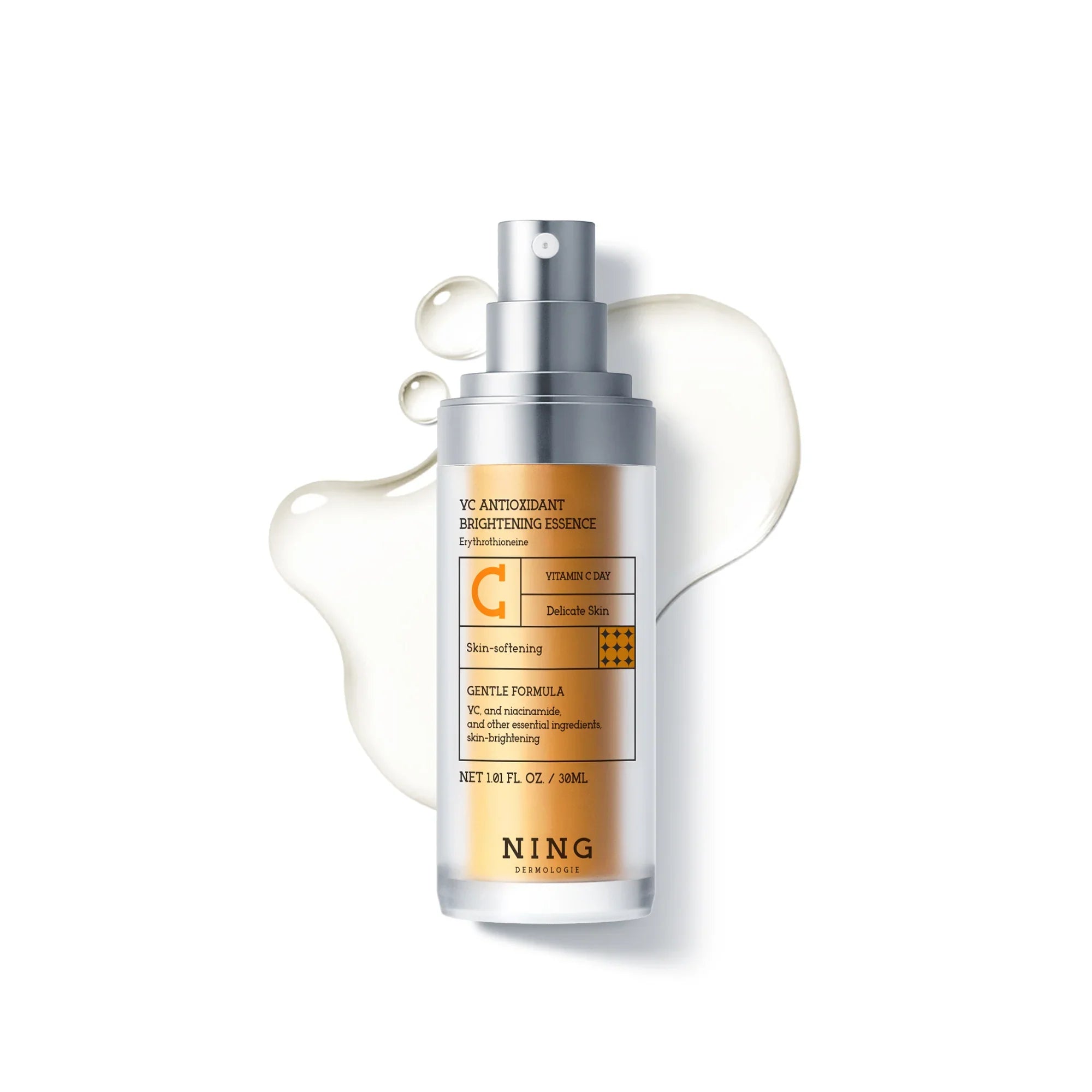
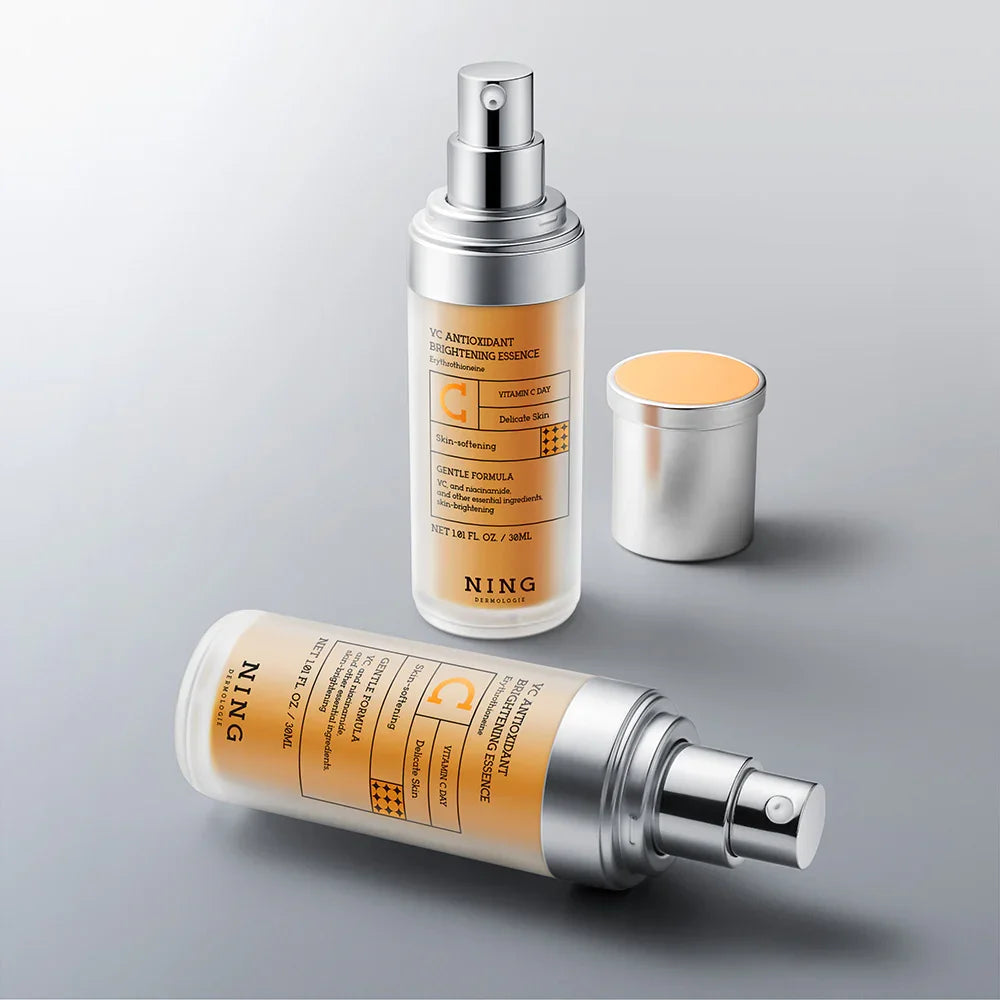
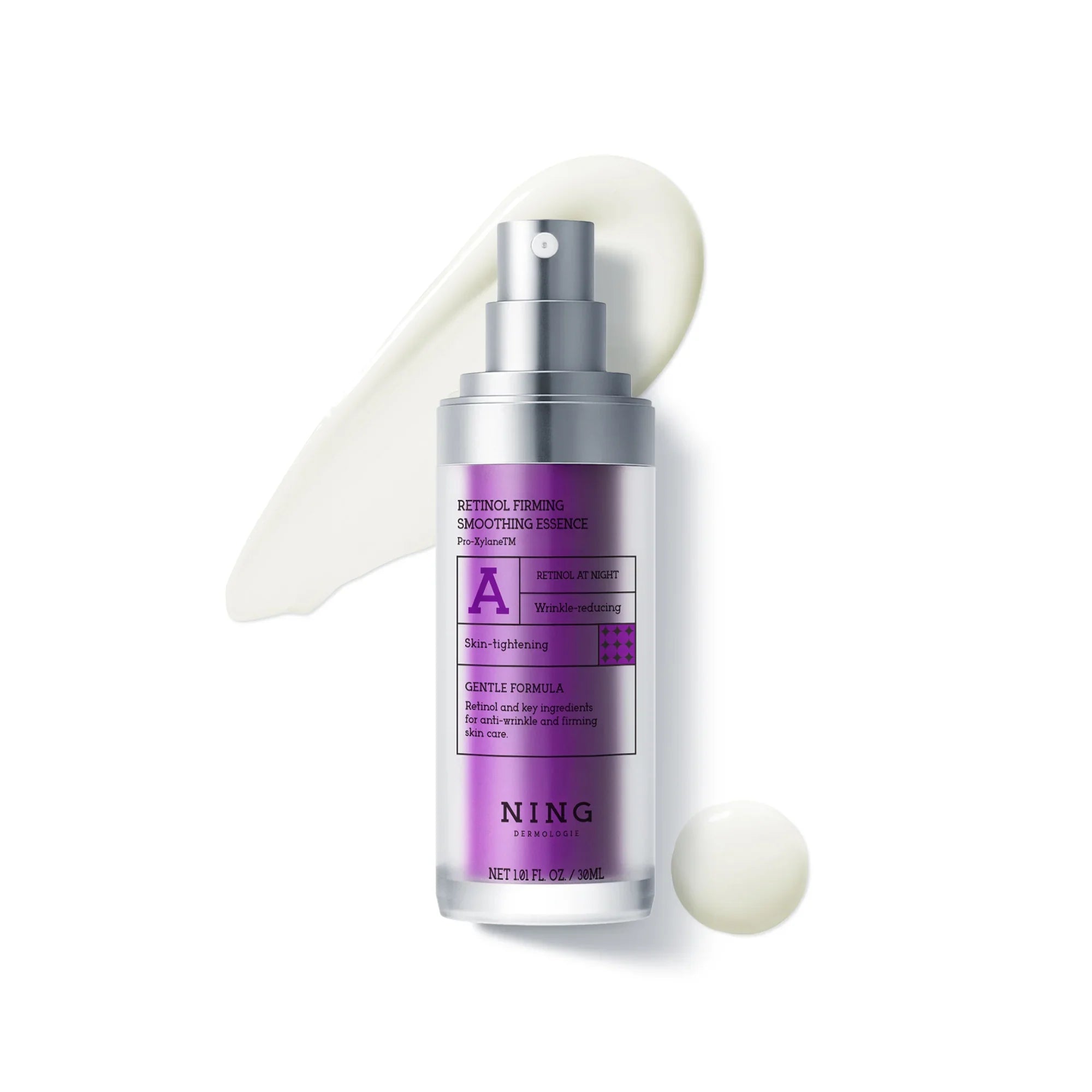
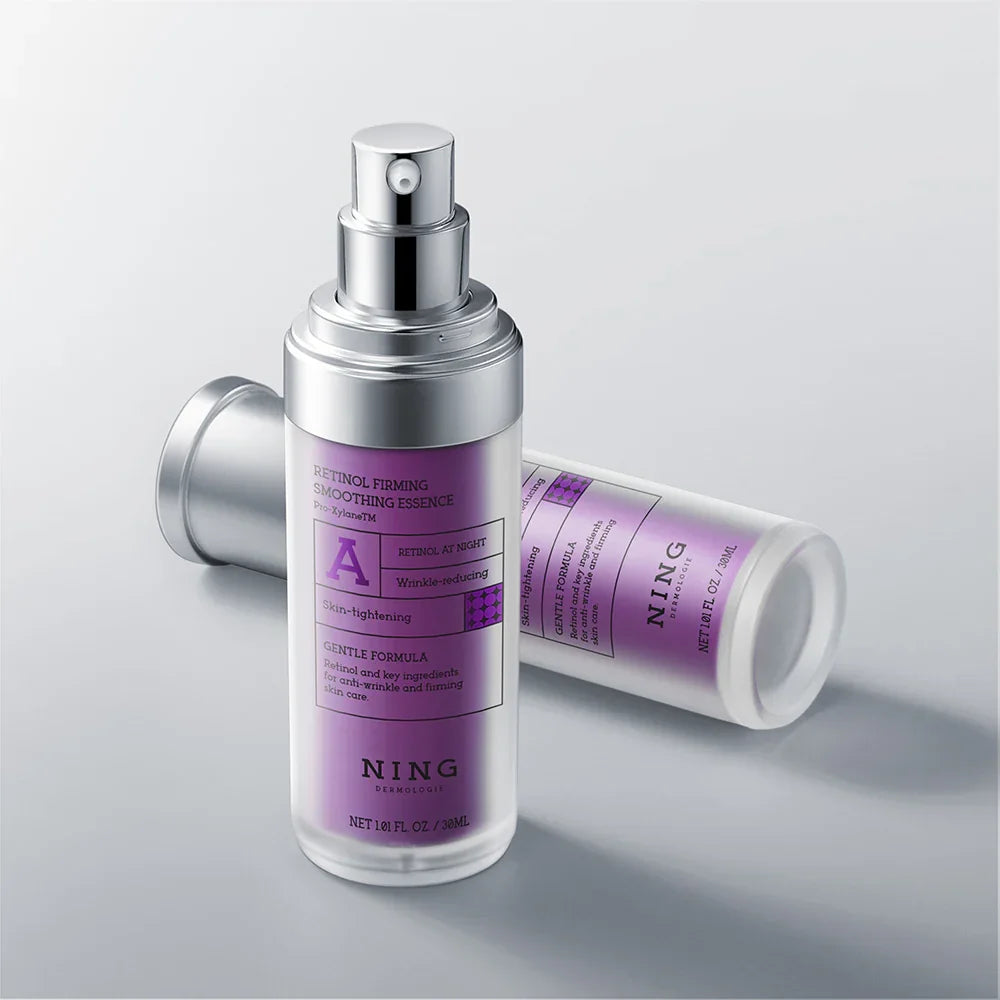
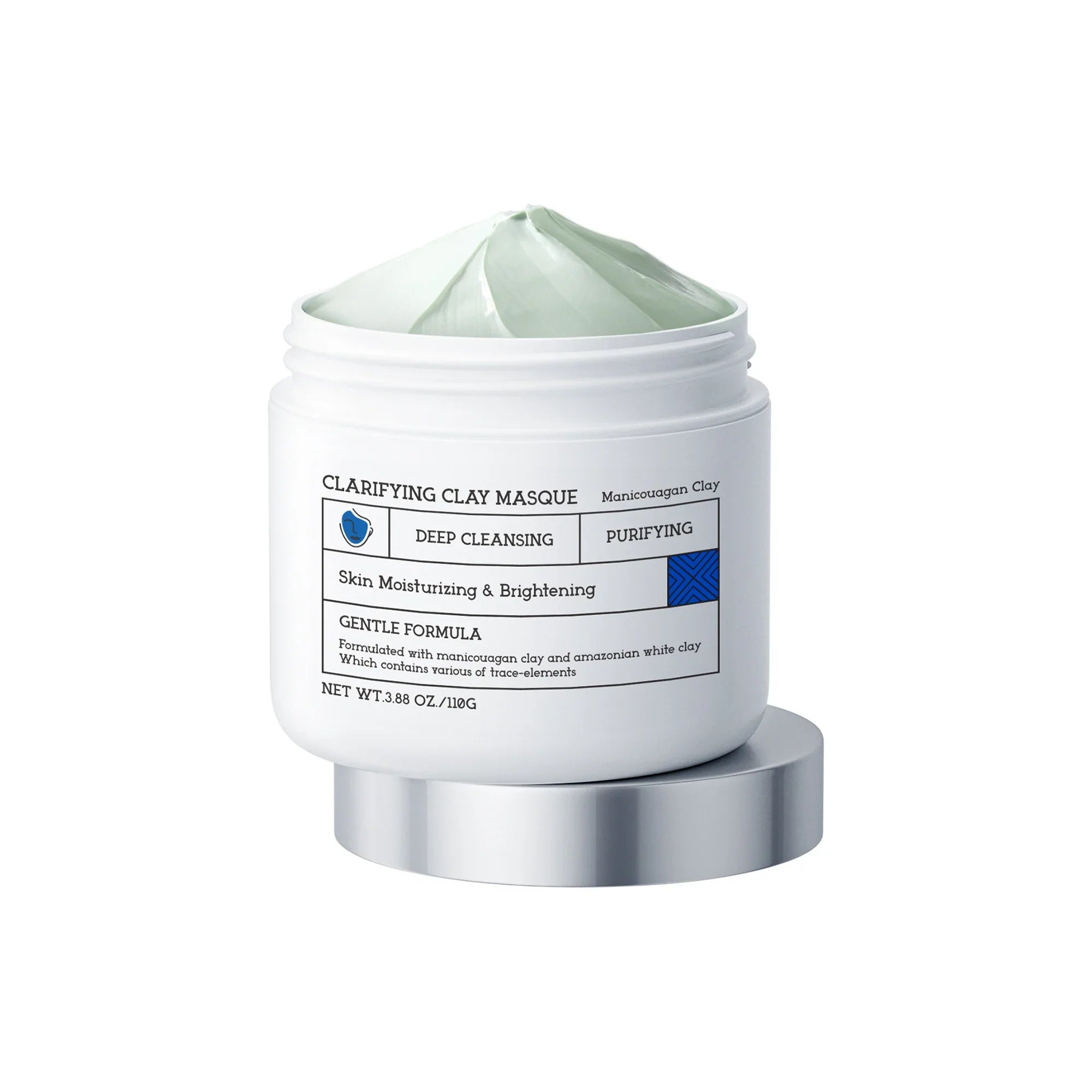
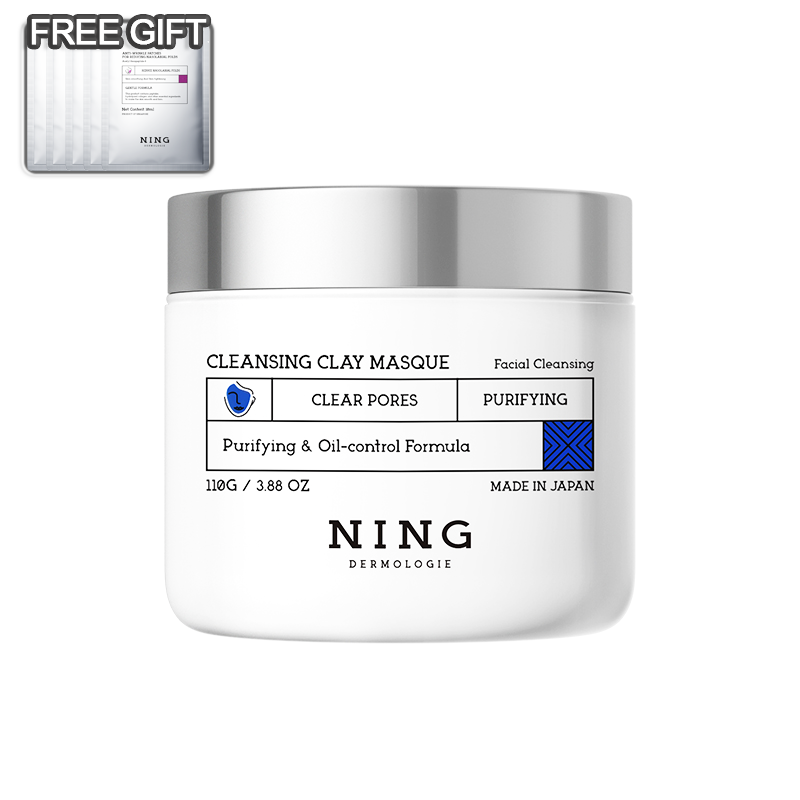
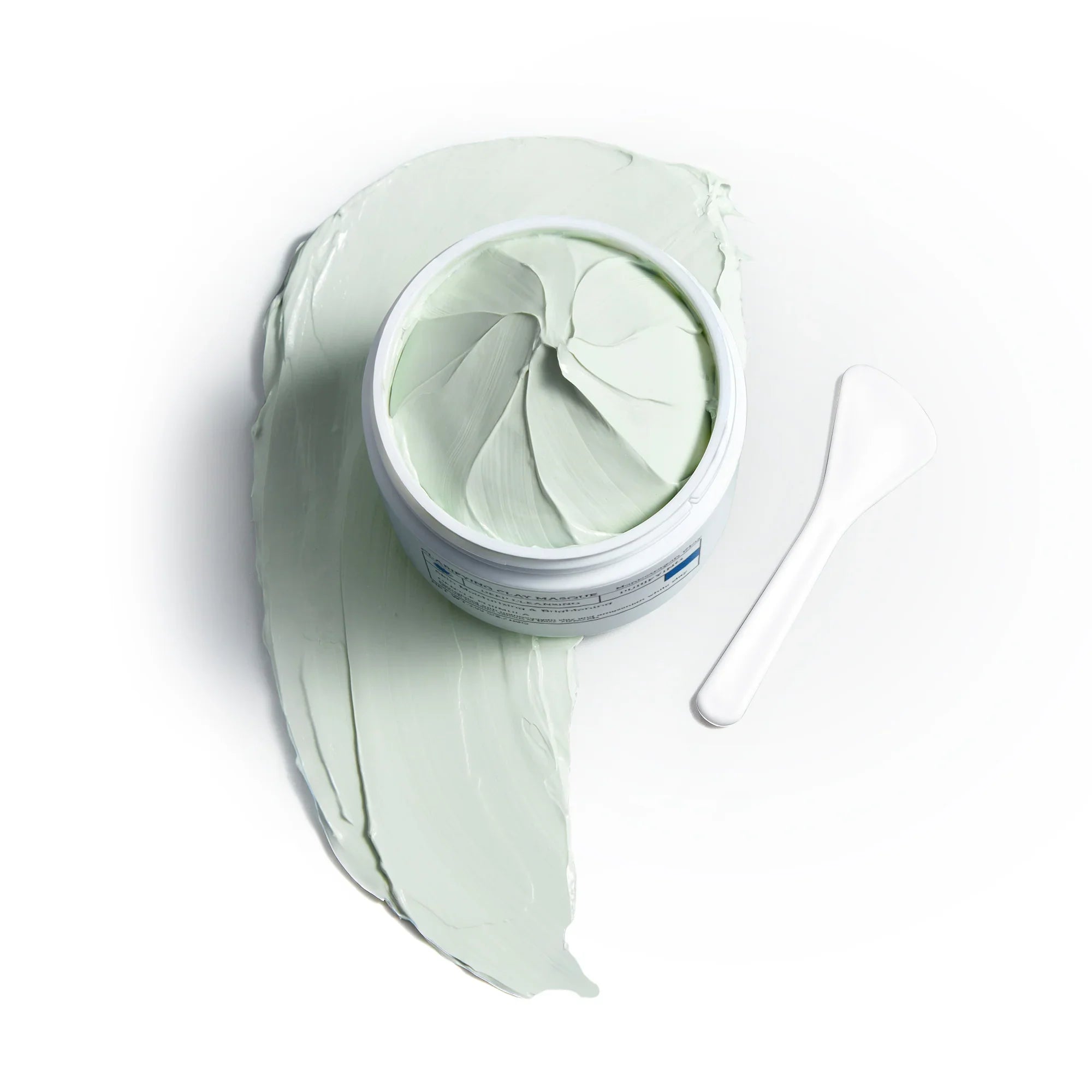
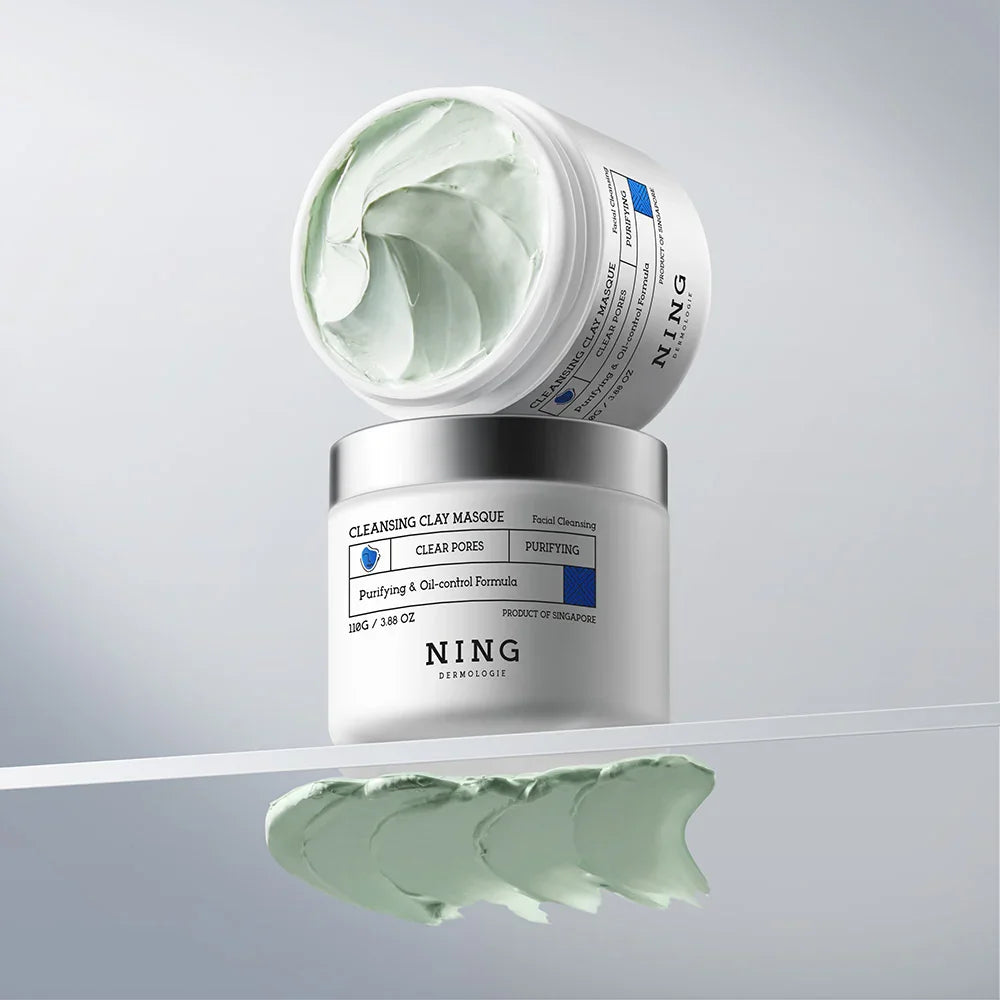
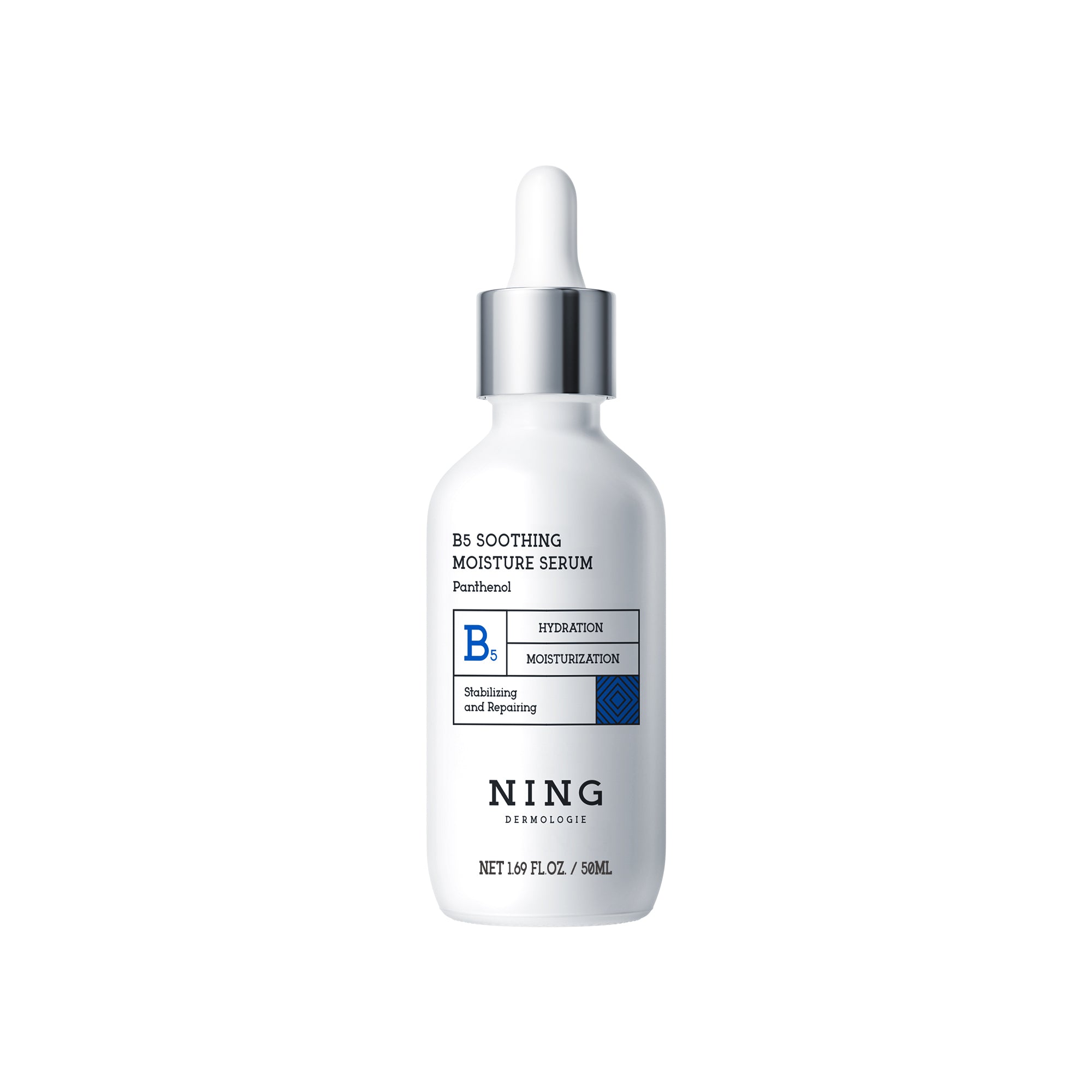
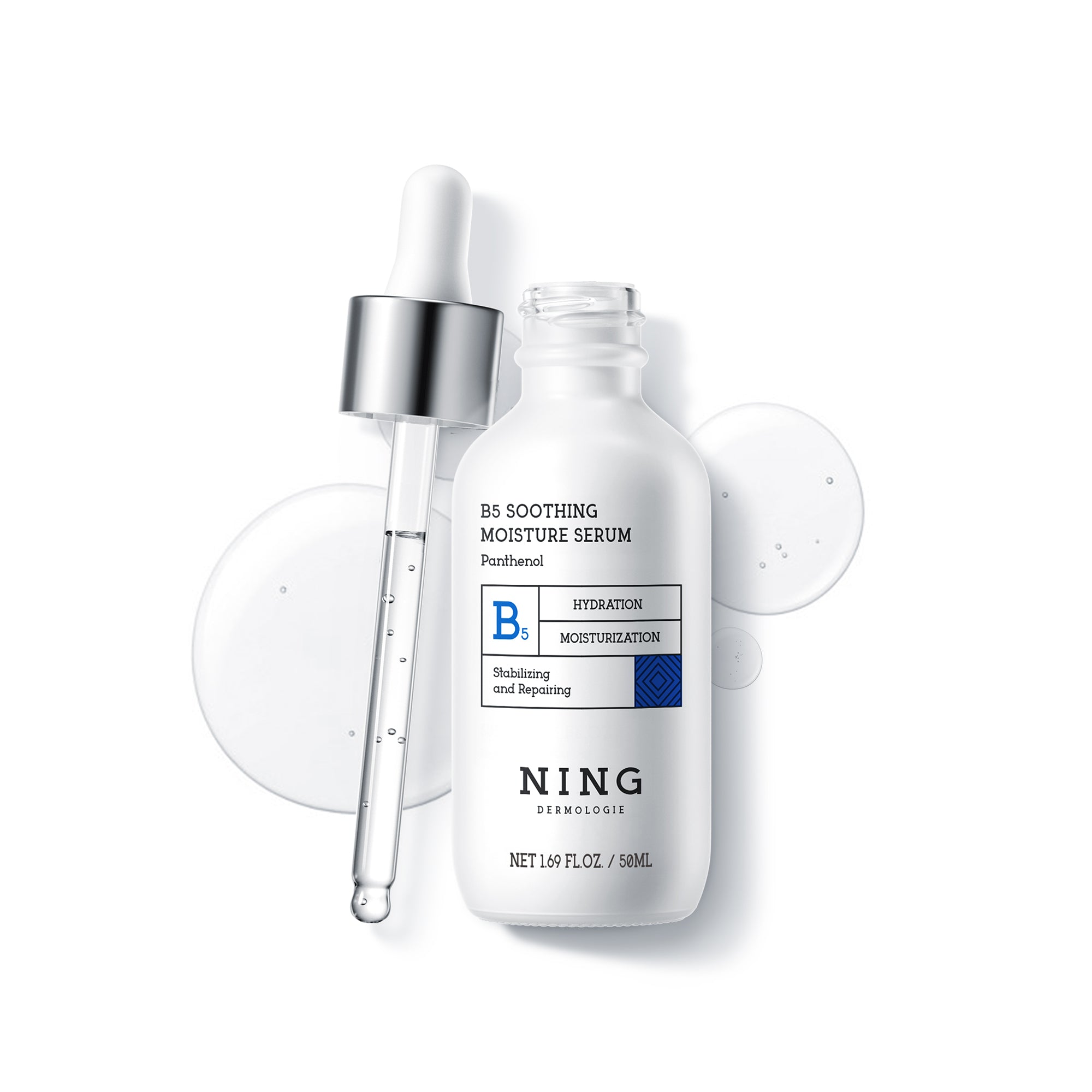
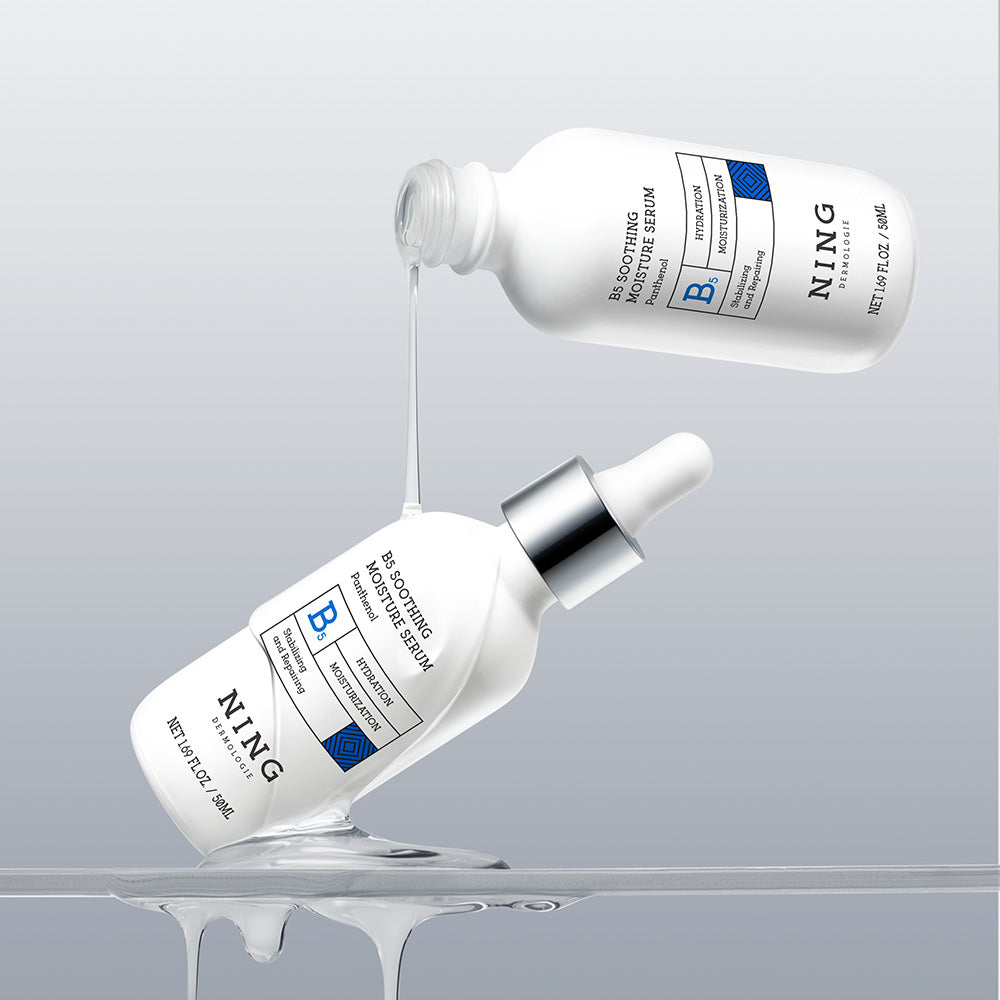
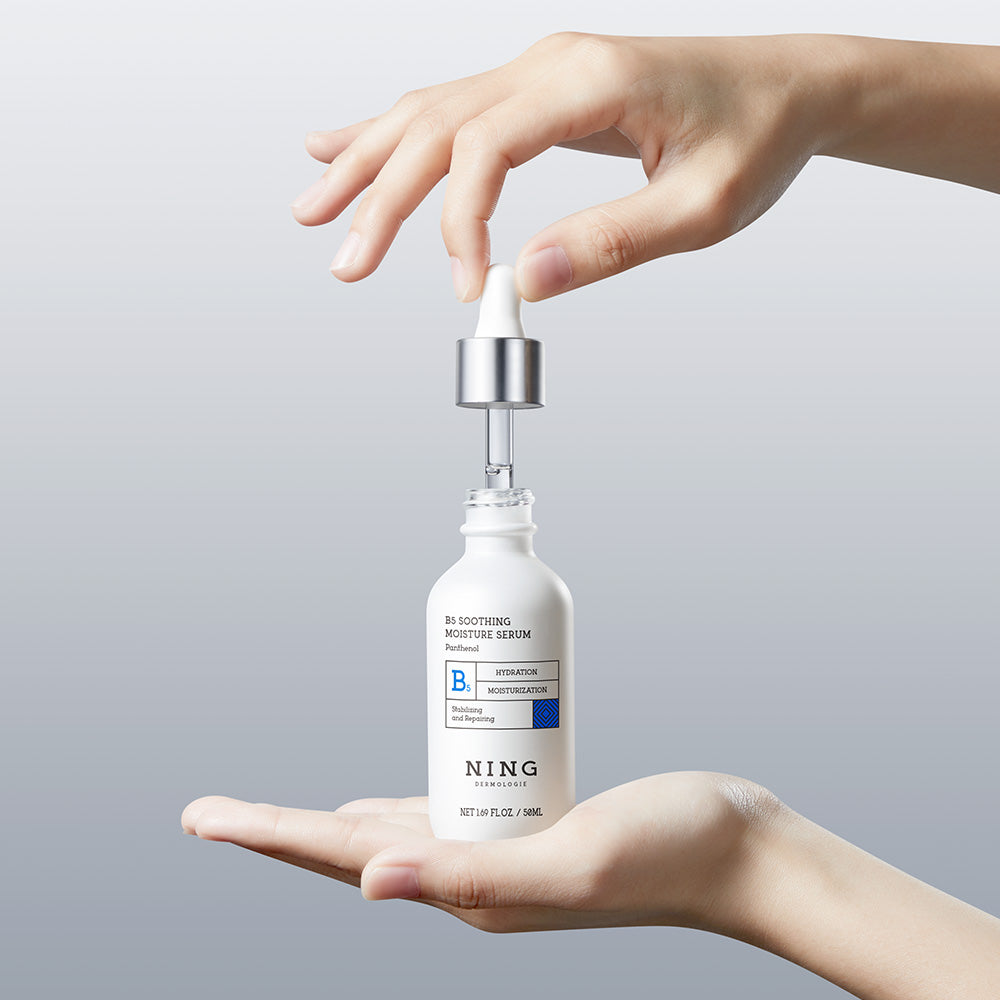
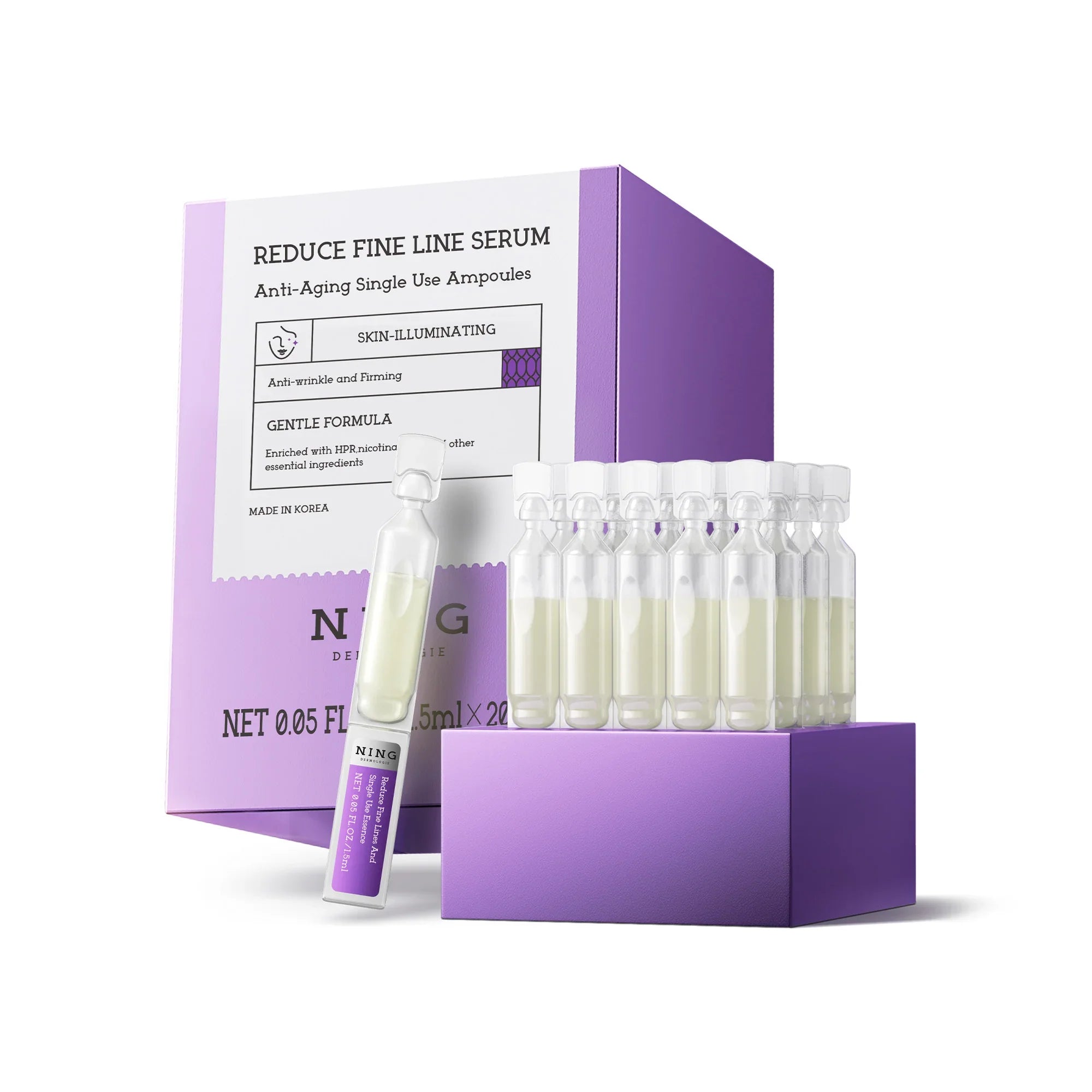
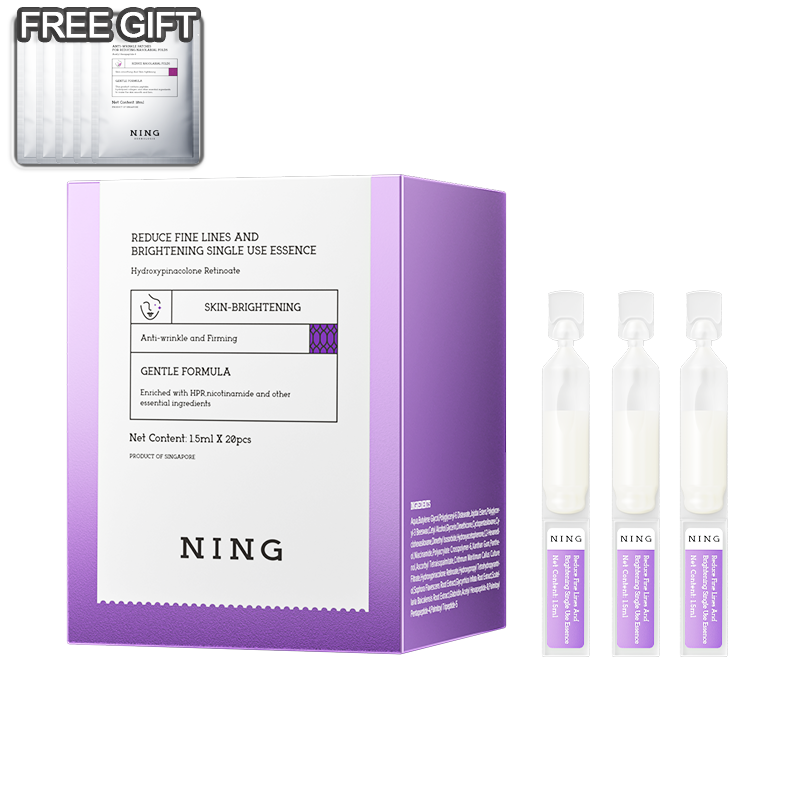
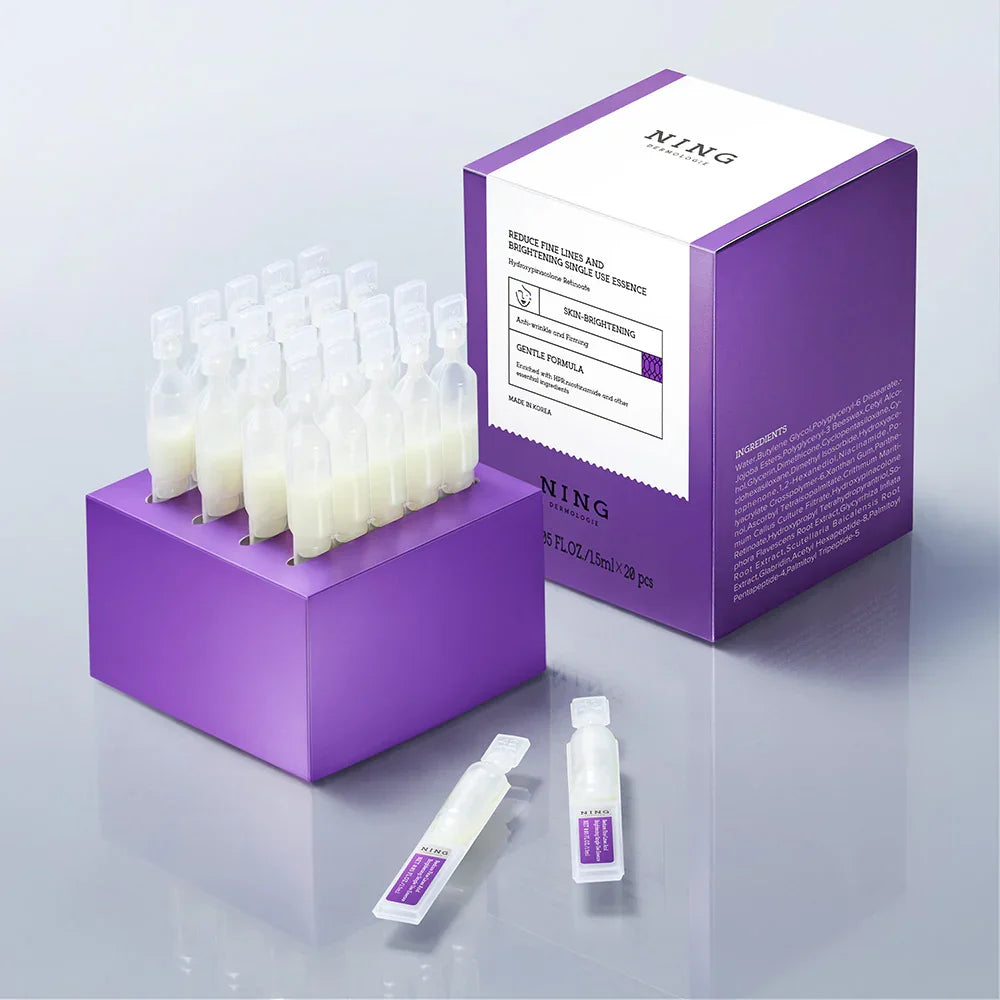
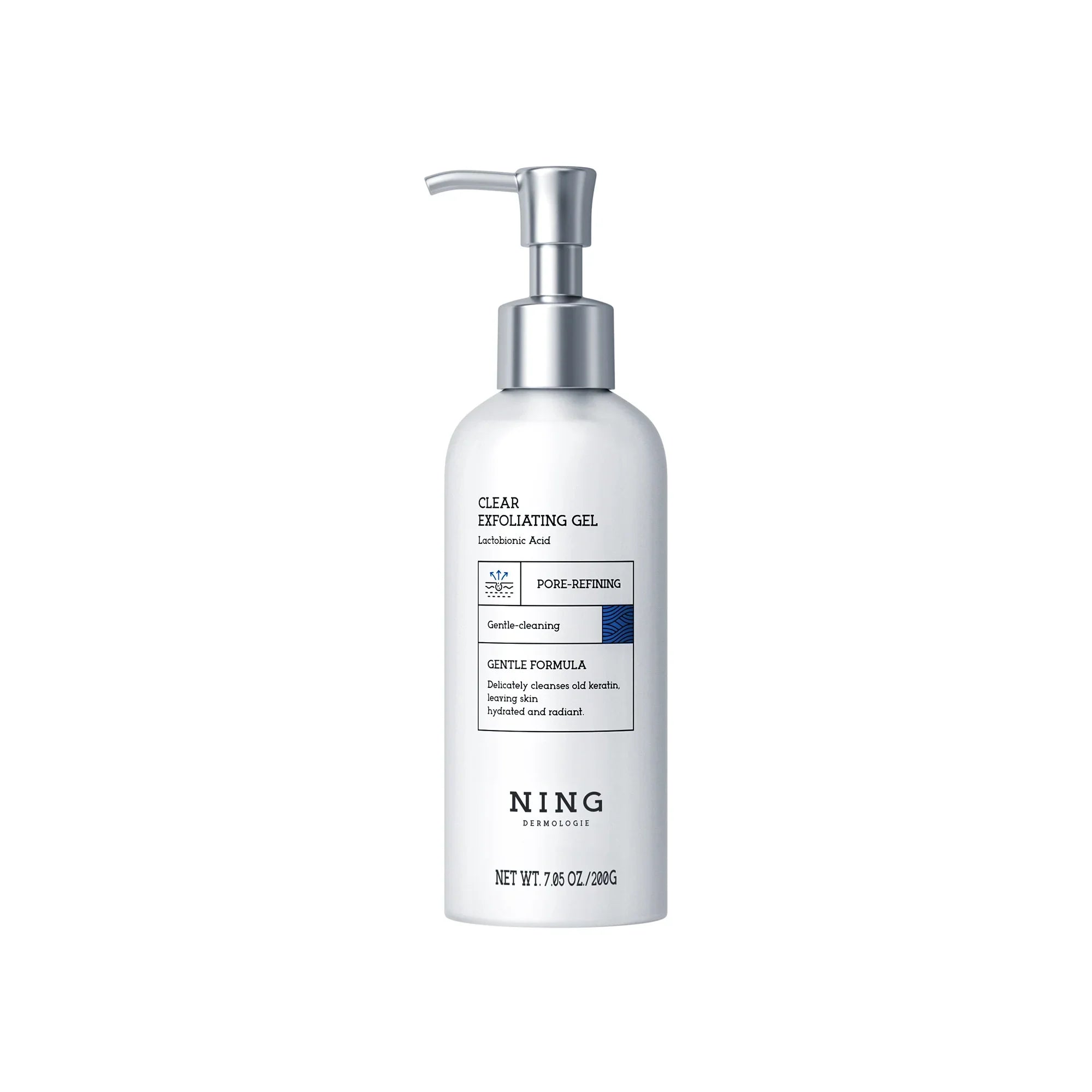
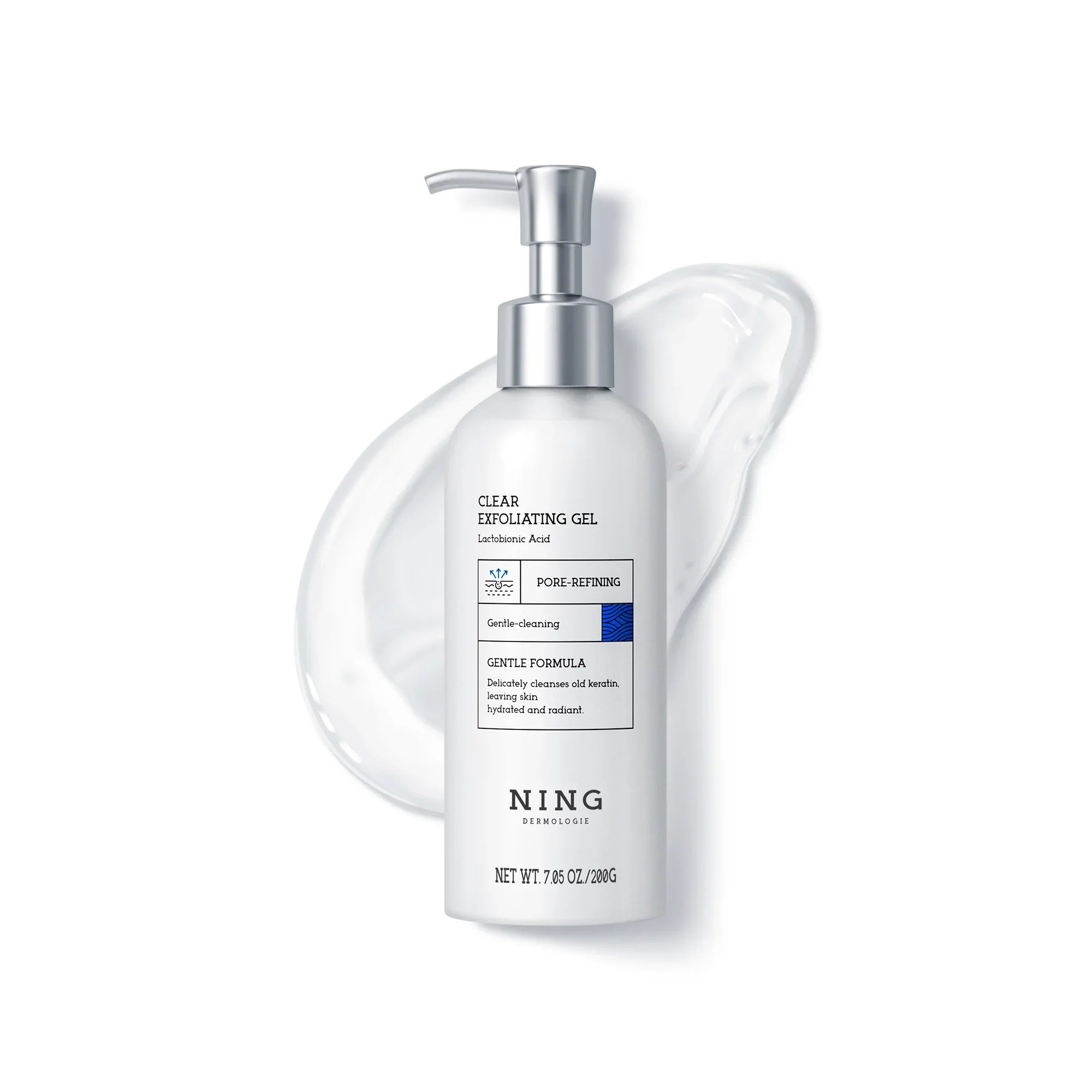
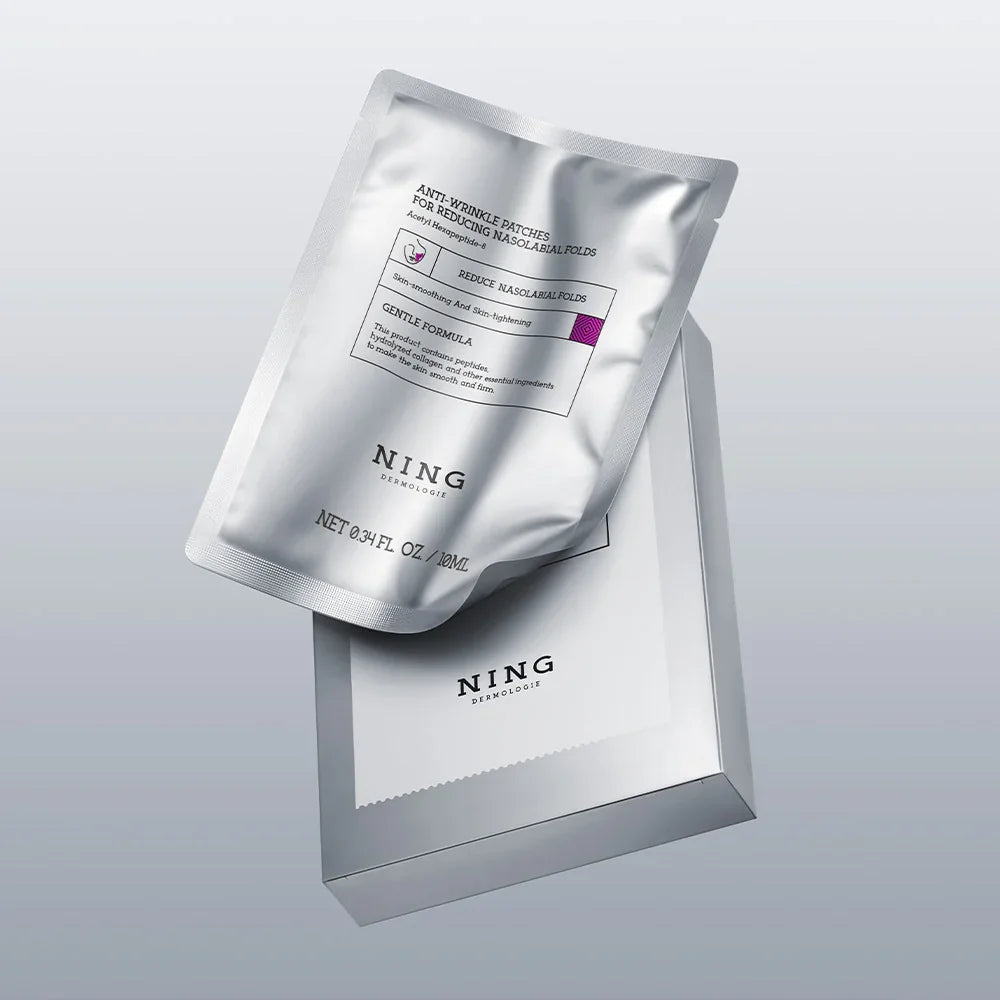
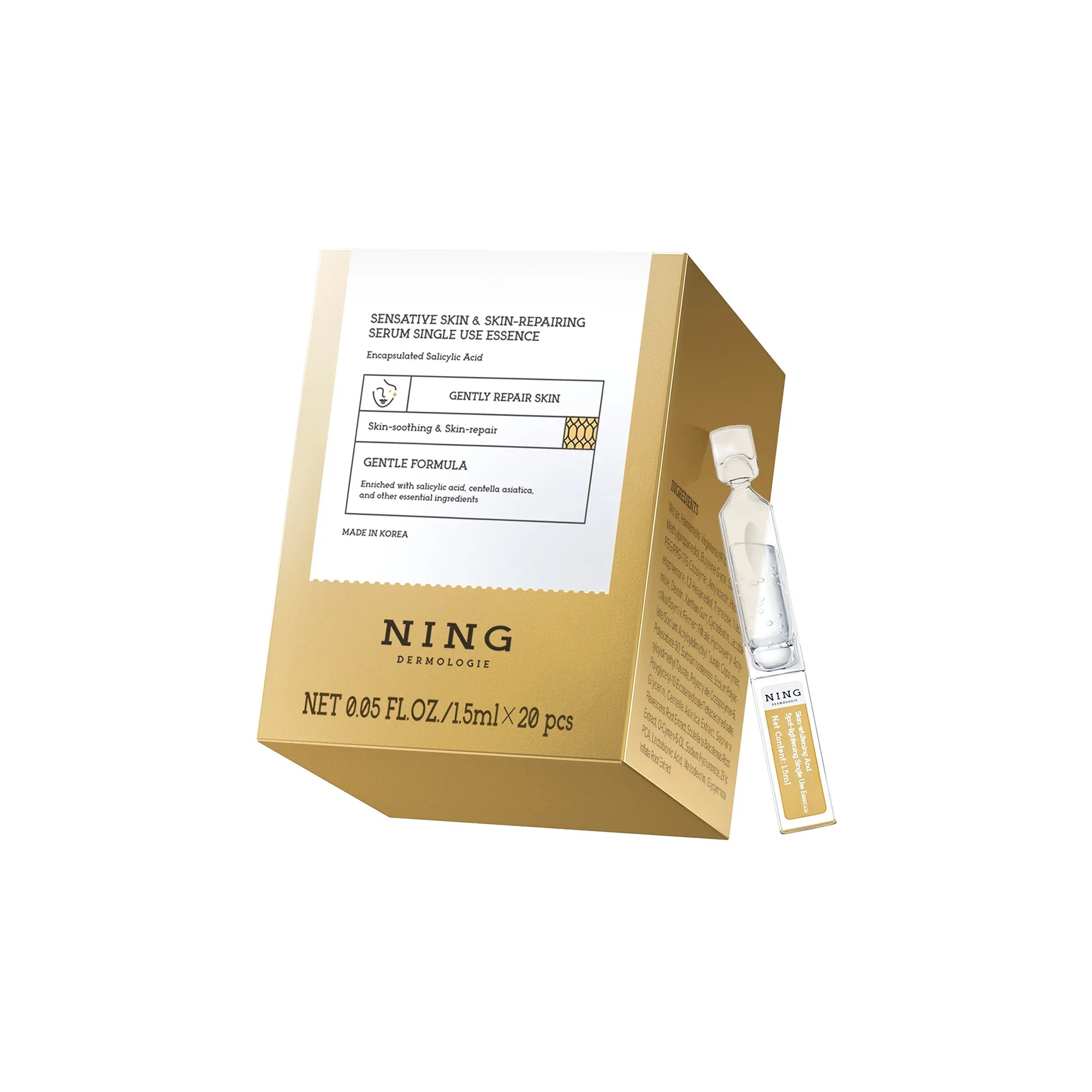
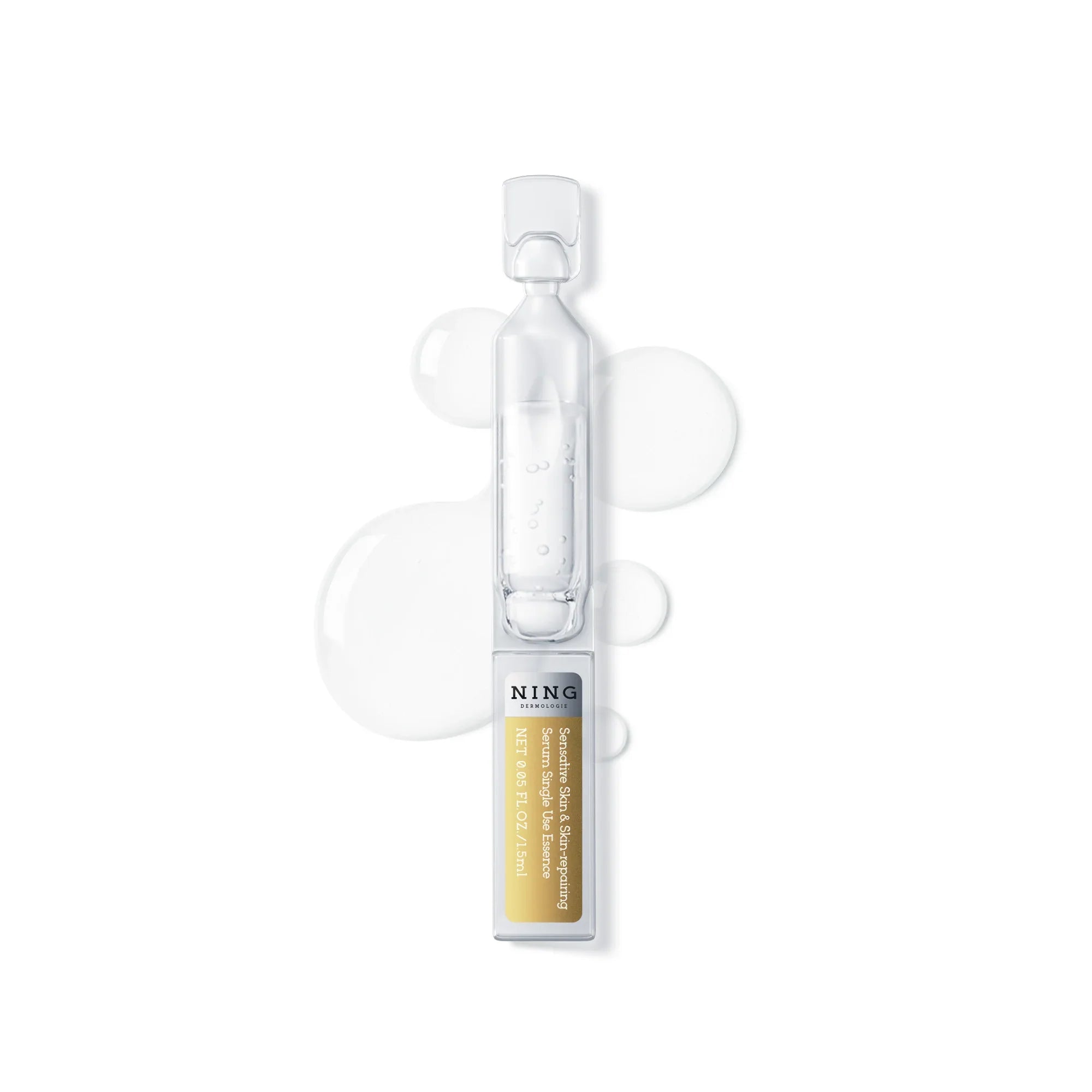
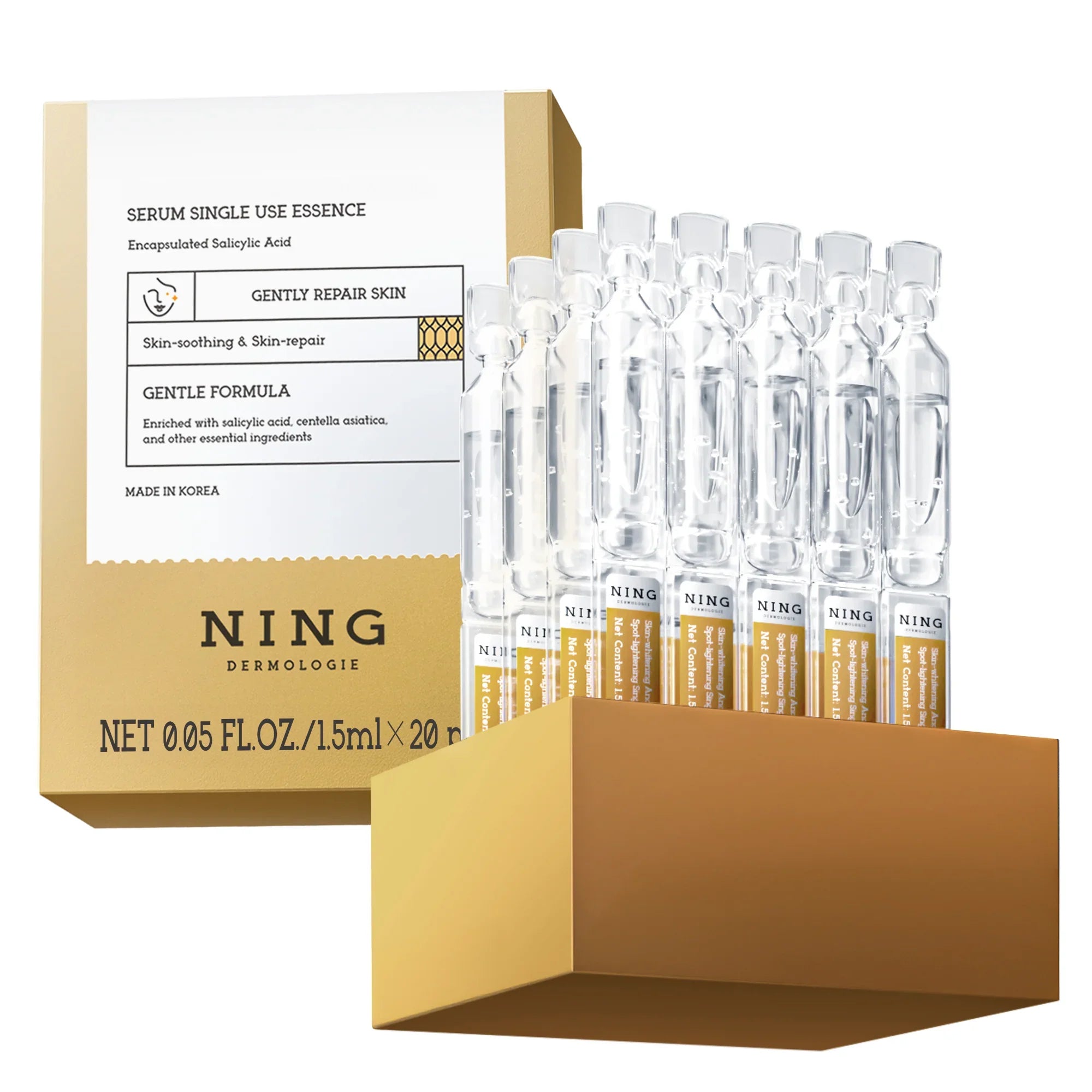
To rebuild the mortar, you need a targeted, biologically compatible approach. This is where I highly recommend switching to a dedicated recovery protocol, specifically the NING Dermologie Biological Barrier Restoration System.
We designed this system at NING Dermologie because we were tired of "repair" creams that just sat on top of the skin. Rebuilding the barrier requires cellular vitality and specific ceramide-dominant barrier repair lipids that your skin actually recognizes.
Here is exactly how your skincare regimen should look for the next 28 to 45 days.
Morning: Defend and Protect
Your morning goal is simple: don't strip the oils your skin produced overnight, and shield your face from the day ahead.
- Skip the Morning Wash (Or Keep It Ultra-Gentle): Unless you are incredibly oily, just rinse your face with lukewarm water. If you must wash, use a pH-balanced Clarifying Cleanser that utilizes mild cleansing agents. You want absolutely zero tight feeling afterward.
- Replenish Water: Apply a serum rich in Sodium Hyaluronate (a salt form of hyaluronic acid that penetrates beautifully) and amino acids. These replenish your skin's natural moisturizing factor without stinging. The NING Dermologie system focuses heavily on these biomimetic hydrators.
- Seal and Shield: Lock it in with a gentle moisturizer. Then, you absolutely must apply a broad-spectrum sunscreen that acts as a UV/blue light protector to defend against HEV light and UV rays. Sun damage destroys your barrier faster than you can rebuild it.
Evening: Deep Biological Repair
Your skin naturally enters a repair phase at night, dictated by your body's circadian rhythms. Our skin cells have tiny structures called lamellar bodies that release lipids to rebuild the barrier while we sleep. Your evening routine should support this Chronobiology Technology naturally.
- Gentle Removal: Remove your sunscreen and the day's grime. Again, no harsh scrubbing.
- The Repair Matrix: This is the most critical step. You need barrier repair formulations that contain the golden ratio of lipids. The Biological Barrier Restoration System is engineered to provide exact ceramide/cholesterol ratios alongside skin-identical plant extracts like Simmondsia Chinensis (Jojoba seed oil) and Persea Gratissima (Avocado oil).
- Targeted Support (If needed): While we avoid acids, ingredients that support healing—like specific growth factors or gentle topical emollients—can be applied here. Products like LUMIVIVE® Night Revitalize Repair Complex attempt this, but we prefer a streamlined approach focused purely on barrier synthesis. (Note: check ingredient lists for stabilizers like disodium edta; while common and safe for preserving the formula, the focus should always remain on the active repair lipids).
A Quick Note on Skin Types
Barrier damage doesn't discriminate, but it presents differently. If you have a darker Fitzpatrick Skin Type (often referred to in clinical literature as ethnic skin), severe barrier disruption and the resulting inflammation frequently lead to stubborn post-inflammatory hyperpigmentation (PIH). For you, barrier repair isn't just about stopping the sting; it's about preventing long-term dark spots.
When choosing your repair products, look for brands that prioritize cruelty free testing and transparency in their Ingredients Ingredient Insights. Pure, effective skin care maintenance shouldn't come with a side of ethical compromise.
The Waiting Game
Your skin turnover cycle is roughly 28 days. You will not fix a damaged barrier over the weekend. For the first week, your skin might still feel a bit reactive as it adjusts to the new, stripped-back reality. Stay the course.
When your face stops flushing after a warm shower, when your moisturizer glides on like silk instead of stinging like needles, and when that plump, healthy bounce returns to your cheeks—that’s when you know the mortar is rebuilt.
Be gentle with yourself, and be gentle with your skin. You've got this.

Frequently Asked Questions (FAQ)
1. How long does it actually take to fix my skin barrier?
Expect a minimum of 28 days, which is one full skin cycle. Severe damage might take up to three months of consistent, gentle care. Don't rush it or switch products every week; patience is your best active ingredient right now.
2. Can I still use my retinol or exfoliating acids while repairing?
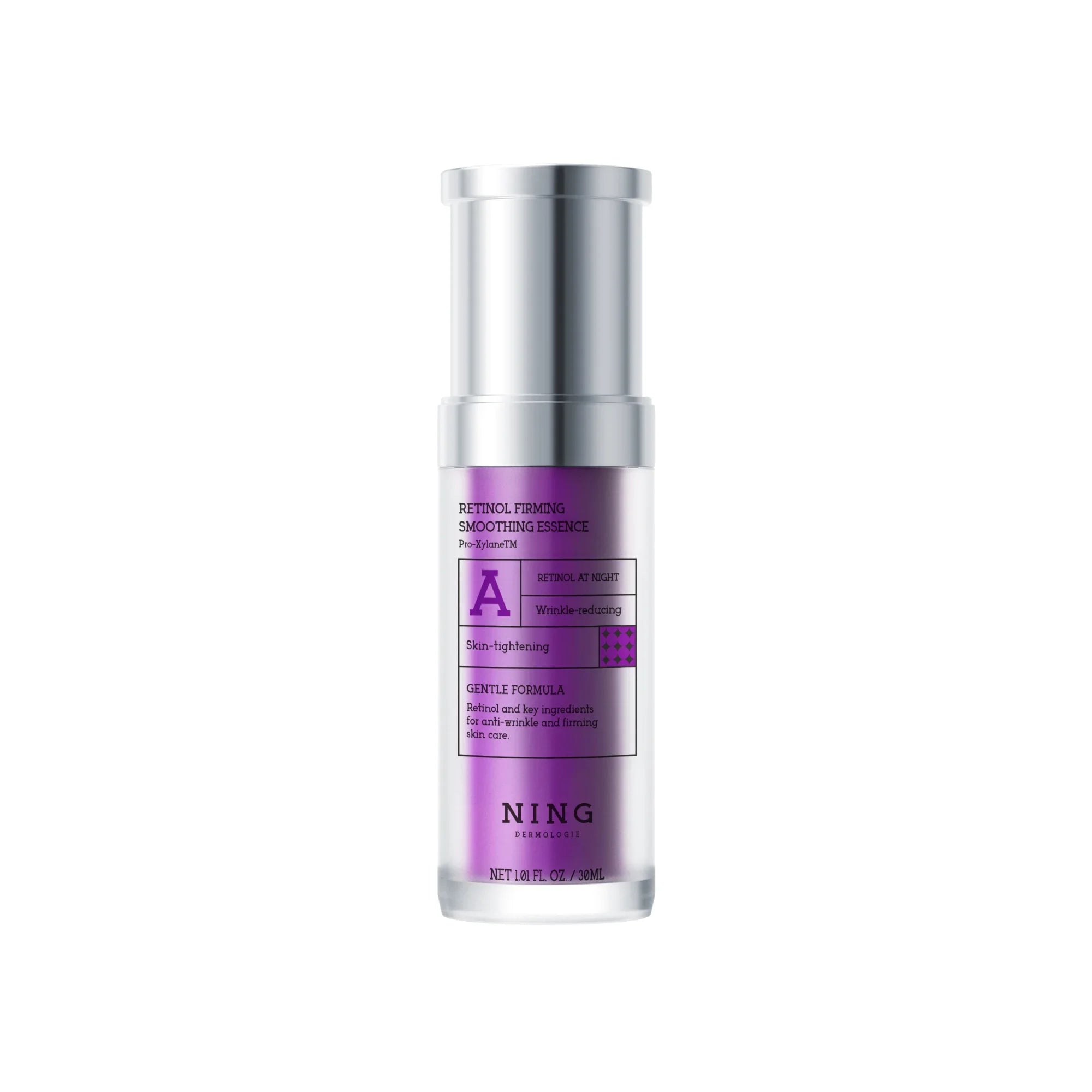
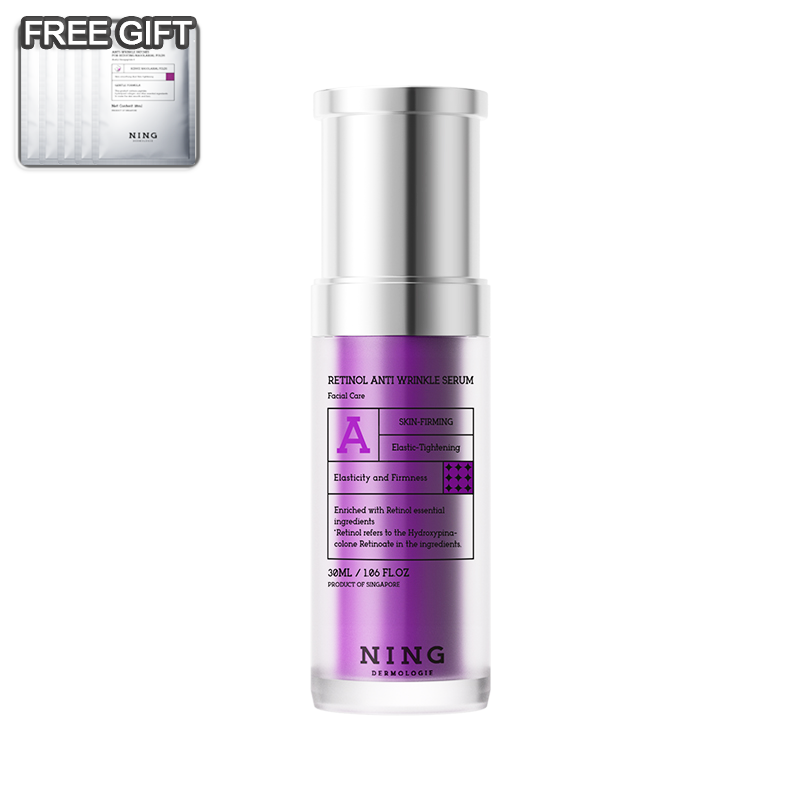
Absolutely not. Put the AHAs, BHAs, and retinoids away. Using them on a broken barrier is like running on a sprained ankle. Wait until your skin has been completely calm and sting-free for at least a month before slowly reintroducing them.
3. Why does even plain water or my gentle moisturizer sting my face?
Your barrier has microscopic cracks, leaving your nerve endings totally exposed. Even pure water or a normally safe cream can trigger a stinging response. Stick to biologically compatible lipid-rich systems like NING Dermologie until those micro-tears seal up.
4. Do I really need to skip washing my face in the morning?
For most people with a compromised barrier, yes. Tap water and a washcloth are enough to refresh you without stripping the precious oils your skin worked so hard to produce overnight. Save the mild cleanser for your evening routine.
5. How do I know if the NING Dermologie System will work for my specific skin type?
The Biological Barrier Restoration System is biomimetic, meaning it uses ceramides, amino acids, and lipids that naturally match human skin chemistry. Whether you have dry, oily, or highly reactive skin, it provides the universal "building blocks" your barrier needs to heal.





Share:
Best Skin Barrier Repair Routine for Dry, Sensitive, and Stressed Skin
The Ultimate Mask and Cream Routine for Acne-Prone and Sensitive Skin