


The skincare industry has a dirty secret, and it’s currently flooding the online marketplace. As someone who has spent years formulating products and analyzing ingredient supply chains, I can tell you that the counterfeit beauty market isn't just about snagging a cheap deal on a luxury serum—it’s a public health hazard.
We aren't talking about a slightly watered-down version of the real thing. When federal agencies like the U.S. Department of Homeland Security and anti-counterfeit investigators dive into these operations (like the infamous Operation Plastic Beauty), the results are frankly terrifying. We’re talking about "serums" mixed in unsanitary conditions, containing everything from superglue and paint thinner to high levels of bacteria and, yes, even rat feces.
Hyaluronic Acid (HA) serums are currently the number one target for these fraudsters. Why? Because HA is clear, odorless, and incredibly easy to fake with cheap filler ingredients like plain glycerin or industrial-grade thickeners that cost pennies on the gallon.
If you are buying skincare products online, especially from third-party sellers on major platforms, you need to operate with a healthy dose of suspicion. Here is the no-nonsense, practical guide to ensuring what you’re putting on your face is authentic, safe, and actually effective.

The Pre-Purchase Reality Check: Online Shopping Red Flags
Before the bottle even arrives at your door, there are massive tell-tale signs that you are dealing with counterfeit skincare products. The biggest mistake consumers make is trusting the platform rather than scrutinizing the actual seller.
1. The "Too Good To Be True" Price Comparison
Counterfeiters rely on your desire for a bargain. If a bottle of Skinceuticals Hyaluronic Acid Intensifier (H.A.)—which rarely goes on sale—is listed for 40% off by an unknown seller, it is almost certainly fake. Luxury and clinical-grade serums from brands like La Mer, Drunk Elephant, or Skinceuticals maintain strict pricing structures.
A massive price drop isn't a lucky break; it’s the biggest red flag in the business. Authentic brands invest heavily in dermatological research, HPLC testing for purity, and adhering to FDA standards. Counterfeiters invest in cheap labels.
2. The "Authorized Seller" Matrix
This is where product diversion comes in. Authentic brands have a tight chain of custody. They only sell to authorized resellers (think major department stores, licensed spas, or their own websites).
When you see a high-end product on a site that also sells discounted electronics and bulk socks, you are looking at diverted goods at best, or outright counterfeit beauty products at worst. Always check the brand's official website for their list of authorized retailers. If the seller isn't on that list, do not buy it.
3. Ignoring Seller Reputation and Fake Reviews
Do not trust a customer rating blindly. Savvy counterfeiters purchase hundreds of fake product reviews to drown out the few honest buyers screaming that they received a fake. Look at the seller's history. Have they only existed for a month? Are they based in a region known for lax intellectual property laws? Trust your gut over a five-star graphic.
The Physical Inspection: When the Box Arrives
Okay, you bought it. Now you need to inspect it like a forensic scientist before a single drop touches your skin. Counterfeiters are getting better at mimicking authentic packaging, but they always cut corners.
🚩 The Font and Print Quality Test
Genuine brands are obsessed with quality control. The text on the box and bottle should be razor-sharp, perfectly aligned, and smudge-proof. Counterfeits often have slightly blurry text, bleeding ink, or fonts that look just a hair off compared to the official product image on the brand's site. I've seen fakes of The Ordinary where the font weight was just slightly too thick—a dead giveaway for anyone paying attention.
🚩 Batch Codes and QR Codes
Most legit skincare will have a batch code stamped (not just printed) onto the bottom of the bottle and the box. These should match exactly. Some advanced brands are now using QR Codes or even NFC chips for track-and-trace security solutions to prove authenticity.
However, a word of warning: Counterfeiters easily copy valid batch codes from real products. If a batch code checks out online, it’s a good sign, but it is not definitive proof. It just means they copied a real number.
The Sensory Lab Test: Inside the Bottle
This is where my experience as a formulator comes in. You can't fake the actual physics and chemistry of high-quality Hyaluronic Acid (often listed as Sodium Hyaluronate on the ingredient deck) easily.
The "Shake Test" (Viscosity Check)
Real Hyaluronic Acid has a very specific type of viscosity. It’s thick, but not "goopy."
- The Test: Take the closed bottle and shake it vigorously for five seconds. Stop and watch the bubbles.
- The Real Deal: In a quality HA serum, the bubbles will move somewhat slowly through the dense liquid and take a little time to rise to the top. They will look distinct.
- The Fake: If it’s just water and cheap thickeners, the bubbles will often dissipate almost instantly, like shaking a bottle of water. Alternatively, if they used glue-like industrial thickeners, the bubbles might stay suspended indefinitely in a gel that won't move at all.
The Texture and "Slip" Test
Put a drop between your thumb and index finger. Real HA has what we call an elegant "slip." It feels incredibly smooth, almost frictionless, gliding between your fingers. It should not feel tacky immediately.
Counterfeiters often substitute HA with cheap glycerin or carbomers that feel overly sticky, tacky, or slimy right away. If it feels like hair gel or dries down to a crusty film that pills up immediately when you rub it, wash it off.
The Smell Test
Pure Hyaluronic Acid is essentially odorless. Authentic serums might have slight scents from other active ingredients, but they should never smell chemically, perfumed like cheap air freshener, or rancid. A strong chemical odor is an immediate discard.
The NING Dermologie Approach: Why Authenticity Matters
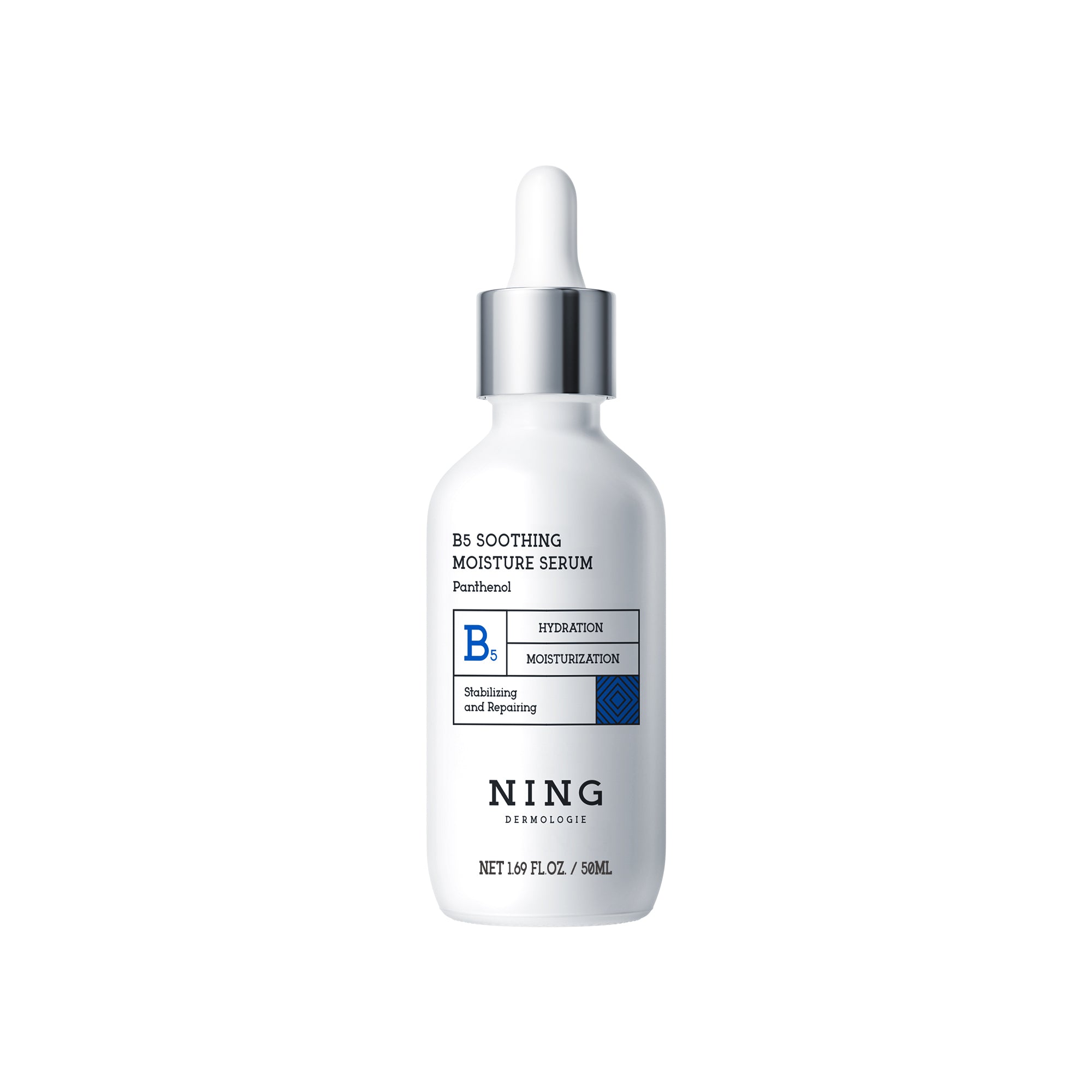
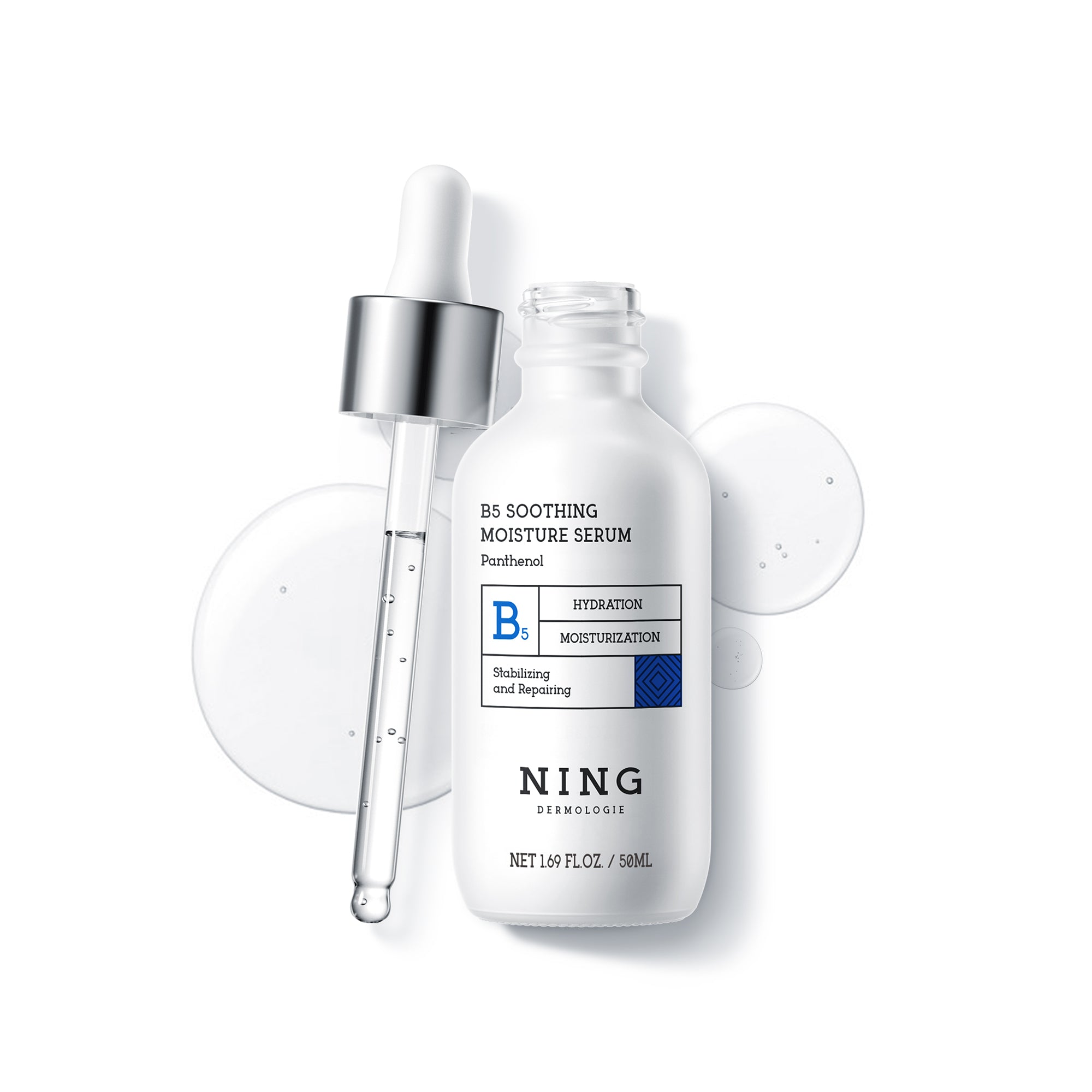
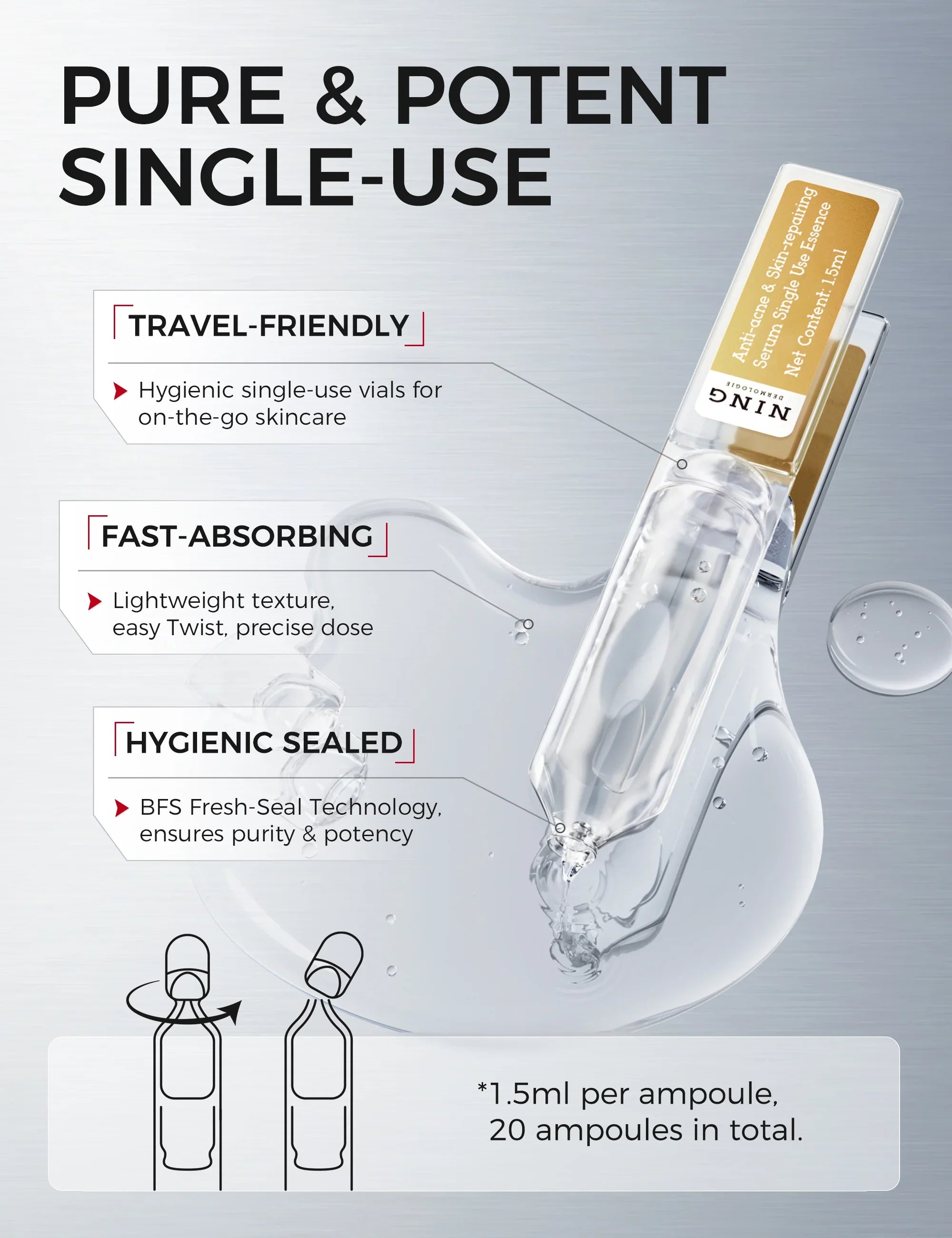
At NING Dermologie, we obsess over these details because we know the risks. When we source the Sodium Hyaluronate for products like our Hydrating & Soothing Essence Toner, we aren't just buying white powder off the internet.
We require a Certificate of Analysis (COA) for every batch, verifying its purity through techniques like Gel Permeation Chromatography to ensure the molecular weight is correct for skin penetration. We operate under strict ISO 9001 standards. This level of scrutiny is expensive, which is why real skincare costs more than counterfeit designer swag.
When you buy a fake, you aren't just getting ineffective ingredients. You are bypassing all safety and sanitation guidelines. You are applying a product likely made in a filthy basement using tap water loaded with microbes. Board-certified dermatologists across the country, from Northern California to New York, are seeing an uptick in contact dermatitis, severe acne, and chemical burns caused by these fake products.
The Final Verdict
The counterfeit market is vast, sophisticated, and dangerous. While anti-counterfeit investigators are constantly working to shut down these "site owners" and trace distribution practices, new ones pop up instantly.
Don't gamble with your skin health to save twenty bucks. If you have any doubt about a product—if the texture feels off, the smell is weird, or the deal was too good—throw it away. Stick to authorized resellers and transparent brands that stand behind their supply chain. Your face is not the place for an experiment with black-market chemicals.

Frequently Asked Questions (FAQ)
Q: Are counterfeit serums actually dangerous or just ineffective?
A: They are actively dangerous. Lab tests on seized counterfeits frequently find high levels of bacteria, mold, urine, and toxic chemicals like arsenic or glue. Because they bypass all sanitation guidelines, you are risking severe infections, chemical burns, and long-term skin damage. It is never worth the risk.
Q: Can I trust "Verified Purchase" reviews on big shopping sites?
A: Sadly, no. "Brushing" scams and paid review farms mean that thousands of "verified" five-star reviews can be bought cheaply by counterfeit sellers. Ignore the star rating and look at the negative reviews—that’s where the real victims of fake products are usually shouting the loudest.
Q: If the batch code works on a checking website, does that prove it's real?
A: No. It only proves the counterfeiter copied a real code from a genuine bottle. It’s a basic check, but sophisticated counterfeiting operations reproduce valid codes on thousands of fake boxes. You must combine this with sensory checks (texture, smell) to be sure.
Q: Why is Hyaluronic Acid faked so often compared to other ingredients?
A: It’s the easiest to mimic visually. Real HA is clear and slightly viscous. Fraudsters can replicate that look cheaply using water and common industrial thickeners (like standard hair gel ingredients) that cost almost nothing, allowing for massive profit margins on fake "luxury" serums.
Q: What is the single best way to avoid buying a fake serum?
A: Only buy from authorized retailers listed specifically on the brand’s official website. Never buy luxury or clinical-grade skincare from unauthorized third-party marketplace sellers, resale apps, or unlicensed discount sites. If the seller isn't authorized by the brand, the product is likely diverted or fake.





Share:
Step-by-step guide to ordering hyaluronic acid serum online safely
The Morning Rush: Why Hyaluronic Acid Serums with SPF Are the Multitasking Heroes We Deserve