



The Digital Minefield: A No-Nonsense Guide to Buying Hyaluronic Acid Serum Online Safely
Buying skincare online is convenient, but it’s also a massive gamble. One minute you're scrolling for "glowing skin" solutions at 2 AM, and the next, you've dropped fifty bucks on a "miracle" hydrating serum from a brand that didn't exist three months ago.
Everyone from your favorite TikTok beauty editor to your dermatologist agrees on one thing: Hyaluronic Acid serum is a cornerstone staple for almost every skincare routine. It’s essential for plumping fine lines, combating dry skin, and supporting overall skin health.
But here’s the catch: not all HA serums are created equal. The internet is awash with counterfeit products, ineffective formulations, and downright dodgy sellers. Trying to fix your moisture barrier with a shady product can lead to irritation, breakouts, or worse—wasting money on expensive water.
If you want that real hydration revival without the risk, you need a strategy. Forget the glossy marketing of things like a "serum crystal elixir" for a second. We need to look at the cold, hard facts on the label.
Here is your practical, step-by-step guide to navigating the online skincare jungle safely.

Step 1: Ignore the "100% Pure" Hype
The first red flag you’ll see online is a product claiming to be "100% Pure Hyaluronic Acid."
Let me be very clear: Do not buy this.
If a bottle contained 100% pure Hyaluronic Acid, it would be a solid, unusable rock. Pure HA is a powder. In skincare products, it’s dissolved in water. An effective hyaluronic acid serum usually contains between 1% and 2% of the actual active ingredient. That doesn't sound like much, but it's plenty powerful. Anything labeled "100%" is deceptive marketing, likely referring to a "100% solution" which means nothing about the actual concentration of the acid.
If a brand lies to you on the front of the bottle, don't trust what's inside it.
Step 2: Decode the Ingredient List (The INCI)
Turn that virtual bottle around and look at the INCI list (International Nomenclature Cosmetic Ingredient). You aren't just buying HA; you are buying the entire formulation.
The Name Game: Hyaluronic Acid vs. Sodium Hyaluronate Often, you won't see "Hyaluronic Acid" listed first. You’ll rarely see it at all. Instead, look for Sodium Hyaluronate. This is the salt form of HA. It’s more stable, cheaper to produce, and has a smaller molecular size, meaning it penetrates the skin easier than raw HA. This is a good thing.
Check the Supporting Cast A great serum isn't a solo act. HA needs supporting active ingredients to justify the price tag and boost performance across different skin types.
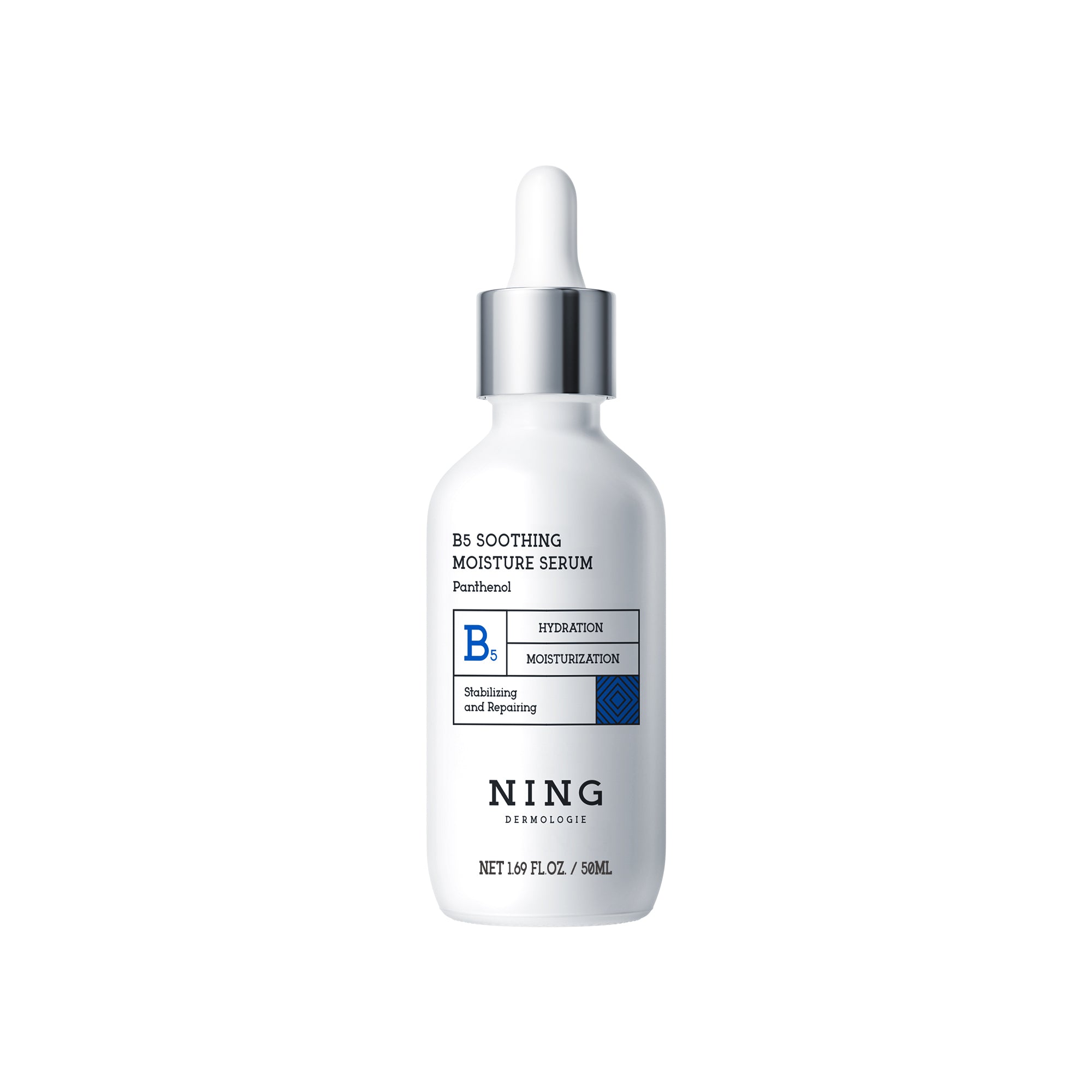
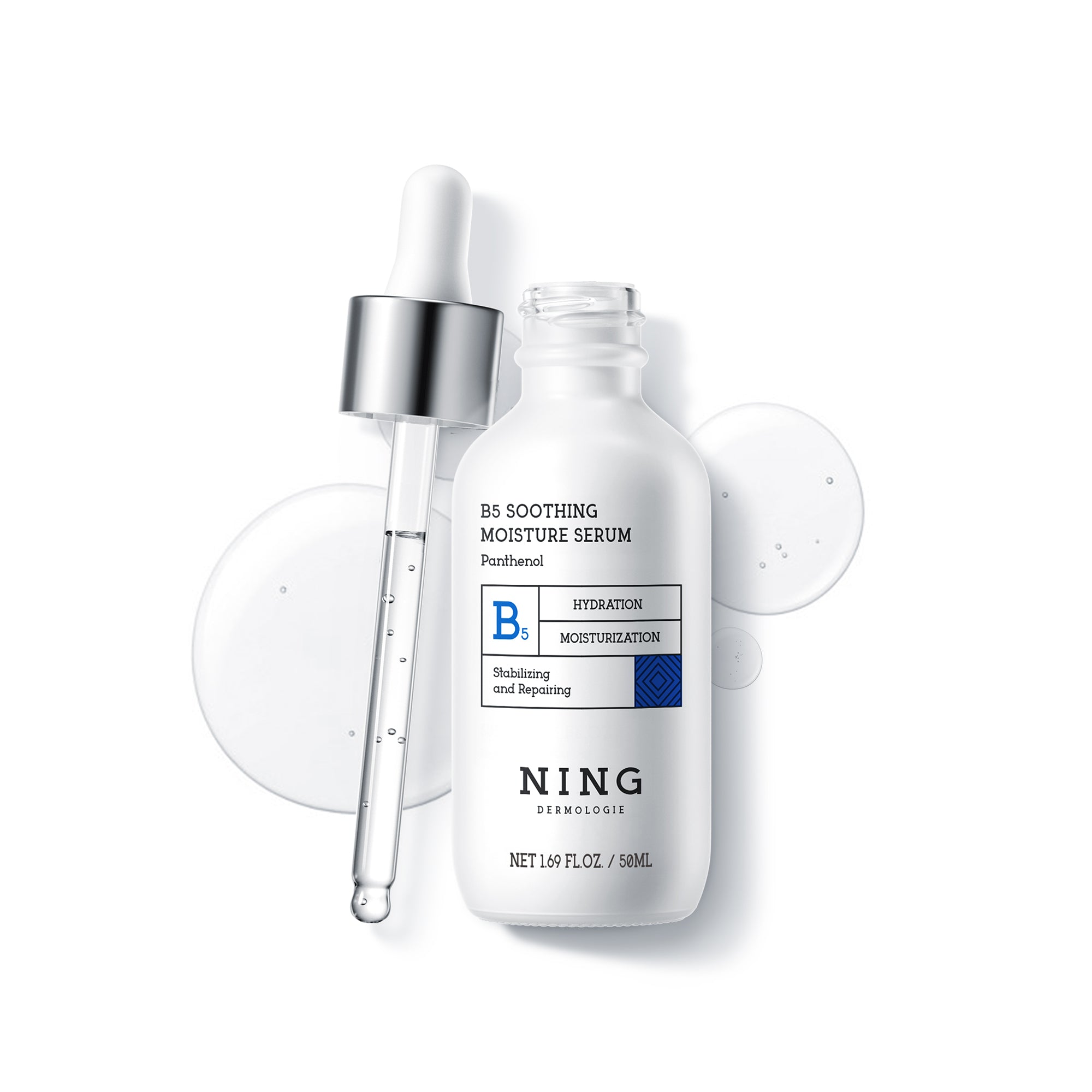
- The Hydration Boosters: Look for Vitamin B5 (Panthenol) or Glycerin paired with HA. These attract moisture and soothe sensitive skin.
- The Protectors: Ingredients like Vitamin C serum components (L-Ascorbic Acid or derivatives) or Ferulic Acid add antioxidant protection against environmental stressors and sun damage.
- The Anti-Agers: A Peptide Complex or Coenzyme Q10 working alongside HA helps support collagen production and the skin’s extracellular matrix, tackling those deeper wrinkles and skin texture issues.
The Red Flags in the INCI: If you have sensitive skin or are prone to rebound oiliness, avoid high concentrations of denatured alcohol (which dries the skin out, defeating the purpose of HA) and heavy, synthetic fragrances.
Step 3: Vetting the Seller is More Important Than Vetting the Brand
This is where most people get burned. You decide you want a specific high-end product—maybe something wildly popular like Charlotte's Magic Cream or a niche favorite like ALGAKTIV™ Uplift. You search for it, find it $20 cheaper on a third-party marketplace, and hit buy.
Stop.
Unauthorized third-party sellers on giant platforms are notorious for two things:
- Counterfeits: Fake skincare is a massive industry. The packaging looks identical, but the inside could be bacteria-laden glop.
- Gray Market/Expired Stock: These are real products, but they might have been sitting in a hot warehouse for three years, rendering the active ingredients useless.
The Safety Rule: Always buy directly from the brand’s official website or an authorized major retailer (like Sephora, Ulta, or verified pharmacy chains).
At NING Dermologie, we handle our inventory directly to ensure that every bottle shipped maintains its integrity, specifically to protect the efficacy of barrier-supporting ingredients. When you buy from unauthorized sources, you lose that guarantee.
Step 4: The Price vs. Reality Check
Skincare pricing is confusing. You can find HA serums for $6 and others, like a fancy Charlotte's Magic Water Cream or something touting Charlotte's Hollywood Skin Secrets, for over $100.
Why the gap?
The $6 serum (think brands like Skin Deva or generic options) usually offers basic, single-weight Sodium Hyaluronate in water with a cheap preservative. It works okay for basic surface hydration.
The expensive end often involves complex formulations with multiple molecular weights of HA (to penetrate different layers), patented delivery systems, or expensive added actives like advanced peptides or serum crystal elixir marketing terminology.
The Sweet Spot: You do not need to spend a fortune for safety. Excellent, safe HA serums usually sit in the $25–$60 range. Be highly suspicious of anything under $10 that claims to have expensive additives like a complex Dark Spot Correcting Serum capability. If it seems too good to be true, your face will pay the price later.
Step 5: The Arrival Protocol (Don't Skip The Patch Test)
The box arrives. You’re excited. You want that glowing skin tonight. Do not just slather it all over your face.
Even safe products can trigger reactions because everyone's skin concerns are different.
The Patch Test: Apply a small amount of the serum behind your ear or on your inner forearm. Wait 24 hours. If the area is red, itchy, or raised, do not put it on your face. If it’s clear, you’re good to go.
Step 6: Integration—Locking it In
You bought it safely; now use it correctly. A major misconception, sometimes propagated by vague "Tilbury Tips" or quick online tutorials, is that HA adds moisture to the skin on its own.
It doesn't. Hyaluronic Acid is a humectant. It’s a magnet for water. It draws moisture from the environment and pulls it into the skin.
If you live in a dry climate and apply HA without sealing it in, it can actually pull water out of the deeper layers of your skin and let it evaporate, leaving you drier than before.
The Correct Routine Order:
- Face Wash / Makeup Remover (Clean slate)
- Face Toner or Micellar Water (Damp skin is best for HA application)
- Hyaluronic Acid Serum (Apply while skin is slightly damp)
- The Crucial Step: The Sealant Moisturizer.
You must apply a thicker cream or oil over your HA serum to lock that moisture into the skin barrier.
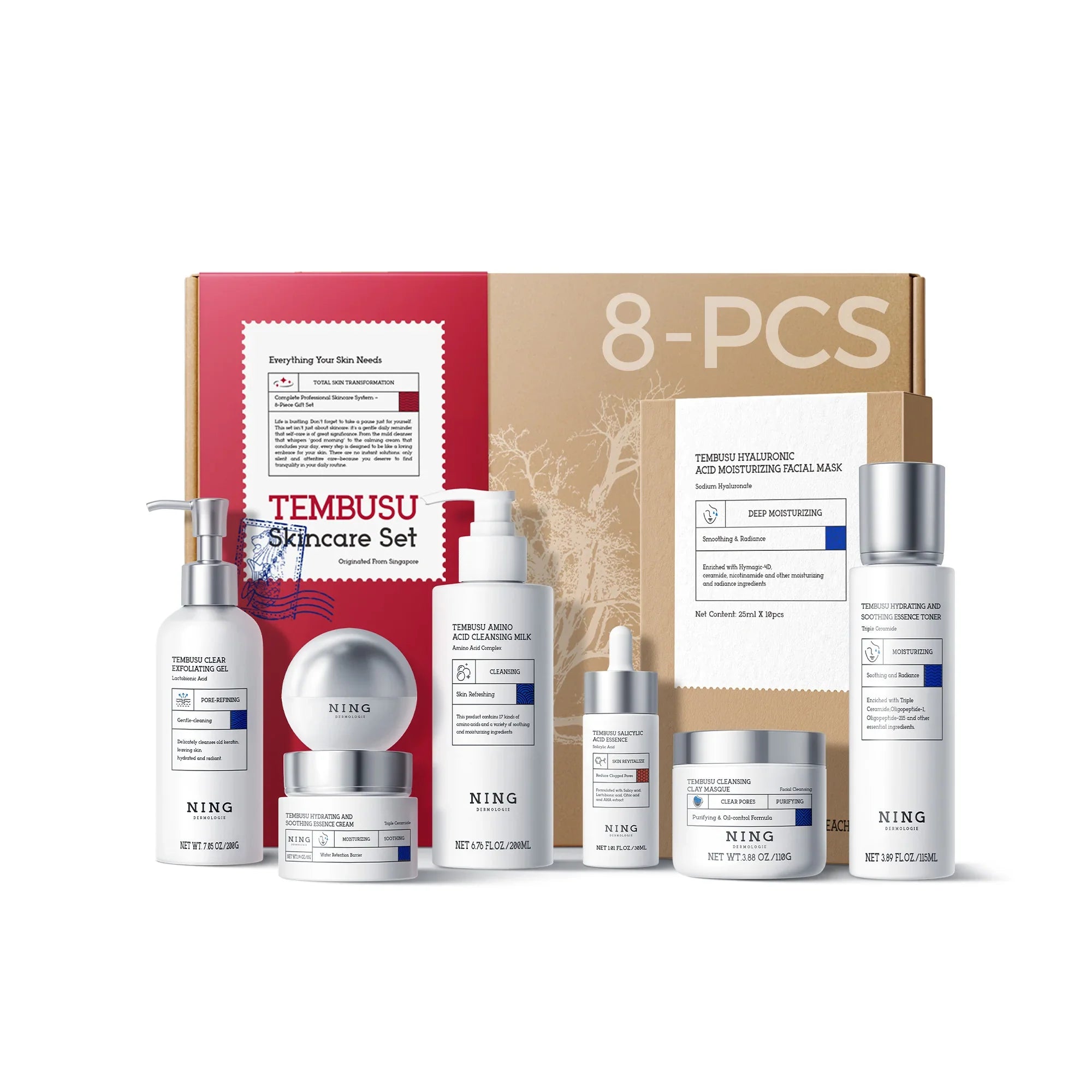
This is where pairing products matters. For example, at NING Dermologie, we designed our Hydrating & Soothing Essence Cream specifically to act as this vital locking layer. It complements the humectant properties of HA serums by providing the necessary lipids and soothing agents to fortify the skin barrier, ensuring the hydration stays where it belongs.
If it's nighttime, this is where your night cream goes. If you have very dry skin, you might even layer a facial oil (like a Collagen Superfusion Facial Oil type product) on top.
Summary: Smart Shopping for Healthy Skin
Ordering online doesn't have to be scary if you ignore the flashy ads and focus on the labels and the seller's reputation.
Whether you have oily skin struggling with benzoyl peroxide dryness, or you're looking for sensitive skin care products to tackle dark circles, HA is a great tool. Just remember that it's one part of the puzzle. It won't replace your sun damage prevention (SPF!) or your exfoliating acids (like Salicylic Acid or L'Oréal Paris Glycolic Bright Glowing Night Cream).
Be skeptical, check your sources, and always seal in your hydration.

Frequently Asked Questions (FAQ)
Q: Can I use Hyaluronic Acid with Vitamin C and Retinol?
A: Yes. HA plays well with almost everything. A common morning routine is Vitamin C followed by HA, then sunscreen. At night, you can apply HA before or after retinol (or vitamin B3 / niacinamide) to help buffer irritation and maintain hydration during your beauty sleep.
Q: Why does my skin feel tighter or drier after using an HA serum?
A: You likely applied it to completely dry skin and didn't follow up with an occlusive moisturizer. The HA pulled moisture out of your skin instead of trapping ambient moisture in. Always apply to damp skin and seal it with a cream like our Hydrating & Soothing Essence Cream.
Q: Is Sodium Hyaluronate worse than "real" Hyaluronic Acid?
A: Think of Sodium Hyaluronate as HA that actually fits through the door. Pure Hyaluronic Acid molecules are often too big to penetrate your skin barrier effectively. The salt form (Sodium Hyaluronate) is smaller and more stable, meaning it actually gets in where it needs to work. It's not a downgrade; it's the standard.
Q: Will HA serum help with my acne or oily skin?
A: Absolutely. Most oily skin is actually just thirsty skin overcompensating with oil. HA adds water, not grease. By fixing that deep dehydration, your skin stops panicking and pumping out excess oil to protect itself. It’s the best way to hydrate without clogging your pores or feeling heavy.
Q: Are expensive HA serums worth it over cheap ones?
A: It depends. The dirt-cheap bottles usually just sit on top of your face like wet saran wrap because they use one large molecule size. Better serums mix different molecular weights to penetrate deeper. You don't need to spend $300, but moving up from the $6 bargain bin usually gets you a formula that actually absorbs rather than just feeling sticky.





Share:
The Balancing Act: Recommendations for Gentle Hyaluronic Acid Serums for Acne-Prone Skin
The Morning Rush: Why Hyaluronic Acid Serums with SPF Are the Multitasking Heroes We Deserve