



If you have acne-prone skin, you likely live in a constant state of conflict. On one hand, you want to scorch the earth with salicylic acid and benzoyl peroxide to kill the bacteria. On the other, your skin barrier is screaming for moisture, leaving you red, flaky, and tight.
It’s a vicious cycle: you dry out your skin to stop the oil, but your skin panics and produces more oil to compensate, leading to more breakouts.
This is where hyaluronic acid (HA) enters the chat. It’s not just a buzzword; it’s a physiological necessity for healing. But for those of us with finicky pores, choosing the wrong bottle can be a disaster. A heavy, sticky serum can feel like it’s suffocating your skin.
In this guide, we’re cutting through the marketing noise. We aren’t just listing products; we are looking at how to hydrate without clogging, how to layer properly, and recommending the gentle hyaluronic acid serums that actually play nice with acne.

Why Acne-Prone Skin Actually Needs More Water (Not Oil)
Let’s clear up a misconception: Oily skin is not the same as hydrated skin. You can be dripping with oil and still be clinically dehydrated.
When you use harsh exfoliating actives or an Rx formula (prescription strength) retinoid, you are stripping away the skin barrier. A compromised barrier allows bacteria to penetrate deeper and inflammation to linger longer. This is often why red post-inflammatory marks stick around for months after the pimple is gone.
Hyaluronic acid is a humectant. Think of water molecules as magnets; HA grabs them and holds them against your skin. It doesn’t add grease; it adds water. This improves skin elasticity, softens skin texture, and signals your oil glands that they can take a break.
The Science of "Non-Comedogenic"
For us, the most important word on the bottle isn't "glow"—it's non comedogenic. This means the formula has been tested not to block pores. While HA itself is safe, many hyaluronic acid serums are packed with pore-clogging ingredients like coconut oil derivatives or heavy silicones to make them feel "luxurious."
We need clean, lightweight, water-based formulas. We need hydration heroes that disappear into the skin, not sit on top of it.
Key Ingredients to Pair with HA for Acne
When looking for a serum, don't just look for Sodium hyaluronate (the salt form of HA, which often penetrates deeper). Look for the supporting cast. The best serums for acne-prone skin double as calming agents.
- Vitamin B5 (Panthenol): A powerhouse for skin healing. It reduces itching and redness.
- Niacinamide: Helps regulate oil and brighten skin tone.
- Vitamin C: A Vitamin C serum combined with HA is excellent for fading dark spots, though it can be spicy on open wounds.
- Salicylic Acid: Some hybrids include low doses of this to keep pores clear while hydrating.
Top Recommendations: The Edit
We’ve analyzed molecular weights, textures, and ingredient lists to bring you recommendations that range from pharmacy staples to clinical powerhouses, including a specialized hybrid option for those who hate the feeling of heavy serums.
1. The Pharmacy Heavyweight: La Roche-Posay Hyalu B5 Pure Hyaluronic Acid Serum
You will often see this recommended by board-certified dermatologists. La Roche-Posay has built a reputation on being safe for sensitive skin.
The Hyalu B5 serum is famous for a reason. It combines two types of pure hyaluronic acid with Vitamin B5.
- The Texture: It’s a bit on the thicker, richer side.
- Why it works: The B5 component is incredibly soothing if you’ve overdone it with scrub or acids. It helps repair the barrier function rapidly.
- The Caveat: Because it is heavily fragranced and slightly tacky, some purists with ultra-sensitive skin might find the scent unnecessary. However, for dry skin that is also breaking out, this is a solid rescue product.
2. The Clinical Standard: SkinCeuticals Hyaluronic Acid Intensifier (H.A.)
If you walk into a medical-grade facial clinic or a high-end dermatology provider, you will likely see this purple bottle on the shelf.
The SkinCeuticals Hyaluronic Acid Intensifier isn't just pure HA; it uses proxylane and purple rice extract to boost the skin's own hyaluronic acid levels.
- The Texture: A thick, purple gel.
- Why it works: It is brilliant for fine lines and improving skin elasticity. If you are dealing with atrophic scars (the indented kind) or aging concerns alongside acne, this is a heavy hitter.
- The Caveat: The price point is steep. It’s an investment.
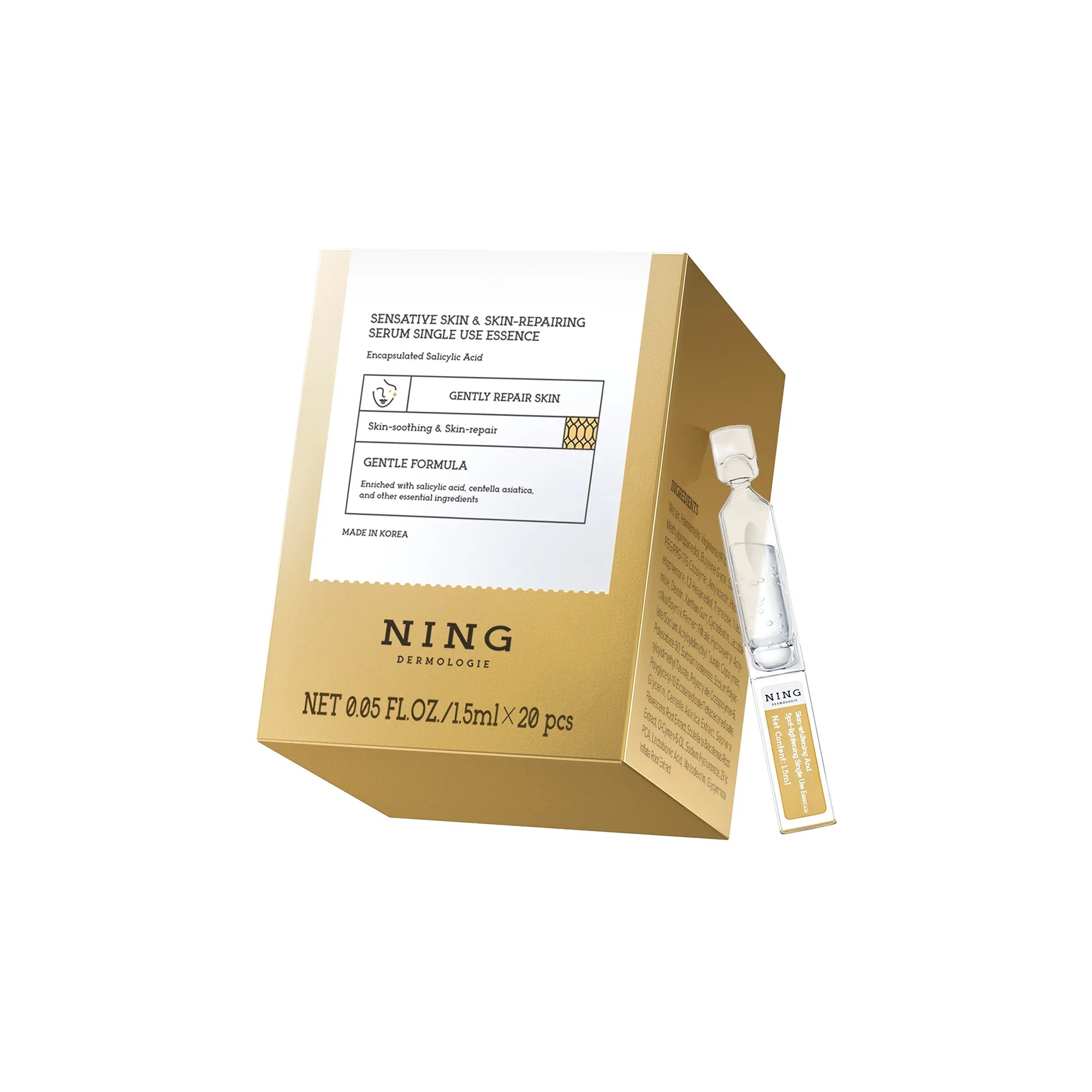
3. The Holistic Hybrid: NING Dermologie Hydrating & Soothing Essence Toner
Sometimes, a traditional "serum" is too much. If you have oily, congestion-prone skin, layering a thick gel under a moisturizer can feel heavy and sticky. This is where the concept of a "treatment essence" becomes a game changer for your skincare routine.
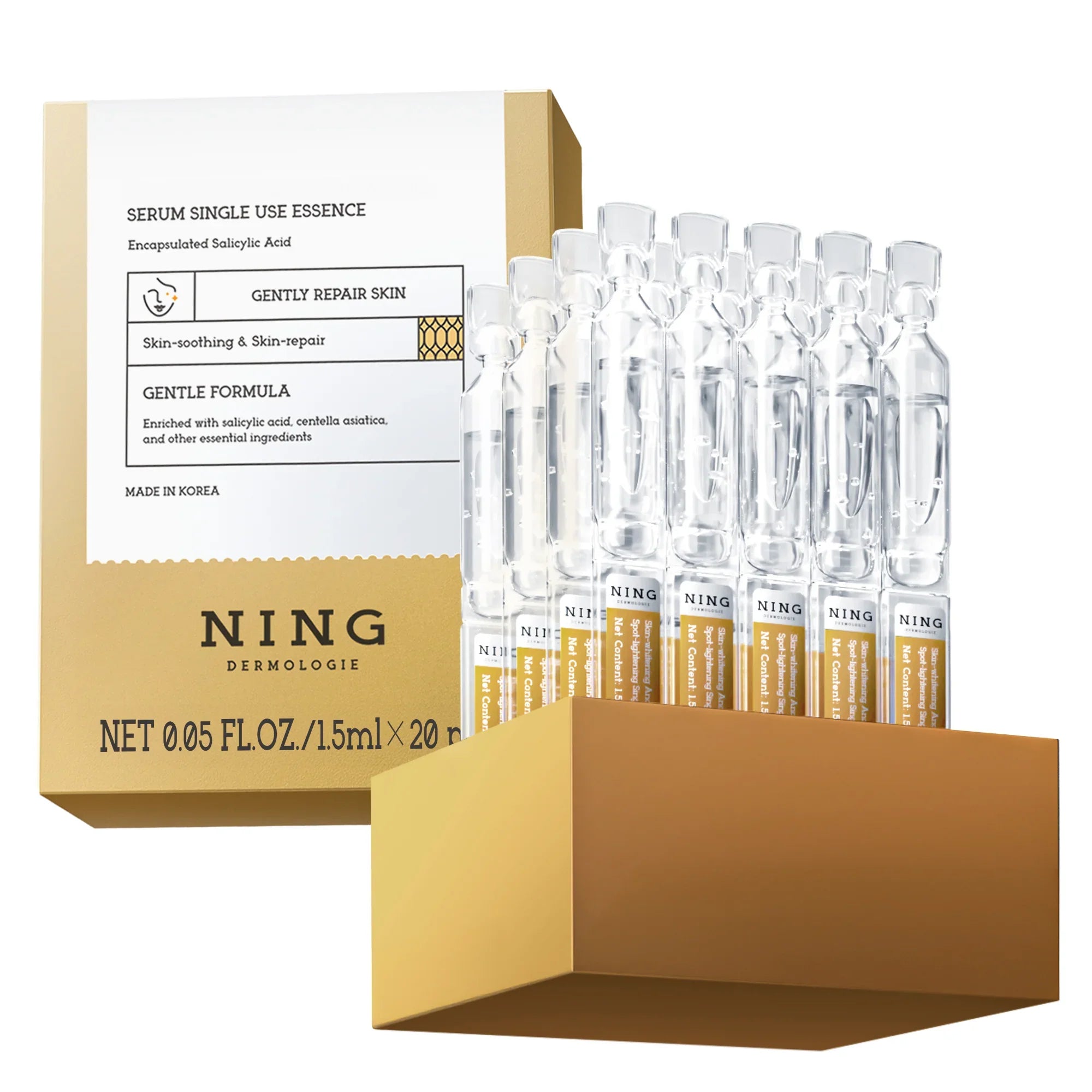
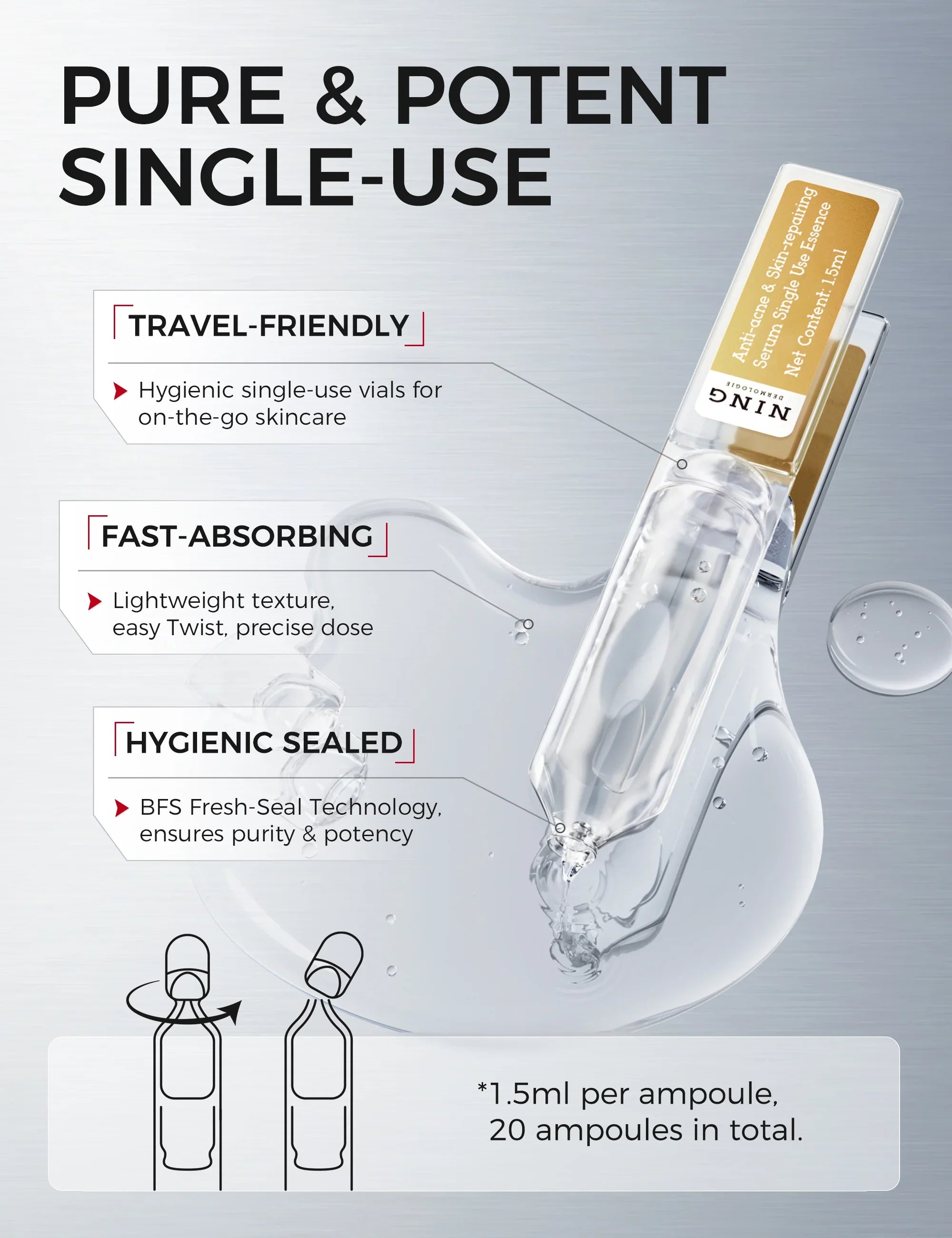
NING Dermologie has formulated a product that bridges the gap between a toner and a serum: the Hydrating & Soothing Essence Toner.
- The Texture: Unlike the gooey texture of standard serums, this has a lightweight, water-like viscosity that absorbs instantly. There is zero tackiness, which is a massive plus if you live in humid climates or hate the feeling of product on your face.
- Active Ingredients & Benefits:
-
- It utilizes high-quality Sodium hyaluronate for deep hydration without the weight.
- It is specifically formulated to counter environmental stressors and soothe the heat/redness associated with breakouts.
- It functions as a delivery system. By dampening the skin with this essence first, any subsequent treatment (like your spot cream) penetrates better.
- Why it fits Acne-Prone Skin: It respects the skin barrier without suffocating it. It provides the hydrating benefits of a serum but allows the skin to breathe. It’s essentially an oil-free moisturizer in liquid form.
Check out the full ingredient profile here: Hydrating & Soothing Essence Toner
How to Integrate HA into an Acne Routine
Many people say, "HA dried my skin out!" This usually happens because of user error. HA is a sponge. If you apply it to dry skin in a dry room, it might pull water out of your skin.
Here is the correct order of operations to maximize skin goals and minimize breakouts:
- Cleanse: Use a gentle cleanser.
- Exfoliate (Optional): If you use salicylic acid toner, do it now.
- The Critical Step: While your skin is still damp (or after applying a layer of NING Dermologie Hydrating & Soothing Essence Toner), apply your HA serum. The water on your face gives the HA something to grab onto.
- Treat: Apply your benzoyl peroxide or Rx formula for acne.
- Seal: You must lock it in with a moisturizer. Even a light gel moisturizer works. If you don't seal it, the water evaporates (Transepidermal Water Loss).
Dealing with Scars and Texture
Acne isn't just about the active pimple; it's about the aftermath. Acne scars and uneven skin texture are frustrating to treat.
While hyaluronic acid fillers (injected by a doctor) are the only way to truly lift deep, indented scars immediately, topical HA plays a vital role in recovery. By keeping the wound environment moist, you speed up skin healing and encourage collagen production.
When skin is hydrated, it looks plumper, which temporarily fills in mild indentation and fine lines, making texture look smoother. If you are using vitamin C to treat dark spots, HA helps buffer the irritation that L-Ascorbic acid can sometimes cause.
The Role of Lifestyle and Environment
Your skin doesn't exist in a vacuum. Hormonal changes, stress, and diet play massive roles. But don't underestimate environmental stressors.
Pollution, UV rays, and harsh weather can weaken your barrier. A weakened barrier lets acne bacteria thrive. Using a daily antioxidant and a hydrator acts as a shield.
If you are confused about where to start, or if your skin is reacting badly to everything, strip your routine back to basics: Cleanser, Hydrator (like the NING essence or a simple HA serum), Moisturizer, and SPF.

Summary: Listening to Your Skin
Finding the right face serum is like dating—you might have to kiss a few frogs (or sticky, pilling serums) before you find the one.
Whether you choose the medical-grade precision of SkinCeuticals, the pharmacy reliability of La Roche-Posay, or the lightweight, barrier-focused approach of NING Dermologie, the goal remains the same: Hydrate to heal.
Don't be afraid of moisture. Your acne-prone skin is thirsty, and feeding it the right kind of water might be the breakthrough you’ve been waiting for.
Frequently Asked Questions (FAQ)
Q: Will hyaluronic acid cause more acne breakouts?
A: No, HA itself is non-comedogenic and water-based, so it doesn't clog pores. However, some cheap formulations use heavy oils or silicones as fillers. Always check the label for "oil-free" or "non-comedogenic" to be safe. If you break out, it’s likely the additives, not the HA.
Q: Can I use hyaluronic acid with Benzoyl Peroxide or Retinol?
: Absolutely. In fact, you should. Acne treatments like Retinol and Benzoyl Peroxide are incredibly drying and irritating. Layering a hyaluronic acid serum or essence underneath or over them acts as a buffer, reducing redness and flaking while allowing the actives to work without destroying your barrier.
Q: What is the difference between Sodium Hyaluronate and Hyaluronic Acid?
A: Sodium Hyaluronate is the salt form of Hyaluronic Acid. It has a smaller molecular size, meaning it can penetrate deeper into the skin layers rather than just sitting on the surface. It’s generally more stable and less likely to oxidize. Most effective serums actually use this form.
Q: Why does my skin feel tight after using a hydrating serum?
A: You likely applied it to dry skin or didn't seal it in. HA acts like a sponge; if the air is dry, it can pull water out of your skin. Always apply to damp skin and follow immediately with a moisturizer to lock that hydration in.
Q: Can topical HA serums fix deep acne scars?
A: Topical serums cannot remove deep, indented (atrophic) scars; only professional treatments like lasers or fillers can do that. However, keeping the skin hydrated plumps up the surrounding tissue, making scars appear shallower and less noticeable while helping red marks fade faster.





Share:
Step-by-step guide to ordering hyaluronic acid serum online safely
The Morning Rush: Why Hyaluronic Acid Serums with SPF Are the Multitasking Heroes We Deserve