



If you type "best hyaluronic serum" into Google right now, you’re going to be hit with a tidal wave of "hydration heroes" and "boosting serums" promising to plump your dehydrated skin overnight. It’s overwhelming. Every brand, from drugstore staples to high-end luxury lines, has a hyaluronic acid product. They all have 4.8 stars on their websites. And honestly? A lot of those reviews are fluff.
As someone obsessed with skincare routines and preserving my skin barrier, I’ve learned the hard way that the front page of a beauty ecommerce site is rarely where you find the whole truth. Finding genuine feedback on hyaluronic acid serums—feedback that tells you if it pills under makeup, feels sticky, or actually helps with fine lines—requires digging deeper than the "sort by highest rated" button.
Here is a practical, no-nonsense guide on how to cut through the marketing noise to find out what actual human beings think of a product before you spend your money.

The Problem with Retailer Reviews (The "Sephora Bias")
We all do it. We see a shiny new bottle of La Roche-Posay HyaluB5 Hyaluronic Acid Serum or the incredibly popular The Ordinary Hyaluronic Acid 2% + B5 Hydration Support Formula, and we immediately scroll down to the reviews on the retailer's site.
Here’s the issue: major beauty brands and retailer sites are designed to sell, not to provide objective data. Many sites heavily weigh reviews from people who received the product for free ("incentivized reviews").
When looking at retailer sites—whether it’s Sephora, Ulta, or even looking at express pharmacy orders options like CVS or Walgreens—you need a strategy.
The 3-Star Strategy:
Ignore the 5-star raves and the 1-star rants. Go straight to the 3-star reviews. These are usually written by reasonable people who found both pros and cons. They’ll tell you, "Yes, it’s a decent hydrating serum, but it stayed tacky for twenty minutes," or "It's okay for my oily T-zone, but not enough for my dry cheeks." That’s the gold.
Read the negative reviews for CeraVe Hyaluronic Acid Serum or Innisfree Green Tea Seed Hyaluronic Serum. Don’t just look at the star rating; look for recurring keywords in the complaints. Are people with sensitive skin consistently saying it caused redness? Are people with blemish-prone skin saying it’s clogging pores? If ten different strangers mention pilling, trust me, it’s going to pill on you too.
The Holy Grail: Reddit and Independent Forums
If retailer sites are a polished showroom, Reddit is the mechanic’s garage where they tell you what’s actually broken under the hood. Communities like r/SkincareAddiction, r/AsianBeauty, and r/30PlusSkincare are arguably the best places on the internet for unfiltered feedback.
The beauty of Reddit is the specificity. You won't just find "it was good." You’ll find deep dives into how a specific sodium hyaluronate formulation interacts with other skincare products in a complex routine.
How to Search Effectively:
Don’t just search for the product name. Combine it with your specific concern.
- "Medik8 Hydr8 B5 Intense pilling sunscreen reddit"
- "111SKIN Hyaluronic Acid Aqua Booster sticky finish reddit"
- "Tree of Life Hyaluronic Acid Serum breakout sensitive skin reddit"
You want to read threads where people discuss how the serum feels when applied to damp skin (which is crucial for HA), versus dry skin. You want to know if that pricey Mimetique Skin Revive Serum actually improved their skin texture over three months, or if it just felt nice upon application.
Decoding "Expert" Reviews vs. Influencer Hype
There is a massive difference between an Instagram Story featuring a paid partnership and an in-depth review by a cosmetic chemist or a seasoned beauty editor who has tried everything.
Influencers on TikTok are often focused on the immediate "glow" (which any water-based formula can provide temporarily). You want long-term results.
Look for sources that focus on science and ingredients over vibes. Figures like Paula Begoun (the founder of Paula's Choice) practically invented ingredient-based skepticism.
Check established media outlets that actually conduct lab tests. The Good Housekeeping Institute, for example, often uses scientific instruments like the Visia Complexion Analyzer to measure changes in skin attributes, or a Cutometer machine to assess skin elasticity and firmness. A review by someone like Sabina Wizemann, a senior chemist at GHI, carries more weight because it’s backed by data, not just feelings.
Even niche publications like Voir Fashion Magazine, Blackhair magazine, or Hairdressers Journal (which often covers professional scalp and skin treatments) can offer perspectives on specific skin types and concerns that mainstream beauty outlets miss.
The INCI List Never Lies
Ultimately, the best feedback is on the back of the bottle. The INCI list (International Nomenclature Cosmetic Ingredient) tells the real story.
Marketing might shout about a "multi-dimensional hyaluronic acid complex" with "rare botanical actives." But if the INCI list shows sodium hyaluronate as the second to last ingredient, and alcohol denat near the top, you know it’s probably going to dry you out rather than act as a hydration booster.
You want to see what the HA is paired with. Is it supported by skin-soothing ingredients like Vitamin B5 (panthenol) to calm redness? Does it contain Vitamin C for brightening, and is that form stable?
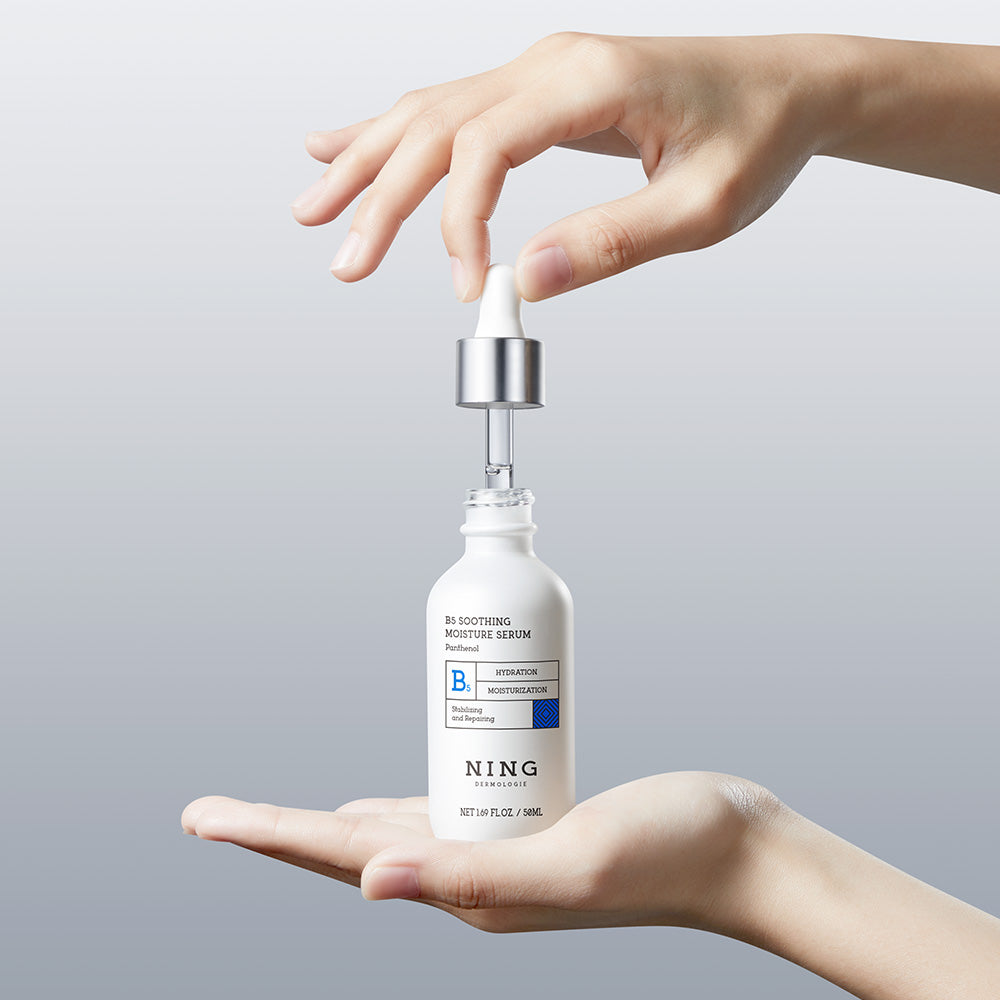
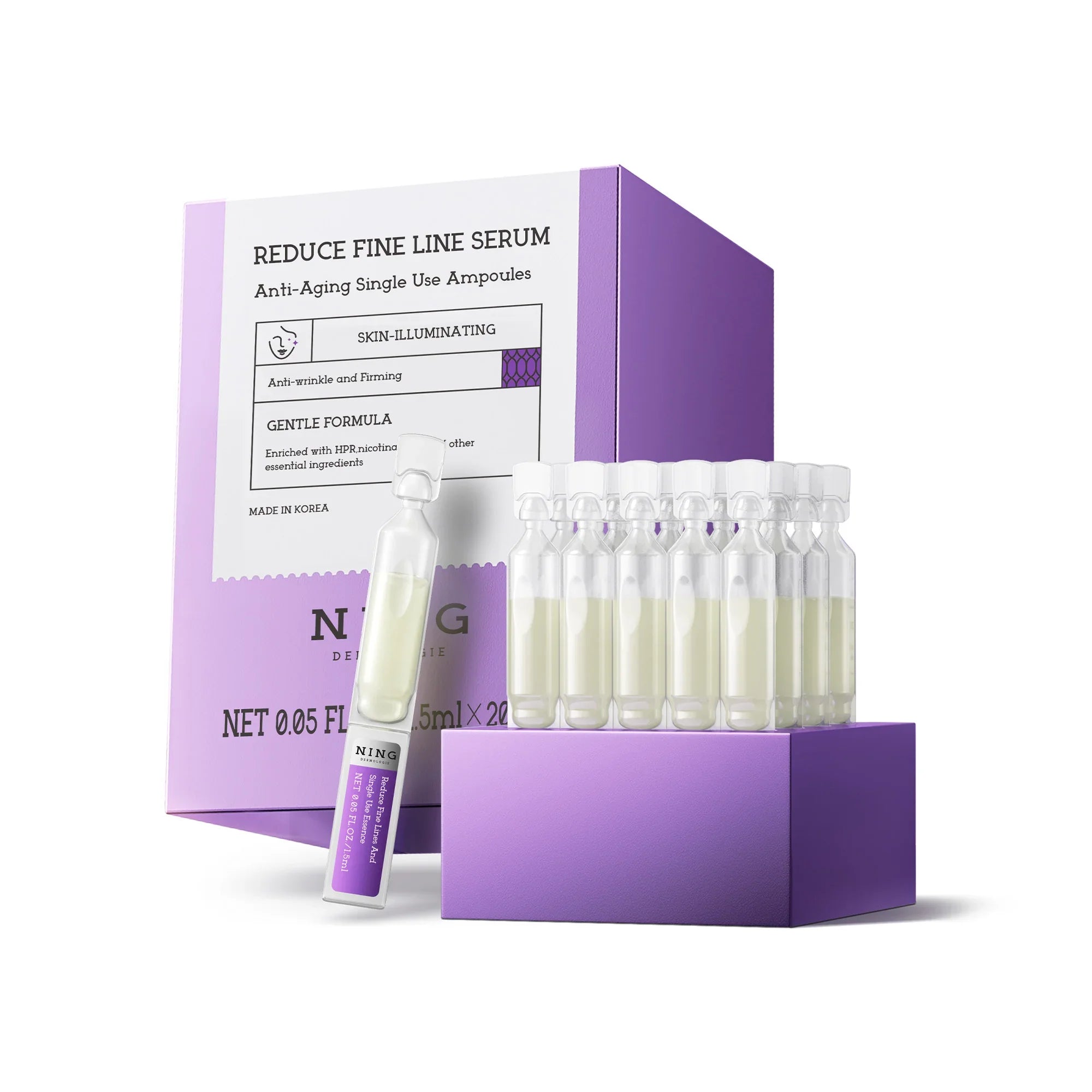
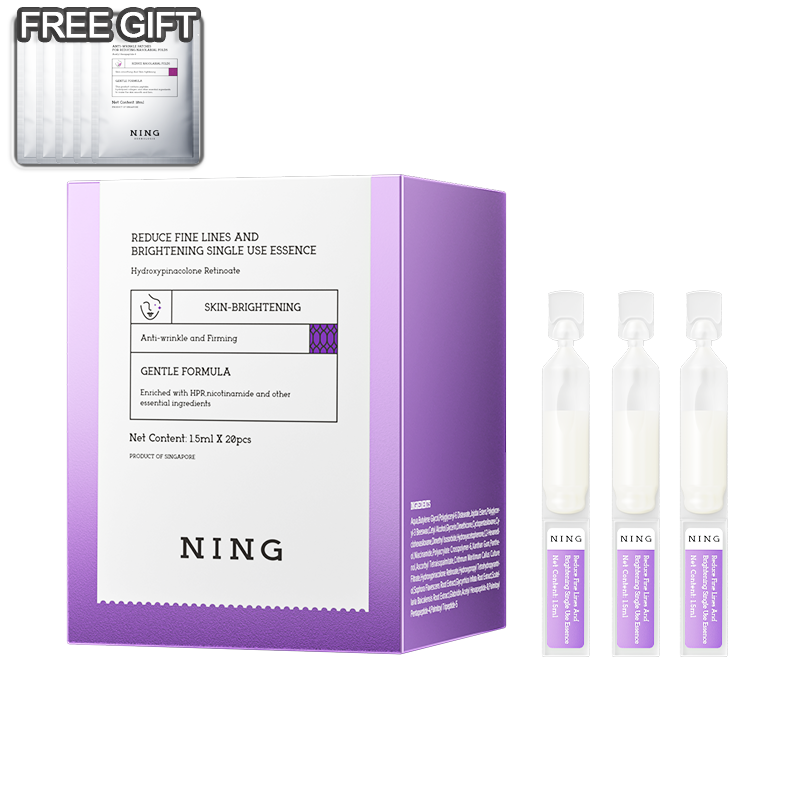
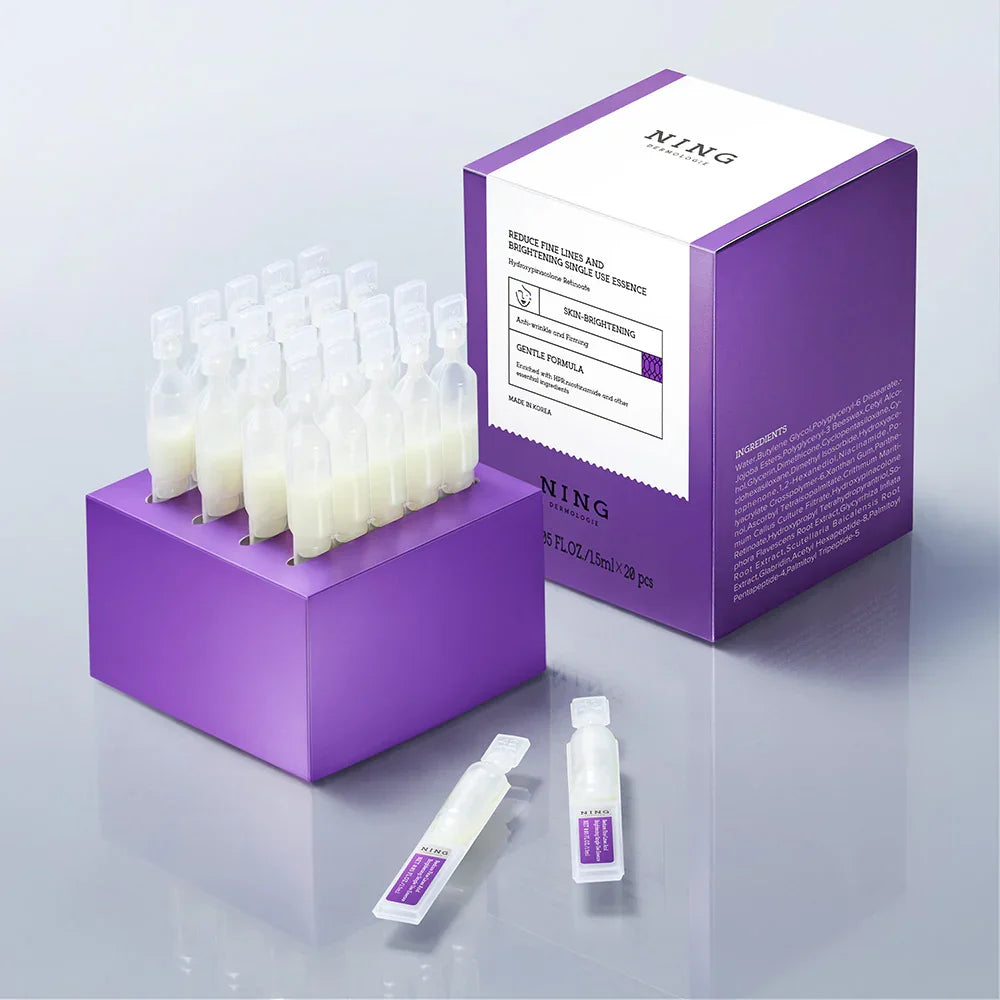
A Note on NING Dermologie:
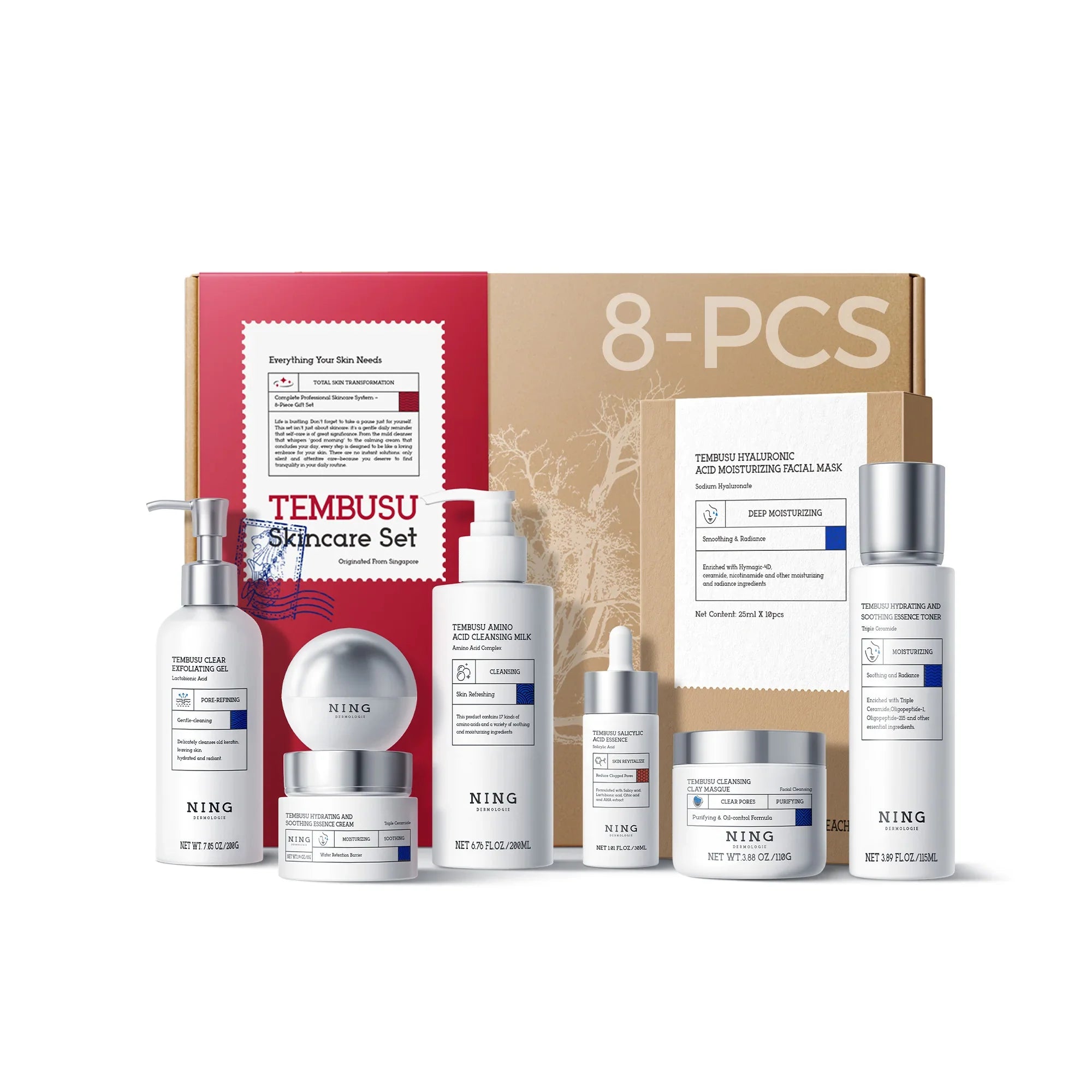
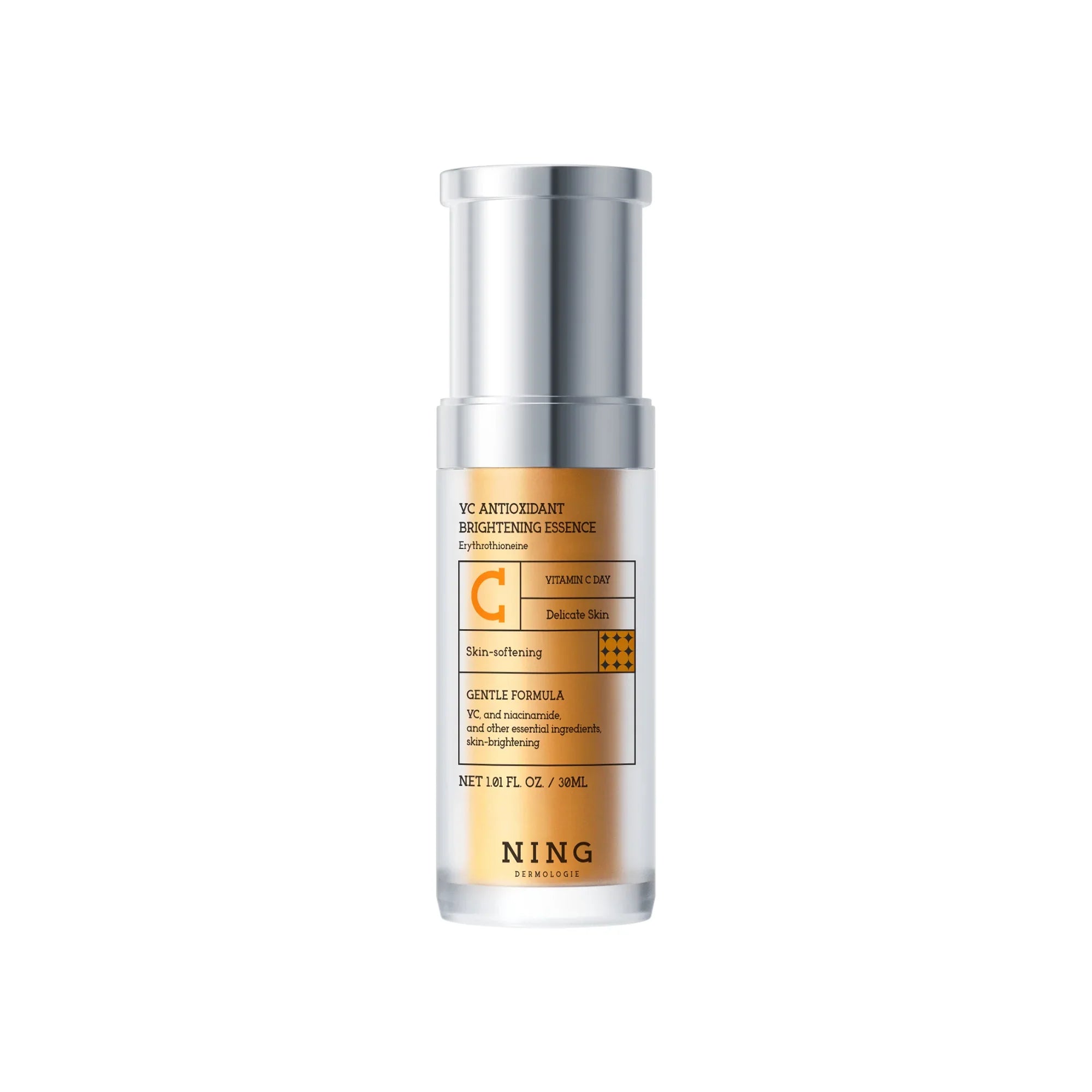
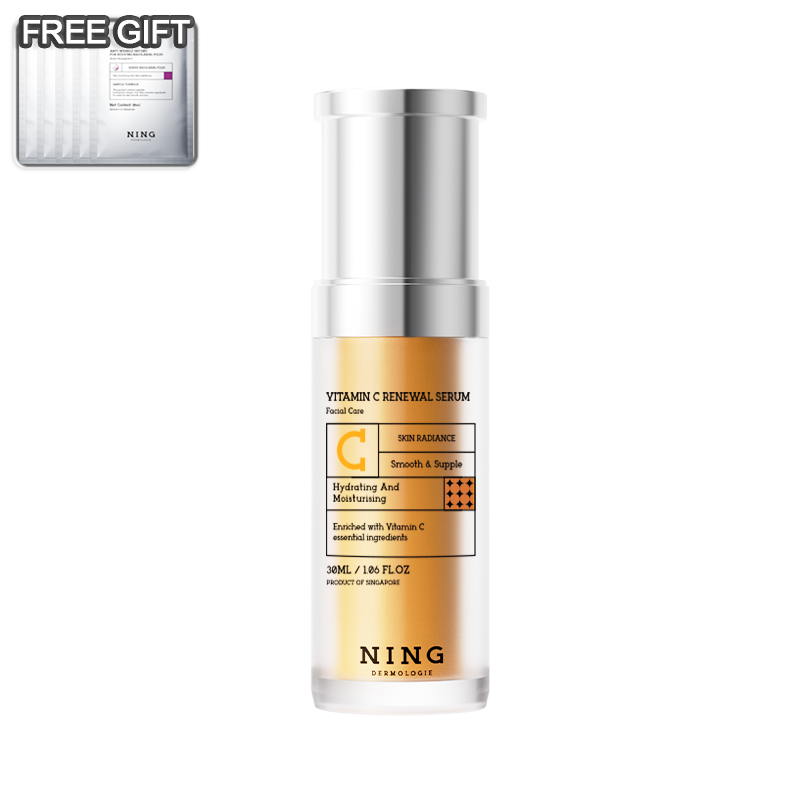
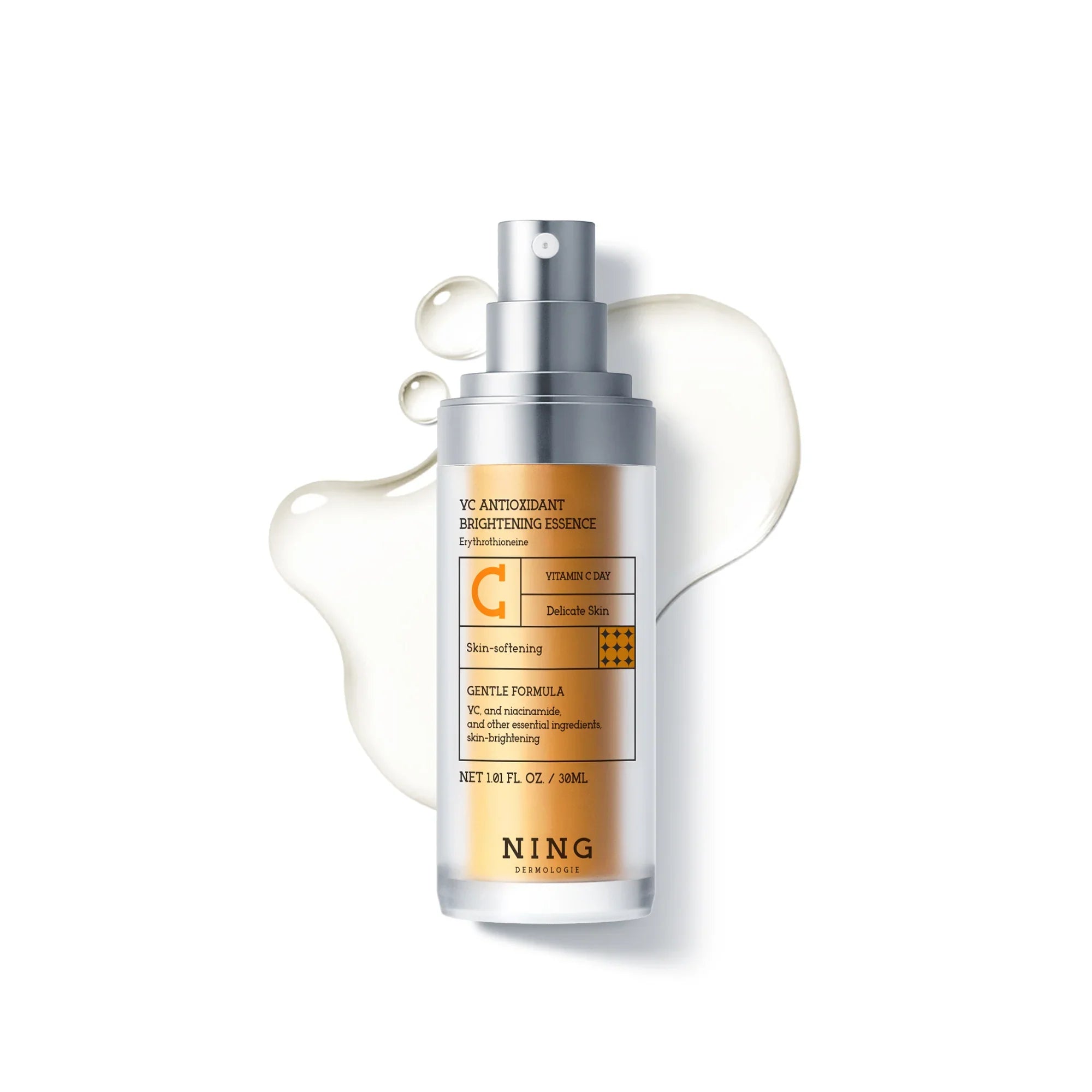
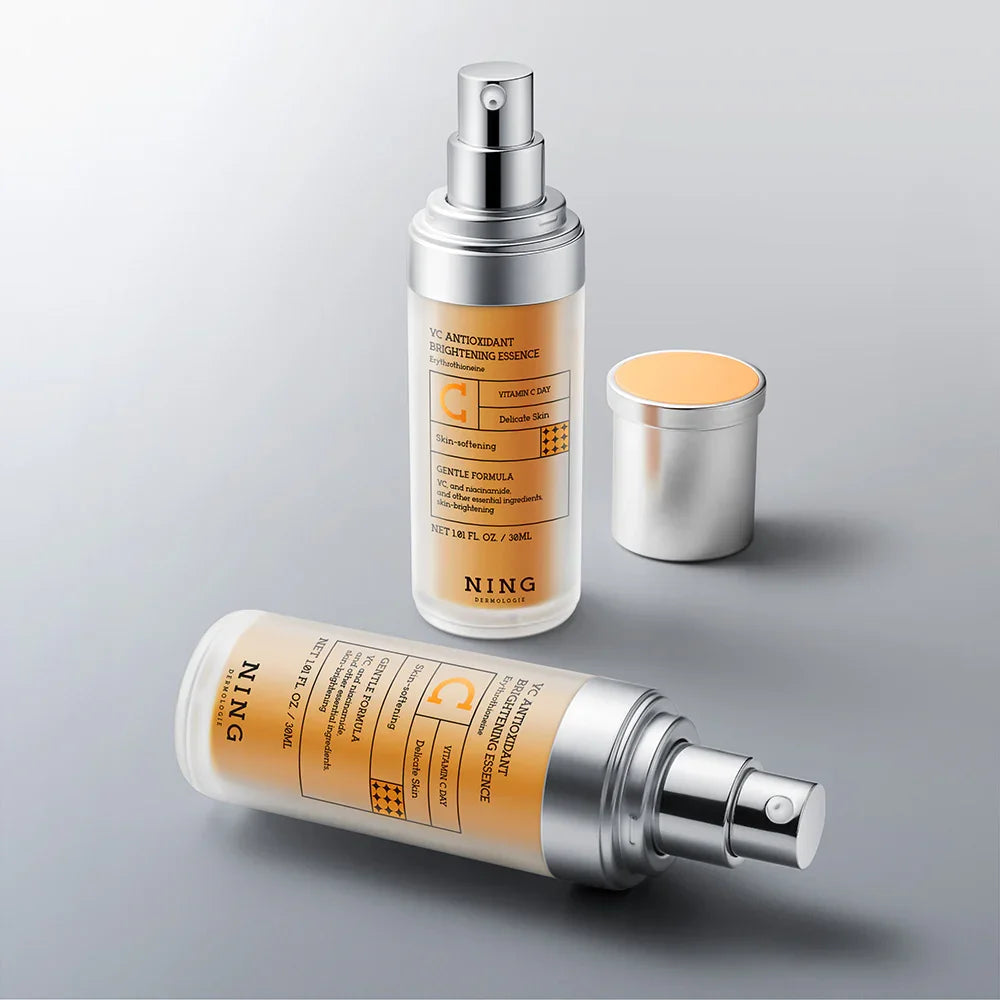
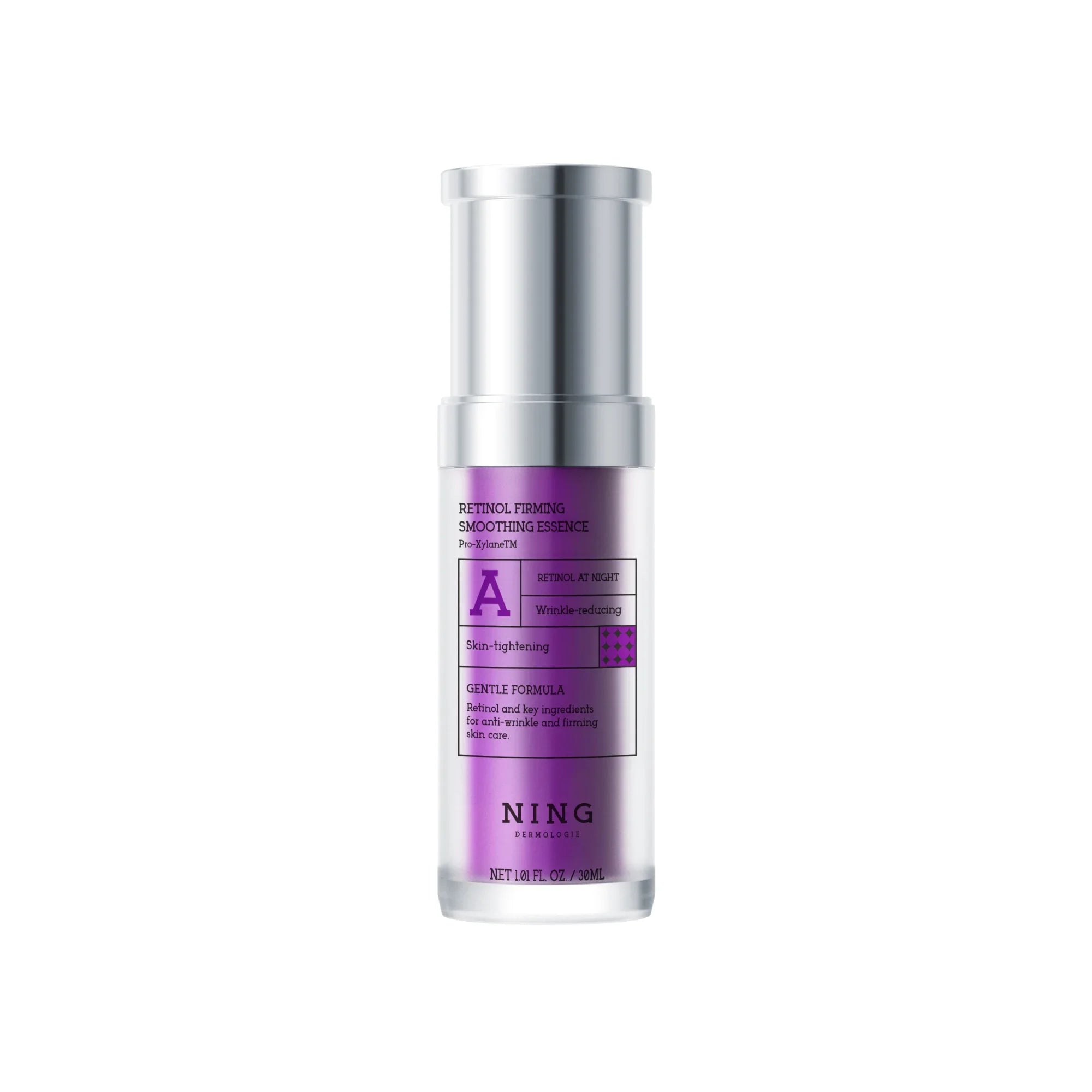
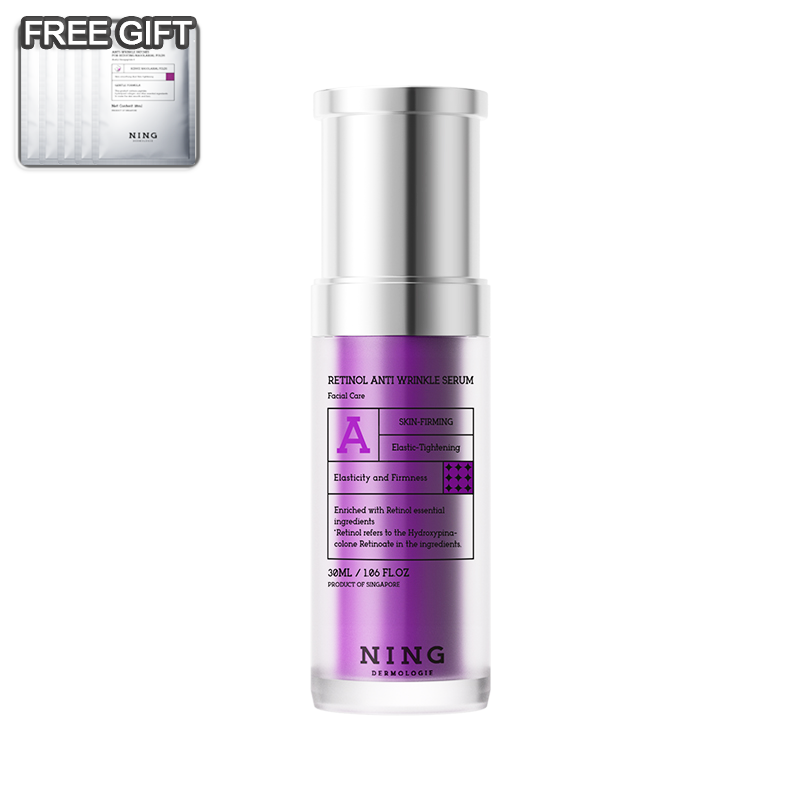
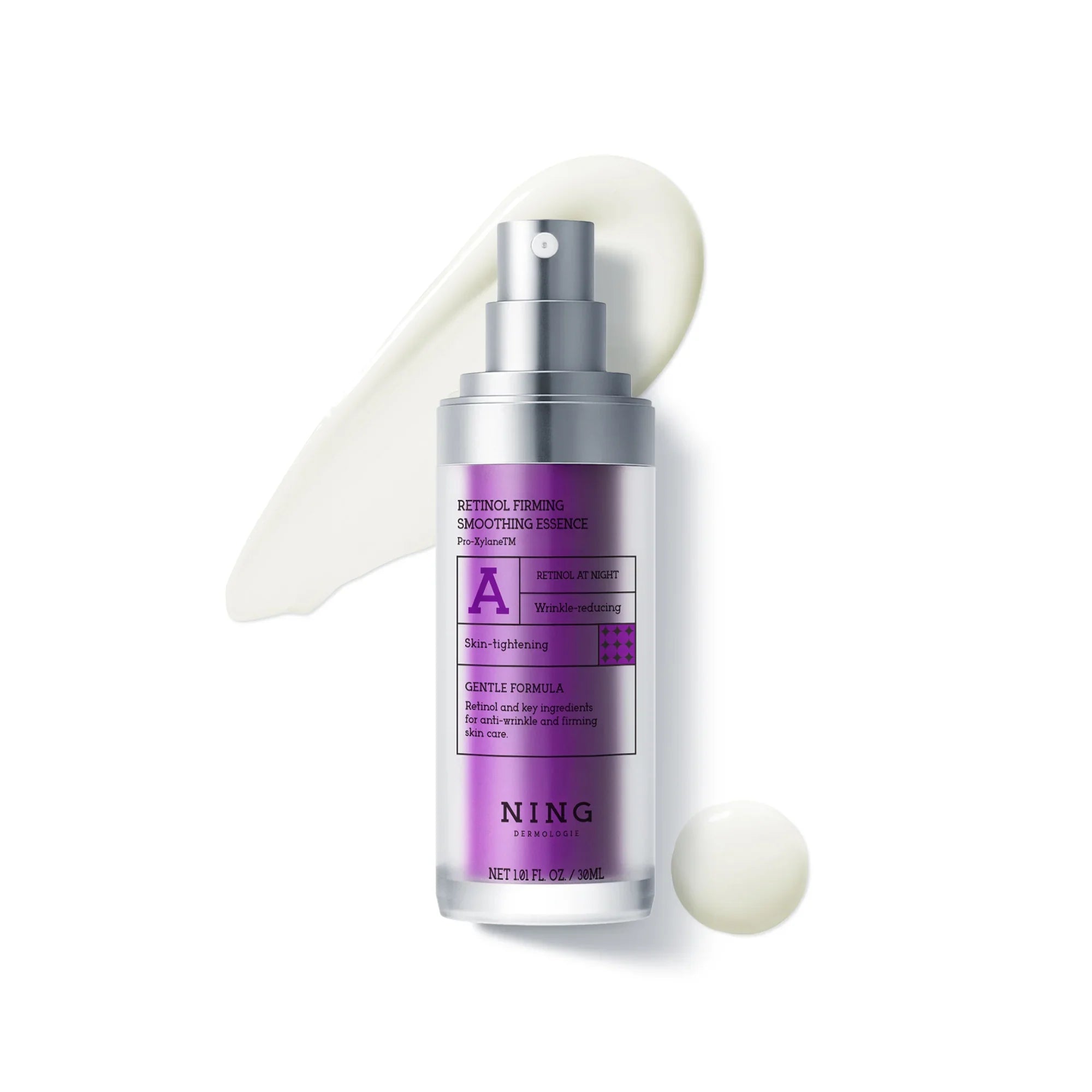
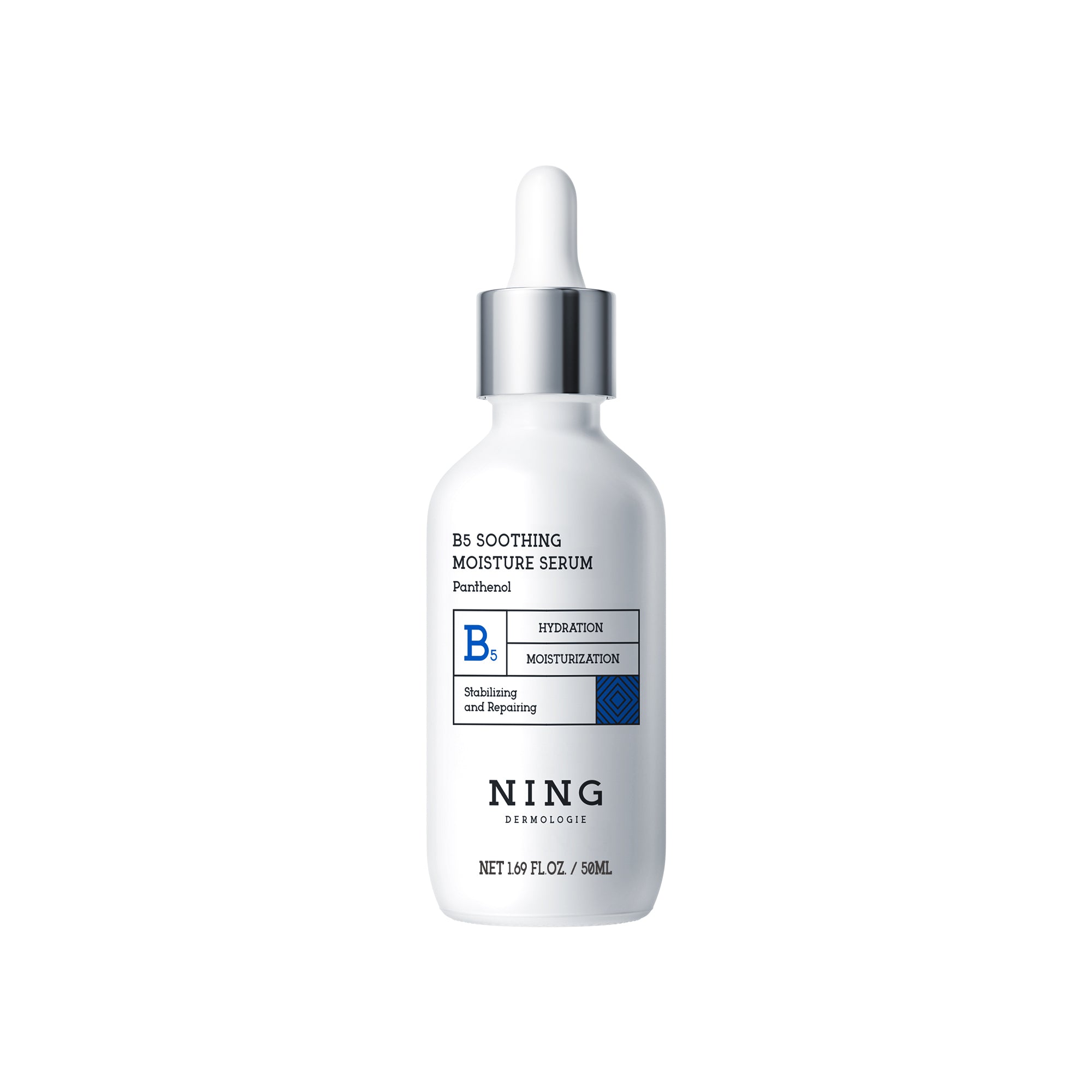
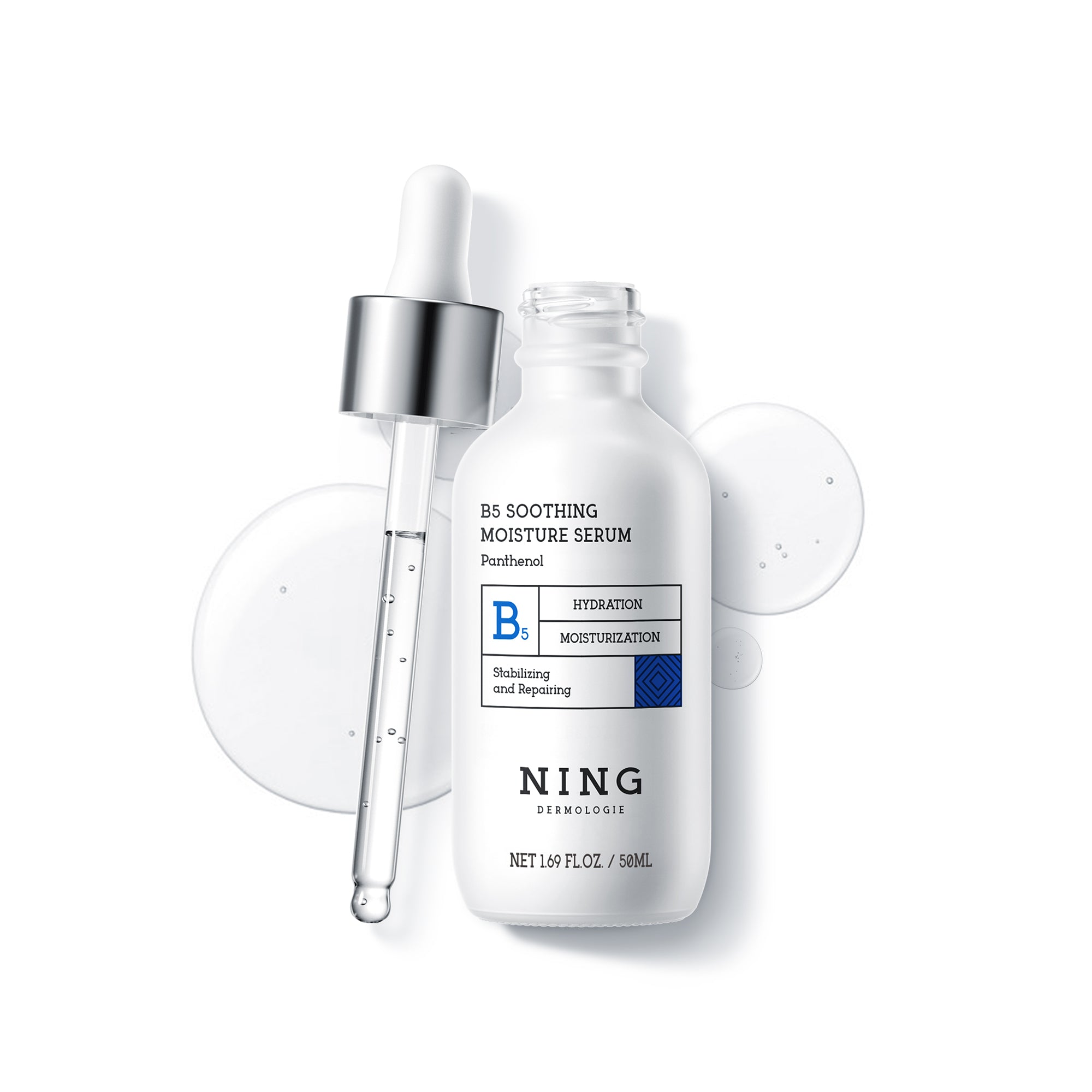
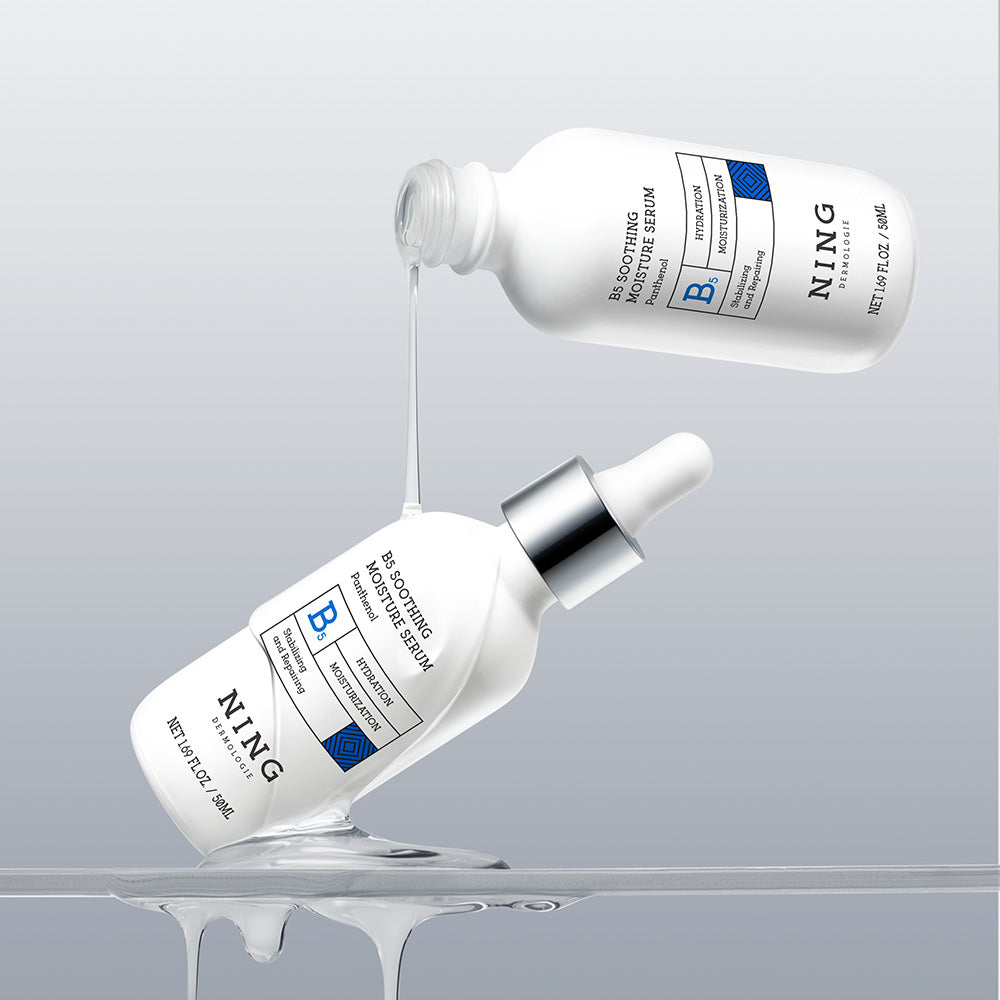
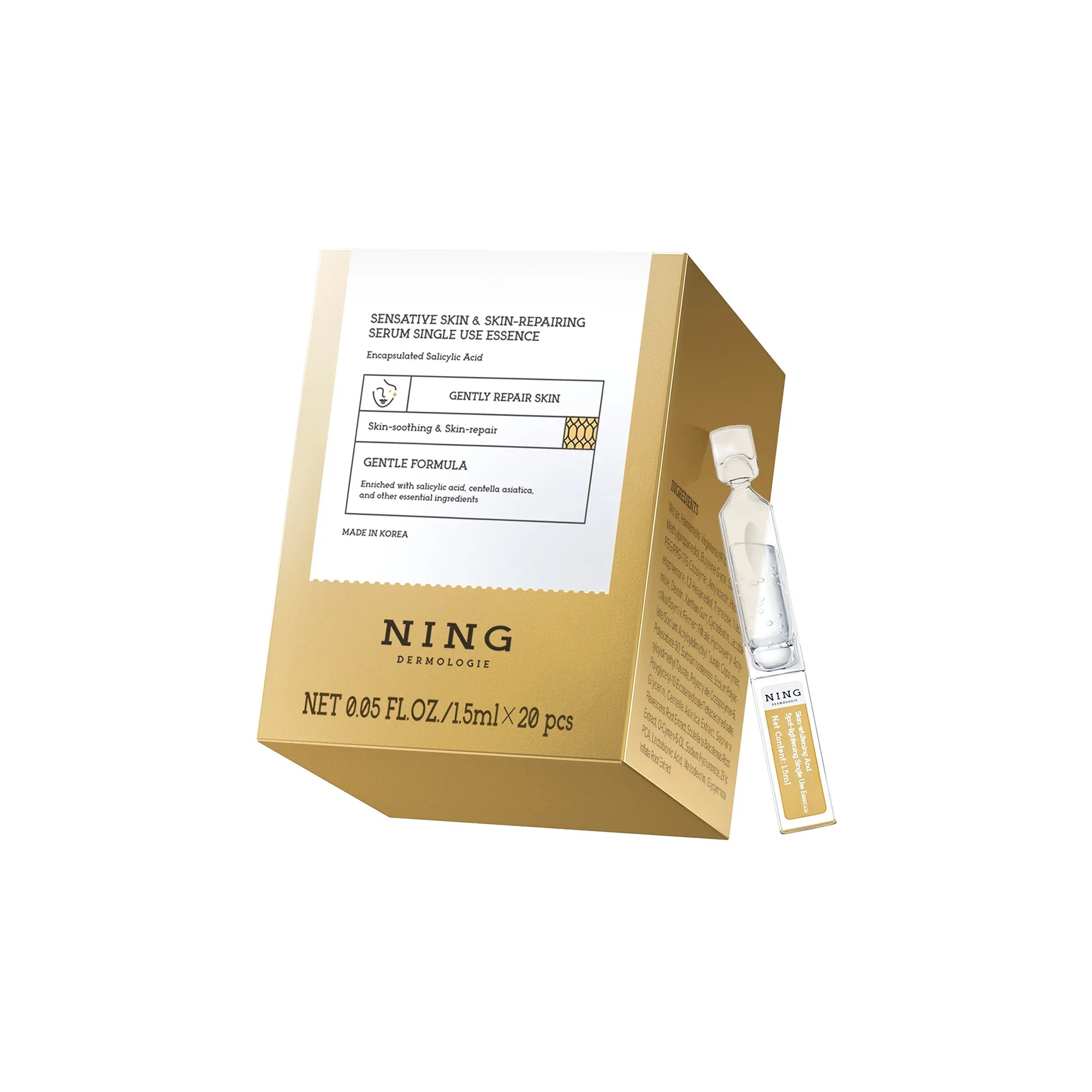
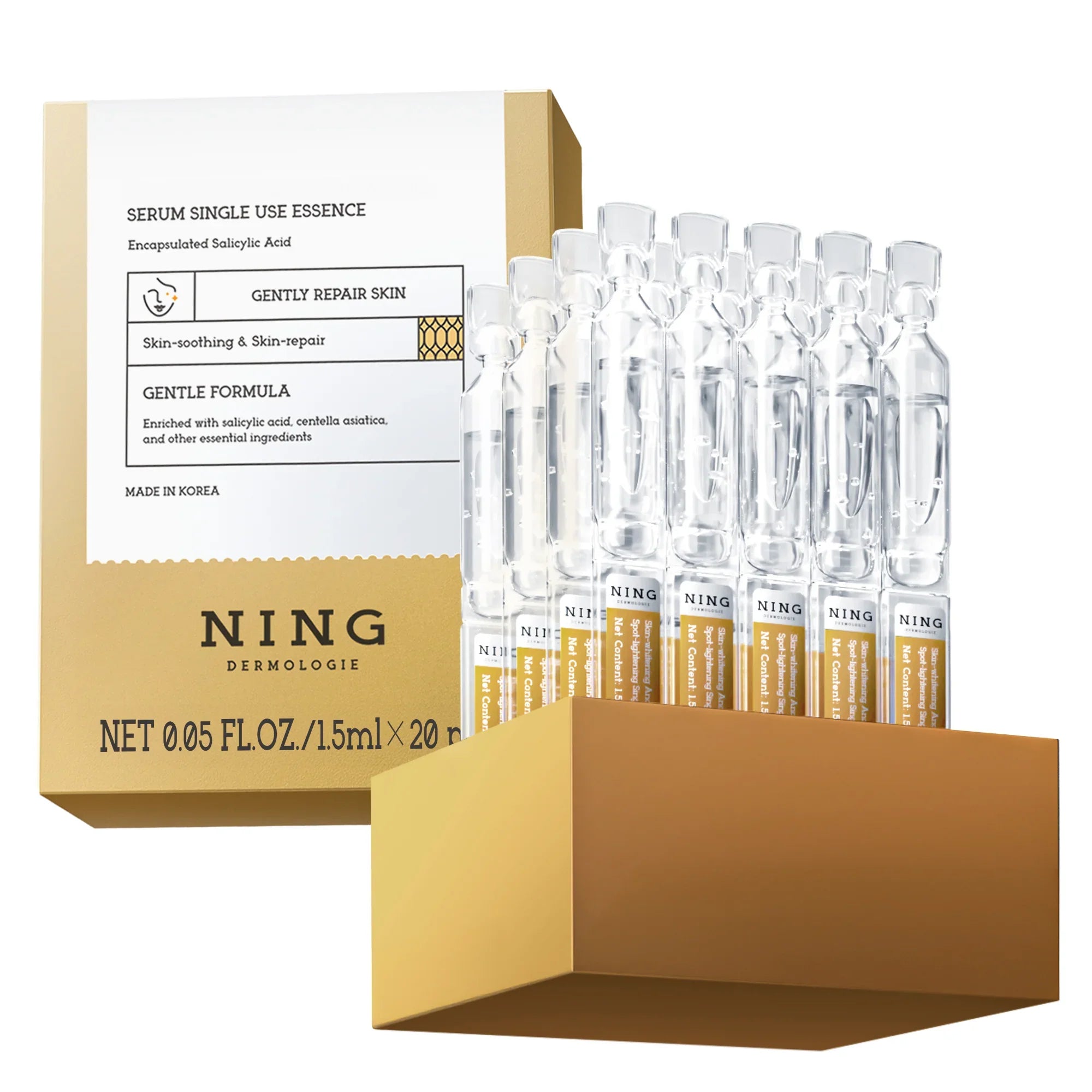
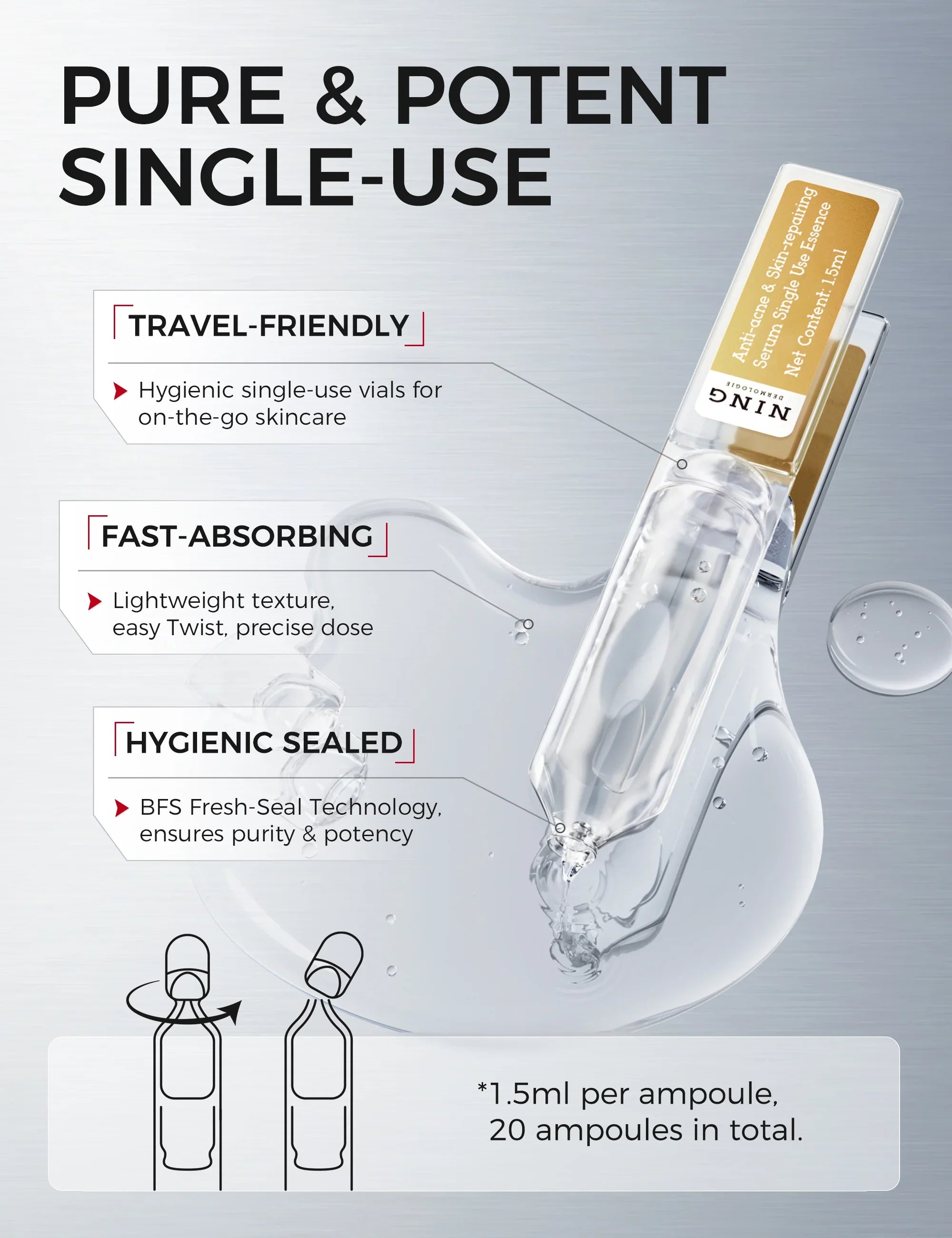
When we developed our Hydrating & Soothing Essence Lotion at NING Dermologie, we knew we were entering a crowded market. We didn't want to rely on buzzwords. We focused on creating a foundational product that respects the skin barrier, using effective hydration without the sticky residue that plagues so many serums. We encourage you to read our ingredient list and compare it to others.
Check out the NING Dermologie Hydrating & Soothing Essence Lotion here.

What to Look For When Reading Feedback (Your Checklist)
When you are scanning reviews on Amazon, checking online shop orders history for things you want to repurchase, or deep-diving into a forum, keep this mental checklist handy.
1. Skin Type Context is Everything:
A rave review from someone with durable, oily skin means very little if you have highly reactive, sensitive skin. Always look for the reviewer's skin profile. Did a "boosting serum" make someone with rosacea flare up? Are people using benzoyl peroxide for acne finding the serum soothing enough to counteract the dryness?
2. Texture and Layerability:
Hyaluronic acid is notoriously tricky under makeup or sunscreen. Look for specific complaints about "balling up," "pilling," or feeling tacky. A good hydrating serum should disappear into the skin, not sit on top of it.
3. The Environment Factor:
HA draws moisture from the environment. If you live in a desert, some HA serums can actually dry your skin out further if they lack occlusive ingredients to lock the moisture in. Look for reviews from people in similar climates to yours.
The Digital Obstacle Course
Sometimes, just trying to research a product feels like a battle against the internet itself. You're trying to read about the PCA hyaluronic acid or check the store locator for a brand like Le Mieux, and suddenly the website thinks you're a bot.
You’re hit with a security check. "Please hold the button to prove you are human." You get weird errors about a Cloudflare Ray ID, or worse, scary warnings about online attacks or malformed data. You just want to see the ingredients, not deal with a security solution blocking your path. It’s frustrating when a site owner hasn't optimized their platform, making simple tasks like checking your order status & history, navigating myWeekly Ad, or using easy reorder functions a headache. Sometimes you even get cryptic errors looking like an SQL command gone wrong at the bottom of this page.
When a brand’s website is that difficult to navigate, I usually take it as a red flag and move back to reliable third-party forums for my research.
Conclusion
Finding the right hyaluronic acid serum—one that truly addresses fine lines and plumps dehydrated skin without causing issues—takes a bit of detective work. Don't rely on the biggest text on the box or the first five reviews you see. Look for the nuance, check the negative commentary for patterns, and always trust the ingredient list over the marketing hype. Your skin barrier will thank you.
Frequently Asked Questions (FAQ)
Q: Why do some hyaluronic acid serums dry out my skin instead of hydrating it?
A: Hyaluronic acid is a humectant; it draws moisture in. If you are in a very dry climate and don't seal the serum in with a moisturizer (an occlusive), it can pull water out of the deeper layers of your skin, leaving it feeling tighter and drier than before.
Q: How can I tell if reviews on a brand's website are fake or incentivized?
A: Look for extremely generic praise without specific details about texture or long-term results. Also, keep an eye out for disclaimers near the review stating that the product was received as part of a promotion. If every single review is 5 stars, be highly skeptical.
Q: Should I apply hyaluronic acid to dry or damp skin?
A: Always apply it to damp skin. Because HA works by holding onto water, applying it to a slightly wet face gives it immediate moisture to grab onto and pull into the skin. Applying it to totally dry skin is much less effective.
Q: Is pricey hyaluronic acid, like 111SKIN or Medik8, worth it over cheaper options like The Ordinary?
A: Not always. While pricier serums often contain more elegant formulations with added beneficial ingredients (like peptides or better antioxidants) and less stickiness, the base ingredient—sodium hyaluronate—is inexpensive. You are often paying for the brand name and the overall user experience rather than vastly superior hydration.
Q: Can hyaluronic acid cause breakouts or clog pores?
A: Hyaluronic acid itself is generally non-comedogenic (won't clog pores). However, the other ingredients in the serum formulation—certain oils, thickeners, or silicones used to give it a nice texture—absolutely can cause breakouts in blemish-prone skin. Always check the full ingredient list.





Share:
Can I Get Hyaluronic Acid Serum with Free Shipping in the US? (The Honest Guide)
The Drugstore Deep Dive: Finding the Best Affordable Hyaluronic Acid Serums (And The One Hidden Gem You Missed)