

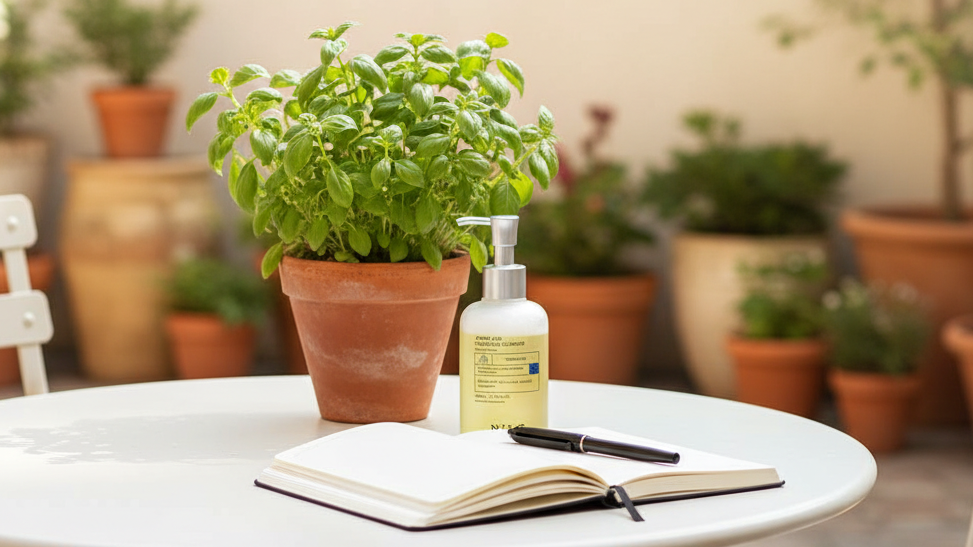

Standing in the skincare aisle of a drugstore is overwhelming. You are staring at rows of bottles, and they all promise the same thing—to banish your breakouts. But if you pick the wrong active ingredient for your specific skin condition, you aren't just risking ineffective results; you’re risking a damaged skin barrier, red, flaky patches, and potentially even more acne.
The two heavyweights in the ring are always Salicylic Acid and Benzoyl Peroxide. They are the gold standards of over-the-counter products. But they are not interchangeable. They work differently, they feel different, and they are meant for different types of bumps.
If you are tired of guessing and want to treat your acne vulgaris effectively without burning your face off, this guide is for you. We are going to break down the science, the strategy, and exactly how to use these topical ingredients to reach your skin goals.

The "Too Long; Didn't Read" Decision Matrix
Before we dive into the comedolytic activity and chemical structures, let’s make this simple. Look at your face in the mirror. What do you see?
- Scenario A: You see blackheads, whiteheads, bumpy texture, and just general pore congestion. Your skin feels oily by noon.
-
- The Winner: Salicylic Acid (BHA).
- Scenario B: You see red, angry, throbbing pimples. They hurt when you touch them. You might have some pus-filled heads.
-
- The Winner: Benzoyl Peroxide.
- Scenario C: You have a mix of both, or your skin is incredibly sensitive.
-
- The Strategy: You need a gentle approach, likely starting with a lower percentage salicylic acid cleanser to manage the oil without the irritation of benzoyl peroxide.
The Deep Dive: Salicylic Acid (The "Pore Plumber")
Salicylic acid is a beta-hydroxy acid (BHA). If you look at Science Direct or any chemistry textbook, you’ll see it’s oil-soluble. This is its superpower.
Imagine your pore is a pipe. Over time, it gets clogged with dead skin cells, sebum (oil), and debris. Water-soluble acids (like Glycolic acid) are great for polishing the surface, but they can’t get inside the pipe because oil and water don’t mix.
Because Salicylic acid is oil-soluble, it can dive right through the oil sitting in your pores. Once inside, it acts as a keratolytic agent. This is a fancy way of saying it dissolves the glue holding dead skin cells together, forcing the shedding process of the skin lining the pore. It effectively unplugs the drain.
Who is it for?
This is the holy grail for clogged pores, blackheads, and uneven skin texture. It is less about killing bacteria and more about changing the environment so bacteria have nowhere to hide.
The NING Dermologie Approach
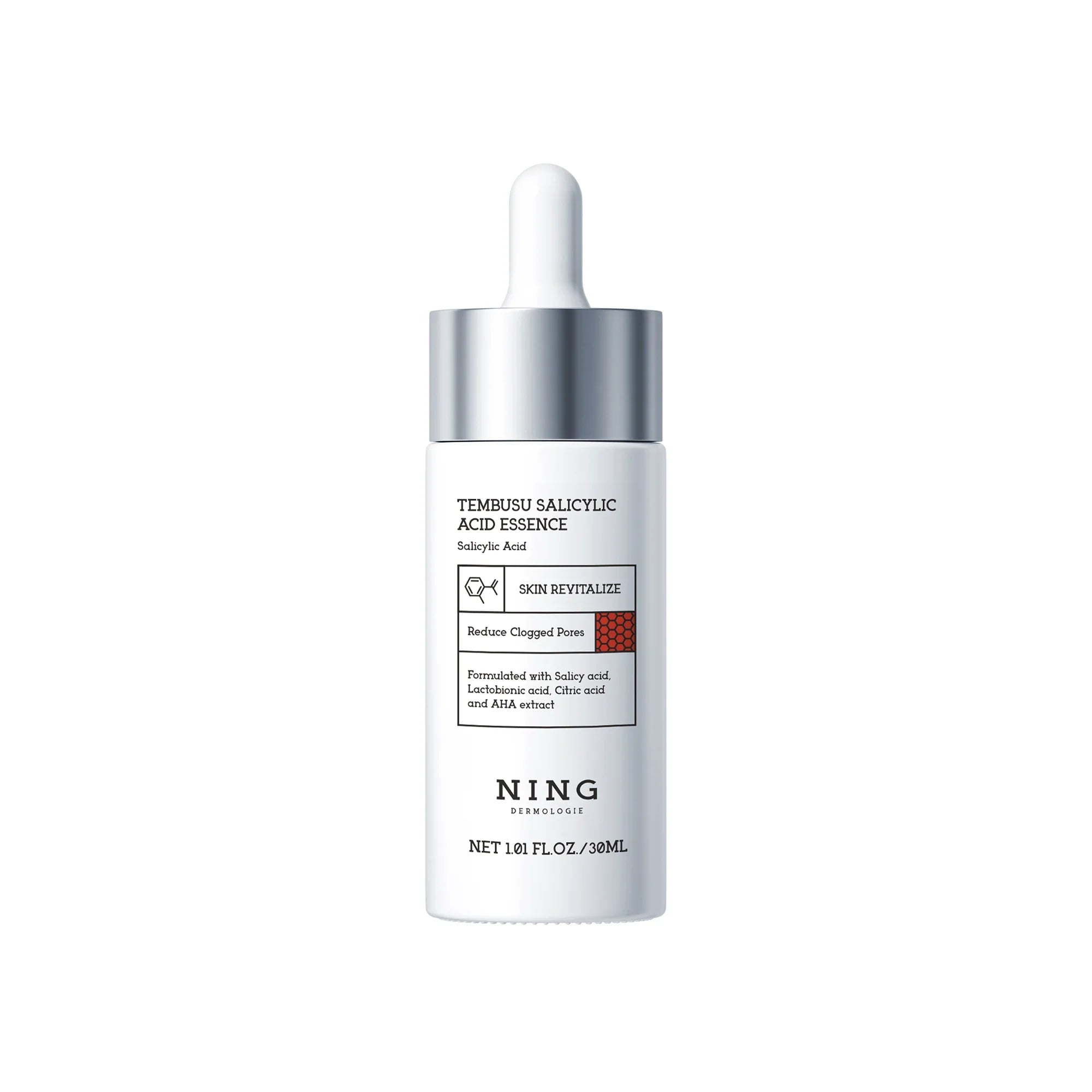
We know that BHA is effective, but it can be drying. That’s why when we formulated the Amino Acid Facial Cleanser with Salicylic Acid at NING Dermologie, we didn't just dump acid into a bottle. We paired the keratolytic properties of Salicylic acid with an amino acid base.
Why? Because skin health is about balance. If you strip your skin dry, your oil glands panic and produce more oil. Our formula includes Sodium PCA and Sodium Hyaluronate—powerful humectants that hold water in the skin. This allows the Salicylic acid to do its deep cleaning work while keeping the skin barrier intact. It’s the difference between power-washing a driveway and scrubbing a delicate fabric; you need the right tool for the job.
The Deep Dive: Benzoyl Peroxide (The "Bacteria Bomb")
Benzoyl Peroxide works completely differently. It is not an exfoliator; it is an oxidizer.
The bacteria responsible for inflammatory acne—specifically Cutibacterium acnes (formerly known as Propionibacterium acnes)—are anaerobic. This means they hate oxygen. They thrive deep inside the airless environment of a clogged pore.
When you apply Benzoyl Peroxide, it breaks down and floods the pore with oxygen. This effectively kills the pore-clogging bacteria instantly. It also has mild comedolytic activity (helping unclog pores), but its main claim to fame is nuking the infection.
The Downside
Benzoyl Peroxide is harsh. It is notorious for causing dryness, peeling, and redness, especially in higher topical dosages.
- The Fabric Warning: It bleaches everything. If you use a Benzoyl Peroxide face wash, say goodbye to your fancy colored towels. They will turn orange or white. It will also bleach your pillowcases if you don't rinse it off thoroughly.
Comparison: Efficacy and Side Effects
When you look at clinical studies or guidelines from the American Academy of Dermatology, both ingredients are considered Tier 1 treatments for acne. However, their side effect profiles differ wildly.
1. Irritation Levels
Benzoyl Peroxide is generally more irritating. It can compromise the skin barrier quickly if you aren't using a barrier-repairing moisturizer. Salicylic Acid is generally better tolerated, especially in wash-off forms. However, it can still cause dryness. Interestingly, some derivatives like Lipo-hydroxy acid are gentler, but pure SA remains the gold standard for efficacy.
2. The "Purge"
Both ingredients can cause "purging"—a period where your skin gets worse before it gets better. This happens because the exfoliating agents are bringing deep clogs to the surface faster than usual. Stick with it.
3. Bacterial Resistance
Here is a major win for Benzoyl Peroxide: C. acnes bacteria cannot build a resistance to it. It works as well on day 1000 as it did on day 1. Antibiotics, on the other hand, often lose efficacy over time.
4. Safety Notes
- Salicylic Acid: Generally safe, but high concentrations over large body areas should be avoided due to the theoretical risk of systemic absorption (though rare in face washes). Also, there is a very specific, rare connection to Reye's syndrome in children and teenagers recovering from viral infections (like flu or chickenpox), so always consult a dermatology provider if you are young or treating a child.
- Benzoyl Peroxide: Safe for most, but can cause allergic contact dermatitis in some people. If your face swells up, stop immediately.
How to Build Your Routine (Without Ruining Your Face)
You don't need a Recipe Builder quiz or an expensive Face Reality Acne Bootcamp to build a solid routine. You just need common sense and consistency. Here is a practical guide for using these face wash treatments.
Step 1: The Cleanse
If you have inflammatory acne, you might lean toward a BP wash. However, for most people dealing with mixed acne (some bumps, some clogged pores), a salicylic acid cleanser is more versatile and less damaging to the barrier.
- Technique Matters: Don't just slap it on and rinse. The active ingredients need time to work. Massage the NING Dermologie Amino Acid Facial Cleanser with Salicylic Acid onto damp skin for a full 60 seconds. This gives the BHA time to dissolve the oil.
Step 2: Hydration is Non-Negotiable
Acne treatments dry you out. If you skip moisturizer, your skin gets tight, and your dead skin cells harden, trapping more oil and bacteria.
- Look for ingredients like Sodium Hyaluronate or ceramides.
- Pro Tip: Don't forget your lips. Acne washes often migrate and dry out the lip area. Keep a Lip Balm, Lip Oil, or Lip Gloss handy to prevent cracking.
Step 3: Spot Treatments (The Sniper Approach)
If you use a Salicylic Acid wash but get a massive, red cystic pimple, don't switch your whole routine. Use a Benzoyl Peroxide spot treatment just on that one pimple. This gives you the best of both worlds: clear pores from the wash, and bacteria-killing power on the specific spot.
Step 4: Sun Protection
Both Salicylic acid and Benzoyl Peroxide can make your skin more sensitive, though BHA is less photosensitizing than AHAs like Glycolic acid. Still, UV rays worsen hyperpigmentation (dark spots left behind by acne). Wear SPF every single day.
Addressing Different Skin Types
Dry/Sensitive Skin
Be careful. Benzoyl Peroxide might be too much for you. Start with a low percentage (2.5%) or stick to Salicylic Acid in a creamy or amino-acid-based formula (like ours) that buffers the irritation. You might only need to use the medicated wash 3 times a week, using a gentle, non-active cleanser on other days.
Oily/Resilient Skin
You can likely tolerate daily use. You might even benefit from a BHA Serum leave-on product in the morning and a retinoid at night (but introduce them slowly!).
Cystic Acne
If you have deep, painful cysts that never come to a head, topical washes might not be enough. While they help, cystic acne often requires systemic treatment. Don't waste years buying over-the-counter products if nothing changes after 3 months. Go to dermatology clinics and get professional help.

The Verdict: NING Dermologie’s Perspective
At NING Dermologie, we believe in respecting the skin's biology. We chose to champion Salicylic Acid in our Amino Acid Facial Cleanser because it addresses the root cause of most breakouts—the clog—without inflicting the collateral damage associated with Benzoyl Peroxide.
By keeping the pores clear of debris and oil using a sophisticated surfactant system, we prevent the anaerobic environment that C. acnes needs to survive. It is a smarter, not harder, approach to clear skin.
Remember, skincare is a marathon, not a sprint. Whether you choose SA or BP, give it at least 6 to 8 weeks to see clinical efficacy.
Frequently Asked Questions (FAQ)
Q: Can I use Salicylic Acid and Benzoyl Peroxide together?
A: Yes, but proceed with caution. Using them at the exact same time increases irritation risk. The safest bet is to use a Salicylic Acid cleanser in the morning (to clear oil) and a Benzoyl Peroxide spot treatment at night. If your skin turns red or flaky, stop and pick just one.
Q: Will my skin get worse before it gets better (Purging)?
A: Unfortunately, yes. Since Salicylic Acid speeds up cell turnover, it pushes deep micro-comedones to the surface rapidly. This "purge" usually lasts 4 to 6 weeks. If you are still breaking out after 3 months, or if the breakouts are in new areas, it might be a reaction, not a purge.
Q: Is Benzoyl Peroxide safe to use during pregnancy?
A: Generally, yes. Many doctors consider topical Benzoyl Peroxide safe in limited amounts because very little is absorbed into the bloodstream. However, Salicylic Acid is sometimes restricted (especially in high doses or oral forms). Always show your product list to your OB-GYN or provider to be 100% sure.
Q: Why is my face wash bleaching my towels?
A: That is the Benzoyl Peroxide. It is a powerful bleaching agent. It will lift the color right out of cotton towels, pillowcases, and even your pajamas. If you use BP, switch to white linens or rinse your face incredibly well before drying. Salicylic Acid does not do this.
Q: How long until I see clear skin?
A: Patience is the hardest part. While you might feel smoother skin after one wash with our Amino Acid Facial Cleanser with Salicylic Acid, true acne clearance takes time. It takes about 30 days for a pimple to form, so you need to treat the skin for at least one full cycle (4-6 weeks) to see real changes.





Share:
Stop Scrubbing Your Face Off: How to Use Salicylic Acid Face Wash Without Ruining Your Barrier
Why I Put My Face on Autopilot: The Case for Salicylic Acid Subscriptions