


The Best Skincare Sets for Oily and Acne-Prone Skin: Ingredients You Must Look For in Your Routine
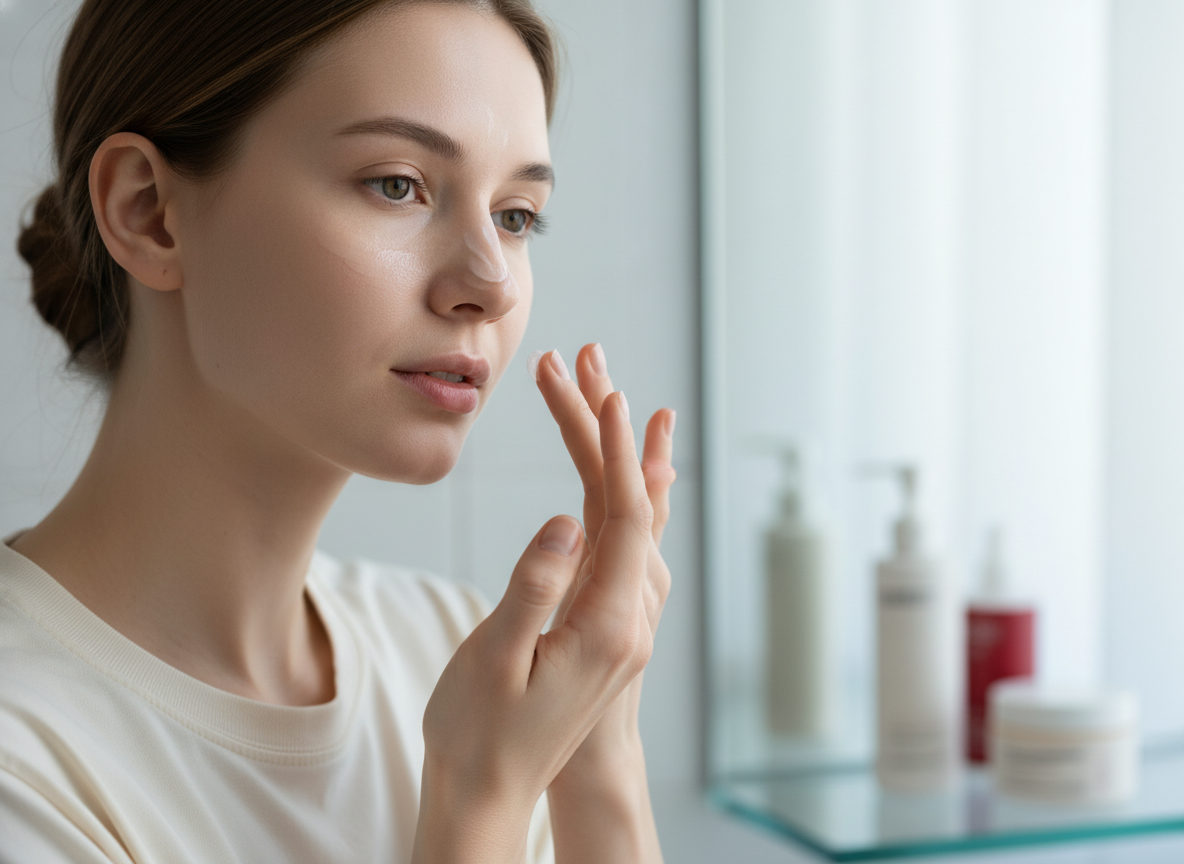
Let’s be real for a second. Waking up in the morning, looking in the mirror, and seeing a layer of shine on your T-zone that could practically reflect light isn't fun. Neither is the midday makeup slide, where your foundation seems to melt off your face, or the frustration of dealing with a painful breakout right before a big event.
If you have oily skin or acne-prone skin, you know the struggle. You’ve probably tried a dozen different products for oily complexions, ranging from harsh scrubs that burn your face to "mattifying" lotions that somehow make you greasier.
It’s exhausting.
But here is the truth that the beauty industry often complicates: Managing excess oil and preventing acne isn't about scrubbing your skin into submission. It’s about balance. It’s about chemistry. And most importantly, it’s about choosing the best skincare ingredients that work with your skin, not against it.
In this guide, we aren't just listing definitions. We are diving deep into the skincare routine strategies that actually work, identifying the key ingredients you need, and explaining why a curated set—like the NING Dermologie TEMBUSU 8-Step Routine Skincare Set—might just be the game-changer your skin barrier is screaming for.

Understanding Oily Skin and Acne-Prone Skin: It's Not Your Fault
First, let's drop the guilt. Oily skin is largely genetic. Your sebaceous glands are just overachievers. They produce more sebum (oil) than necessary. While sebum is actually good for keeping skin hydrated and youthful (yes, you’ll likely have fewer wrinkles later in life!), too much of it creates a breeding ground for bacteria.
Here is the cycle we need to break:
-
Excess oil sits on the skin’s surface.
-
It mixes with dead skin cells that haven't shed properly.
-
This mixture creates a plug in your pore.
-
Bacteria thrives in that plug, leading to inflammation, a breakout, or a blackhead.
To stop this, you need a skincare routine that addresses all four steps. You need to remove excess oil, exfoliate dead cells, kill bacteria, and—this is the part most people skip—hydrate and calm the skin so it doesn't panic and produce even more oil.
The Best Ingredients for Oily and Acne-Prone Skin
When you are scanning the aisles or browsing online for products for oily skin, ignore the flashy marketing claims on the front of the bottle. Flip it over. Look at the ingredient list.
If you want clear skin, these are the heavy hitters you need to look for.
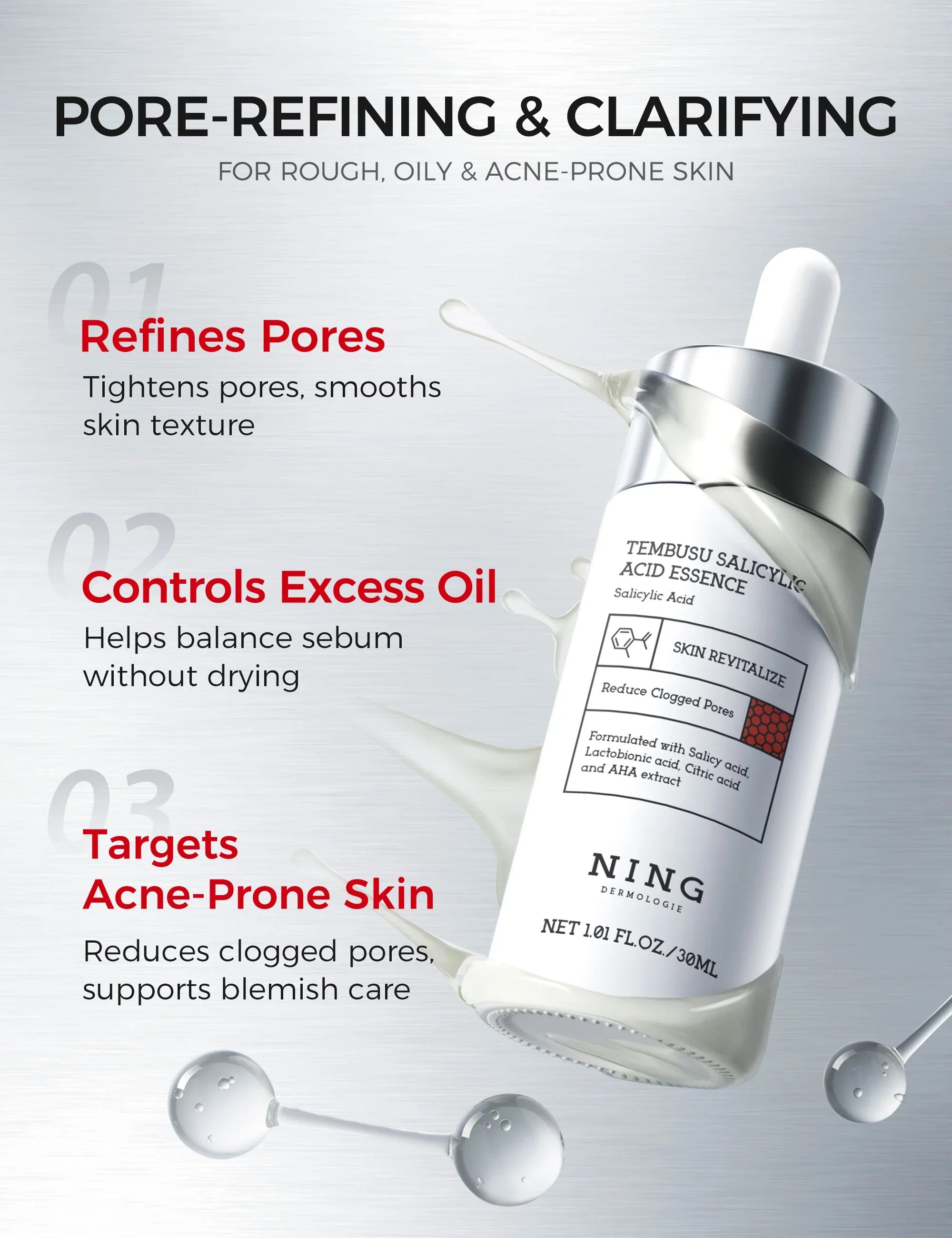
Salicylic Acid: The Pore-Clearing Powerhouse
If there is one "king" of acne treatment, it’s Salicylic Acid.
Salicylic Acid is a Beta Hydroxy Acid (BHA). Unlike Alpha Hydroxy Acids (AHAs) which only work on the skin’s surface, BHAs are oil-soluble. This means Salicylic Acid can actually penetrate through the oil sitting in your pores.
Think of it as a team that cleans deeply. It goes deep into the pore, breaks down the glue that holds dead skin cells together, and flushes out the junk. This helps clear up pores and makes blackheads look a lot less noticeable. Salicylic Acid also has antibacterial and anti-inflammatory properties, which means it can help with the redness and swelling of active pimples.
For a skincare routine targeting acne, a cleanser or toner with BHA is non-negotiable.
Niacinamide: The Balancer
Niacinamide (a form of Vitamin B3) is the multitasker your skincare regimen is missing. It is one of the best ingredients for oily skin because it literally talks to your oil glands and tells them to chill out.
Studies show that Niacinamide helps regulate sebum production. Less sebum means less shine and fewer clogged pores. But it does more than that. It helps minimize the appearance of pores (since they aren't stuffed with oil) and strengthens the skin barrier.
If you have sensitive skin that gets irritated by harsh acne treatments, Niacinamide is your best friend. It calms the skin and reduces blotchiness.
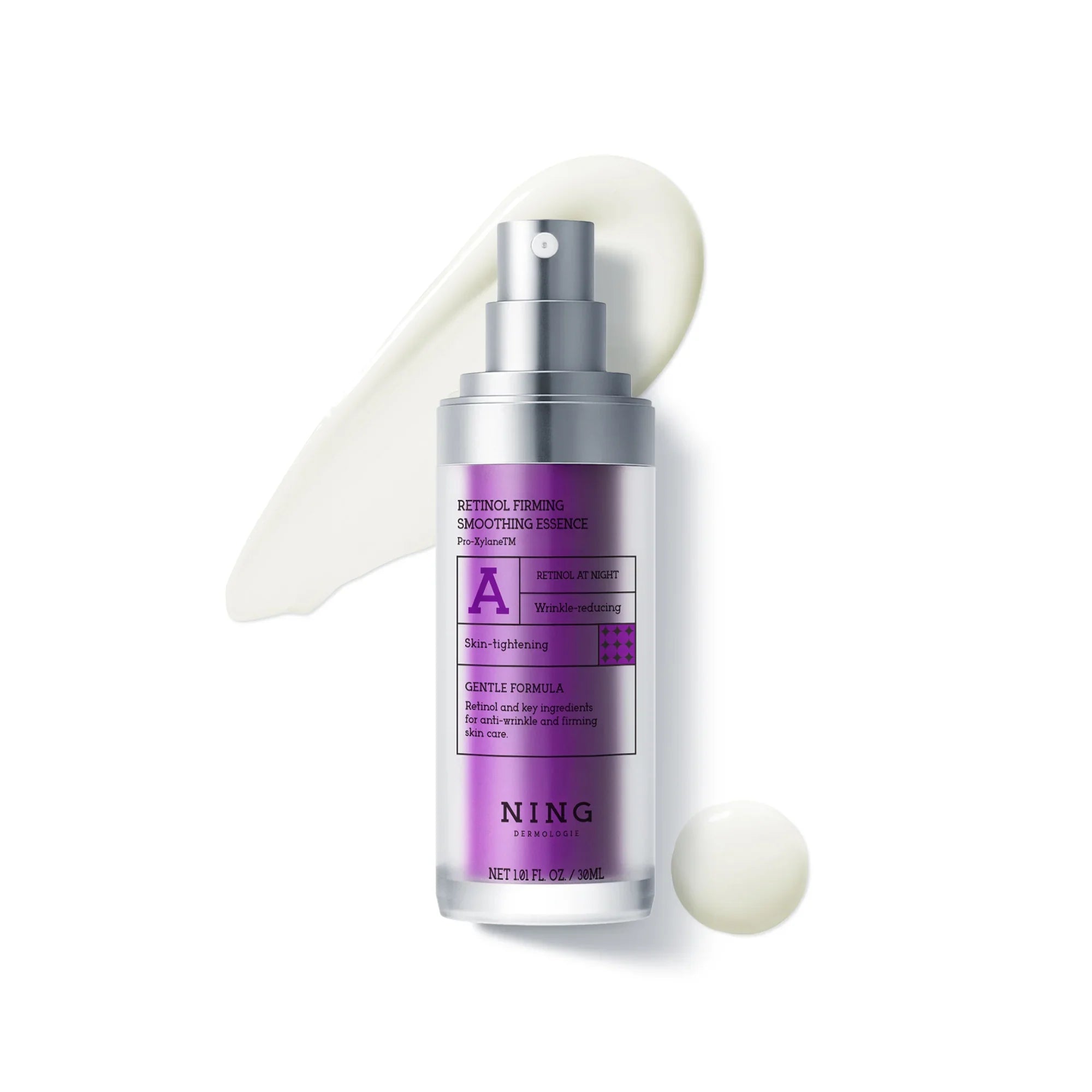
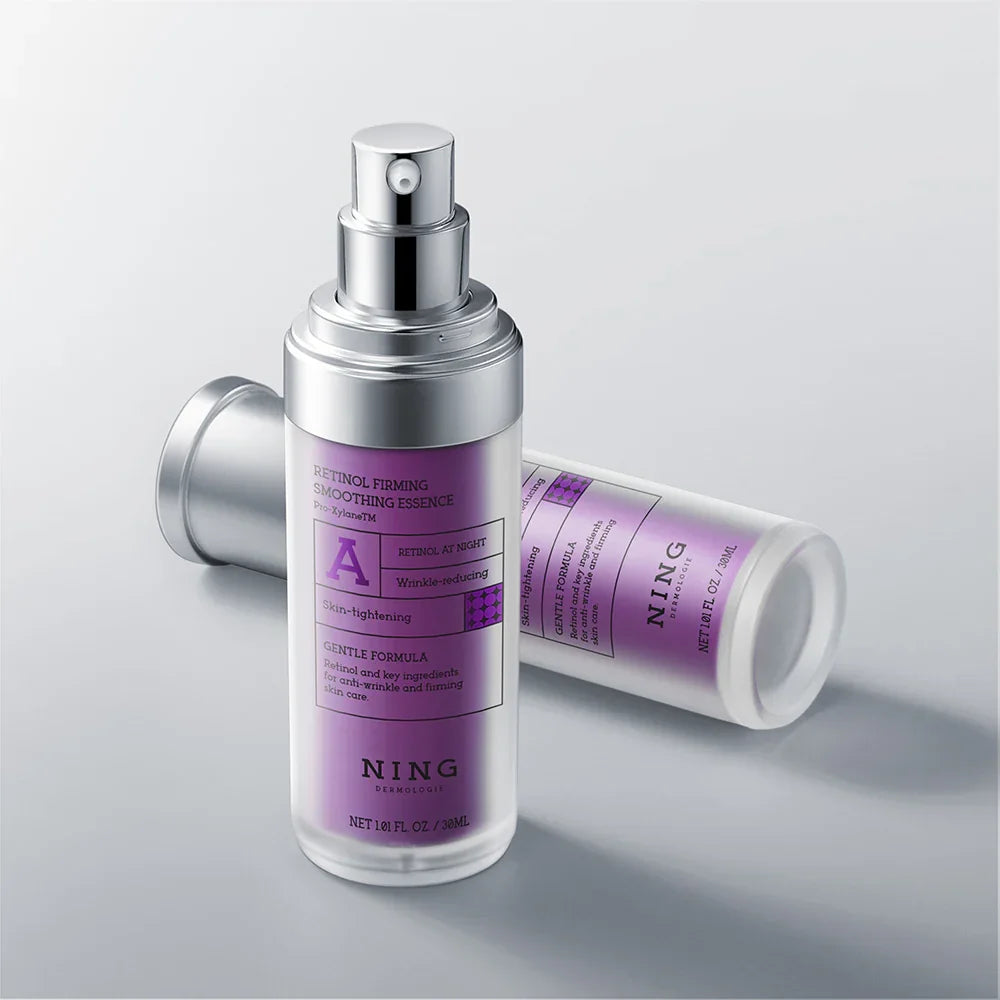
Retinol: The Long-Term Architect
You’ve heard of it for anti-aging, but Retinol is a secret weapon for acne-prone skin.
Retinol speeds up cell turnover. It forces your skin to create new cells and shed old ones faster. This prevents dead skin cells from hanging around long enough to clog your pores.
However, Retinol can be tricky. It’s potent. If you use too much, too fast, you will peel. But when formulated correctly in products for oily skin, it refines skin texture and fades the dark spots (post-inflammatory hyperpigmentation) left behind by old zits.
Benzoyl Peroxide: The Bacteria Killer
For red, angry, inflamed pimples, Benzoyl Peroxide is often the go-to topical treatment. It works by introducing oxygen into the pore, which kills the bacteria that causes acne (bacteria hates oxygen).
It is effective, but it can be drying. It’s best used as a spot treatment or in a wash-off cleanser rather than a leave-on serum for the whole face, especially if you have sensitive skin.
Vitamin C: The Brightener
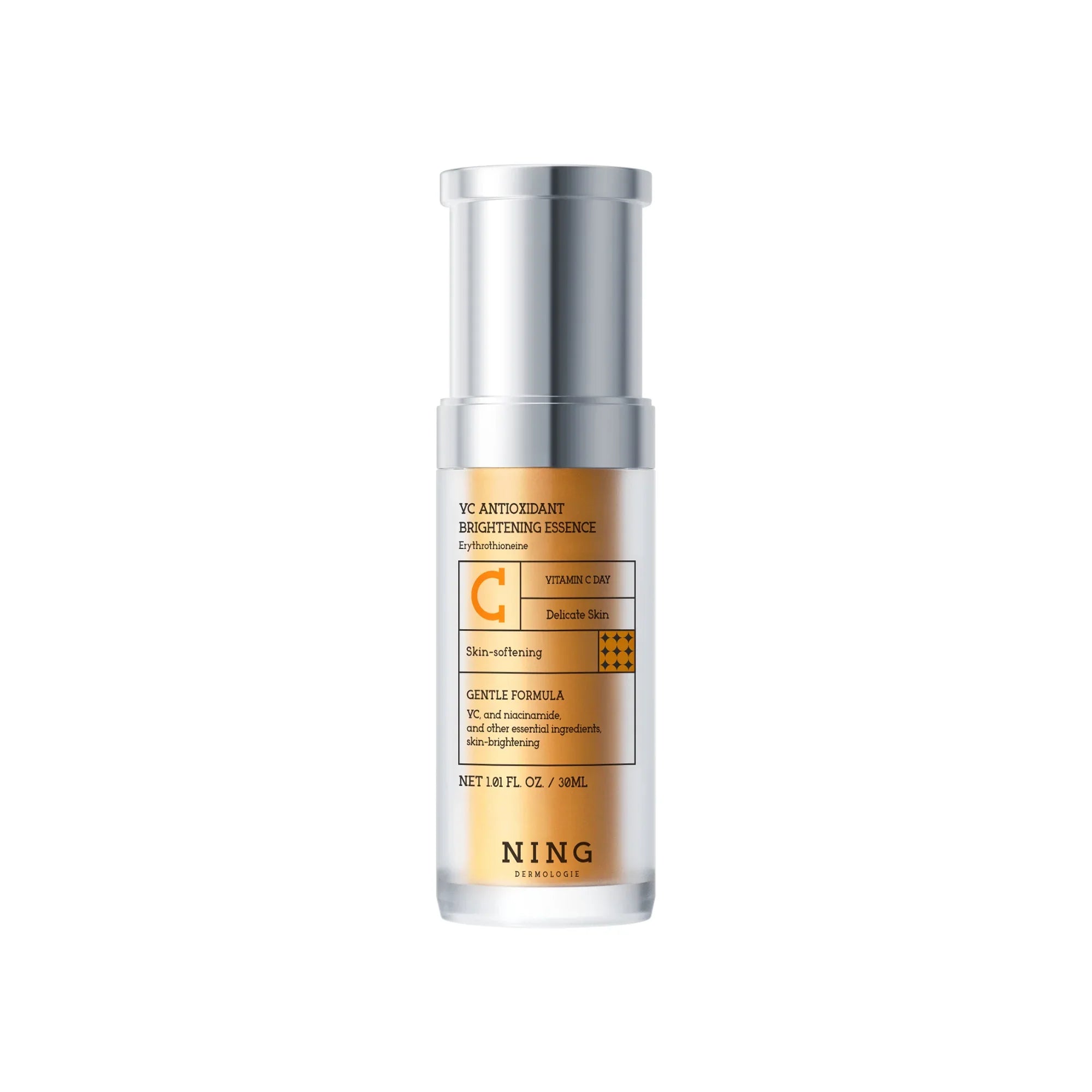
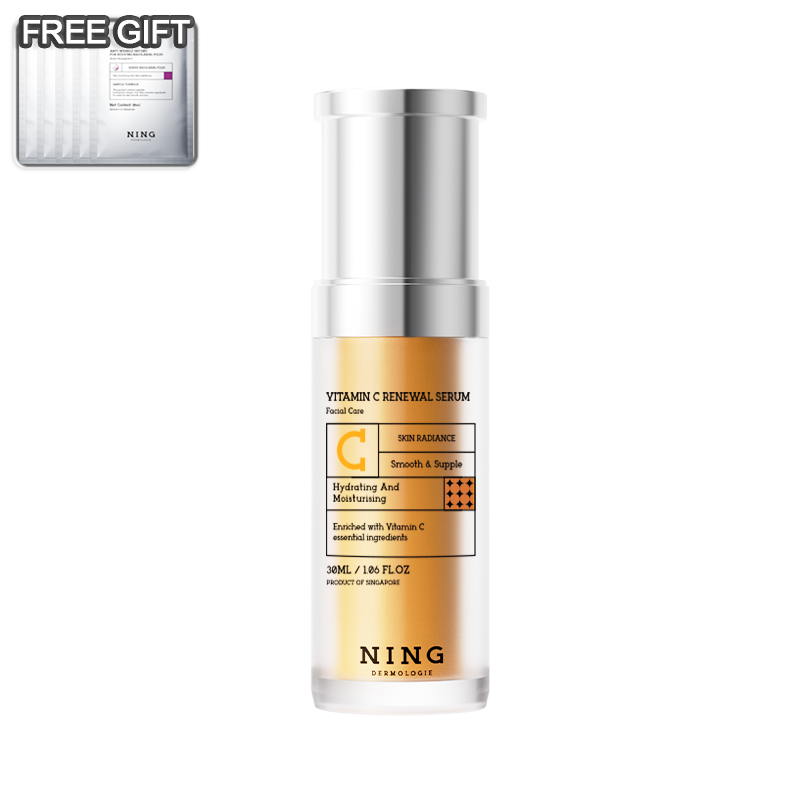
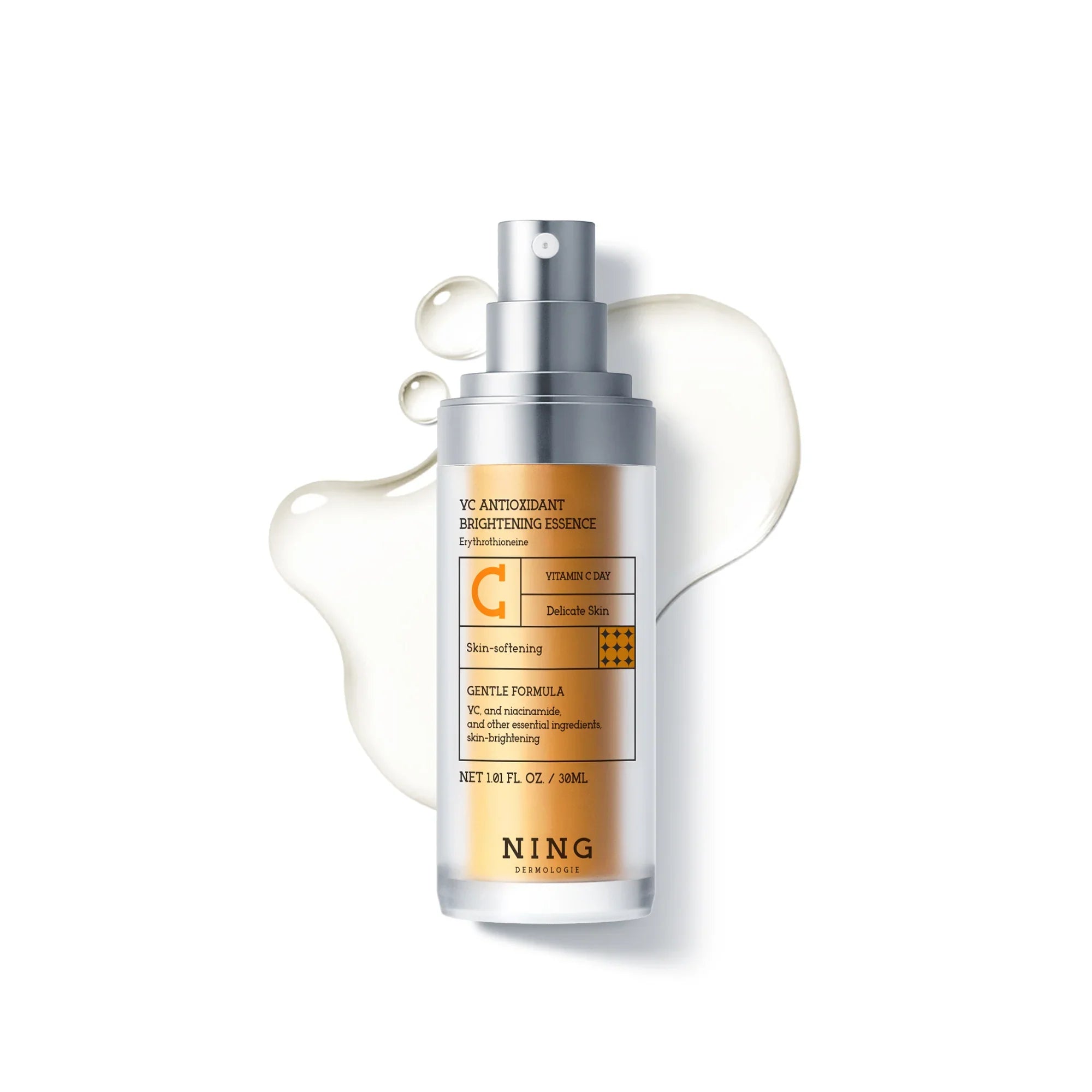
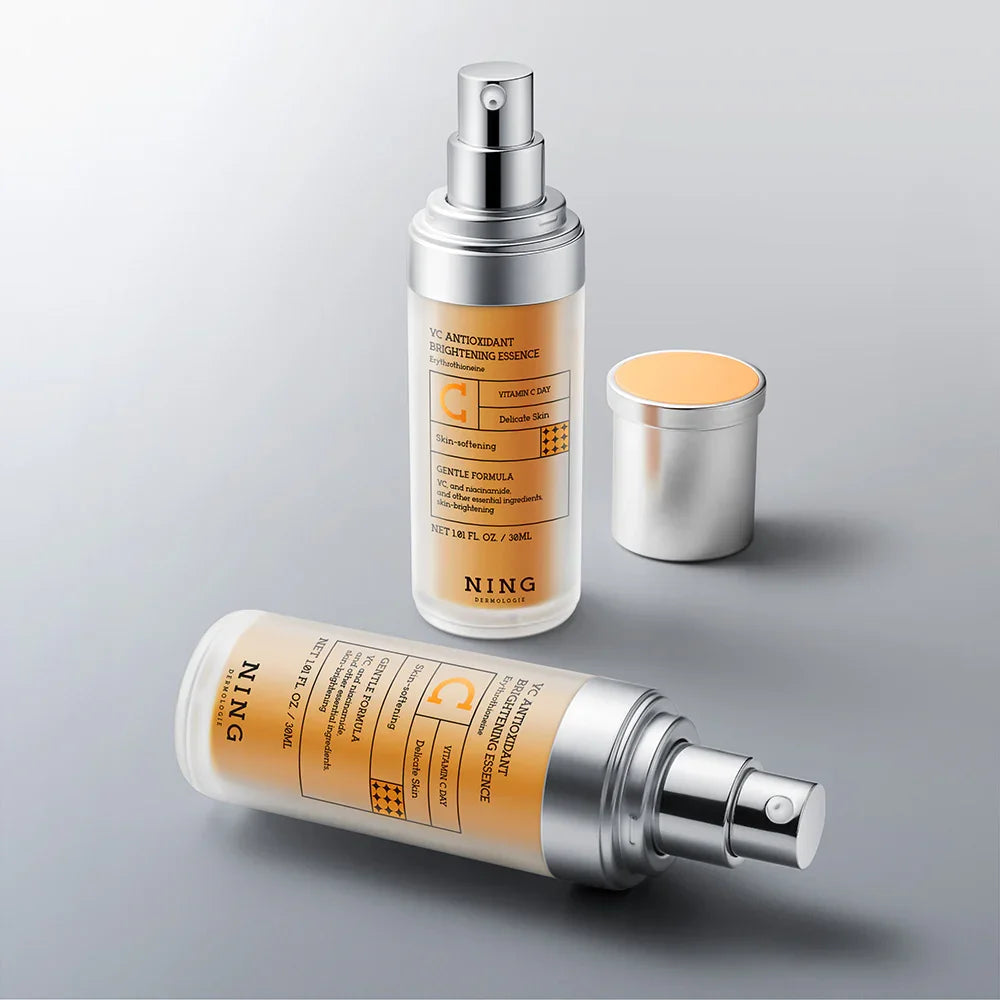
Vitamin C is a powerful antioxidant. While it doesn't fight acne directly like BHA, it is crucial for the aftermath. It helps brighten the complexion and fade acne scars. It also protects your skin from environmental damage.

Why Your Skincare Routine Might Be Failing (And How to Fix It)
Here is the problem many of us face: We buy a Salicylic Acid cleanser from brand A, a Retinol serum from brand B, and a moisturizer from brand C.
Then, we wonder why our face is burning or why we are breaking out even more.
Mixing potent active ingredients without understanding how they interact is risky. You might be over-exfoliating, stripping your skin barrier, or cancelling out the benefits of one product with another. Skincare for oily skin is a delicate balancing act.
This is where the concept of a curated skincare set becomes superior to buying random bottles.
The Power of Synergy: NING Dermologie
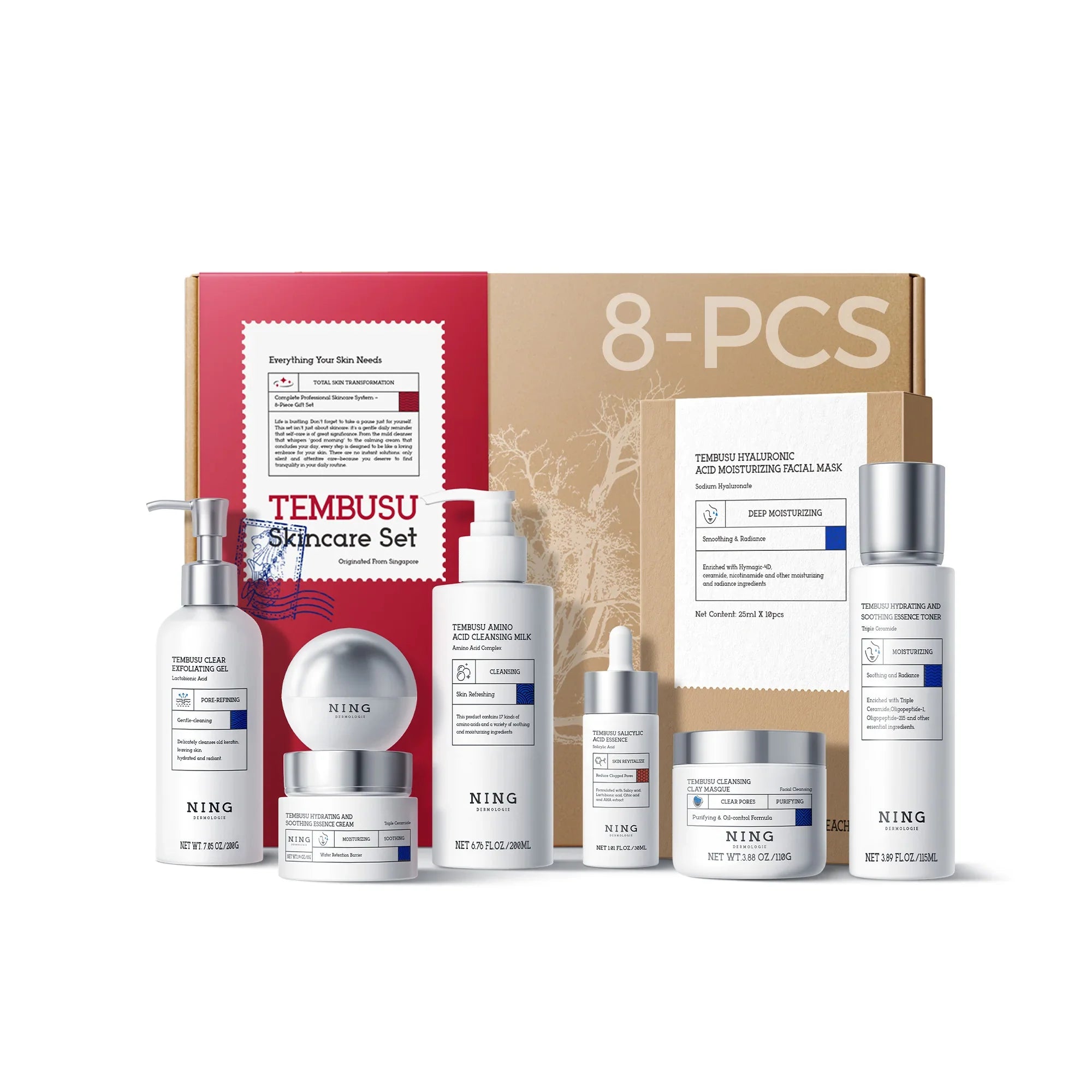
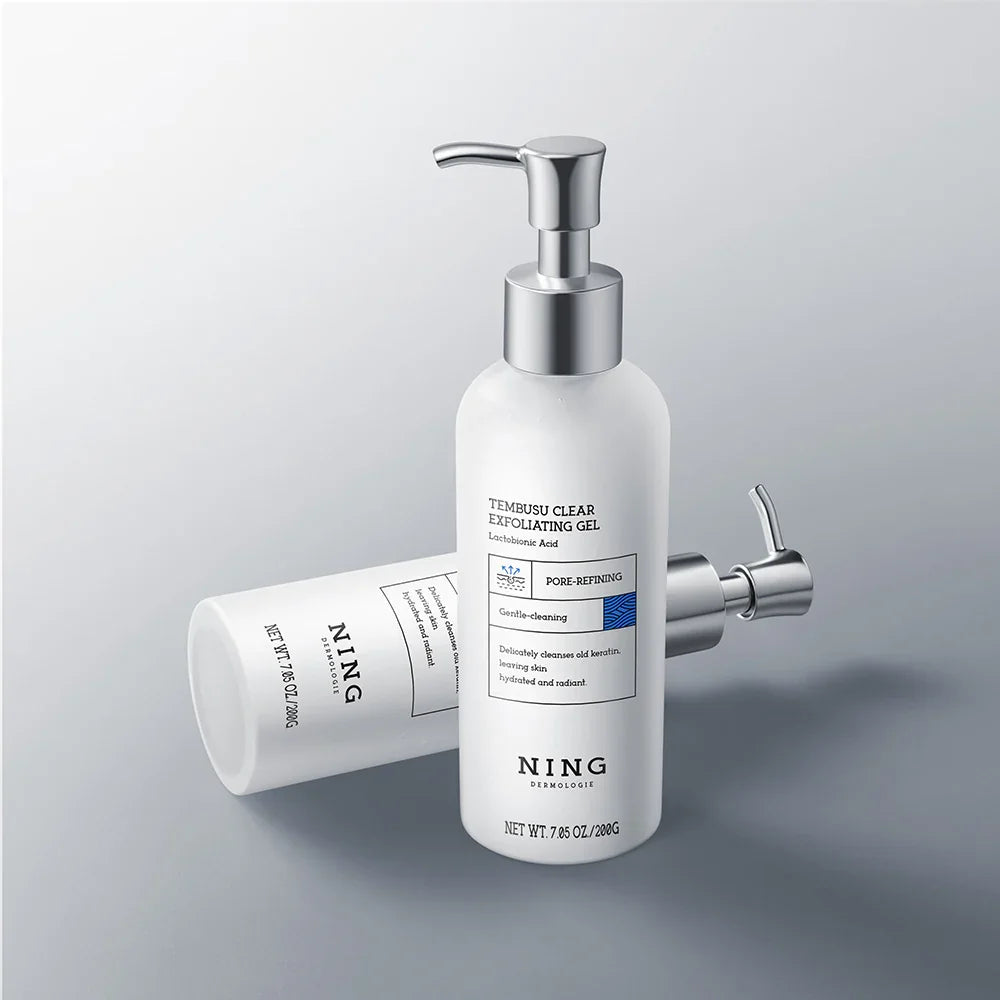
This is why we advocate for scientifically balanced systems like the NING Dermologie TEMBUSU 8-Step Routine Skincare Set.
Rather than guessing if your toner matches your serum, the TEMBUSU 8-Step Routine Skincare Set is designed so that every step complements the next. It takes the guesswork out of products for oily skin.
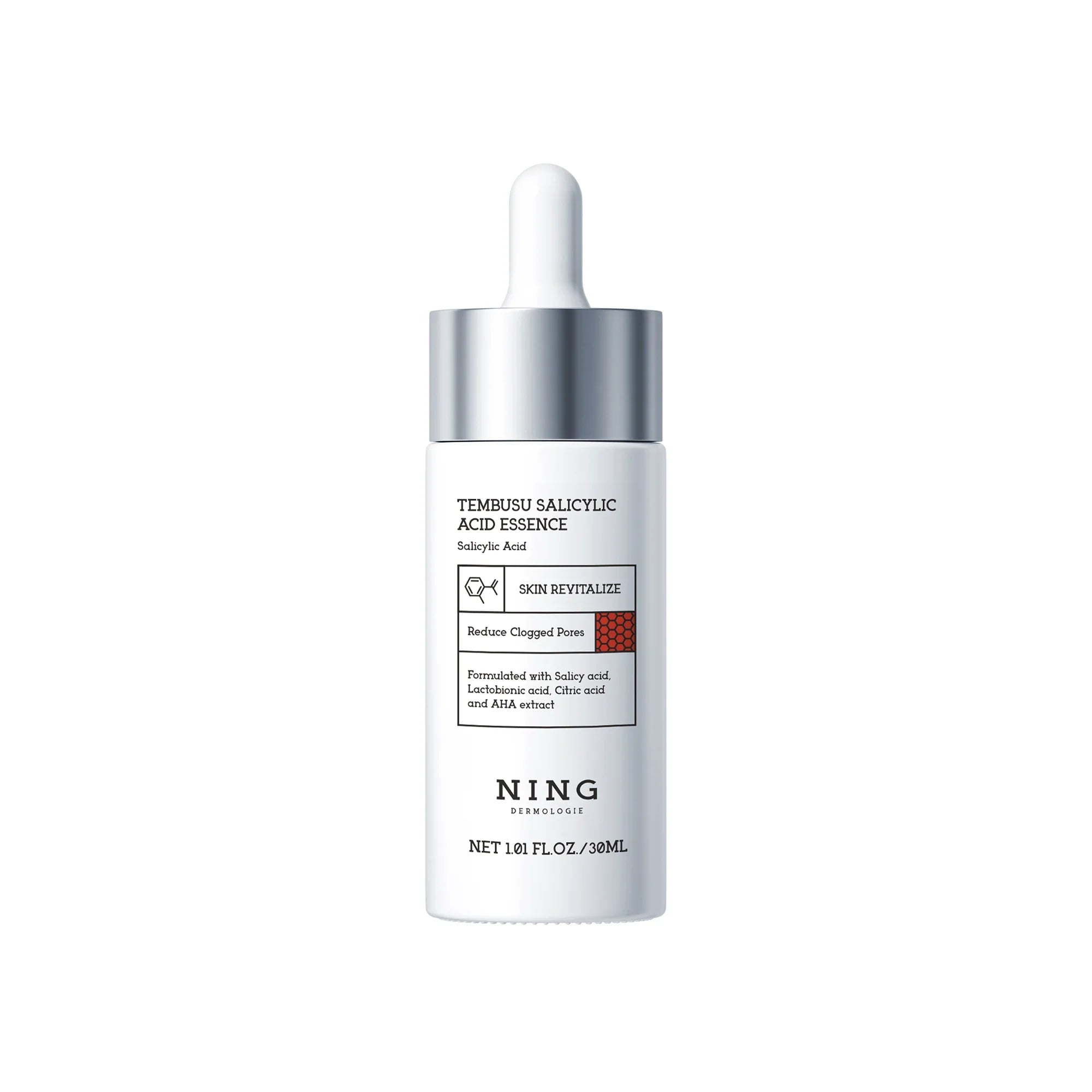
Check out the NING Dermologie TEMBUSU Skincare Gift Set here
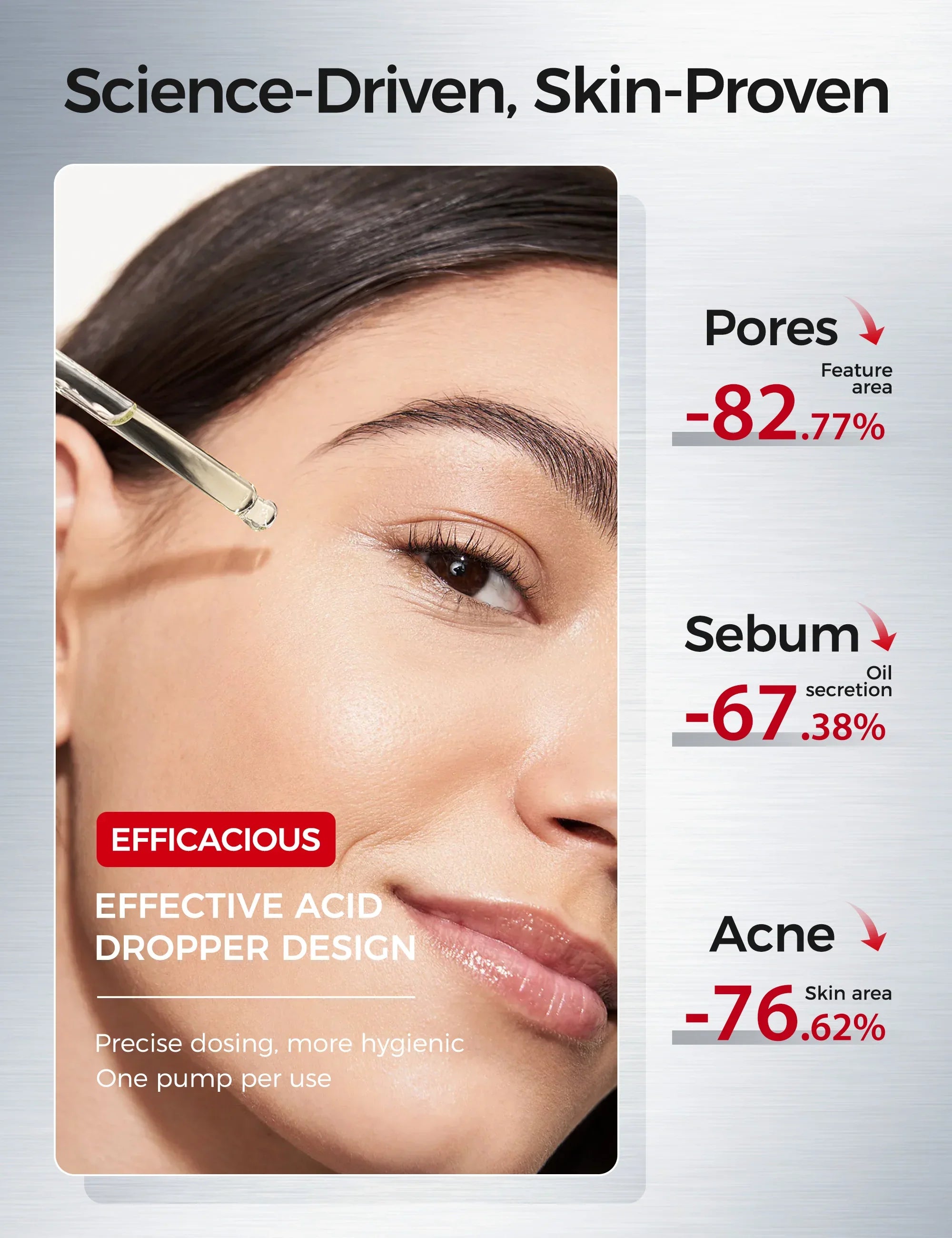
This set is specifically formulated to handle sebum control without stripping the skin. It layers soothing ingredients with active fighters. By using a complete set, you ensure that you are treating the acne while simultaneously repairing the barrier, which is the secret to long-term clear skin.
Building the Perfect Skincare Routine for Oily Skin
Whether you choose a pre-made set or build your own, your routine needs to follow a logical flow to be effective. Here is the blueprint for people with oily skin.
Step 1: The Cleanser (Morning and Night)
Cleansing is the first step, and arguably the most important. You need to remove makeup, dirt, and excess oil accumulated throughout the day (or night). Look for a foaming or gel face wash containing Salicylic Acid or Tea Tree Oil. These remove surface grime and penetrate the pores. Caution: Avoid harsh bar soaps. They strip the skin, causing it to produce more oil to compensate.
Step 2: The Toner
Forget the alcohol-laden toners of the 90s that stung your face. Modern toners for oily skin are about balancing pH and prepping the skin. Look for ingredients like Witch Hazel or lower concentrations of AHAs/BHAs to gently exfoliate dead skin cells.
Step 3: The Treatment (Serums)
This is where the magic happens. A lightweight serum delivers high concentrations of active ingredients.
- Morning: Use a Vitamin C serum to brighten and protect. Or, use a Niacinamide serum to control oil throughout the day.
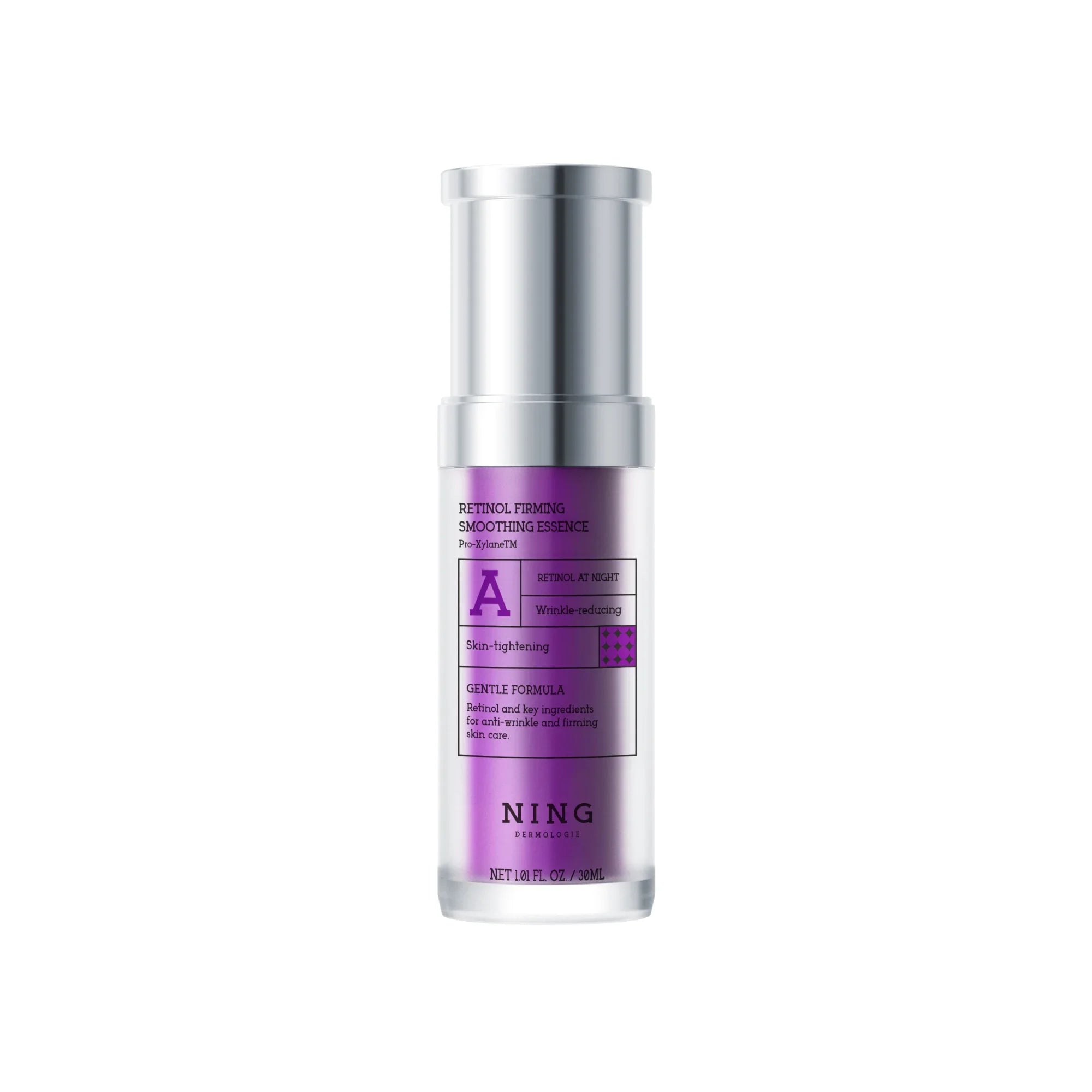
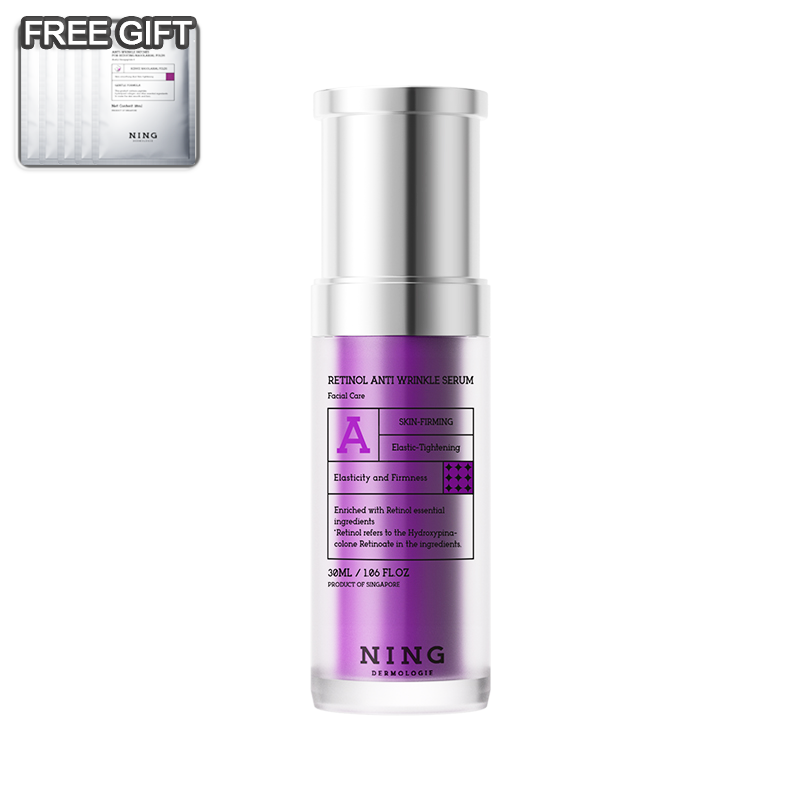
- Night: This is the time for Retinol. It works best overnight to repair skin and unclog pores.
Step 4: The Moisturizer
"I have oily skin, so I don't need a moisturizer." Stop right there. That is a myth. If you skip hydration, your skin gets dehydrated. Dehydrated skin panics and signals your glands to produce more oil to protect itself. You end up greasier than before. You need a lightweight, oil-free, non-comedogenic (won't clog pores) moisturizer. Look for water-based products that contain Hyaluronic Acid. It draws water into the skin without adding grease.
Step 5: Sun Protection (Morning Only)
The sun is not your friend. UV rays cause inflammation, which worsens acne, and darkens acne scars. Plus, there is the risk of skin cancer. You must use sunscreen. Look for "dry-touch" or gel formulas specifically designed for oily skin. Many modern sunscreens also act as a mattifying primer.
Specific Tips for Using Products Effectively
Using the best skincare products won't help if you use them wrong. Here is how to get the most out of your products for oily skin:
-
Patch Test: Before slathering a new acne treatment all over your face, test it on your neck. Skin is unique, and what works for an influencer might irritate you.
-
Don’t Over-Wash: Washing your face more than twice a day can strip the skin barrier.
-
Be Patient: Acne didn't appear overnight, and it won't disappear overnight. Most skincare ingredients like Retinol take 4 to 6 weeks to show real results.
-
Hands Off: Stop touching your face. You are transferring bacteria from your phone and hands directly into your pores.
-
Use "Non-Comedogenic" Makeup: Ensure your foundation and powder aren't sabotaging your skincare efforts.

Conclusion
It's possible to have clean skin even if you tend to live a "grease slick" life. You need to stop using harsh, drying products and start a routine that keeps oil production and hydration in balance.
Focus on the key ingredients: Salicylic Acid to unclog, Niacinamide to balance, and Retinol to renew. And if you are tired of playing "chemist" in your bathroom, consider investing in a comprehensive system like the NING Dermologie TEMBUSU 8-Step Routine Skincare Set to ensure every step of your routine is working in harmony.
Your skin is an investment. Treat it with the right ingredients, and it will thank you with that healthy, clear glow—not a greasy shine.
Frequently Asked Questions (FAQ)
Q1: Can I use Vitamin C and Salicylic Acid together?
In general, it's best not to put them directly on top of each other because the different pH levels can make them less effective or cause irritation. In the morning, use your Vitamin C serum to protect and brighten your skin. At night, use your Salicylic Acid cleanser or toner to get rid of dirt and oil that has built up in your pores.
Q2: Does oily skin actually need a moisturizer?
Yes, absolutely. Oily skin can still be dehydrated (lacking water). If you skip moisturizer, your skin compensates by producing even more sebum (oil), leading to more breakouts. Choose a lightweight, oil-free, non-comedogenic moisturizer that contains Hyaluronic Acid to hydrate without clogging pores.
Q3: How often should I exfoliate oily skin?
While it is tempting to scrub the oil away, over-exfoliating damages the skin barrier and increases inflammation. For acne-prone skin, chemical exfoliation (using BHAs like Salicylic Acid) is better than physical scrubs. Aim to exfoliate 2-3 times a week, or use a gentle daily exfoliating toner specifically formulated for daily use.
Q4: Will sunscreen make my oily skin breakout?
Only if you use the wrong one. Heavy, oily sunscreens can clog pores. But it's very important to protect your skin from the sun so that your acne scars don't get darker. Sunscreens that say "oil-free," "non-comedogenic," or "mattifying" are what you want. Mineral sunscreens with zinc oxide are often good for skin that is prone to acne because zinc is naturally soothing.
Q5: What is the difference between a purge and a breakout?
When you start active ingredients like Retinol or Salicylic Acid, you might experience a "purge." This is when increased cell turnover pushes micro-comedones (baby pimples) to the surface faster. A purge typically happens in areas where you usually break out and clears up within 4-6 weeks. If you are breaking out in new areas or experiencing burning, it’s likely a reaction, not a purge.
Q6: Why is the NING Dermologie TEMBUSU Set good for oily skin?
The TEMBUSU 8-Step Routine Skincare Set takes the guesswork out of skin care. It adds moisture and controls oil so you don't dry out your skin. It has the best steps for cleansing, toning, and treating, so you get the benefits of the most important ingredients without the risk of mixing products that could irritate sensitive skin.





Share:
Sensitive Skin Survival Guide: How to Find Hypoallergenic Skincare Sets That Actually Work
The Rise of "Skinimalism": Why Minimalist Skincare Sets Are Taking Over in 2026