



The Science of Clear Skin: Best Salicylic Acid Serums & How to Use Them
Let's be honest: it's annoying to look in the mirror and see uneven skin, blackheads, or a new breakout. We have all been through this. Salicylic acid is the one ingredient that has stood the test of time as the best way to get clear skin in the crowded world of skincare, where trends come and go.
If you are struggling with oily and acne-prone skin, or even just the occasional hormonal breakout, salicylic acid skincare isn't just an option; it is a necessity. But not all products are created equal. Today, we're cutting through all the marketing noise to talk about the science behind clear skin, how this powerful ingredient works, and how to find the best salicylic acid serum for your needs. We'll be using the scientifically balanced approach of NING Dermologie.

Understanding the Powerhouse: What is Salicylic Acid?
Before we talk about the best salicylic acid serums, we need to know what they are and how they work. Salicylic acid is a type of beta hydroxy acid (BHA). Salicylic acid is oil-soluble, unlike its cousin alpha hydroxy acid (AHA), which includes glycolic acid and lactic acid. AHA works mostly on the surface.
Why is this important? Think of your pores as little pipes. Salicylic acid gets inside the pipe, while water-soluble acids clean the area around the drain. It goes deep into the pore lining to break down the glue that holds dead skin cells and oil (sebum) together. By breaking these bonds, salicylic acid works to unclog the blockage at the source.
This unique ability to exfoliate inside the pore is why it is the superior choice for acne, blackheads, and clogged pores. It doesn't just scrub the surface; it performs a deep clean.
Benefits of Salicylic Acid for Skin Health
Using a salicylic acid serum on your skin doesn't just help with current pimples. You're putting money into healthier skin all around. This is what regular use does:
- Deep Exfoliation: It removes dead skin that makes the complexion look dull.
- Sebum Control: It helps regulate oil production for oily skin types.
- Texture Improvement: It smooths out rough patches and textured skin for smoother-looking skin.
- Acne Prevention: By keeping pores clear, it stops blemishes before they start.
- Anti-inflammatory: It has soothing properties to calm irritated skin associated with breakouts.
Choosing the Right Salicylic Acid Serum
Navigating the aisle of salicylic acid products can be overwhelming. You will see toners, spot treatments, and cleansers. However, for maximum efficacy, a serum is usually the best salicylic acid product format. Serums are designed to deliver a potent concentration of salicylic acid directly to the skin and stay there to work their magic.
The Gold Standard: 2% Concentration
The concentration is important if you want clearer skin. Most skin doctors agree that 2% is the best amount. It is strong enough to get rid of acne and exfoliate well, but not so strong that it breaks down your skin barrier.
This is where NING Dermologie excels. We understand that acne-prone skin needs power, but it also needs protection.
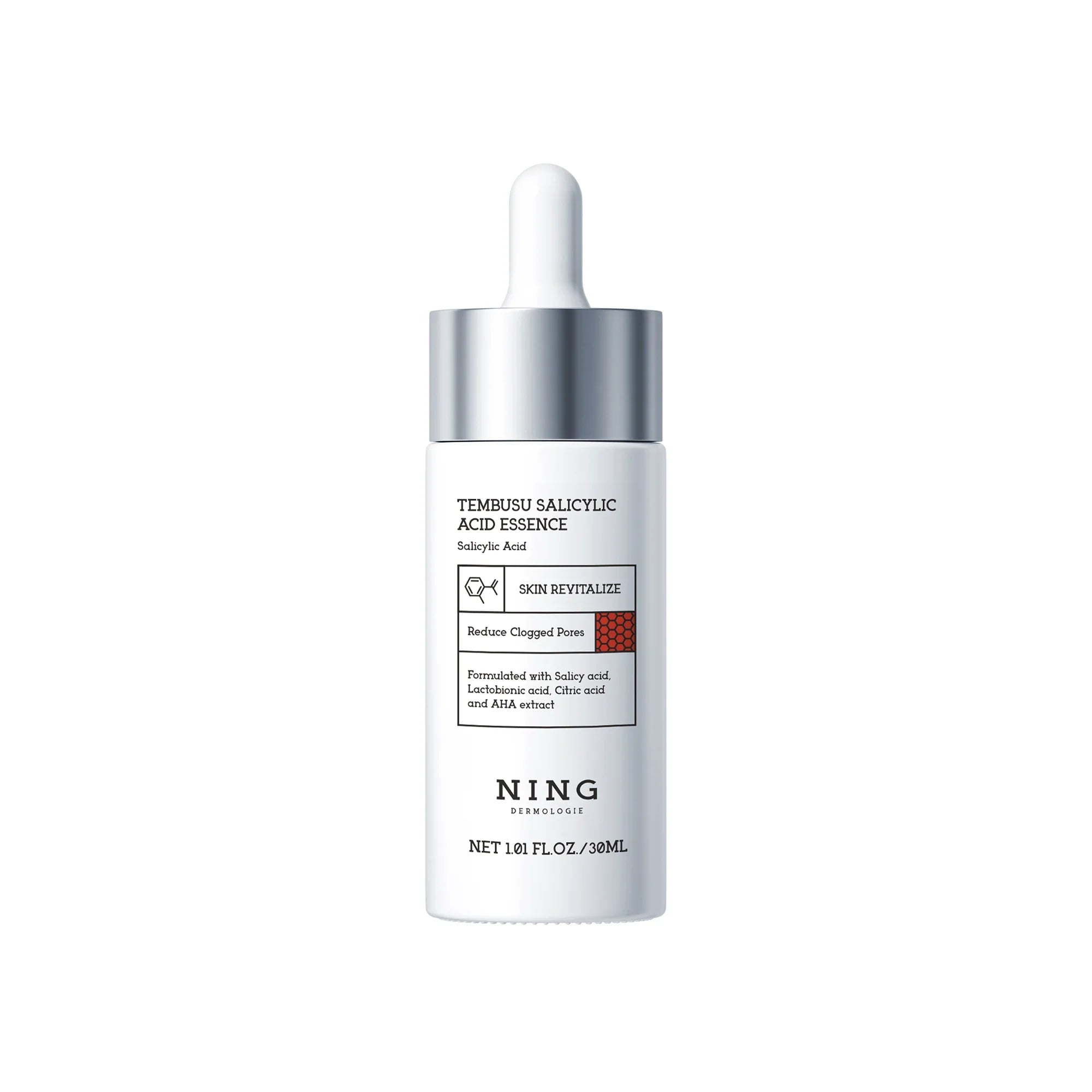
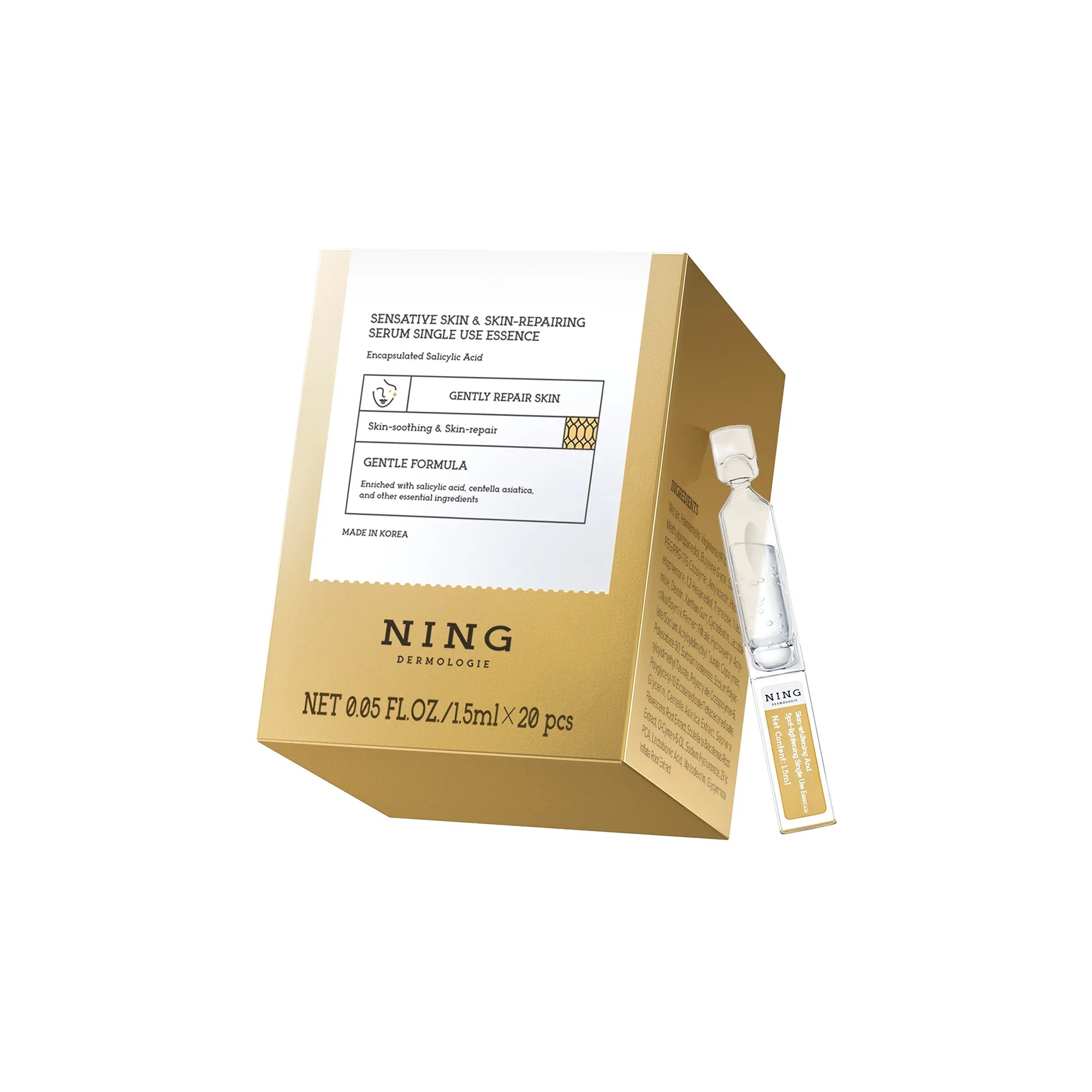
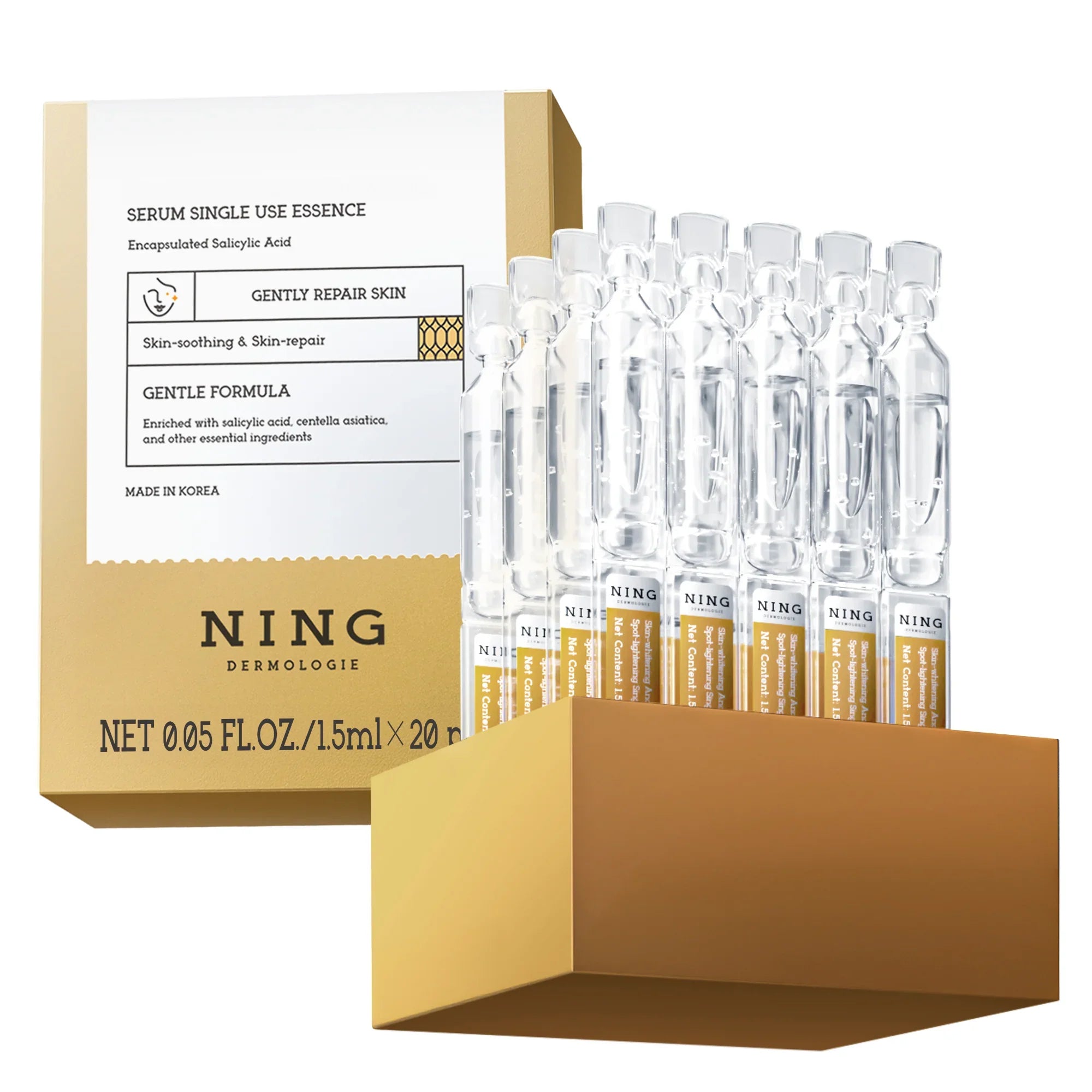
Our Recommendation: The NING Dermologie 2% Salicylic Acid Serum.
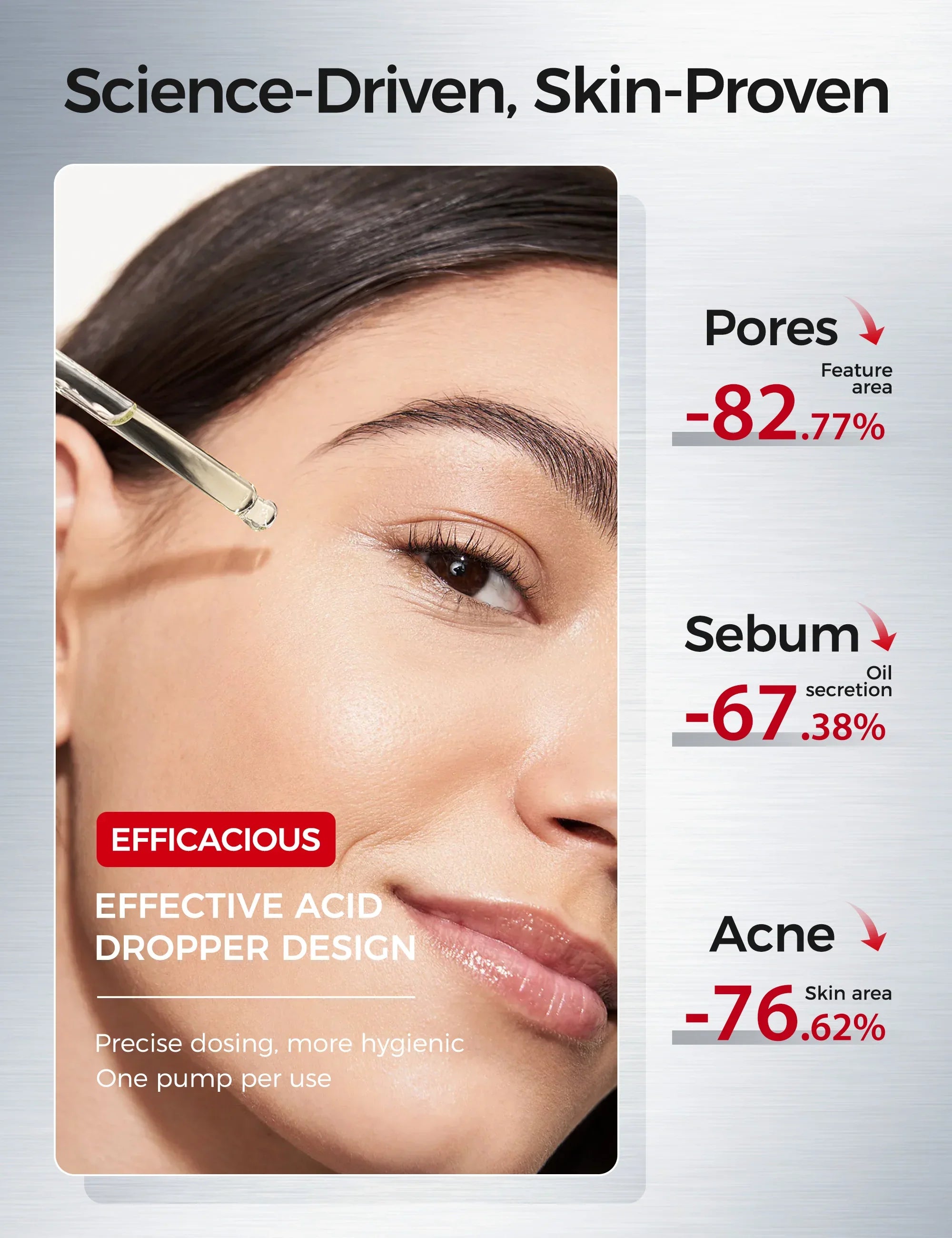
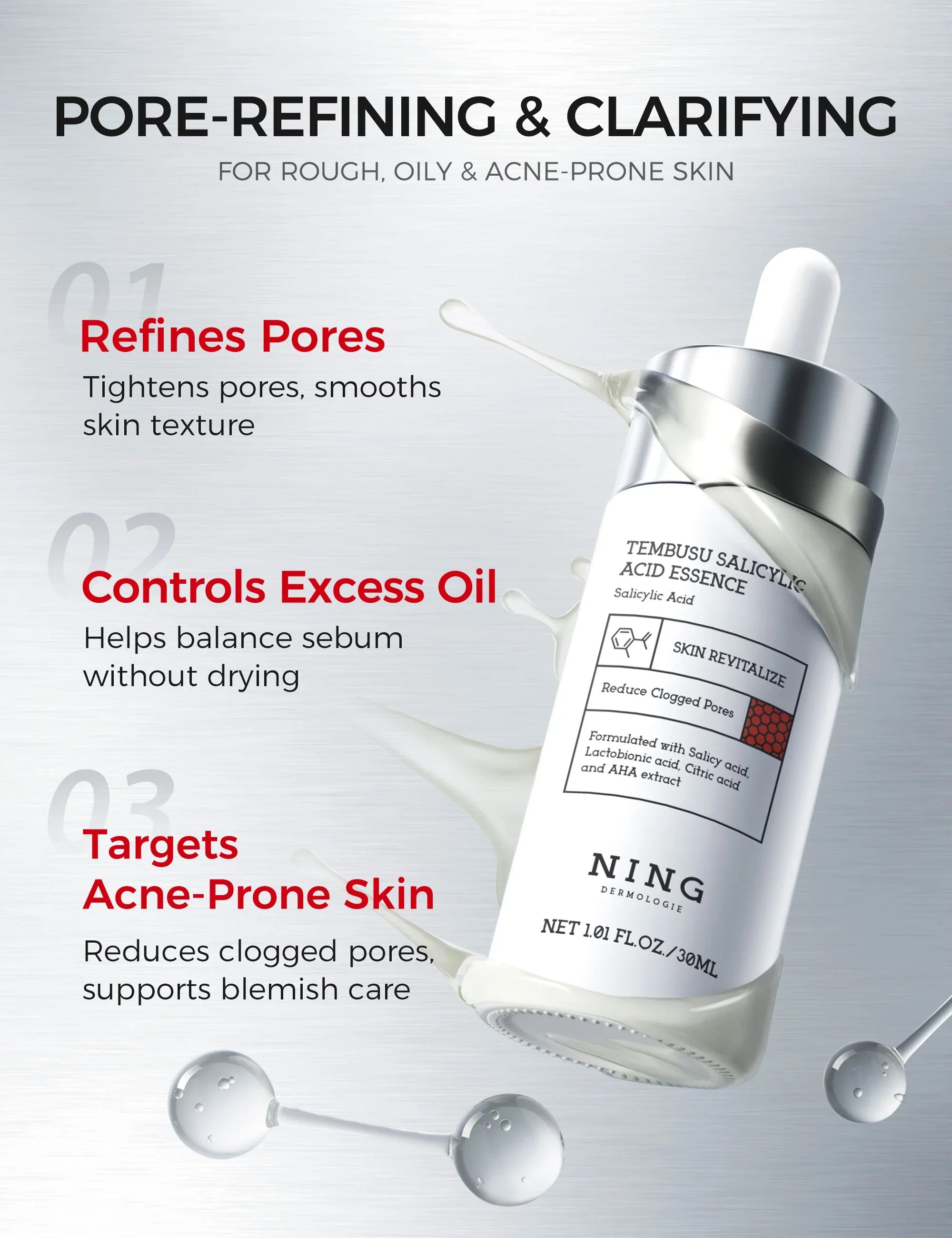
This formulation is designed to be the best salicylic acid serum for those who want results without the burn. Unlike harsh alcohol-based treatments that strip the skin, our 2% Salicylic Acid Serum balances the potent exfoliation of BHA with soothing agents. It allows the salicylic acid to penetrate deep into the pores to clear blockages while respecting the skin's natural balance. It targets acne, reduces redness, and paves the way for smooth skin.
Best Salicylic Acid Serums for Different Skin Types
One of the biggest myths is that salicylic acid is only for teenagers with extremely oily skin. The truth is, almost every skin type can benefit if you choose the right salicylic acid product and usage method.
Salicylic Acid Serums for Oily and Acne-Prone Skin
For oily or acne-prone skin, salicylic acid is your best friend. Your skin produces excess sebum, which traps dead skin cells, leading to the perfect breeding ground for bacteria.
- Strategy: Look for a dedicated salicylic acid serum like the NING Dermologie 2% Salicylic Acid Serum. The salicylic acid dissolves the oil and prevents the formation of comedones.
- Routine: You can likely tolerate using it closer to a daily use frequency, but start slow.
Salicylic Acid Serums for Sensitive Skin
People with sensitive skin often fear acids, and rightfully so. High concentrations can lead to skin irritation. However, salicylic acid for sensitive skin is possible.
- Strategy: Look for gentle on the skin formulations that include soothing botanicals. You might also consider alternatives like lipohydroxy acid (a gentler derivative) or succinic acid, but a well-formulated 2% BHA used sparingly is often more effective.
- Routine: Use the serum as a treatment mask (rinse off after 10 minutes) or apply it only twice a week. Buffer it by applying a moisturizer first if necessary.
Best Salicylic Acid Products for Dry Skin
Dry skin can get acne too! But if you use drying products, your skin will flake and look worse.
- Strategy: You need salicylic acid skincare that is paired with hydrating ingredients like hyaluronic acid.
- Routine: Apply your salicylic acid serum specifically to problem areas (T-zone) rather than the whole face. Always follow immediately with a thick, nourishing moisturizer to support the skin barrier.
How to Incorporate Salicylic Acid into Your Routine
You bought the best salicylic acid serum. Now, how do you use it without causing a disaster? The key is patience. Here is a step-by-step guide to adding salicylic acid to your regimen safely.
-
Cleanse: Start with a gentle cleanser to remove surface dirt.
-
Apply Serum: Apply a few drops of NING Dermologie 2% Salicylic Acid Serum to dry skin. Let it absorb. Salicylic acid works best at a lower pH, so give it a minute before the next step.
-
Hydrate: This is non-negotiable. Follow with a product containing hyaluronic acid or a robust moisturizer to lock in water. Salicylic acid can be drying, so hydration is key to maintaining healthy skin.
-
Protect: If you use it in the morning, you must use sunscreen to protect your skin. Exfoliation reveals fresh skin that is more susceptible to UV damage.

Use Salicylic Acid Safely: Do's and Don'ts
To use salicylic acid safely and get that clear skin glow, avoid these common mistakes:
- Don't Over-Exfoliate: More is not always better. Using a high concentration of salicylic acid twice a day when you’re new to salicylic acid will wreck your barrier.
- Watch the Mix: Be careful combining SA with other actives. Using salicylic acid alongside high-strength retinol or glycolic acid in the same routine can cause excessive dryness. Alternate nights instead.
- Patch Test: If you have sensitive skin types, always test the product on your neck before applying it to your face.
- Listen to Your Skin: If you feel stinging or see peeling, stop. Give your skin a break. Clearer skin is a marathon, not a sprint.
Advanced Science: Synergies and Alternatives
While salicylic acid is the star, understanding how it interacts with other ingredients helps you build the best salicylic acid routine.
- Salicylic Acid vs. Benzoyl Peroxide: Benzoyl peroxide kills bacteria but can be very drying. Salicylic acid helps unclog the pore. They can work together, but be cautious of irritation.
- Salicylic Acid vs. Mandelic Acid: Mandelic acid is an AHA derived from almonds. It is larger molecularly and works slower, making it good for surface texture on sensitive skin, while salicylic acid penetrates deep for the clogs.
- Boosting Efficacy: Using a salicylic acid serum helps other products absorb better. By removing the layer of dead skin, your expensive peptides and moisturizers can actually reach the skin cells they need to target.
Why NING Dermologie?
At NING Dermologie, we believe in the science of efficacy. We created our 2% Salicylic Acid Serum because we saw a gap in the market. Many best salicylic acid serums were either too expensive or too irritating.
We formulated our product to clear acne, smooth uneven skin, and refine pores, all while ensuring the skin remains hydrated. It is the perfect balance for oily, combination skin, and even dry or sensitive skin when used correctly. When you are looking for salicylic acid serums for clear results, specific formulation matters more than fancy packaging.
Final Thoughts: The Path to Clear Skin
Achieving smooth skin and a clear complexion is possible. By understanding your skin type and choosing high-quality products containing salicylic acid, you can take control of your skin health.
Whether you are fighting stubborn blackheads, hormonal cysts, or just general dullness, a salicylic acid serum is the tool you need in your arsenal. Remember, consistency is key. Start with the NING Dermologie 2% Salicylic Acid Serum, hydrate well, protect with sunscreen, and watch your skin transform.
Frequently Asked Questions (FAQ)
1. Can I use salicylic acid every day?
Yes, most people with oily skin can eventually use it every day. If you've never used salicylic acid before, though, start with 2–3 times a week. This gives your skin barrier time to get used to the exfoliation. If your skin is sensitive, doing it twice a week is usually enough to see results without making your skin feel bad. Always monitor how your skin feels; if it feels tight or dry, reduce the frequency.
2. Is salicylic acid good for acne scars?
Salicylic acid works well on active acne and stops new breakouts, which is the first step in stopping scarring. It also exfoliates the top layer of dead skin cells, which can help fade post-acne dark spots (hyperpigmentation) and smooth out mild texture issues over time. But for deep, pitted scars, salicylic acid products alone might not be enough. You might need professional treatments or to mix it carefully with retinoids or glycolic acid on different nights.
3. Does salicylic acid cause purging?
Yes, "purging" is common when adding salicylic acid to your routine. Because salicylic acid penetrates the pore and speeds up skin cell turnover, it brings pre-existing micro-comedones (clogs) to the surface faster. This might look like a sudden breakout, but it is actually the skin clearing itself out. This phase usually lasts 2 to 4 weeks. Keep using the product consistently; once the purge is over, you will reveal significantly clearer skin.
4. Can I use salicylic acid with Vitamin C?
You can, but you need to be careful about the pH levels and potential irritation. Both are active ingredients. A common strategy is to use your Vitamin C serum in the morning to protect against environmental damage and use your salicylic acid serum at night to deep clean pores. If you want to layer them, apply salicylic acid first (as it requires a lower pH to work), wait 15 minutes, and then apply Vitamin C, but this increases the risk of irritation for sensitive skin types.
5. What is the difference between Salicylic Acid and Benzoyl Peroxide?
Salicylic acid is a BHA that works by exfoliating and dissolving oil deep inside the pore to remove clogs. It is generally better for blackheads, whiteheads, and texture. Benzoyl Peroxide is an antibacterial agent that kills the C. acnes bacteria and dries out the skin. Benzoyl Peroxide can be more irritating and bleaching. For long-term maintenance and healthier skin texture, salicylic acid serums are often preferred, whereas Benzoyl Peroxide is great as a spot treatment for angry, red pimples.
6. Is 2% salicylic acid safe for sensitive skin?
A 2% concentration is the standard for efficacy, but it can be strong for sensitive skin. To use salicylic acid safely, look for formulas like the NING Dermologie 2% Salicylic Acid Serum that are free from drying alcohols and fragrances. You can also try "short contact therapy": apply the serum, leave it on for 5-10 minutes, and then rinse it off. This gives you the benefits of penetration without leaving the active ingredient on long enough to cause irritation. Always follow with a soothing moisturizer.





Share:
Why Smart Skincare Sets for Women Are the Ultimate Hack for Busy Lives (and Better Skin)
Transform Your Skincare Routine with Salicylic Acid Serum