

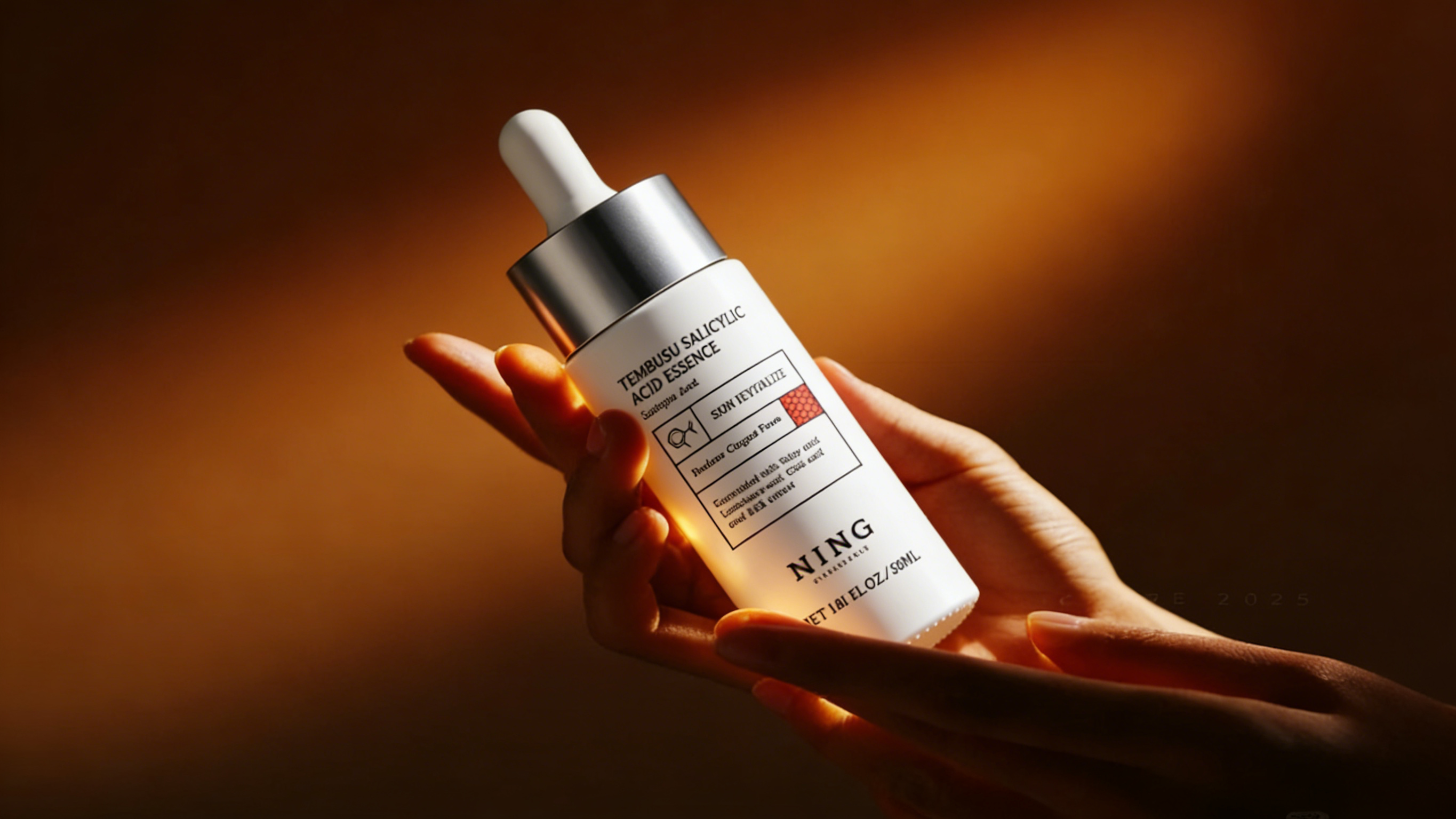

Transform Your Skincare Routine with Salicylic Acid Serum
Let’s be real for a second: waking up to a new breakout feels like a personal attack. You check the mirror, and there it is—red, angry, and demanding attention. If you have oily and acne-prone skin, this cycle can feel endless. You’ve probably tried a dozen products that promised the moon but delivered nothing but irritation.
It’s time to stop guessing and start using chemistry.
Enter salicylic acid. It's not a new trend; it's the tried-and-true workhorse of the skincare world. This ingredient has been around for a long time, unlike the fancy marketing terms that come and go. The reason is simple: it works. Adding a salicylic acid serum to your skin care routine is often the key to getting clearer skin, whether you have stubborn blackheads or just general congestion.
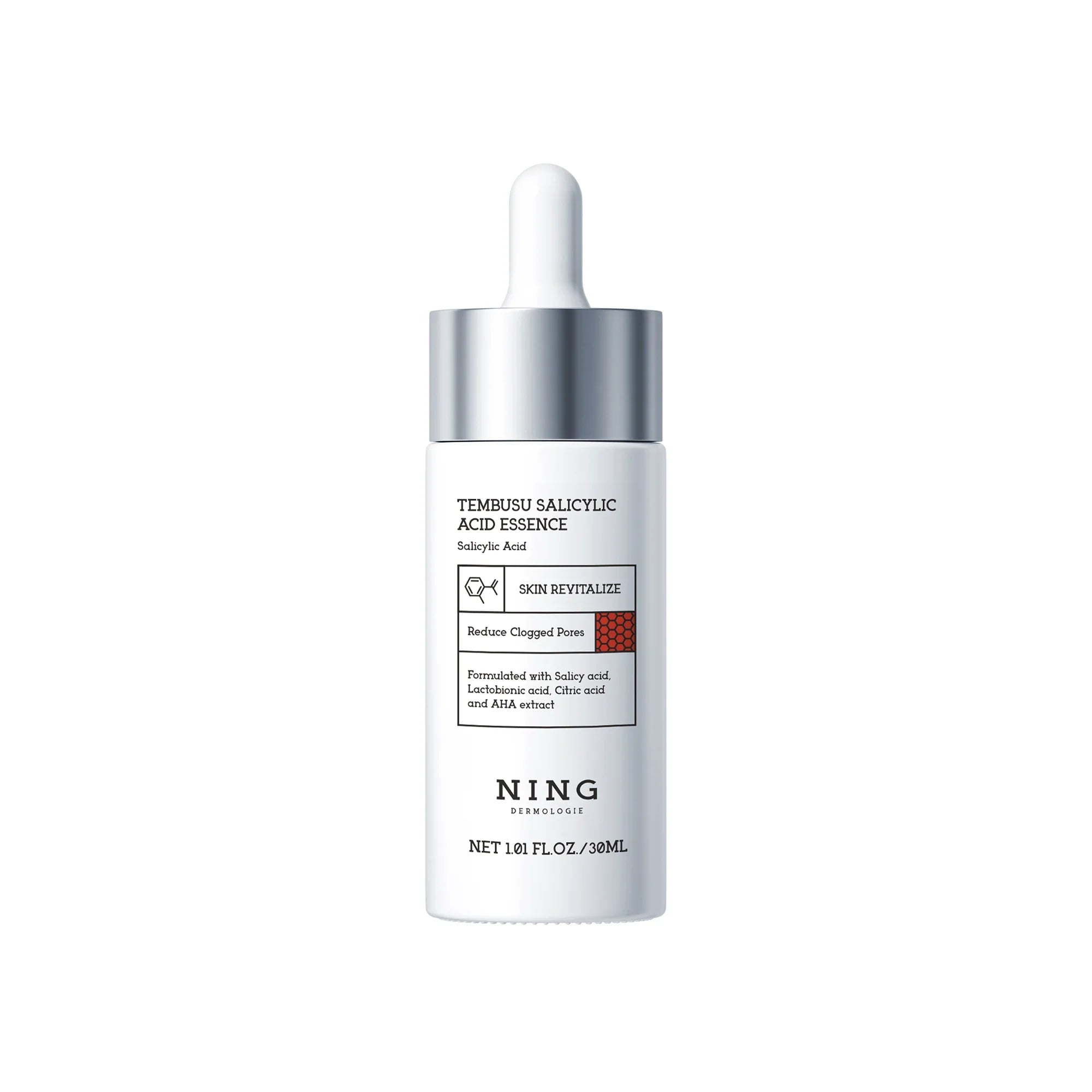
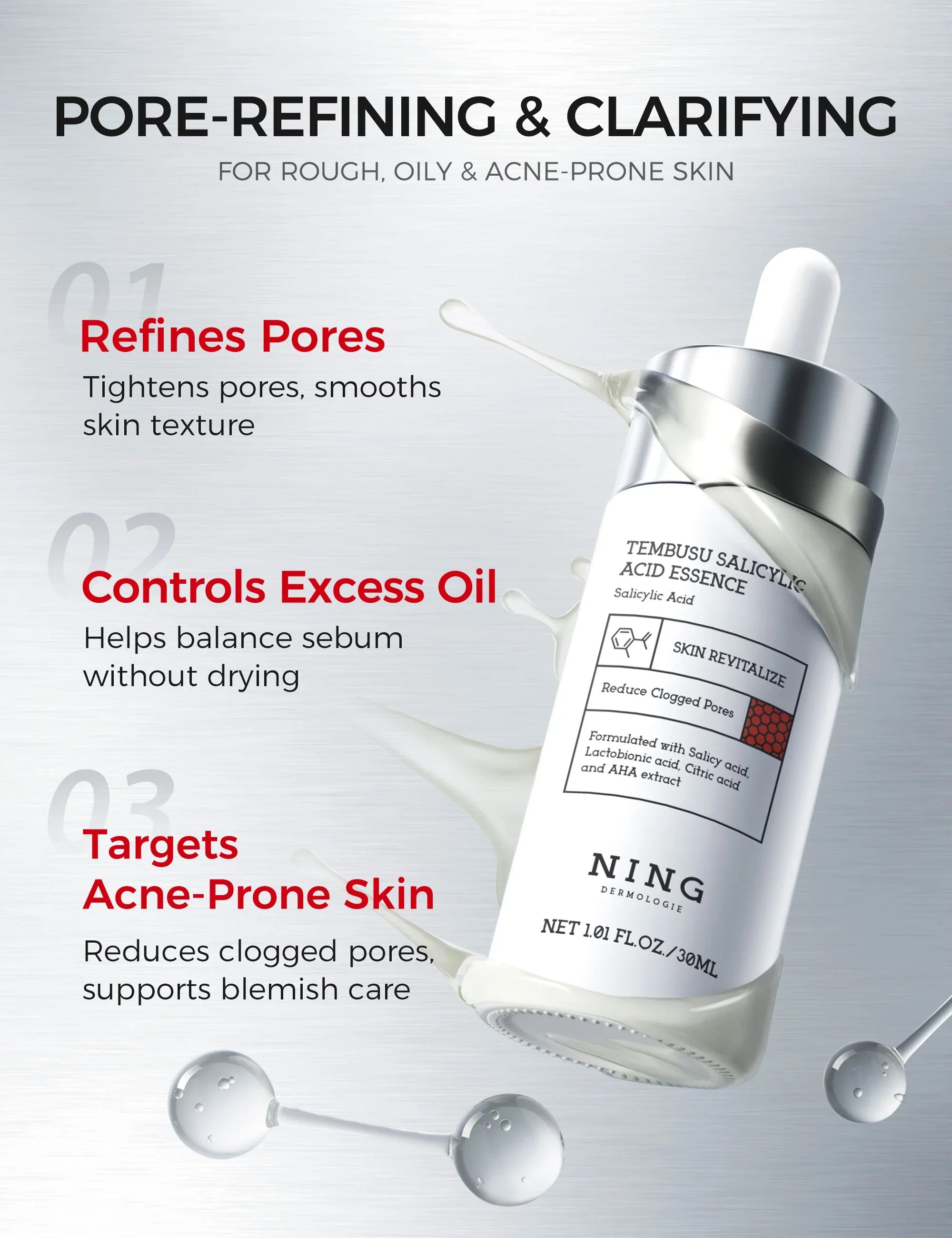
Here is everything you need to know about salicylic acid, how to use it without ruining your skin barrier, and why the NING Dermologie 2% Salicylic Acid Serum might just be the bottle that changes your shelfie game.

What is Salicylic Acid? (And Why Should You Care?)
To find out why this ingredient is so popular among people who care about their skin, we need to look at the molecule itself. Salicylic acid is a type of beta hydroxy acid (BHA). It comes from willow bark in nature, but most modern formulations use a lab-perfected version to make it more stable.
Here is the key difference that matters: unlike alpha hydroxy acids (AHAs) like glycolic acid—which are water-soluble and work mostly on the surface—salicylic acid is oil-soluble.
Think of your pores like a tunnel lined with oil. Water-soluble acids bounce off that oil. But salicylic acid dives right in. It can get rid of the sebum and peel away dead skin from the inside out. Because it can get into pores, it can break down the glue that holds dead skin cells and other debris together. By unclogging pores, it stops breakouts before they even start.
The Real Benefits of Salicylic Acid for Skincare
When you add salicylic acid to your regimen, you aren't just treating existing acne; you are preventing future drama. The benefits of salicylic acid go beyond just drying out a pimple.
-
Deep Pore Cleansing: It is the gold standard for removing the gunk that causes blackheads.
-
Exfoliation: It helps exfoliate dead skin cells that leave the skin feeling rough and looking dull, promoting a smoother skin texture.
-
Oil Control: For those with oily skin, regular use helps regulate excess sebum production.
-
Anti-inflammatory: Interestingly, salicylic acid has soothing properties. It can reduce the redness and swelling associated with acne and oily skin.
Salicylic Acid vs. Other Hydroxy Acids
People often get confused between glycolic and salicylic acid. Which one do you need?
- Glycolic Acid (AHA): Great for surface exfoliation, sun damage, and uneven skin tone. It’s better for dry or normal skin.
- Salicylic Acid (BHA): The hero for congested skin, blackheads, and active breakouts.
If your primary concern is that your pores look huge and you are constantly fighting grease, the beta hydroxy acid route is the one to take. While you can use both, starting with just one active ingredient is safer to see how your skin responds.
Choosing Your Fighter: Serum vs. Cleanser
You will find this ingredient in everything from face washes to spot treatments. However, not all salicylic acid products are created equal.
The Salicylic Acid Cleanser
A salicylic acid cleanser is a great starting point, especially for sensitive skin. Because it is rinsed off, the acid in your skincare routine has less time to cause irritation. It provides a gentle exfoliation. However, because it is rinsed off, it doesn't have much time to work its magic deep in the pore.
The Salicylic Acid Serum
If you want real results, a salicylic acid serum is the superior choice. Serums are designed to be left on the skin, giving the active ingredient ample time to penetrate and work. This is where NING Dermologie shines.
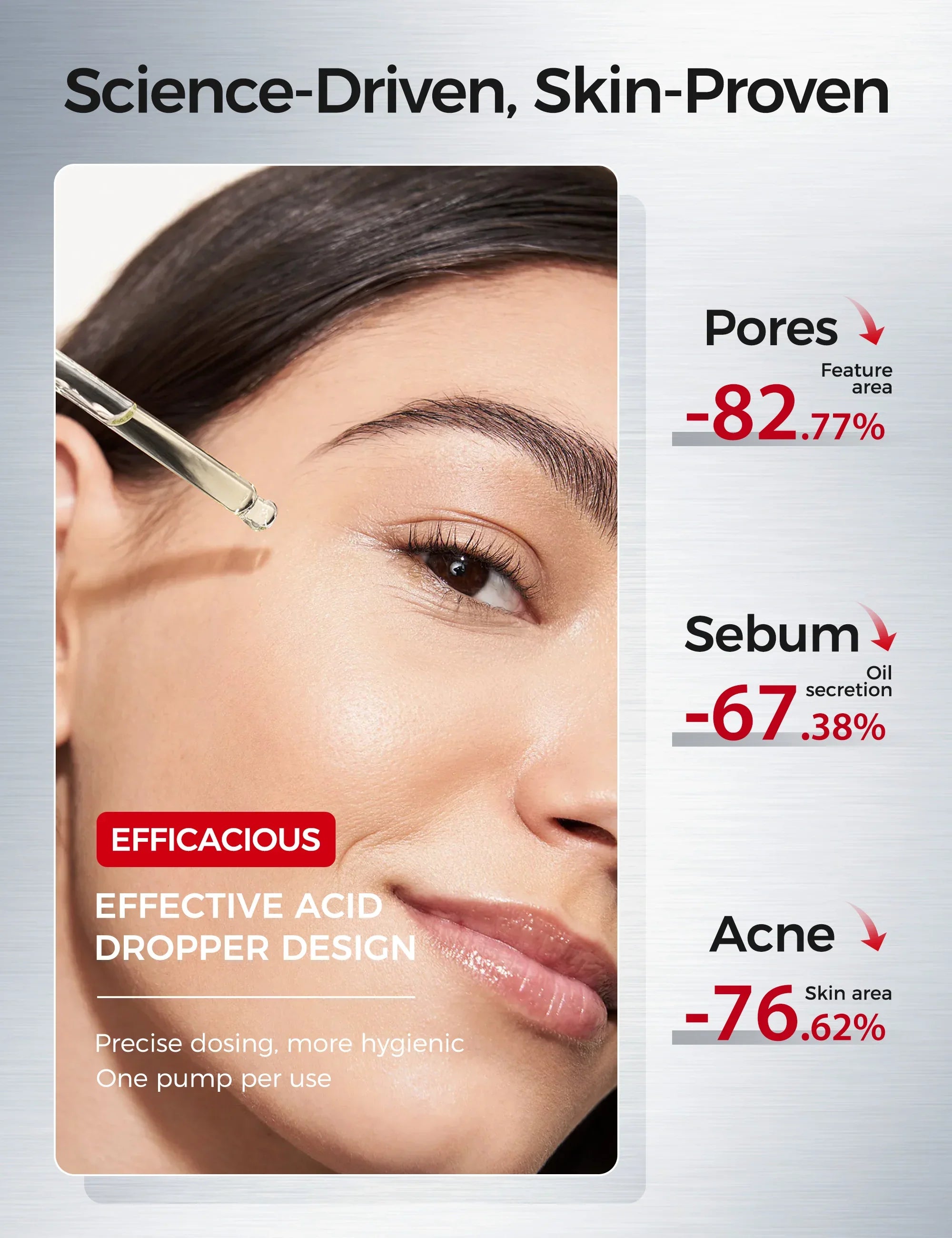
Our 2% Salicylic Acid Serum is formulated to hit that sweet spot: potent enough to clear congestion but balanced to avoid stripping your face raw. At a 2% concentration, it is the clinically effective standard for an acid acne treatment.
How to Incorporate Salicylic Acid Serum Into Your Routine
You cannot just slap this on like a moisturizer. This is a potent acid. Here is a step-by-step guide on how to use salicylic acid in your skincare routine effectively.
Step 1: The Cleanse
Start with a gentle cleanser to remove surface dirt and makeup. You generally don't need a salicylic acid cleanser and a serum at the same time—that’s a recipe for dryness.
Step 2: The Application
After drying your face, apply the NING Dermologie 2% Salicylic Acid Serum. You don’t need to bathe in it; a few drops for the whole face are enough. You can also use it as a spot treatment on specific problem areas.
Step 3: The Wait
Let it absorb. Give it a minute. You might feel a slight tingle—that means it’s working to exfoliate.
Step 4: Moisturize and Protect
This is non-negotiable. Salicylic acid can make your skin dry. Follow up with a hydrating moisturizer to keep your skin barrier healthy. If you are using this in the morning, you must use sunscreen. Exfoliating the skin reveals fresh layers that are vulnerable to UV damage.
Tips for Using Salicylic Acid Every Day
A common question we get at NING Dermologie is: "Can I use salicylic acid every day?"
The answer is: It depends on your skin type.
If you have resilient, very oily skin, daily use might be perfect for you. However, for most people, we recommend a "low and slow" approach to introduce salicylic acid into your routine.
-
Start Slow: Use the serum 2-3 times a week at night.
-
Monitor: Pay attention to how your skin is feeling. Is it tight? Is it peeling?
-
Scale Up: If your skin is happy after two weeks, you can increase to every other night, and eventually daily use if needed.
Signs of Over-exfoliation: If your skin looks like plastic (shiny but tight), feels hot, or stings when you apply bland moisturizer, you have overdone it. Stop the acid, focus on hydration, and restart more slowly once healed.

Salicylic Acid for Different Skin Types
Oily and Acne-Prone Skin
This is your holy grail. Salicylic acid works to cut through the grease that other products leave behind. It creates a matte finish and helps keep skin clear of the plugs that turn into pimples.
Dry or Sensitive Skin
Can you use it? Yes, but be careful. Salicylic acid helps with flakes, but it can be drying. Look for products with salicylic acid that also contain soothing ingredients. You might want to buffer it by applying moisturizer before the serum, or sticking to using it only on the T-zone (forehead, nose, chin).
Uneven Skin Tone
While glycolic is usually the go-to here, by clearing out old congestion, salicylic acid also promotes a more even skin tone over time. It removes the gray cast of dead skin cells sitting on the surface.
Mixing Salicylic Acid with Other Ingredients
Chemistry class is in session. When you are building a care routine, you need to know what plays well together.
- Yes to Hyaluronic Acid: This is a perfect pair. Hyaluronic acid hydrates while salicylic acid exfoliates.
- Yes to Niacinamide: Great for controlling oil and soothing redness alongside the acid.
- Careful with Retinol: Using salicylic acid and retinol at the same time is a fast track to irritation for most people. It is better to alternate nights.
- Careful with Vitamin C: The pH levels can conflict. Use Vitamin C in the morning and apply salicylic acid at night.
- No to Physical Scrubs: You are already chemically exfoliating. Do not scrub your face with walnut shells; you will destroy your barrier.
Why Choose NING Dermologie?
The market is flooded with skincare product options. Why choose ours?
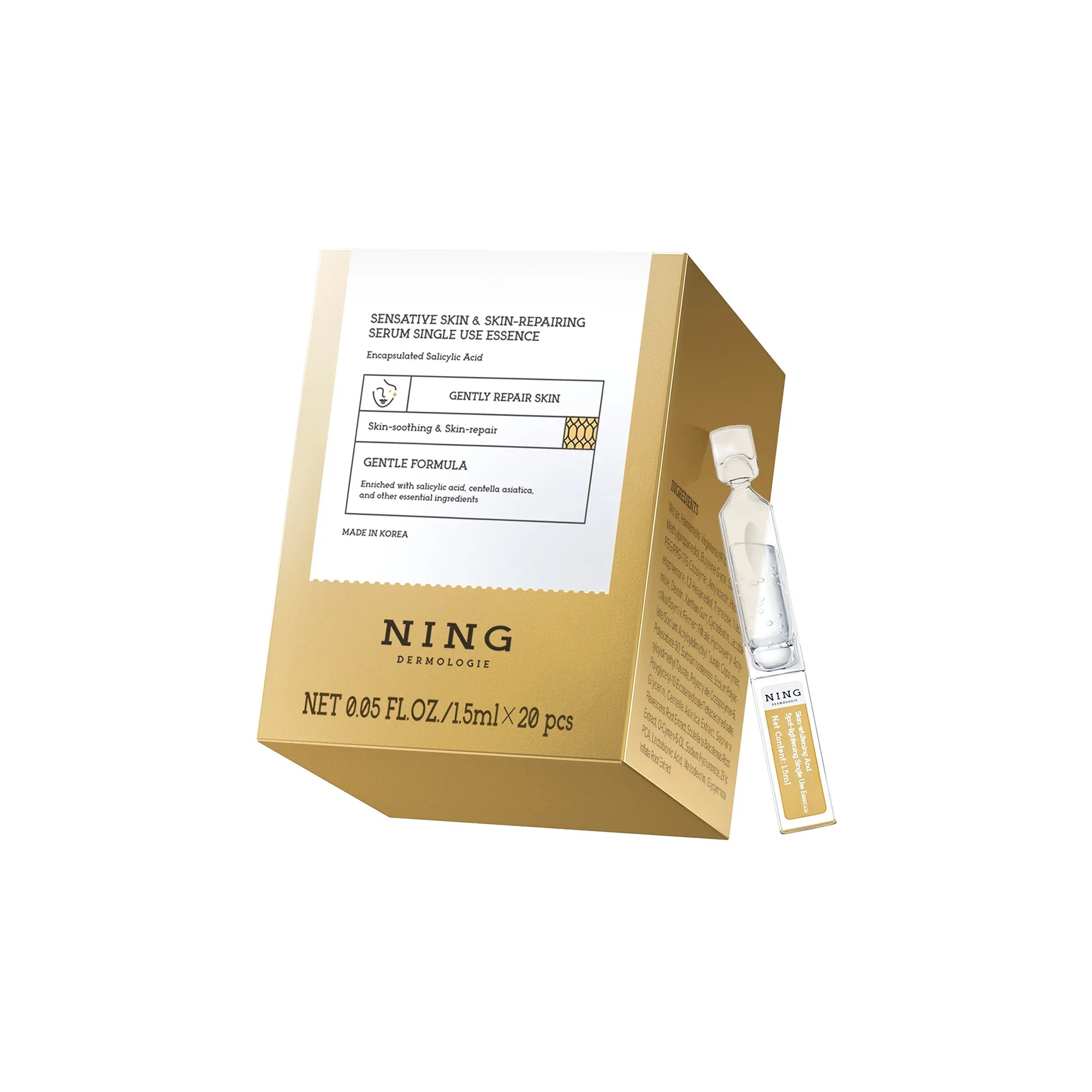
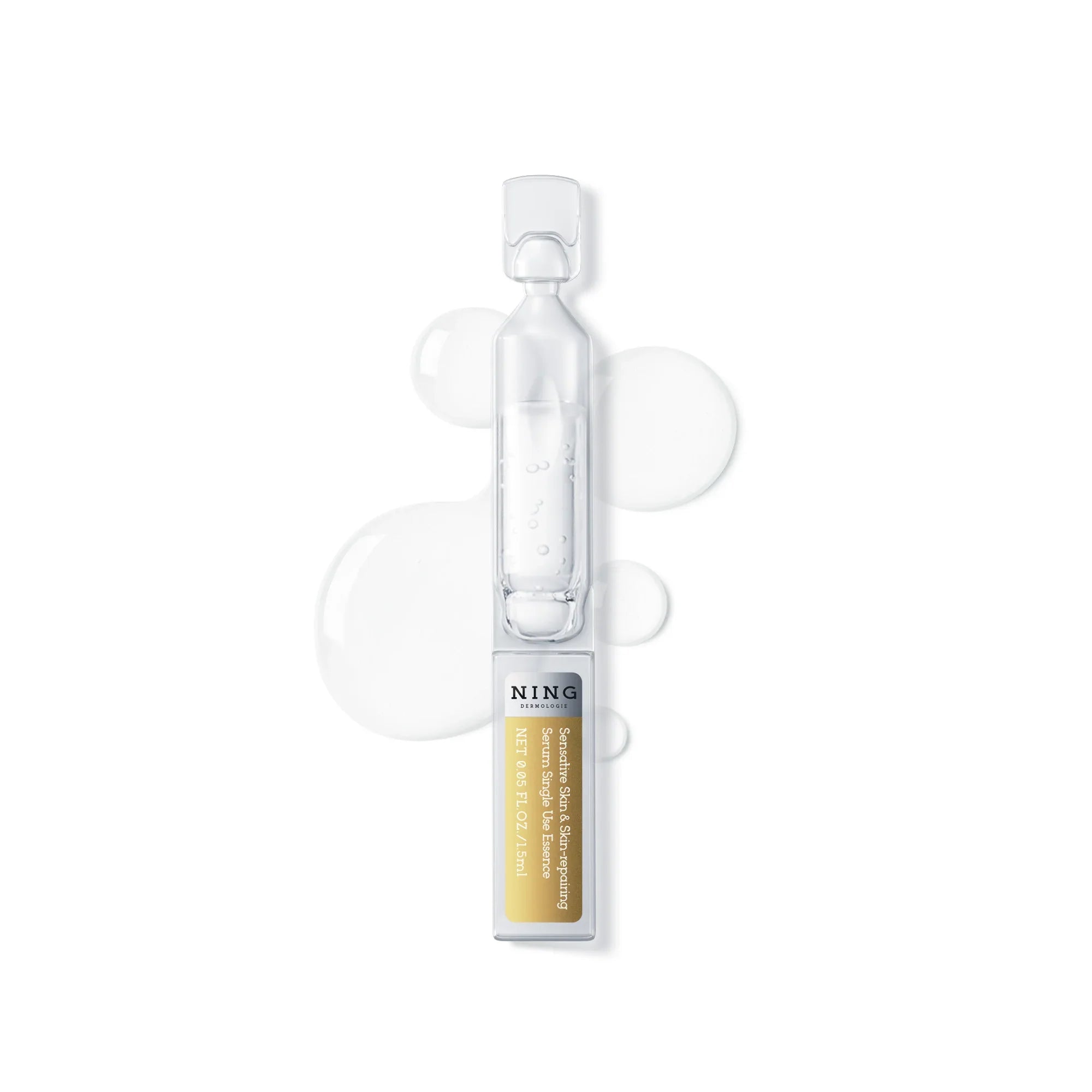
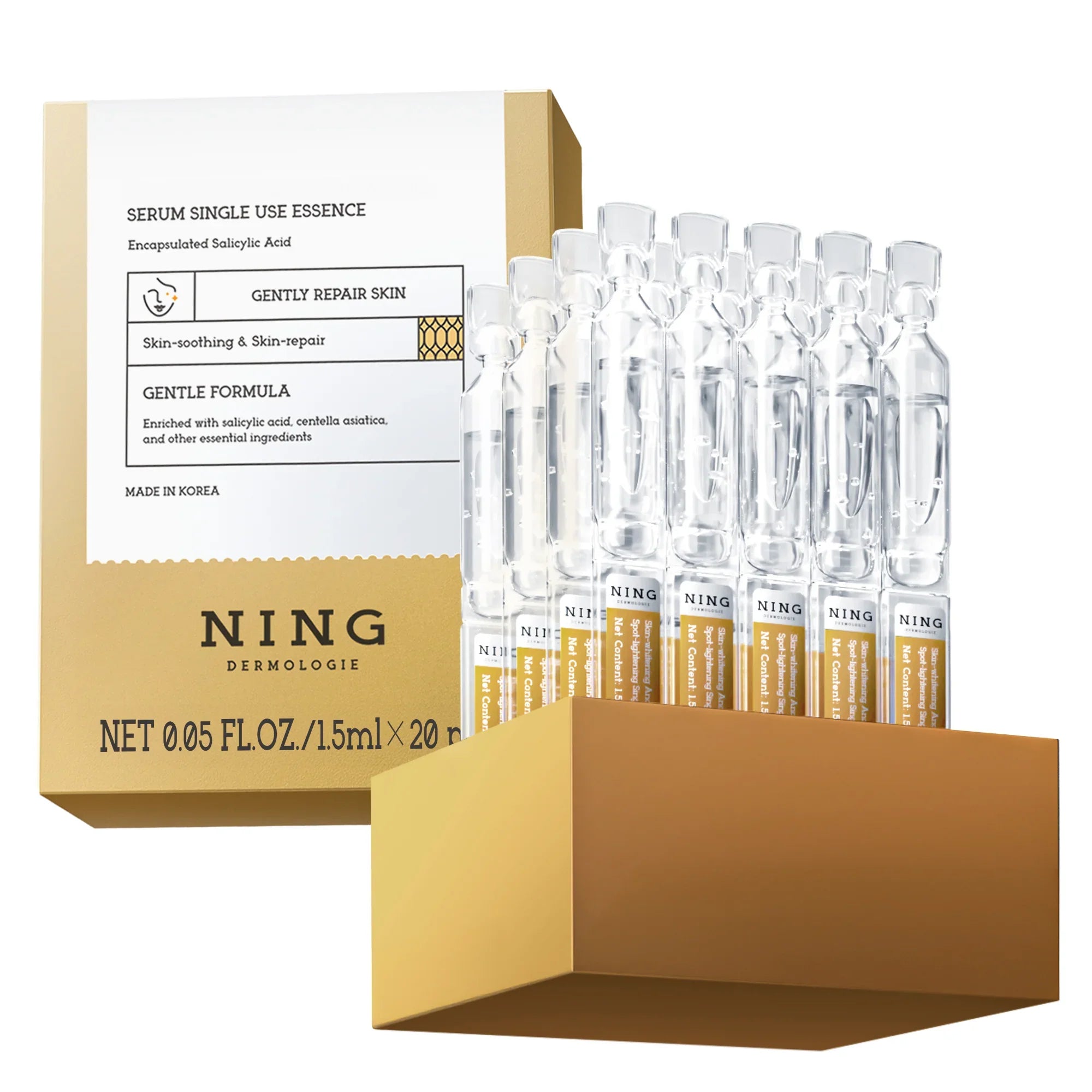
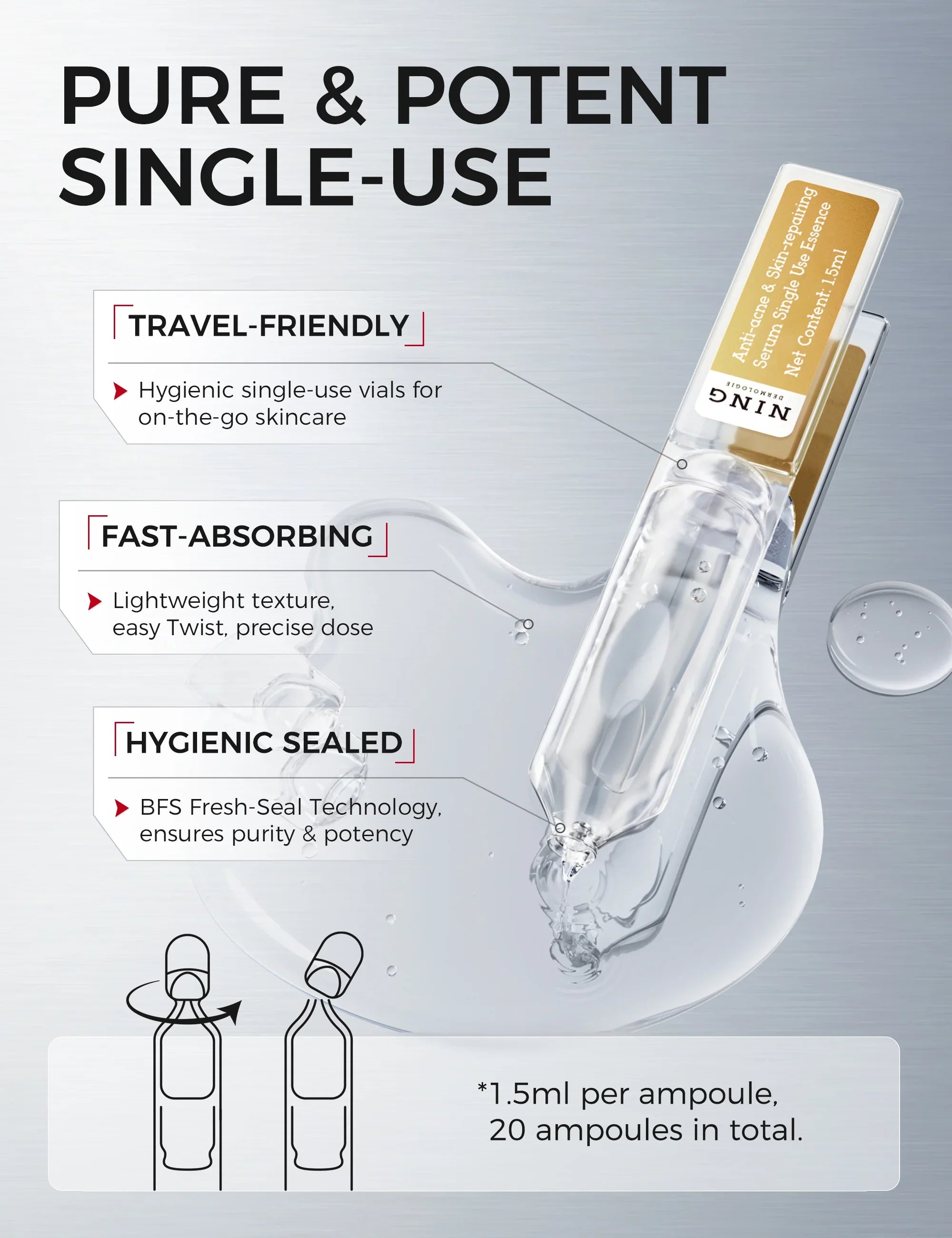
The NING Dermologie 2% Salicylic Acid Serum isn't just acid in water. We understand that acne-prone skin is also sensitive skin. Our formula is designed to deliver the maximum benefits of salicylic acid—unclogging, exfoliating, clarifying—while respecting the integrity of your skin.
We don't believe in "purging" that lasts for months. We believe in efficient, smart formulations that leave the skin feeling refreshed, not stripped. Whether you are battling a sudden breakout or managing long-term congested skin, this serum is the targeted solution your daily skincare routine is missing.
Final Thoughts: Consistency is Key
Skincare is not a sprint; it's a marathon. You likely won't see perfect skin overnight. However, with regular use of salicylic acid, you will notice fewer blackheads, smaller-looking pores, and a complexion that looks smoother and brighter.
Do not wait for the next breakout to strike. Be proactive. Transform your skincare routine by adding the power of BHA today. Your pores will thank you.
Frequently Asked Questions (FAQ)
1. Can I use salicylic acid if I am pregnant?
Doctors generally recommend caution with high concentrations of salicylic acid during pregnancy. While low concentrations in over-the-counter products (under 2%) are often considered low risk for topical use, oral salicylic acid is a definite no. However, to be completely safe, many dermatologists suggest switching to glycolic acid or lactic acid during pregnancy. Always consult your obstetrician before continuing your salicylic acid use while expecting.
2. Will salicylic acid cause my skin to "purge"?
Yes, it is possible. Because salicylic acid works to speed up cell turnover and unclog pores, gunk that was trapped deep in the layers of the skin might rise to the surface faster. This can look like a sudden cluster of whiteheads. This "purge" usually lasts 2 to 4 weeks. If you are still breaking out after 6 weeks, it might be a reaction to the product, not purging.
3. Can I use salicylic acid serum in the morning?
Technically, yes, you can use it in the morning and evening. However, because it exfoliates the skin, it can make you more sensitive to sunlight. If you choose to apply it in the AM, you must be diligent about applying a broad-spectrum sunscreen (SPF 30 or higher). Most skincare enthusiasts prefer using it at night to minimize this risk and layer it with heavier night creams.
4. How long does it take to see results?
You might notice your skin feeling softer the next morning. However, for deep cleaning of pores and reduction of blackheads, it typically takes 4 to 6 weeks of regular use. Acne treatments require patience because they need to work through the skin's natural 28-day cycle. Stick with your new skincare habit and don't give up too early.
5. Can I use salicylic acid with Vitamin C?
You can, but it’s tricky. Both are acidic and can cause irritation if layered directly on top of one another. A safer bet is to use Vitamin C in the morning (for antioxidant protection) and salicylic acid in the evening (for exfoliation). If you have tough skin and want to use them together, wait 15 minutes between applications to let the pH neutralize.
6. Is salicylic acid good for body acne?
Absolutely. The same properties that make it great for your face—being oil-soluble and deep-penetrating—make it excellent for "bacne" (back acne) or chest breakouts. Since the skin on your body is thicker than your face, it generally tolerates salicylic acid products very well. You can use the NING Dermologie serum as a spot treatment for stubborn body blemishes effectively.





Share:
The Science of Clear Skin: Best Salicylic Acid Serums
The Science Behind Green Clay Masks: What Makes Them So Effective?