

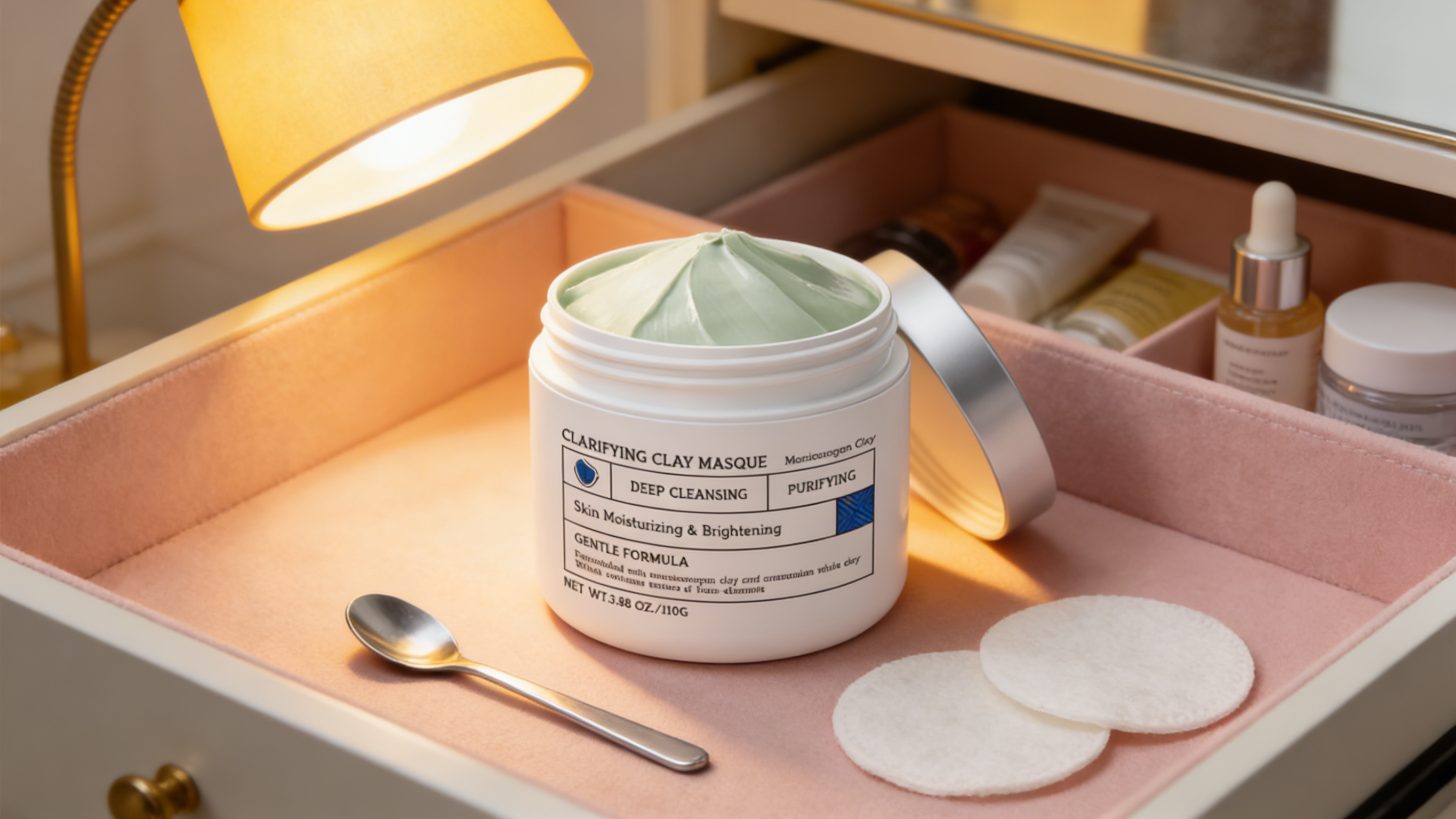

The Real Science Behind the Squeeze: Why Your Skin Craves Green Clay
Let’s be honest: there is something oddly satisfying about watching a clay mask dry on your face. You see those tiny little dots appearing over your pores? That’s not just "magic"—that’s a high-stakes chemical extraction happening in real-time. But if you’ve ever rinsed off a face mask only to find your skin feeling like a desert or, worse, breaking out in an angry red protest, you’ve probably realized that the science behind clay masks isn't as simple as "smear mud on face, get clear skin."
At NING Dermologie, we’re a bit obsessive about the science of clay. We don’t believe in "one-size-fits-all" skincare. The type of clay you choose determines whether you’re giving your facial skin a spa-grade detox or just stripping your skin barrier function to the bone.

What Is This Stuff, Anyway? (The Science Behind Clay)
Clay comes from the earth, but it’s not just dirt. It’s a sophisticated structural matrix of clay minerals formed over millennia through the weathering of volcanic ash and rocks. Under a microscope, clay particles look like tiny, stacked plates or honeycomb structures.
The science behind clay boils down to a fascinating electrical interaction. Most impurities from the skin—think toxins, heavy metals, and certain bacteria—carry a positive charge. Conversely, many types of clay, particularly bentonite clay and french green clay, are negatively charged clay.
When a clay facial mask is applied to the skin, it acts like a biological magnet. The negatively charged clay particles bind to the positively charged grime trapped in your pores. As the mask dries, it creates a physical "pull," removing impurities from the skin and lifting away dead skin cells that your daily cleanser probably missed.
Not All Mud Is Created Equal: Different Types of Clay
If you have oily skin, you’re looking for a vacuum cleaner. If you have sensitive skin, you need a gentle hug. Choosing the wrong clay face mask is the fastest way to irritated skin.
1. French Green Clay (The Heavy Lifter)
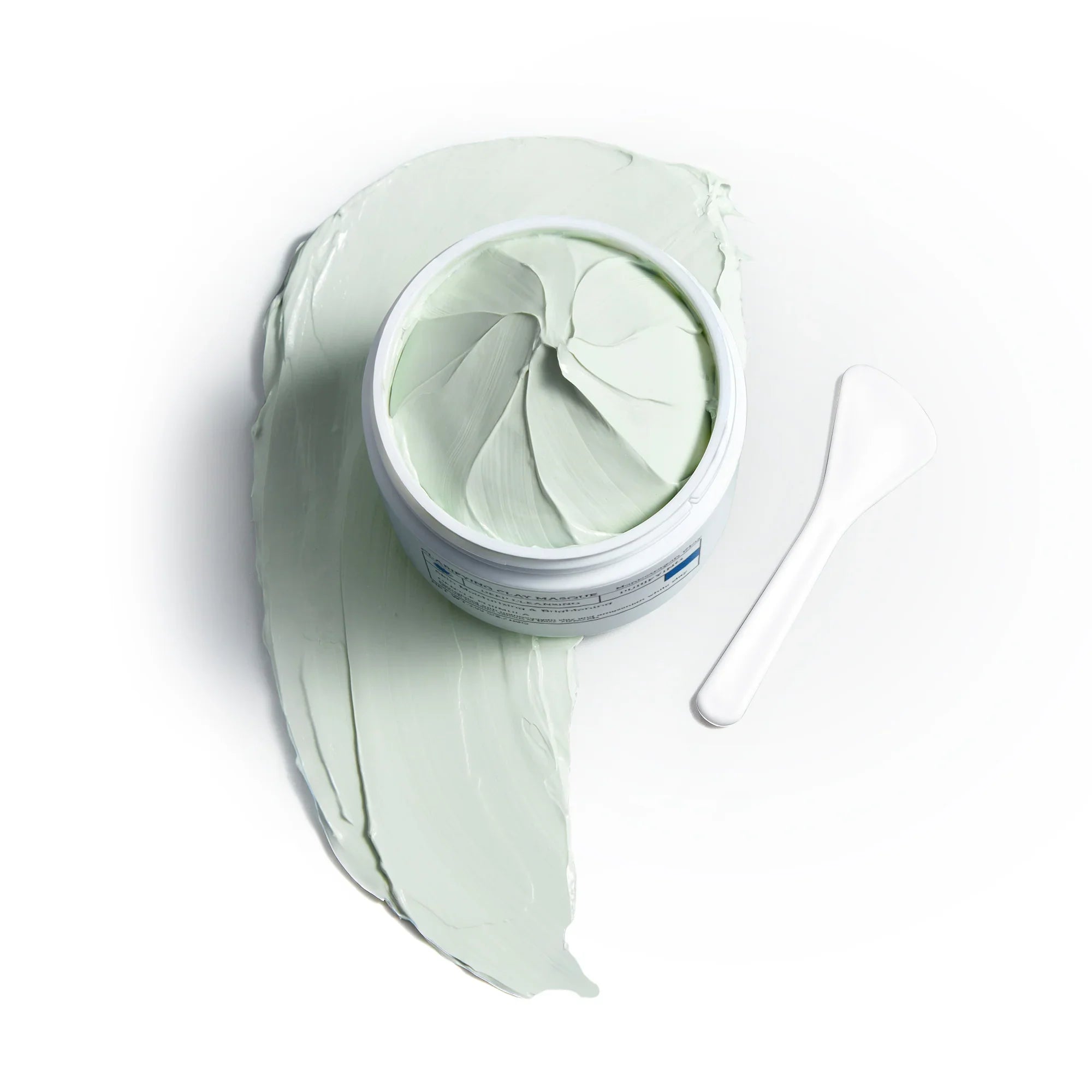
Also known as Illite, french green clay is the gold standard for oily and acne-prone skin. Its vibrant color isn't a dye; it comes from decomposed plant matter and iron oxides. This type of clay provides an intense "draw," making it highly effective at managing skin oiliness. It doesn't just sit there; it actually stimulates blood flow to the surface, which is why your face might feel warm or look a bit pink after using a clay mask.
2. Bentonite Clay (The Detox King)
Born from aged volcanic ash, bentonite is the most absorbent type of clay used in skincare. It can swell up to several times its dry mass when wet. This makes it a beast at sucking out excess oil, but it’s often too aggressive for dry skin or mature skin.
3. Kaolin Clay (The Gentle Giant)
Kaolin clay is a gentle alternative for those who find other masks too "tight." It’s often used in clay masks formulated for sensitive skin. It doesn't strip the skin; it mildly exfoliates and boosts skin texture without disrupting the skin barrier function. This is the star ingredient in our Clay Mask for Face Sensitive Skin.
4. Rhassoul Clay (The Mineral Booster)
Sourced from the Atlas Mountains of Morocco, rhassoul clay is unique because it’s rich in silica and magnesium. It’s excellent for combination skin, as it helps cleanse without being overly dehydrating.
How Clay Masks Work: The Three Phases
To understand the skin benefits, you have to watch the mask work through its life cycle on your face:
1. Phase 1: The Damp Phase. This is when the facial mask is wet. Your skin drinks in the clay minerals (like calcium and potassium). This is when the science behind clay masks is most active in nourishing the facial skin.
2. Phase 2: The Cooling Phase. The mask begins to dry. This is when the clay particles start to contract and the "magnetic" pull on excess oil and impurities happens. This phase helps tighten the skin and reduce the appearance of large pores.
3. Phase 3: The Dry Phase. Stop right here. Most people wait until the mask is cracking and they can’t move their eyebrows. This is a mistake. When the mask dries completely, it starts drawing moisture out of your skin cells, leading to flaky skin and a reduced skin moisture level.
Pro-Tip from NING Dermologie: Rinse your clay face mask off while it still feels slightly tacky to the touch. You want the skin benefits, not the dehydration.
Why a Green Clay Mask is Good for Your Skin
If you struggle with acne or skin oiliness, a green clay mask is non-negotiable. Acne-prone skin usually suffers from a "clogging" problem—a mix of excess oil and dead skin creates a plug in the pore.
The science of clay allows these masks to penetrate that plug. By removing impurities from the skin, the clay helps keep the skin clear and reduces the frequency of breakouts. Furthermore, the minerals in the clay support skin healing, helping those red marks from old acne fade faster.
For those with oily or combination skin, incorporating a clay mask into your weekly routine can actually help "train" your skin. By consistently removing the surface excess oil, you can help balance oil production over time, leading to a less "greasy" look by midday.
Special Care for Sensitive and Dry Skin
There’s a common myth that if you have dry skin, you should stay far away from clay. That’s not entirely true. You just need to be pickier about the science behind the formula.
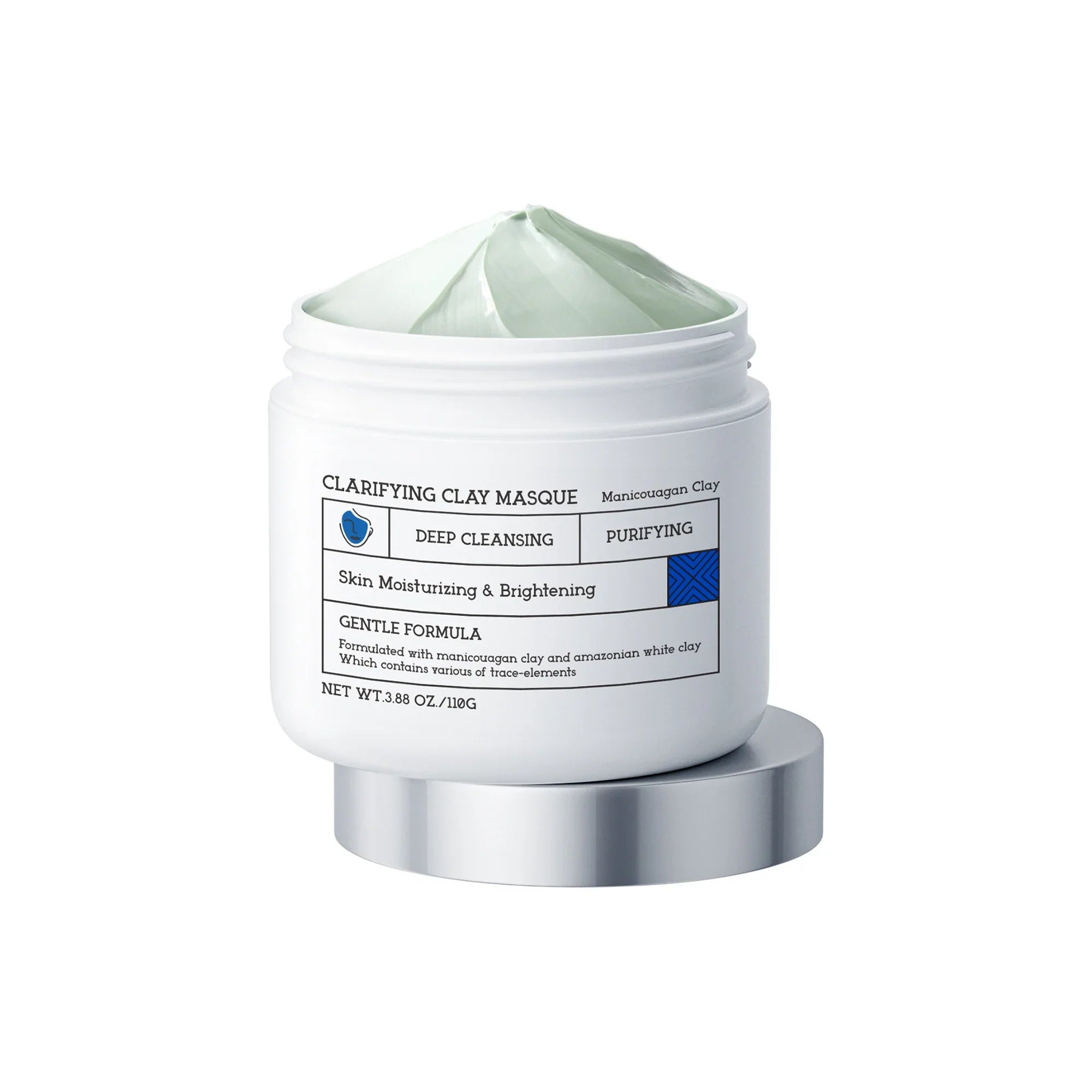
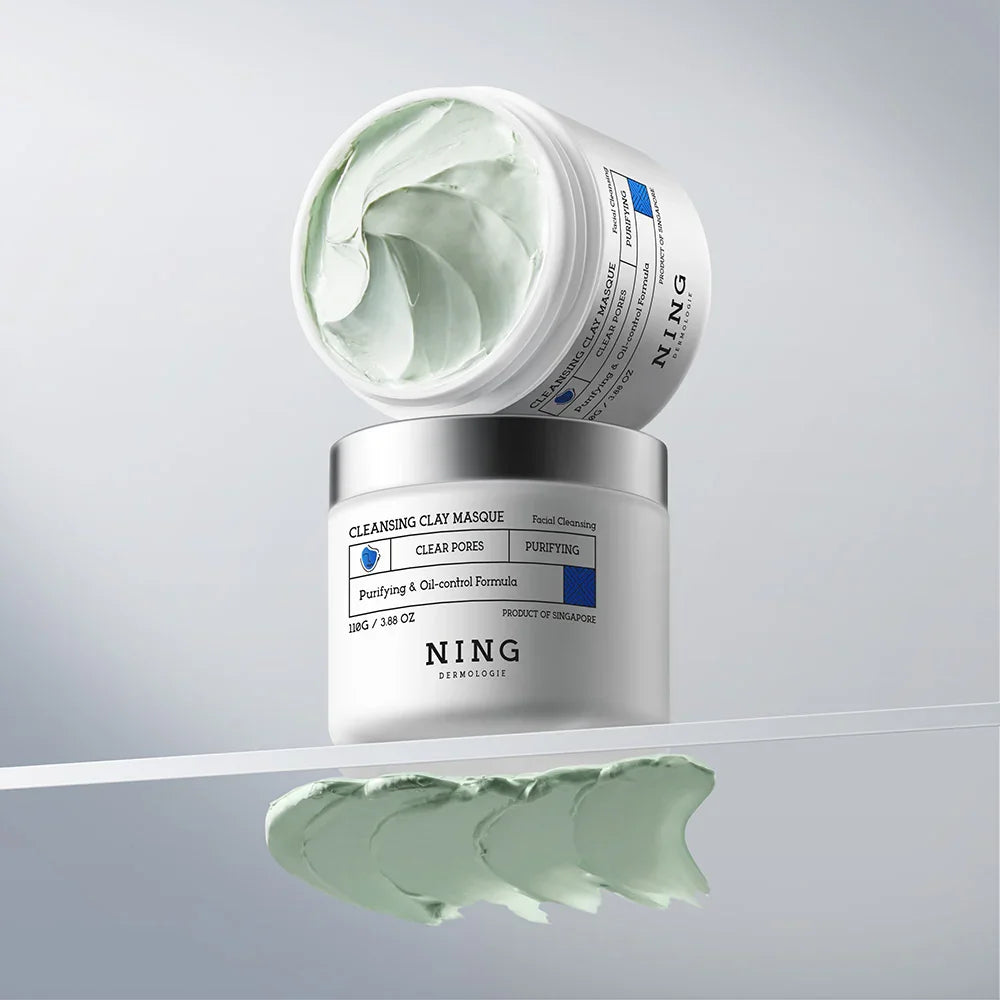
Sensitive skin needs a clay facial mask that prioritizes soothing agents alongside the clay. Our NING Dermologie Clay Mask for Face Sensitive Skin uses a high-purity kaolin base. This ensures you get the many benefits of a deep cleanse without the irritated skin that comes from more aggressive volcanic clays.
Tips for Dry/Sensitive Types:
- Only use a clay mask once a week or even once every two weeks.
- Look for "creamy" masks rather than powder masks or powder clay. Cream-based clay masks provide a buffer that protects your natural oils.
- Always follow up with a rich moisturizer to seal in the improvements in skin hydration.

How to Maximize the Benefits of Using Clay
To get the most out of your skincare ritual, follow these NING Dermologie steps:
-
Prep: Use a gentle cleanser first. Clay masks work best on skin that doesn't have a layer of makeup or heavy sunscreen blocking the pore.
-
Steam: If you can, use a clay mask after a warm shower. The warmth softens the sebum, making it easier for the clay to work its magic.
-
Apply: Use a brush or clean fingers. Don't go too thin—you want a visible layer so the mask begins to dry evenly.
-
Listen to your skin: If it starts to itch or feel painfully tight, rinse it off immediately. Many clay masks are powerful; you don't need to suffer for the skin benefits.
-
The Aftercare: After removing impurities, your pores are clear and ready to absorb active ingredients. This is the perfect time to apply a Vitamin C serum or a hyaluronic acid booster.
The Bottom Line
Understanding the science behind your products makes you a smarter consumer. Clay is also one of the oldest skincare tools in human history for a reason: it works. Whether you’re using french green clay to combat acne or a gentle kaolin to detoxify the skin, the science behind clay masks ensures a cleaner, brighter, and more balanced complexion.
Ready to see what the science of clay can do for you? Check out our curated clay masks formulated for every skin type at NING Dermologie.
Frequently Asked Questions (FAQ)
1. Can I use a clay mask every day if I have very oily skin?
No, even for the most oily skin, daily use is overkill. The science behind clay masks is based on deep absorption. Using them daily will trick your skin into thinking it's too dry, which can actually trigger a "rebound" effect where your oil production increases to compensate. Stick to 2–3 times a week for oily or acne-prone skin to keep the skin clear without damage.
2. Why does my skin feel tingly or warm when using french green clay?
This is often the science behind clay in action! French green clay and bentonite clay increase local blood circulation (vasodilation) as they draw out impurities from the skin. A slight tingle is normal. However, if the sensation turns into burning or leads to irritated skin, the type of clay used might be too strong for your skin type.
3. Should I let the clay mask dry until it cracks?
Absolutely not. This is a common skincare mistake. When the mask dries to the point of cracking, it has passed the "absorption phase" and entered the "dehydration phase," where it begins to suck essential moisture out of your cells. To reap the maximum skin benefits, rinse the facial mask off when it is still damp and feels like "Post-it note" tacky.
4. Are powder masks better than pre-mixed cream clay masks?
Powder masks allow you to customize the liquid (using honey or rose water), but they can be messy and hard to balance. Clay masks formulated as creams, like those from NING Dermologie, are usually better because they include humectants and oils that prevent the clay from being too harsh, making them good for your skin regardless of sensitivity.
5. Can I use a clay mask on sensitive or dry skin?
Yes, but you have to use either kaolin clay or rhassoul clay as a base. Stay away from the heavy "detox" bentonite mixes. If you have sensitive skin, use a clay face mask that is made for your skin type, like our Clay Mask for Face Sensitive Skin. Only use it once a week to keep the skin barrier from getting damaged.
6. Do clay masks actually shrink pores?
Pores don't have muscles, so they can't physically "shrink." However, when clay masks work to remove dead skin and excess oil, the pore becomes empty and clean. A clean, empty pore reflects less light and appears much smaller. Regular use leads to visible improvements in skin texture and the "illusion" of smaller pores by keeping them clear of debris.






Share:
Transform Your Skincare Routine with Salicylic Acid Serum
Green Clay vs. Bentonite Clay: Which Mask is Right for You?