

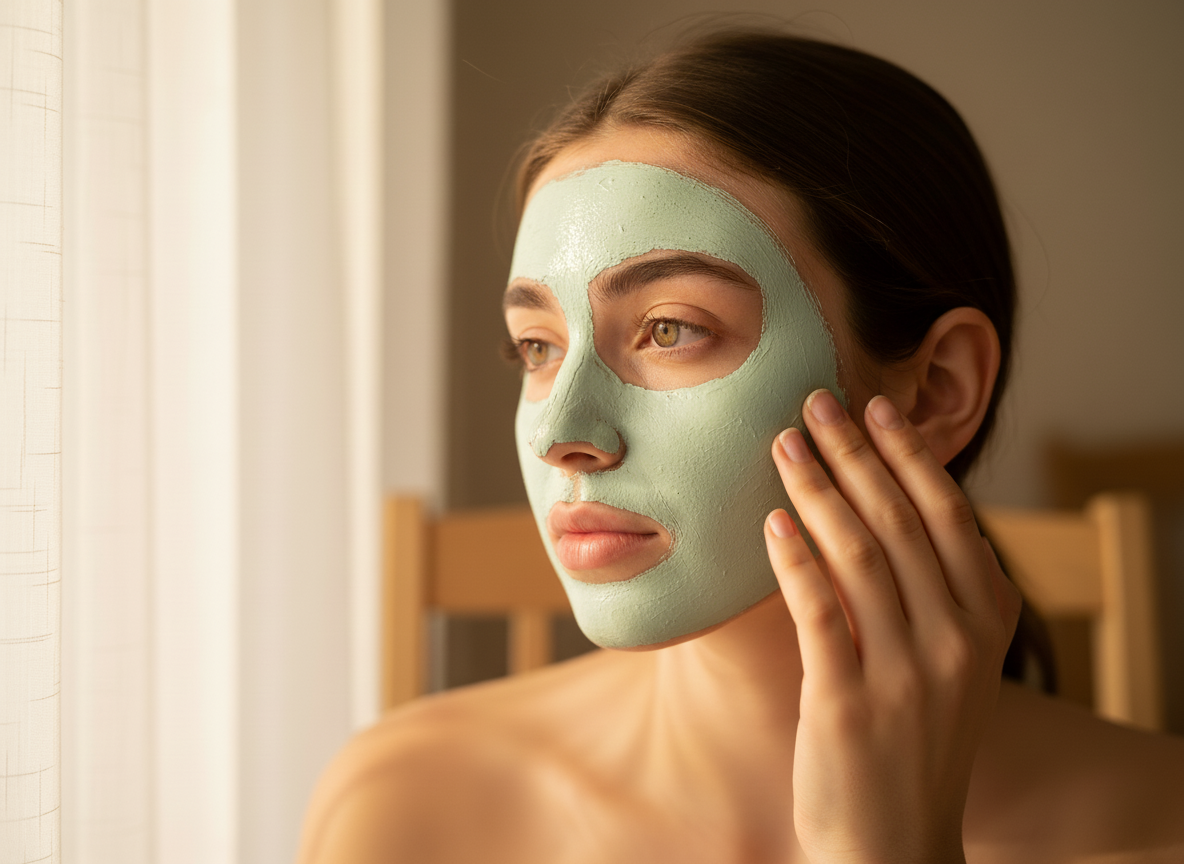

Green Clay vs. Bentonite Clay: Why Your Skin is Screaming for the Right Choice
Stop scrolling and look at that jar of mud in your bathroom. Is it actually helping, or are you just painting your face green because a TikTok trend told you to?
Choosing the right clay mask isn't just about picking a color that matches your bathrobe. It’s a chemical game. If you have sensitive skin and you slather on a high-tension bentonite clay, you aren't "detoxifying"—you’re basically inviting a chemical burn to dinner. On the flip side, if you're an oil slick and you use a whisper-light kaolin, you’ll wake up with the same clogged pores you started with.
At NING Dermologie, we’re tired of the "one-size-fits-all" mud myth. Let’s break down the type of clay that actually belongs on your face.

The Heavyweight Champion: Bentonite Clay
If bentonite clay had a personality, it would be a high-powered industrial vacuum. Often created from volcanic ash, this type of clay is famous for its strong negative charge.
Why does that matter? Most impurities from the skin—toxins, heavy metals, and nasty bacteria—carry a positive charge. When you hydrate bentonite (never use a metal spoon, by the way; it ruins the charge), it acts like a magnet. It can absorb more than its mass in excess oil from the skin.
Is it right for your skin?
- Oily and acne-prone skin: This is your holy grail. It’s the core of the famous Aztec Secret Indian Healing Clay. It goes deep to unclog pores and yank out sebum that’s been sitting there since last Tuesday.
- The Warning: If you have dry skin types, stay away. Bentonite is so highly absorbent that it will strip your natural lipid barrier, leaving you red and flaky.
The Refined French Sophisticate: French Green Clay
French green clay (also known as Illite) gets its hue from a mix of iron oxide and decomposed plant matter—think ancient seaweed and algae.2 It’s a cosmetic powerhouse for normal to oily skin.
Unlike bentonite, which just sucks everything out, French green clay focuses on cleansing and purifying while boosting blood flow.3 It’s a "living" clay that brings minerals back into the skin while it exfoliates dead skin cells.
Why choose this?
If you struggle with a dull complexion and blackheads, this is the clay for your skin. It offers a fine texture that works to improve overall skin texture without the "shrinking-wrap" feeling of bentonite. It’s the bridge between deep detoxification and surface refinement.
The Gentle Peacekeeper: Kaolin Clay
If the first two clays are power tools, kaolin (white clay) is a silk cloth. It’s the gentlest clay used in skincare.
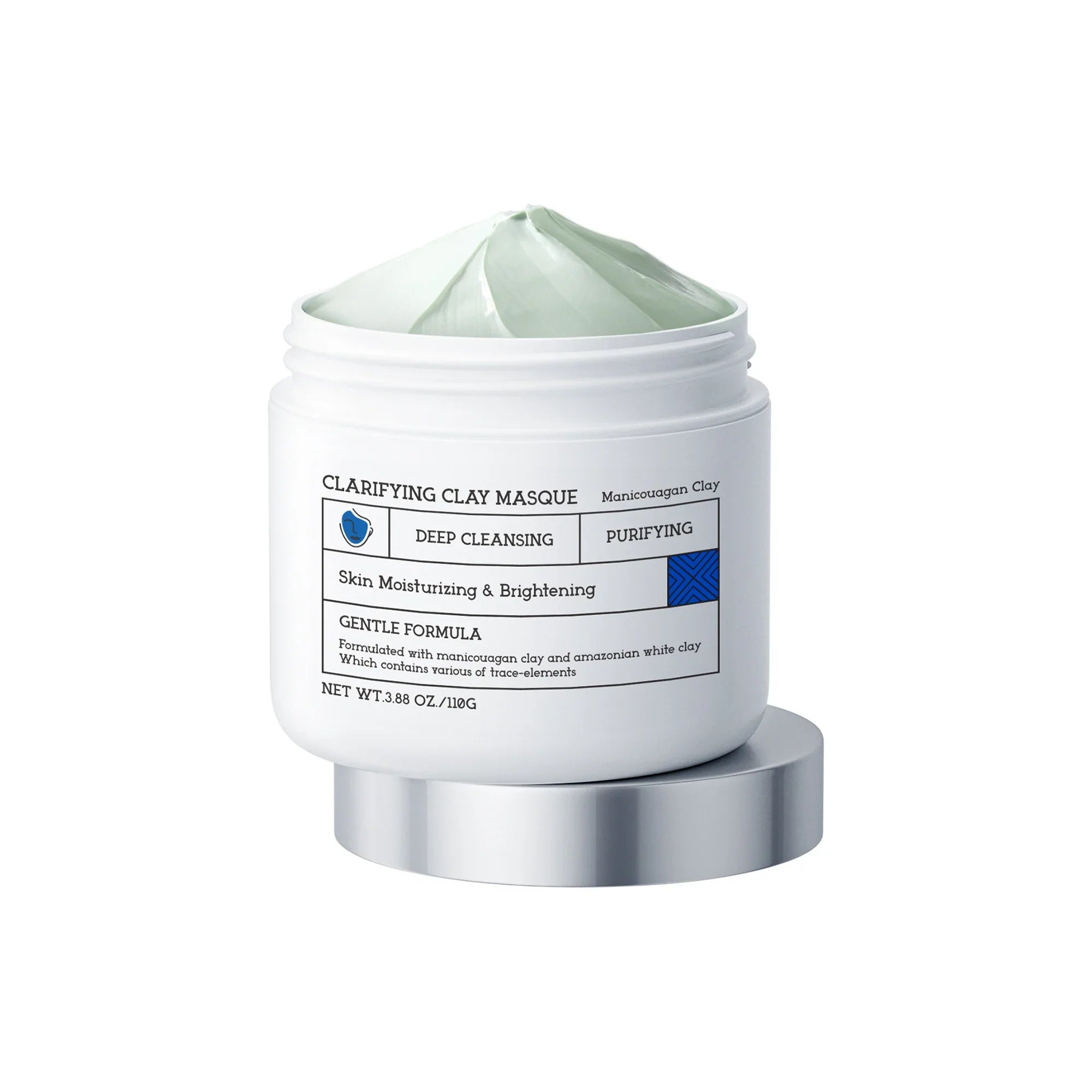
Kaolin clay doesn't really "pull" as much as it "soaks." It gently cleanses the surface without stripping your natural oils. This is why we chose it as a primary base for the NING Dermologie Clay Mask for Face Sensitive Skin.
Who is this for?
- Sensitive skin: If your face turns red just looking at a scrub, kaolin is your best friend.
- Dry skin: It helps remove impurities while keeping your moisture intact.
- The Pink Variant: You might have seen the pink clay mask trending. That’s just kaolin mixed with a bit of red iron oxide. It’s great for a glow, but it’s still essentially a gentle kaolin base.
The Exotic Contenders: Rhassoul, Sea Clay, and Fuller’s Earth
Don't stop at the big three. Depending on your skin type, you might need something more niche:
-
Rhassoul Clay: Sourced from the Atlas Mountains, this earth clay is rich in minerals like magnesium and silica. It’s unique because it’s effective in drawing out impurities but also leaves the skin feeling silky, not dry. Great for skin and hair.
-
Fuller’s Earth: This is the nuclear option for hyperpigmentation. Fuller’s earth (Multani Mitti) is a potent oil-absorbing clay that actually has mild bleaching properties. Use with caution.
-
Sea Clay: High in saline and algae, sea clay is fantastic for clearing acne while hydrating. It’s like a spa day for normal skin.
How to Choose: The NING Dermologie Guide
Choosing the right clay mask shouldn't be a guessing game. Follow this cheat sheet:
| Skin Concern | Recommended Type of Clay | Why? |
| Active Acne/Oily Slick | Bentonite Clay | Maximum absorbent properties to kill sebum. |
| Dullness/Blackheads | French Green Clay | Exfoliate and stimulate circulation. |
| Redness/Sensitive/Dry | Kaolin Clay | Cleanse without the trauma. |
| Combination Skin | Rhassoul or Pink Clay | Balance of cleansing and purifying. |
A Note from the Dermatologist
If you’re dealing with cystic acne or rosacea, talk to a dermatologist before DIY-ing a heavy clay mask. Putting a strong negative charge clay on broken skin can lead to more inflammation. For most people, choosing the right product means looking for a pre-balanced formula like our Clay Mask for Face Sensitive Skin, which blends kaolin with soothing botanicals to avoid the "crack and bleed" effect of raw clays.

Application Secrets: You’re Probably Doing it Wrong
Most people wait for their clay mask to become a desert wasteland on their face before washing it off. Don't do that.
There are three phases of a clay mask:
-
The Wet Phase: Your skin drinks in the minerals.
-
The Cooling Phase: The clay begins to contract, and the absorbent process starts.
-
The Dry Phase: This is where the clay starts drawing moisture from your skin.
Pro Tip: Wash it off when it’s still a bit tacky. If it’s crumbling off your face like volcanic ash, you’ve gone too far.
The NING Dermologie Difference
We believe skincare should be a care regimen, not a chore. Many clays on the market (looking at you, Mountain Rose Herbs or bulk Fuller) are great for DIY but can be too aggressive for daily use.
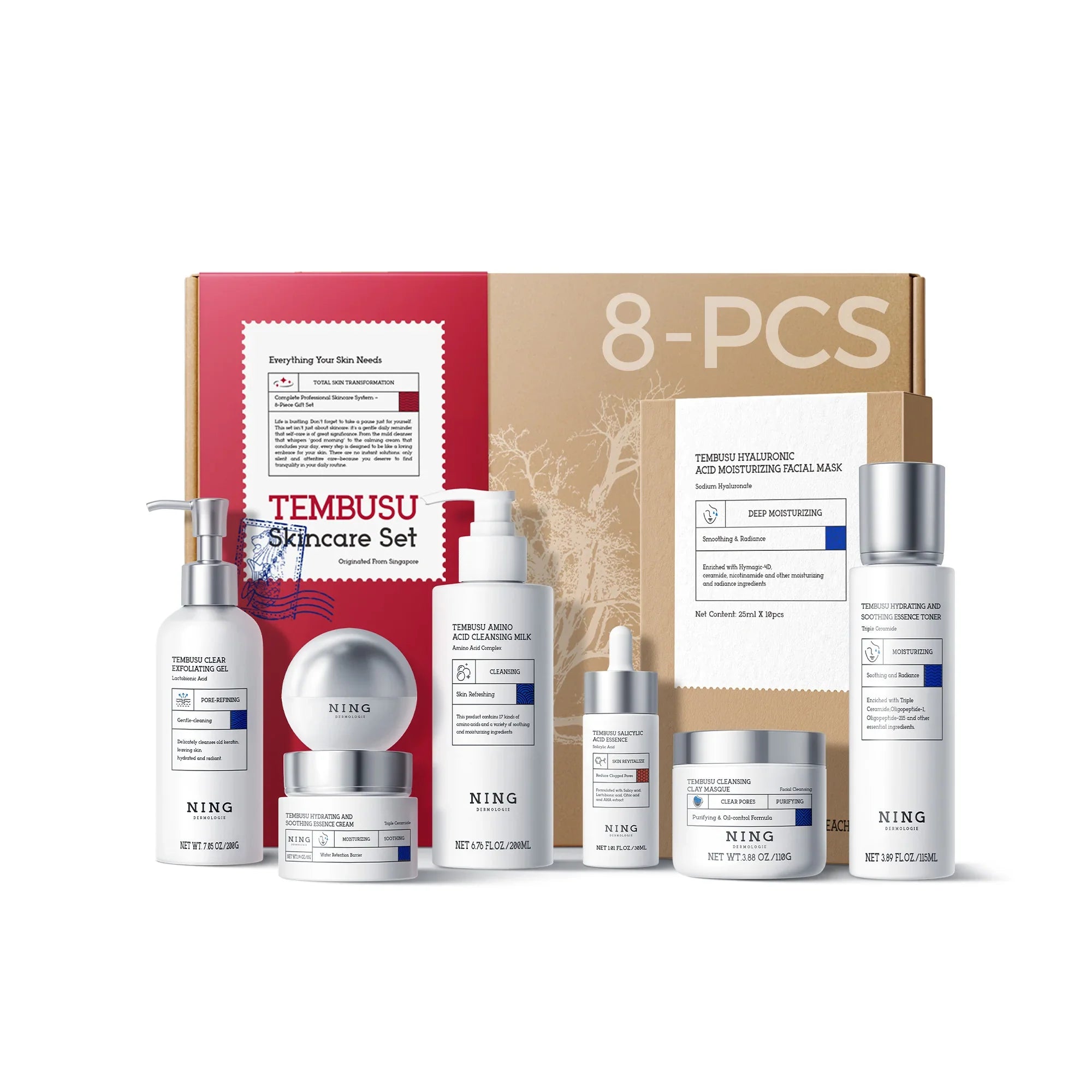
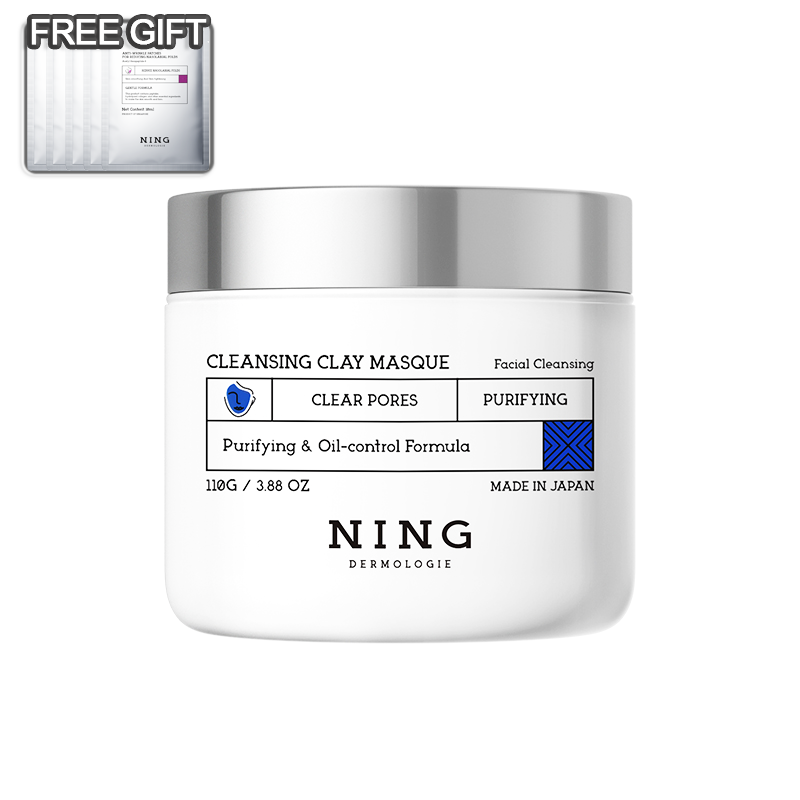
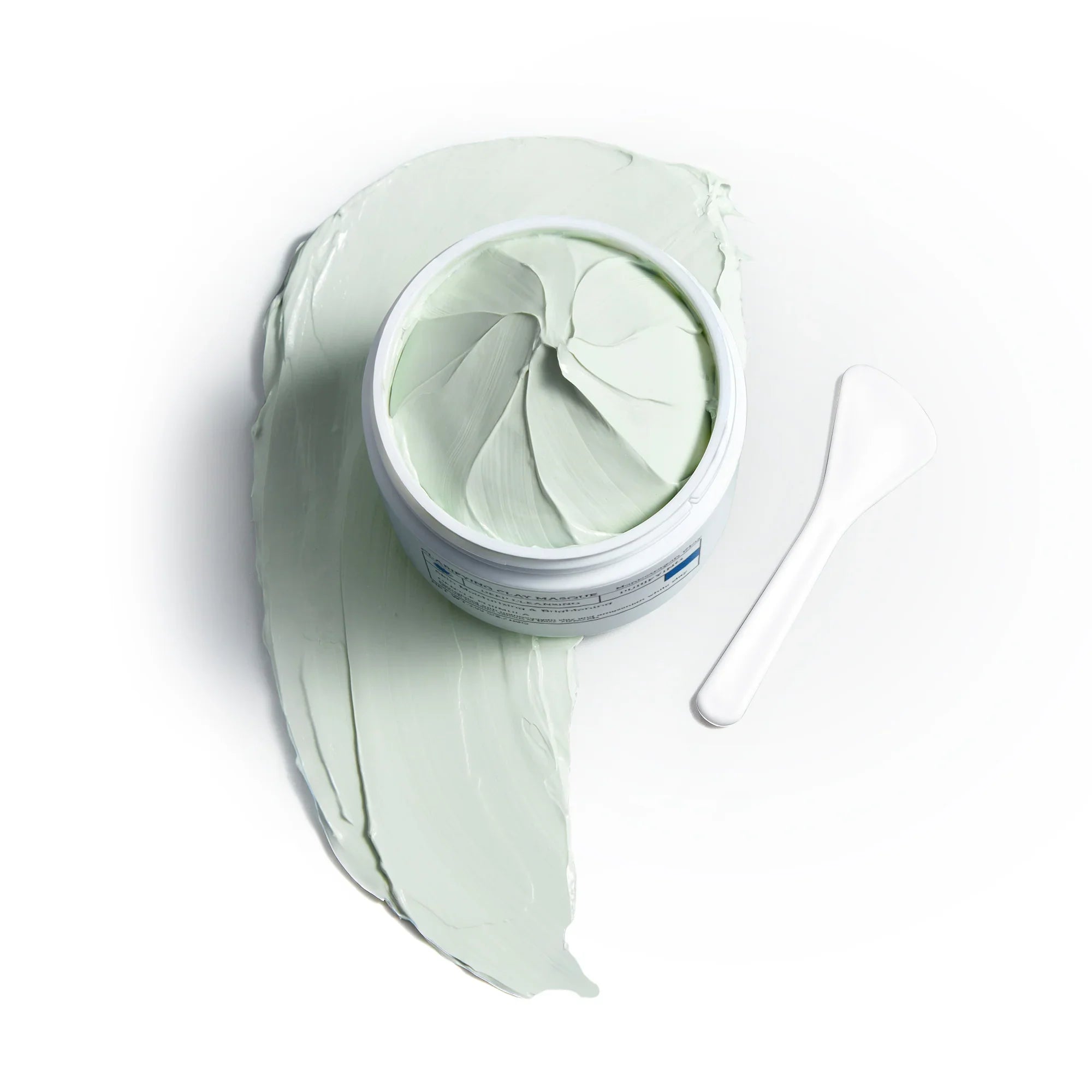
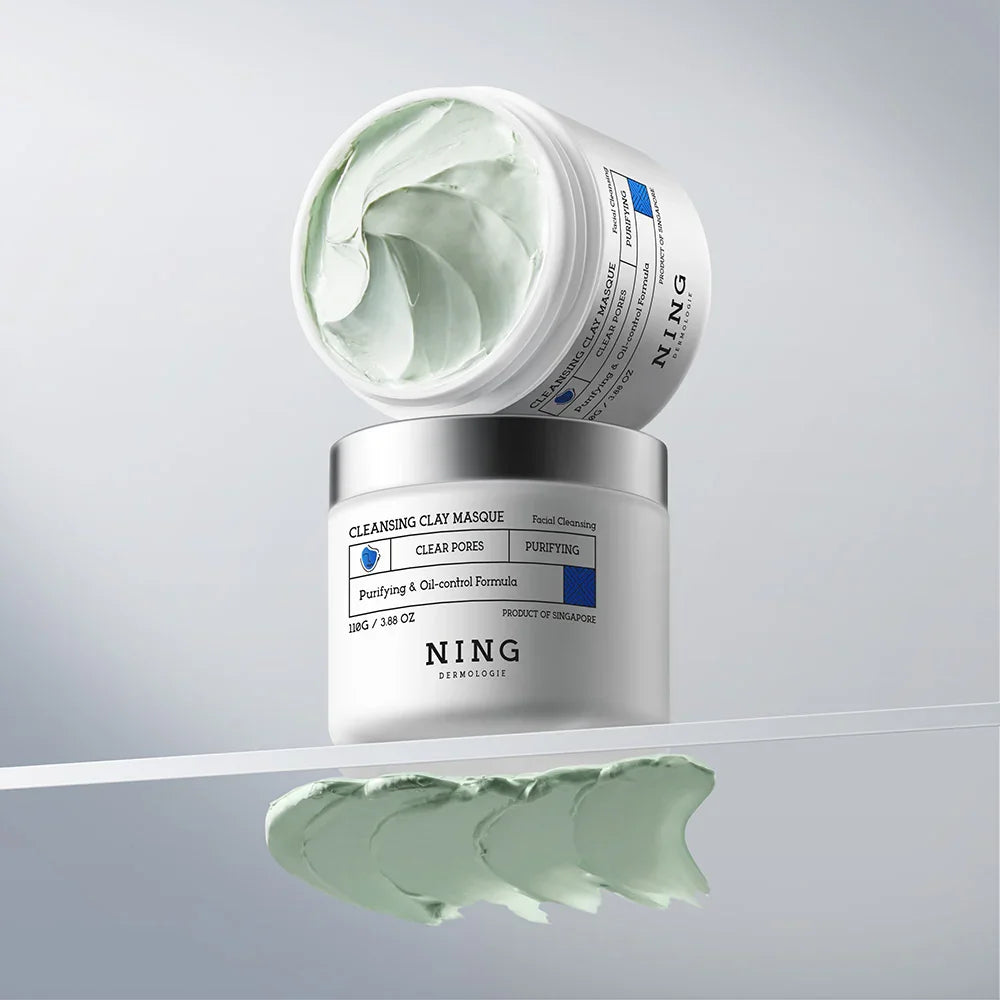
Our Clay Mask for Face Sensitive Skin is formulated to unclog pores while respecting the skin's pH. We’ve mitigated the "strip" by ensuring the clay ultimately leaves a hydrated finish. Whether you are choosing the right clay mask for a Sunday reset or targeted clearing acne, the quality of the earth matters.
Frequently Asked Questions (FAQ)
1. How often should I use a bentonite clay mask?
If you have oily or acne-prone skin, once or twice a week is plenty. Because bentonite clay is highly active, using it daily will trigger "rebound oiliness"—your skin panics because it’s too dry and produces even more oil. For those with various skin types, listen to your face. If it feels tight or itchy the next day, scale back.
2. Can I use French green clay on my hair?
Absolutely. French green clay is excellent for skin and hair.7 It acts as a natural shampoo by absorbing excess oil from the scalp and removing impurities from hair follicles.8 It’s particularly helpful if you use a lot of styling products. Just ensure you rinse thoroughly; you don’t want green "dust" left in your locks.
3. Is kaolin clay better than bentonite for sensitive skin?
Yes, without a doubt. Kaolin has a much lower absorbent capacity and a neutral pH. While bentonite clay can be quite alkaline and aggressive, kaolin clay focuses on a fine texture that gently cleanses.9 It’s the right clay mask for anyone prone to redness or sunburn recovery.
4. Why does my face turn red after a clay mask?
A little redness is normal—clays like french green clay increase blood circulation (vasodilation).10 However, if it stings or stays red for hours, the type of clay was too strong, or you let it get too dry. Always follow up with a heavy moisturizer to replenish the dead skin cells you just lifted away.
5. Can I mix different types of clay?
Multi-masking is the professional way to handle complexion issues. Use bentonite clay on your oily T-zone (forehead, nose, chin) and a kaolin clay or pink clay mask on your drier cheeks. This ensures you unclog pores where needed without dehydrating the rest of your face. It’s all about choosing the right tool for the specific area.
6. Does NING Dermologie's mask help with blackheads?
Yes. Our Clay Mask for Face Sensitive Skin uses a refined kaolin and bentonite blend specifically designed to soften the "plug" of clogged pores. By cleansing and purifying the pore wall without causing inflammation, it makes blackhead removal much easier and prevents new ones from forming. You can find it at ningcos.com.





Share:
The Science Behind Green Clay Masks: What Makes Them So Effective?
Exploring the Origins and History of Green Clay in Beauty Treatments