

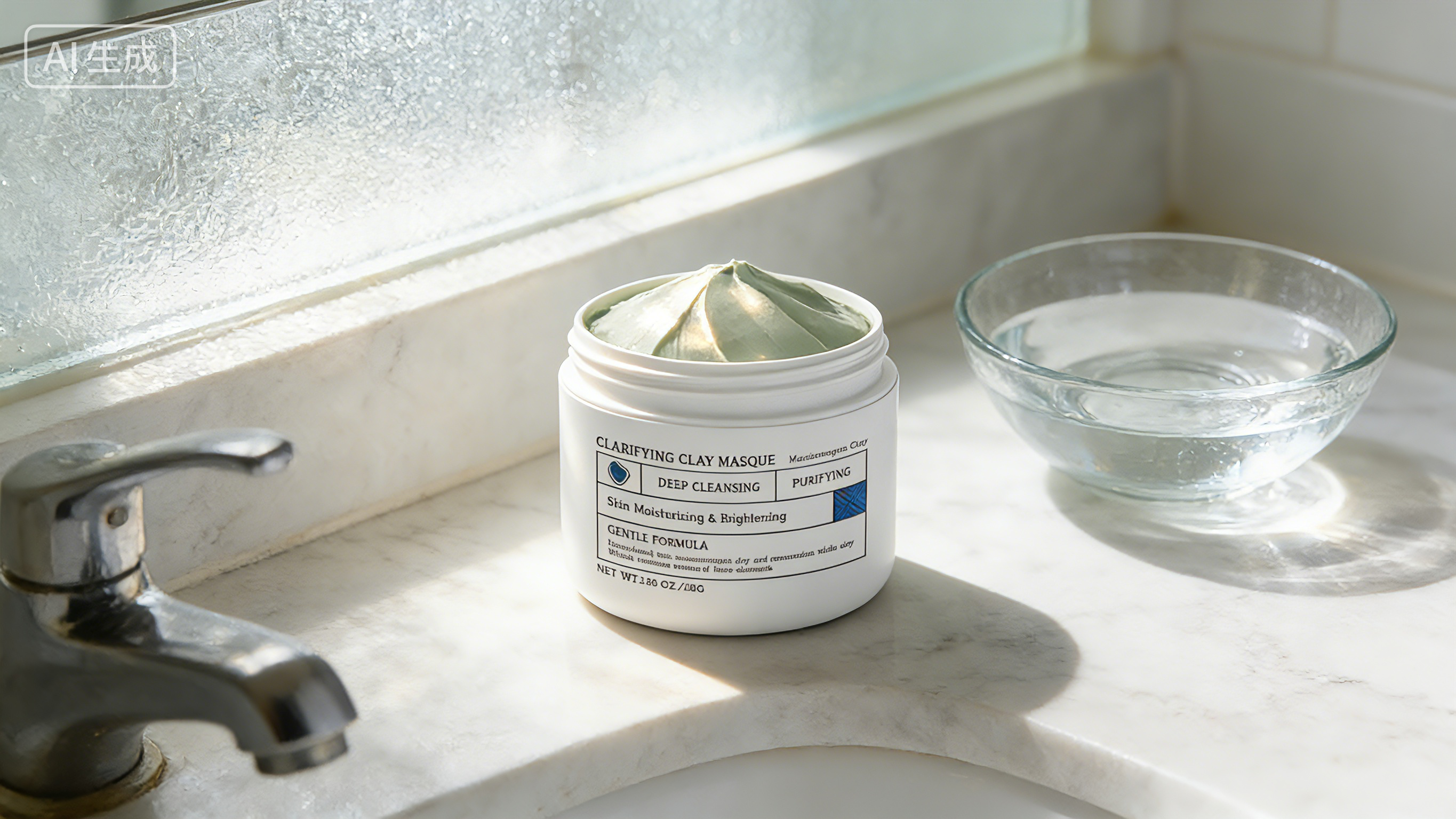

The Mud That Time Forgot: Why Your Face Craves the Ancient Power of French Green Clay
We’ve all had those mornings where we look in the mirror and see a stranger staring back—someone with skin that looks dull, congested, and frankly, exhausted. Maybe it’s the city pollution, or perhaps that extra slice of pizza from last night is making its presence known through a sudden breakout. When your skincare routine feels like it’s failing you, it’s time to stop looking at the latest synthetic chemicals and start looking at the earth itself. Specifically, clay.
Clay in skincare isn’t a trend. It’s a survival tactic that has lasted for millennia. Long before lab-coated scientists were debating the efficacy of synthetic acids, ancient civilizations were digging into the ground to find the secrets of French green clay. From the remote hills of France to the volcanic regions of the Mediterranean, this "living earth" has been the clay of choice for those who wanted to purify and revitalize their skin without the fluff.

A Journey Through the Dirt: The History of Clay Deposits
If you think your face mask is just a modern luxury, think again. The use of clay dates back to a time when humans lived in much closer harmony with nature. Ancient Egyptians, known for their rigorous beauty standards, utilized clay deposits from the Nile to treat skin irritations and preserve their youth. In the Roman Empire, public baths often featured clay face mask treatments because the Romans understood that clay absorbs what the body doesn't need.
The origins and history of French green clay (also known as Illite) are particularly fascinating. It wasn't just a cosmetic tool; it was a medicine. Because of its anti-inflammatory properties, it was used for wound healing and to soothe infections. Soldiers in World War I even used it to treat intestinal issues and skin injuries. This isn't just mud; it’s a mineral-rich powerhouse that has been used for centuries to rejuvenate the skin and body.
What Is Clay, Really? (And Why Should You Care?)
In technical terms, clay is a natural material formed through the decompose of rocks and minerals over eons. But that sounds a bit dry. Think of it instead as a mineral concentrate. It is rich in minerals like silica, magnesium, calcium, and potassium. These aren't just names on a periodic table; they are the building blocks of skin health.
The green hue of French green clay isn’t a dye. It’s the result of iron oxide and decomposed plant matter—specifically kelp and other seaweeds—that have been compressed into the earth. This mineral-rich clay acts like a magnet. Because it has a negative ionic charge, it literally draws out impurities from the skin, which typically have a positive charge.
Decoding the Clay Varieties
Not all dirt is created equal. Depending on your skin type, picking the wrong type of clay is like wearing shoes two sizes too small—uncomfortable and ineffective. Here’s the breakdown:
- Bentonite Clay: Formed from volcanic ash, bentonite is the heavy hitter. It has incredibly strong absorbent properties, making it the "big guns" for oily skin types and acne-prone skin.
- Kaolin Clay: If you have sensitive skin, kaolin (specifically white kaolin clay) is your best friend. It’s the gentlest of the clay varieties, focusing on mild exfoliation rather than intense oil stripping.
- Rhassoul Clay: Hailing from the Atlas Mountains in Morocco, rhassoul is rich in minerals and is prized for its ability to detoxify and improve skin texture without being too harsh.
- Fuller’s Earth: Known as Fuller's earth clay, this variety is famous for its skin-lightening and brightening effects, often used to treat hyperpigmentation.
The Secrets of French Green Clay: The NING Dermologie Standard
At NING Dermologie, we’ve spent years researching these natural ingredients to find the perfect balance between ancient wisdom and modern sensitivity. While French green clay is legendary for its ability to detoxify, it can sometimes be too aggressive for those with delicate complexions.
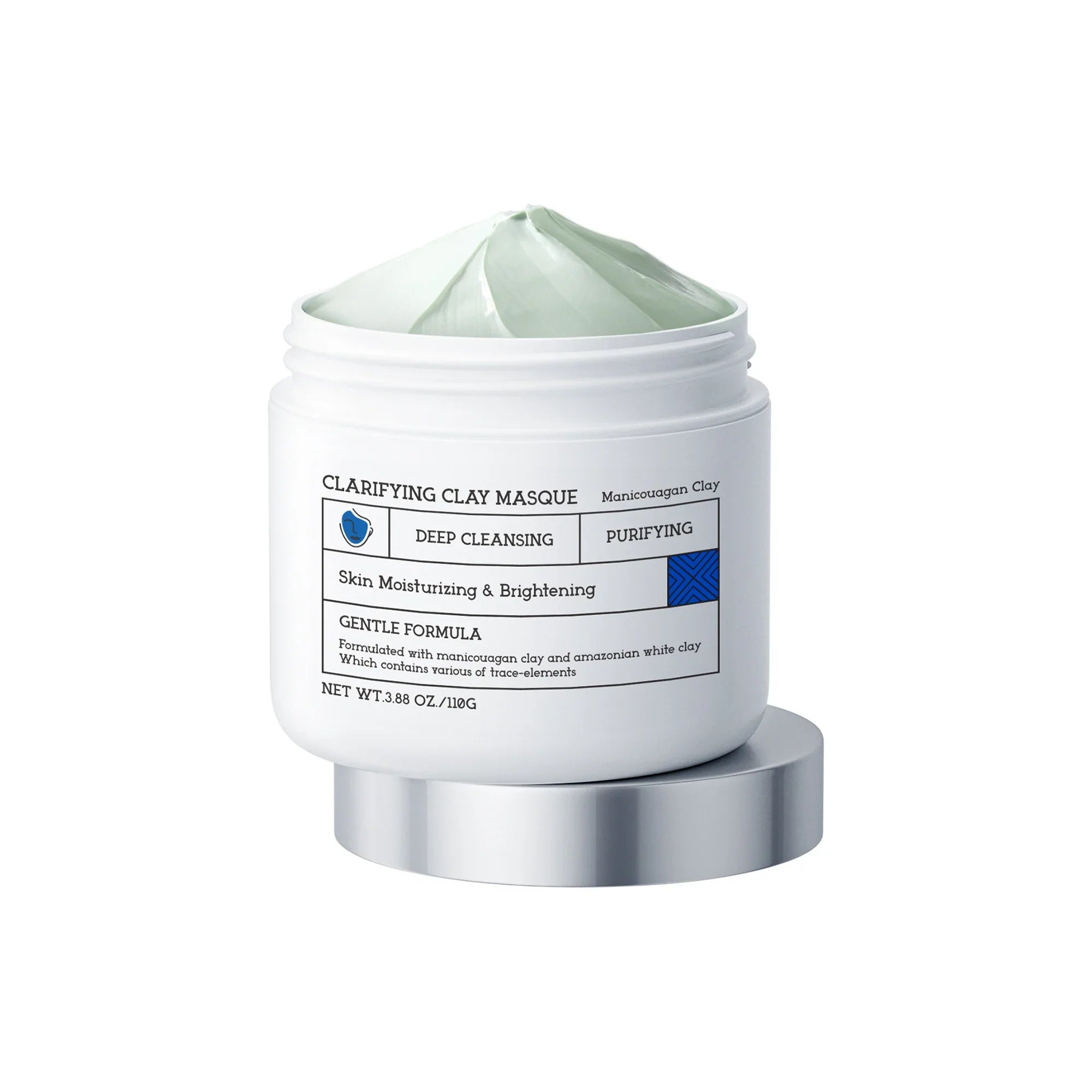
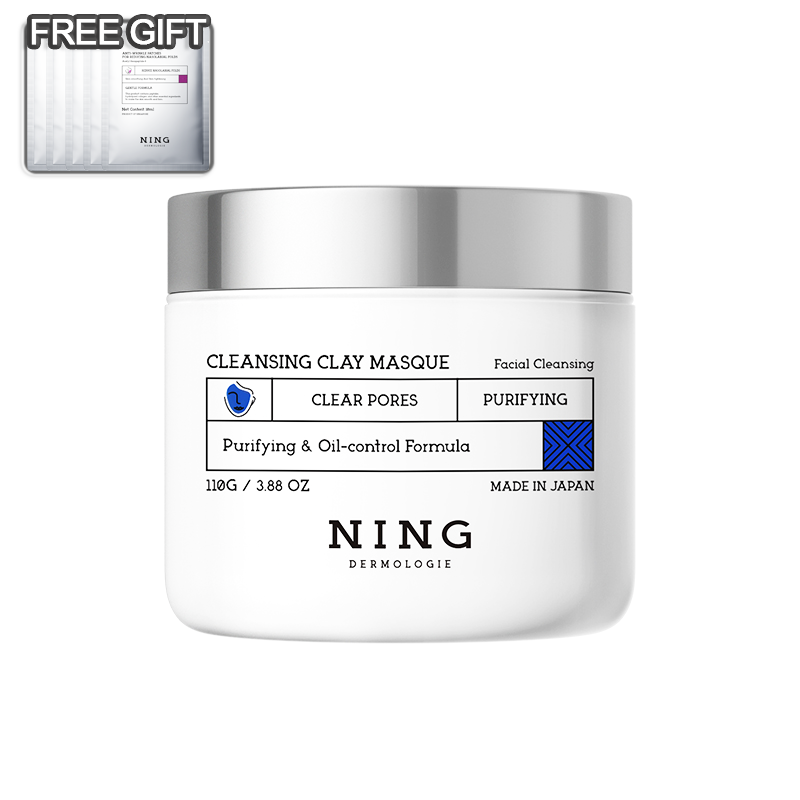
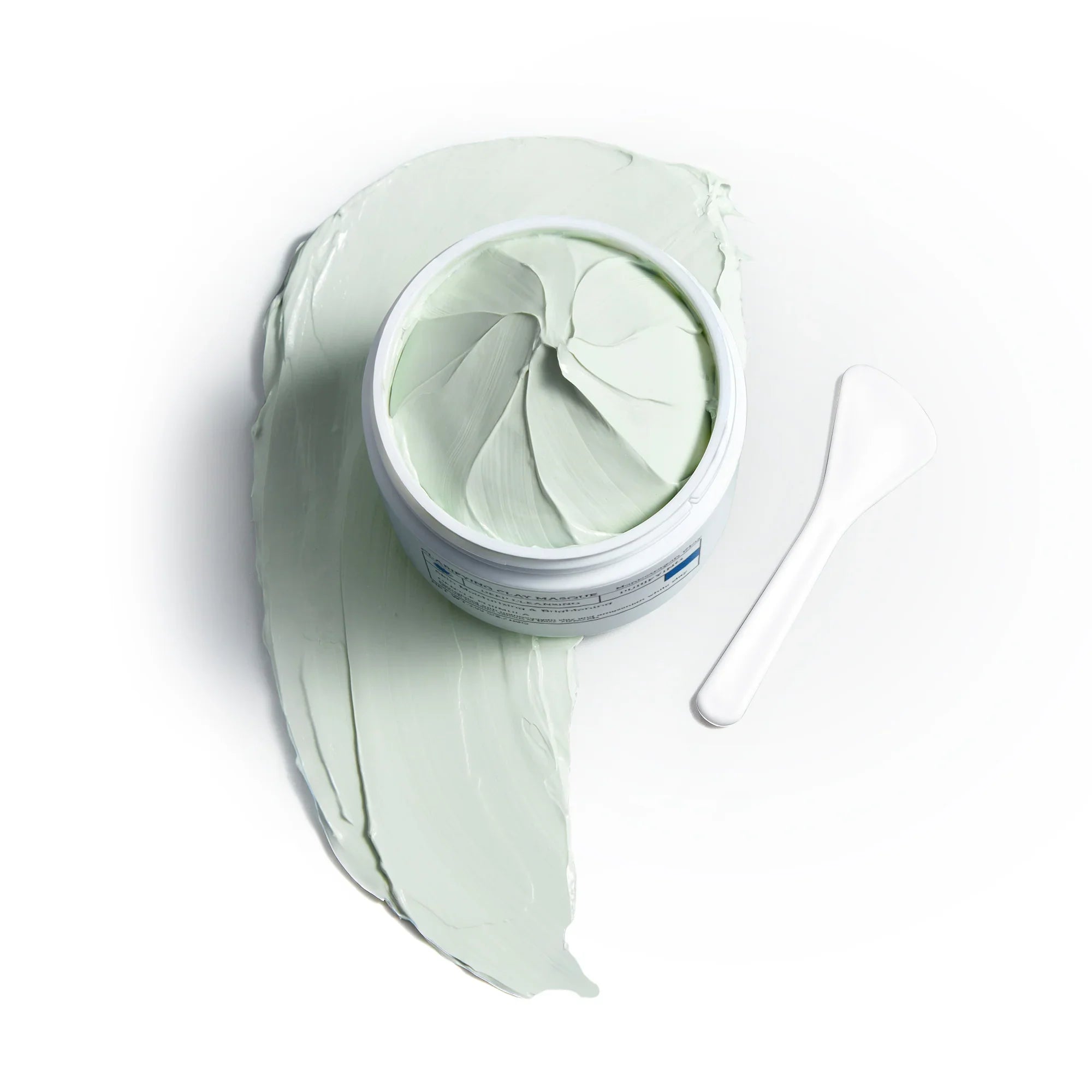
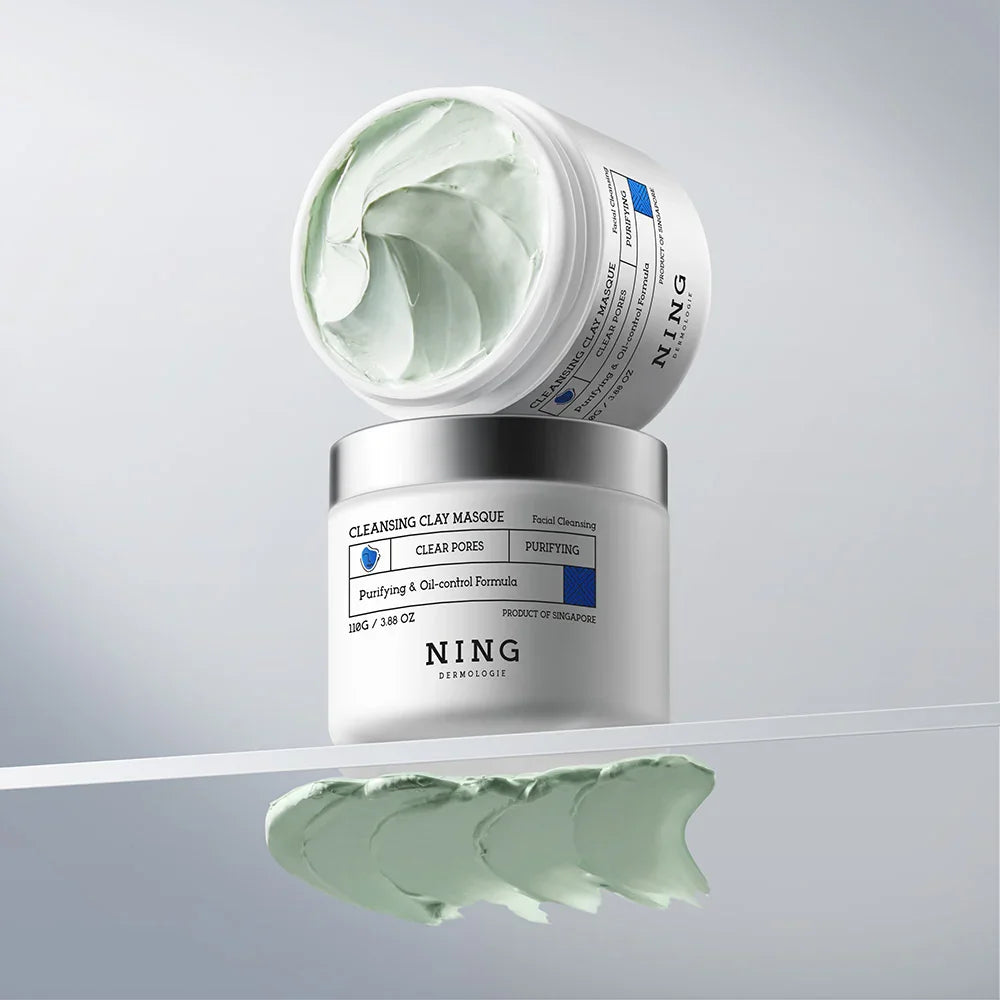
This led to the creation of our Clay Mask for Face Sensitive Skin. We wanted to harness the power of French green clay—its ability to absorb excess oil and unclog pores—while ensuring it doesn't strip away the natural oils that keep your skin barrier intact. By blending it with soothing agents, our clay mask helps to reduce inflammation and nourish while it cleanses. You can find this perfect balance here: Clay Mask for Face Sensitive Skin.
How French Green Clay Works Its Magic
When you apply a clay face mask, a three-phase process occurs:
-
The Damp Phase: This is when your skin drinks in the minerals found in the clay. Silica helps with collagen, while magnesium works to revitalize tired cells.
-
The Start of the Dry Phase: This is the "exercise" phase for your skin. The clay begins to contract, stimulating blood flow as it starts to absorb surface oils and impurities from the skin.
-
The Dry Phase: This is where most people go wrong. If you let the mask crack and crumble, you’ve gone too far. It starts to draw moisture out of your skin.
To use French green clay effectively, you want to wash it off just as it starts to lighten in color but still feels a bit tacky. This ensures you get the skin benefits without the dehydration.
Revitalize Your Skin: The Ultimate Routine
If you want to truly rejuvenate your complexion, you can't just slap on a mask once a month and hope for a miracle. A consistent skincare routine is key.
- Step 1: Cleanse. Start with a blank canvas.
- Step 2: The Mask. Apply the NING Dermologie Clay Mask for Face Sensitive Skin. The bentonite clay and french green clay work together to draw out impurities.
- Step 3: Relax. Let the mineral-rich formula sit for 10 minutes. This is when the clay offers its deepest detoxify action.
- Step 4: Rinse. Use lukewarm water. Avoid scrubbing too hard; let the water do the work of rehydrating the clay.
- Step 5: Restore. Always follow up with a high-quality moisturizer or a few drops of essential oils mixed with a carrier oil to seal in the hydration.

Beyond the Face: The Healing History
It’s worth noting that the benefits for the skin extend beyond just vanity. Because of its anti-inflammatory properties and ability to absorb bacteria, clay has been used for wound healing for generations. In various cultures, a paste of clay mixed with water was the first line of defense against insect bites, rashes, and minor cuts. While we now have modern medicine for serious issues, the soothing effect of clay in skincare remains a testament to its natural ingredients.
Why NING Dermologie?
The market is flooded with clay products, but many are filled with synthetic fragrances and harsh preservatives that negate the natural benefits. French green clay is one of the most potent materials on earth; it doesn't need "help" from harsh chemicals.
We think that taking care of your skin should be a habit, not a job. Putting on our clay face mask is a good way to connect with the earth. Everyone can now learn the secrets of French green clay, whether they have acne, oily skin, or just want to freshen up their skin after a long week.
Don't settle for "okay" skin. Embrace the ancient clay that has stood the test of time. Your complexion will thank you.
Frequently Asked Questions (FAQ)
1. Is French green clay suitable for all skin types?
French green clay is a strong clay, but it works best on oily skin and skin that is prone to acne because it can soak up a lot of moisture. But at NING Dermologie, we made our Clay Mask for Face Sensitive Skin so that everyone can use it. By adding calming natural ingredients to the clay, even people with dry or sensitive skin can enjoy the detoxifying benefits without getting too dry or irritated.
2. How often should I include a clay mask in my skincare routine?
For most people, using a clay face mask 1–2 times per week is the "sweet spot." If you have very oily skin, you might find benefit in using it 3 times a week. Over-using clay can lead to the stripping of natural oils, causing your skin to overcompensate by producing more oil. Consistency is more important than frequency—regular use will revitalize your skin over time.
3. Why shouldn't I use metal utensils when mixing my clay?
This is one of the essential secrets of French green clay. Because clay is "electrically charged" and rich in minerals, it can react with metal. Using a metal spoon or bowl can neutralize the clay's ionic charge, making it less effective at drawing out impurities. Always use glass, wood, or ceramic tools to maintain the power of French green clay and ensure you get the maximum skin benefits.
4. Can French green clay help with active acne breakouts?
Yes, for sure. French green clay helps by soaking up the extra oil and bacteria that cause acne. Its ability to fight inflammation also helps lessen the redness and swelling that come with active spots. You can even use a small amount of the NING Dermologie mask as an overnight spot treatment to get rid of impurities from a specific blemish for a more intense treatment.
5. Should I let my clay mask dry until it cracks?
No! This is a common misconception. When the mask cracks, it is actually pulling moisture away from your complexion, which can damage your skin barrier. You want to rinse the clay face mask off while it is still slightly damp. This ensures you’ve received the mineral benefits and the purify action without causing unnecessary stress or dehydration to your skin.
6. What is the difference between French green clay and Bentonite clay?
Bentonite clay is usually derived from volcanic ash and is known for its incredible swelling capacity and "internal" vacuum-like suction. French green clay (Illite) is more focused on "external" mineral exchange and boosting blood circulation. While both absorb toxins, French green clay offers a more revitalize and rejuvenate effect, making it one of the most versatile options for high-end skincare.






Share:
Green Clay vs. Bentonite Clay: Which Mask is Right for You?
Top 5 Benefits of Incorporating Green Clay Masks into Your Skincare Routine