



Why Your Skin is Craving Green Clay: The Real Talk on Revitalizing Your Routine
Let’s be honest: the skincare world is loud. Between the 10-step regimens and the latest synthetic "miracle" molecules, it’s easy to feel like your bathroom cabinet is turning into a chemistry lab. But sometimes, the most effective solution isn't a new lab-made compound; it’s something that has been under our feet for millennia.
I’m talking about natural clay. Specifically, the powerhouse known as green clay.
If you’ve ever looked in the mirror at 4 PM and felt like you could fry an egg on your forehead, or if those stubborn blackheads have taken up permanent residence on your nose, you’ve probably considered adding a clay mask to the mix. But not all masks are created equal. At NING Dermologie, we’ve spent a lot of time obsessing over why using green clay is a non-negotiable for a balanced skincare routine.
Here is the deep dive into the 7 benefits (and more) of this earth-born skincare ingredient, and why the right clay face mask might be the missing piece in your skin health puzzle.

What Exactly is Green Clay? (And No, It’s Not Just Mud)
Before we get into the benefits of using it, let’s clear up the mystery. Green clay, often hailed as French green clay, gets its distinct pigment from decomposed plant matter (like kelp and seaweed) and iron oxides. It’s a natural clay that is incredibly rich in minerals—we’re talking silica, magnesium, calcium, and potassium.
Unlike white clay (which is gentle and mild) or bentonite clay (which is like a high-powered vacuum for grease), green clay sits in that "sweet spot." It’s potent enough to absorb excess oil and detoxify the skin, but it’s also uniquely talented at boosting circulation. When clay comes into contact with the skin, it doesn't just sit there; it works.
1. The Ultimate Detox: Purifying Your Pores
The most famous of the benefits of clay masks is their ability to purify the skin. Think of a clay mask as a magnet. Throughout the day, your face collects environmental pollutants, microscopic dust, and "gunk." These impurities settle into your pores, leading to that dull, congested look.
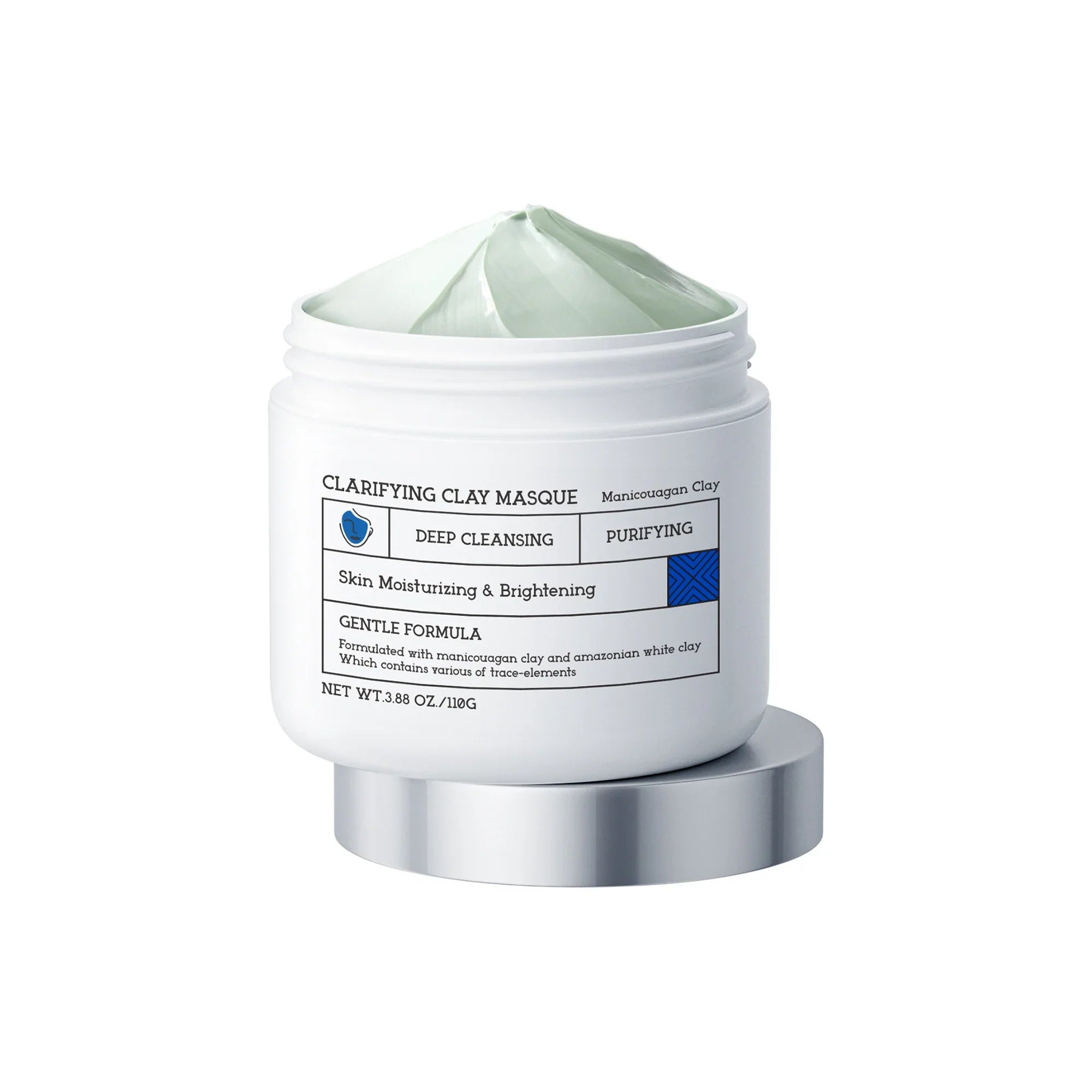
When you apply the mask, the clay acts like a sponge. As it transitions from damp to dry, it physically draws impurities and toxins out from the surface of the skin. This is why your skincare routine can help prevent the long-term damage caused by urban living. By using our Clay Mask for Face Sensitive Skin, you’re ensuring that you purify without stripping your moisture barrier—a common pitfall of lower-quality masks.
2. Evicting the Oil: Sebum Control for Oily and Acne-Prone Skin
If you have oily and acne-prone skin, sebum is likely your arch-nemesis. While your skin needs oil to stay protected, too much of it is a recipe for acne breakouts. Green clay is specifically structured to absorb excess oil better than almost any other natural skincare ingredient.
By adding a clay mask to your weekly ritual, you’re essentially "resetting" your oil production. It doesn't just wipe away the oil on the surface of your skin; it reaches deep into the clogged pores to pull out the plugs that cause blemishes. Regular use means fewer breakouts and a complexion that looks matte, not greasy.
3. Gentle Exfoliation for Smoother Skin
Most people think they need harsh scrubs to remove dead skin cells. Wrong. Over-scrubbing actually creates micro-tears, which makes acne worse. Green clay offers a smarter way to exfoliate.
As the clay mask dries and you eventually wash it off with warm water, the fine mineral particles provide a physical exfoliate action. It gently lifts away dead skin that’s making your skin tone look uneven. The result? Smoother skin that reflects light better, giving you that elusive "glow" without the irritation.
4. Refining Your Skin Tone and Texture
Do your pores look like craters? While you can’t technically change your pore size (thanks, genetics!), you can refine their appearance. When pores are filled with sebum and impurities, they stretch and look larger.
By using clay masks to keep those pores clean, they appear much smaller and the skin on your face looks tighter. This skincare step is vital for mature skin as well, as it helps brighten a sallow complexion and keeps the skin's surface looking polished and smooth.
5. Soothing Inflammation and Calming Redness
It sounds counterintuitive—how can a "drying" clay soothe the skin? The minerals in French green clay have natural anti-inflammatory properties. For those with sensitive and reactive skin, the cooling sensation of applying a clay mask can reduce redness and calm the "heat" associated with acne or environmental stress.
At NING Dermologie, we formulated our white clay and green clay blend to ensure that even dry skin types can enjoy the skin benefits of a deep clean without the "crackling" discomfort.

How to Apply a Clay Mask Like a Pro
To get the most benefits of adding a clay mask to your life, you can't just slap it on and hope for the best. Follow these skincare rules:
-
Start with clean skin: Use a gentle cleanser first. A clay face mask works best when it doesn't have to fight through a layer of makeup.
-
Face and Neck: Don’t stop at the jawline. Your neck has pores too!
-
The Goldilocks Rule: Don’t let the mask get to the "desert-cracked" stage. If it’s crumbling off your face, you’ve left it on too long and it’s starting to dehydrate your sensitive skin. Rinse when it’s still slightly tacky.
-
Spot Treatment: If you have combination skin, you don't need a full-face application every time. Use the green clay as a spot treatment on your T-zone or specific blemishes.
-
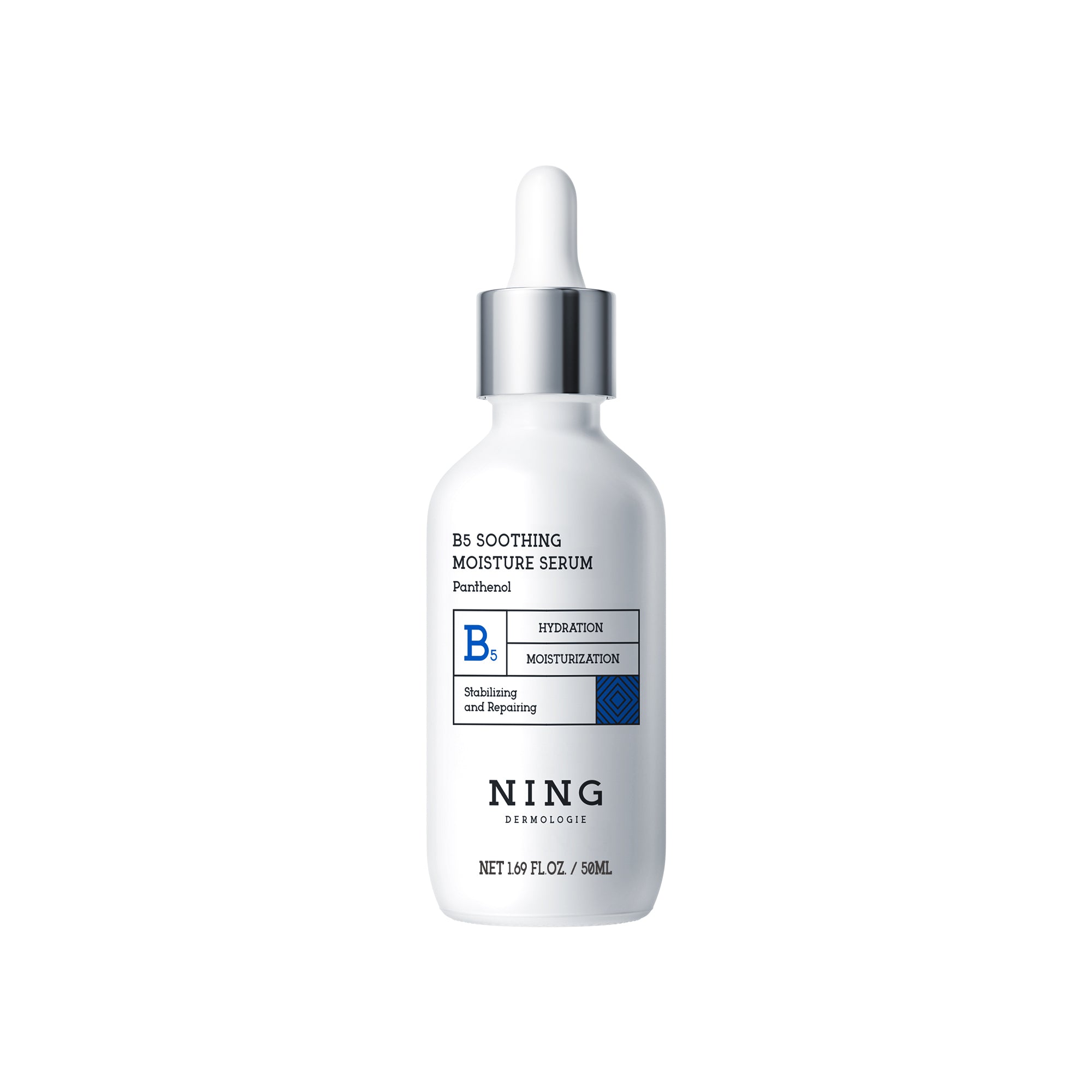
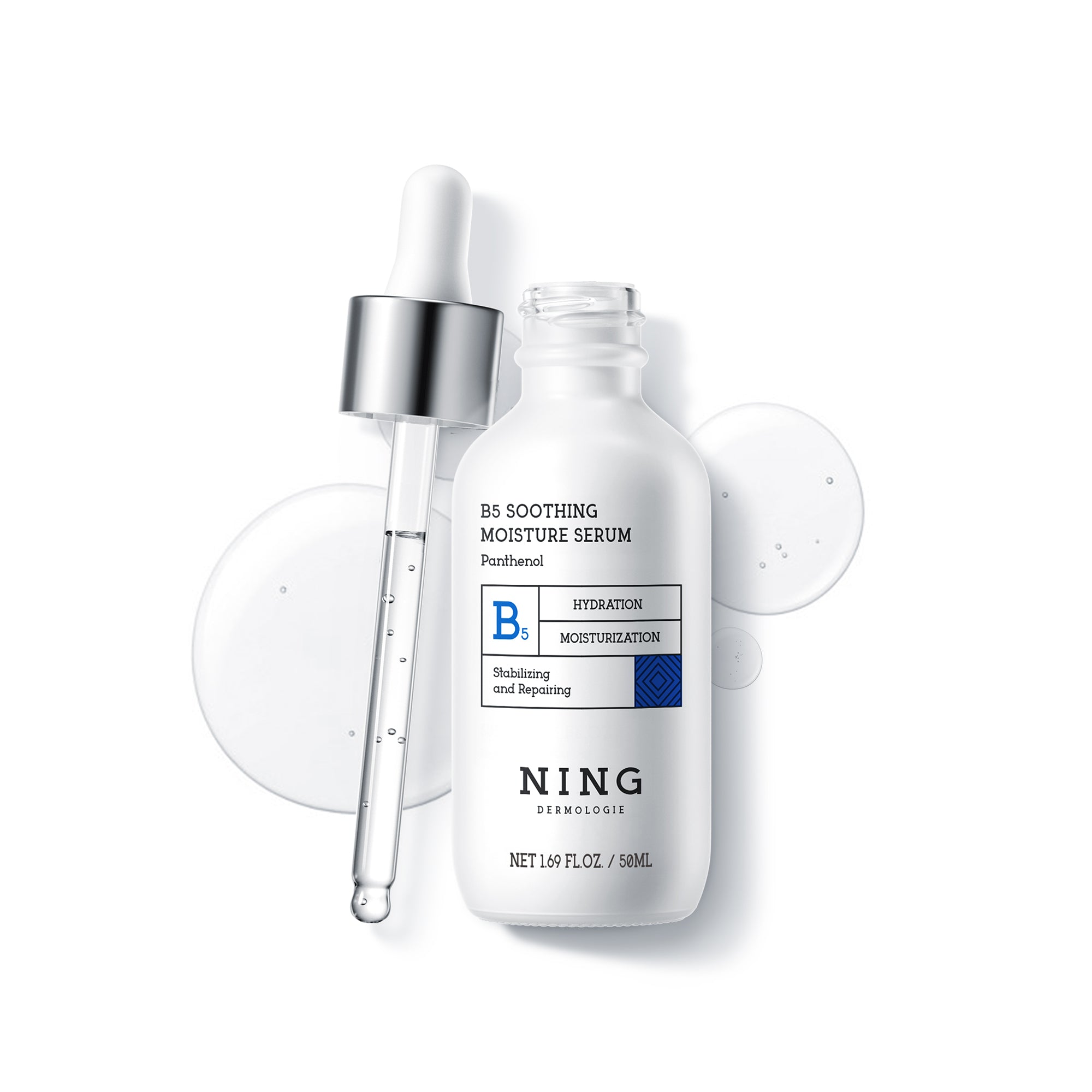
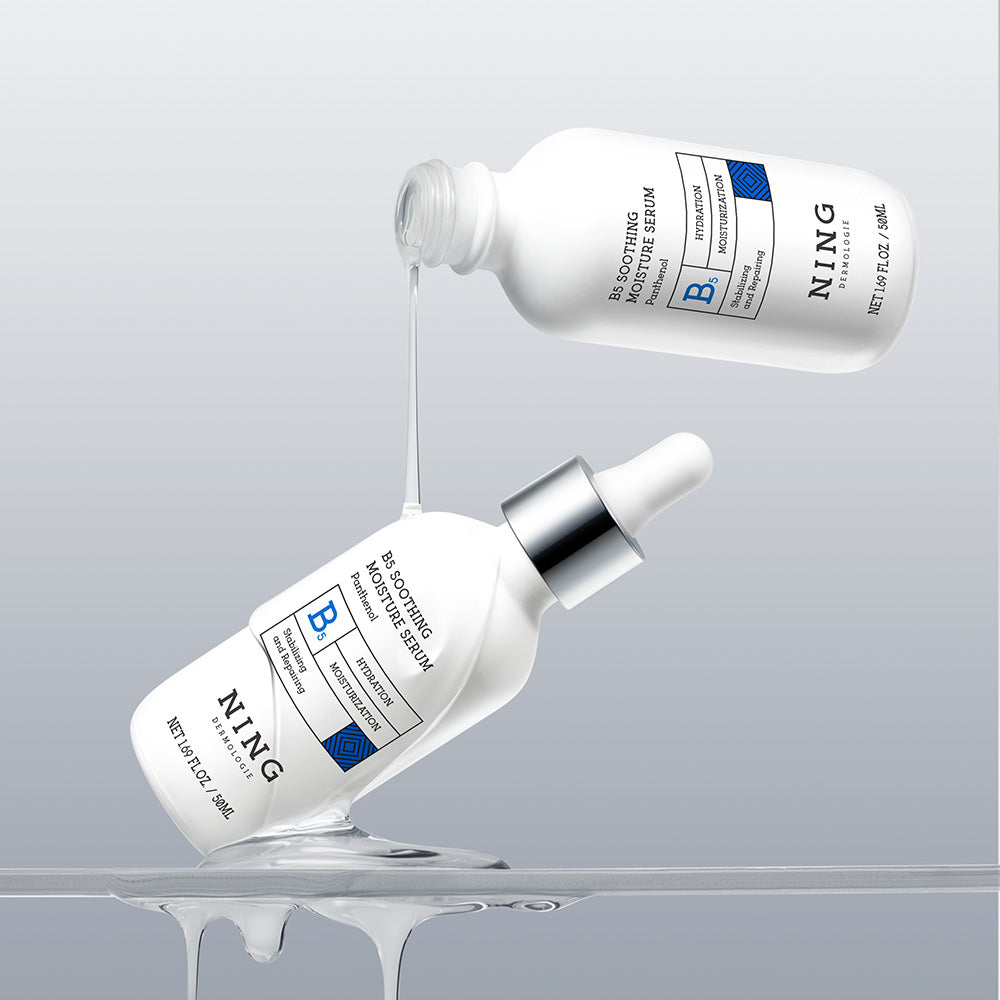
The Follow-up: Your skin thanks you more when you hydrate immediately after. Follow up with a serum while your pores are open and ready to receive nutrients.
Choosing Your Clay: Know Your Skin Type
Not all types of clay do the same thing. Here’s a quick cheat sheet for your skin care shopping:
- Bentonite Clay: The heavy hitter. Best for normal to oily skin that is very congested.
- Kaolin Clay is one of the mildest. Perfect for sensitive skin types or those with dry skin.
- Green Clay: The versatile balancer. Ideal for oily and acne-prone people who want a detoxify effect without the aggression of pure bentonite.
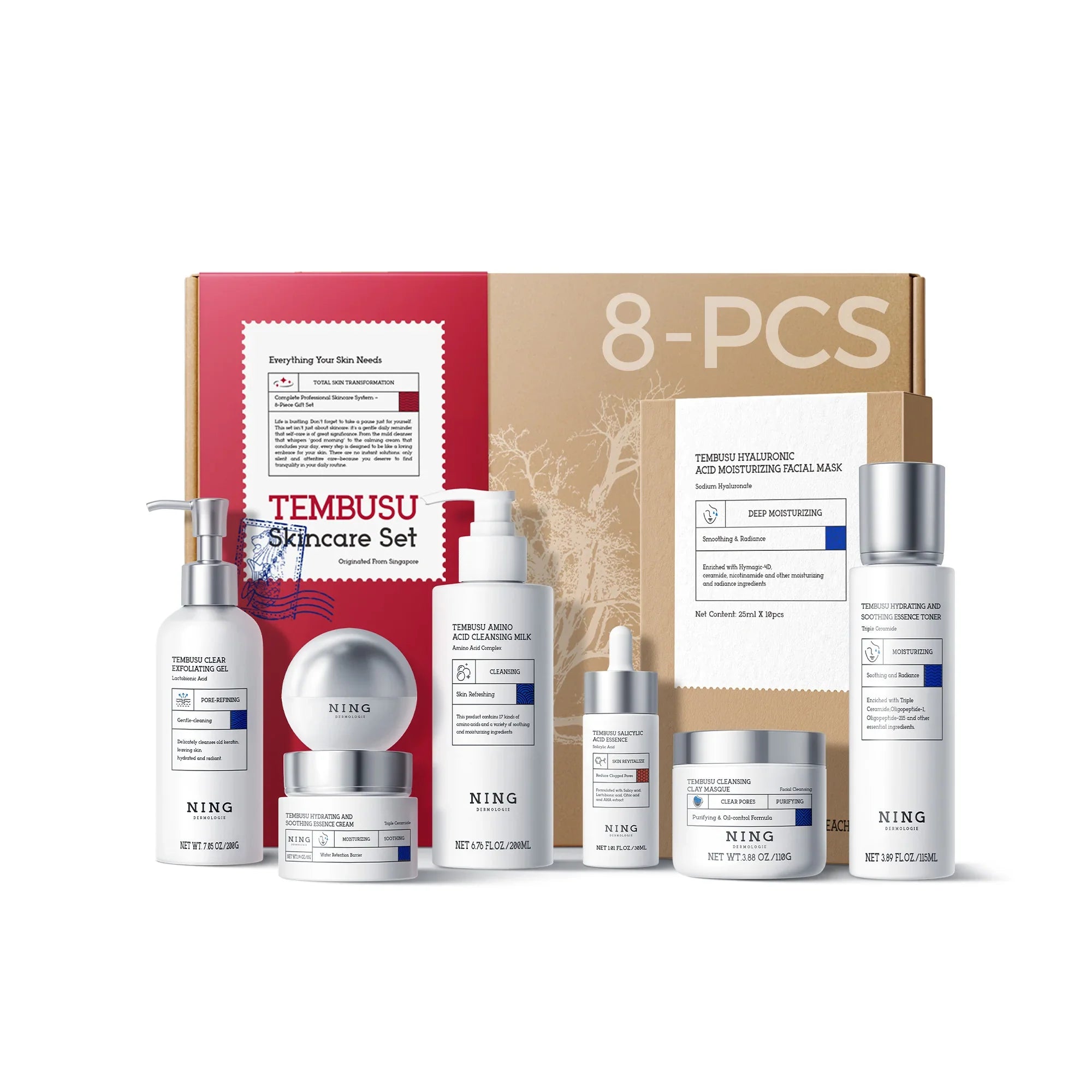
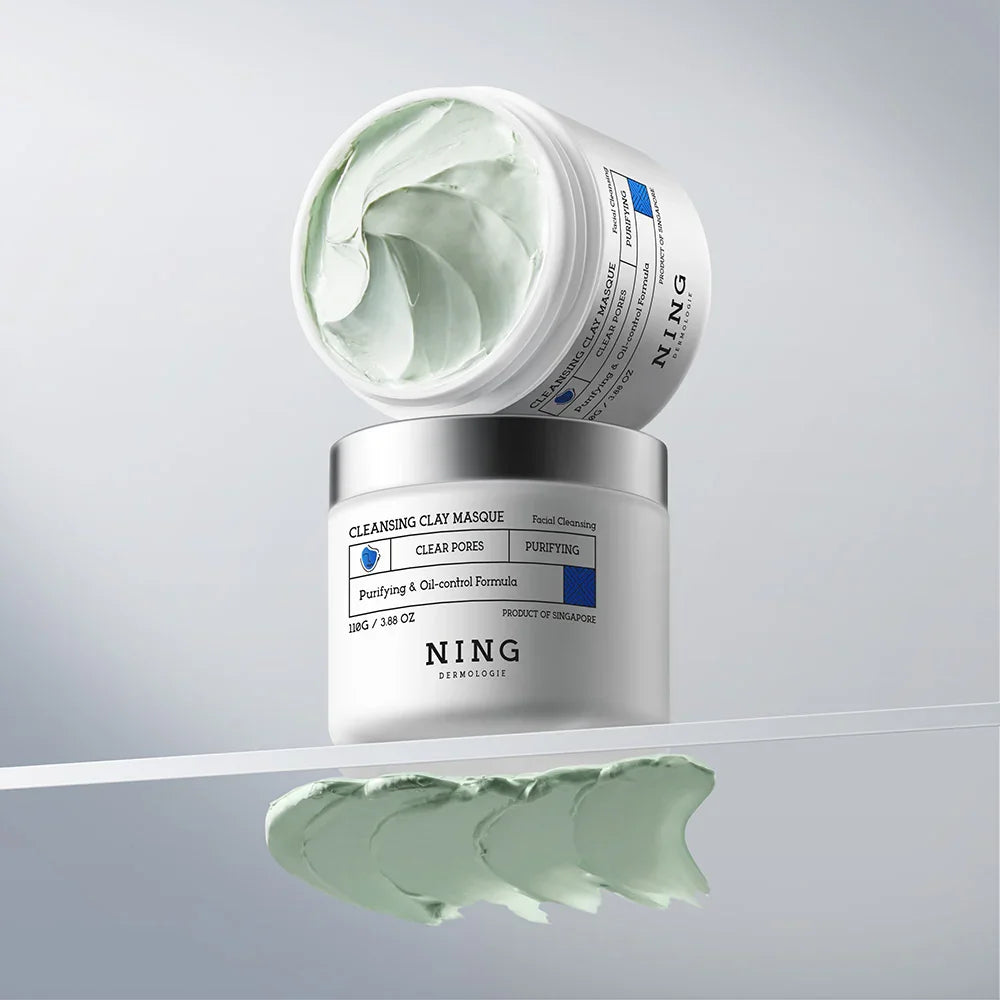
At NING Dermologie, we believe in natural skincare that respects the biology of the skin. That’s why our Clay Mask for Face Sensitive Skin is a cult favorite—it combines the purify power of natural clay with the gentleness required for daily skincare.
Frequently Asked Questions (FAQ)
1. How often should I include a clay mask in my skincare routine?
For most skin types, once or twice a week is the "sweet spot." If you have oily and acne-prone skin, you might benefit from three times a week, especially during humid months. However, if you have sensitive and reactive skin, start with once a week or even every two weeks. Pay attention to your skin feel—if it feels tight or itchy the next day, scale back.
2. Can I use a clay mask if I have very dry skin?
Yes, but be selective. Use a clay mask like our NING Dermologie blend which incorporates kaolin clay or white clay to prevent over-drying. Avoid leaving it on for more than 5-8 minutes. The goal for dry skin is to remove dead skin cells and purify the surface, not to suck out every drop of natural oil. Always follow up with a rich moisturizer.
3. Will using green clay help with blackheads?
Absolutely. Blackheads are essentially clogged pores where the sebum has oxidized and turned black. Because clay acts like a vacuum, it draws these plugs to the surface. While it might not disappear in one use, regular skincare involving green clay will significantly refine the texture of your nose and chin, making blackheads much less frequent and easier to manage.
4. Why does my skin feel tingly when I apply the mask?
A slight tingle is normal—it’s the mineral activity and the clay's natural pull increasing blood flow to the surface of the skin. This "reviving" action is one of the key skin benefits. However, if the tingle turns into a burning sensation, rinse it off immediately. This usually means your skin barrier is compromised or the clay mask is too strong for your current skin health.
5. Can I use a clay mask as a spot treatment for acne?
Yes! This is a pro-tip for acne-prone skin. If you feel a breakout brewing under the skin, dab a small amount of green clay directly on the blemish and leave it on for 10 minutes (or even overnight if your skin isn't too reactive). The clay helps to absorb excess oil and reduce the inflammation of the clog before it turns into a full-blown pimple.
6. What is the difference between French green clay and bentonite?
Bentonite clay is usually derived from volcanic ash and is incredibly absorbent—sometimes too much so for the face and neck. French green clay (the star of our skincare ingredient list) is decomposed plant matter. It’s less "aggressive" than bentonite but offers more mineral diversity. It’s better for those who want to brighten and refine their skin rather than just "strip" it.





Share:
Exploring the Origins and History of Green Clay in Beauty Treatments
Top 15 Skincare Gift Sets for the Ultimate Pampering Experience