

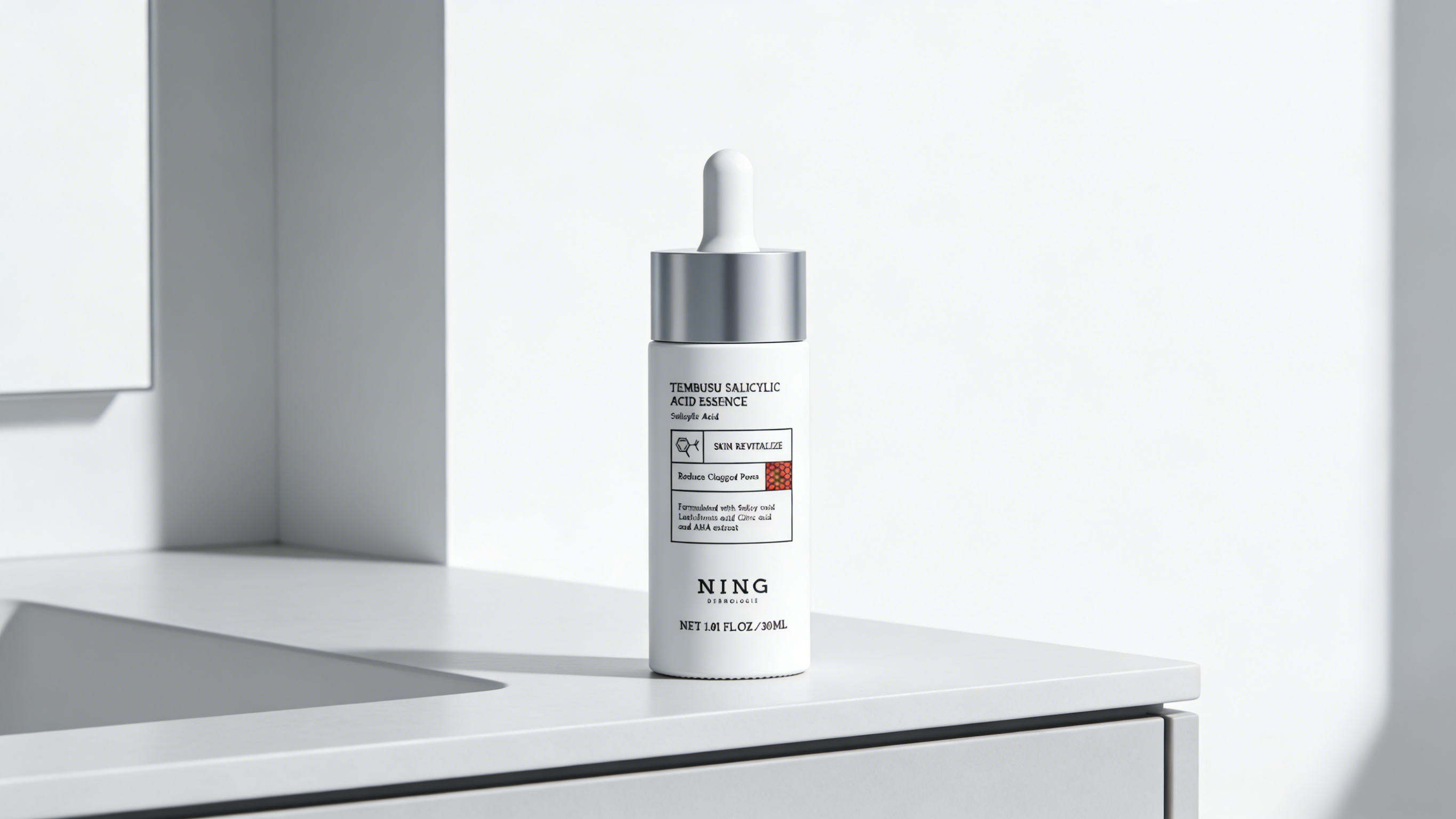

Understanding Salicylic Acid: More Than Just a "Zit Zapper"
To understand why salicylic acid works so differently from other acids, we have to talk about oil. Most exfoliating acids, like Glycolic or Lactic (Alpha Hydroxy Acids), are water-soluble. They sit on the surface, dissolving the "glue" between cells.
Salicylic acid is a Beta Hydroxy Acid (BHA), and its superpower is that it is oil-soluble.
Think of your pores like tiny pipes. When dead skin cells and excess sebum (oil) mix, they create a "plug." A water-soluble acid can’t get past that oil plug. But because salicylic acid is oil soluble, it travels straight into the pore. It’s a deep-sea diver for your skin. Once inside, it dissolves the debris, effectively acting as a chemical "pipe cleaner." This is why salicylic acid helps so immensely with deep-rooted issues that surface scrubs just can't touch.

The Science of How Salicylic Acid Works
The technical term is keratolytic. This means it softens and dissolves keratin, a protein that forms part of the skin structure. By breaking down the bonds that hold dead skin cells together, it encourages the shedding of dead skin cells that would otherwise suffocate your pores.
When you apply salicylic acid, you aren’t just treating the spot you see today; you are clearing the path for new skin cells to reach the surface. This constant renewal is what gives you that "lit-from-within" skin texture over time.
The Heavy Hitters: Benefits of Salicylic Acid for Your Skin
If we had to list every single reason salicylic acid in skincare is a must-have, we’d be here all day. But for most of us at NING Dermologie, the focus is on these four game-changers:
1. The Ultimate Way to Treat Acne
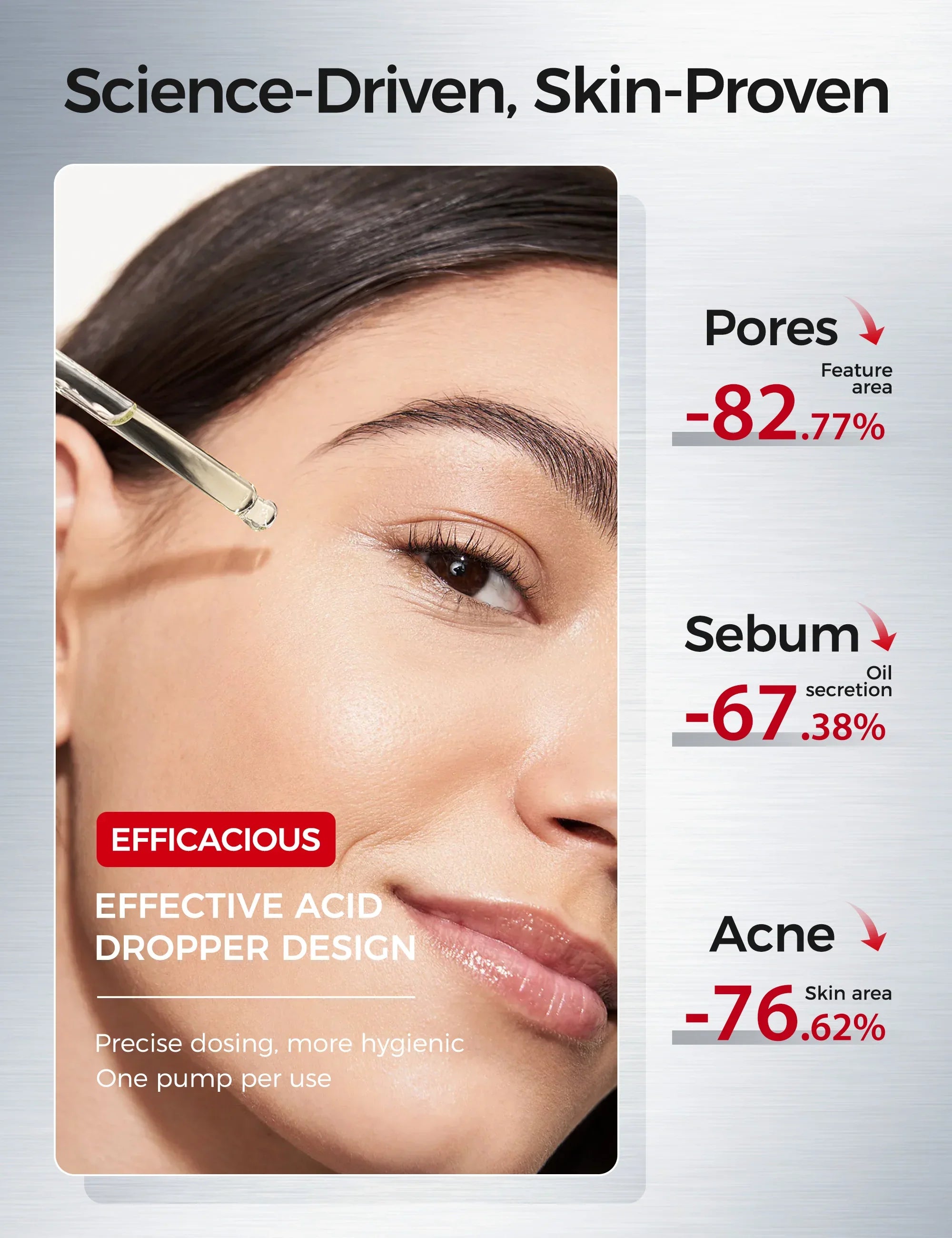
This is the big one. Salicylic acid helps target the four main causes of acne: excess oil, clogged pores, bacteria, and inflammation. Because it penetrates the pore so deeply, it’s particularly effective at treating blackheads and whiteheads—those non-inflammatory bumps that often turn into painful cysts if left alone.
Regular use of salicylic acid keeps the pore lining clear, meaning the bacteria that cause acne (P. acnes) don't have a "home" to grow in.
2. Sebum Control for Oily Skin
If your skin feels like a frying pan by 2 PM, you need a BHA. It doesn't just wash away oil; it actually helps regulate sebum and dead skin cells. By slowing down the overproduction of oil, a salicylic acid serum can leave your skin feeling matte and balanced rather than stripped.
3. Redness and Inflammation
Unlike some harsh physical scrubs that cause micro-tears and more redness, topical salicylic acid actually has anti-inflammatory properties (it's chemically related to Aspirin!). It helps calm the "angry" look of a breakout while it works to heal it.
4. Improving Overall Skin Texture
Beyond the breakouts, salicylic acid can help with "chicken skin" (keratosis pilaris) and general roughness. By helping the surface of the skin shed properly, it creates a smoother canvas for makeup and ensures your other skincare routine steps—like Vitamin C or Peptides—can actually penetrate the skin rather than sitting on a layer of dead cells.
How to Choose the Best Salicylic Acid Product for Your Skin Type
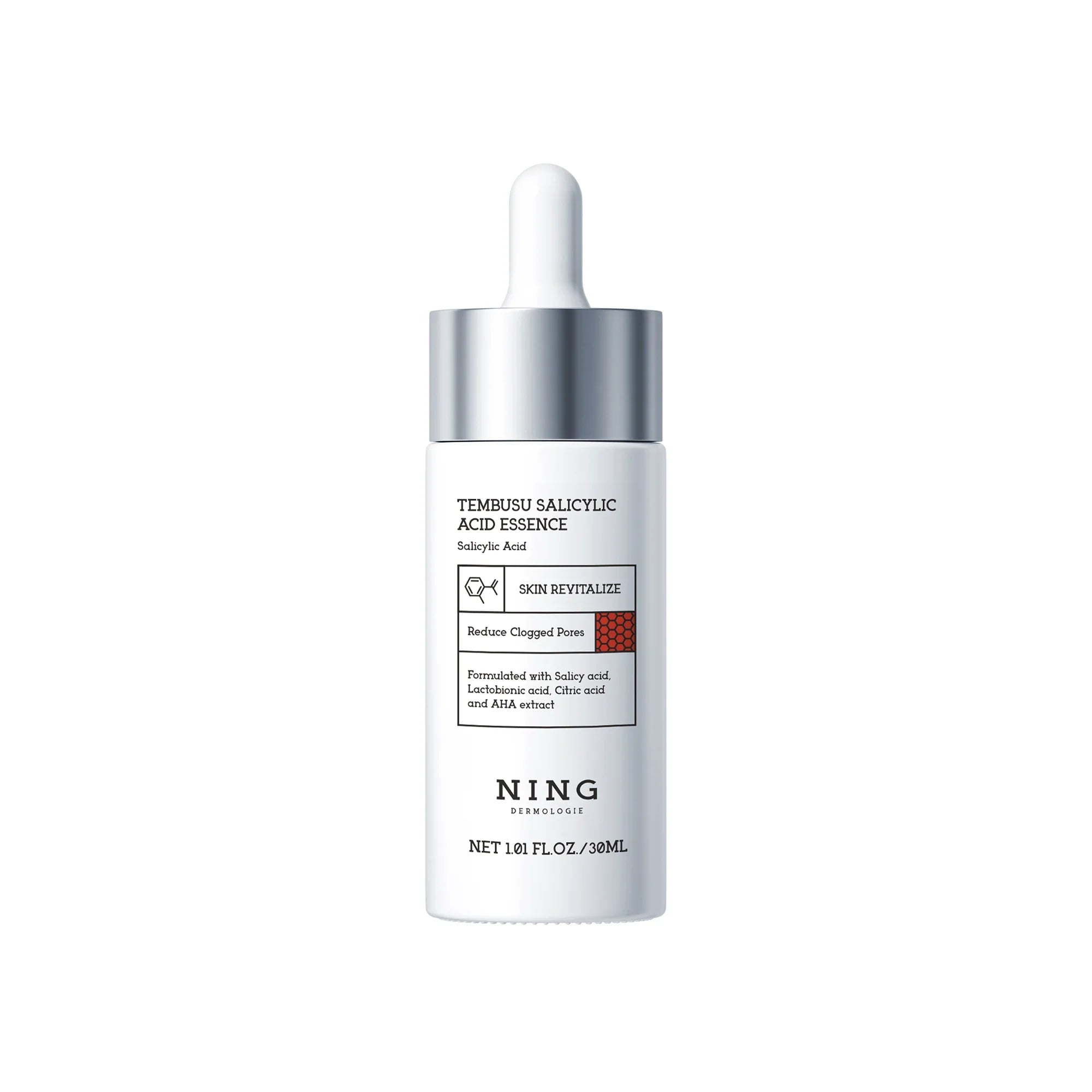
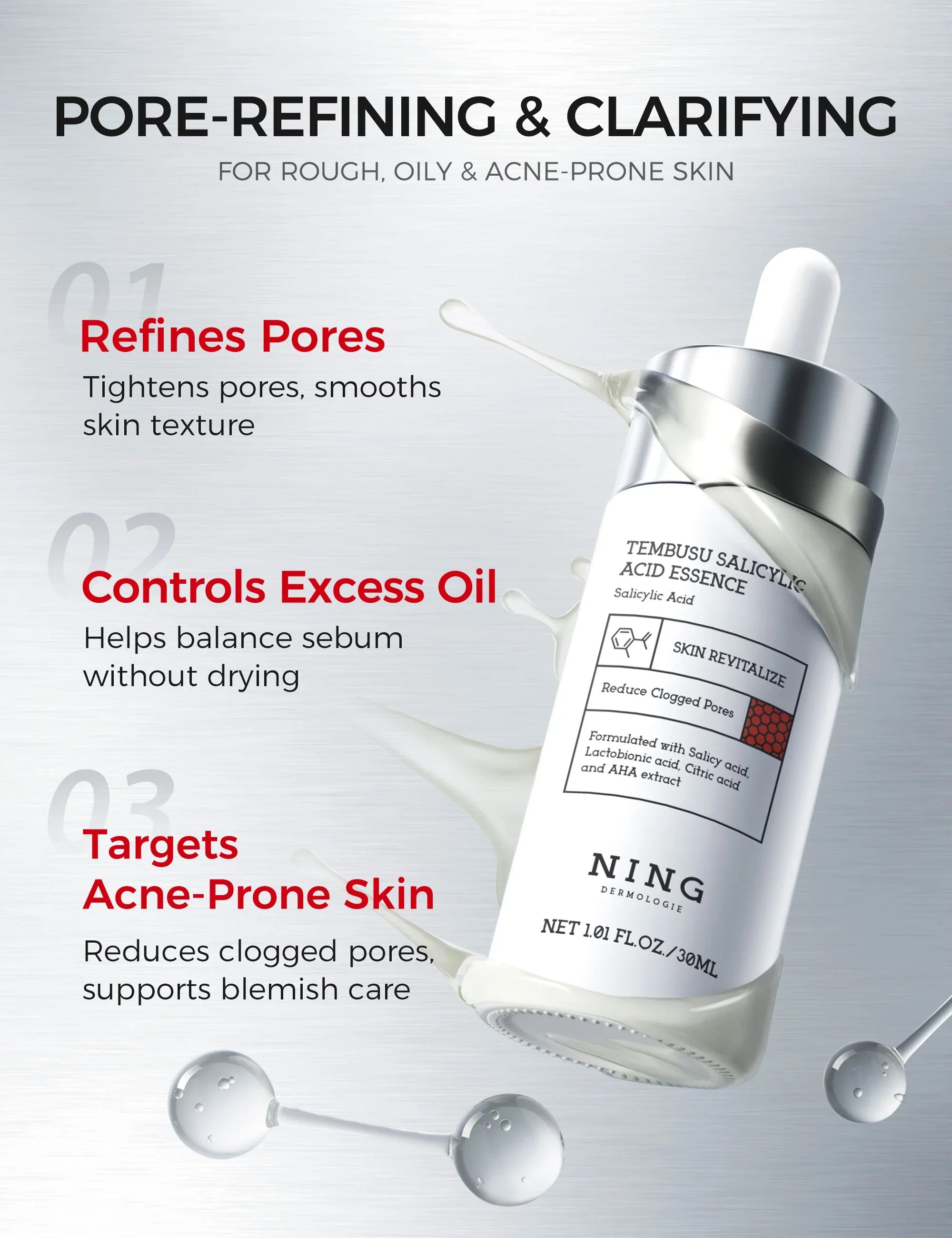
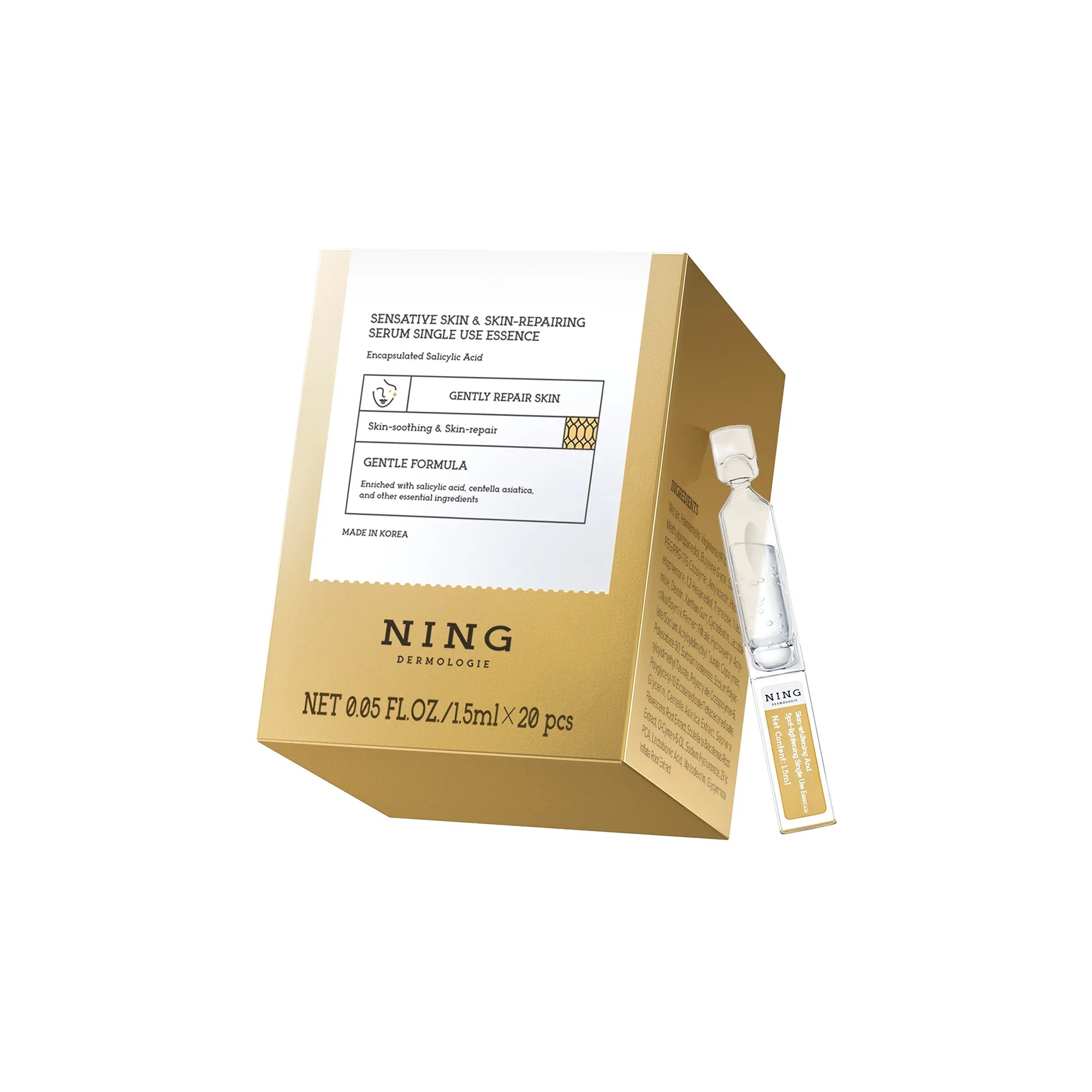
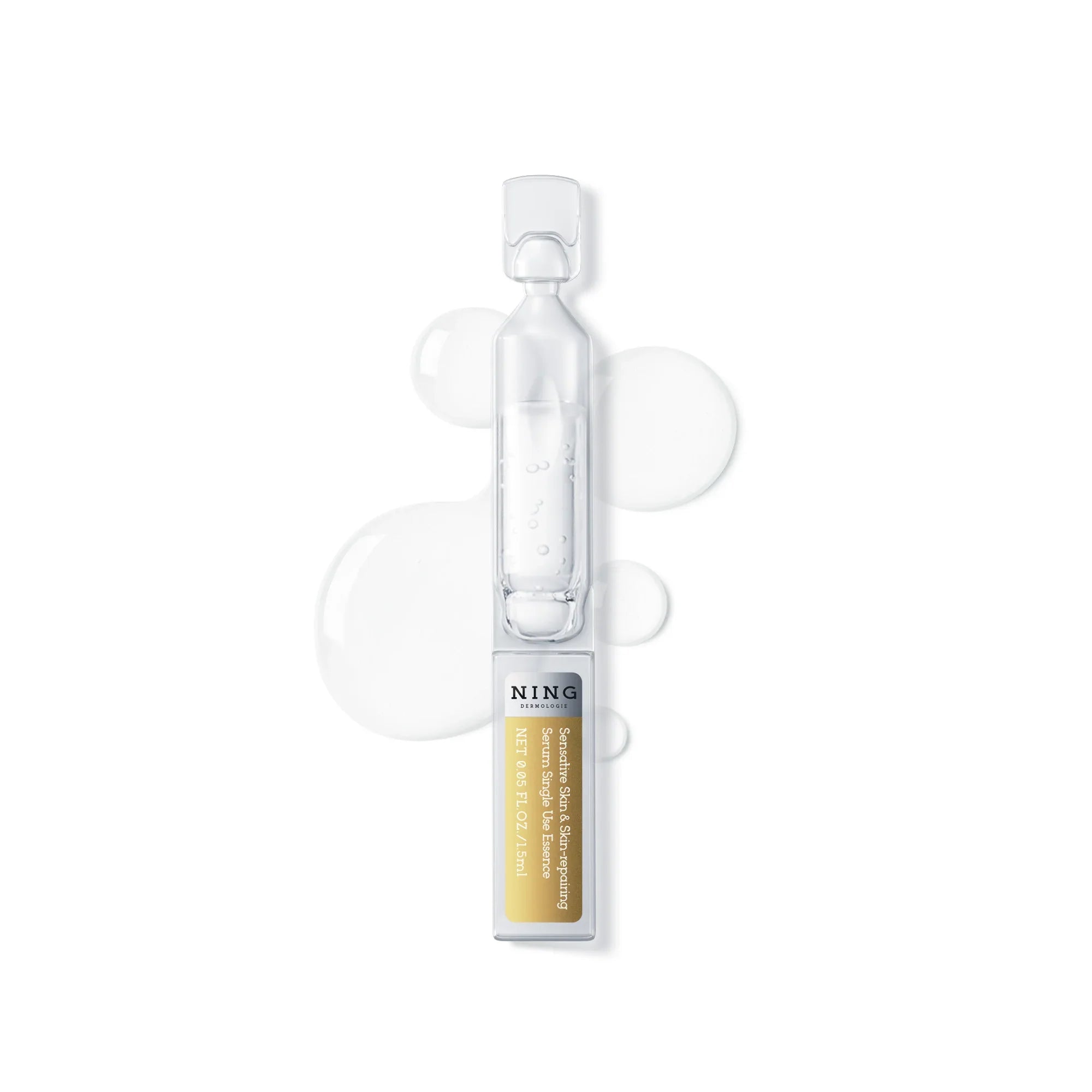
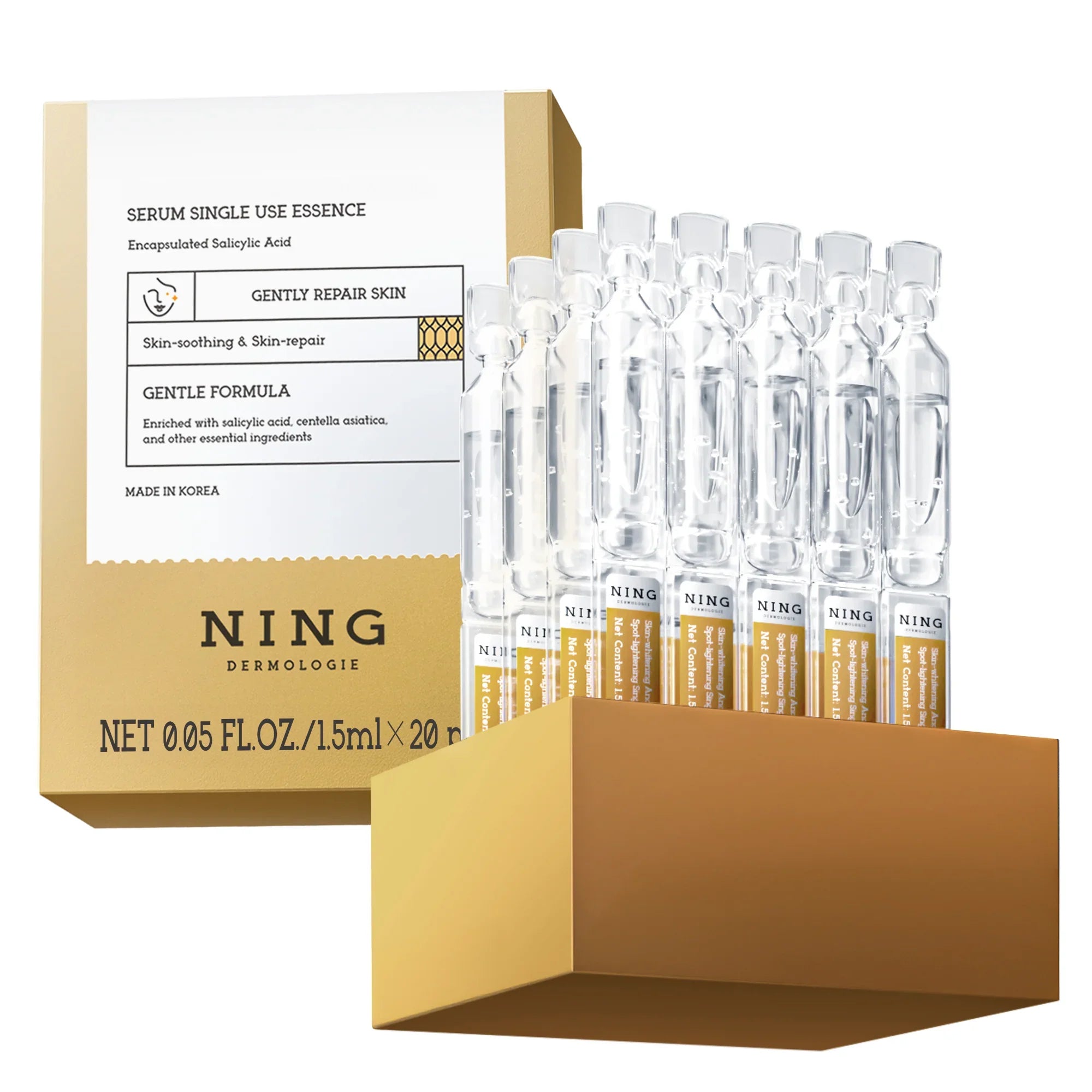
Not all BHAs are created equal. The types of salicylic acid products range from gentle cleansers to high-potency peels. At NING Dermologie, we’ve formulated our 2% Salicylic Acid Serum to strike the perfect balance between clinical strength and skin safety.
- For Oily and Acne-Prone Skin: A leave-on salicylic acid serum is your best bet. Because it stays on the skin, it has more time to penetrate deep into your skin and dissolve those stubborn plugs.
- For Dry or Sensitive Skin: You might prefer a salicylic acid face wash or a salicylic acid cleanser. Because you rinse it off, the "contact time" is shorter, which significantly reduces the risk of skin irritation.
- For Combination Skin: "Zone" your application. Apply your salicylic acid product only to the T-zone (forehead, nose, chin) where you have more blackheads and whiteheads, and leave the cheeks for your hydrating products.
Integrating Salicylic Acid Into Your Routine (Without the Redness)
The most common mistake? Going "too hard, too fast." Even if you have very oily skin, your skin barrier still needs protection. Here is the NING Dermologie guide to starting safely:
The "Slow-and-Steady" Approach
If you are new to salicylic acid, do not use it salicylic acid daily right away. Start with two nights a week. Give your skin a few days to show you how it feels. Does it feel tight? Is there any "peeling"? If not, gradually increase the frequency.
The Perfect Application
-
Cleanse: Use a gentle, pH-balanced cleanser.
-
Apply: Take 2-3 drops of the NING Dermologie 2% Salicylic Acid Serum and pat it into the skin. Focus on areas with visible blackheads.
-
Wait: Give it a minute to sink in.
-
Hydrate: This is crucial. Even if you have oily skin, follow up with a light, non-comedogenic moisturizer to keep your skin hydrated.
Combining Salicylic Acid with Other Actives
Be careful here. Combining salicylic acid with Retinol or high-strength Alpha Hydroxy Acid in the same night is a recipe for skin irritation.
- Morning: Use your salicylic acid product (followed by SPF!).
- Evening: Use your Retinoids or repair creams.
- Alternative: Use them on different nights to help protect the skin from becoming overly sensitized.
Understanding Potential Side Effects
We have to be honest: salicylic acid may cause a "purge." Because the acid sloughs away dead skin cells and clears the pores, it often brings existing "under-the-skin" congestion to the surface all at once. It might look like a breakout, but it’s actually your skin cleaning house.
However, keep an eye out for true side effects of salicylic acid:
- Extreme Dryness: If your skin looks like parchment paper, dial back the frequency.
- Irritation: A slight tingle is normal; burning or itching is not.
- Damaged Skin Barrier: If your usual moisturizer suddenly stings, stop all acids and focus on ceramides for a week until the skin adjusts.
Salicylic acid is considered very safe, but if you have a known allergy to Aspirin, you should consult a doctor before using any salicylic acid-based products.

Why NING Dermologie?
We didn't just want to make another serum. Our 2% Salicylic Acid Serum is designed for the modern user who deals with "maskne," environmental stress, and hormonal shifts. We've ensured the formula stays stable and effective, providing clearer skin without the aggressive "stripped" feeling common in drugstore brands.
Ready to see the difference? You can find our targeted treatment here: NING Dermologie 2% Salicylic Acid Serum.
Frequently Asked Questions (FAQ)
1. Can I use salicylic acid every day?
For oily and acne-prone skin, daily use is often the goal, but you shouldn't start there. Begin 2–3 times a week. Once your skin adjusts and you see no irritation, you can move to salicylic acid daily. Always listen to your skin—if it feels tight or starts peeling, take a day off and focus on hydration.
2. Will salicylic acid help with my blackheads?
Absolutely—it’s actually the best tool for the job. Since it's oil-loving, it dives straight into the "gunk" inside your pores. It doesn't just scrub the surface; it physically breaks up the oily glue holding onto those stubborn blackheads. If you use a serum like ours consistently, you’ll notice those tiny dark dots on your nose finally starting to clear out and stay away.
3. Is it safe to use during the day?
You can definitely use it in the morning, but you’ve got to be religious about your sunscreen. Because this acid is busy sloughing off old, protective skin cells, your "new" skin underneath is much more prone to getting fried by the sun. If you’re going to apply it before heading out, just make sure a solid SPF 30 is the final step in your routine.
4. What should I avoid mixing with salicylic acid?
Think of it as a solo player. Don't layer it at the exact same time as Retinol or strong AHAs like Glycolic acid, or you’ll likely end up with a red, stinging face. It’s much smarter to split them up—try using your salicylic acid in the AM to keep oil down, and save your heavier "actives" or anti-aging creams for your nighttime wind-down.
5. I have sensitive skin; can I still use it?
Yes, but take precautions for sensitive skin. Look for a salicylic acid face wash instead of a leave-on serum, as the shorter contact time is gentler. Alternatively, use our 2% Salicylic Acid Serum as a "spot treatment" only on problem areas rather than applying it to the whole face. Always perform a patch test on your jawline first.
6. How long does it take to see results?
Skincare is a marathon, not a sprint. While your face might feel a bit smoother by morning, the real magic—like fewer breakouts and tighter-looking pores—usually takes about a month. That’s how long it takes for your skin to fully "recycle" itself. Stick with it for at least 4 to 6 weeks before deciding if it’s working for you. Patience pays off here.





Share:
Top Salicylic Acid Products for Achieving Clear Skin
Exploring the Skincare Advantages of Salicylic Acid