

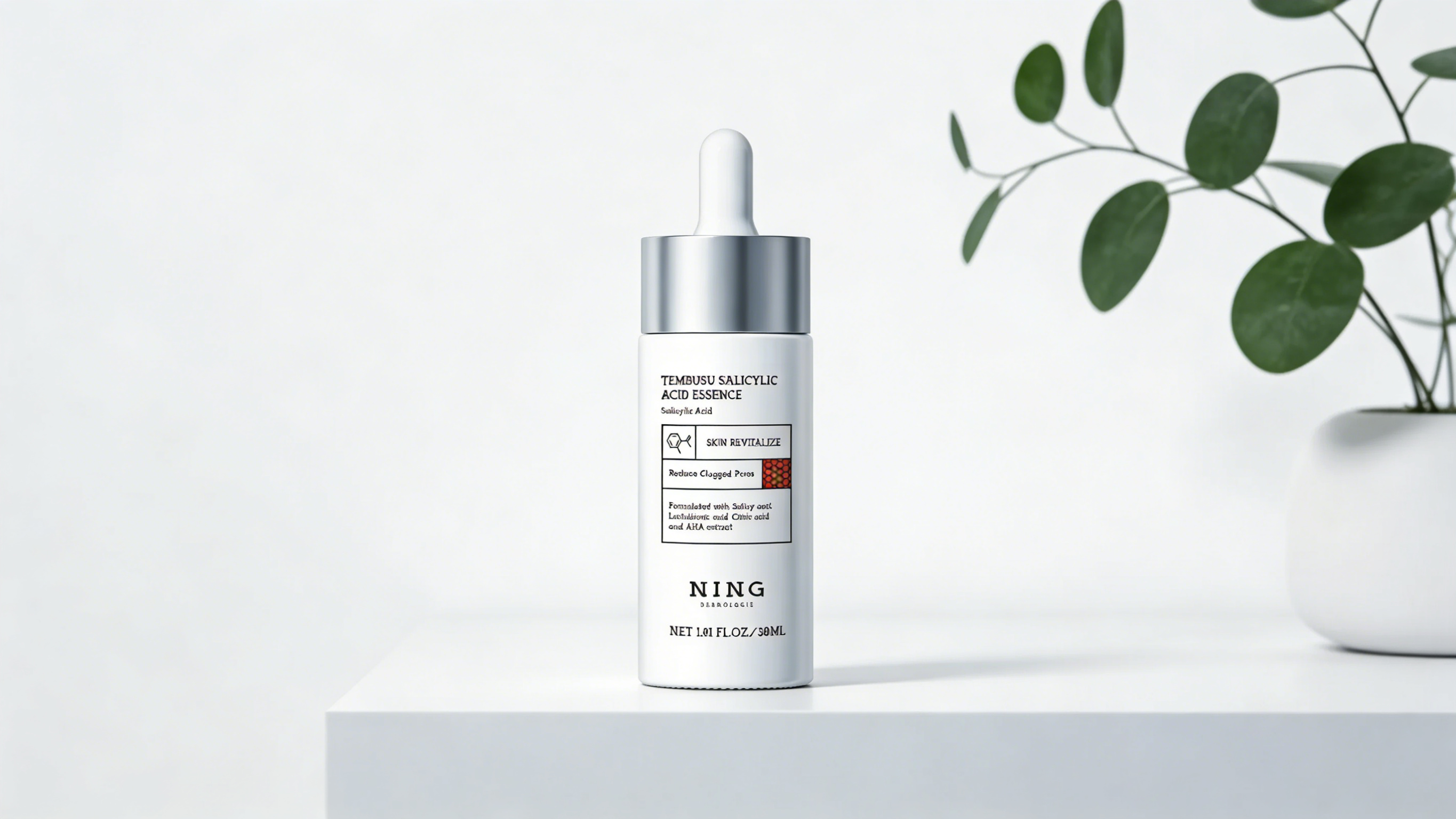

Why Your Pores Are Begging for Salicylic Acid (And Why You’re Probably Using It Wrong)
Let’s be brutally honest for a second. We’ve all been there: staring into a 10x magnifying mirror, obsessing over those tiny black dots on our nose or a cluster of "blind" pimples that seem to have set up permanent residence on our chin. In the frantic search for a solution, most people do one of two things. They either scrub their face until it’s raw, or they dump a cocktail of random skincare products on their skin and hope for a miracle.
If you’ve ever felt like your skin care routine is more of a guessing game than a science, it’s time to talk about the one active ingredient that actually lives up to the hype: salicylic acid.
But wait—before you go splashing any old acid serum on your face, you need to understand that not all skincare products are created equal. At NING Dermologie, we’ve seen enough "skincare disasters" to know that while salicylic acid can work wonders, it can also be a nightmare if you don't respect the skin barrier.

What Exactly Is Salicylic Acid? (The No-Boring-Science Version)
If you look at the back of your bottle, you’ll see it described as a beta hydroxy acid (BHA). But what does that mean in plain English?
Unlike its cousin glycolic acid (an AHA) which stays on the surface of the skin to munch away at dead skin cells, salicylic acid works by penetrating deep. It is oil-soluble. Think of your pores like a clogged drain. An AHA clears the hair stuck at the top of the grate; salicylic acid penetrates deep into the pipe to dissolve the grease.
Because it can dive into the oil and dead skin cells trapped inside your pores, it’s the undisputed heavyweight champion for oily or acne-prone skin. It doesn't just "clean" your skin; it chemically de-clogs it.
How Salicylic Acid Works Wonders for Your Skin
When you apply salicylic acid, it goes to work on the "glue" that holds away dead skin cells together. By breaking these bonds, it exfoliates the skin from the inside out. This process does three main things:
-
Clears the Gunk: It flushes out excess oil and dead skin that eventually turn into blackheads.
-
Calms the Storm: It’s actually related to aspirin (acetylsalicylic acid), so it has natural anti-inflammatory properties. It helps reduce the "angry" red look of a breakout.
-
Refines Texture: By encouraging healthier skin to surface faster, it helps improve skin texture over time.
Finding Your Perfect Match: Skin Type vs. Acid Serum
One of the biggest mistakes we see at NING Dermologie is someone with dry or sensitive skin using a 2% salicylic acid product twice a day. That is a fast track to "lizard skin"—red, flaky, and painful.
Oily or Acne-Prone Skin
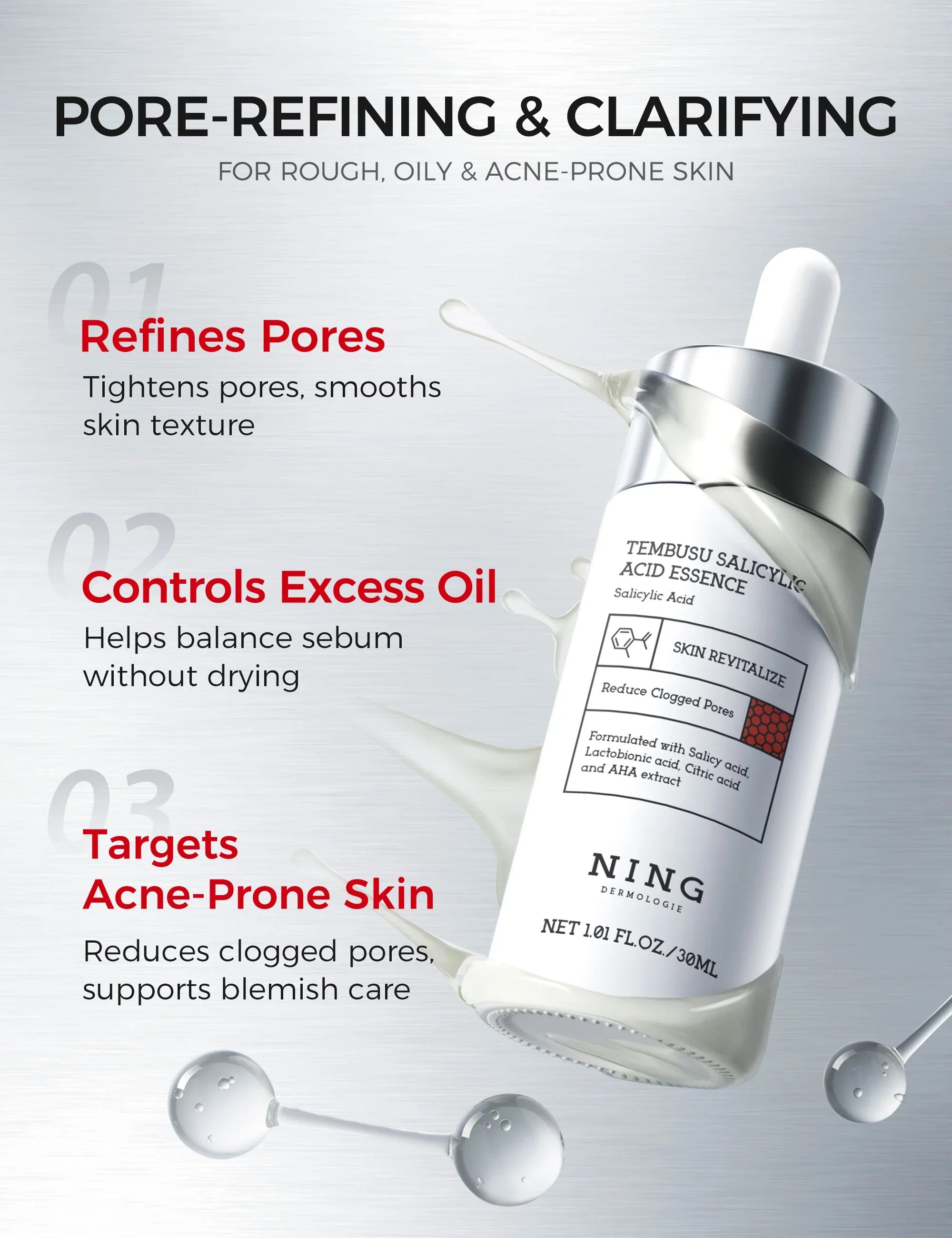
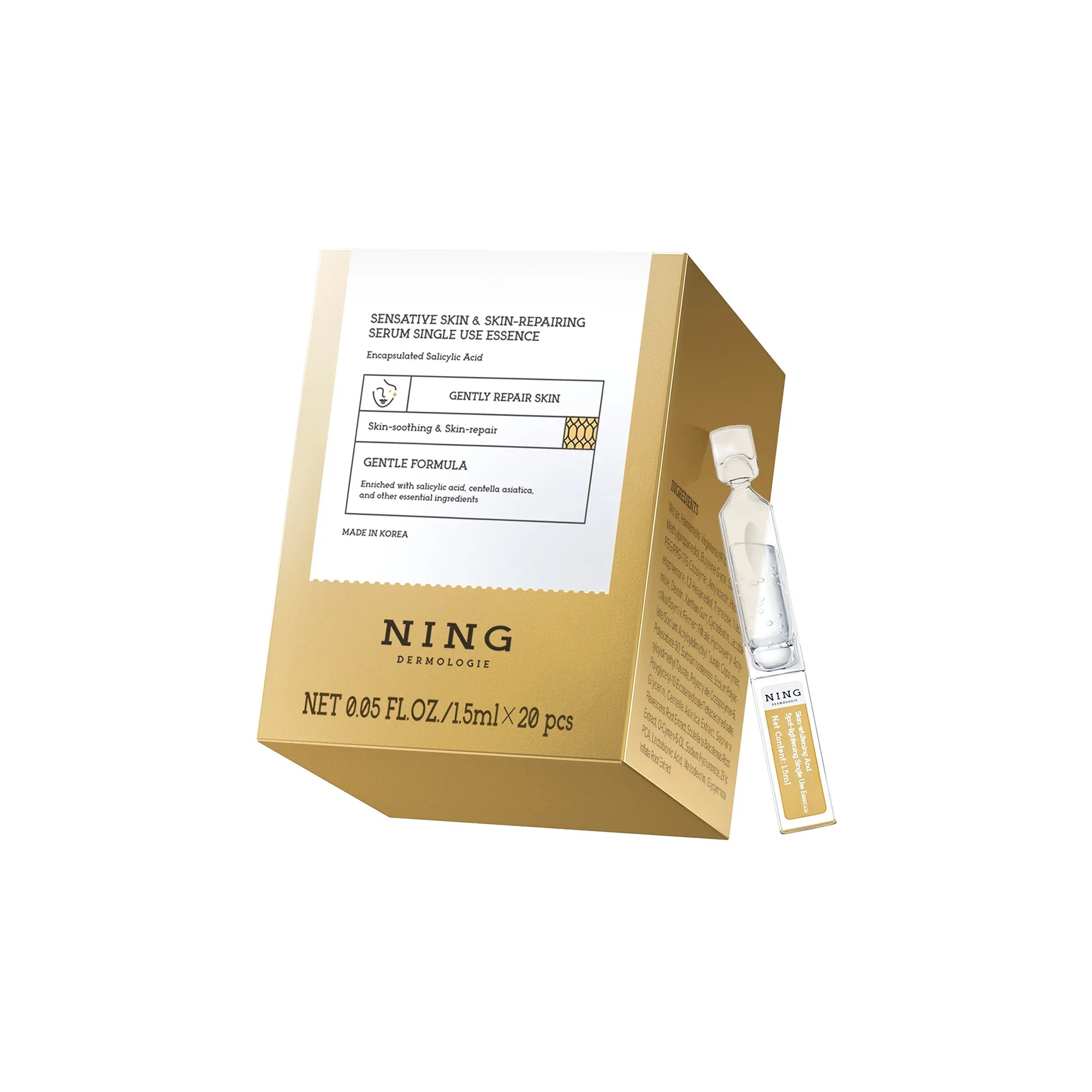
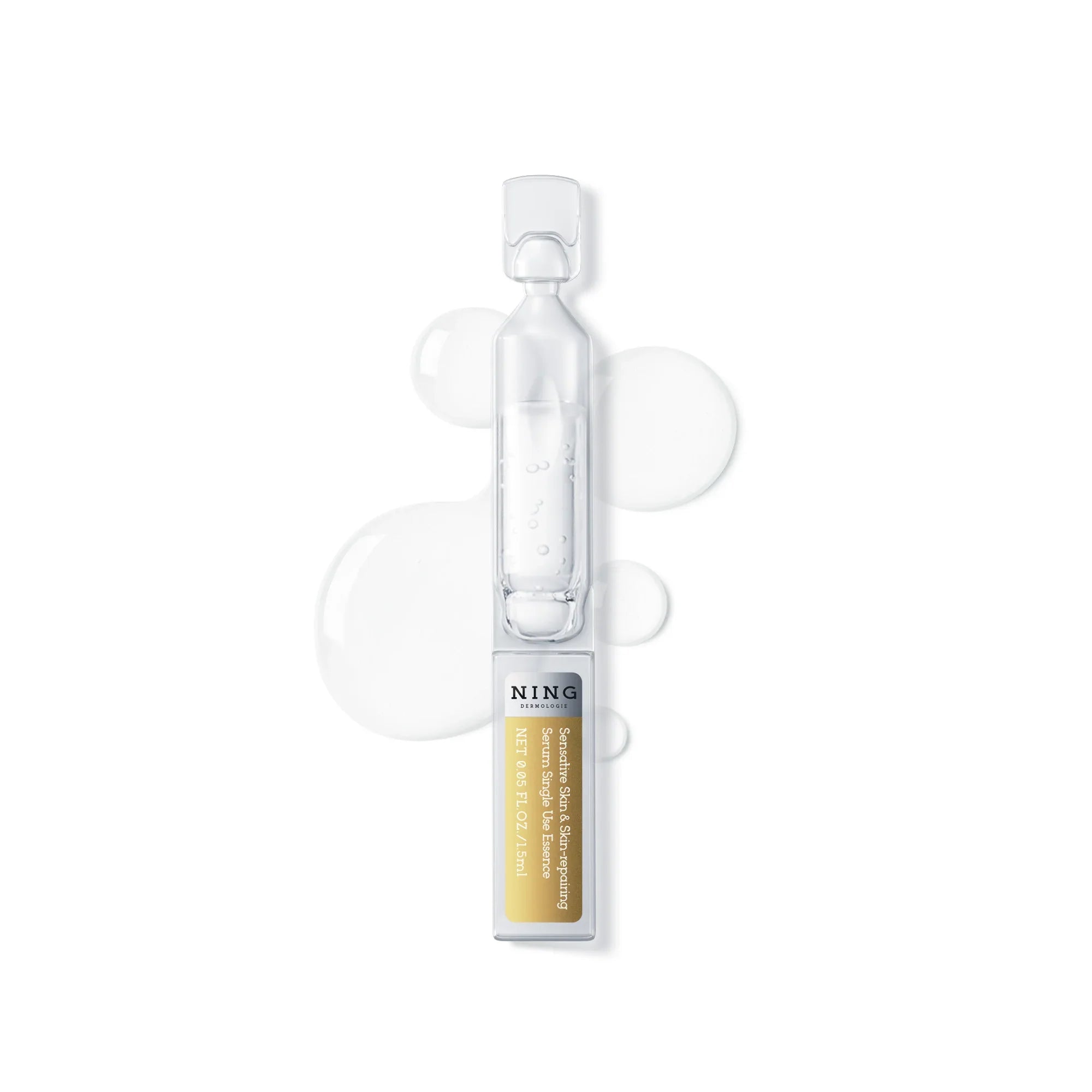
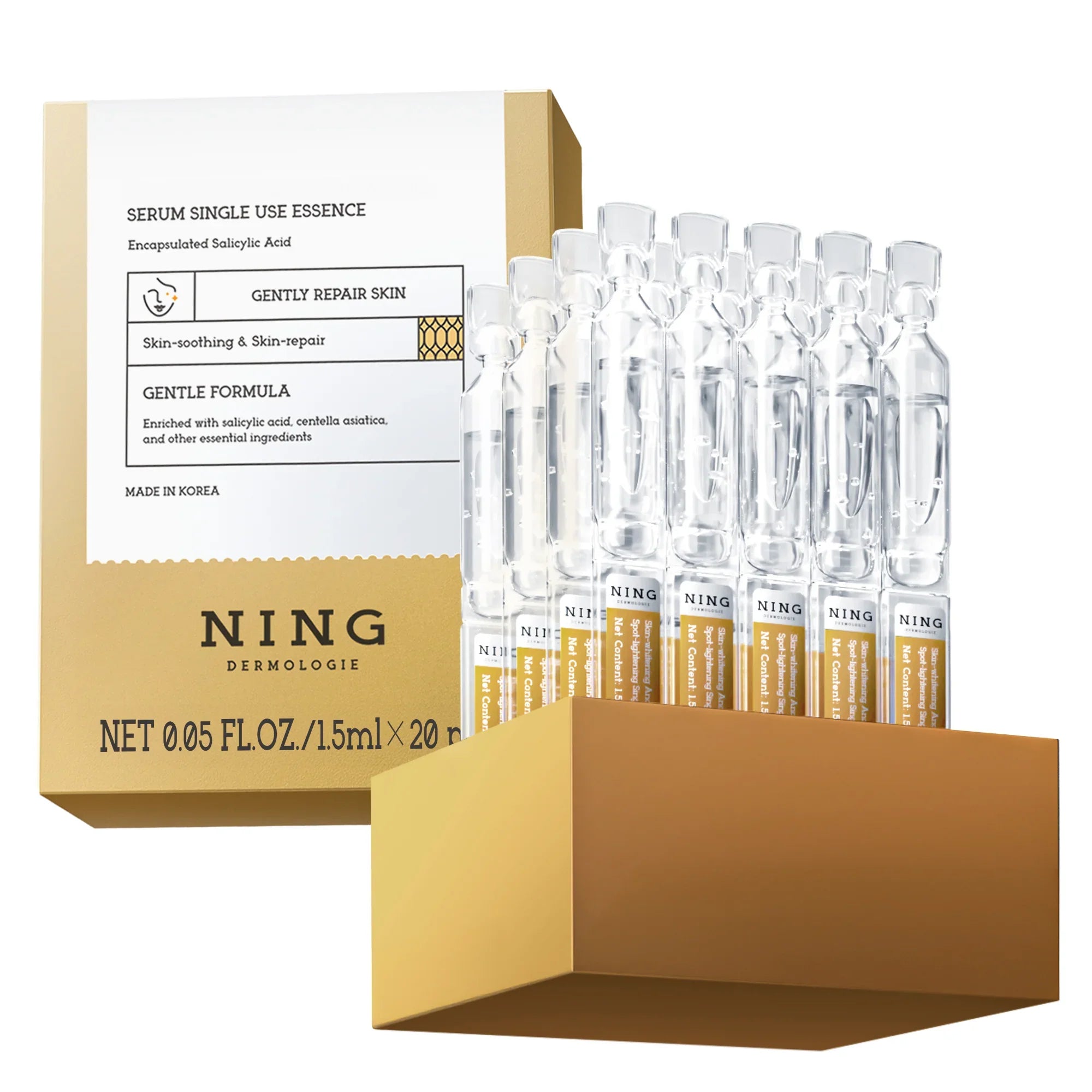
If your face feels like an oil slick by noon, your skin type is the "Goldilocks" zone for BHAs. You can usually handle a higher concentration of salicylic acid, like our 2% Salicylic Acid Serum. This serum is designed to balance oil in your skin without making it feel like a desert.
Dry or Sensitive Skin
If you have sensitive or reactive skin, you need to be careful. Salicylic acid may cause irritation if used too aggressively. For you, it’s not about the daily use of salicylic acid; it’s about strategic use. Maybe once or twice a week, or as a spot treatment.
The Myth of the "Universal" Skincare Ingredient
While salicylic acid is an ingredient found in many skincare products, it’s not a one-size-fits-all. Some people find that lactic acid or glycolic acid works better for their skin concerns, especially if their main goal is hydration rather than oil control. However, if acne-prone skin is your primary battle, the use of salicylic acid is almost non-negotiable.
Is It Okay to Use Salicylic Acid Every Day?
This is the million-dollar question. The short answer? It depends on how your skin responds.
When you first introduce salicylic acid into your skincare regimen, your skin might go through a "purging" phase. This isn't a breakout; it's just all the hidden gunk coming to the surface. To avoid a disaster, you shouldn't use salicylic acid every day right out of the gate.
-
Week 1-2: Use your salicylic acid serum twice a week.
-
Observe: See how your skin feeling is the next morning. If it’s tight or itchy, back off.
-
Gradual Build: Once your skin adjusts, you can increase frequency.
At NING Dermologie, we recommend the "slow and steady" approach. Using a product containing salicylic acid too often can make your skin more sensitive and compromise your skin barrier. If you strip away too much oil, your skin will actually panic and produce more oil to compensate. Talk about backfiring!
The NING Dermologie Guide: How to Apply Salicylic Acid
If you want to clearer and healthier skin, you have to treat your skincare routine like a ritual, not a chore. Here is the best way to incorporate our 2% Salicylic Acid Serum into your night:
Step 1: Cleanse (But Don't Strip)
Start with a gentle cleanser. Avoid using a physical scrub right before you apply salicylic acid. You don't want to create micro-tears in the skin and then pour acid into them. That’s just asking for trouble.
Step 2: The Serum
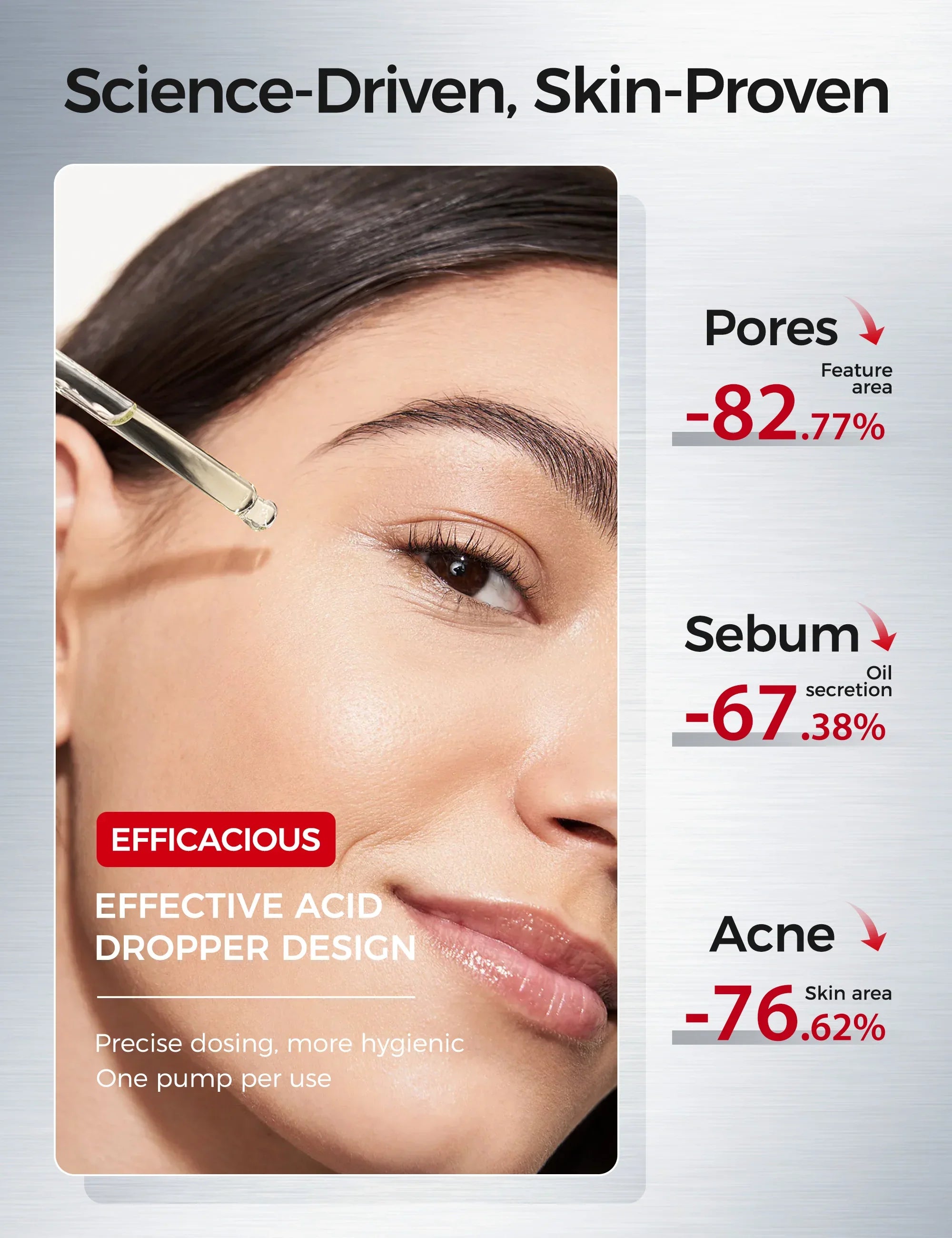
Apply 2-3 drops of the salicylic acid serum. Focus on the "T-zone" or wherever you see various skin blemishes. You don't need a thick layer; a little bit of this active ingredient goes a long way.
Step 3: Wait and Hydrate
Give it a minute to sink in. Then, follow up with a solid moisturizer. This is crucial to keep your skin hydrated and protect the skin barrier. Even oily skin needs moisture!
Step 4: Sunscreen (Non-Negotiable)
Because any acid that exfoliates the skin can make your skin more sensitive to the sun, you MUST wear SPF the next morning. No excuses.
Salicylic Acid vs. Glycolic Acid: Which One Wins?
It’s not a boxing match; it’s about teamwork.
- Salicylic acid is used for deep pore cleaning and acne.
- Glycolic acid is used for surface glow and fine lines.
If you have various skin conditions like adult acne and fine lines, you can use both, but don't use them at the exact same time. Use your salicylic acid product at night and maybe a glycolic acid toner a few mornings a week.

Addressing Complex Skin Concerns
Many people ask if salicylic acid is safe for long-term use. Salicylic acid is safe and effective for most people when used as directed. It doesn't just help with pimples; it can improve skin texture and tone by fading the dark spots left behind after a blemish heals.
However, if you are struggling with a severe skin condition like cystic acne or rosacea, you should observe how your skin reacts very closely. Sometimes, topical salicylic acid isn't enough, and you might need a professional peel or a prescription-strength treatment.
For the average person looking for clearer and healthier skin, a well-formulated serum like the one from NING Dermologie is the perfect balance of potency and protection.
The Final Verdict
The benefits and uses of salicylic acid are documented across decades of dermatological research. Whether it’s found in many skincare products like cleansers or concentrated in an acid serum, its ability to remove dead skin cells is unmatched.
If you are tired of your skin feeling congested and want to improve skin texture, it’s time to introduce salicylic acid properly. Just remember: respect the acid, protect your barrier, and always, always wear your sunscreen.
Your journey to clearer and healthier skin doesn't happen overnight, but with the right skincare routine and a little patience, those "magnifying mirror" sessions will become a lot less stressful.
Frequently Asked Questions (FAQ)
1. Can I use salicylic acid with Vitamin C?
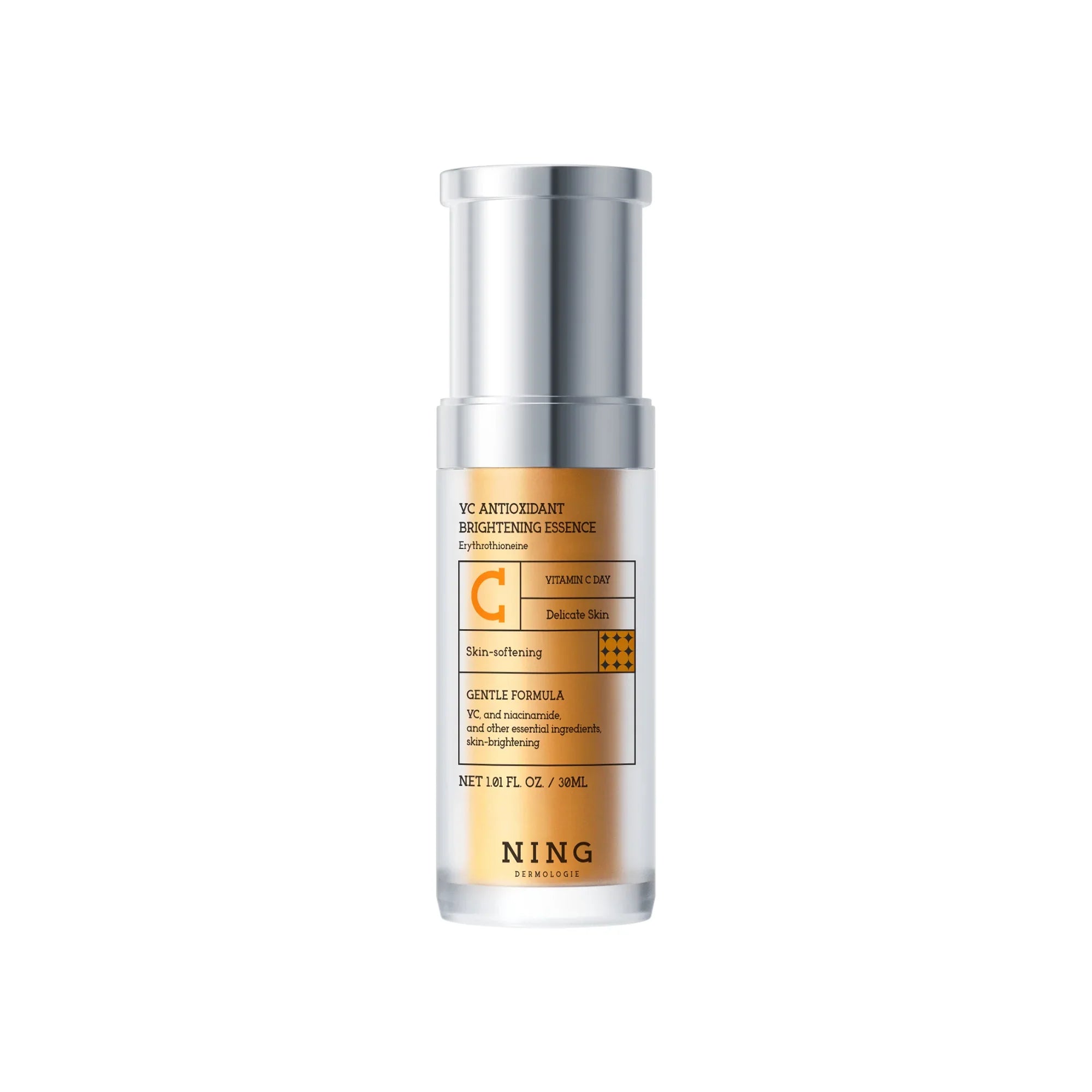
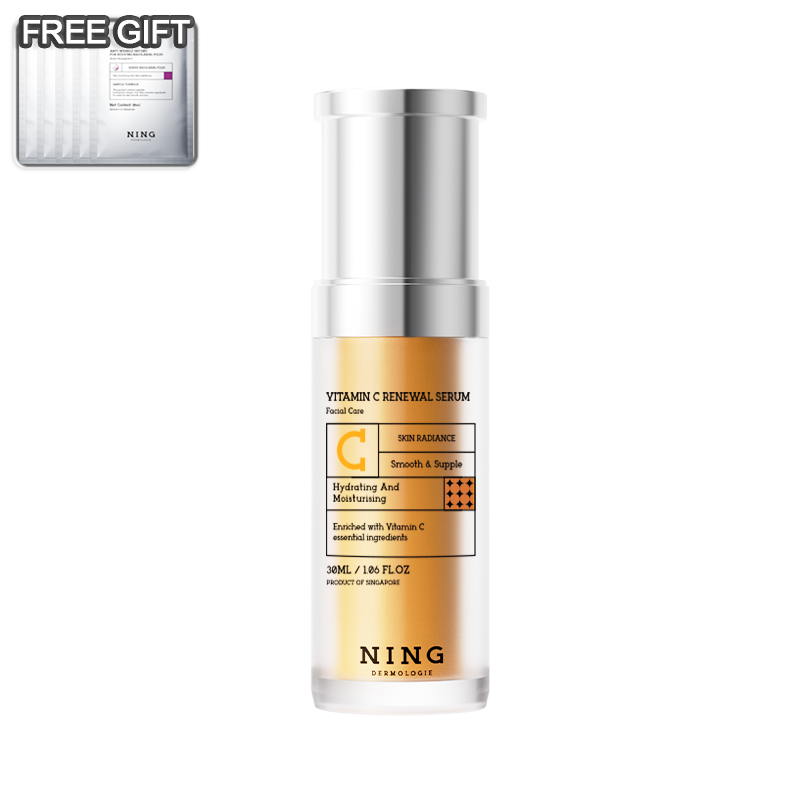
It is generally better to separate them. Using both at once can overwhelm your skin's pH levels and lead to irritation. Use Vitamin C in the morning for antioxidant protection and your NING Dermologie salicylic acid at night to clear out pores while you sleep. If you have very resilient skin, you can try both, but watch for redness or peeling.
2. Why does my skin feel dry after using the serum?
Look, the whole point of this acid is to vacuum up excess oil, so a little tightness isn't unusual. But if you're flaking like a pastry, you've overdone it. It usually means you're skipping moisturizer or using the serum way too often for your dry skin. Slather on a rich cream immediately after the salicylic acid product to keep your skin barrier from throwing a tantrum.
3. Will salicylic acid help with my large pores?
You can't actually shrink your pores like a window—their size is mostly down to your DNA. However, when they're stuffed with oil and dead skin cells, they look huge and "stretched." By letting salicylic acid penetrate deep to flush out that debris, the pores snap back and look way tighter. Salicylic acid helps clear the gunk so your skin texture looks smooth rather than like an orange peel.
4. Is it normal for my skin to "purge"?
It’s annoying, but yeah, it happens. When you first apply salicylic acid, it drags all the hidden "traps" to the surface at double speed. You might see more whiteheads for about two weeks, but don't panic—it’s just a deep clean. If you're still breaking out in weird spots after a month, then it's probably not a purge and your skin responds poorly to that specific skincare ingredient.
5. Can I use this serum if I have sensitive skin?
You can, but don't go rogue and use it every night. Sensitive or reactive skin needs a "low and slow" introduction. Test a tiny drop on your neck first. If you don't turn bright red, try using the NING Dermologie serum just once a week. If your skin feeling stays calm, you're good. If it stings like crazy, this active ingredient might just be too much for your specific skin type.
6. Can I use salicylic acid if I am pregnant?
This is a "better safe than sorry" situation. While the use of salicylic acid in small amounts in skincare products is usually debated, many doctors suggest sticking to gentler alternatives like lactic acid while you're expecting. Since salicylic acid is a beta hydroxy acid related to aspirin, check with your OB-GYN before putting it in your skincare routine. Your doctor’s word is final here, period.
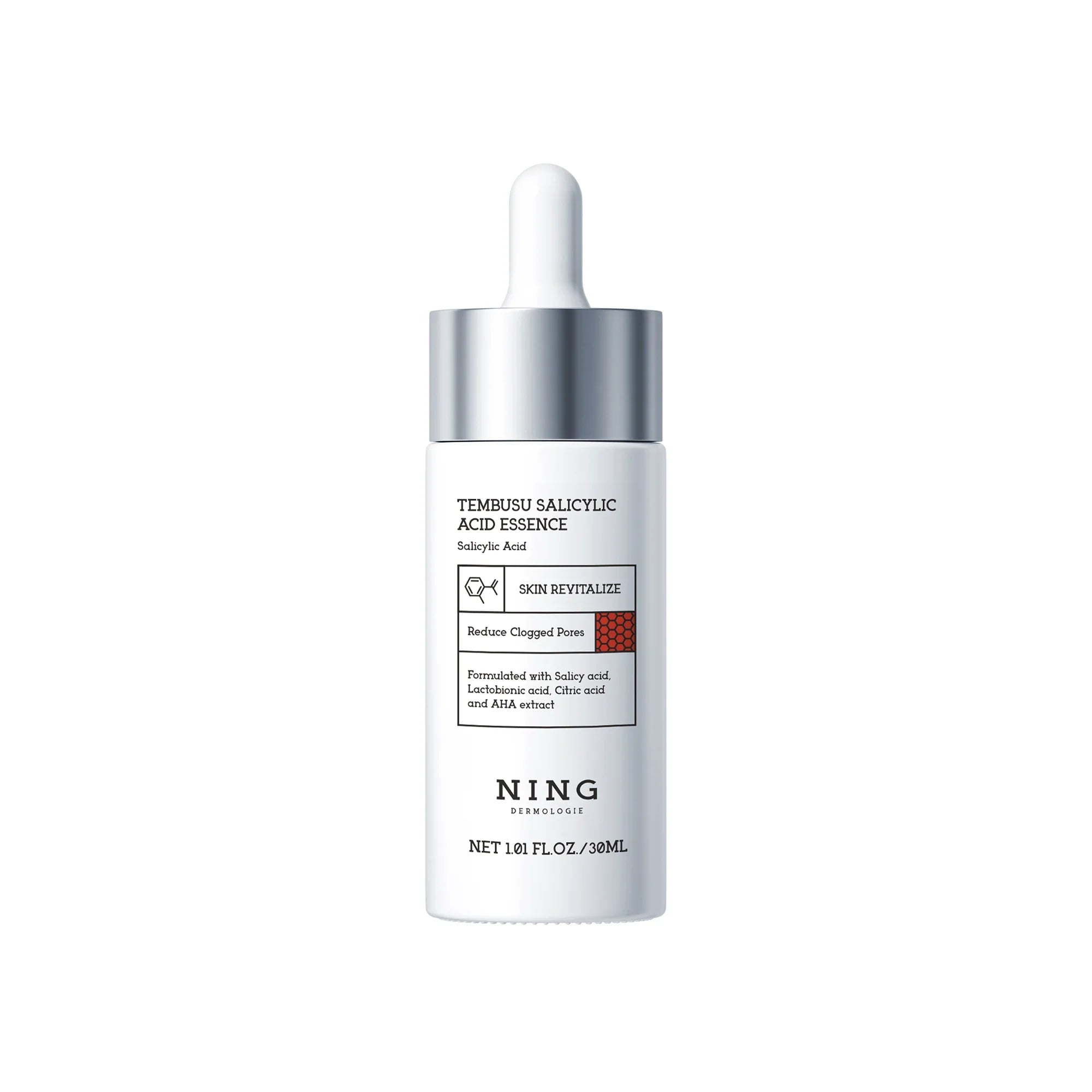
Ready to transform your skin? Check out our 2% Salicylic Acid Serum and start your journey to a clearer, more confident you with NING Dermologie.





Share:
Combatting Skin Imperfections with Salicylic Acid: Benefits and Uses
How Salicylic Acid Transforms Your Skin: Benefits and Applications