

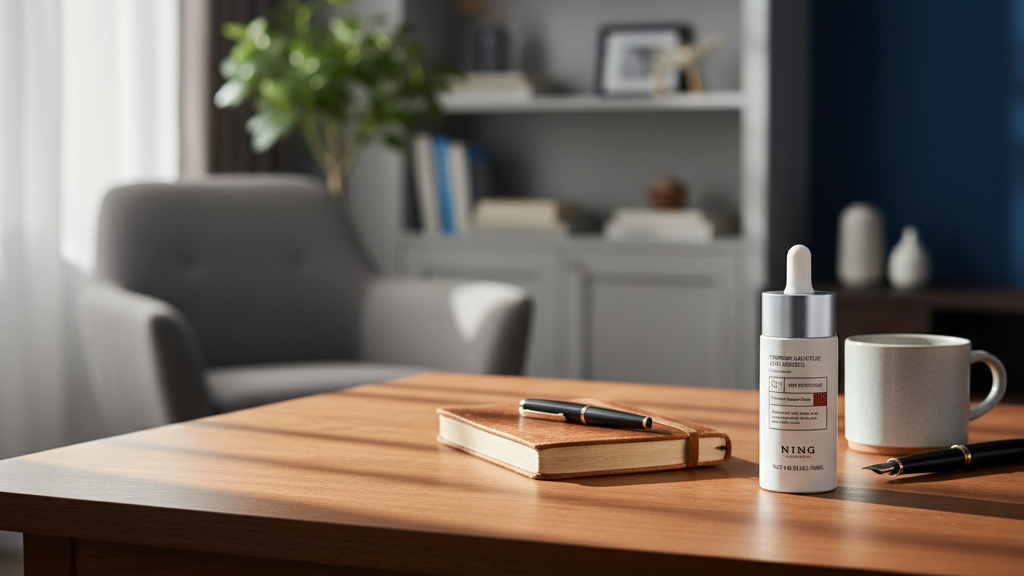

Beyond the Hype: The NING Dermologie Guide to Mastering Salicylic Acid for Real Results
The skincare world is obsessed with "glow," but when you’re staring at a stubborn breakout or pores that look like craters, "glow" feels like a distant dream. Enter Salicylic Acid. If you’ve ever felt like your skin was suffocating under a layer of oil and gunk, this is the ingredient that finally lets it breathe.
At NING Dermologie, we don’t believe in "magic potions." We believe in chemistry that actually works. Whether you’re a skincare veteran or new to salicylic acid, here is the unfiltered truth about what this acid does, why your skincare routine might be failing you, and how to use it without turning your face into a flaky desert.

What Is Salicylic Acid, Anyway? (And Why Should You Care?)
Most people know it’s "good for acne," but few know why. Salicylic acid is a beta hydroxy acid (BHA). While alpha hydroxy acids (like lactic acid or glycolic acid) are water-soluble and work mostly on the surface of the skin, salicylic acid is oil-soluble.
This is the game-changer. Because it loves oil, it doesn't just sit on top of your face; salicylic acid penetrates deep into the pore to dissolve the "glue" holding sebum and dead skin cells together. Think of it as a chemical pipe-cleaner for your face. Instead of scrubbing your skin raw with physical beads, this acid gently encourages the shedding of dead skin cells from the inside out.
How Salicylic Acid Benefits Your Skin (It’s Not Just for Teens)
If you think you outgrew the need for acne treatment once you hit 20, think again. The benefits of salicylic acid extend far beyond teenage pimples.
1. The Ultimate Pore Vacuum
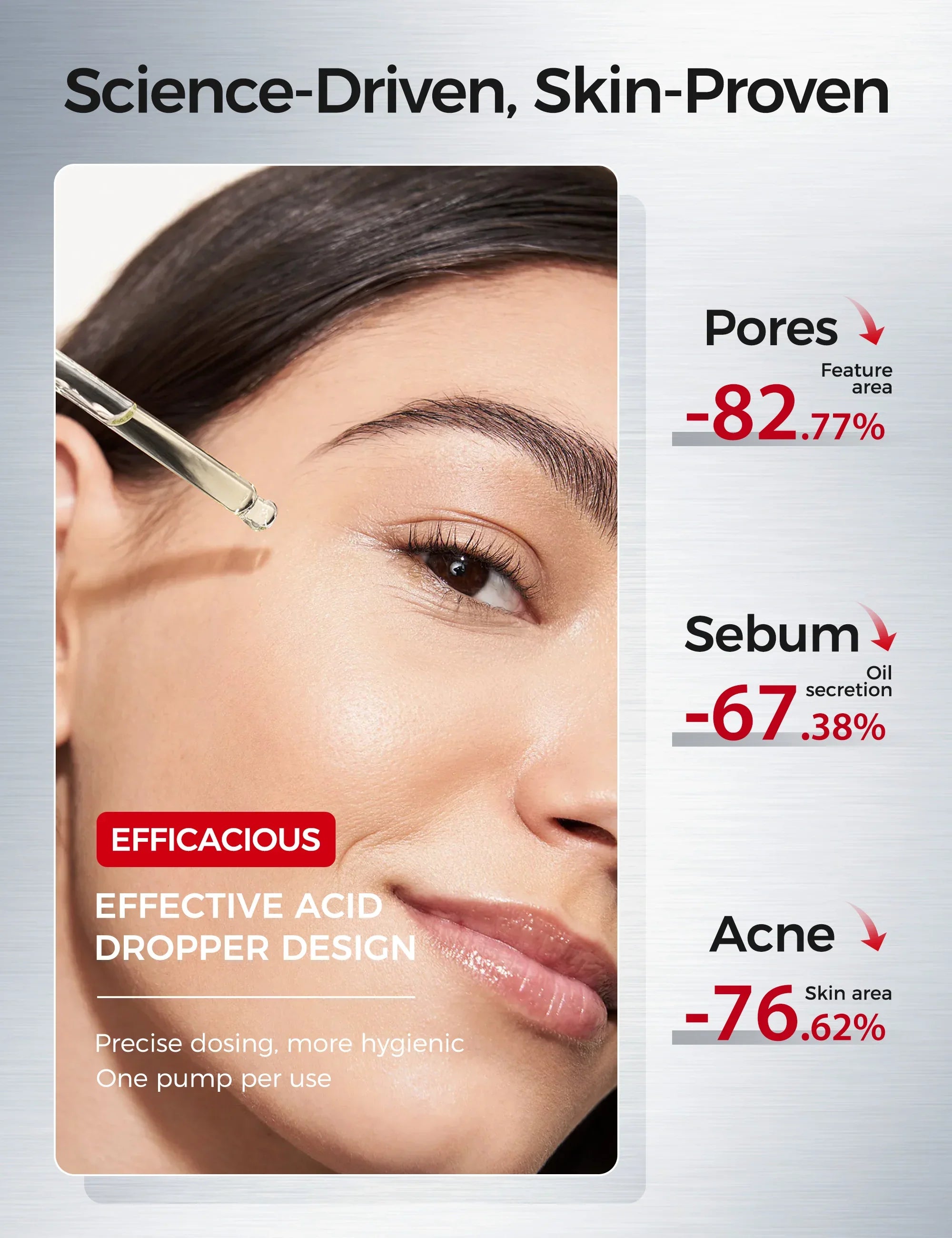
For oily and acne-prone skin, the biggest struggle is the build-up of dead skin cells that lead to blackheads. By keeping the pore clear, regular use of salicylic acid ensures that oil can flow freely to the surface rather than getting trapped and turning into a blemish.
2. Texture Refinement
If your skin texture feels bumpy or "congested," it’s likely because dead skin cells aren't desquamating (fancy word for peeling off) as they should. Salicylic acid helps to slough away dead skin cells, leaving your skin feeling smoother and looking more radiant.
3. Calming the Fire
Unlike some harsher treatments, salicylic acid actually has anti-inflammatory properties. This makes it incredible for soothing the skin and reducing the angry redness that comes with various skin conditions. It’s a multitasker: it fights the bacteria and calms the site of the war.
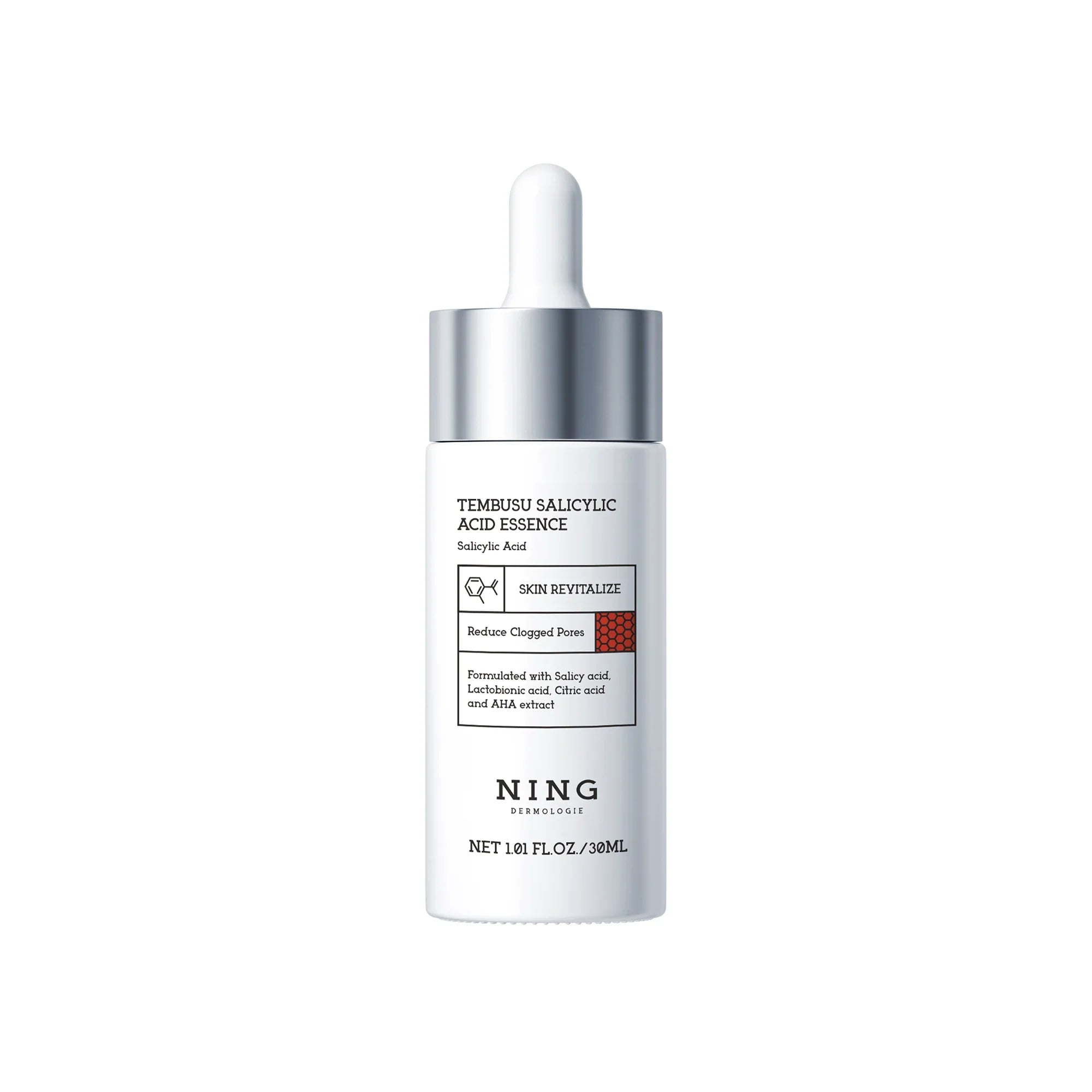
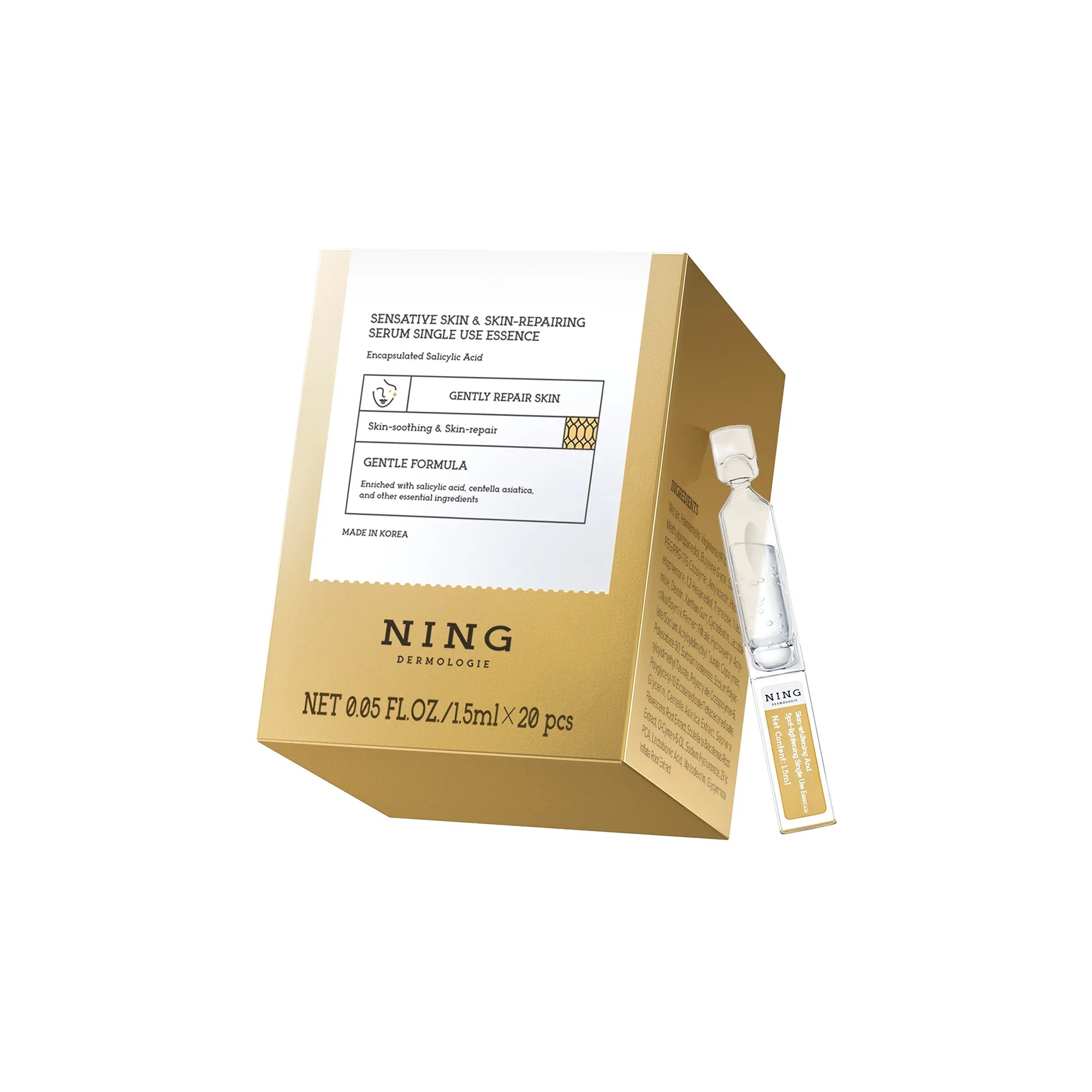
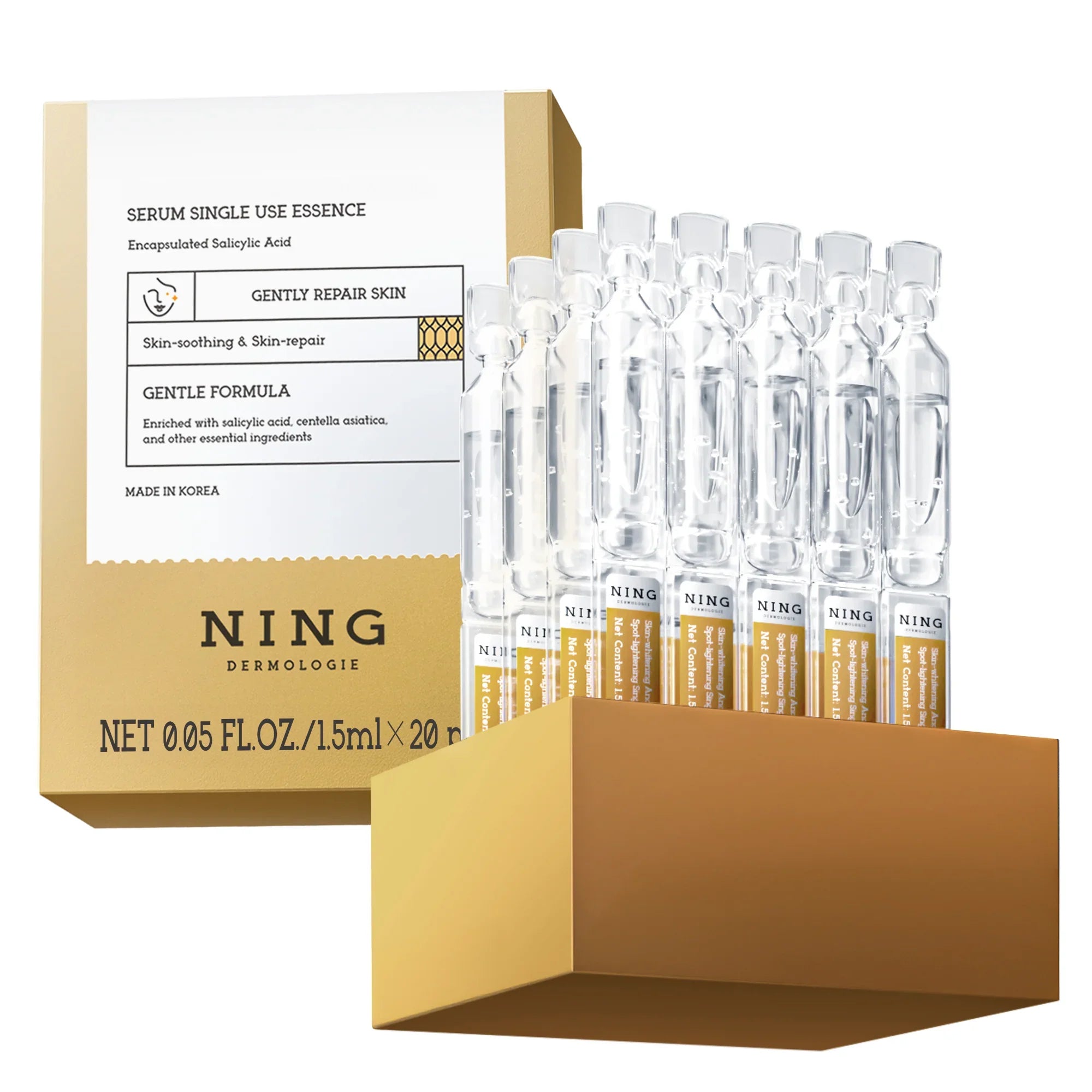
The NING Dermologie Approach: Integrating Our 2% Salicylic Acid Serum
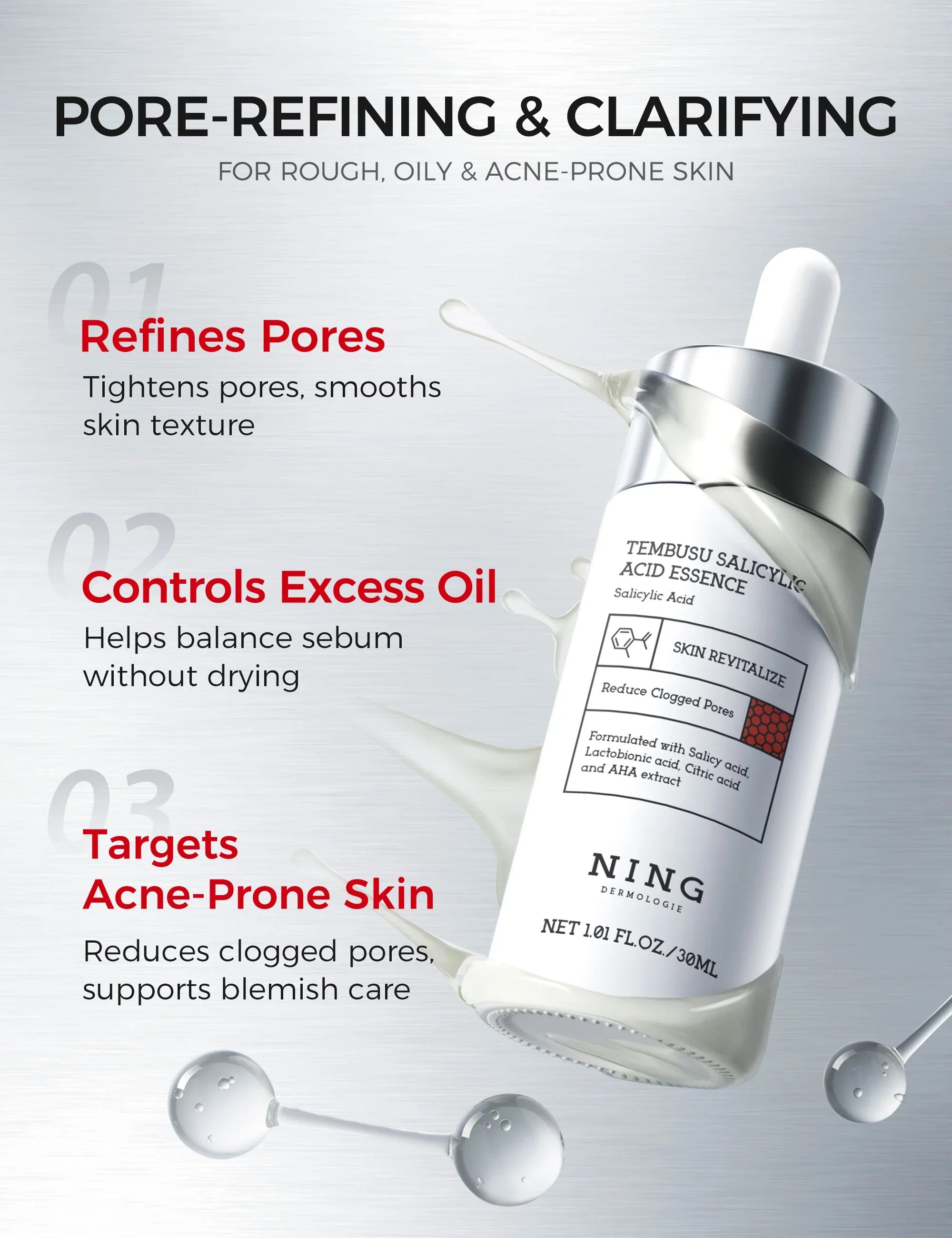
When we developed our 2% Salicylic Acid Serum, we had one goal: efficacy without the "burn." A dose of salicylic acid at 2% is the "Goldilocks" concentration—strong enough to treat acne and clear blemish-prone skin, but balanced enough to protect your skin barrier.
How to Use Salicylic Acid Like a Pro
If you are new to salicylic acid, don't dive into the deep end. Your skin needs to adjust.
-
The Patch Test: Apply a small amount to your jawline. Wait 24 hours. No skin irritation? You’re good to go.
-
Start Slow: Use the serum 2-3 times a week at night. As your skin adjusts, you can increase the frequency as your skin tolerates it.
-
The Sandalwood Method: Apply salicylic acid to clean, dry skin. Wait a minute for it to penetrate, then follow up with a barrier-repairing moisturizer.
-
Protect Your Progress: Salicylic acid can make your skin more sensitive to UV rays. If you aren't wearing sunscreen the next morning, you’re basically undoing all the benefits for your skin.
Customizing by Skin Type: One Size Does Not Fit All
How salicylic acid works for your best friend might not be how it works for you.
-
- Oily and Acne-Prone Skin: You are the primary candidate. You can likely handle daily use once your skin adjusts. Our serum helps regulate excess oil so you don't look like a shiny mess by noon.
- Combination Skin: Focus the acid only on your T-zone (forehead, nose, chin). Don't strip the skin on your cheeks if they are already dry.
- Dry or Sensitive Skin: Use with caution. Salicylic acid may cause flaky skin if overused. We recommend using it as a spot treatment or only once a week to maintain skin health without compromising moisture.
The "Do Not Mix" List: Salicylic Acid with Other Ingredients
Skincare is like a cocktail—some things mix great, others lead to a massive headache (or in this case, a chemical burn).
-
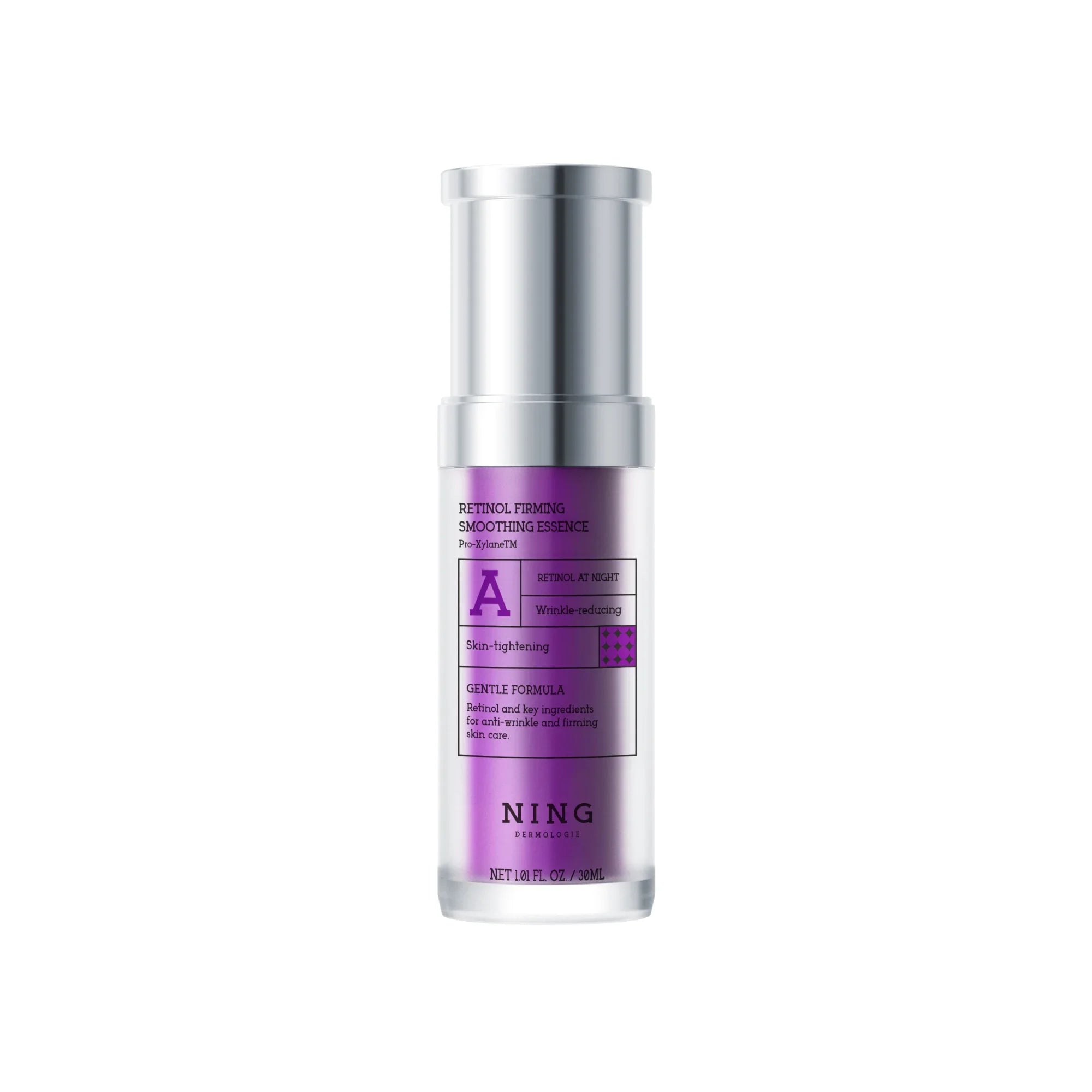
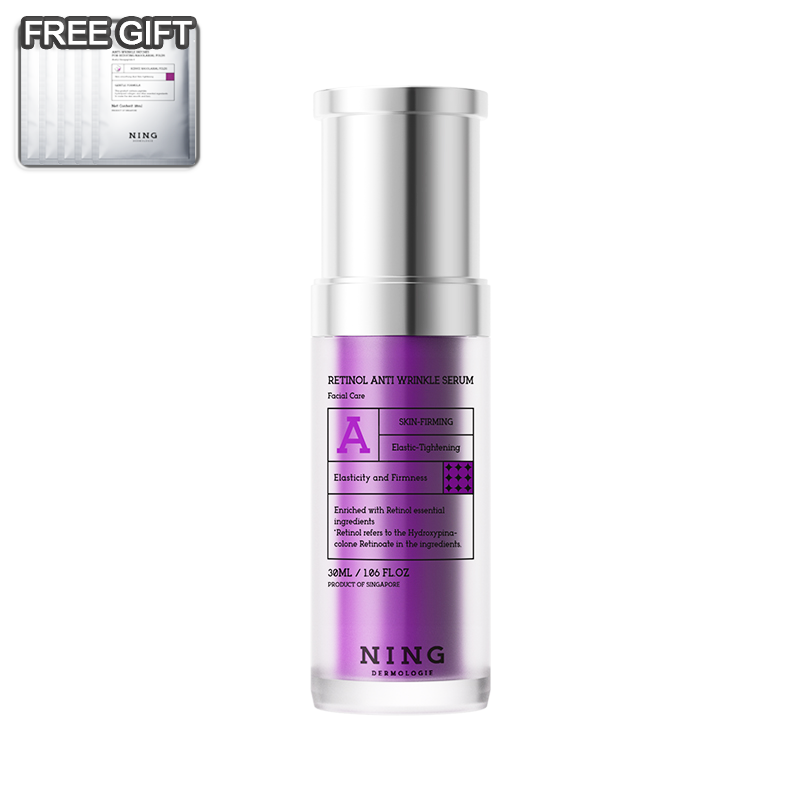
Salicylic Acid and Retinol: This is a high-risk combo. Using both at the same time can lead to extreme skin irritation and a broken skin barrier. Use them on alternate nights.
-
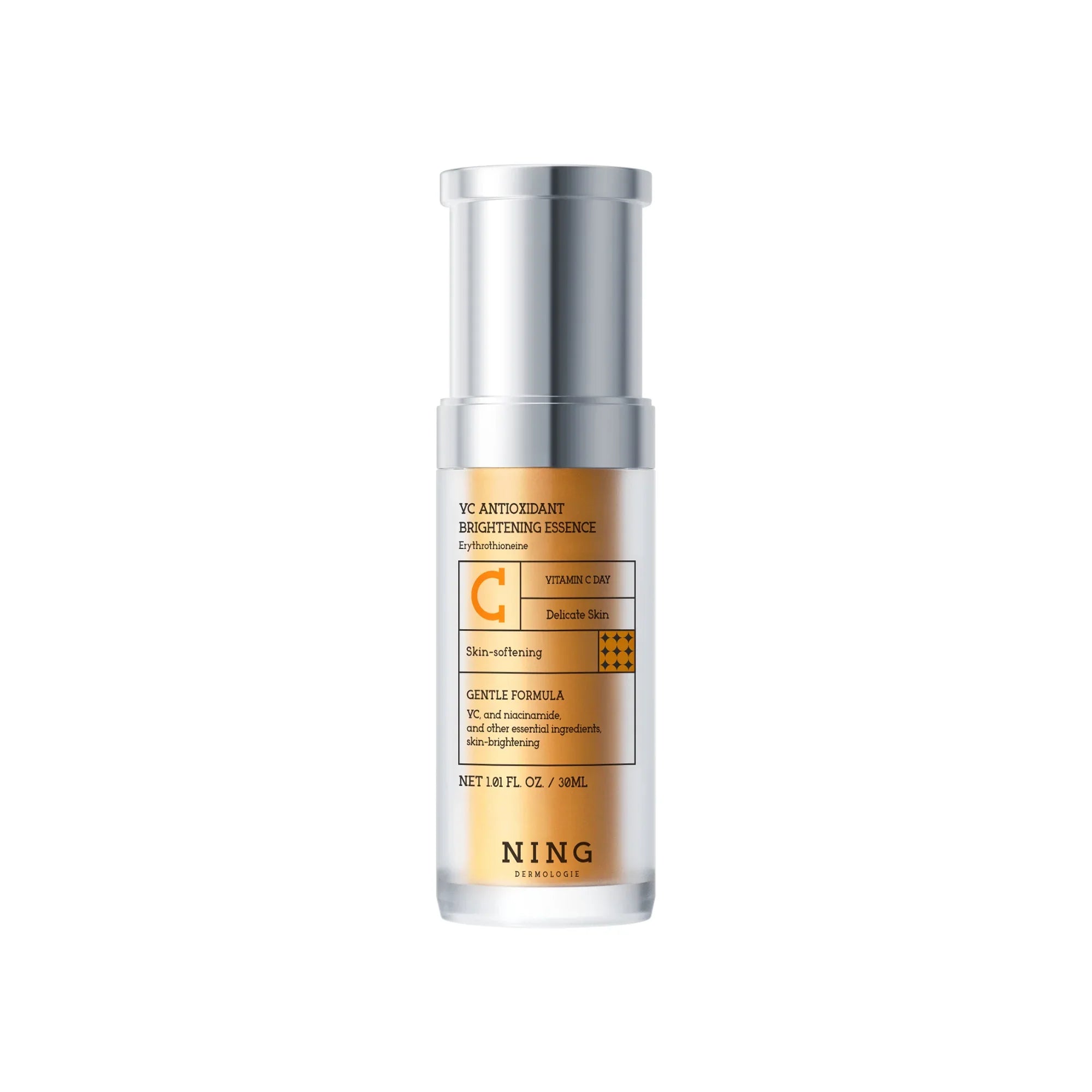
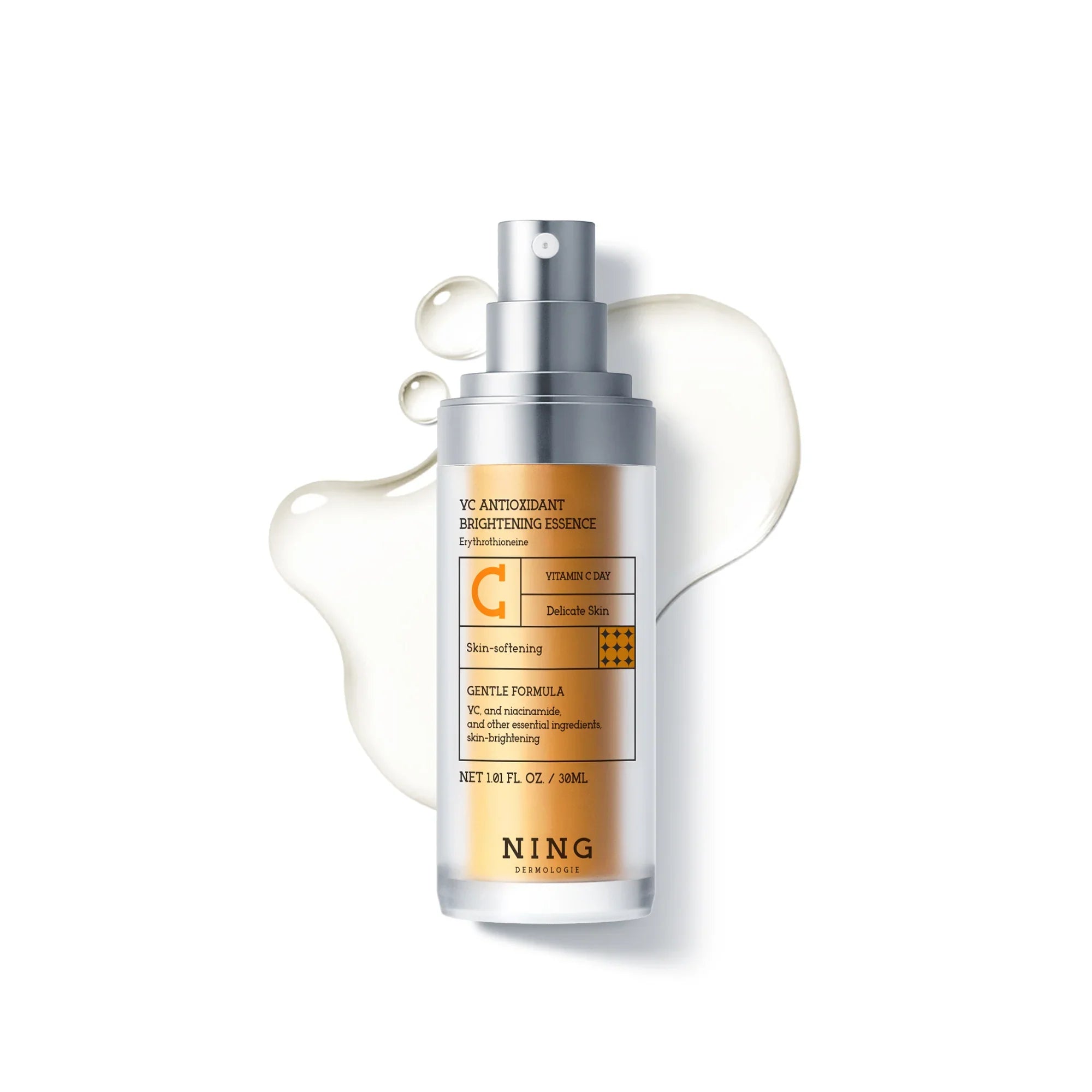
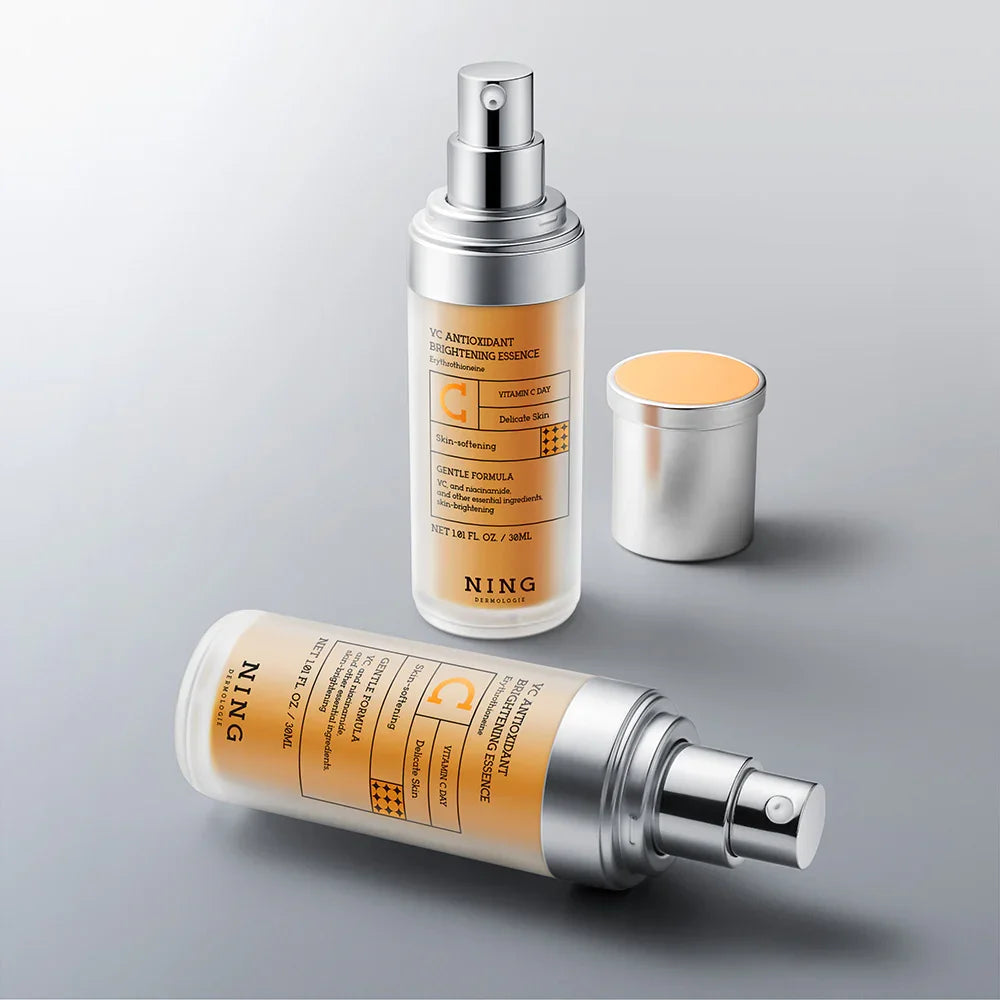
Vitamin C: The pH levels often clash. Use your Vitamin C in the morning for antioxidant protection and your 2% Salicylic Acid Serum at night.
-
Other Acids: Avoid stacking alpha hydroxy acids (like glycolic acid) on top of BHA in the same session unless the product is specifically formulated that way. Too much exfoliation will leave your skin raw and vulnerable.

Potential Side Effects: What to Watch For
We’re all about transparency at NING Dermologie. While the effects of salicylic acid are mostly positive, you need to listen to your face.
-
Purging: Sometimes, clearer skin gets worse before it gets better. As the acid penetrates deep to pull out gunk, you might see a temporary spike in breakouts. This should clear within 2-4 weeks.
-
Irritation: If you experience persistent redness, burning, or flaky skin, back off. You might be using it too often or the concentration might be too high for your current skin type.
-
Sensitivity: Salicylic acid can make the surface of the skin thinner and more prone to sun damage. Sunscreen is non-negotiable.
Why NING Dermologie?
We know you have a variety of skin choices. Our formula focuses on the benefits of salicylic acid while incorporating hydrating elements to ensure we don't strip the skin of its natural defenses. By targeting the build-up of dead skin cells and excess sebum and dead skin cells, we help you achieve that even skin tone and radiant skin you’ve been chasing.
Ready to clear the clutter? Check out the NING Dermologie 2% Salicylic Acid Serum and start your journey toward clearer skin today.
Frequently Asked Questions (FAQ)
1. Can I use salicylic acid every day?
It depends on your skin type. For oily and acne-prone skin, daily use is often the goal once the skin adjusts. However, if you have dry or sensitive skin, 1-3 times a week is usually plenty. Overusing any acid can damage your skin barrier, leading to irritation and redness. Always listen to your skin’s feedback—if it feels tight or looks shiny (but not in a good way), scale back.
2. Will it help with my "maskne" or hormonal breakouts?
Absolutely. Because salicylic acid is oil-soluble, it is uniquely qualified to penetrate the clogged pores caused by sweat and friction under masks. For hormonal acne, which often manifests as deep, painful bumps, the anti-inflammatory properties of our 2% Salicylic Acid Serum help reduce swelling and discomfort. While it won't fix the internal hormonal trigger, it significantly manages the external symptoms and helps prevent future breakouts.
3. Is it safe for sensitive skin?
Yes, but with caveats. Individuals with sensitive skin should look for a "short-contact" method or a lower frequency. Start by applying the serum for only 10 minutes and then rinsing it off, or use it only as a spot treatment on active blemishes. Always follow up with a rich moisturizer to replenish the skin barrier. If you have extreme skin issues like rosacea, consult a dermatologist before incorporating salicylic acid.
4. What is the difference between Salicylic Acid and Glycolic Acid?
It comes down to solubility. Glycolic acid is an AHA (Alpha Hydroxy Acid) and is water-soluble; it’s great for surface-level skin tone and fine lines. Salicylic acid is a BHA (Beta Hydroxy Acid) and is oil-soluble. This allows it to get inside the pore to clear out sebum and dead skin cells. If your issue is "clogged pores," BHA is your winner. If your issue is "dull surface," AHA is the way to go.
5. How long does it take to see results?
Patience is a virtue in skincare. While you might feel your skin texture becoming smoother after just one or two uses, significant changes in acne and pore size usually take 4 to 6 weeks. This is the time it takes for your skin to complete a full turnover cycle. If you experience "purging" (initial breakouts), stick with it—the clearer skin on the other side is worth the wait.
6. Can I use salicylic acid while pregnant?
This is a common concern for treating various skin issues during pregnancy. Most dermatologists suggest that low-concentration, topical salicylic acid (like a 2% serum) is generally fine, but high-percentage professional chemical peels should be avoided. However, everyone's health is different. We strongly recommend consulting with a healthcare professional or your OB-GYN before incorporating salicylic acid into your routine during pregnancy or while breastfeeding.





Share:
Comparing Concentrations: How Much Salicylic Acid Is Right for Your Acne?
Exploring the Skincare Advantages of Salicylic Acid