

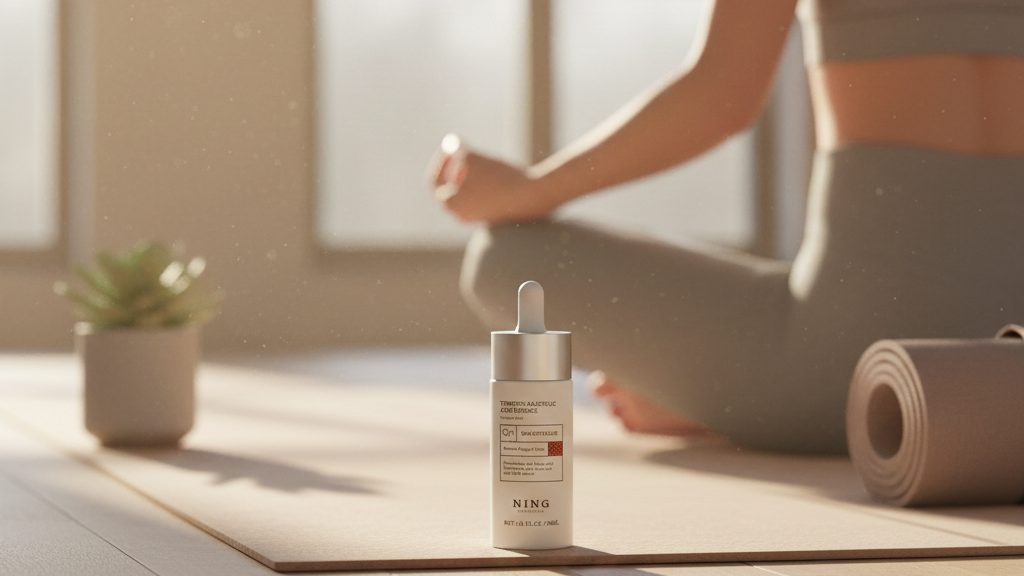

The Real Talk on Salicylic Acid: Finding Your "Goldilocks" Concentration
Standing in the skincare aisle—or scrolling through endless tabs—is exhausting. You see a bottle that says "Salicylic Acid" and you know it’s the holy grail for breakouts, but then the confusion hits. Should you go for the 0.5% "gentle" wash or the 2% "max strength" serum? Does a higher percentage mean faster results, or just a one-way ticket to Peeling-Skin City?
I’ve been there. I’ve made the mistake of thinking my skin was "tough" enough for the highest concentration right out of the gate, only to wake up with a face that felt like parchment paper. At NING Dermologie, we believe the science behind salicylic acid isn't about hitting your skin with the strongest hammer; it’s about finding the right salicylic acid for your specific biological landscape.

Understanding Salicylic Acid: The Pore-Diving BHA
Before we talk numbers, we need to talk about how salicylic acid works. Unlike AHAs (like glycolic acid) which mostly hang out on the surface, salicylic acid is a beta hydroxy acid (BHA). The "magic" is that salicylic acid is oil-soluble. This means it doesn't just sit on top of your face; it dives straight into the pore, slicing through the gunk, dead skin cells, and trapped sebum that cause active acne.
When you use salicylic acid, you’re essentially sending a tiny cleanup crew into your follicles to clear out comedonal acne (those annoying blackheads and whiteheads) before they turn into angry, inflammatory acne.
The Numbers Game: Different Concentrations of Salicylic Acid
The percentage of salicylic acid in your bottle dictates how hard that cleanup crew works. Here’s the breakdown:
- The 0.5% to 1% Range (Lower Concentration): Think of this as maintenance. A lower concentration is usually suitable for all skin types, including those with sensitive skin. If you have mild acne or just want to keep your skin smooth for daily use, a salicylic acid cleanser at this level is a great starting point. It offers acne treatment benefits without the drama of irritation.
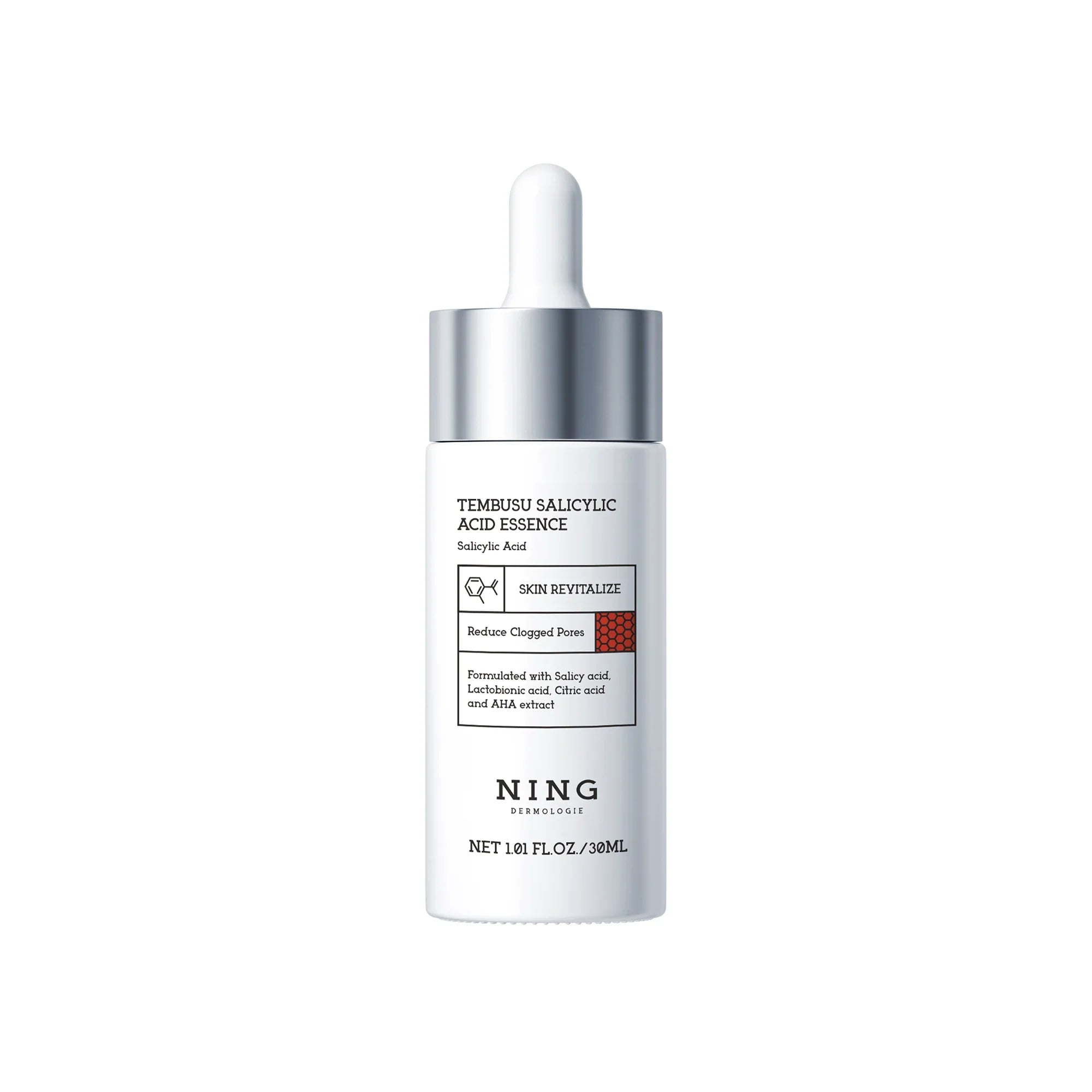
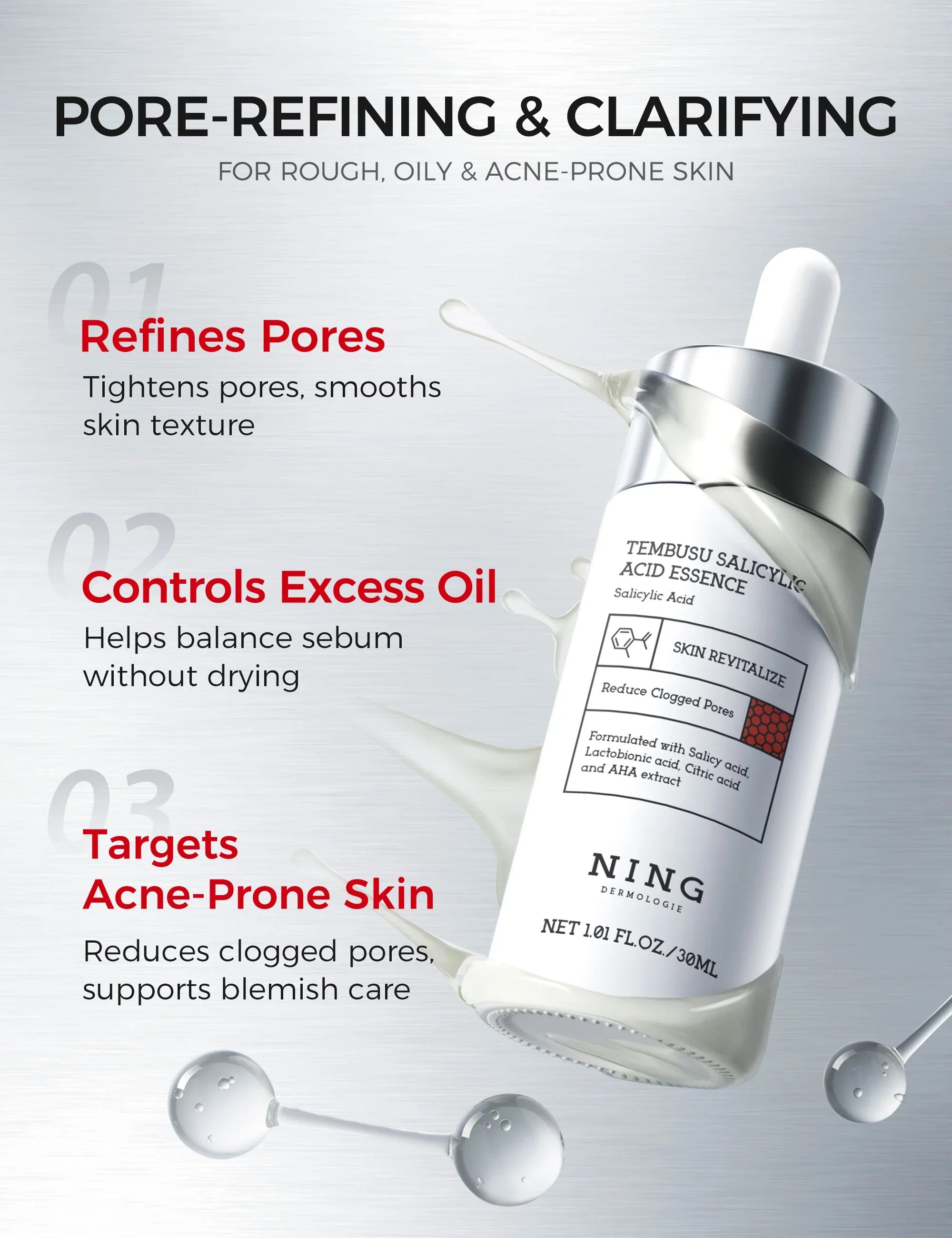
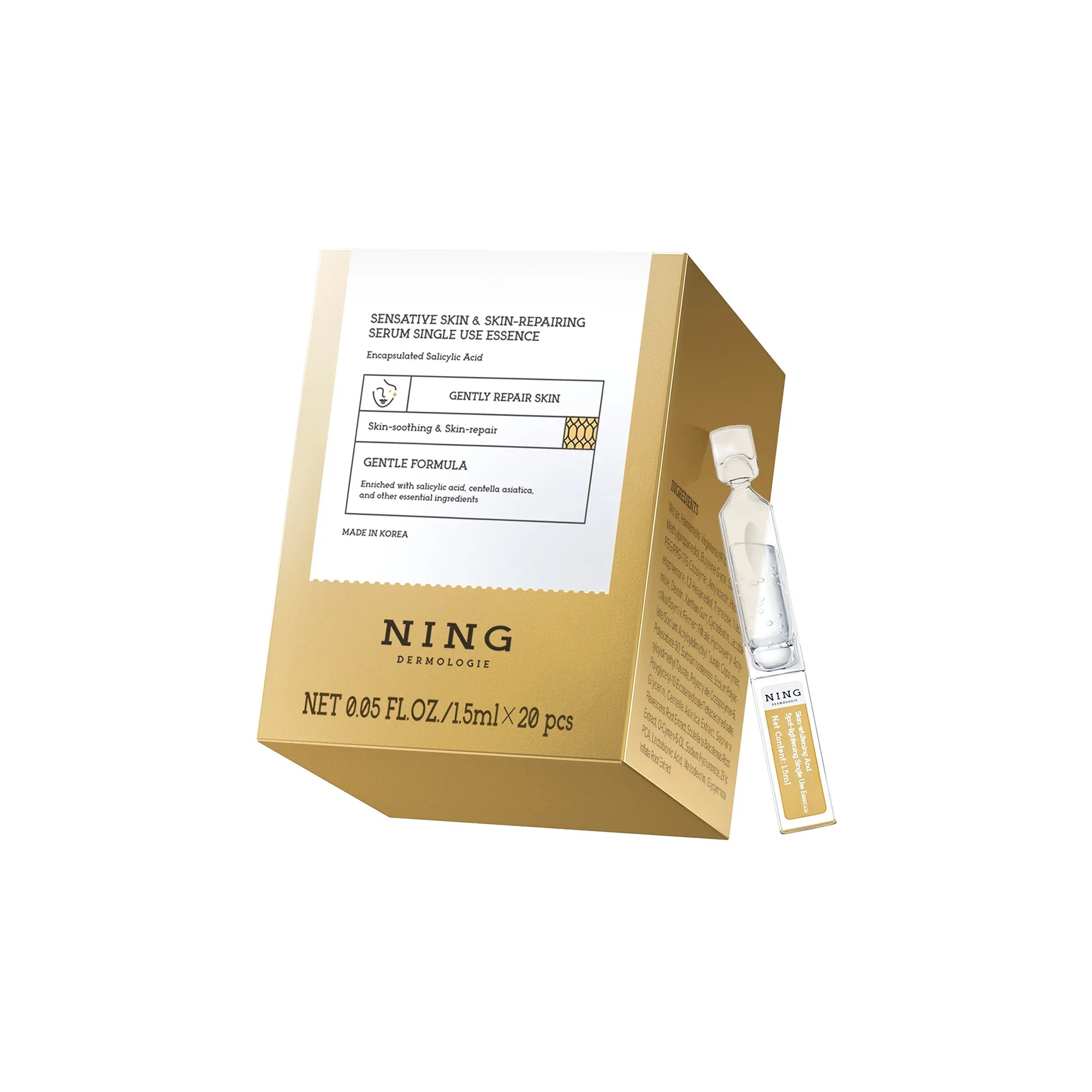
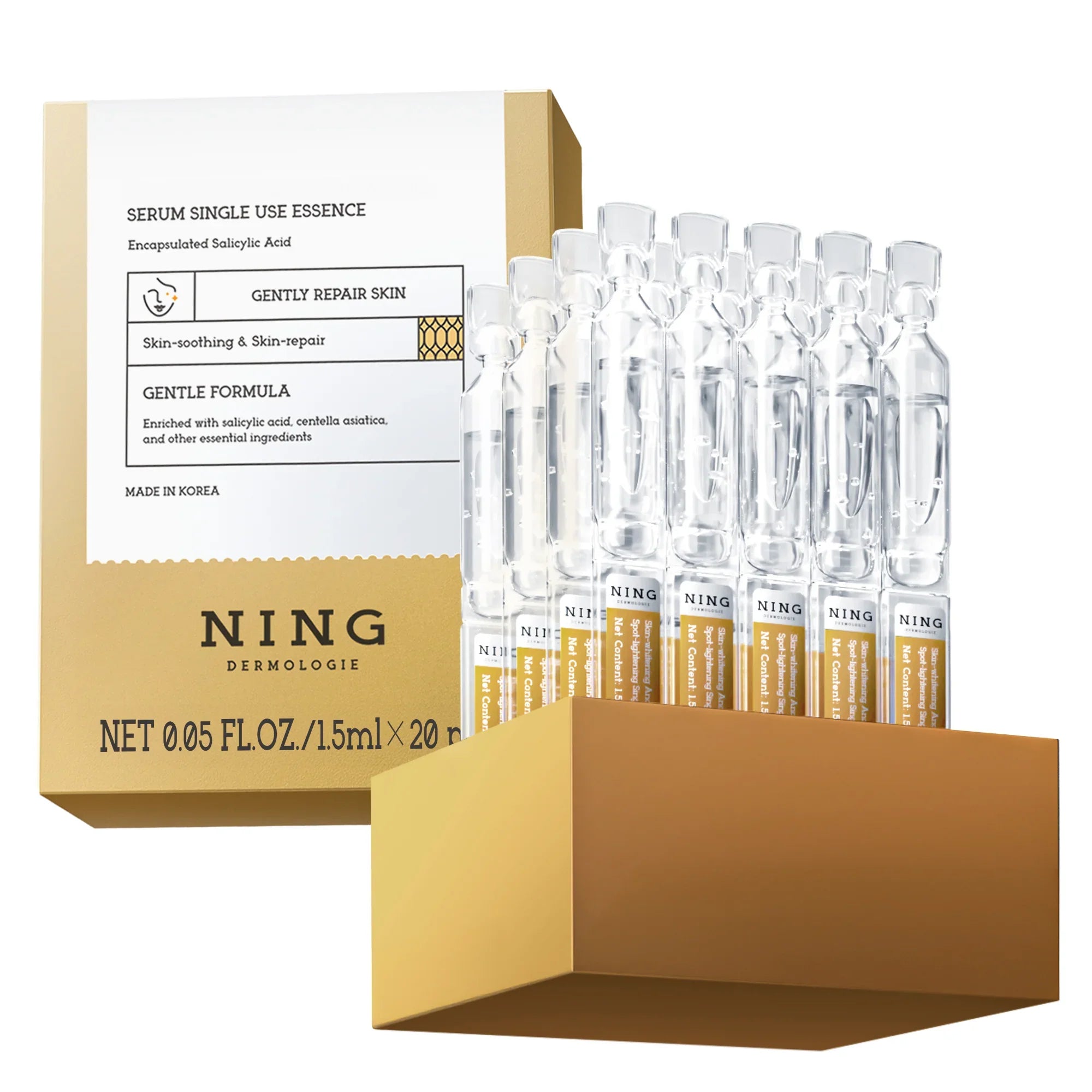
- The 2% Standard (The Sweet Spot): This is generally considered the "clinical" gold standard. It’s the right salicylic acid concentration for most people dealing with moderate acne. Our NING Dermologie 2% Salicylic Acid Serum is designed at this level because it’s powerful enough to treat acne at its source but formulated to be stable.
- High Concentrations (Over 2%): Usually found in professional peels or specific spot treatments for severe acne. High concentrations can be risky for home use and can lead to redness if you don't know what you're doing.
Is 2% Salicylic Acid Enough for Your Skin Type?
One of the most common questions is: "Is salicylic acid enough on its own?" The answer depends on your skin type and acne severity. If you have oily skin, you might feel like your face is a literal oil refinery. In this case, salicylic acid helps maintain a matte finish because it’s lipophilic (oil-loving). It fights acne by drying out that excess grease.
However, if you have persistent acne or moderate to severe acne, you might need to think about pairing salicylic acid with other actives. For example, combining salicylic acid with benzoyl peroxide can kill bacteria while the BHA clears the pores. Just be careful—don't apply them at the exact same second. Use one in the morning and one at night to avoid overwhelming your barrier.
How to Apply Salicylic Acid Without Nuking Your Face
If you want to get the best results, you have to apply salicylic acid correctly. It’s not a "more is better" situation.
-
Start Gradually: Don't go from zero to twice a day. Introduce salicylic acid gradually—maybe three times a week.
-
Focus on the Breakout: If you have active acne in specific spots, you don't always need to coat your entire face. Use it where the breakout is happening.
-
Hydrate, Hydrate, Hydrate: Because salicylic acid exfoliates the skin, it can lead to dryness. Look for a serum that balances the BHA with something soothing. At NING Dermologie, we often suggest following up with hyaluronic acid to lock in moisture.
-
Sunscreen is Non-Negotiable: Even though BHA is less photosensitizing than AHA, it’s still an acid. Salicylic acid can make your skin more vulnerable to UV damage.
Common Pitfalls: Salicylic Acid vs. Your Skin Barrier
A lot of people give up on skincare because they see "purging." When you first use salicylic acid, it might look like your acne is getting worse. This is actually a sign that the salicylic acid works; it’s pulling all that underlying congestion to the surface. Stick with it for at least 4-6 weeks for consistent use to actually see the acne treatment benefits.
However, if your skin feels hot, itchy, or starts flaking off in sheets, you’ve overdone the concentration. You might need to drop back to a lower concentration or reduce how often you use 2 percent formulations.

Why NING Dermologie Chooses 2%
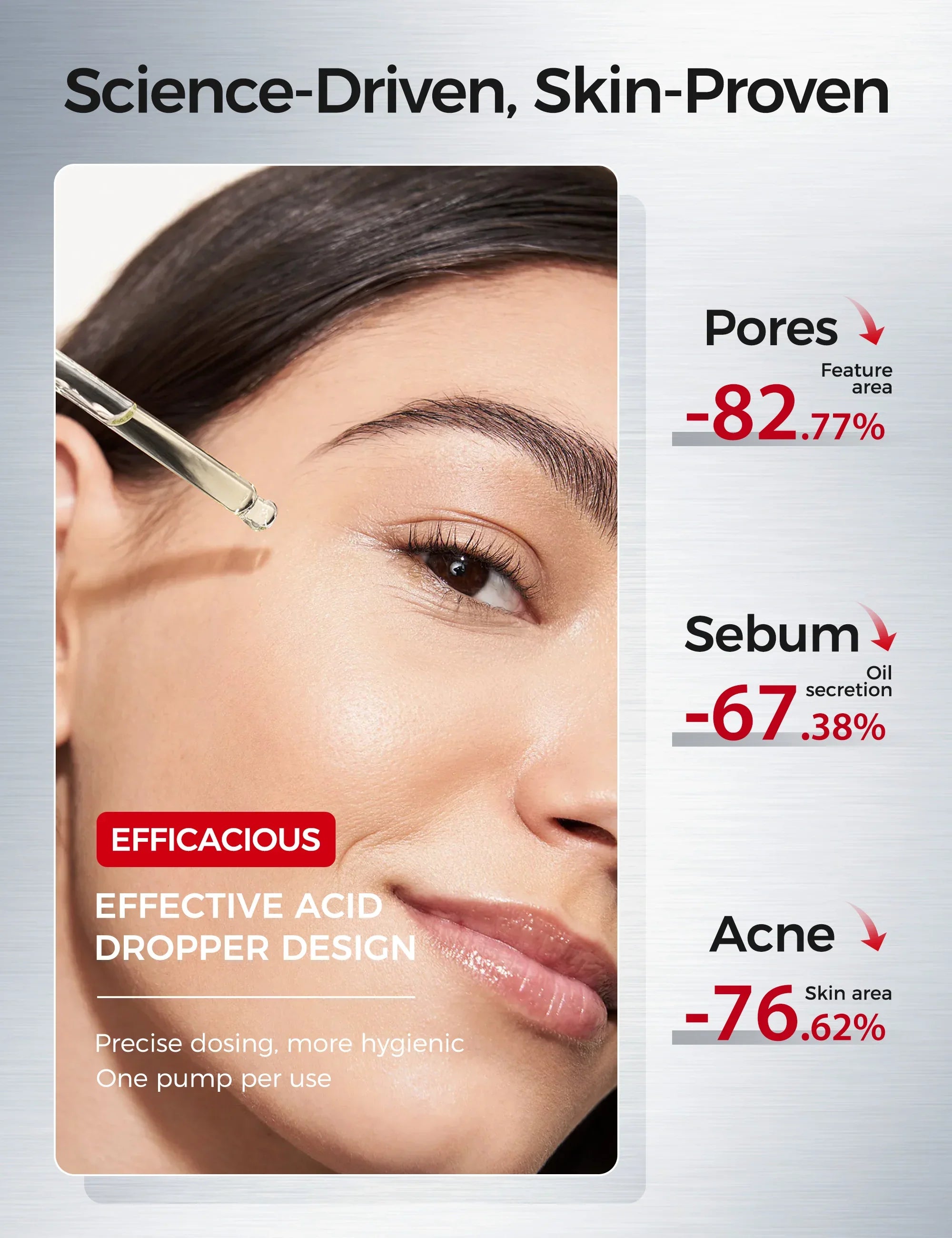
We didn't just pick a number out of a hat. The use of 2 percent topical salicylic acid is supported by decades of dermatological research. It is effective for moderate acne and hits the perfect balance between "I see a difference" and "I can still move my face." Our 2% Salicylic Acid Serum targets acne lesions while keeping the surrounding skin healthy.
Choosing the right salicylic acid product is about listening to your skin. If you’re dealing with blackheads and occasional bumps, 2% is your best friend. If your skin is incredibly reactive, start with a wash that you rinse off.
Frequently Asked Questions (FAQ)
1. Can I use salicylic acid every day?
Yes, but don’t rush into it. For oily skin, daily use is often fine once your skin adjusts. However, if you have sensitive skin, using it 2–3 times a week is usually salicylic acid enough to see results without causing irritation or peeling. Always monitor your skin barrier’s health.
2. Is 2% salicylic acid better than 0.5%?
"Better" is subjective. A 2% concentration is more effective for moderate acne and deeper pore exfoliation. However, a lower concentration (0.5%) is better for those who just want light exfoliation or have very reactive skin. It’s about matching the strength to your acne severity.
3. What should I avoid when using salicylic acid?
Avoid "stacking" too many harsh acids. Using salicylic acid alongside lactic acid or high-strength retinol in the same routine can lead to redness. Also, be cautious with benzoyl peroxide; while they both treat acne, using them simultaneously can be extremely drying for most people.
4. How long does it take to see acne treatment benefits?
Patience is key. While you might notice less oil immediately, it typically takes 4 to 6 weeks of consistent use to see a significant reduction in blackheads and active acne. Your skin needs time to go through its natural turnover cycle while the BHA clears the pipes.
5. Can I use salicylic acid if I have dry skin?
Yes, but be strategic. Use a serum like NING Dermologie’s 2% formula only on oily zones (like the T-zone) or as a spot treatment. Always follow up with a rich moisturizer containing hyaluronic acid to prevent the "parched" feeling that some acne products can cause.
6. Should I consult a dermatologist before starting?
If you have moderate to severe acne, cystic bumps that hurt, or skin that reacts to almost everything, seeing a dermatologist is a smart move. They can help you choose the right plan and determine if you need prescription-strength options or a specific percentage of salicylic acid.





Share:
Combatting Skin Imperfections with Salicylic Acid: Benefits and Uses
Exploring the Skincare Advantages of Salicylic Acid