

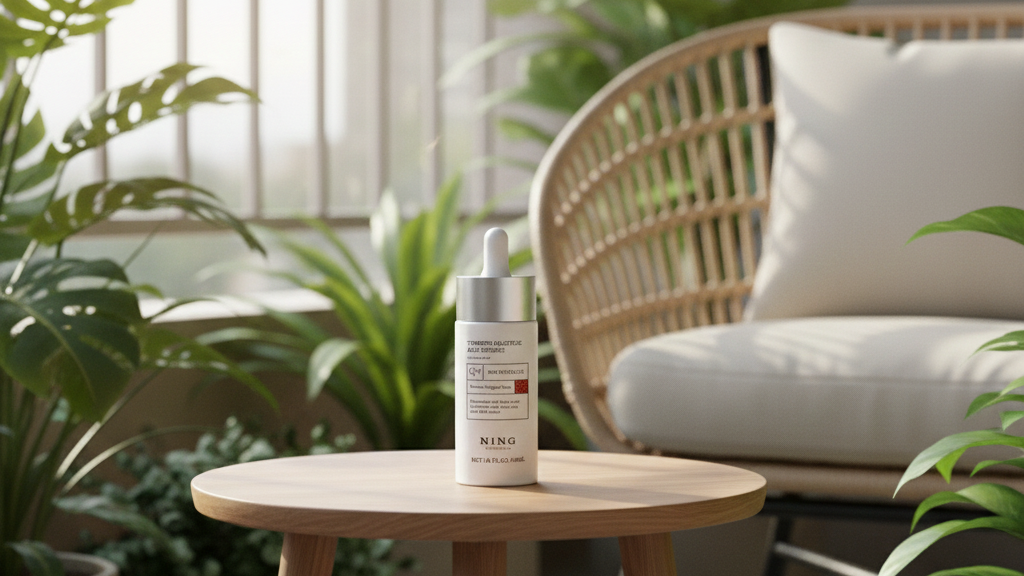

Stop Scrubbing, Start Dissolving: Understanding the Role of Salicylic Acid in Acne Treatment Regimens
Staring at a breakout in the mirror triggers a primal urge to scrub. We’ve all been there. You see the clog, the redness, the bump, and you want to physically force it off your face. But if you are reading this, you probably already know that aggressive scrubbing usually makes things worse.
This is where the magic of chemical exfoliation comes in. Specifically, we need to talk about the heavy hitter of the skincare world: Salicylic Acid.
At NING Dermologie, we often see clients who have shelf-loads of products but still struggle with persistent congestion. They are confused about ingredients. Is benzoyl peroxide better? Should they be using a scrub? The truth is, understanding salicylic acid is often the turning point in a person's journey to clearer skin.
This isn't just another ingredient; it is a fundamental tool in dermatology for managing acne problems. But like any power tool, you need to know how to handle it, or you risk messing up the project—in this case, your face.

What is Salicylic Acid Really? (And Why Your Pores Love It)
To understand why this ingredient works, we have to get a little nerdy about chemistry, but I promise to keep it painless.
Salicylic acid is a beta-hydroxy acid (BHA). You’ve likely heard of Alpha Hydroxy Acids (AHAs) like glycolic acid, which are water-soluble and great for the surface. BHAs are different. The defining characteristic of salicylic acid works based on its solubility: it is oil-soluble.
Think of your skin like a greasy pan. If you throw water on it, the water just slides off. You need dish soap (a surfactant) or a degreaser to cut through the oil. Because salicylic acid is lipid-soluble, it doesn't just sit on top of your face. It has the unique ability to penetrate deep into the pore lining, cutting through the mixture of sebum (oil) and dead skin cells that acts like cement, clogging the hair follicle.
When we talk about the role of salicylic acid, we are talking about a deep-cleaning agent that dissolves the glue holding debris together inside the follicle. This makes it the gold standard for treating blackheads (open comedones) and whiteheads (closed comedones).
Salicylic Acid vs. Benzoyl Peroxide: Which Side Are You On?
One of the most common questions we get at NING Dermologie is about the battle of the heavyweights: Salicylic Acid versus Benzoyl Peroxide.
They are both effective over-the-counter options, but they operate on completely different battlefields.
Benzoyl Peroxide is a nuker. It works by flooding the pore with oxygen, killing the acne-causing bacteria (C. acnes) that thrive in oxygen-free environments. It’s fantastic for angry, red, inflammatory pustules. However, it can be incredibly drying and doesn't actually exfoliate the skin effectively.
Salicylic acid, on the other hand, is an architect. It focuses on structure. By unclogging the pores and regulating the shedding of skin cells, it prevents the blockage from happening in the first place. Plus, salicylic acid belongs to the aspirin family (salicylates), meaning it has natural anti-inflammatory properties. This helps calm the redness and swelling and redness associated with a breakout.
For many, a topical approach using salicylic acid for acne is sustainable for long-term acne control, whereas benzoyl peroxide is often better used as a spot treatment for emergencies.
The NING Dermologie Approach: Why Concentration Matters
Here is where people get into trouble. They assume that if some is good, more is better. They grab a 10% peel or an alcohol-heavy toner and burn their barrier off.
Compromised skin cannot heal acne. If your moisture barrier is wrecked, bacteria penetrate easier, and inflammation skyrockets.
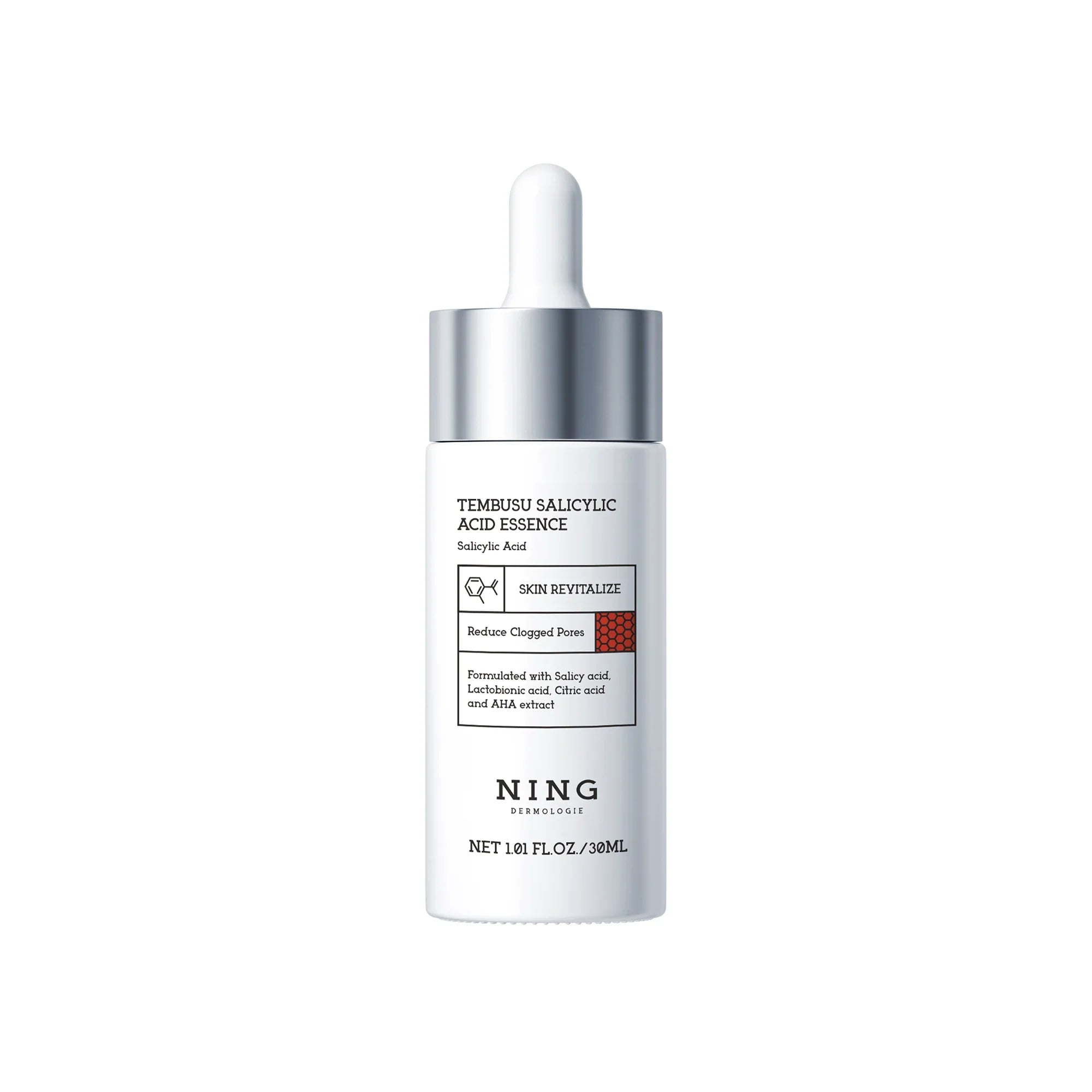
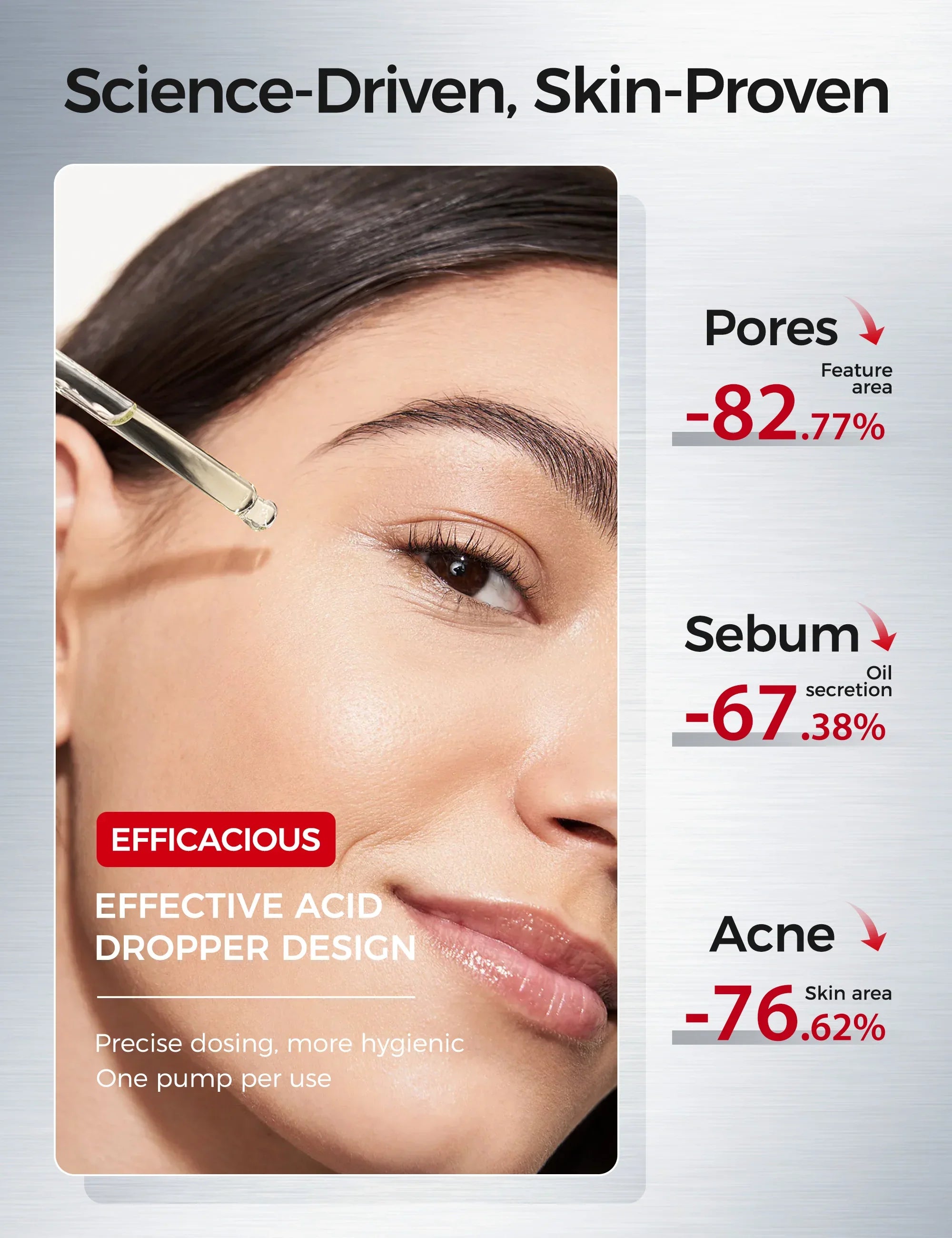
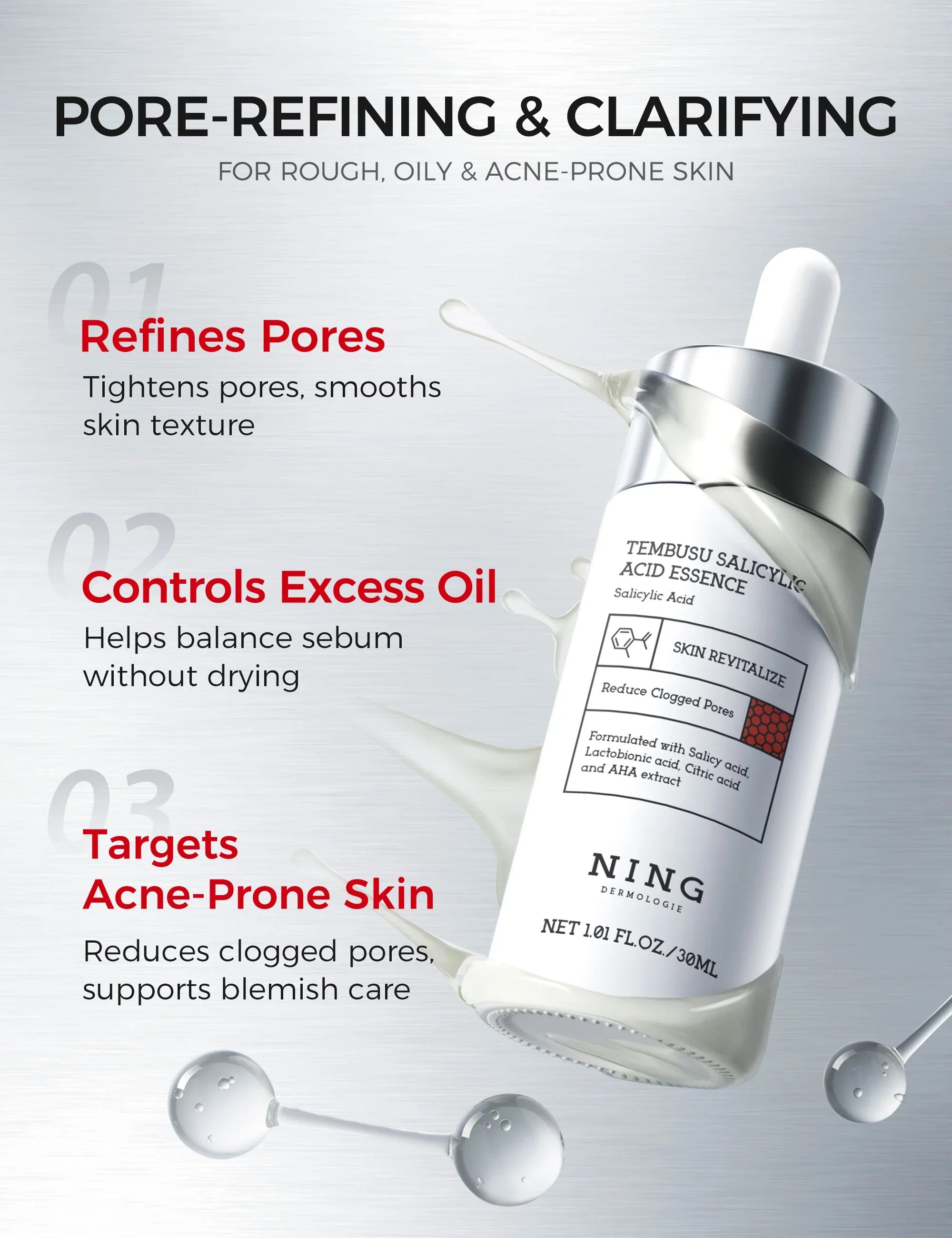
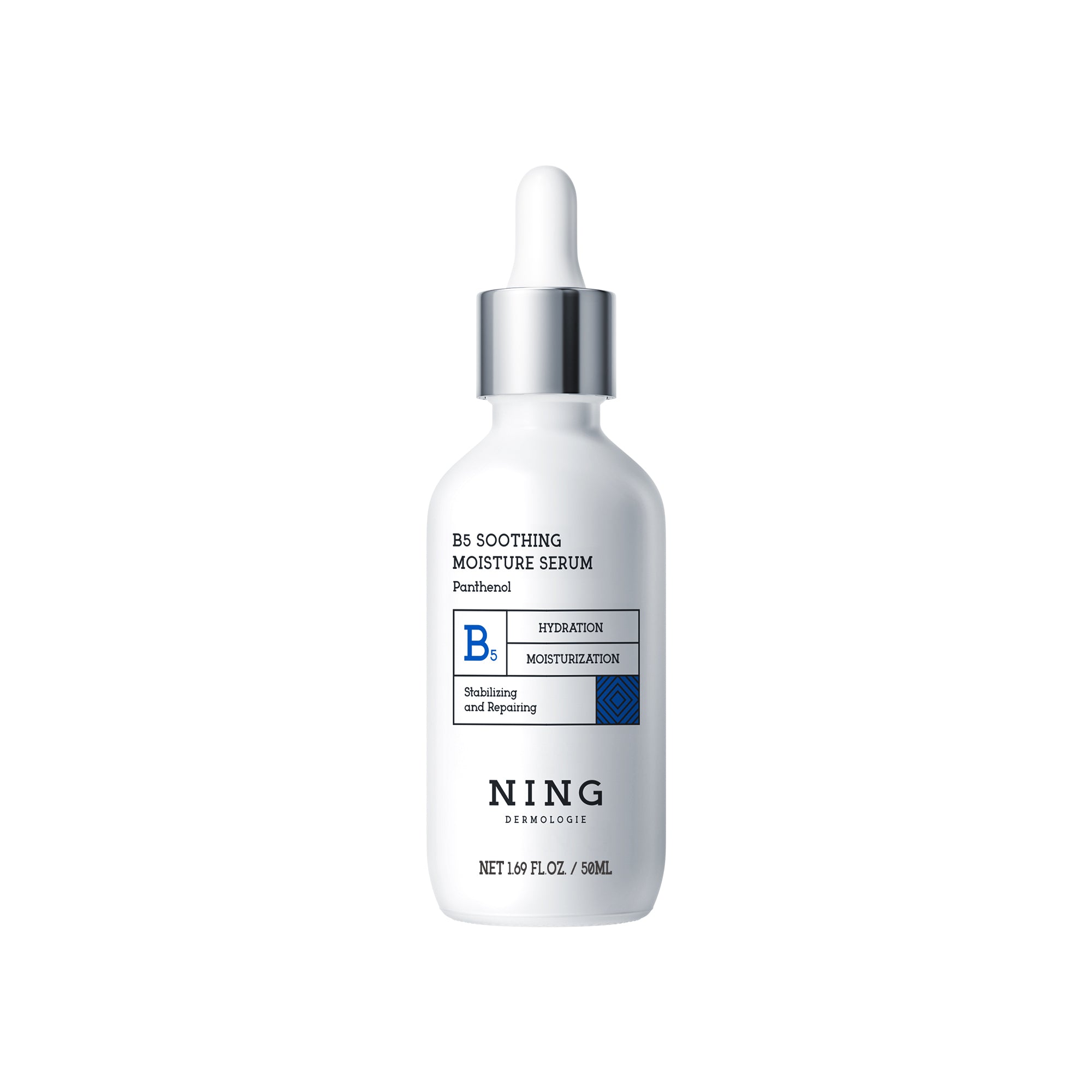
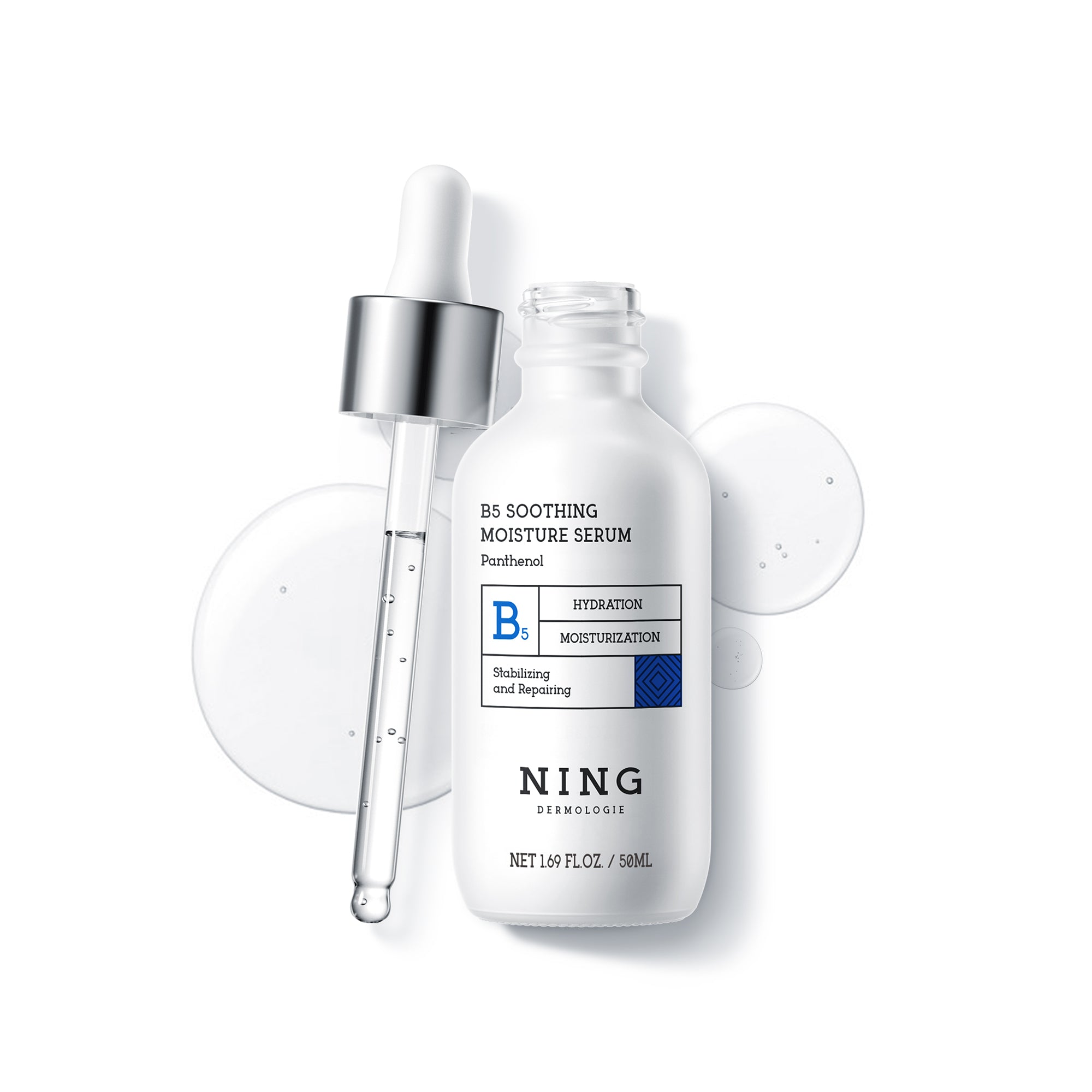
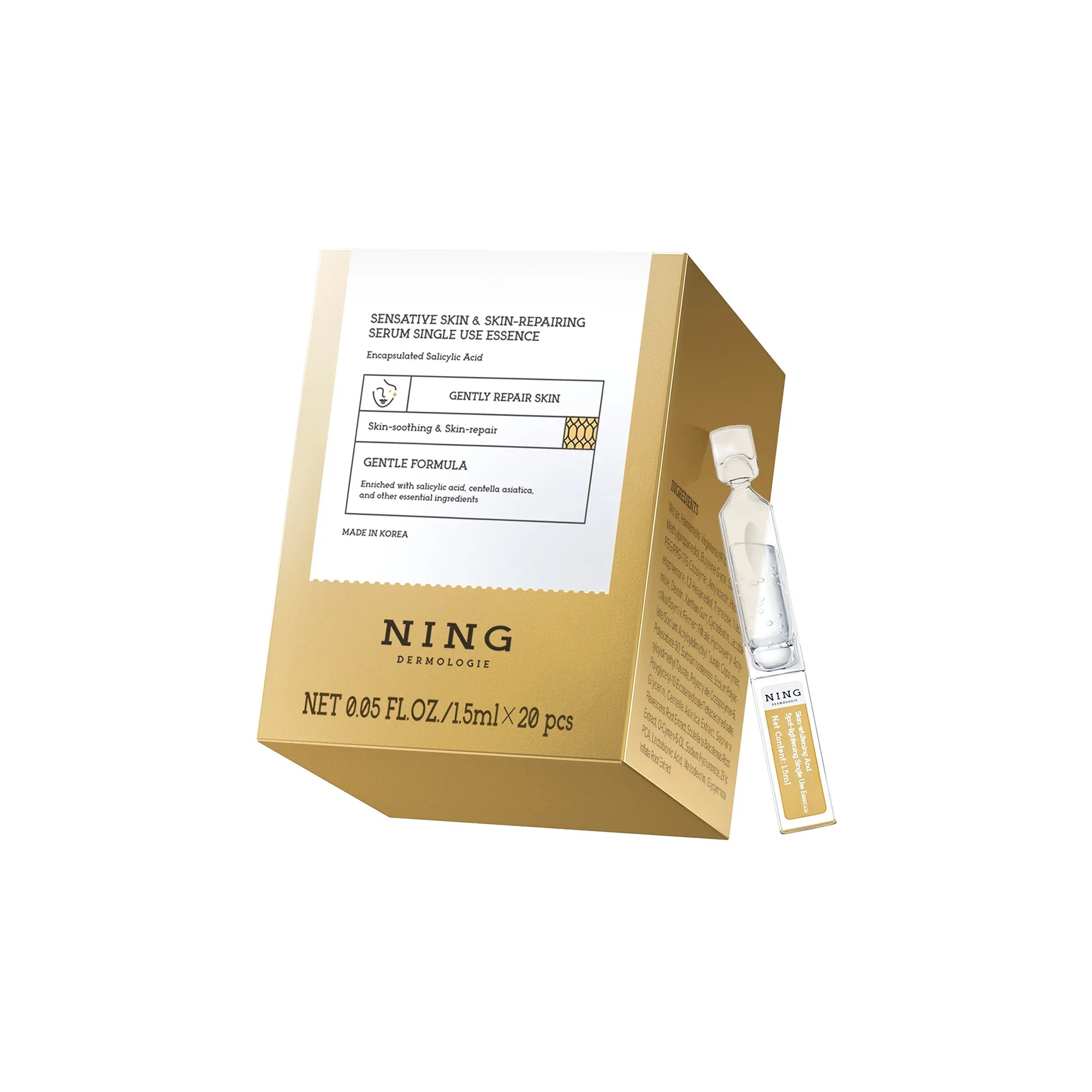
This is why we formulated the NING Dermologie 2% Salicylic Acid Serum. In the world of dermatology, 2% is considered the "sweet spot" for a leave-on serum or topical treatment. It is strong enough to exfoliate the skin and dissolve excess oil, but gentle enough to use consistently without causing severe dryness or a chemical burn.
Our serum isn't just acid in a bottle. We balanced it to ensure it remains a powerful yet gentle solution. We want to treat acne, not create a chemical burn.
Integrating Salicylic Acid into Your Skincare Routine
You have your bottle of NING Dermologie serum. Now, how do you use it without freaking your skin out?
1. The Cleanse
Start with a gentle cleanser. Unless you have incredibly oily skin (think frying pan by noon), you might want to skip a cleanser that also contains salicylic acid if you plan to use a leave-on serum. Doubling up can lead to excessive dryness and irritation. You want a clean canvas, not a stripped one.
2. The Application
Apply the 2% Salicylic Acid Serum to dry skin. Water can change the pH and effectiveness of the acid. You don't need to bathe in it—a few drops for the whole face, or just dabbed on the T-zone and affected areas, is plenty. This topical acne treatment works best when it's not fighting through five layers of other products.
3. The Sandwich Method (For Sensitive Types)
If you have sensitive skin, using topical acids can be scary. Try "buffering." Apply a light layer of moisturizer, let it dry, apply your salicylic acid, and then moisturize again. This slows down penetration and reduces the risk of skin irritation and peeling.
4. Hydration is Non-Negotiable
Since salicylic acid may reduce oil production, you must replace that hydration. Look for non-comedogenic moisturizers that support overall skin health.
5. The Sunscreen Rule
This is critical. Salicylic acid works by removing the top layer of dead skin. This reveals fresh, baby skin underneath. That fresh skin has zero defense against UV rays. If you skip sunscreen, you are inviting sun damage, premature aging, and increasing your risk of issues up to and including skin cancer in the long run. The American Academy of Dermatology is very clear on this: if you exfoliate, you must protect.
Managing Expectations: The "Purge" and Side Effects
Let’s talk about the elephant in the room: The Purge.
When you start a product formulated with salicylic acid, it speeds up cell turnover. This means micro-comedones (baby pimples lurking under the surface) get pushed up faster than usual. You might think the product is causing a breakout, but it’s actually just cleaning house.
This phase usually lasts 2 to 4 weeks. If you are still breaking out after 6 weeks, or if the acne is in areas you usually stay skin clear, it might be irritation or a reaction, not a purge.
Side effects include mild tingling, slight dryness, and perhaps some flaking. However, if you experience intense burning, severe redness, or hives, wash it off immediately. Salicylic acid may cause reactions in those with aspirin allergies.
Combining Ingredients: Playing Chemist
Can you mix salicylic acid with other skin care products? Yes, but proceed with caution.
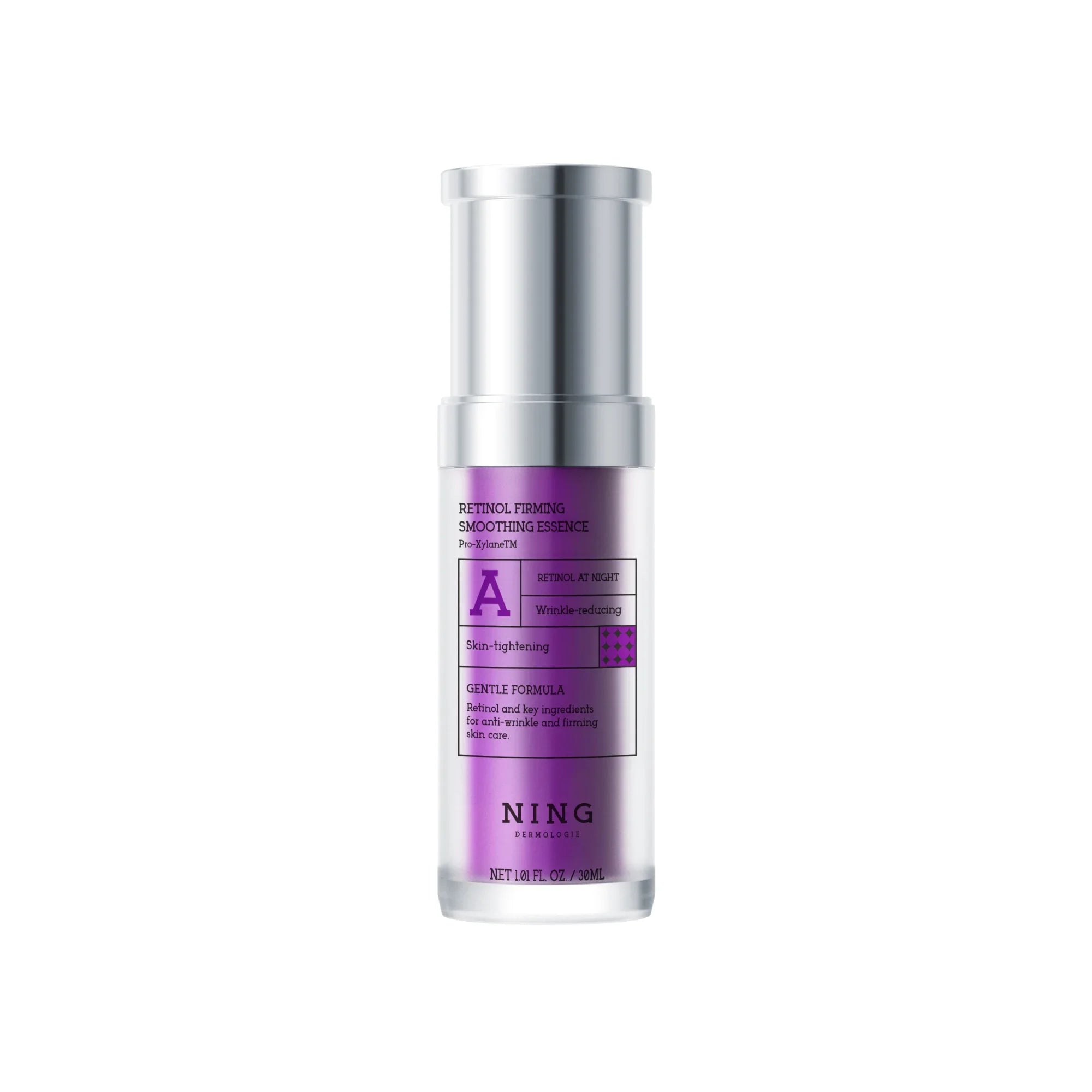
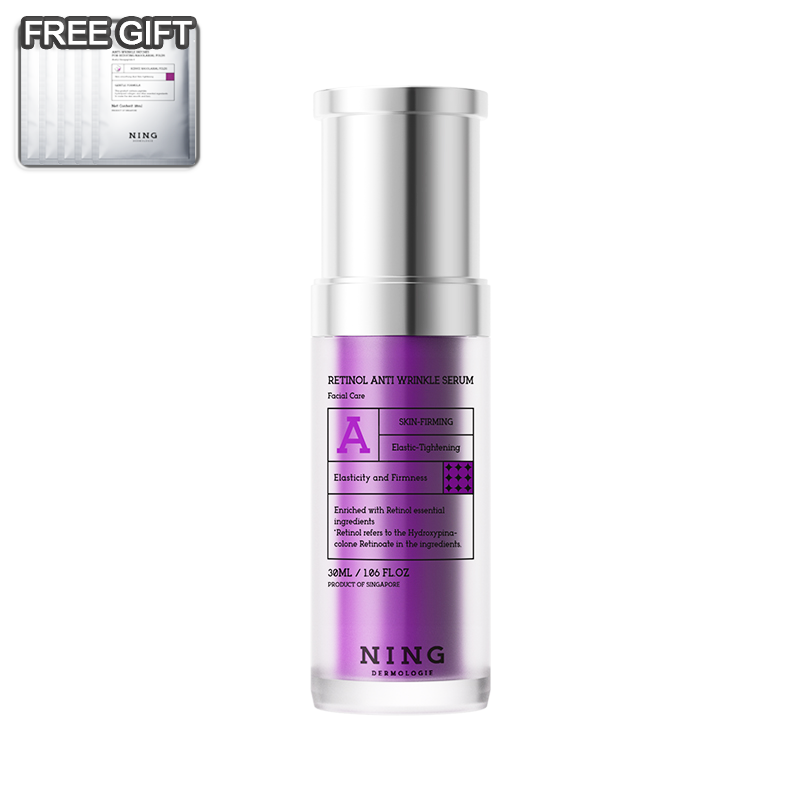
- Retinoids: Mixing salicylic acid and a retinoid (like retinol or tretinoin) is a recipe for irritation for most people. It's usually better to alternate nights. Use your NING Dermologie serum one night, and your retinoid the next.
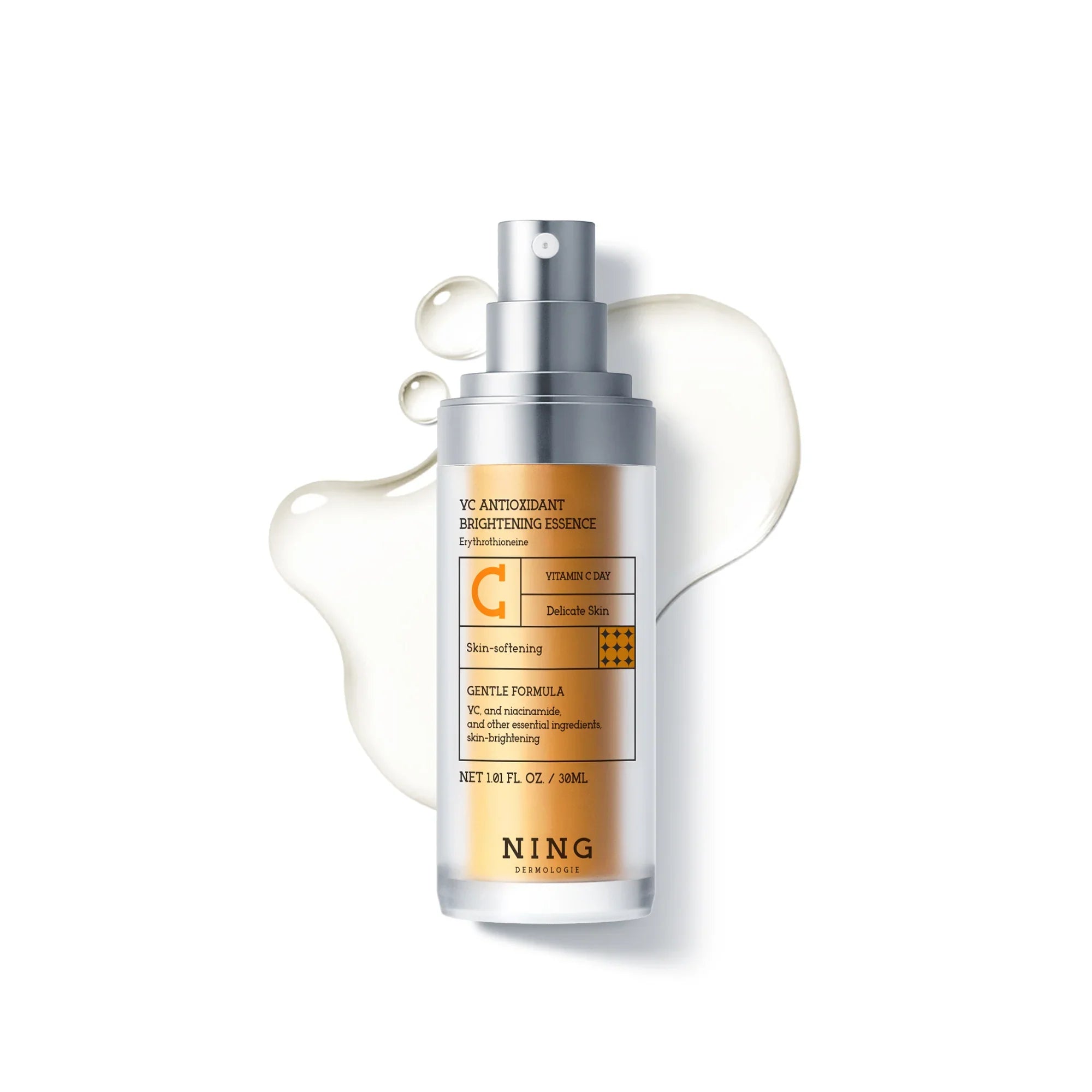
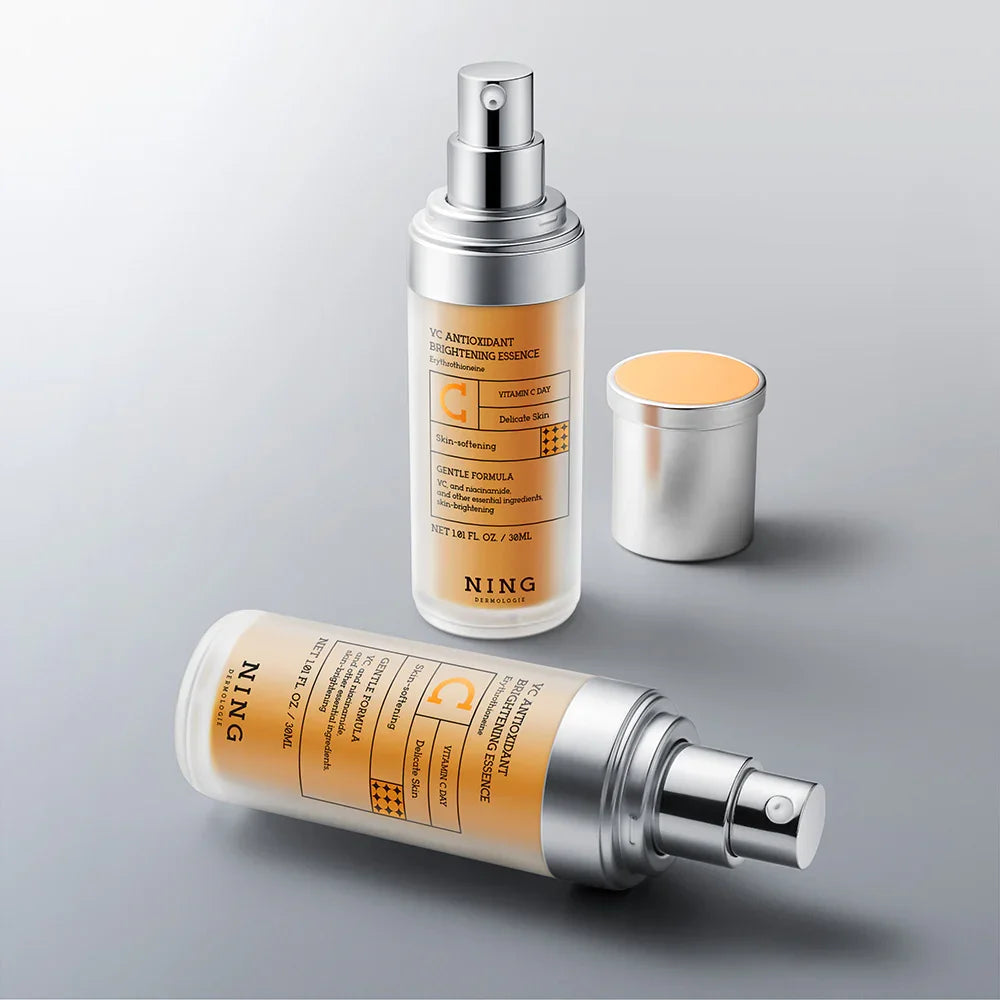
- Vitamin C: Generally okay to use Vitamin C in the morning and salicylic acid at night.
- Niacinamide: A great partner. Niacinamide soothes inflammation while salicylic acid works on the pores.
When Topical Treatments Aren't Enough
While salicylic acid is a common and effective tool, it isn't a cure-all for everyone. Severe acne, such as cystic or nodular acne (the deep, painful bumps that don't have a head), often happens too deep for a topical serum to reach effectively.
If you have been using a well-formulated product like our 2% Salicylic Acid Serum consistently for 12 weeks and see no change, or if your acne is leaving scars, it is time to see a doctor. A dermatologist can assess if you need prescription strength options, oral medications, or procedures to get your skin condition under control. They may be prescribed stronger treatments like isotretinoin or hormonal therapies alongside your topical regimen.
Also, if you develop signs of an infection (extreme heat, spreading redness, fever), seek the advice of a medical professional immediately.

Why We Stick With Salicylic Acid
Despite the influx of new, trendy ingredients in the cosmetic world, salicylic acid remains the MVP for a reason. It is reliable. It is scientifically proven to exfoliate, unclog, and reduce inflammation.
Whether you are dealing with a teenage pimple crisis or adult hormonal acne, incorporating a high-quality BHA like the NING Dermologie serum helps regulate oil production and keep the follicle clear. It’s about working smarter, not scrubbing harder.
By using topical chemical exfoliants responsibly, you stop the cycle of damage and start the cycle of healing. Your skin or scalp (yes, it works there too for dandruff!) will thank you. Remember, healthy skin isn't about being perfect; it's about balance. And sometimes, balance comes in a little dropper bottle of beta-hydroxy acid.
Frequently Asked Questions (FAQ)
1. Can I use the NING Dermologie 2% Salicylic Acid Serum every day?
For most people, yes, but not immediately. If you are new to salicylic acid, start by applying it every other night or just three times a week. Watch how your skin responds. If you don't experience dryness or peeling, you can gradually increase to daily use. However, those with sensitive skin may find that 3 times a week is the perfect balance to keep your skin clear without damaging the moisture barrier.
2. Does salicylic acid remove acne scars?
Salicylic acid is mainly an exfoliant that stops acne from getting worse. It speeds up cell turnover, which helps exfoliate the skin and fade dark spots left over from acne (hyperpigmentation) faster. However, it does not help with pitted or depressed scars (ice pick or boxcar scars). If you have deep textural scars, you should see a doctor for laser treatments or microneedling. But it stops new scars from forming by stopping new breakouts.
3. Can I use salicylic acid if I am pregnant?
This is a common concern. While topical salicylic acid in low concentrations (like 2%) is generally considered safe by many doctors because little is absorbed into the bloodstream, oral salicylic acid is a big no-no. However, many OB-GYNs recommend playing it safe and switching to glycolic acid or lactic acid during pregnancy. Always seek the advice of your healthcare provider before continuing any acne treatment while pregnant or breastfeeding.
4. Why is my skin peeling after using salicylic acid?
Mild flaking is normal because salicylic acid works to break down the bonds holding dead skin cells together. It’s literally doing its job. However, if your skin feels raw, red, or stings when you apply moisturizer, you have over-exfoliated. Stop using the product for a few days, focus on hydration and barrier repair, and reintroduce the acid slowly. You may need to use a smaller amount or use it less frequently.
5. Is salicylic acid better than benzoyl peroxide for teenage acne?
It depends on the type of acne. Teenagers often produce excess oil due to hormonal surges. Since salicylic acid is oil-soluble, it is excellent at diving into the pore to clear that oil out, making it great for blackheads and oily T-zones. Benzoyl peroxide is better for angry, red pimples. Many teens benefit from using a salicylic acid cleanser or serum generally, and hitting specific big pimples with benzoyl peroxide as needed.
6. Does salicylic acid help with fungal acne?
Yes! "Fungal acne" is actually Malassezia folliculitis, caused by an overgrowth of yeast, not bacteria. Salicylic acid is antifungal and keratolytic, meaning it exfoliates the skin and creates an environment where yeast struggles to survive. Using a BHA can be very effective in treating this skin condition. Just ensure your moisturizer is also fungal-acne safe (oil-free) to prevent feeding the yeast further.





Share:
The Power of Salicylic Acid: How It Transforms Acne-Prone Skin
2026’s Best Salicylic Acid Serums: From Luxury to Drugstore Options