



The Power of Salicylic Acid: How It Transforms Acne-Prone Skin
Waking up, looking in the mirror, and seeing a fresh cluster of breakouts is a specific kind of heartbreak. You aren’t alone in this. Whether you are dealing with hormonal cystic bumps or those stubborn blackheads that refuse to leave, acne is frustrating.
You have probably tried everything. The scrubs that felt like sandpaper, the drying lotions that made your skin flake, and maybe even toothpaste (we’ve all been there). But if you are ready to stop guessing and start seeing clearer skin, we need to talk about the gold standard: salicylic acid.
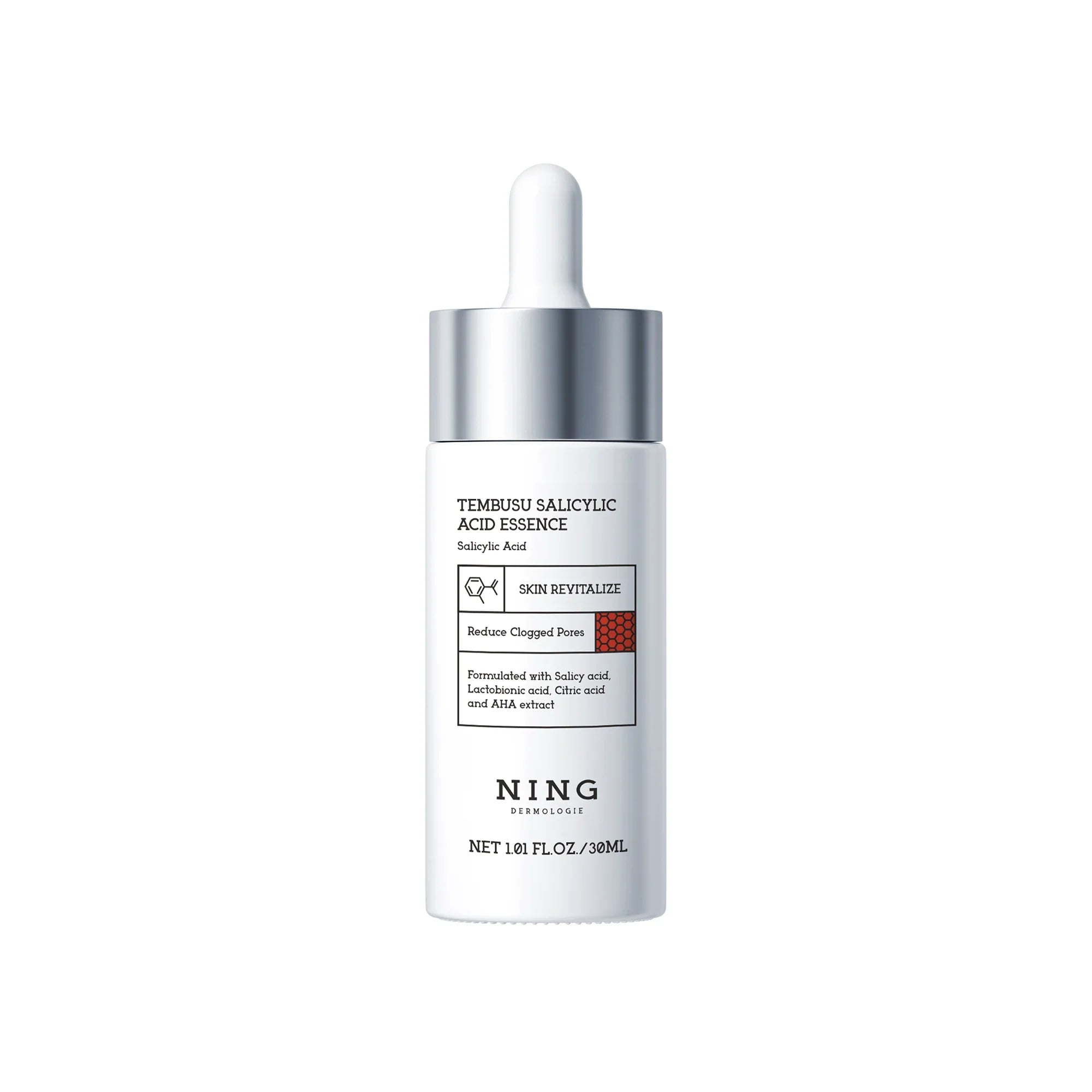
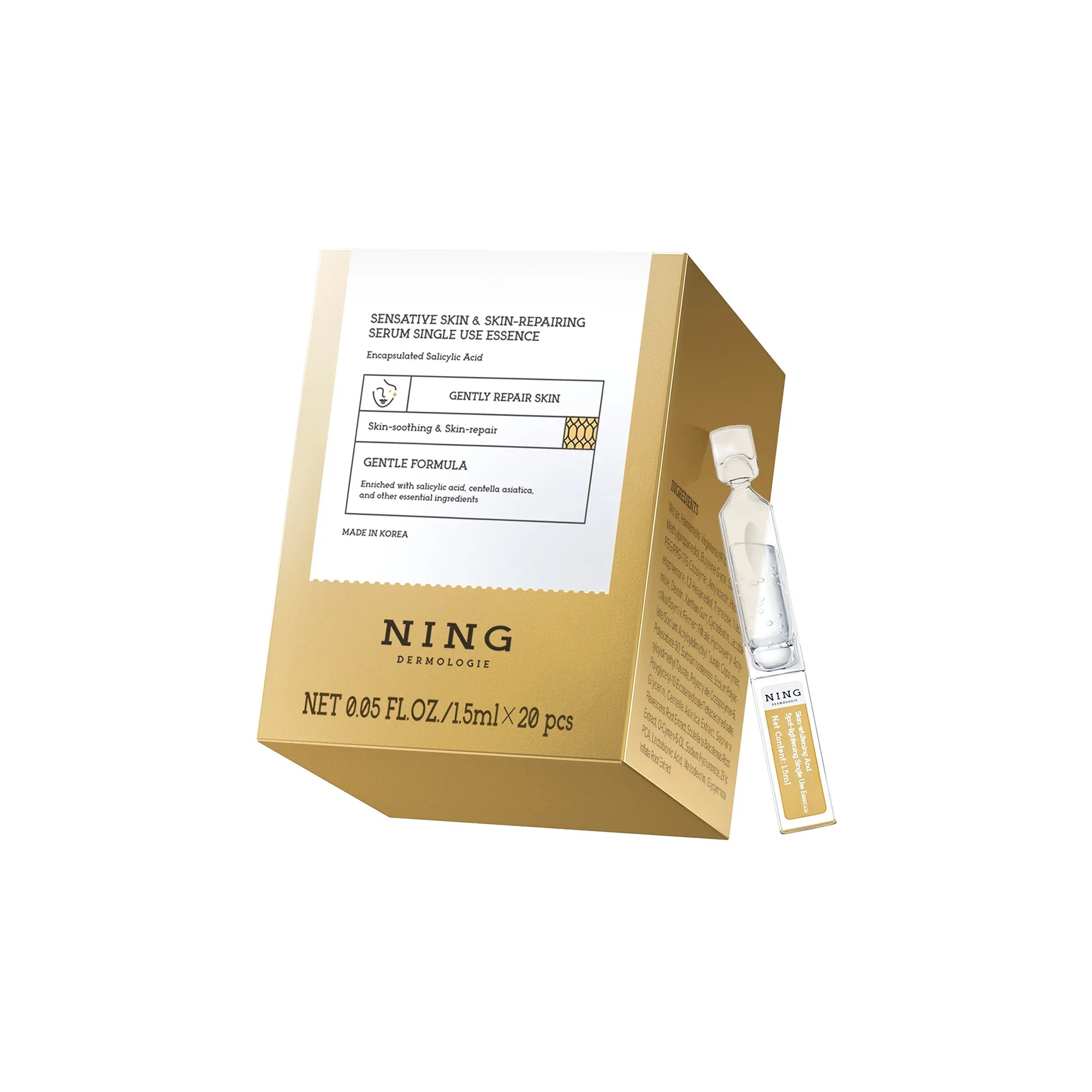
This isn't just another buzzword. Salicylic acid is widely regarded by dermatologists as the heavy lifter for acne-prone skin. But it’s not magic; it’s chemistry. To truly transform your acne-prone skin, you need to understand how salicylic acid works, how to incorporate salicylic acid into your routine without wrecking your skin barrier, and why a product like the NING Dermologie 2% Salicylic Acid Serum might just be the missing piece of the puzzle.

The Science: What is Salicylic Acid?
To understand why this works, we have to get a little technical—but I promise to keep it simple.
Salicylic acid is a beta-hydroxy acid (BHA). You might have heard of Alpha Hydroxy Acids (AHAs) like glycolic acid. Think of AHAs as a broom; they sweep the surface of a dirty floor. Salicylic acid, however, is different. It is oil-soluble.
This means salicylic acid penetrates deeply into the skin. It doesn’t just sit on top. It dives right into the pore lining. Once inside, salicylic acid helps to dissolve the bonds that hold dead skin cells together.
When you have oily and acne-prone skin, your pores are essentially traffic jams. Excess oil and dead skin mix together to form a plug. Bacteria love this plug. Inflammation follows, and boom—you have a pimple.
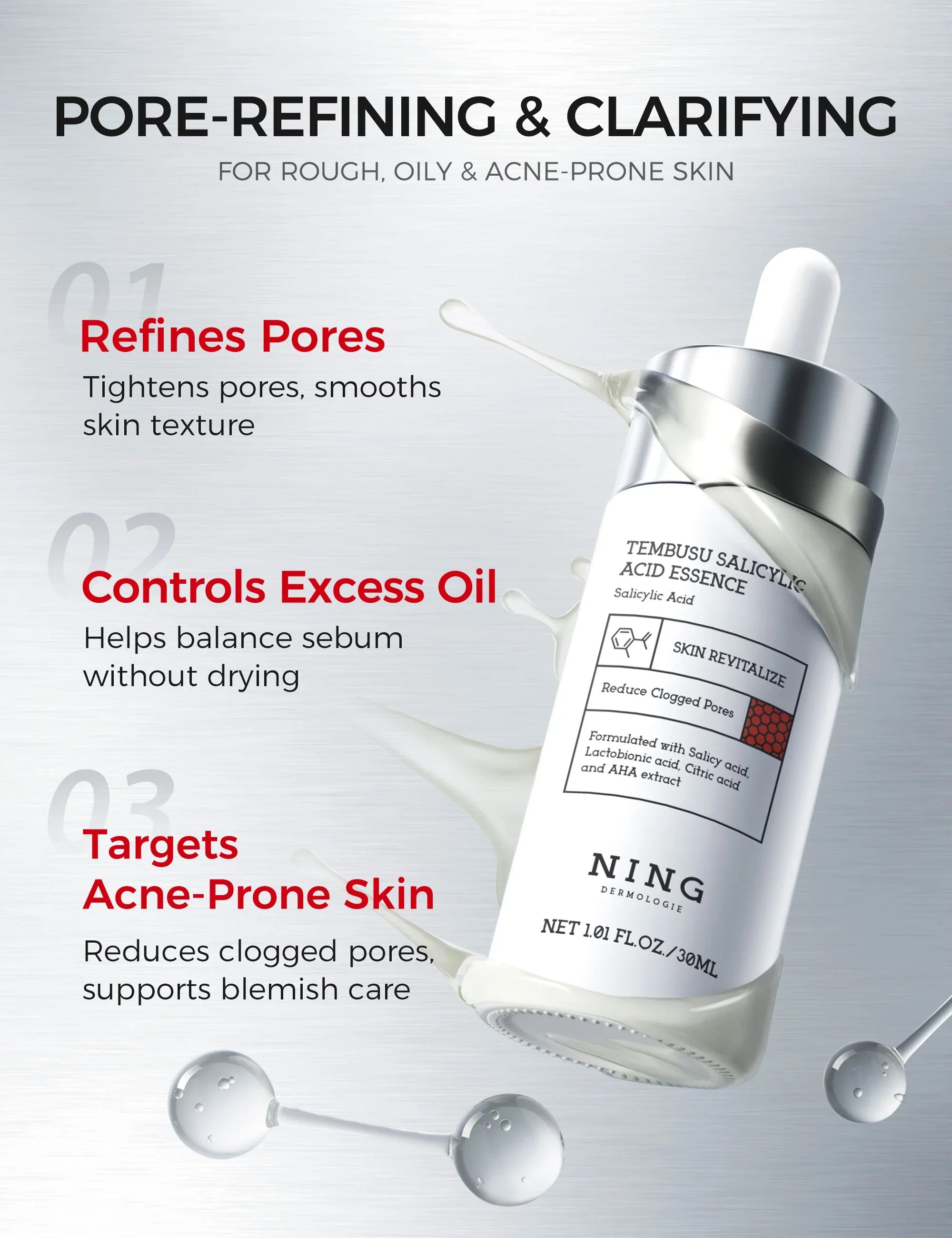
Because salicylic acid is a beta-hydroxy acid, it cuts through that oil. It exfoliates inside the pore, helping to remove dead skin cells and flush out the debris. This shedding of dead skin cells is crucial because it stops the clog before it starts.
Why Salicylic Acid is Effective for Acne
So, how does salicylic acid work to actually fix the problem? It’s a multi-tasker.
-
Deep Exfoliation: It unglues the bonds between dead skin cells. This helps exfoliate the skin naturally, preventing that dull, congested look.
-
Oil Control: For those with oily skin, SA is a godsend. It works to minimize excess sebum.
-
Anti-Inflammatory: This is the unsung hero benefit. Salicylic acid properties help soothe the skin. It can calm the redness and swelling of an angry zit, making it an incredible ingredient for your skin when it’s feeling sensitive or inflamed.
By keeping the pores clear, you aren’t just treating the zit you have today; you are preventing the one that was planning to show up next Tuesday. That is the real power of salicylic acid.
Choosing the Right Weapon: Cleanser, Toner, or Serum?
Walk down any drugstore aisle, and you’ll see salicylic acid cleansers, toners, spot treatments, and lotions. Which one should you pick?
The answer depends on your skin type and severity of breakouts.
The Case for Serums (The NING Dermologie Approach)
While a salicylic acid cleanser is great for maintenance, it is often rinsed off before it can do deep work. A lotion containing salicylic acid can be heavy.
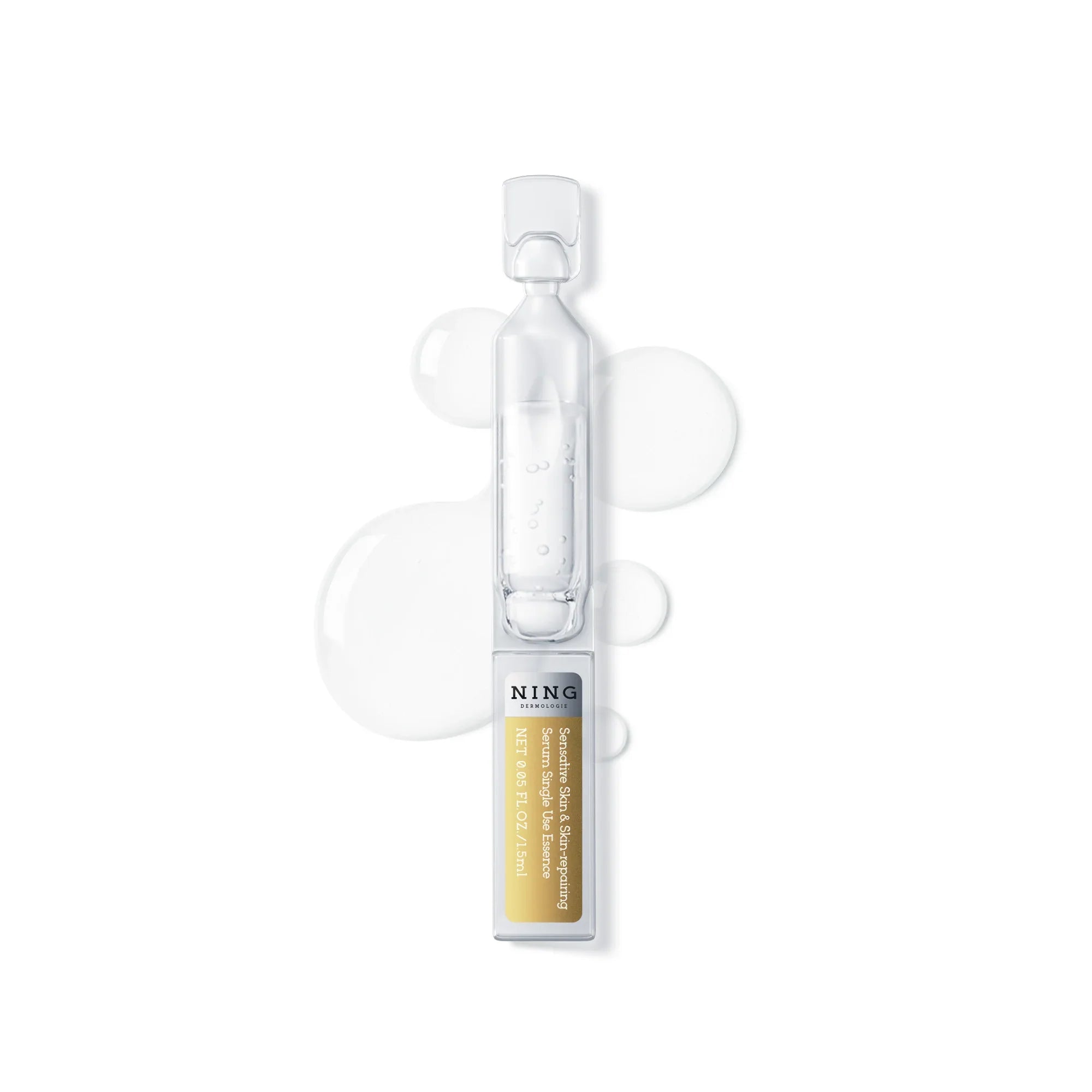
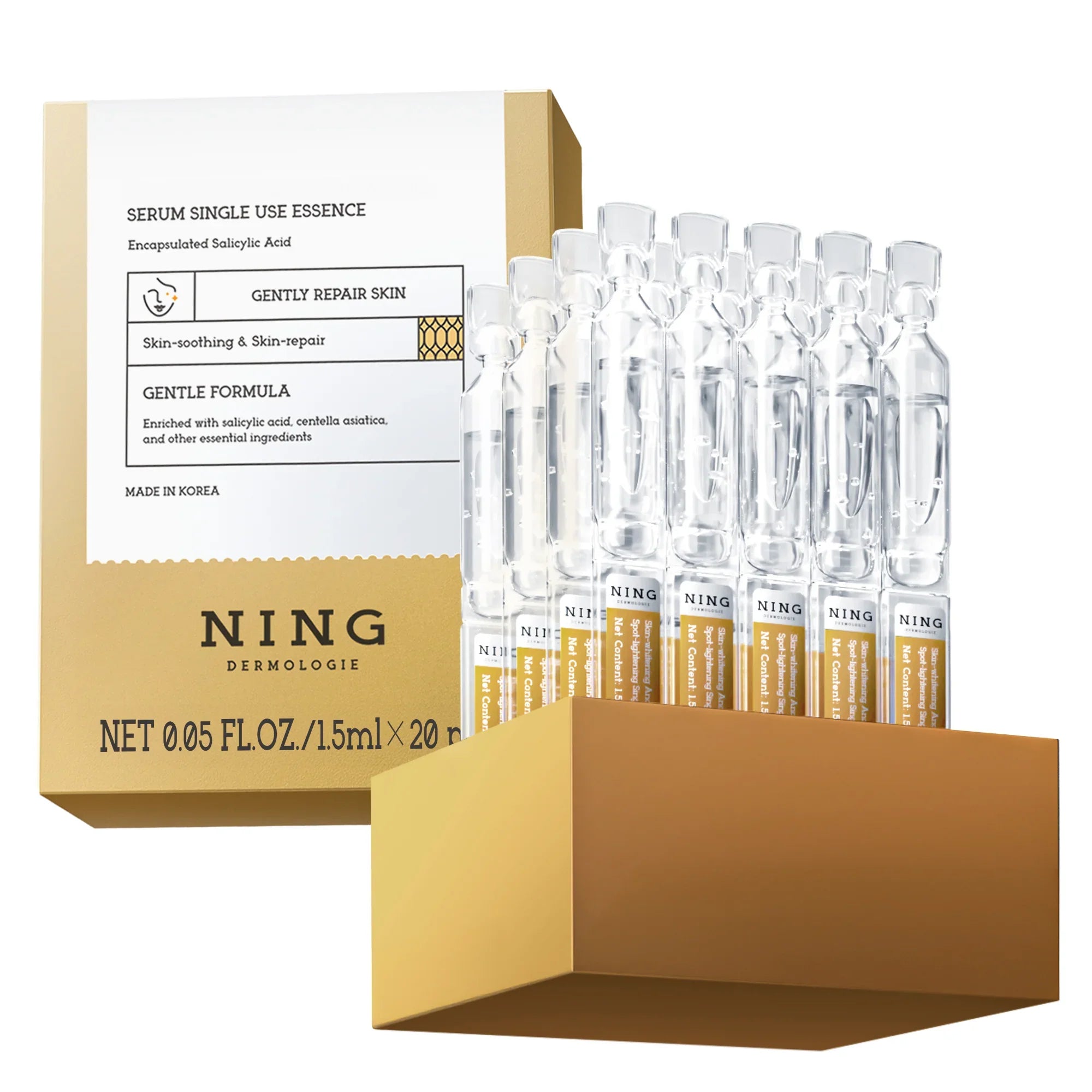
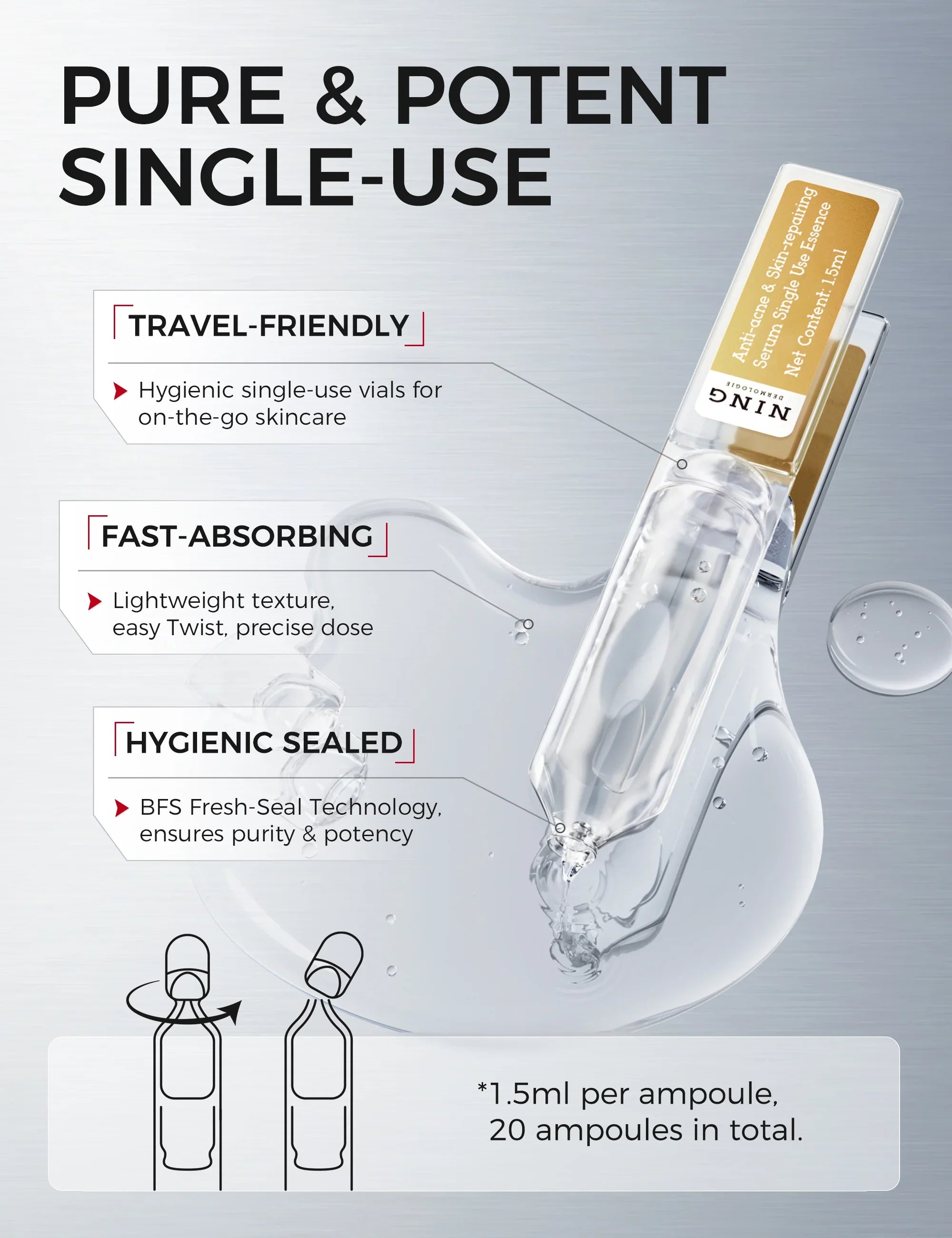
For impactful results, a leave-on treatment is usually best. This is where the NING Dermologie 2% Salicylic Acid Serum shines. We formulated this specifically because 2% is the sweet spot.
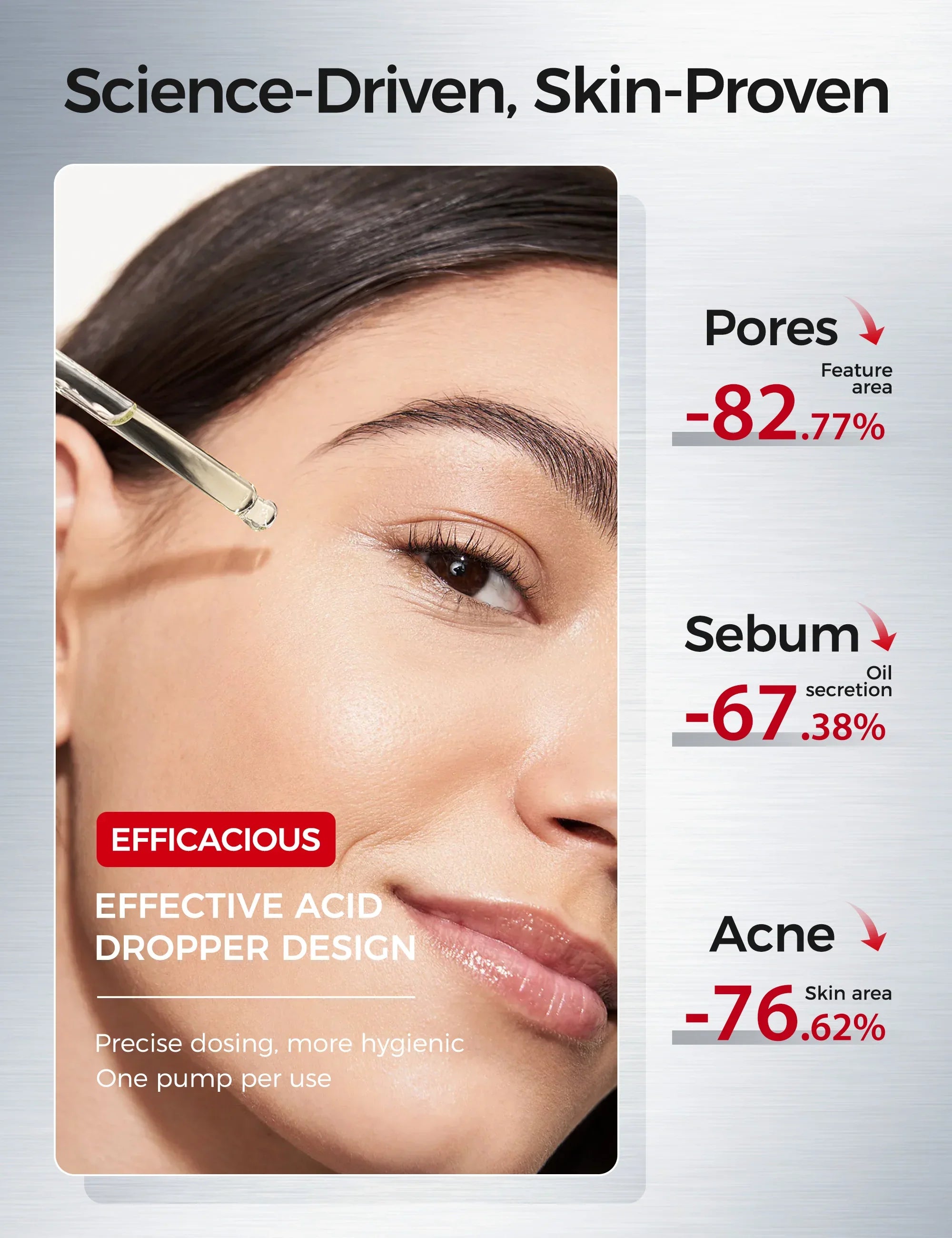
Research suggests that a 2% concentration is effective enough to treat acne and deeply into the skin pores, but gentle enough for regular use. Our serum is designed to sit on the skin, allowing the active ingredient to penetrate deeply into the skin over hours, not seconds. It targets the root cause of acne without the heavy grease of a cream.
Salicylic Acid for Oily and Acne-Prone Skin
If you have acne-prone and oily skin, you have the highest tolerance. You need that oil-soluble action to cut through the grease. Regular application of salicylic acid—specifically our serum—can help regulate that shine and keep your texture smooth.
Salicylic Acid for Sensitive Skin
Can you use salicylic acid for skin that gets red easily? Yes, but proceed with caution. Even though salicylic acid is generally safer than physical scrubs, sensitive skin should start slowly. Salicylic acid benefits are available to you, but you shouldn't burn your face off to get them.
How to Incorporate Salicylic Acid Into Your Skincare Routine
This is where most people mess up. They get excited, buy a strong acid, use it every morning and night, and then wonder why their face hurts.
If you want radiant skin and clearer skin, you need to respect your skin barrier. Here is a step-by-step guide on how to incorporate salicylic acid safely.
1. The Patch Test
Before you smear a new salicylic acid product all over your face, test it on your neck. Skin irritation is real, and you want to ensure your skin agrees with the formulation.
2. Start Slow
If you are new to acids, do not use the NING Dermologie serum every day immediately. Start by using it every third night. Let your skin get used to the exfoliation. Salicylic acid is generally safe, but your skin needs to build tolerance.
3. The Application
After cleansing your skin surface thoroughly, apply a few drops of the serum into your skin. Let it absorb. It goes on before your heavy moisturizer.
4. Hydrate, Hydrate, Hydrate
Since salicylic acid helps remove oil, it can be drying. You must replenish that moisture. Pairing salicylic acid with hydrating ingredients is a pro move. We love combining hyaluronic acid and niacinamide in the same routine (usually applied after the acid or at a different time of day). This ensures that your skin stays plump and the barrier remains intact.
5. Sunscreen is Non-Negotiable
Salicylic acid is a beta-hydroxy acid that reveals fresh, new skin. This new outer layer of skin is vulnerable to UV damage. If you use salicylic acid but skip sunscreen, you are undoing all your hard work and inviting dark spots.
Managing Expectations: The "Purge" and Timeline
You bought the NING Dermologie serum, you applied it, and three days later... you have more pimples?
Don't panic. This is likely "purging."
Because salicylic acid work accelerates the shedding of dead skin cells, it brings small, underlying micro-comedones (baby pimples) to the surface faster than usual. It looks like a breakout, but it is actually the skin clearing itself out.
Discover how salicylic acid works over time:
- Weeks 1-3: Possible purging. Skin might feel a bit drier.
- Weeks 4-6: The purge subsides. Pores appear smaller. Smoother skin texture begins to emerge.
- Week 8+: Clear skin becomes the new normal. Breakouts are less frequent and heal faster.
Although salicylic acid is considered a powerhouse, patience is required. You won't get glowing skin overnight.
Common Mistakes to Avoid
To maximize benefits of salicylic acid and maintain overall skin health, avoid these traps:
- Over-exfoliating: Using a scrub, a spin brush, a toner with alcohol, AND a salicylic acid serum is too much. You will destroy your barrier, leading to more bacteria and more acne.
- Ignoring Skin Signals: If your skin burns, stings, or peels excessively, stop using salicylic acid for a few days. Listen to your skin.
- Mixing with Retinol (At the same time): Retinol and Salicylic acid are both potent. Using them together may cause skin irritation. It is better to use Salicylic Acid in the morning (or one night) and Retinol on alternate nights.

Salicylic Acid and Other Ingredients
People often ask: "Can I mix this with X?"
- Hyaluronic Acid: Yes! Ingredients like hyaluronic acid are perfect partners to combat potential dryness.
- Niacinamide: Yes. Niacinamide helps regulate oil and soothe redness, complementing the anti-inflammatory nature of SA.
- Vitamin C: Be careful. Both are acidic. It’s usually better to use Vitamin C in the morning and salicylic acid into your skincare routine at night, or alternate days.
Is It Right For You?
Salicylic acid is one of the few ingredients that actually lives up to the hype. Whether you have oily or combination skin, dealing with occasional hormonal spots, or fighting chronic congestion, this ingredient is the key to unblocking your potential for clear skin.
It treats the acne, fades the aftermath, and prevents the next breakout.
If you are ready to learn how salicylic acid can change your complexion, the NING Dermologie 2% Salicylic Acid Serum is the perfect starting point. It is formulated to be tough on acne but kind to your face.
Remember, clear skin is a journey. It requires consistency, the right skin care, and a little bit of patience. But with salicylic acid in your corner, healthier skin is absolutely within reach.
Frequently Asked Questions (FAQ)
1. Can I use salicylic acid every day?
It depends on your skin's tolerance. For oily and acne-prone skin, daily use is often fine once you have built up a tolerance. However, if you are new to the ingredient, start with 2-3 times a week. If you have sensitive skin, stick to every other day or less. Always monitor for dryness or irritation. If your skin feels tight or looks red, dial it back. The NING Dermologie serum is 2%, which is effective but should be introduced gradually.
2. Will salicylic acid cause my skin to purge?
Yes, it is very possible. Because salicylic acid penetrates deeply into the skin and speeds up cell turnover, it pushes deep clogs to the surface. This creates a temporary increase in breakouts, known as "purging." This usually lasts 2 to 4 weeks. It is actually a sign that the salicylic acid work is happening effectively. Don't quit! Stick with it, and clearer skin will follow once the impurities are cleared.
3. Can I use salicylic acid if I have dry or sensitive skin?
Yes, but be careful. Salicylic acid is generally associated with oily skin, but dry skin types get acne too. The key is how you incorporate salicylic acid into your routine. Use it less frequently (maybe twice a week) and be religious about applying a thick, hydrating moisturizer afterward. Look for ingredients like hyaluronic acid to layer on top. If you experience stinging, wash it off and try a lower frequency.
4. Can I use salicylic acid with Vitamin C or Retinol?
It is best not to layer them directly on top of each other, as this may cause skin irritation. A safer approach is "skin cycling." Use your Vitamin C in the morning and your salicylic acid product at night. Or, use salicylic acid one night and Retinol the next. This ensures you get the benefits of salicylic acid and anti-aging benefits without destroying your skin barrier.
5. How long does it take to see results?
Skincare is not a sprint. While some people see a reduction in redness overnight due to anti-inflammatory properties, real textural changes take time. You should expect to see improvements in blackheads and active acne within 4 to 6 weeks of consistent use. For significantly smoother skin and a reduction in post-acne marks, it may take 8 to 12 weeks. Consistency is the secret to overall skin health.
6. Is salicylic acid safe to use during pregnancy?
Doctors generally advise caution. While low concentrations (under 2%) in wash-off products are sometimes considered okay, many dermatologists recommend avoiding leave-on salicylic acid products like serums during pregnancy and breastfeeding just to be safe. It is always best to consult your OB-GYN regarding your specific skin care routine while pregnant. There are alternatives like azelaic acid that might be recommended instead.





Share:
Exploring Salicylic Acid vs. Other Topical Treatments: Which Is Best for Acne?
Understanding the Role of Salicylic Acid in Acne Treatment Regimens