

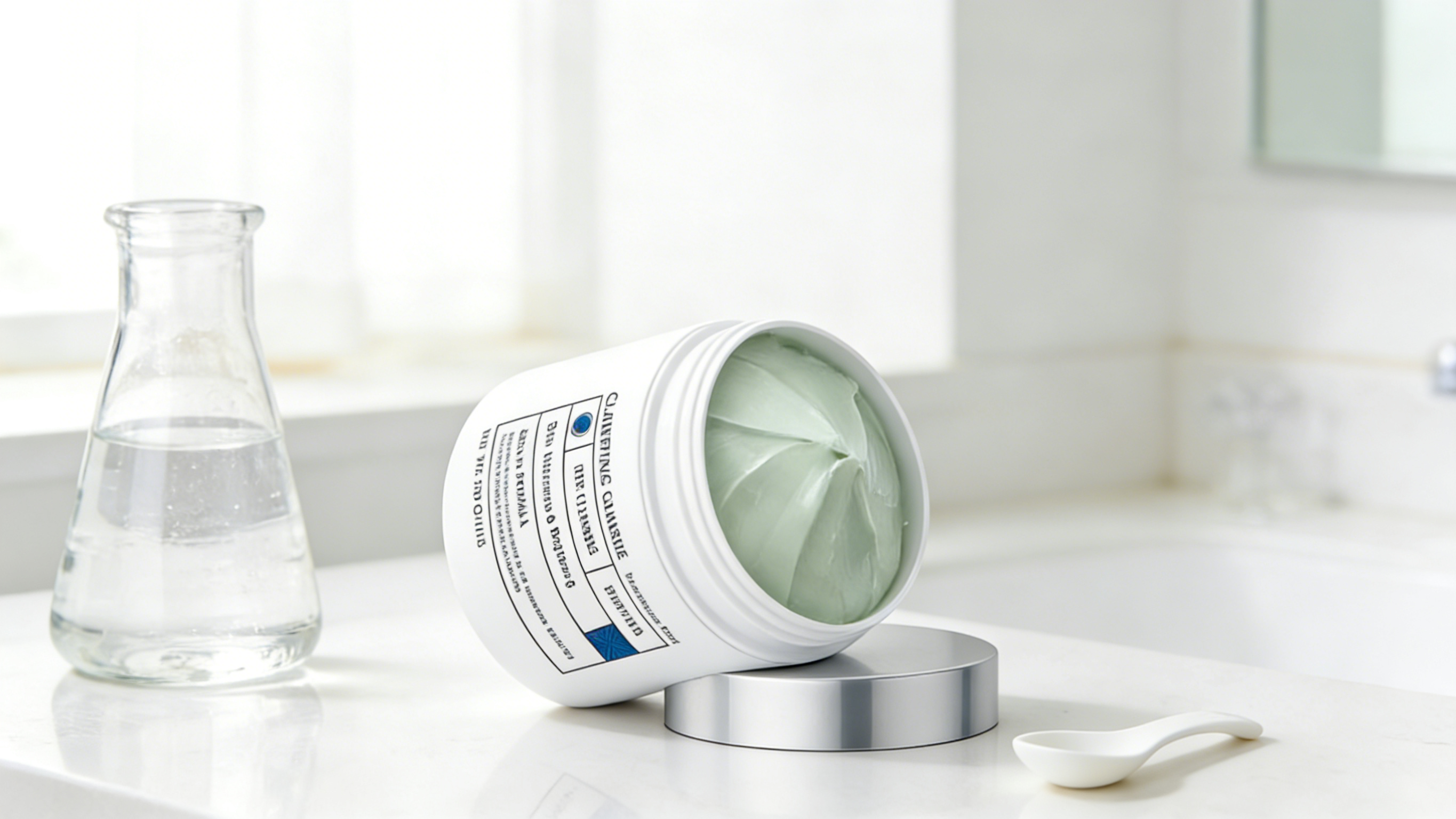

Unlock Radiant Skin: The Truth About Using Clay Masks in Your Skincare Routine
Let’s be honest for a second. We have all been there: staring in the mirror at a constellation of blackheads or an oil slick on our T-zone that just won’t quit, desperate for a fix. In the vast world of skincare, few products are as satisfying to use as a clay mask. There is something visibly gratifying about slathering on a thick layer of cool mud and literally watching it dry as it pulls gunk out of your pores.
But here is the problem. For years, we have been told that if it burns, it’s working. We’ve been taught to let masks crack on our faces like a desert floor. That advice? It’s ruining your skin barrier.
If you want to truly unlock radiant skin and see a genuine improvement in your complexion, we need to rethink how we use a clay mask. Whether you are battling excess oil or trying to soothe sensitive redness, this isn't just another generic overview. This is the practical, no-nonsense guide to making mud work for you, featuring the balanced approach of NING Dermologie.

Types of Clay Masks: It’s Not One Size Fits All
Before you just grab any jar off the shelf, realize that mud isn't just mud. Types of clay vary wildly in their chemical composition and strength. A clay mask works like a magnet; specifically, many clays contain negatively charged ions that attract positively charged toxins and impurities sitting on your skin.
However, the intensity of this "magnetic pull" depends on the ingredient.
French Green Clay & Bentonite: The Heavy Lifters
If you have extremely oily skin or severe congestion, you have likely heard of French Green Clay. Derived from decomposed plant matter and iron oxides, this clay is a powerhouse. It is highly absorbent and fantastic for drawing out impurities.
Similarly, Bentonite clay—often formed from volcanic ash—is the industry standard for a deep detoxify session. When mixed with water, it swells and becomes a porous sponge. These are your heavy artillery. They absorb excess oil aggressively.
The Downside: They can be too strong. If you have dry or sensitive skin, pure Bentonite can leave you red, raw, and stripped of your natural oils, actually triggering more sebum production as a panic response.
Kaolin & Rhassoul: The Gentle Giants
On the other end of the spectrum, we have Kaolin clay (often white or pink) and Rhassoul clay. Kaolin is the mildest of the bunch. It gently polishes and exfoliates the skin without the harsh stripping effect. It removes dead skin cells and grime but keeps the peace.
This is where NING Dermologie focuses its formulation philosophy. We believe you shouldn’t have to destroy your moisture barrier to clean your pores.
Choose the Right Clay Mask for Your Skin Type
Identifying your skin type is the non-negotiable first step. Using the wrong mask is like trying to wash a silk blouse with industrial bleach—it cleans it, sure, but it ruins the fabric.
Clay Masks for Oily Skin and Acne-Prone Skin
If you are constantly blotting your face by noon, masks are your go-to solution. For acne-prone skin, the goal is to purify the pore lining and kill bacteria. Green clay or Bentonite clay are excellent here because they drastically reduce the appearance of pores by emptying them out.
- Routine Tip: Use these twice a week to keep sebum levels in check, but always follow with a lightweight hydrator.
Clay Masks for Dry and Sensitive Skin
This is the tricky category. Dry skin and sensitive skin types usually run away from clay because of the "cracking" effect. But avoiding them means you miss out on the deep clean. You need a formula that balances detoxify properties with hydration. Look for Kaolin clay bases mixed with soothing agents like aloe vera.
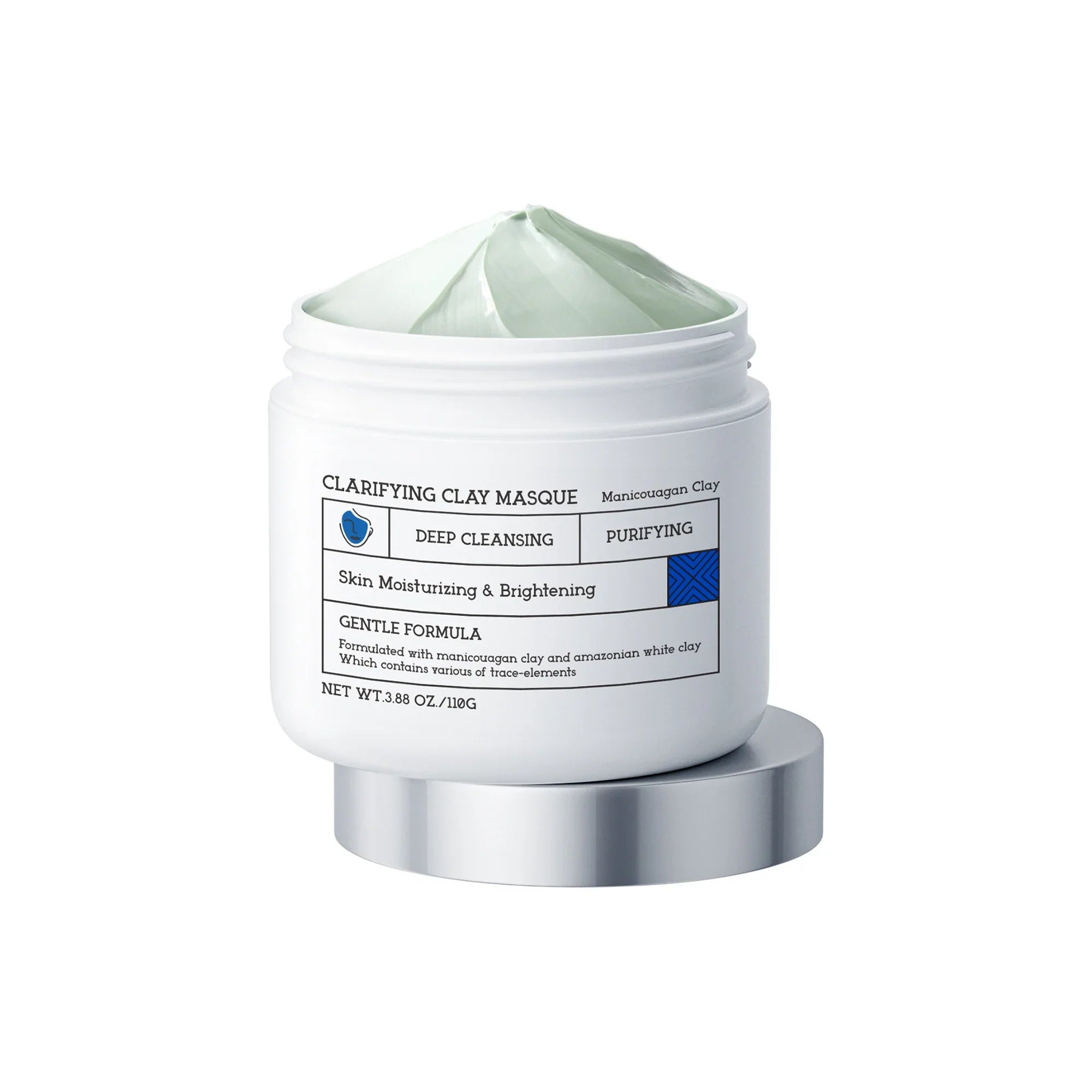
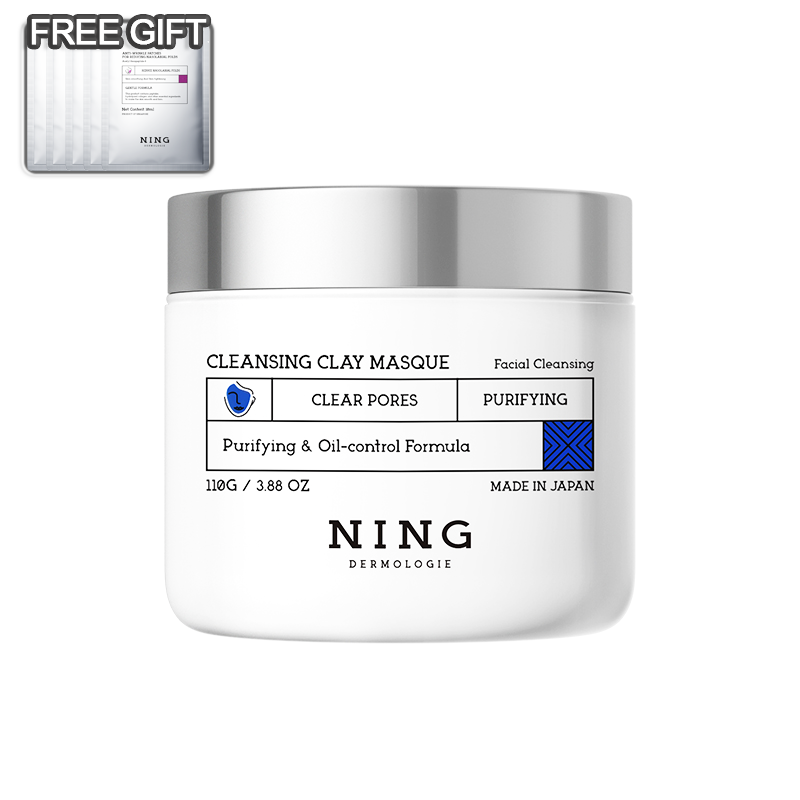
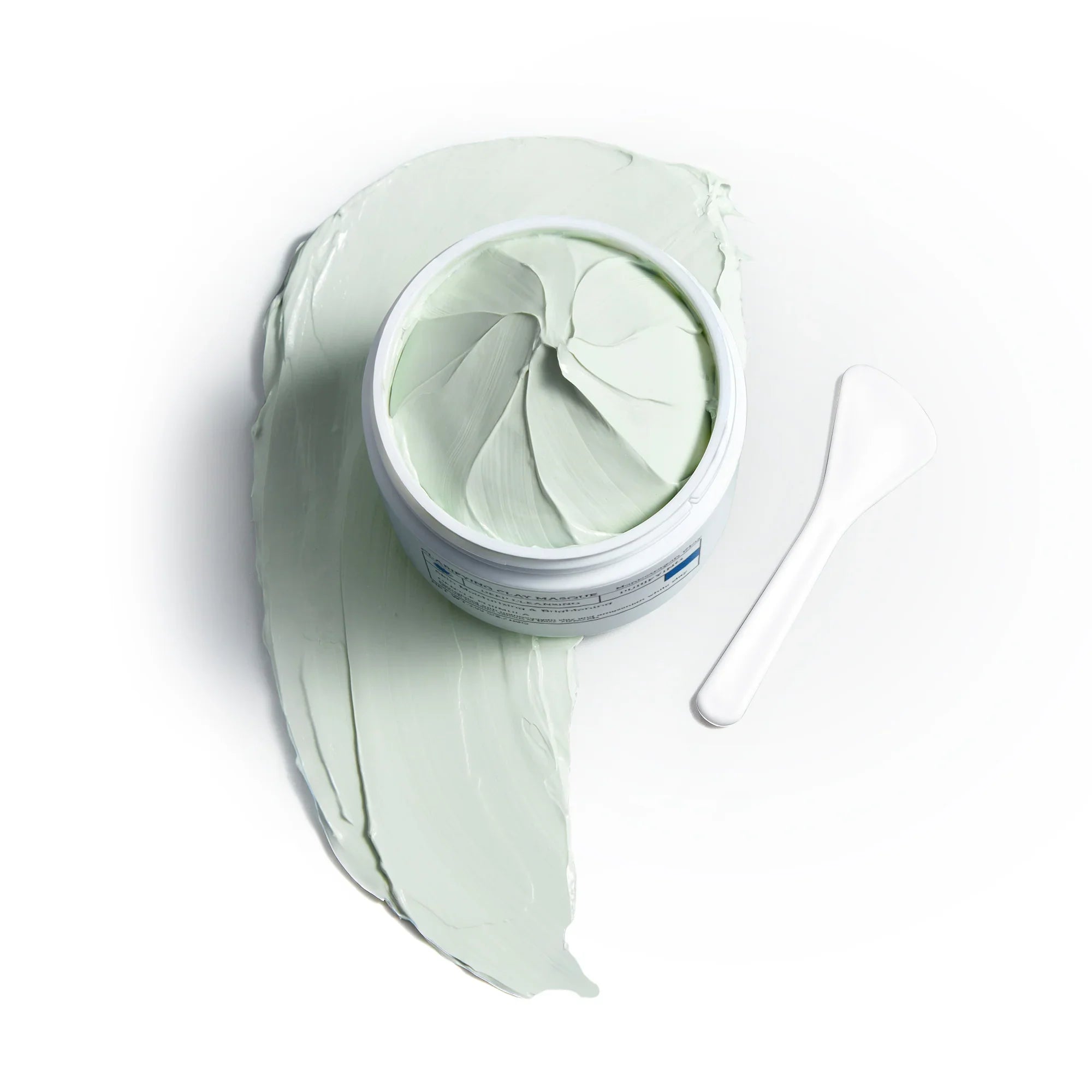
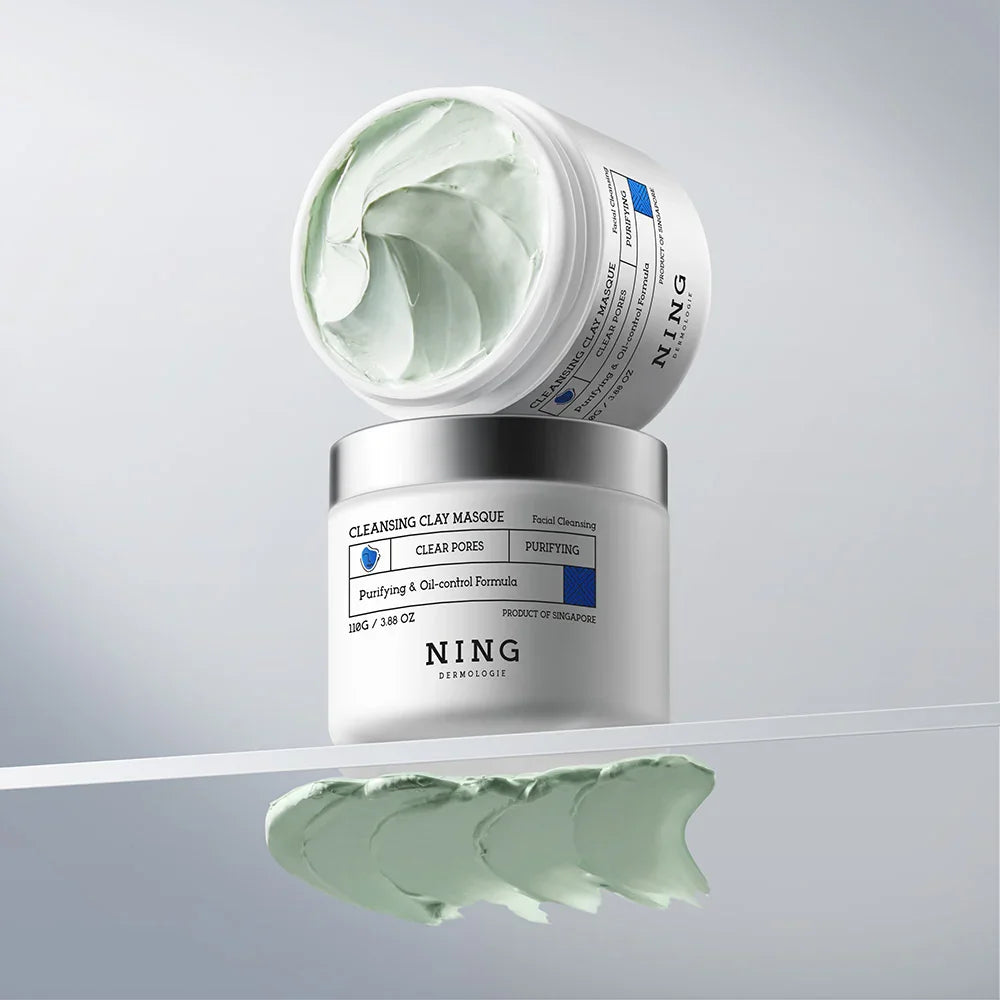
Our Recommendation: The Clay Mask for Face Sensitive Skin by NING Dermologie. We formulated this specifically because the market lacked a perfect clay for reactive skin. It uses a specialized blend that lifts impurities while delivering moisture. It targets redness and dryness simultaneously, ensuring that when you rinse, your face feels soft, not tight.
Combination Skin
If you have an oily T-zone but dry cheeks, you are the perfect candidate for "multi-masking." Use a stronger green clay on your nose and forehead, and a nourishing Kaolin clay on your cheeks.

Benefits of Using Clay Masks (The Real Results)
Why bother adding this step to your skincare routine? Beyond the fun spa factor, the benefits of using clay masks are scientifically backed.
-
Deep Pore Cleansing: Even the best cleanser can’t always reach the gunk trapped deep inside. Clay acts as a vacuum for impurity removal.
-
Texture Refinement: Regular use helps exfoliate the surface layer. By removing dead skin cells, you reveal fresher skin underneath, which improves skin texture instantly.
-
Oil Control: By managing sebum production, you prevent the clogged pores that lead to a breakout.
-
Better Product Absorption: When your pores aren't blocked by positively charged toxins and oil, your expensive serums and moisturizer can actually penetrate and work.
Dermatologist Recommendations: How to Use a Clay Mask Correctly
You might think you know how to use a clay mask, but dermatologists often cite misuse as a major cause of skin irritation. Here is the protocol to ensure skin health:
1. The "Damp Skin" Rule
Don't apply clay to a bone-dry face. After using your cleanser, leave your skin slightly damp. This helps the mask spread evenly and starts the hydrate process immediately.
2. The Time Limit (Crucial!)
This is the most common mistake. Do not let the mask dry until it cracks. There are three phases of a clay mask:
- The Damp Phase: The skin drinks in the beneficial minerals.
- The Start of Drying Phase: The mask cools and creates a vacuum effect, stimulating blood flow and drawing out impurities.
- The Dry Phase: The mask creates a barrier that draws moisture out of your skin cells, causing dehydration and irritation.
Pro Tip: Rinse it off when it is sticky to the touch but not wet—usually around 8 to 10 minutes.
3. Removal
Use lukewarm water. Hot water strips oils; cold water doesn't break down the clay effectively. Use a soft muslin cloth if you need to, but be gentle. Rubbing hard defeats the purpose of soothing sensitive skin.
4. The Aftercare
Immediately after rinsing, your skin is primed and hungry. This is the time to apply hyaluronic acid or a rich moisturizer. If you are using the NING Dermologie Clay Mask for Face Sensitive Skin, your skin will already feel conditioned, but locking that in is key for rejuvenation.
Addressing Specific Skin Concerns with Clay Masks
The Battle Against Blackheads
Blackheads are oxidized oil plugs. While strips physically rip them out (and damage pores), using clay masks regularly dissolves the top of the plug and loosens the root. It takes patience, but it’s safer.
Dullness and Lack of "Glow"
If your complexion looks grey or tired, it’s likely a buildup of dead cells. A clay face treatment stimulates circulation. That slight flush you see after washing off a mask? That’s oxygen-rich blood coming to the surface to nourish the skin, giving you that "just had a facial" look.
Managing Mature Skin
Mature skin often deals with enlarged pores due to a loss of elasticity. While clay can't "shrink" pores (pore size is genetic), keeping them clear makes them appear smaller. Rhassoul clay is particularly good here as it is rich in silica and magnesium, minerals that support skin elasticity.

Best Clay Masks on the Market: Why Ingredients Matter
When you look at masks on the market, read the label. Many drugstore brands are loaded with alcohol and synthetic fragrances that irritate sensitive skin.
At NING Dermologie, we stripped out the fillers. Our philosophy is that a face mask should be a reset button for your skin, not a stressor.
- The Problem: Most masks are designed for teenage, oily skin and are too harsh for adults.
- The Solution: Our formula uses high-grade clay balanced with botanicals. It’s suitable for normal, dry, and even reactive skin.
When you choose the right clay mask, you aren't just buying dirt in a jar. You are investing in a tool to improve skin health long-term.
Incorporating Clay Masks into Your Skincare Routine
Consistency is the secret sauce. You won't unlock radiant skin with one application.
1. Frequency: Listen to your skin.
- Oily Skin: You can likely use a clay mask twice a week.
- Dry/Sensitive Skin: Start with once a week or even once every 10 days.
2. Placement: You don't have to put it everywhere. If your cheeks are dry but your nose is oily, just treat the nose.
3. Timing: Nighttime is best. It gives your skin a chance to recover and breathe while you sleep.
Conclusion
The journey to radiant skin doesn't require a ten-step routine or expensive lasers. Sometimes, it just requires going back to the earth. Knowing your skin type is crucial, whether you choose the NING Dermologie Clay Mask for Face Sensitive Skin for a gentle, nourishing reset or French green clay for a deep detox.
Don't let the fear of dryness stop you from experiencing the deep clean your pores deserve. Hydrate and nourish the skin, wash the mask off before it cracks, and watch your complexion transform.
Frequently Asked Questions (FAQ)
1. Can I use a clay mask every day?
In general, no. For nearly all skin types, wearing a clay mask every day is too harsh. Your skin may become dehydrated and overproduce oil to make up for the loss of your natural moisture barrier. The ideal frequency for most people to use clay masks is once or twice a week. If you have extremely oily skin, you might get away with three times, but listen to your skin. If it feels tight or looks red, scale back immediately.
2. Should I wash my face before or after using a clay mask?
Always wash your face before. You want to apply the mask to a clean canvas so the clay acts on your pores, not on the layer of makeup, sunscreen, or surface dirt sitting on your face. Use a gentle cleanser to remove grime. After the mask, you do not need to cleanse again; simply rinse with lukewarm water and move straight to your toner, serum, and moisturizer to lock in hydration.
3. Do clay masks help with acne?
Yes, they are excellent for acne. Ingredients like Bentonite and French Green Clay are antimicrobial and help absorb the excess sebum and bacteria that clog pores and cause pimples. They also calm inflammation. However, for cystic acne (the deep, painful kind under the skin), a clay mask won't be a miracle cure, though it can help soothe the surface redness. For surface whiteheads and blackheads, they are highly effective.
4. Why does my face turn red after using a clay mask?
A slight pink flush is normal—this is called "cutaneous vasodilation." Redness may result from the clay's stimulation of blood circulation to the skin's surface as it dries and contracts. Usually, this goes away in half an hour. However, the mask was probably left on for too long (beyond the dry stage) or the ingredients were too harsh for your sensitive skin if your skin is bright red, burning, or stinging for hours.
5. Can I use a clay mask if I have dry skin?
Absolutely, but you need to be picky. Avoid charcoal or pure calcium bentonite masks, which can be very drying. Instead, seek out formulas enhanced with hyaluronic acid, glycerin, or aloe vera, or Kaolin clay. Formulations made especially for this are available from NING Dermologie. Additionally, try the "multi-masking" method, which involves using a hydrating mask on your dry cheeks and applying the clay only to your oily T-zone (forehead, nose, and chin).
6. Do clay masks expire?
Yes, skincare products do not last forever. While dry, powdered clay has a very long shelf life, pre-mixed liquid clay masks usually last 6 to 12 months after opening. If you notice a change in smell (especially a sour or rancid odor), a change in texture (separation that won't mix back), or mold growth, throw it away immediately. Using expired products can introduce bacteria to your skin, leading to infections or breakouts.





Share:
DIY Green Clay Mask Recipes for Glowing Skin
Premium Skincare Sets That Make Perfect Gifts This Season