



Why 2% Salicylic Acid is More Effective for Acne than Lower Concentrations?
Why is 2% salicylic acid more effective for acne than lower concentrations? It’s because it penetrates deep into pores, exfoliates dead skin cells and reduces inflammation, resulting to clearer skin.
Key Points
-
2% salicylic acid is the best concentration for moderate to severe acne because of its deep penetration, unclogging pores and exfoliating properties.
-
This concentration increases skin cell turnover and has anti-inflammatory properties resulting to smoother texture, reduced redness and overall better skin health.
-
While 2% salicylic acid is effective, gradual introduction is necessary to prevent irritation especially for sensitive skin types.
The Power of 2% Salicylic Acid

2% salicylic acid is the gold standard for many acne treatments. Its potency lies in its ability to penetrate deep into the skin and target the root causes of acne. Studies have shown that 2% concentration is most effective for moderate acne and severe acne and has significant improvements over time. This concentration is best for oily, acne-prone and combination skin types as it reduces breakouts and promotes overall healthier skin.
Using 2% salicylic acid product will give you fewer breakouts and clearer skin. The reason is its multi-faceted approach: it exfoliates the skin and unclogs pores and reduces inflammation. This combination is a powerful against stubborn acne and will make your skin smoother and healthier with consistent use.
Deep Penetration and Unclogging Pores
Salicylic acid is oil-soluble so it can penetrate deeper into the skin than water-soluble ingredients. This allows it to dissolve the oils and sebum that clogs pores and treat acne at its source. By targeting the deeper layers of the skin, salicylic acid can dissolve sebum and dead skin cells and prevent oil buildup and have clearer skin.
This deep pore cleansing is key to having a smooth and healthy skin.
Enhanced Exfoliation
Salicylic acid enhances the natural exfoliation process by encouraging the shedding of older skin cells and prevent future breakouts. Unlike physical scrubs that can irritate the skin, salicylic acid exfoliates as a desmolytic agent, breaking the bonds between skin cells rather than breaking down keratin.This keratolytic property helps unclog pores and remove dead skin cells and have smoother skin and healthier skin overall.
Anti-Inflammatory Properties
The anti-inflammatory properties of 2% salicylic acid makes it more effective for active acne. It suppresses the enzymes that plays a role in skin inflammation and reduces redness and swelling. By soothing inflammation and calming inflamed breakouts, it makes the skin look less irritated and more even-toned thanks to topical salicylic acid.
This makes salicylic acid not just an exfoliant but also a soothing agent that can improve overall health of acne-prone skin.
2% Salicylic Acid vs Lower Concentrations

When it comes to acne, not all salicylic acid concentrations are created equal:
-
2% concentration is more effective in treating acne than lower concentrations like 0.5% or 1%.
-
This is more effective for moderate to severe acne.
-
It has noticeable reduction in acne severity over time.
But lower concentrations may be more suitable for those with sensitive skin or new to beta hydroxy acid bha as they are gentler and less likely to cause irritation. Gradual introduction of salicylic acid in your skincare routine is necessary regardless of concentration.
Those starting with lower concentrations should monitor their skin’s response to avoid irritation. Over time as the skin builds up tolerance, one can move to higher concentration like 2% for more results.
Efficacy in Treating Stubborn Acne
2% salicylic acid is more effective in treating stubborn and severe acne. Its lipophilic nature allows it to penetrate deep into the pores and dissolve sebum and dead skin cells that causes acne. This concentration has enhanced exfoliating properties that helps remove dead skin cells and prevent clogged pores which are key to acne treatment.
Compared to lower concentrations, 2% salicylic acid has more reduction in acne making it a powerful solution for those with persistent breakouts.
Suitable Skin Types
Oily skin types generally see more benefits from using 2% salicylic acid as it unclog pores and manage excess oil. This concentration is more suitable for oily or resilient skin types that can tolerate stronger formulations.When choosing between different concentrations of salicylic acid, consider your skin concerns and personal tolerance to get the best results.
Gradual Introduction
Introduce 2% salicylic acid in your skincare routine gradually to establish tolerance and prevent over-exfoliation. Start using it 2-3 times a week and observe your skin’s response.
Based on your skin’s adaptation, you can increase the frequency of application to ensure your skin remains healthy and irritation-free.
How 2% Salicylic Acid Works at the Cellular Level
Understanding how 2% salicylic acid works at the cellular level will give you an idea of its effectiveness. This oil-soluble compound:
-
Penetrates deep into the pores
-
Breaks down the bonds holding dead skin cells together
-
Facilitates the shedding of the outer layer of skin cells
-
Prevents dead cells from accumulating and clogging pores
-
Understand salicylic acid.
This process ensures the skin is clear and free from the buildup that can cause acne.
Salicylic acid helps skin health by:
-
Dissolving excess sebum, blackheads and acne-causing bacteria
-
Mixing with skin oils to reach deeper into follicular openings
-
Clearing out oily debris from within clogged pores with a salicylic acid cleanser
This deep-cleaning is essential for a clear and healthy complexion.
Controlling Excess Oil
2% salicylic acid is more effective in regulating sebum production by inhibiting the activity of sebaceous glands thus reducing oiliness. By dissolving sebum and preventing pore blockages salicylic acid balances oil production making it a great solution for oily skin.
This regulation of sebum secretion is key to its effectiveness in treating deeper and more stubborn acne.
Healthy Skin Cell Turnover
Salicylic acid promotes quicker skin cell turnover, skin renewal process and prevent buildup of dead skin cells. By clearing existing blackheads and whiteheads it prevents keratin and sebum buildup so the skin remains healthy and clear.
This continuous removal of dead skin cells keeps the skin smoother and overall healthier.
Penetrates Pores
Salicylic acid is lipophilic so it can effectively salicylic acid penetrate and treat clogged pores. It mixes with skin oils so it can reach deeper into follicular openings and clear out oily debris from within clogged pores. This ability to penetrate lipid rich environments makes salicylic acid very effective in clearing deep seated impurities so the skin remains clear and healthy.
2% Salicylic Acid in Your Skincare Routine

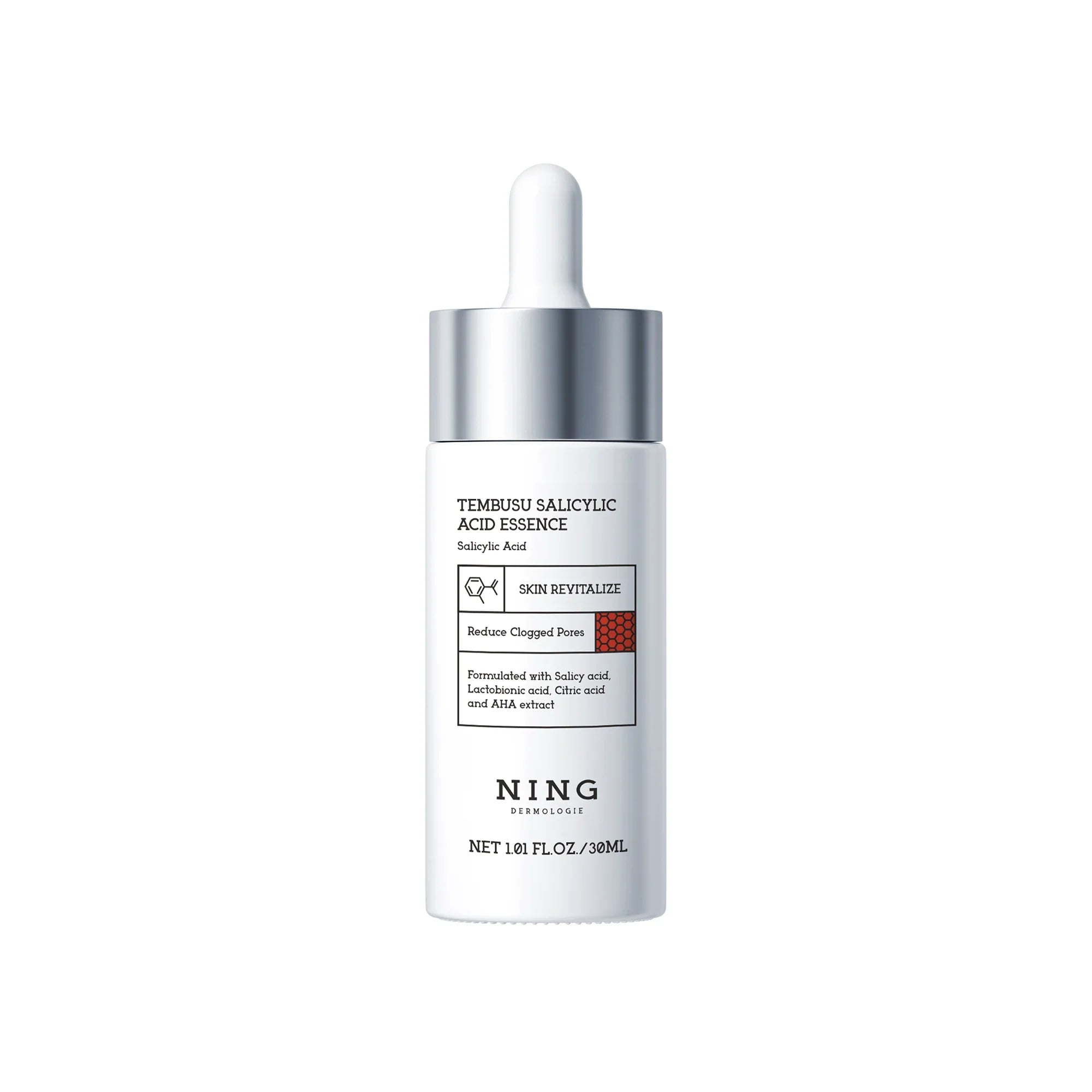
Incorporate 2% salicylic acid in your skincare routine and see the improvement in your skin. Products that contain this concentration include cleansers, 2% salicylic acid serums and spot treatments with various formulations to suit different skin types and needs. Formulations often include ingredients like aloe vera, niacinamide and green tea extract that enhance the effectiveness of salicylic acid and provide additional skin benefits. If you have specific skin concerns consult a dermatologist for personalized advice.
To ensure skin hydration and reduce the risk of irritation use hyaluronic acid with salicylic acid. This combination will help maintain your skin’s moisture levels while you get the benefits of salicylic acid. Other ingredients to combine with salicylic acid are niacinamide and tea tree oil that can boost its effectiveness and soothe the skin.
Choosing the Right Product
Choose the right salicylic acid product for your skin type to get the best results. Recommended formulations for clear skin are lightweight gel salicylic acid cleansers and leave-on serums which are suitable for oily and acne prone skin and topical acne products.
Cream formulations with moisturizing ingredients are gentle exfoliants and intense moisturizers for dry or sensitive skin. Do a patch test before using new salicylic acid products as the active ingredient salicylic acid can sometimes cause irritation.
Application Frequency
Start with lower frequency when introducing 2% salicylic acid and increase as your skin builds up tolerance. Consistency is key to the effectiveness of a salicylic acid regimen.
Nighttime is best for applying salicylic acid and morning applications should be followed by a broad-spectrum sunscreen.
Combining with Other Ingredients
Combining salicylic acid with other ingredients like pairing salicylic acid with niacinamide boosts its effectiveness and reduces irritation. Niacinamide is great for balancing oil production and reducing inflammation. Moisturizers with ceramide counteract dryness caused by salicylic acid.
Applying a hydrating serum after salicylic acid helps maintain skin hydration and prevent irritation.
Benefits and Results

2% salicylic acid gives both immediate and long term benefits for acne prone skin:
-
Post application there’s a noticeable decrease in oiliness and skin looks fresher and less greasy.
-
Higher concentration like 2% gives faster results in reducing acne lesions making it a powerful tool in acne treatment.
-
Anti-inflammatory properties reduces swelling and promotes even skin tone and healthy looking skin.
Long term use of 2% salicylic acid improves skin condition. Consistent use:
-
Clears skin
-
Reduces breakouts
-
Improves texture and clarity
-
Over time anti-inflammatory and exfoliating properties leads to:
-
Fewer post acne marks
-
Smoother skin surface
-
Excellent for managing acne and overall skin health.
Short Term Results
Short term use of 2% salicylic acid benefits acne prone skin by:
-
Reducing redness
-
Minimizing pore appearance by reducing oil and clearing debris
-
Maintaining smoother skin texture
-
Encouraging shedding of old skin cells to keep skin surface smooth and rejuvenated.
Using 2% salicylic acid can greatly improve skin health and appearance and gives immediate benefits to those with acne.
Long Term Benefits
Long term use of 2% salicylic acid gives significant benefits for acne prone skin. Consistent use leads to fewer breakouts over time and improves skin texture by promoting smoother surface.
Continuous use enhances skin clarity and reduces visibility of post acne marks. Consistent use of 2% salicylic acid gives healthier clearer skin with fewer acne related issues.
Common Concerns

While 2% salicylic acid is very effective some users may experience skin irritation especially at first. Immediate use can soothe and calm acne related irritation. But those who should avoid using it are:
-
Those with extremely dry skin
-
Those with eczema
-
Those with rosacea
-
Those with aspirin allergyHow to manage:
-
Monitor your skin and adjust usage accordingly.
-
Reduce frequency or switch to lower concentration if dryness or irritation occurs to prevent compromising skin health.
-
Hydrate properly.
-
Use gentle non-irritating products to minimize side effects.
Managing Irritation
Managing irritation involves recognizing signs of overuse such as:
-
dryness
-
flakiness
-
tightness
-
redness
-
stinging
-
burning
-
sudden breakouts
-
shiny tight skin
Initial side effects of using salicylic acid for acne treatment is dryness and peeling.
Despite this salicylic acid is a gentler alternative for sensitive skin with lesser tendency to irritate compared to other exfoliants. If you use salicylic acid for sensitive skin types start with lower concentration and gradually increase usage to minimize irritation. Salicylic acid is safe for most skin types.
Avoiding Dryness
Avoiding dryness when using salicylic acid involves following key guidelines. Avoid astringents or alcohol based toners as they can dry out the skin. Don’t apply salicylic acid on broken, sunburned or sensitive skin to prevent further dryness.
Using sunscreen daily is a must to protect the skin from sun exposure.
Monitoring Skin’s Response
Monitoring your skin’s response to salicylic acid ensures safe and effective use. Signs of over dryness or irritation may include tightness or discomfort. If these signs occur adjust by reducing usage frequency or switching to lower concentration.
Pay attention to your skin and 2% salicylic acid will be a part of your skincare routine.
Conclusion
In summary 2% salicylic acid is a very effective ingredient for acne treatment due to its deep penetrating, exfoliating and anti-inflammatory properties. Its ability to regulate sebum production and promote healthy skin cell turnover makes it suitable for all skin types especially oily and acne prone skin. By introducing 2% salicylic acid gradually into your skincare routine, monitoring your skin’s response and combining it with other beneficial ingredients you can achieve clearer healthier skin. Use 2% salicylic acid and be a more confident you.
FAQs
Is 2% salicylic acid good for sensitive skin?
2% salicylic acid not for sensitive skin; start with lower concentration and gradually increase usage to avoid irritation.
Can I use 2% salicylic acid daily?
Start using 2% salicylic acid 2-3 times a week and increase frequency as your skin tolerates. This way you minimize irritation and allow your skin to adjust.
What are the benefits of using 2% salicylic acid for acne?
Using 2% salicylic acid for acne unclogs pores, reduces oiliness, promotes skin cell turnover and anti-inflammatory to reduce redness and swelling.
Can I mix 2% salicylic acid with other active ingredients?
Yes, 2% salicylic acid can be mixed with niacinamide and hyaluronic acid to enhance effectiveness and minimize irritation.
How long does it take to see results from 2% salicylic acid?
You can see short term results like reduced redness and oiliness in a few weeks and long term results like fewer breakouts and better skin texture in several months.
References
-
Korouchtsidi, Christina. "1% vs. 2% Salicylic Acid: Which Concentration Works Best for Acne?" BuyCosmetics.cy. https://buycosmetics.cy/1-vs-2-salicylic-acid-which-concentration-works-best-for-acne/
-
"What Does Salicylic Acid Do for Acne?" MDacne. https://www.mdacne.com/article/what-does-salicylic-acid-do-for-acne
-
Charan, Anubha. "What Is Salicylic Acid?" Neutrogena. https://www.neutrogena.com/the-bar/skincare-glossary/salicylic-acid
-
"How to Choose the Best Salicylic Acid Formula for Clear Skin." Clinikally. https://www.clinikally.com/blogs/news/choose-salicylic-acid-for-healthier-skin
-
"Salicylic Acid: Acne Treatment Benefits." Topicals. https://mytopicals.com/blogs/acne/2-salicylic-acid-a-deep-dive-into-acne-treatment-benefits





Share:
Who Should Use 2% Salicylic Acid Serum?