



- Who Should Use 2% Salicylic Acid Serum?
- What Skin Concerns Does 2% Salicylic Acid Serum Target?
- Who Should Use 2% Salicylic Acid Serum?
- What is Salicylic Acid serum?
- How Often to Use 2% Salicylic Acid Serum?
- Why Ning Dermologie 2% Salicylic Acid Serum?
- Patch Test Importance
- How to Use 2% Salicylic Acid Serum Safely
- Common Mistakes to Avoid
- 2% Salicylic Acid Serum and Other Skincare Products
- Conclusion
You’ve been researching acne‑fighting ingredients and seen 2% Salicylic Acid Serum pop up often. This product is both an acne serum and a clarifying salicylic acid serum, specifically designed for anti acne benefits by targeting breakouts, refining pores, and calming skin. Salicylic acid (SA) is a beta‑hydroxy acid (BHA) that’s lipid soluble, so it can get into oily pores and break down sebum and dead skin buildup. Compared to lower concentrations, 2% is often considered the upper limit for over‑the‑counter efficacy while being tolerable. But who exactly should use it? When choosing this product, you need to consider your skin type as different skin types—oily, dry, or sensitive—may require different approaches for best results. This guide will tell you who should use 2% Salicylic Acid Serum, what skin concerns it targets, and how often to use 2% Salicylic Acid Serum.
Who Should Use 2% Salicylic Acid Serum?
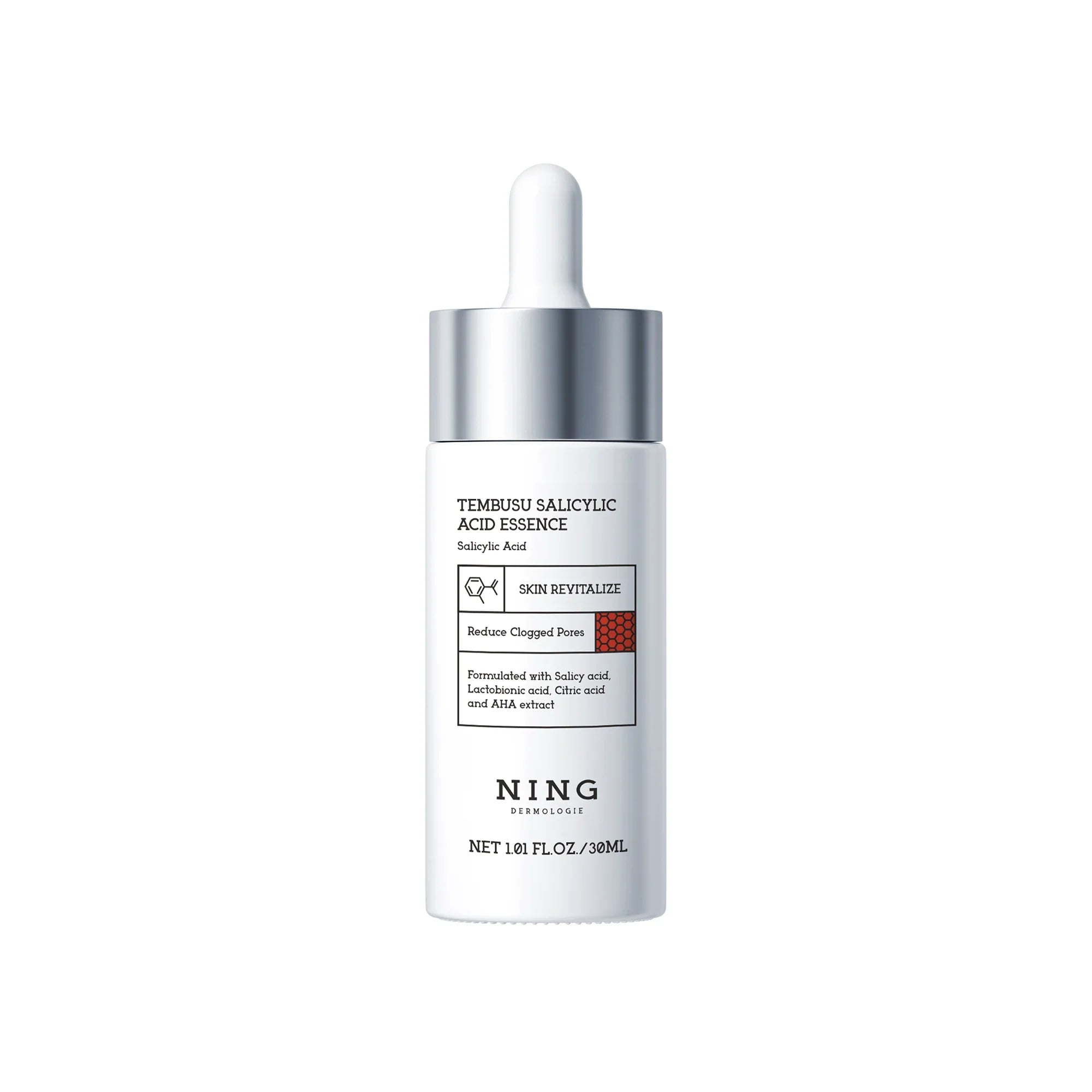
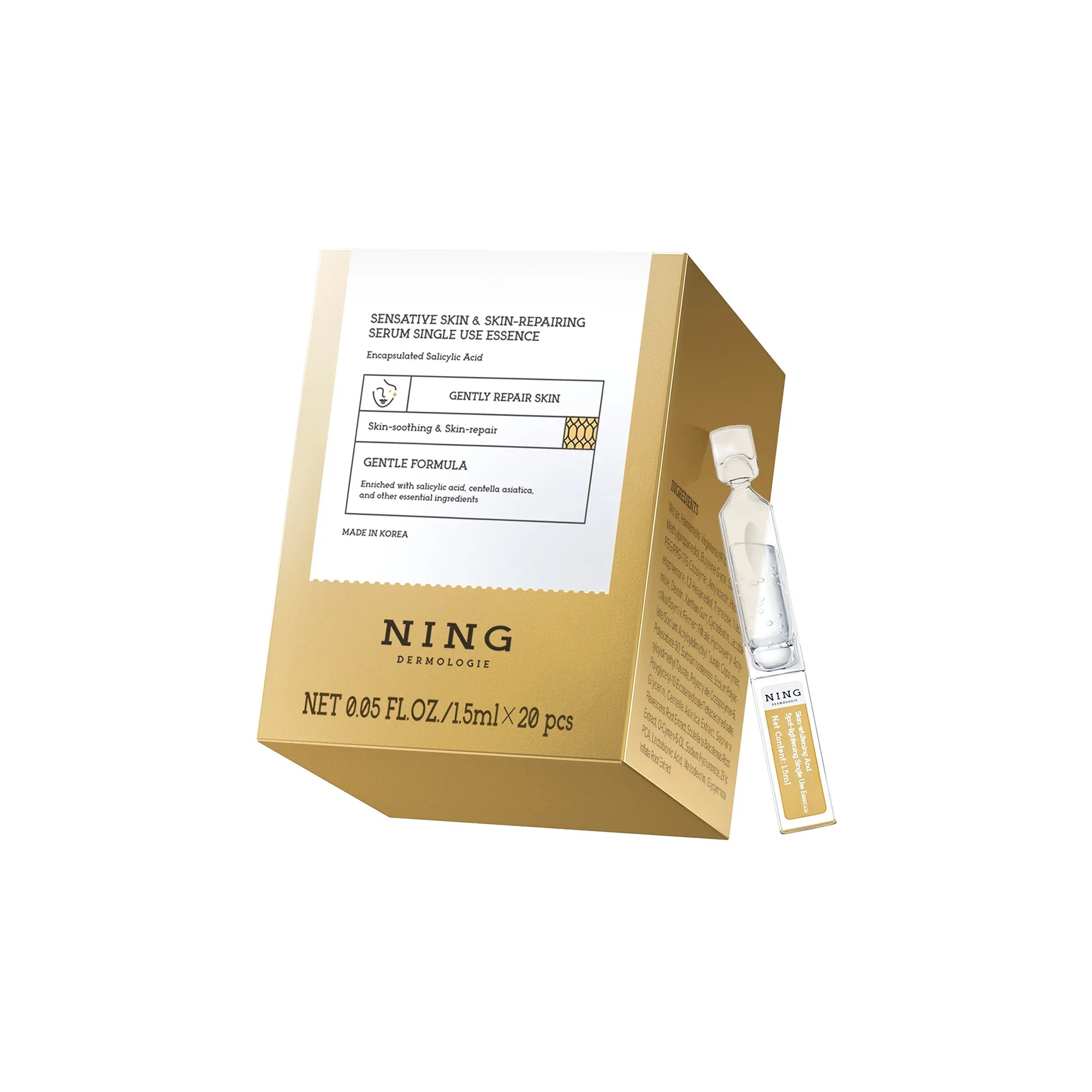
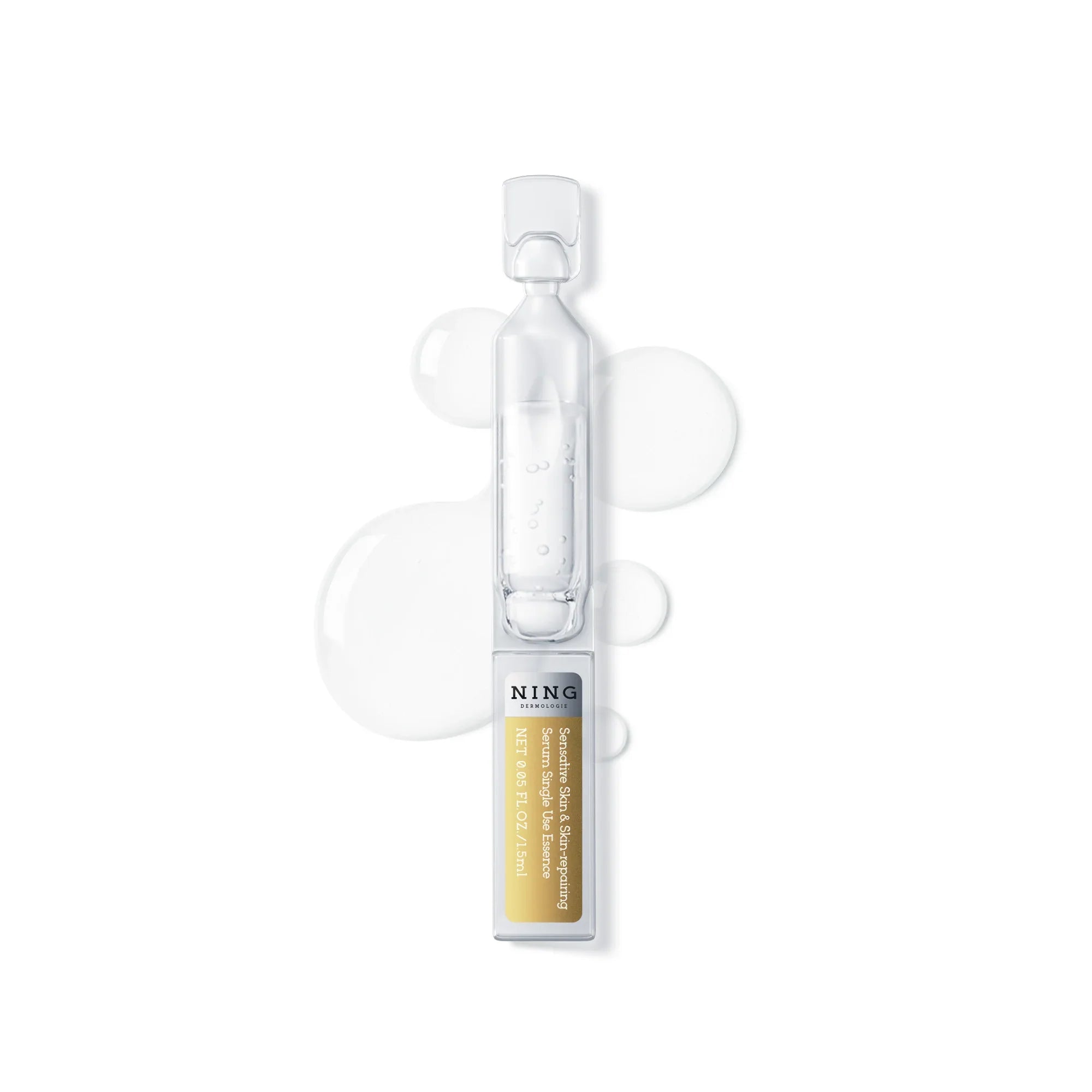
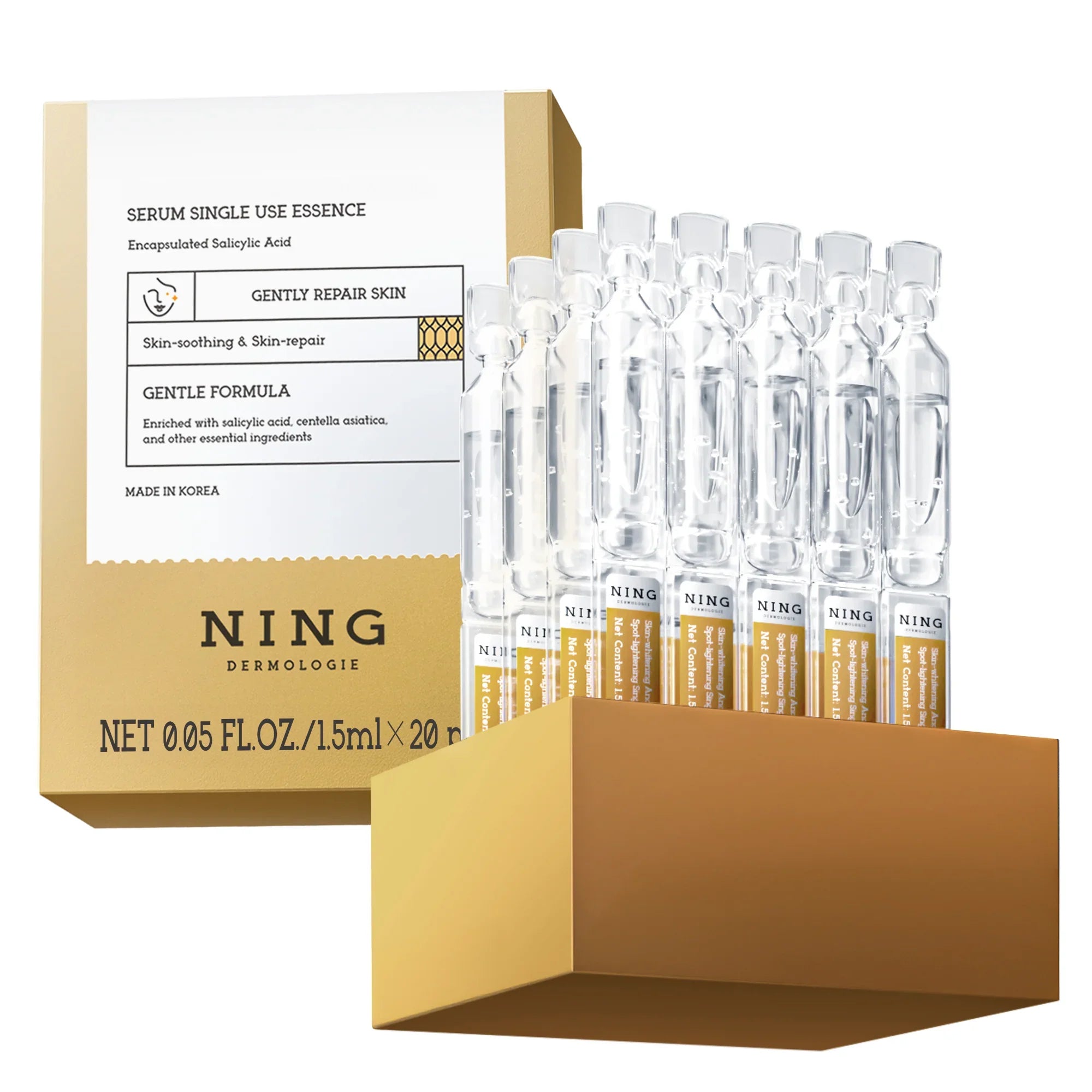
We feature Ning Dermologie 2% Salicylic Acid Serum as the reference formula. Our approach pairs comedolytic clarity with barrier comfort, using a forming gentle formulation that provides clarity without harshness, so you can get results without the sandpaper feel.
What Skin Concerns Does 2% Salicylic Acid Serum Target?

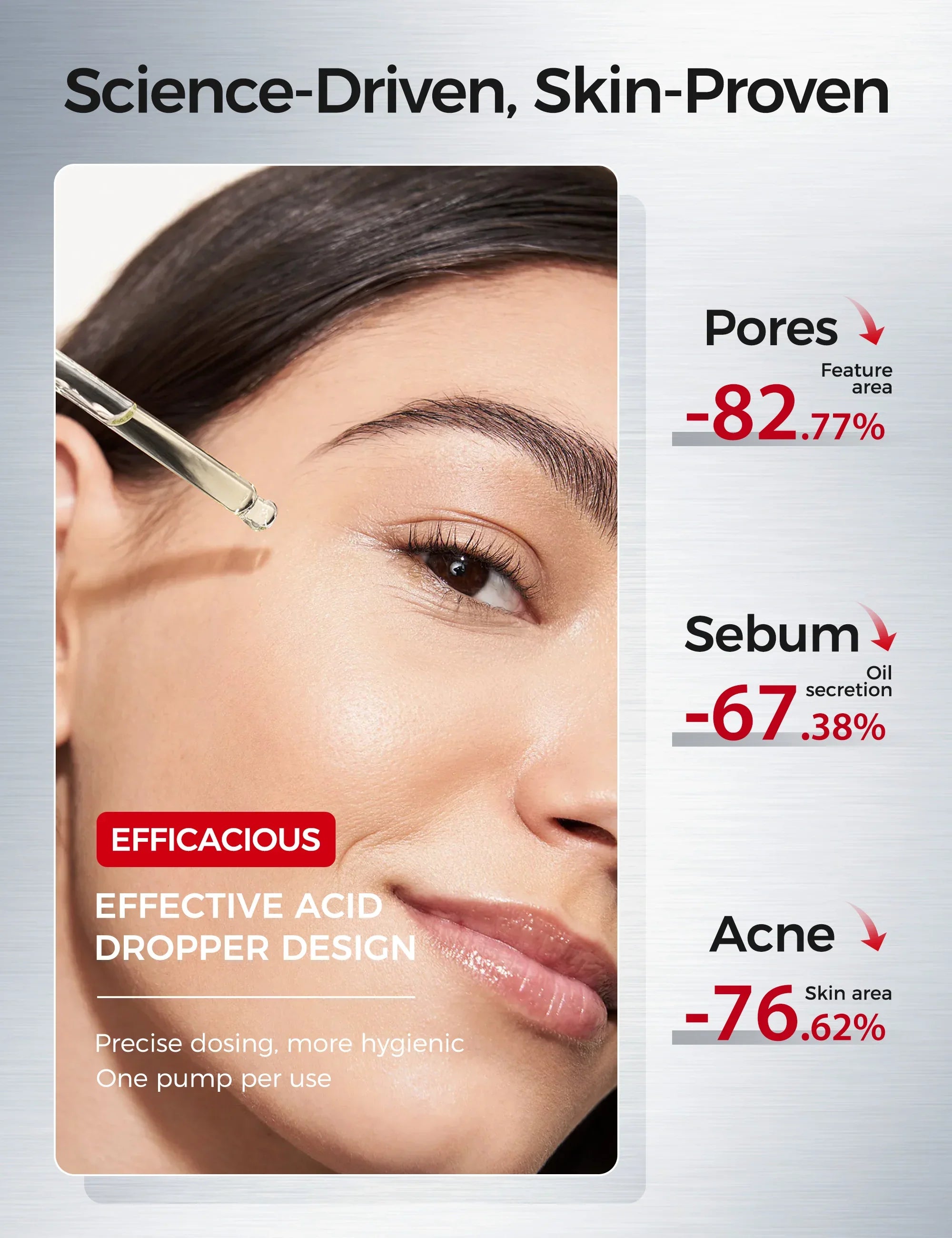
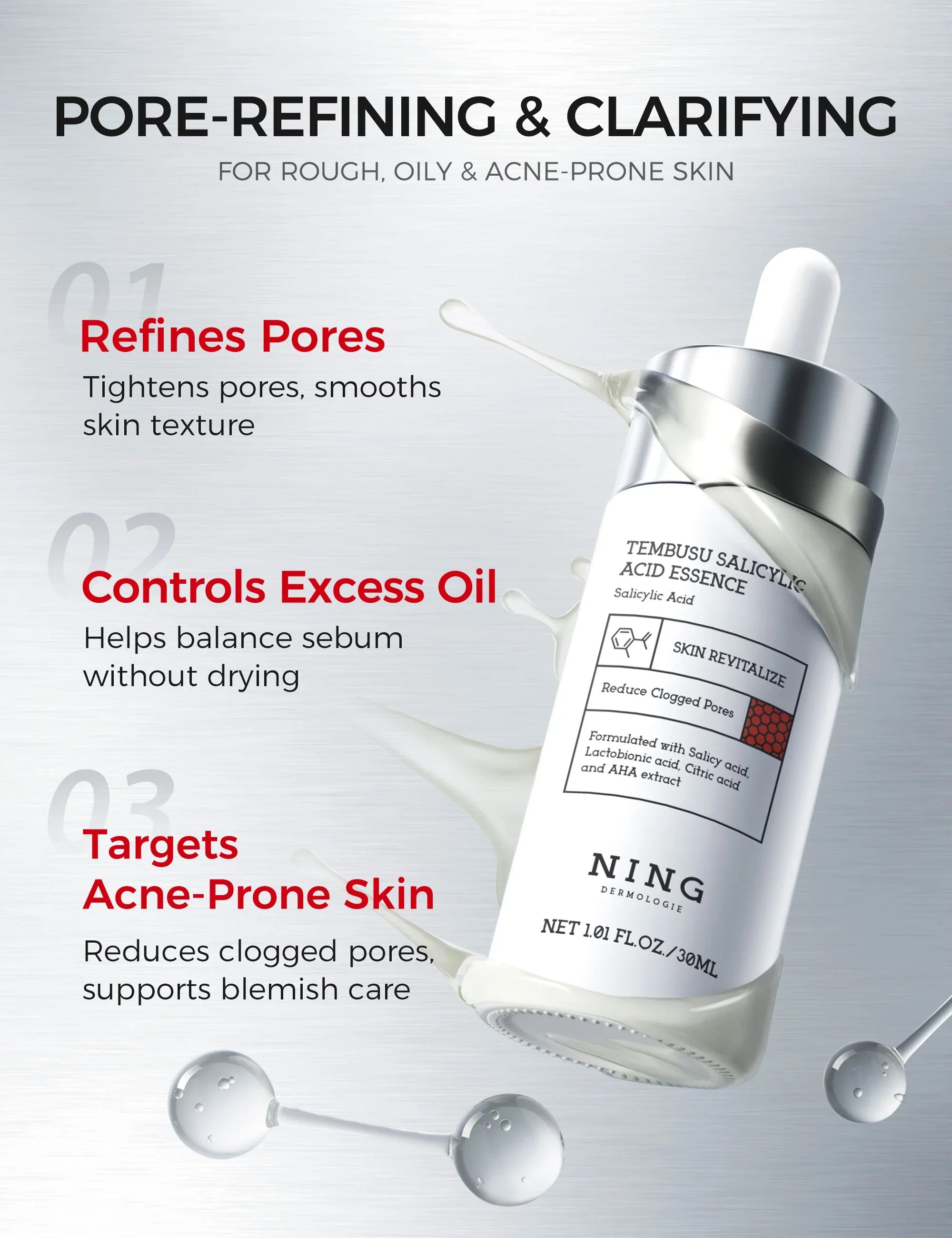
- Acne and blemishes: Helps reduce non‑inflammatory lesions and visible congestion by de‑clogging the pore. This serum is used as an acne treatment for tackling acne blemishes, and is effective in addressing skin issues such as clogged pores and excess oil. Prospective and randomized trials show meaningful lesion count reductions with SA‑based regimens over 4–12 weeks.
- Oily shine: Rebalances the look of excess sebum and refines the appearance of enlarged pores, acting as a pore minimizer.
- Uneven texture: Sweeps away buildup for a smoother, brighter surface.
- Post‑blemish marks: Gentle, consistent exfoliation can soften the look of lingering discoloration.
- For best results, apply the serum to the entire affected area to ensure comprehensive coverage and help prevent further breakouts.
- Clinical context: A multicenter RCT found a topical 2% SA hydrogel performed comparably to adapalene for mild‑to‑moderate acne, supporting 2% as an effective strength for over‑the‑counter routines.While effective, this serum is not a complete cure for all acne.
Who Should Use 2% Salicylic Acid Serum?
- Oily or combination skin seeking to manage shine and congestion
- Those with blemish prone skin, blackheads, clogged pores, or acne, or looking to prevent new breakouts and stop new acne from forming
- Anyone noticing rough texture or dullness who wants a non‑scrub daily exfoliant
Apply a thin layer over breakout‑prone areas, not just active spots, to treat acne and help prevent future breakouts. If your skin is very dry, reactive, or you have an aspirin allergy, introduce slowly or consult a professional first. Always monitor your skin's feedback and discontinue use if irritation occurs.
What is Salicylic Acid serum?

Salicylic acid is oil‑soluble, so it can travel into the pore where congestion begins. Salicylic acid works by penetrating deep into pores and exfoliating the skin's surface, dissolving the mix of oil and dead cells that forms plugs. This helps keep pores clearer over time and supports a smoother‑feeling surface. While salicylic acid targets clogged pores, ingredients like benzoyl peroxide are effective against acne causing bacteria. When using active ingredients, it's important to respect the skin's natural balance, as peeling occurs for some users—this is a normal part of the skin's renewal process and can be managed by adjusting application frequency. The serum also supports overall skin health by maintaining clarity and resilience. That’s why it anchors so many routines built to reduce blackheads and whiteheads. Trials and evidence reviews place salicylic and other keratolytics among useful options for mild‑to‑moderate acne when used consistently.
How Often to Use 2% Salicylic Acid Serum?

- Beginners: 2–3 evenings a week
- Oily or acne‑prone skin: Increase to once a day if your skin stays comfortable
- Always follow with moisturizer and use sunscreen every morning
If you notice tightness, flaking, or stingy dryness, scale back to protect your skin barrier and avoid overuse. Consistency beats intensity. Contemporary acne guidelines also recommend combining complementary mechanisms (for example, pairing with a retinoid at alternate times) for broader efficacy.
Why Ning Dermologie 2% Salicylic Acid Serum?
What we optimize for isn’t just “stronger exfoliation.” It’s steady clarity that fits a real routine.
- Encapsulated 2% Salicylic Acid Serum for a gradual, even feel in use
- Niacinamide and tranexamic acid to support a more even look post‑blemish
- Tembusu extract and Centella asiatica chosen for calming the appearance of redness
- Maltobionic acid to cushion barrier feel while you exfoliate
- pH‑tuned with sodium hydroxide for skin‑compatible performance
- Xanthan gum as a stabilizer and texture enhancer for a smooth, consistent application
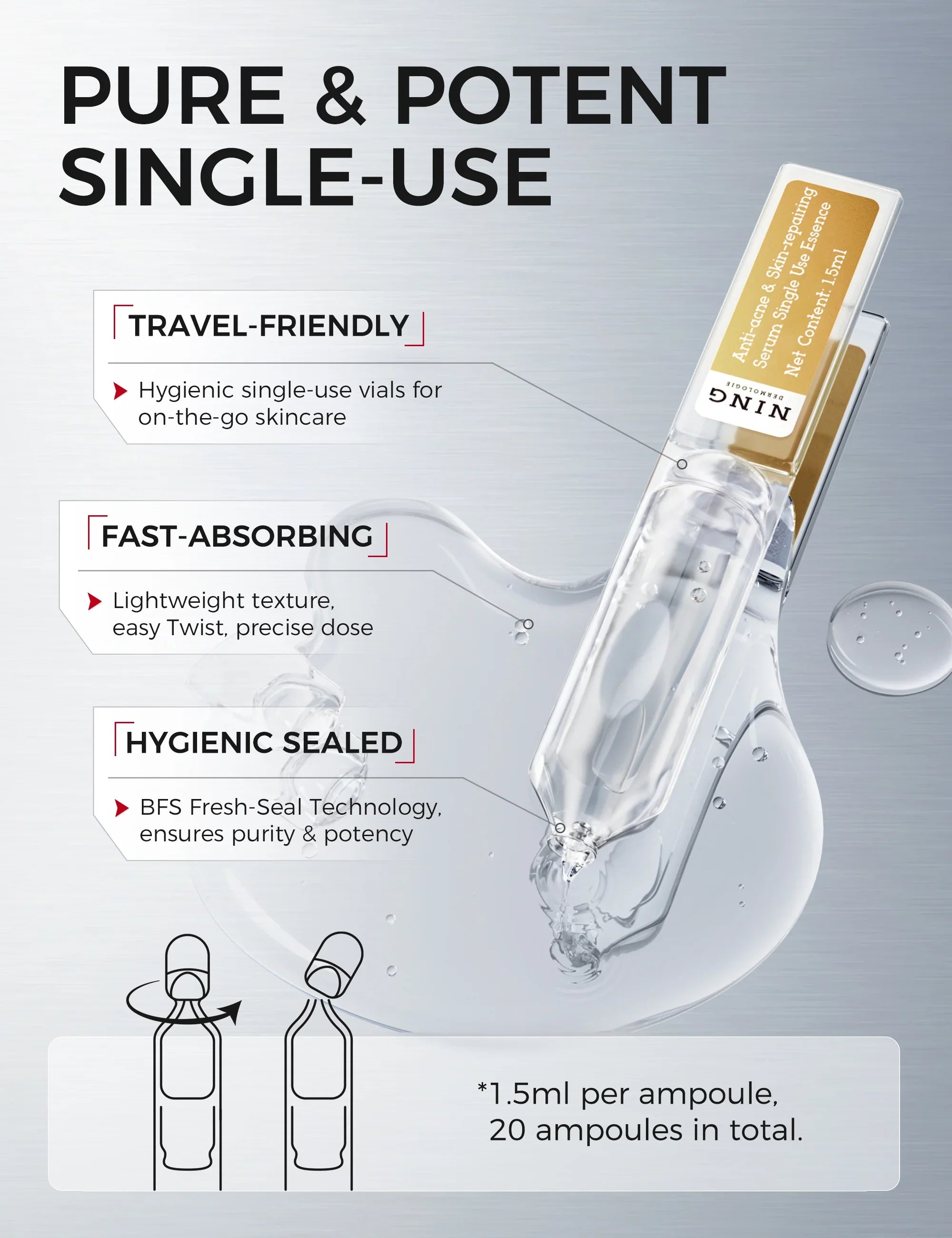
- Weightless texture that layers under moisturizer and sunscreen without pilling
Put simply: a 2% Salicylic Acid Serum built for clarity days, not just “treatment nights,” helping to promote glowing skin.
Patch Test Importance
Before adding any active, do a quick patch test. Apply a small amount behind the ear or on the inner forearm and wait 24–48 hours. If the area stays calm, proceed with a go‑slow plan.
How to Use 2% Salicylic Acid Serum Safely

- Cleanse and pat dry.
- Dispense 2–3 drops and spread in a thin layer over the face or only congested zones.
- Give it a minute to settle, then moisturize.
- In the daytime, finish with broad‑spectrum SPF 30 or higher.
Listen to your skin and adjust frequency to comfort.
Common Mistakes to Avoid
- Over‑exfoliating: Too often or too many actives at once can lead to tightness, flakes, and irritation.
- Treating the eye and lip area: These zones are delicate; keep acids away.
- Stacking multiple exfoliants: Avoid layering with strong AHAs or scrubs on the same night.
- Skipping moisturizer: Pairing actives with hydration keeps the routine comfortable and consistent.
2% Salicylic Acid Serum and Other Skincare Products
Build a steady routine: gentle cleanser, 2% Salicylic Acid Serum, hydrating moisturizer, and daily sunscreen. If needed, alternate on different nights with benzoyl peroxide or retinoids rather than layering everything together. Evidence syntheses and guidelines support multimodal approaches for better outcomes and tolerance over time.[10][11]
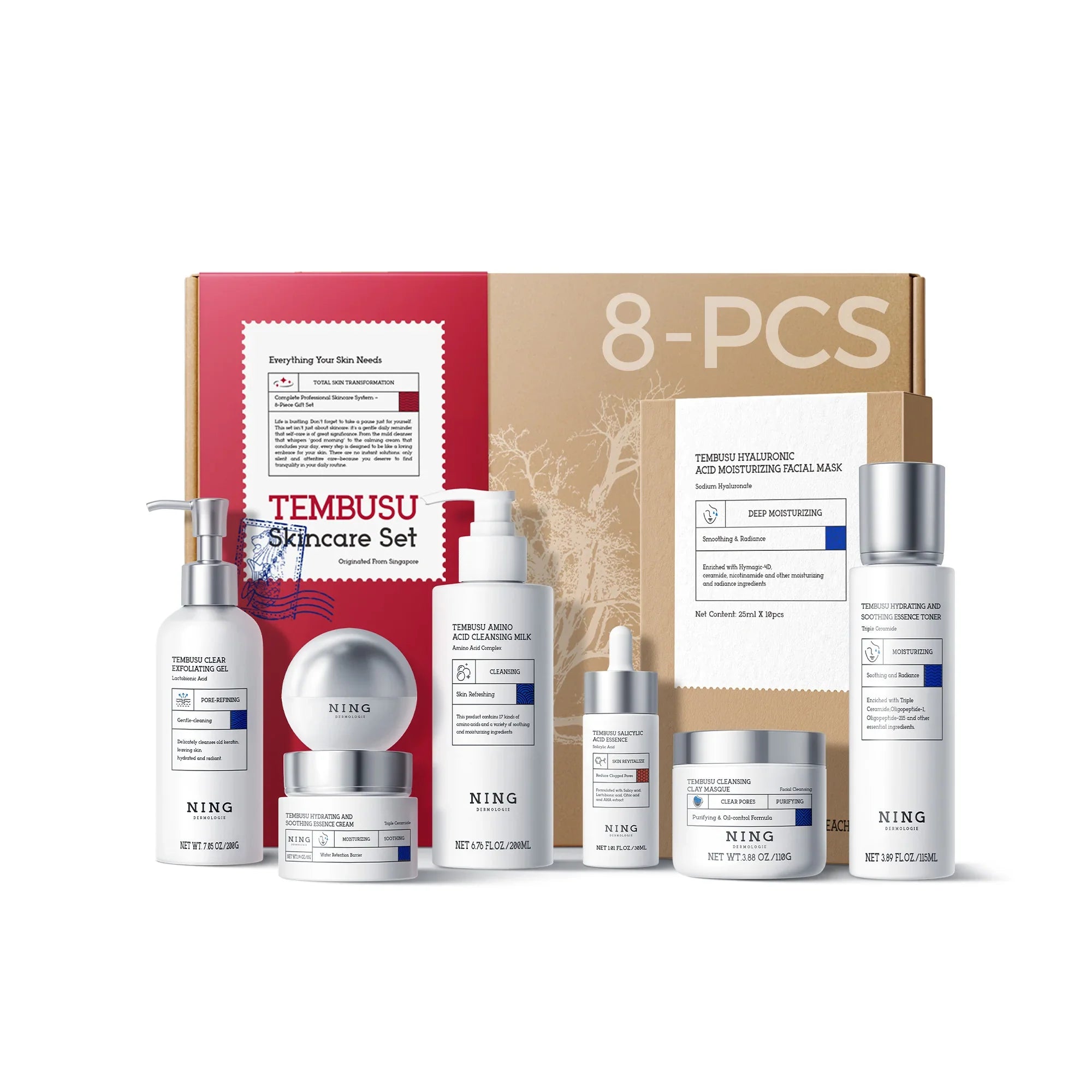
Ning Salicylic Acid Serum
Conclusion
A 2% Salicylic Acid Serum suits oily, acne‑prone, or uneven‑textured skin that wants clearer‑looking pores and a smoother finish. With encapsulated BHA and calming support ingredients, Ning Dermologie’s take aims for reliable clarity without the harsh edge.





Share:
What Makes 2% Salicylic Acid More Effective Than Lower Concentrations for Acne?
How to Effectively Use Vitamin C With Niacinamide in Your Skincare Routine?