

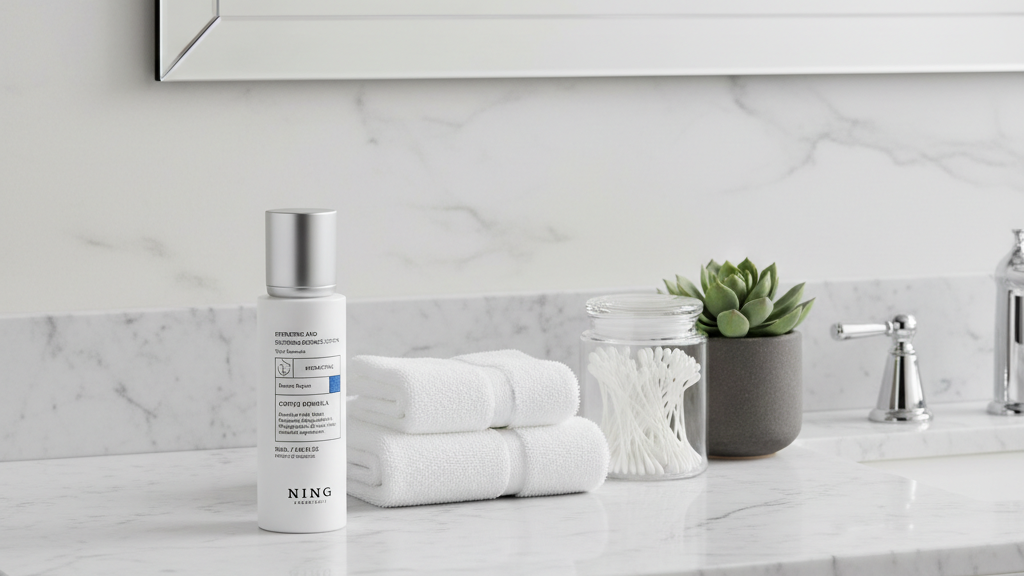

The Ultimate Edit: Which Brands Actually Offer Cruelty-Free Hyaluronic Acid Serums? (And Which Ones Are Just Hype)
If you’ve ever stood in the skincare aisle feeling overwhelmed by the sheer volume of "hydration" promises, you aren’t alone. Hyaluronic acid (HA) has become the denim of the skincare world: everyone sells it, but the fit, quality, and ethics vary wildly.
For the conscious consumer, the challenge is twofold. First, you want skin hydration that goes beyond a temporary surface slick. Second, you want to ensure no bunnies were harmed in the making of your glow. It’s harder than it looks—many legacy giants like La Roche-Posay (makers of Hyalu B5) and CeraVe dominate the shelf space but often fall into gray areas regarding animal testing due to mainland China’s sales regulations.
We dug deep, cross-referencing Cruelty-Free Kitty databases and consulting board-certified dermatologists to bring you a list of high-performance, ethically sound hyaluronic acid serums. We are looking for formulas that support the skin barrier, fight fine lines, and respect animal welfare.

The Science: Why Not All HAs Are Created Equal
Before we get to the brands, let's talk chemistry. You’ve likely heard that HA holds up to 500x its weight in water (some sources even say 1000x). While true, that stat is meaningless if the molecule is too large to penetrate.
The Weight Debate
Top-tier skincare products now utilize multi-depth hydration.
- High Molecular Weight: sits on top, smoothing the skin's appearance immediately.
- Low Molecular Weight: dives deeper to plump from within.
The best serums mix these molecular weights to prevent the "drying" effect that can happen if HA pulls moisture out of your skin in dry climates. Furthermore, HA is a team player. It needs active ingredients like Vitamin B5, Centella asiatica, or amino acids to lock that moisture in.
The Curated List: Top Cruelty-Free Picks
We’ve categorized these by skin types and skin concerns so you can find your exact match.
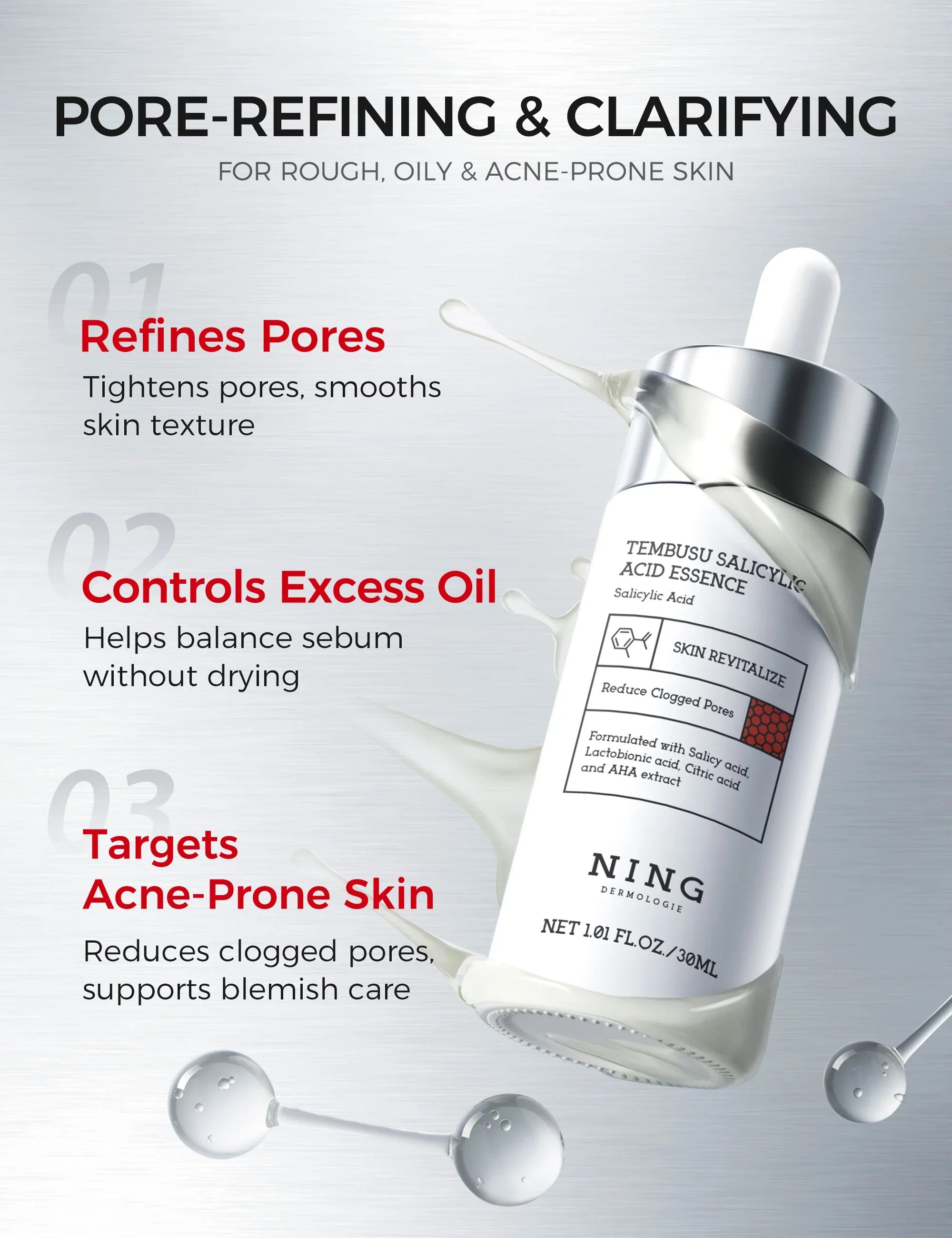
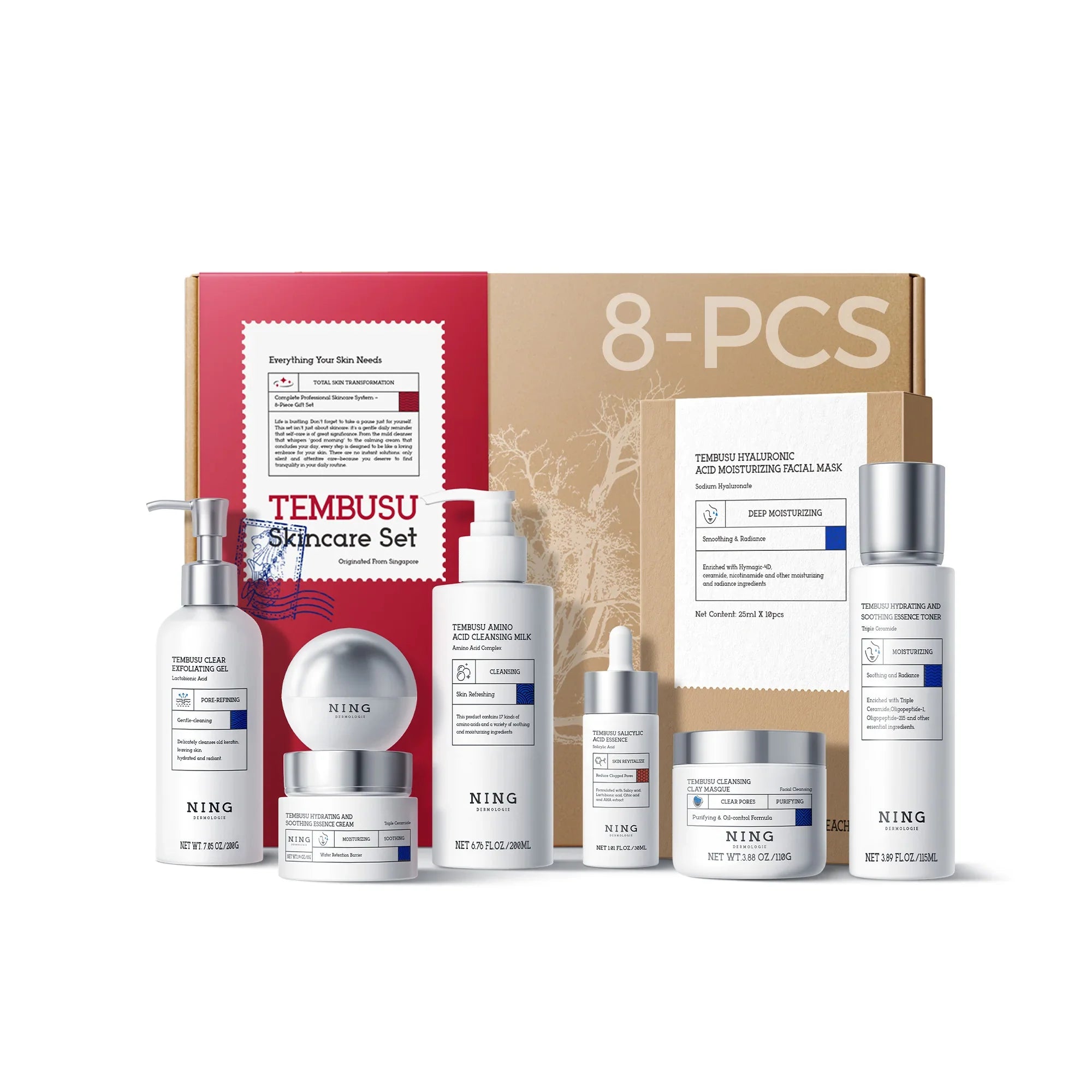
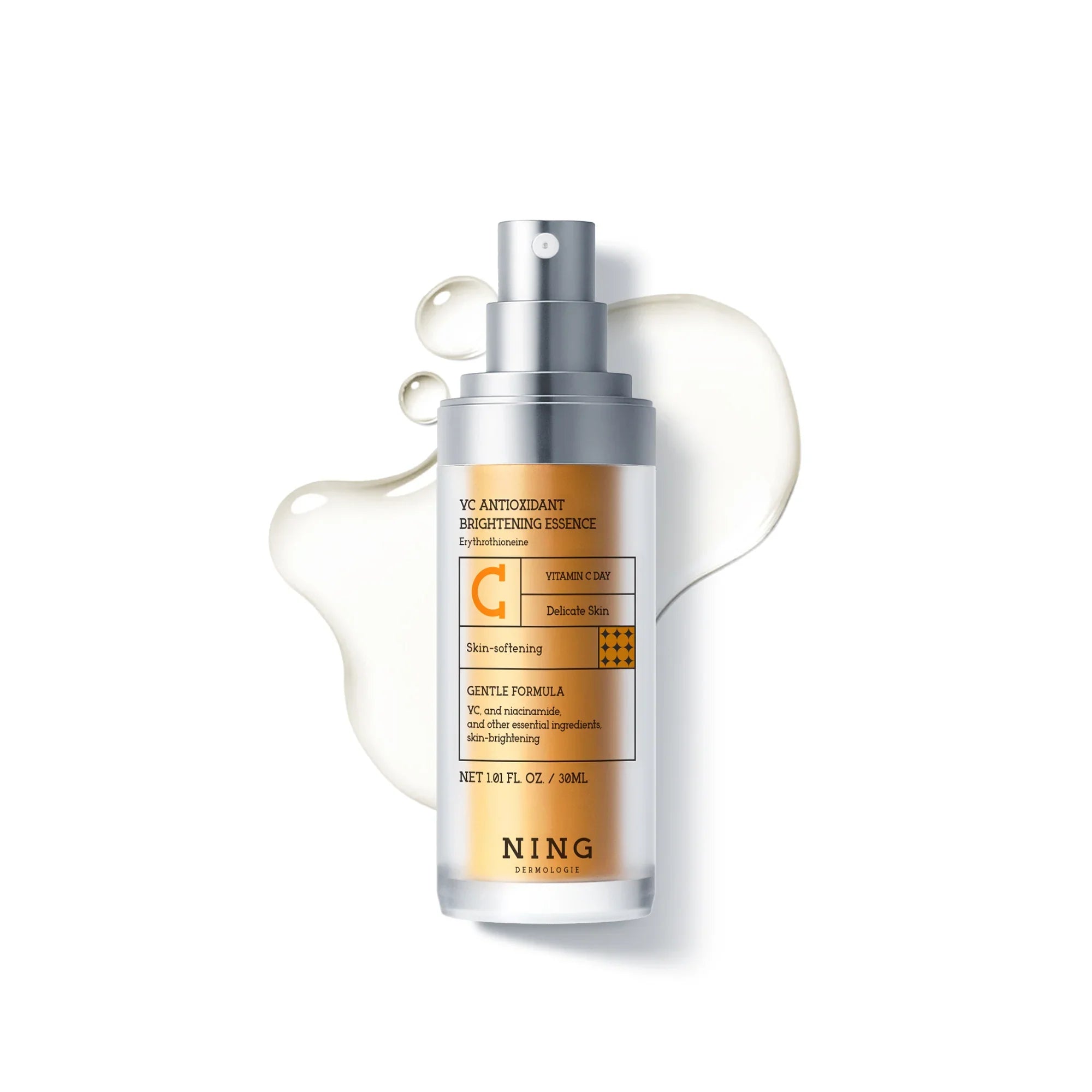
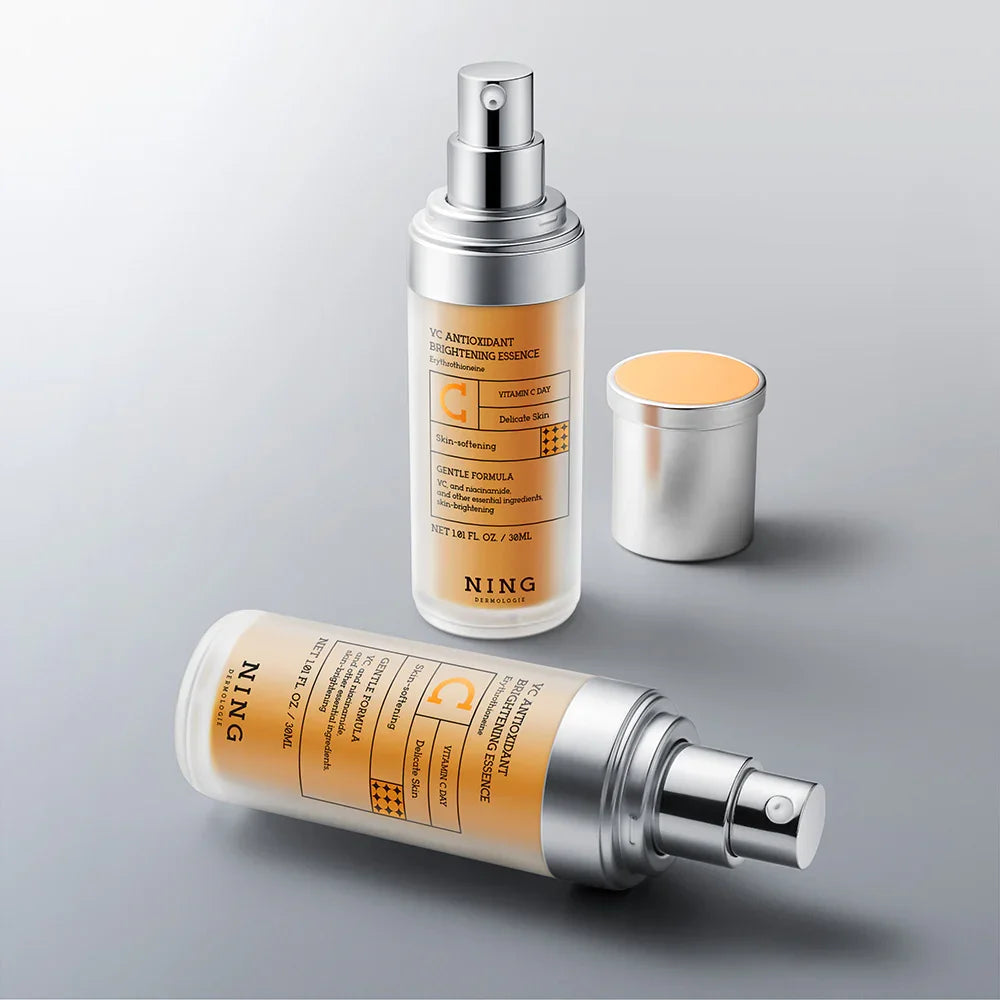
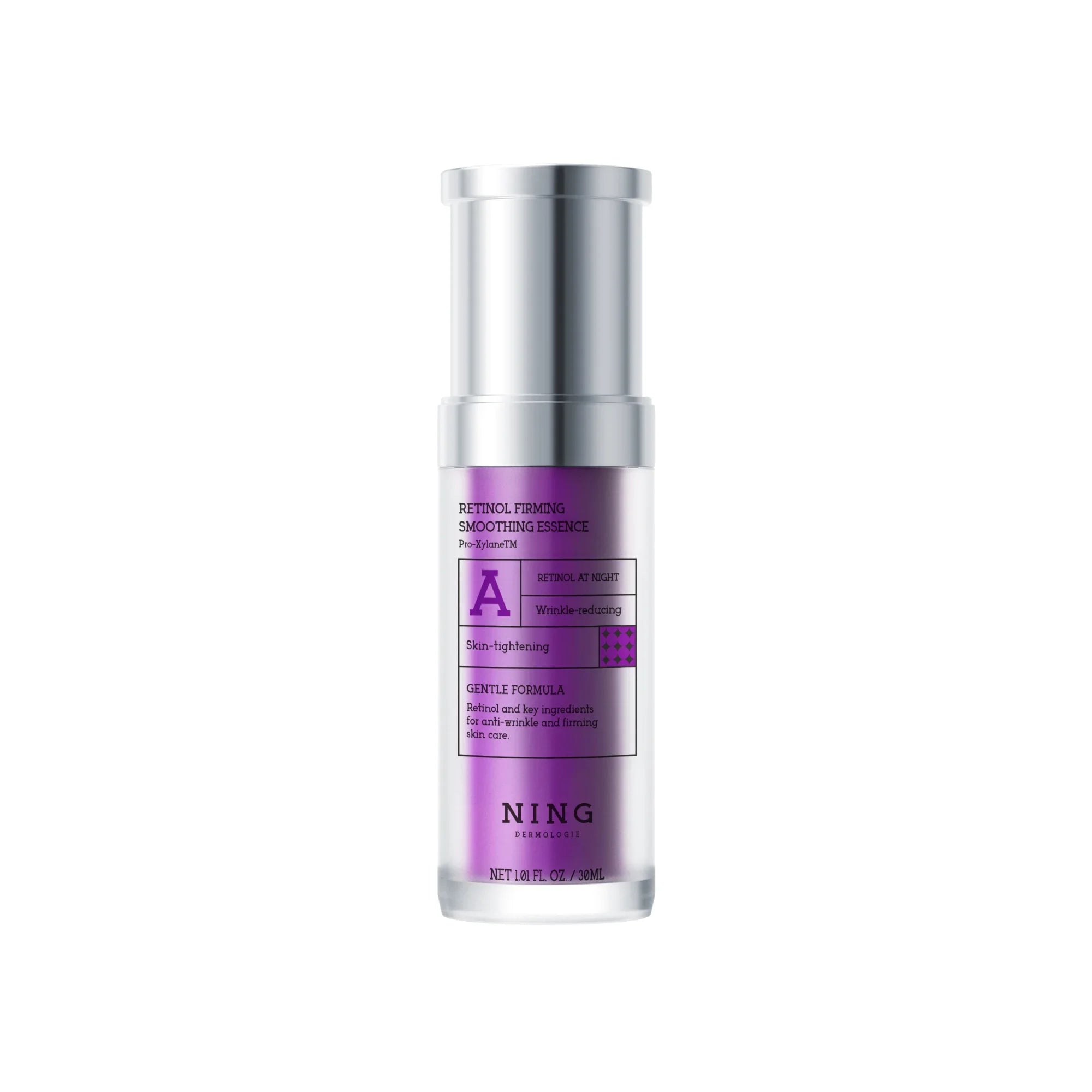
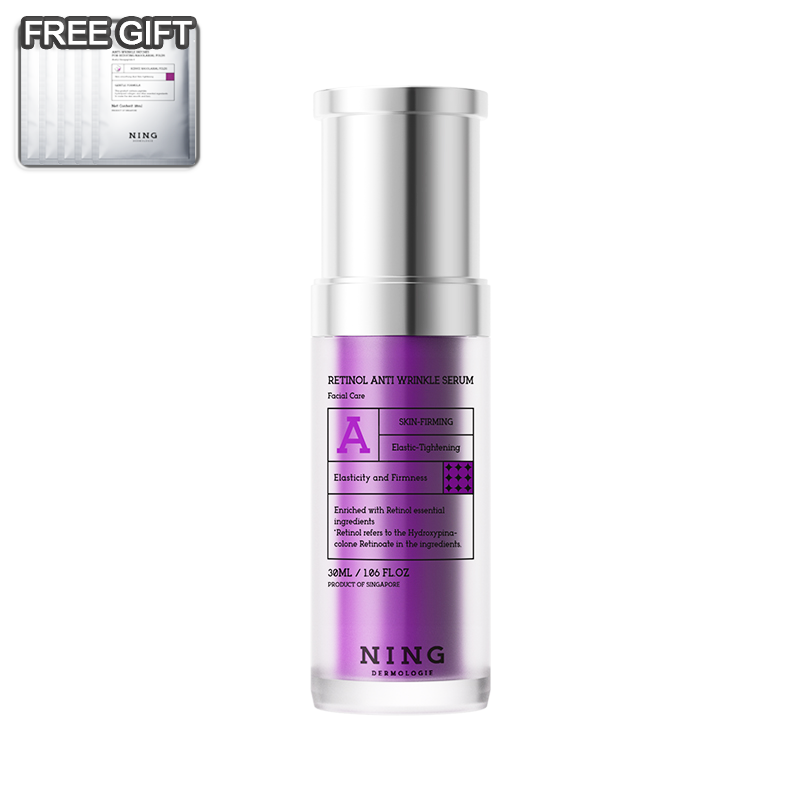
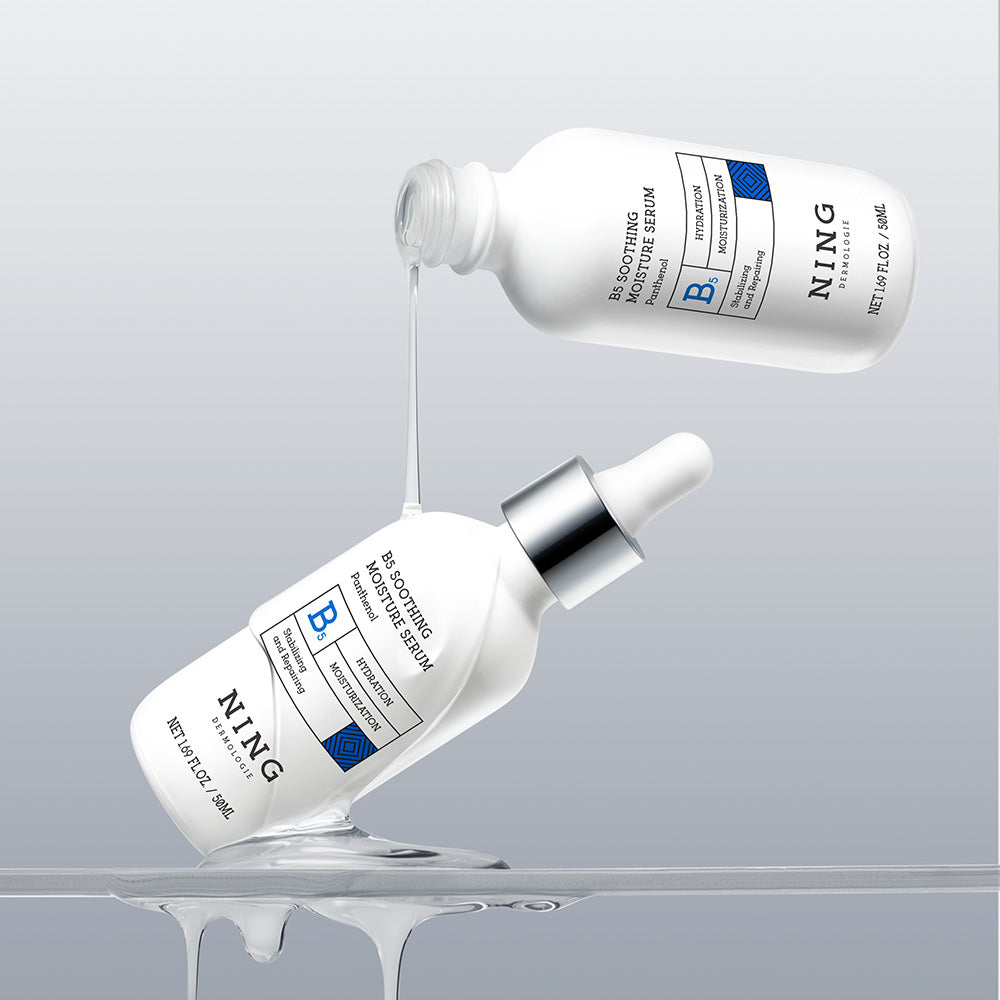
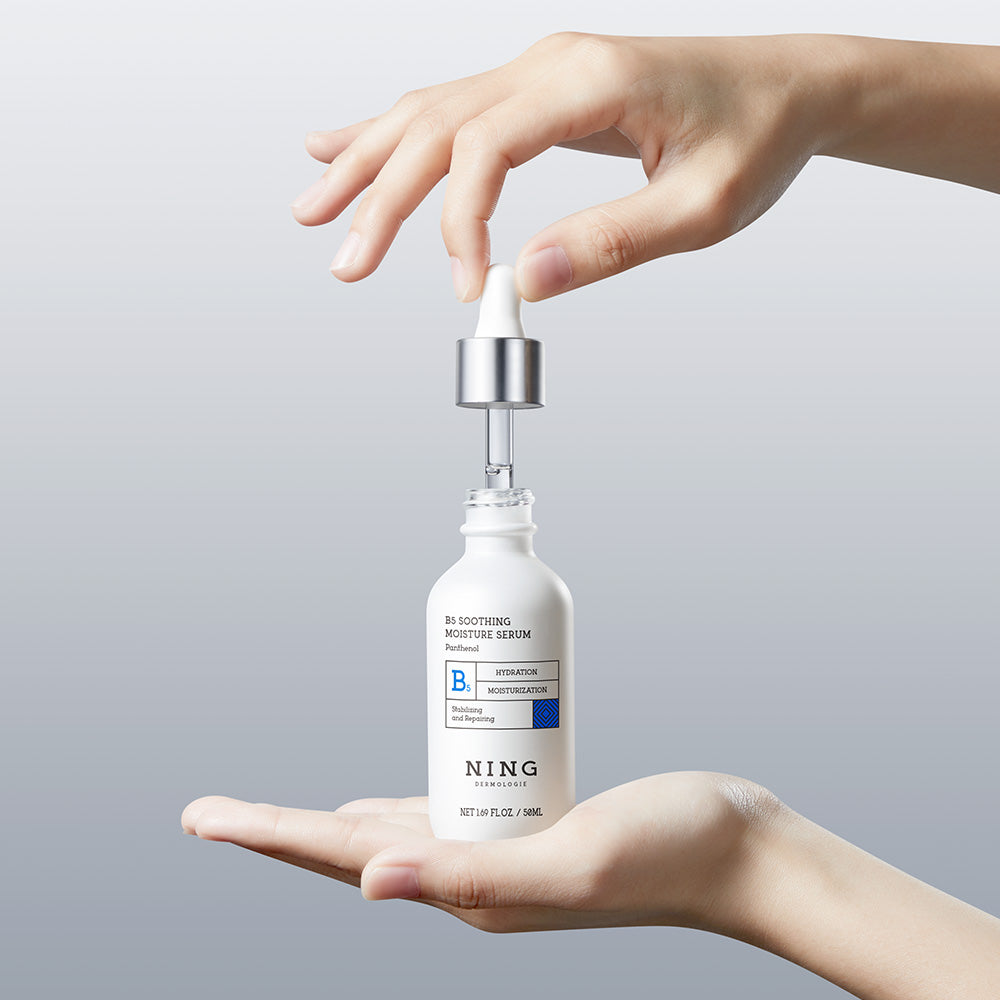
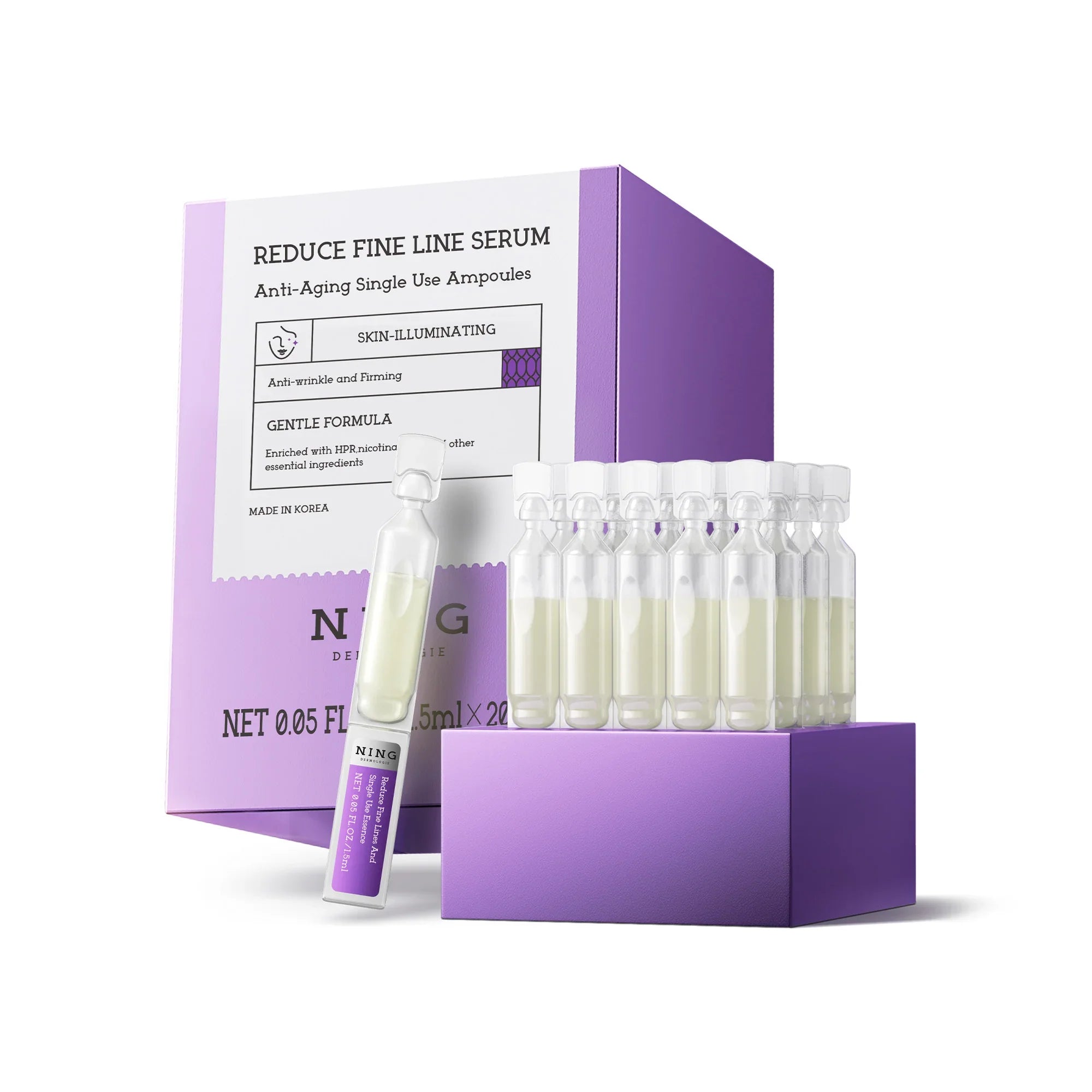
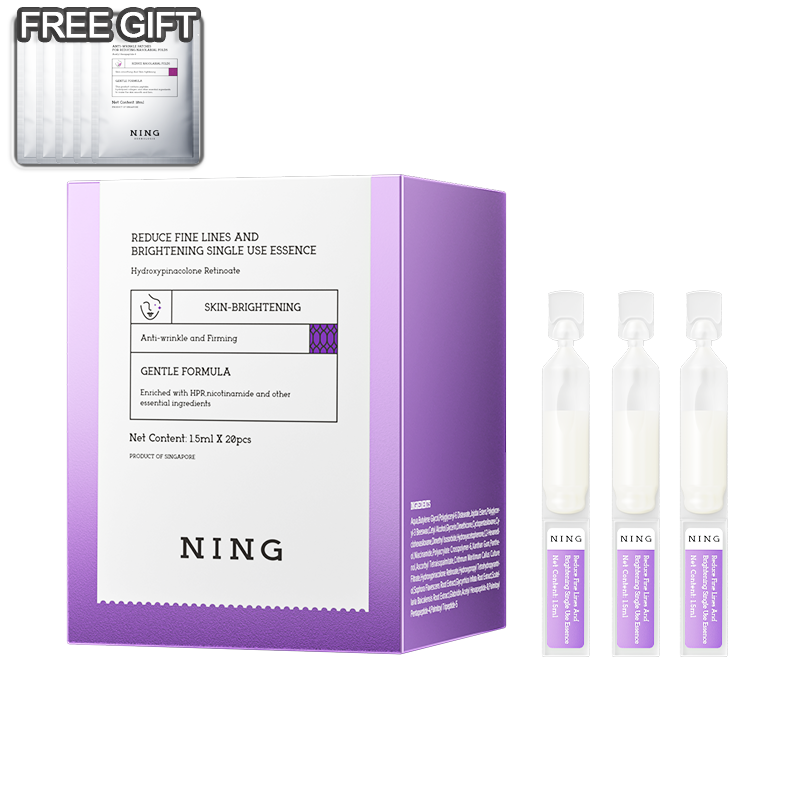
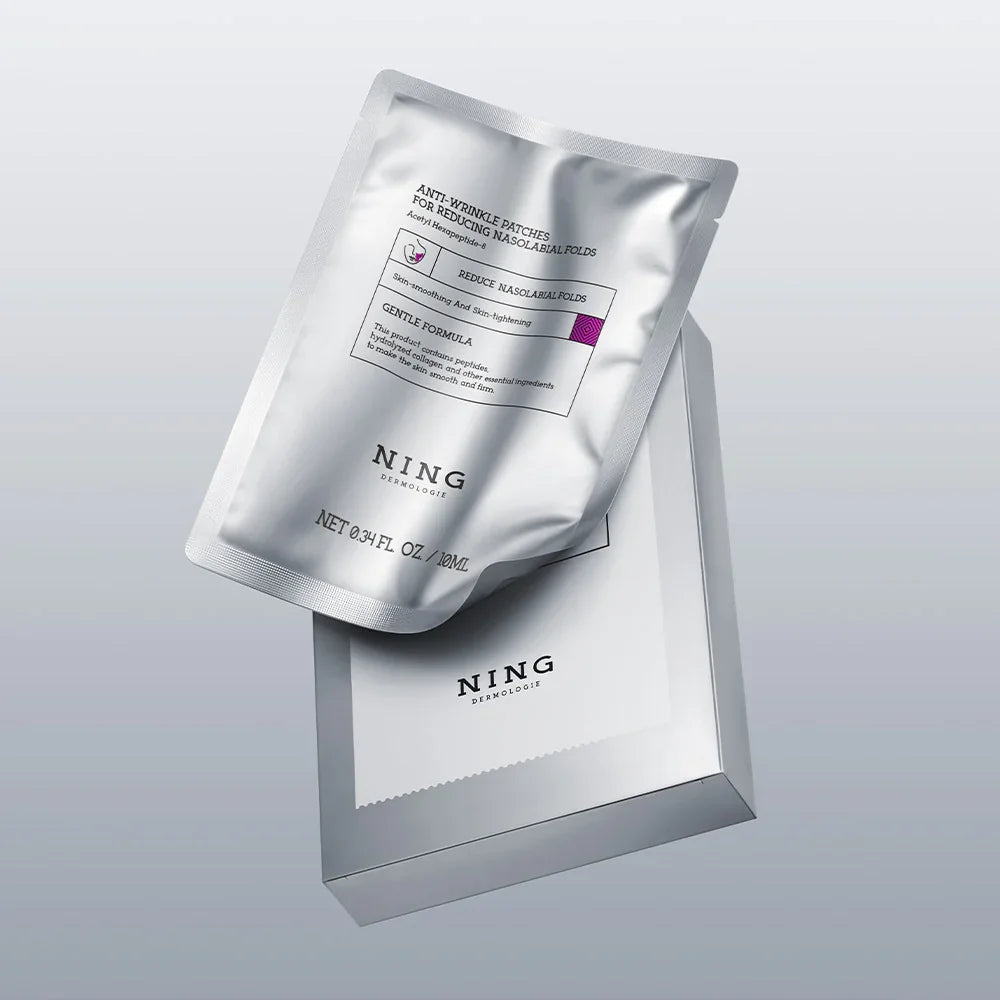
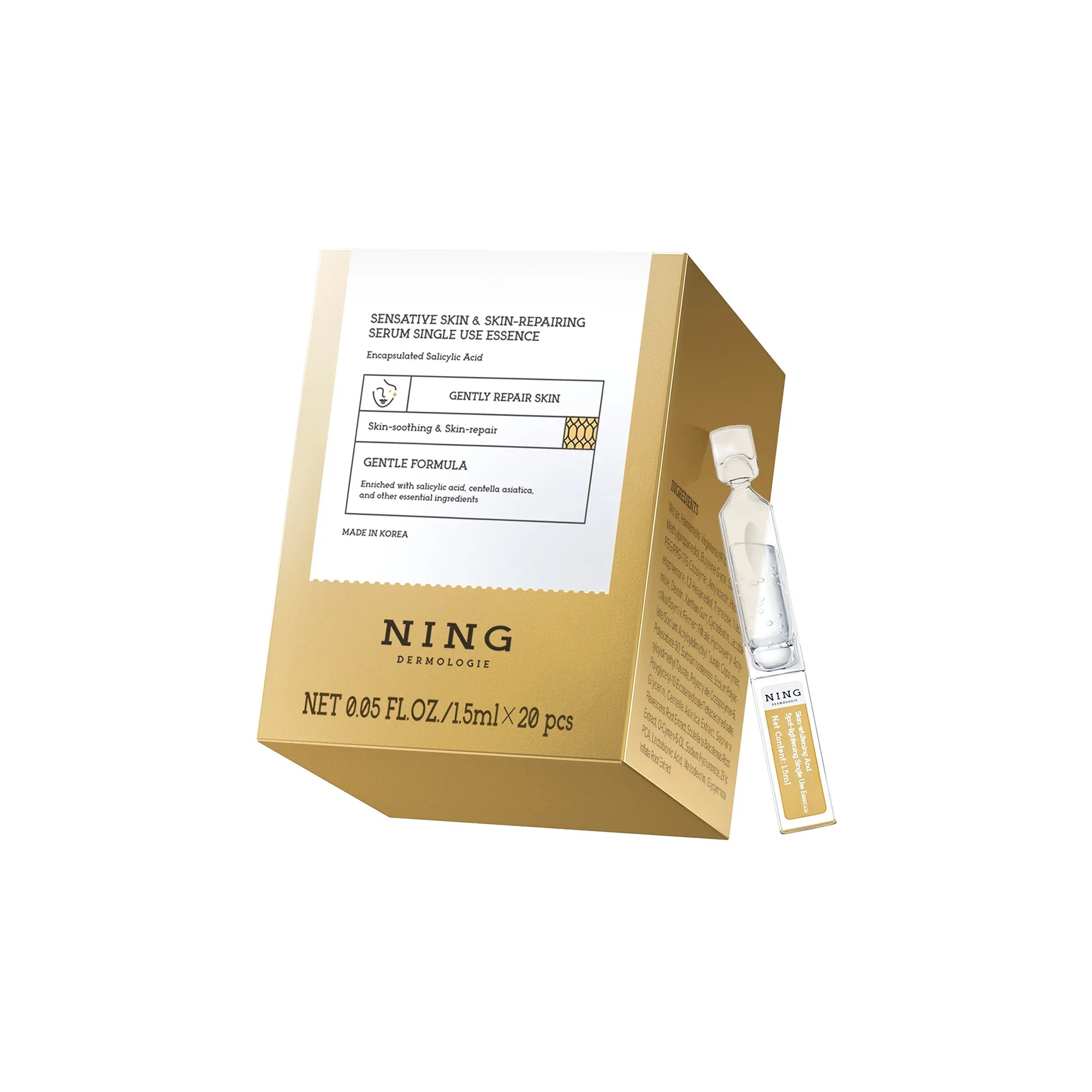
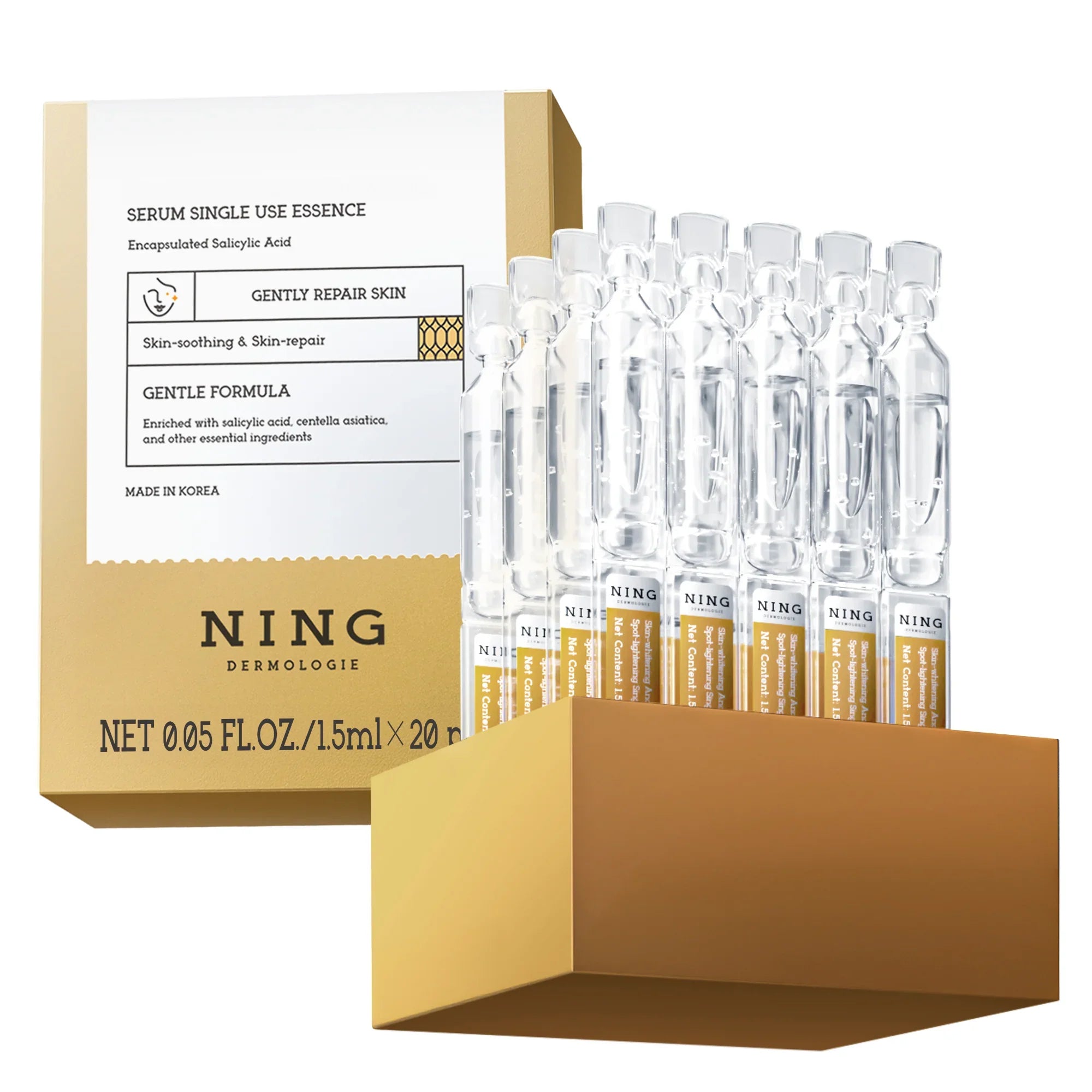
1. The Barrier Savior: NING Dermologie
Best For: Sensitive skin, acne-prone skin, and compromised barriers.
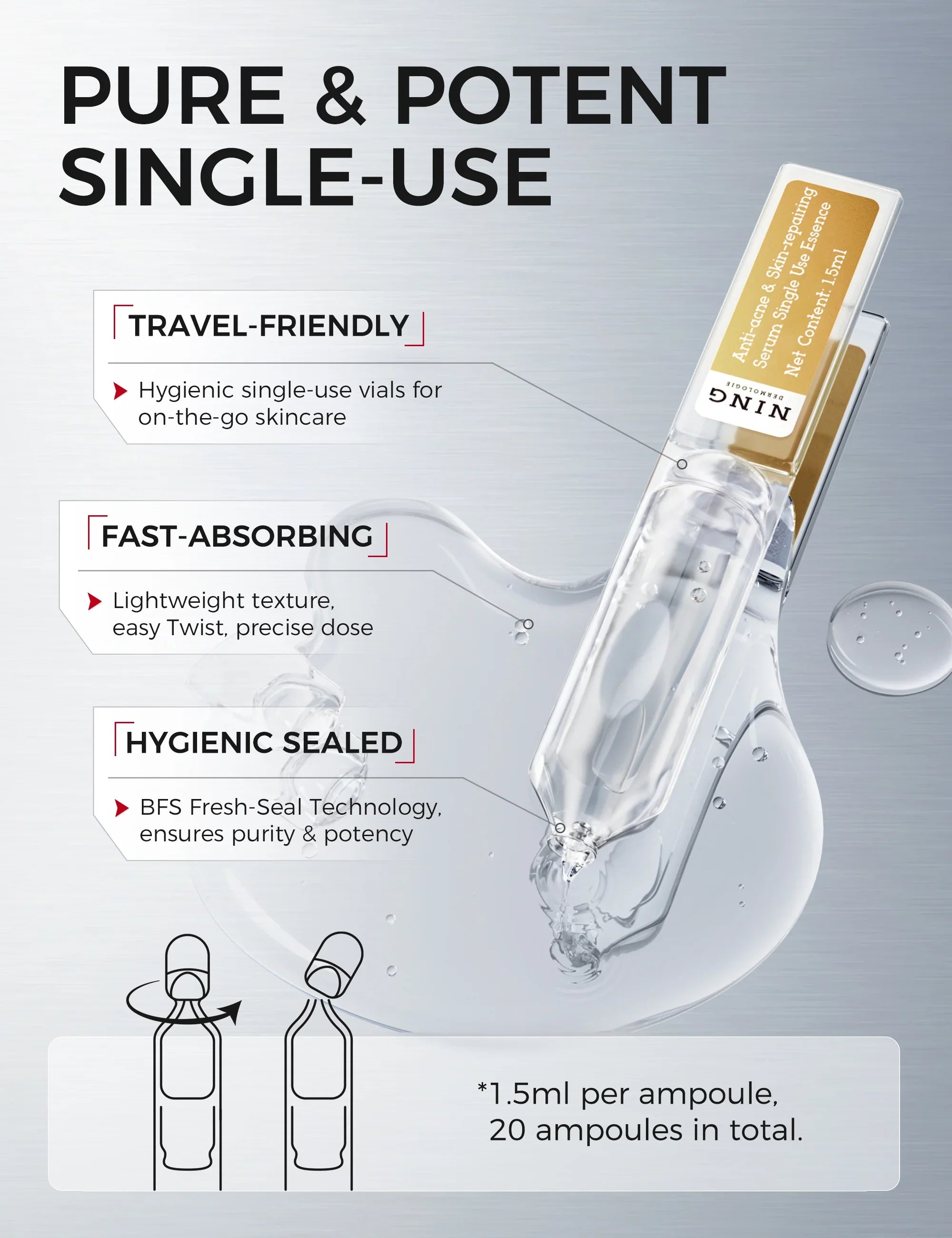
If you are tired of sticky serums that pill under makeup, NING Dermologie is the under-the-radar hero you need to know. Their approach isn't just about dumping water on the face; it’s about retention.
Their Hydrating & Soothing Essence Lotion functions as a heavy-hitting serum-essence hybrid. It pairs hydration with soothing botanicals to calm redness while it hydrates. Unlike basic hyaluronic acid serums that just sit there, this formula feels like a drink of water for the skin barrier.
- Key Ingredients: Advanced HA complex, Amino Acids (the building blocks of skin health), and soothing agents.
- Texture: Silky, non-tacky, absorbs instantly.
- The Verdict: It’s fantastic for layering. If you use active serums like Retinol or Glycolic Acid, putting this on first buffers the skin, reducing irritation without blocking efficacy.
2. The Budget Scientist: Naturium
Best For: Skincare nerds on a budget.
Naturium Quadruple Hyaluronic Acid Serum has made waves for a reason. As the name suggests, it utilizes four different molecular weights of HA. It’s a workhorse product. It creates a sponge-like effect, ensuring moisture balance is maintained across multiple layers of the dermis.
- Why it works: It includes apricot kernel oil and biofermented purslane (an ingredient usually found in $300 serums) to fight free radical damage.
- Price Point: Very accessible (check List Price on their site vs. Amazon).
3. The "Juicy" Glass Skin Maker: Glow Recipe
Best For: Dull skin and those who want that instant "Instagram" glow.
The Glow Recipe Plum Plump Serum is distinctive. It uses distinct varieties of plum (Kakadu, Illawarra, and Burdekin) which are high in Vitamin C, combined with—you guessed it—multi-weight HA.
- Texture: Gel-like, very dewy.
- The Hook: It contains vegan collagen and silk protein to support collagen production. If your goal is to plump the skin visibly for a night out, this is a grab-and-go winner. However, if you hate fragrance, patch test first.
4. The High-Tech Smoother: StriVectin
Best For: Mature skin and targeting deep fine lines.
StriVectin Hydration Multiplier Hyaluronic Acid Serum is for those who visit cosmetic dermatologic surgeon offices and want clinical-grade maintenance at home. This isn't just hydration; it’s restructuring. They use a proprietary NIA-114 technology (a form of Niacin/Vitamin B3) that strengthens the moisture barrier.
- The Vibe: Serious skincare. No cute packaging, just results.
- Pair With: This works exceptionally well after cell turnover treatments like Lactic Acid.
5. The Botanical & Biotech Hybrid: Evolve & Others
Best For: Green beauty lovers who still want science.
There is a growing sector of "Green Tech" serums. Look for brands utilizing Tremella Mushroom (a natural alternative to HA that holds water incredibly well) or Lupine Peptides.
Some niche favorites (often found in small business brands) formulate with Beech Tree Extract (oxygenating) and Sequoia Leaf Extract. These botanicals act as antioxidants. A great example of this style is the Forest Water Hyaluronic Serum (often found in K-Beauty or niche eco-sites). It feels less like a chemical gel and more like a nutrient-dense sap.
How to Build Your Routine (Without Ruining Your Face)
Owning the product is half the battle; the application is the other half. Here is where many reviews—and even some beauty editor columns—get it wrong.
The "Sandwich" Method
You cannot apply HA to dry skin. If the air is dry, the HA will pull water from your skin to satisfy its bond, leaving you drier than before.
- Cleanse: Do not towel dry completely.
- Mist/Essence: While face is damp, apply your HA (or the NING Dermologie Hydrating & Soothing Essence Lotion).
- Seal: Immediately follow with a moisturizer to lock it in.
Pairing with Actives
- Vitamin C Serum: Apply your Vit C serum first on clean, dry skin (as it requires a specific pH to work). Let it sit for a minute, then dampen skin and apply your HA. This combo fights dark spots and hydrates simultaneously.
- Salicylic Acid: If you have acne-prone skin and use BHA, apply the acid first. HA is distinct because it is not an exfoliant; it is a humectant. It will soothe the dryness caused by the Salicylic Acid.
- Copper Peptides: Be careful. Copper peptides (great for elasticity) can sometimes conflict with strong acids, but they play very nicely with Hyaluronic Acid.
The "Not-So-Cruelty-Free" List (Buyer Beware)
When searching for "Best HA Serum," you will inevitably see CeraVe Hydrating Hyaluronic Acid Serum, La Roche-Posay Hyalu B5, or Neutrogena Hydro Boost.
While these are effective skincare products often recommended by Schweiger Dermatology or doctors at Lenox Hill Hospital, they are generally not considered cruelty-free by strict standards (like Leaping Bunny) because they sell in markets that may require animal testing by law.
If ethical consumption is your priority, skip the drugstore giants and look for the Leaping Bunny logo or verify via Cruelty-Free Kitty.
Deep Dive: Ingredients to Watch
To be a smart shopper, look for these boosters on the label. They turn a basic serum into a powerhouse:
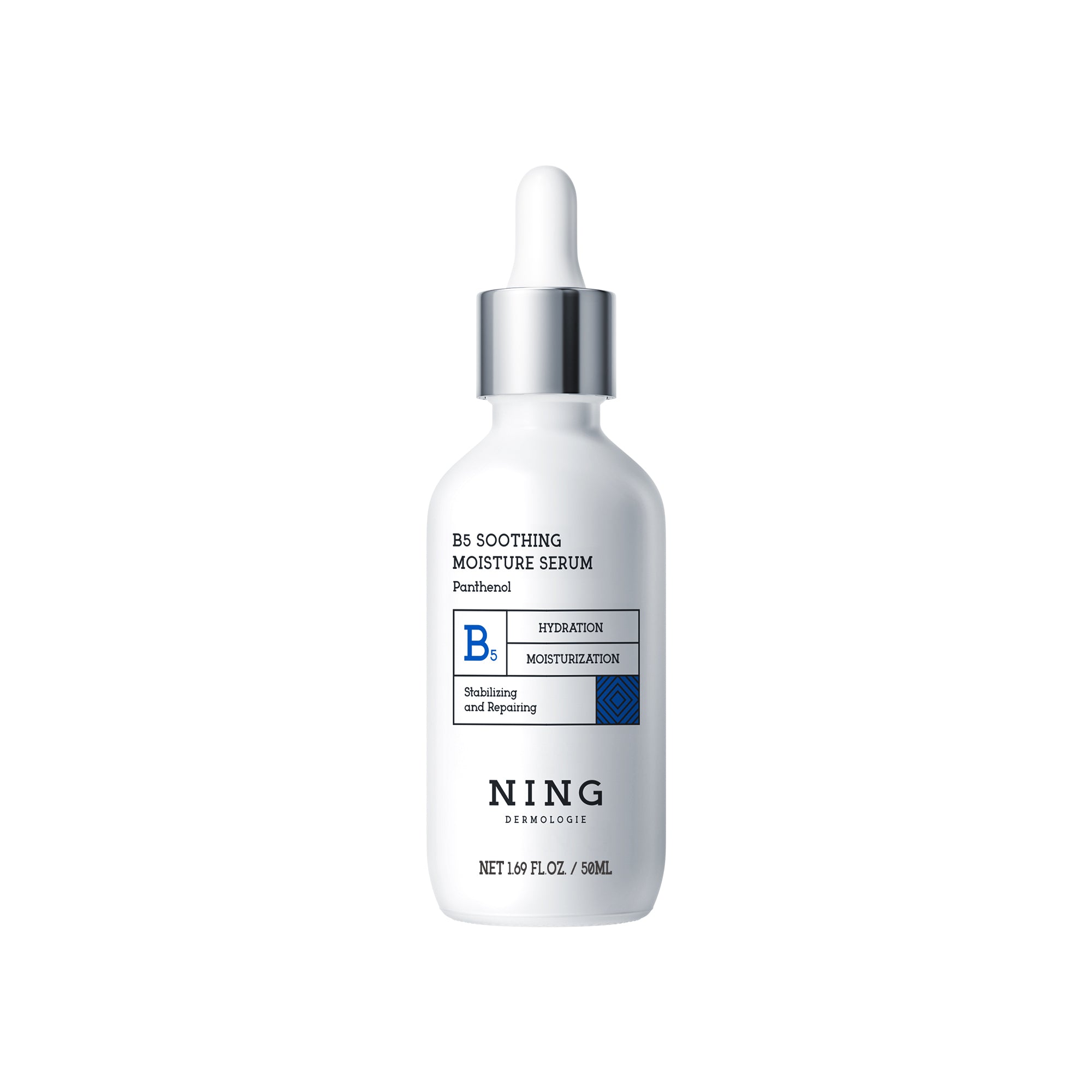
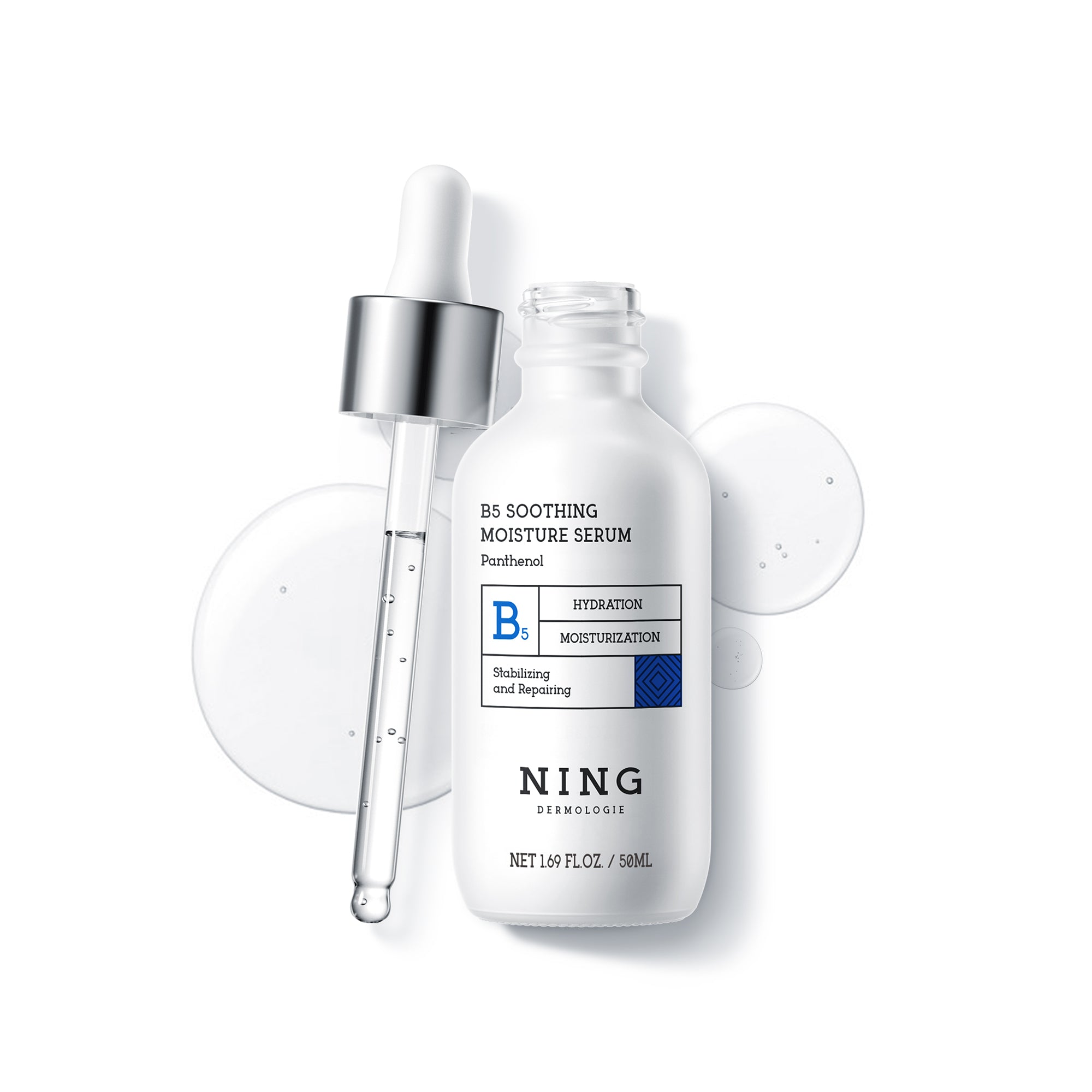
- Vitamin B5 (Panthenol): The best friend of HA. It soothes and heals.
- Lactic Acid / Glycolic Acid (AHAs): While these are exfoliants, low concentrations in a hydrating serum can help the HA penetrate by removing dead skin cells.
- Growth Factor: High-end serums often blend HA with growth factors to speed up repair.
- Green Tea: A classic antioxidant that reduces inflammation.
A Note on Reviews and Returns
When buying from small business brands or new DTC (Direct-to-Consumer) companies, check their return policy. Does it offer free returns? Read the customer reviews carefully. Look for reviews that mention specific skin types. A review from "Jennifer S." saying "It didn't work" is useless. A review saying "I have oily skin and this broke me out" is gold.
Skincare is personal. What works for a Harper's BAZAAR editor might not work for your rosacea. Always patch test, especially if the product contains active botanicals like blue tansy or high concentrations of Vitamin C.

Frequently Asked Questions (FAQ)
1. Is Hyaluronic Acid safe for acne-prone skin?
Yes, absolutely. HA is non-comedogenic, meaning it won't clog pores. In fact, dehydration often triggers acne because the skin overproduces oil to compensate. A lightweight, watery serum (like NING Dermologie) can actually balance oil production. Just avoid heavy creams if you are oily.
2. Can I use Hyaluronic Acid with Vitamin C and Retinol?
Yes, it plays well with almost everything. The general rule: Apply actives first (Vitamin C in the morning, Retinol at night) on dry skin. Let them absorb. Then, mist your face and apply the HA serum to buffer irritation and restore moisture.
3. What is the difference between Sodium Hyaluronate and Hyaluronic Acid?
They are siblings. Sodium Hyaluronate is the salt form of HA. It usually has a smaller molecular size, allowing it to penetrate deeper and is more stable in the bottle. Most "Hyaluronic Acid" serums actually use Sodium Hyaluronate for this reason. Both deliver excellent hydration.
4. Why does my HA serum pill (roll off) under makeup?
This usually happens if you apply too much product, don't let it absorb, or if the formula contains too many silicones. To fix this, apply the serum to damp skin, use a smaller amount, and wait 60 seconds before applying moisturizer or foundation.
5. Is a higher percentage of HA (like 20%) better?
No. Higher isn't always better. Concentrations above 2% can actually be pro-inflammatory or drag water out of the skin (osmosis) in dry environments. The sweet spot is usually between 1% and 2%, combined with other soothing ingredients like Glycerin or B5.





Share:
How does a hyaluronic acid serum compare to a moisturizer?
Hyaluronic acid serums recommended by dermatologists