

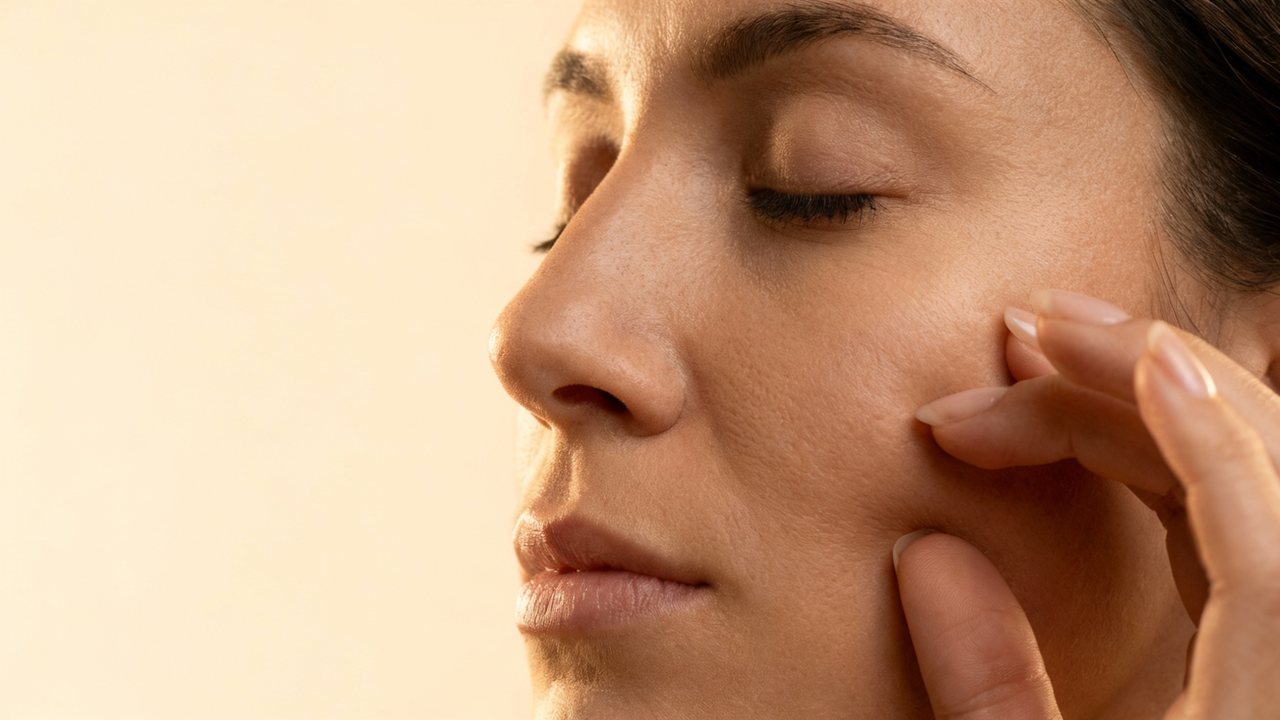
The Thirsty vs. The Hungry: Why Your "Dry" Skin Might Actually Be Dehydrated (And How to Fix It)
It is the most common frantic message I receive in my inbox at Ning Dermologie. A client writes to me, frustrated and confused: "I am slathering on the thickest, richest creams I can find, but my face still feels tight, looks dull, and I'm seeing fine lines everywhere. What is wrong with me?"
If this sounds familiar, you aren’t alone. But here is the truth that often surprises people: you might be treating the wrong problem.
In the world of skin care, the terms dryness and dehydration are often used interchangeably, thrown around on social media as if they mean the same thing. They don’t. Confusing dry skin with dehydrated skin is the primary reason so many routines fail to deliver that glow we all chase.
As a formulator, I look at skin through the lens of biology and chemistry. To achieve healthy skin, we need to understand exactly what your skin is asking for. Is it asking for oil? Or is it screaming for water?
Let’s break down the difference between dry and dehydrated complexions, explore the signs of symptoms, and map out a strategy to restore your skin barrier.

The Core Distinction: Type vs. Condition
To treat your skin effectively, you must understand the fundamental difference in how dryness and dehydrationoperate.
Dry skin is a skin type. It is genetic. It is how you were born. If you have a dry skin type, your skin produces less sebum (natural oils) than "normal" or oily types. Your skin lacks the lipids required to keep itself soft and lubricated. Think of dry skin like a piece of dry toast; it needs "butter" (oils/lipids) to soften up.
Dehydrated skin, on the other hand, is a skin condition. It is a temporary state that can happen to anyone—even those with oily skin. Dehydrated skin lacks water, not oil. It is not about sebum production; it is about moisture retention. Think of dehydrated skin like a grape that has turned into a raisin. It has lost its plumpness because the water content inside has evaporated.
At Ning Dermologie, we often see clients who have oily skin that is simultaneously dehydrated. Their skin is producing plenty of oil (trying to compensate), but underneath that slick surface, the skin lacks water, feeling tight and uncomfortable.
Deep Dive: What is Dry Skin?
When we talk about dry skin types, we are talking about a structural deficiency in lipids. The skin's natural barrierrelies on a balance of ceramides, fatty acids, and cholesterol to function. Without lacking oil, the stratum corneum(the outermost layer of the skin) cannot hold itself together properly.
The signs are distinct. Dry skin often presents with a rough texture. It might flake, peel, or feel "scaly." You likely don't have visible pores, and your skin feels dry all over your body, not just your face. Because there is less sebum to act as a lubricant, the skin loses elasticity and suppleness.
While you cannot change your genetic skin type, you can manage it. Dry skin needs moisturizers that are rich in emollients and occlusives—ingredients that mimic the sebum your skin isn't producing enough of.
Deep Dive: The Dehydration Trap
Dehydration occurs when there is excessive water loss from the skin's surface. This is technically known as Transepidermal Water Loss (TEWL). When the water in your dermis evaporates faster than it can be replaced, the skin is dehydrated.
Unlike dry skin, dehydrated skin can look oily and feel dry at the same time. The symptoms are subtle but nagging:
-
Dullness: The skin loses its radiance and looks tired or grey.
-
Fine lines: These are often "dehydration lines" rather than deep wrinkles.
-
Increased sensitivity: When water is low, the barrier is weak, letting irritants in.
-
Tightness: The sensation that your skin is too small for your face, especially after cleansing.
Adult dehydration is incredibly common because so many external factors and lifestyle choices conspire to steal water from our skin.

The Culprits: Why Does This Happen?
Why does our skin lose water? It is usually a perfect storm of environmental factors and bad habits.
1. The Hot Water Habit: We all love a steamy shower, but hot water is enemy number one for skin hydration. Hot showers strip away the natural lipids that hold water in. When you wash your face with hot water, you are essentially melting away your barrier. Always opt for lukewarm water to preserve the skin's structure.
2. The Environment: Cold wind, low humidity, and air conditioning all accelerate evaporation. Dehydrated and dry skin often worsens in winter because the air itself is thirsty, pulling moisture right out of your stratum corneum.
3. Internal Factors: Internal dehydration reflects on the outside. If you don't drink plenty of fluids, your body prioritizes vital organs (like your heart and brain) over your skin. While rare, certain medical conditions like kidney failure or diabetes can cause severe skin dryness and adult dehydration, though for most of us, it is simply a matter of not drinking enough water.
4. Harsh Skincare: Using aggressive scrubs or high-pH soaps damages the skin barrier. Once that barrier is compromised, excessive water loss is inevitable.
The Diagnostic: How to Tell the Difference
Before you buy another serum, you need to know what you are dealing with. Is it dry or dehydrated skin? Or perhaps both?
The Pinch Test: This is a quick way to check for signs of dehydration.
-
Gently pinch a small amount of skin on your cheek or the back of your hand.
-
Hold it for a few seconds and release.
-
If it snaps back instantly, your hydration levels are likely okay.
-
If it takes a moment to bounce back, or you see crinkling (like crepe paper) while pinching, your skin is dehydrated. It lacks the turgor pressure that water provides.
The "Time of Day" Test: If your skin feels great in the morning but looks dull and sunken by 3 PM, that is usually dehydration. Dry skin tends to feel consistently dry throughout the day unless oil is applied.
The Ning Dermologie Approach: Treating the Condition
At Ning Dermologie, we believe in formulating for the root cause. To treat dehydrated skin, you cannot just slather oil on top. Oil sits on the surface; water needs to get in.
Here is a targeted protocol to restore beautiful skin, regardless of whether you are dealing with dryness and dehydration.
Step 1: Rethink Your Cleanse
If your face squeaks after washing, you have gone too far. You need gentle cleansers that respect the acid mantle. Avoid sulfates. And remember: body temperature or lukewarm water only. If the water is hot enough to steam up the mirror, it is hot enough to damage your skin.
Step 2: Hydration (The "Water" Phase)
This is where dehydrated skin finds relief. You need humectants—ingredients that act like magnets for moisture. Hyaluronic acid is the star here. It can hold up to 1000 times its weight in water. However, it must be applied correctly. Apply your hydrating skincare products to damp skin. This gives the hyaluronic acid the more water it needs to grab onto and pull into the skin's surface.
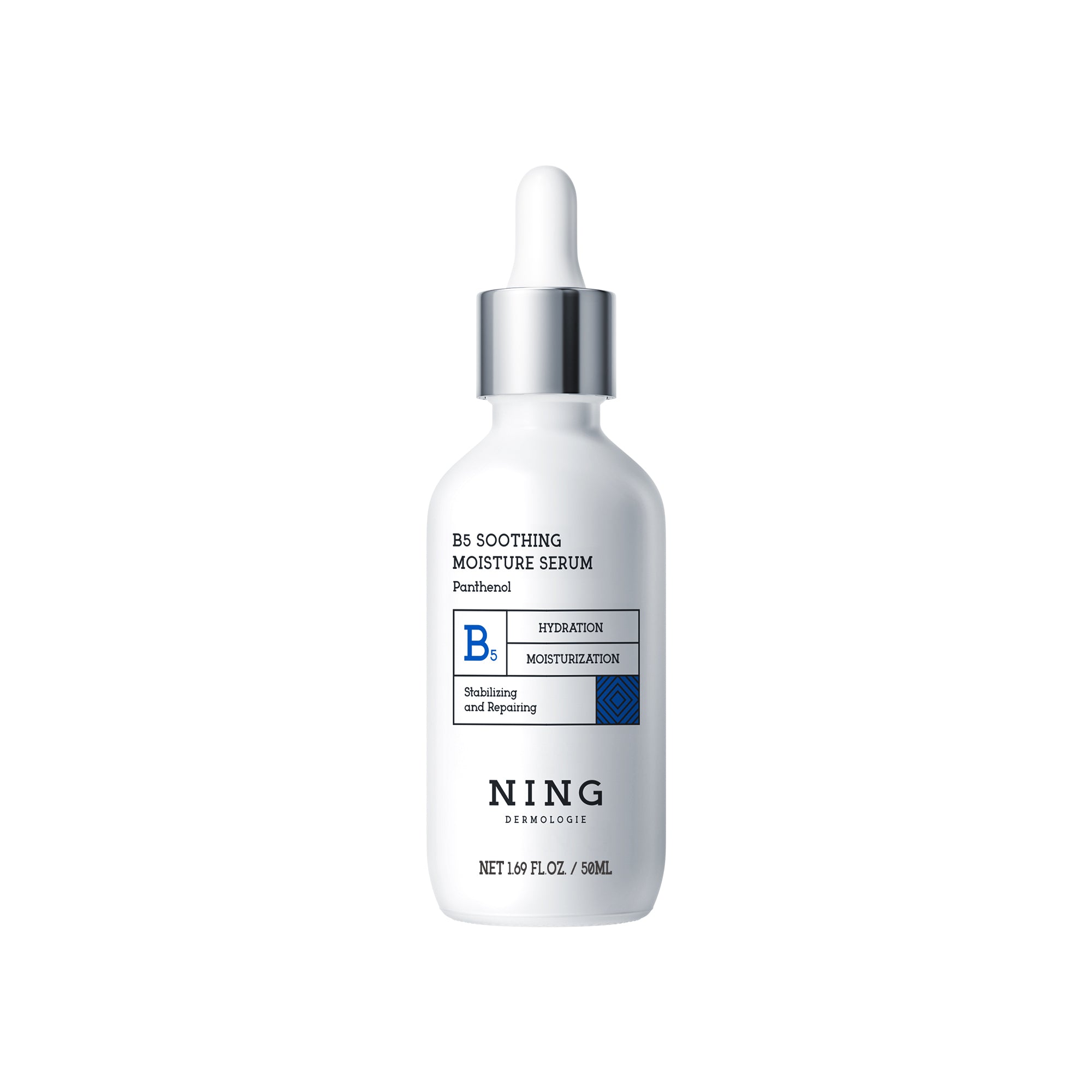
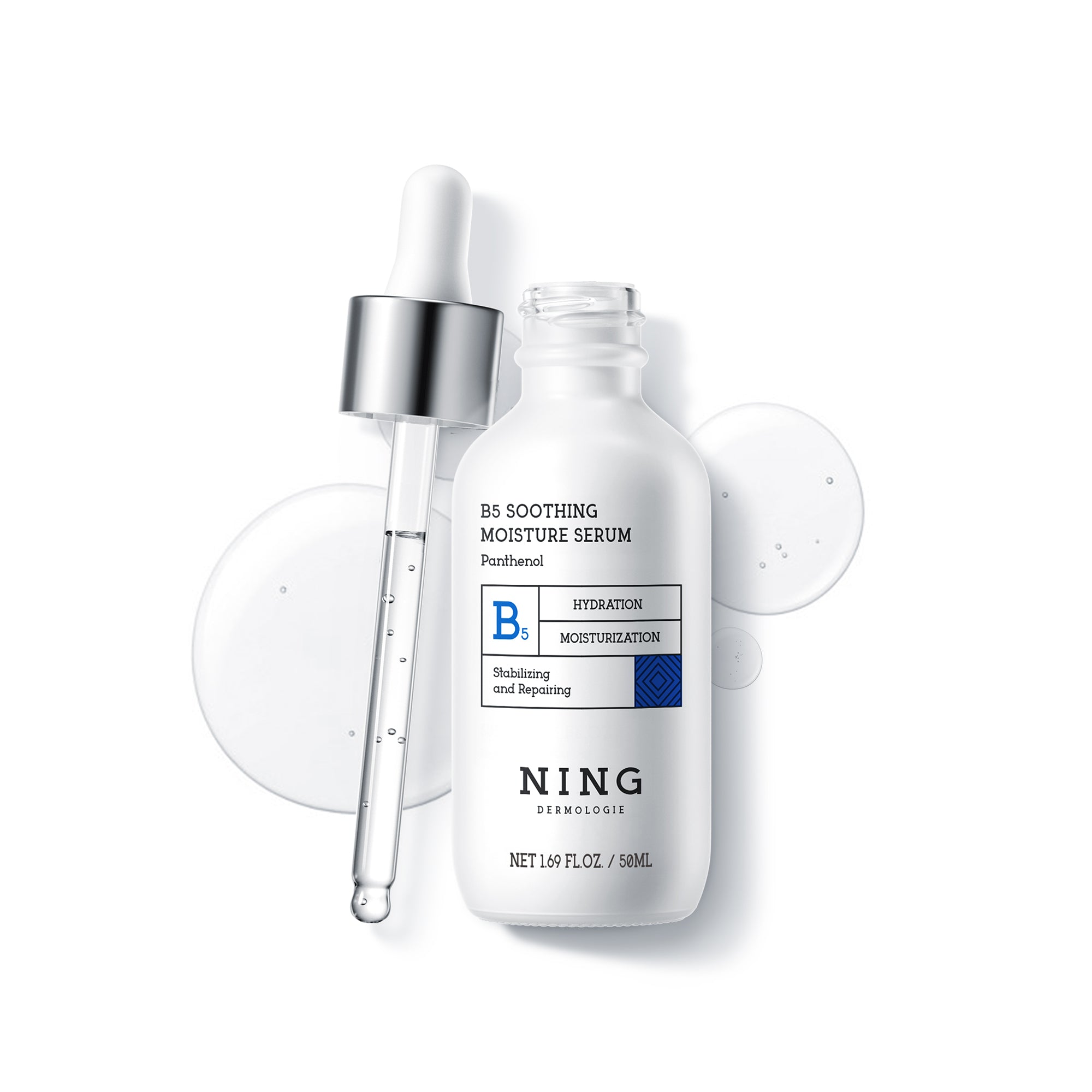
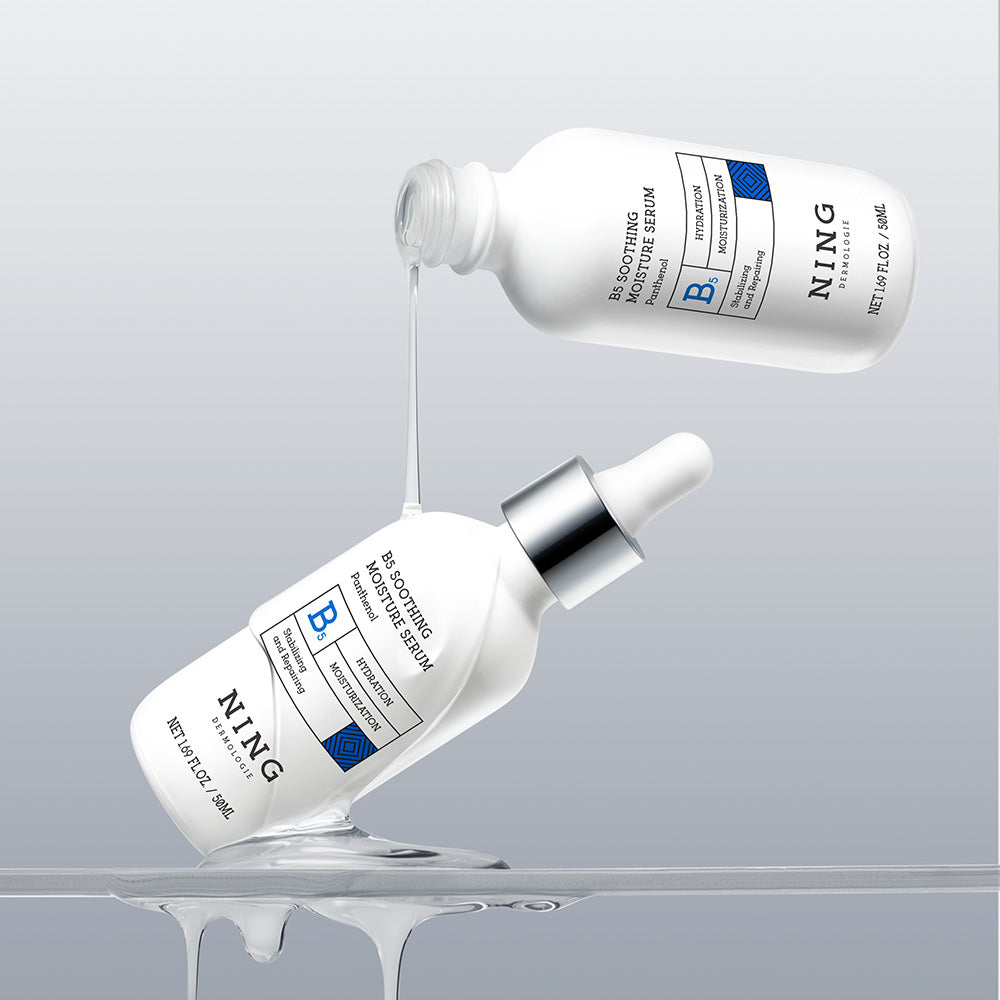
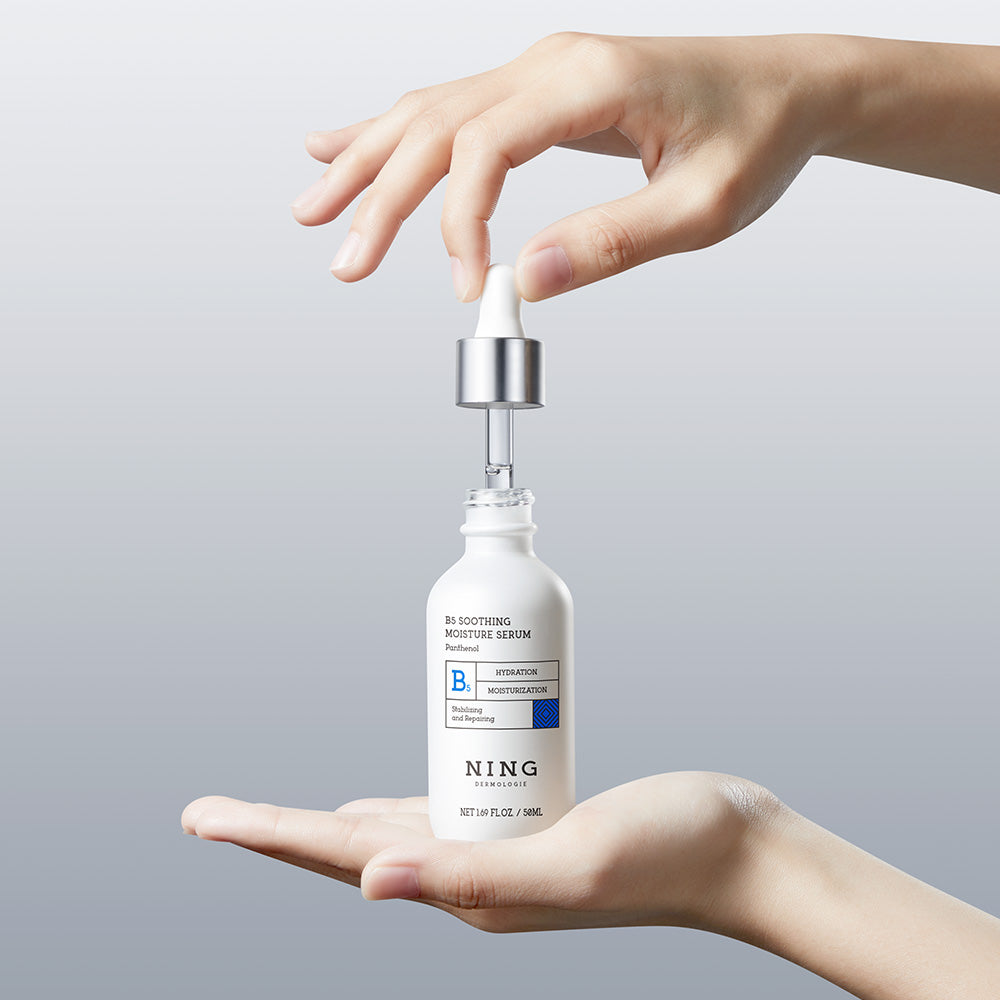
Our Ning Dermologie serums are formulated to penetrate deeper, ensuring the skin remains hydrated not just for five minutes, but all day.
Step 3: Moisture (The "Seal" Phase)
This is where dry skin types get their relief, and where dehydrated skin gets protection. Once you have put the water in (hydration), you must lock it in (moisture). If you have dry skin, look for heavier creams containing ceramides, shea butter, or plant oils. If you have oily skin that is dehydrated, look for lightweight lotions or gel-creams that contain silicone or squalane to seal in moisture without clogging pores.
Step 4: Internal Support
You cannot out-skincare a bad diet or lack of water. Drinking plenty of water is non-negotiable. Internal dehydrationmanifests quickly as dry lips and lackluster skin. While "8 glasses a day" is a generic rule, you simply need to ensure you stay hydrated enough that your urine is pale. This supports the skin from within.
Can You Have Both?
Yes, absolutely. You can have dry and dehydrated skin. This is the "double whammy." Your skin produces less sebum(genetic dry type) AND you are losing water due to environment or lifestyle (dehydration). In this case, your skin barrier is severely compromised. The rough texture is compounded by tight, sensitive sensations. This leads to premature aging, as the skin lacks both the plumpness of water and the elasticity of oil.
If this is you, your routine needs to be aggressive on both fronts: saturate the skin with watery layers (toners, essences, serums) and seal it with a rich, occlusive moisturizer.

The Skin Barrier Connection
Everything comes back to the skin barrier. This outermost layer is your defense against the world. When dehydration occurs, the bricks and mortar of this wall start to crumble. Increased sensitivity is a major red flag. If your usual products start to sting, it is a sign that your barrier is broken. Dryness creates cracks; dehydration creates gaps. Both allow bacteria in and let moisture out. Repairing the barrier is the primary goal of our formulations at Ning Dermologie. We use ingredients that mimic the skin’s natural structure, helping it retain water and defend against other factors like pollution and UV rays.
Prevention is Better Than Cure
Once you have corrected the imbalance, how do you maintain skin hydration?
-
Layer Wisely: Apply products from thinnest (water-based) to thickest (oil-based).
-
Watch the Weather: In winter, use a humidifier. Central heating sucks the moisture right out of the air, and subsequently, out of your complexion.
-
Sun Protection: UV rays damage the barrier, leading to skin dryness and long-term damage.
-
Listen to Your Skin: Your skin changes with the seasons, your cycle, and your stress levels. Certain ingredients might work in summer but not winter. Be flexible.
Final Thoughts from Ning Dermologie
Understanding the nuances between dry or dehydrated states is the turning point for most of my clients. It is not about buying the most expensive jar on the shelf; it is about giving your biology what it is missing.
If you are seeing fine lines that disappear after a good mask, you are dehydrated. If you are battling constant flaking and rough texture, you are likely dry. If you are struggling with skin concerns that seem to resist every product, take a step back and look at your water vs. oil balance.
At Ning Dermologie, we don’t just sell products; we advocate for skin health. Whether your skin lacks water or is lacking oil, the goal is the same: a resilient, functioning barrier that keeps the good stuff in and the bad stuff out.
Treat your skin with kindness. Turn down the hot showers, pour yourself a glass of water, and choose skincare that understands the science of hydration. Your skin will thank you.





Share:
Stop Scrubbing Your Face Off: The Real Guide to the Best Exfoliating Face Wash
Best Retinol and Peptide Serum: Unlock Radiant, Youthful Skin with Science-Backed Ingredients