

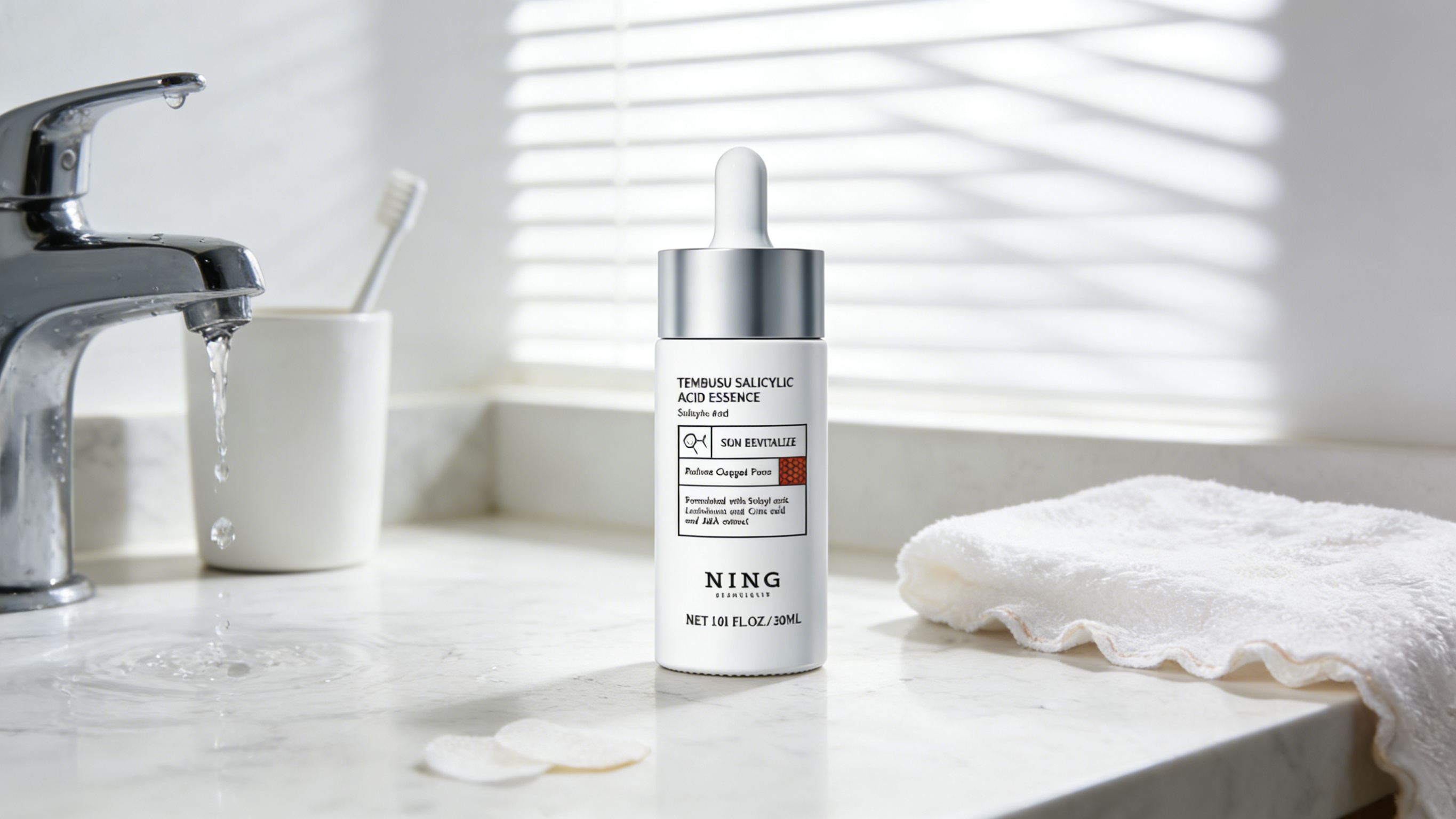

Acne Solutions: Discover the Best Salicylic Acid Serums for Acne-Prone Skin and Line Correcting
Waking up to a fresh breakout is the adult nightmare we were told would end after high school. Whether you are battling persistent cystic acne, occasional hormonal flare-ups, or just the annoying texture of clogged pores, the search for effective acne solutions can feel endless.
You’ve likely heard the buzz. Every dermatologist and skincare influencer swears by one specific ingredient: salicylic acid. But here is the brutal truth—not all salicylic acid products are created equal. A bad formulation can leave your skin barrier in shreds, while a great one can reveal the smooth skin you’ve been dreaming of.
In this deep dive, we are cutting through the marketing fluff. We will explore how this powerhouse beta hydroxy acid works, compare the 10 best salicylic acid serums (including why NING Dermologie is disrupting the market), and teach you exactly how to build a skin care routine that actually clears your pores.

Understanding the Powerhouse: What is Salicylic Acid?
Before we start slathering products on our faces, let’s talk chemistry. Salicylic acid is a beta-hydroxy acid (BHA). If you are familiar with Alpha Hydroxy Acids (AHAs) like glycolic acid or lactic acid, you know they work by exfoliating the surface of the skin. They are great for glowing skin, but they are water-soluble—meaning they stop at the surface.
Salicylic acid is different. It is oil-soluble.
Think of your pore like a tube lined with oil. Salicylic acid serum is unique because it can penetrate through that oil, diving deep inside the pore to dissolve the "glue" that holds dead skin cells and sebum together. This is why it is the gold standard for acne treatment. It doesn’t just scrub the surface; it cleans out the pipe.
The Benefits of Salicylic Acid for Acne-Prone Skin
Why is a face serum with salicylic acid often better than a wash? Contact time. A cleanser is rinsed off in seconds. A serum stays on, working overtime to:
- Unclog pores: Dissolves debris to stop breakouts before they start.
- Reduce inflammation: It has natural soothing properties to calm angry, red acne.
- Exfoliate: Removes dead cells for improved skin texture.
- Control oil: Regulates sebum production in oily skin.
10 Best Salicylic Acid Serums: Finding Your Perfect Match
It's hard to choose the right acne products when you're in the aisle. We looked at the formulas to find the best options for you, from drugstore staples to high-performance clinical treatments.
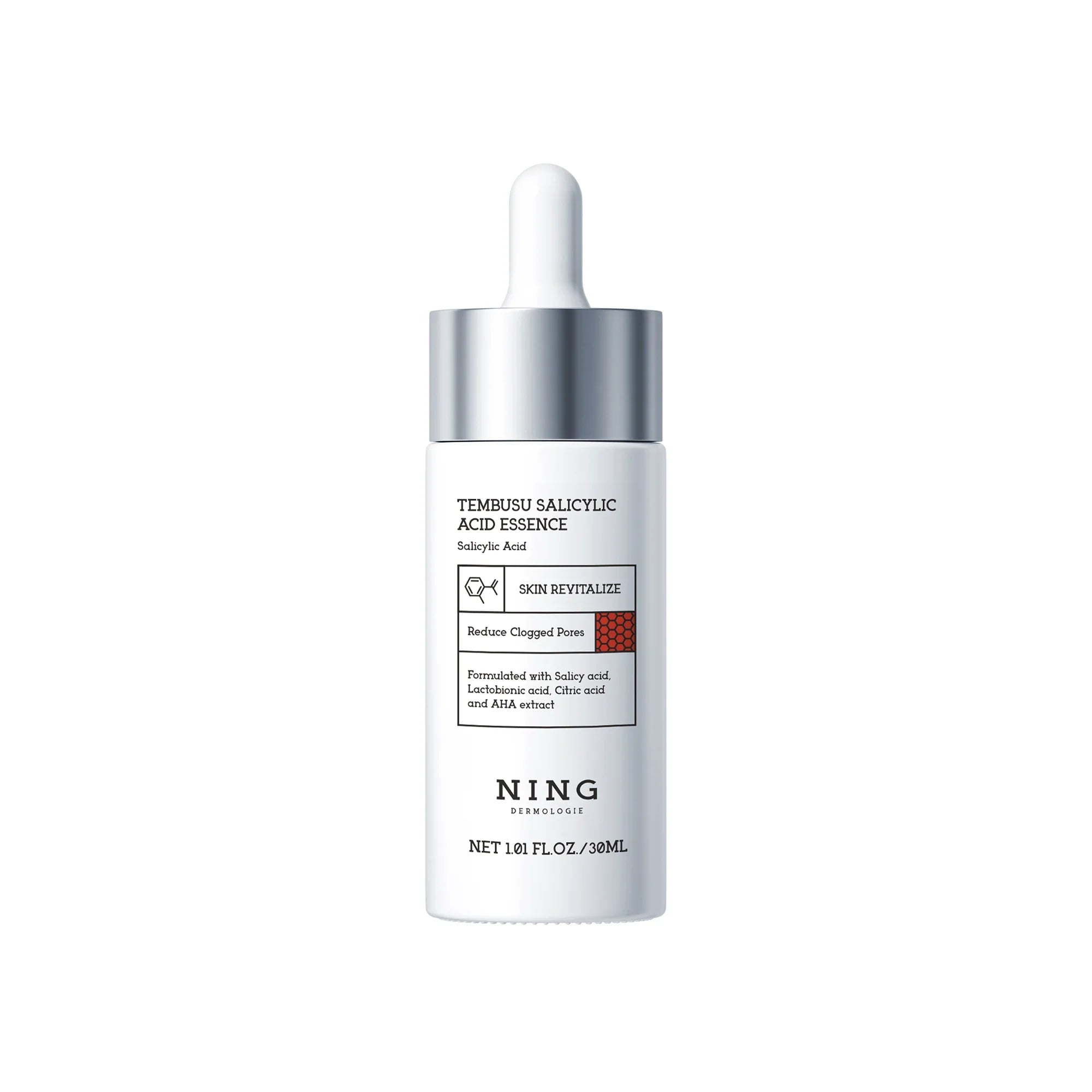
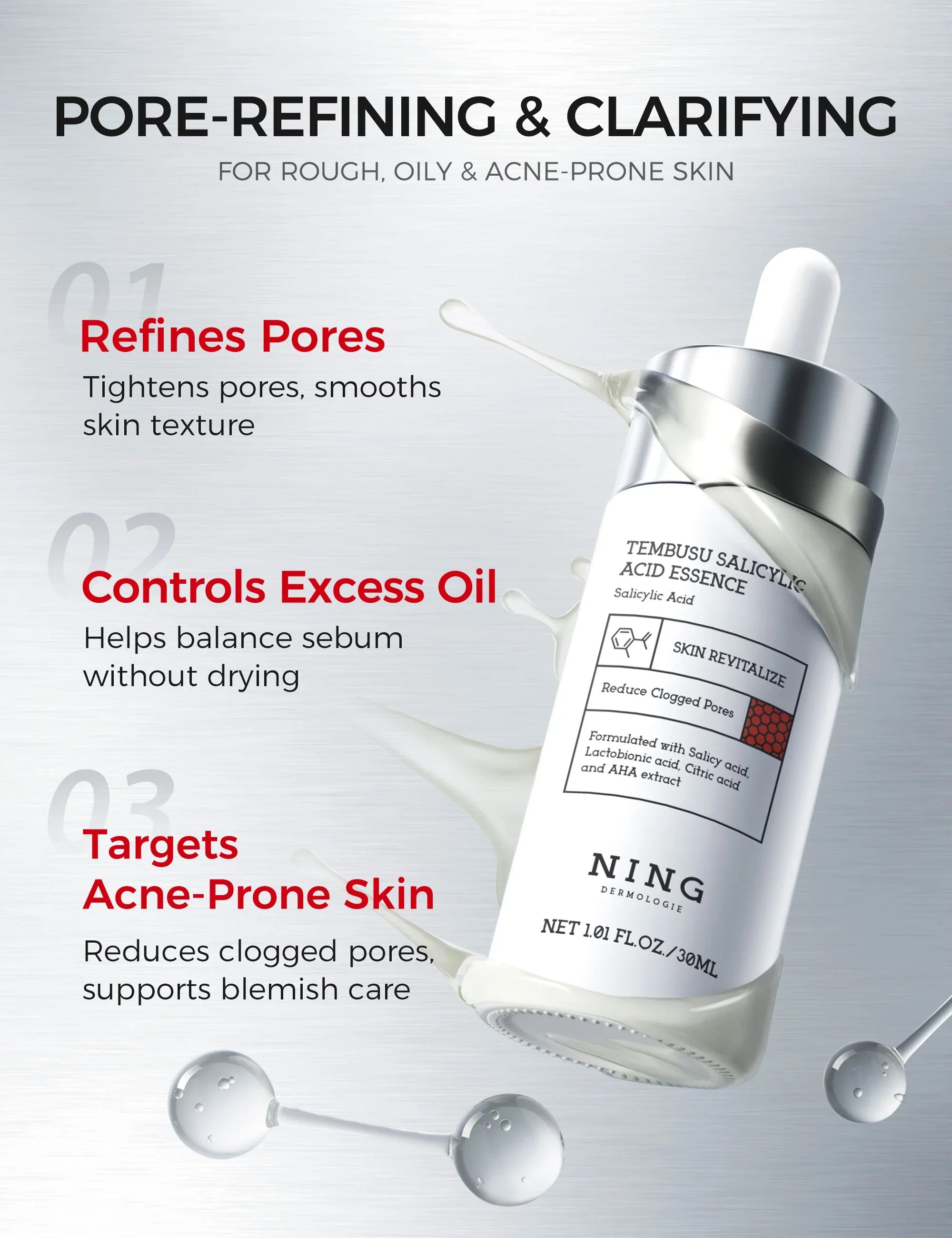
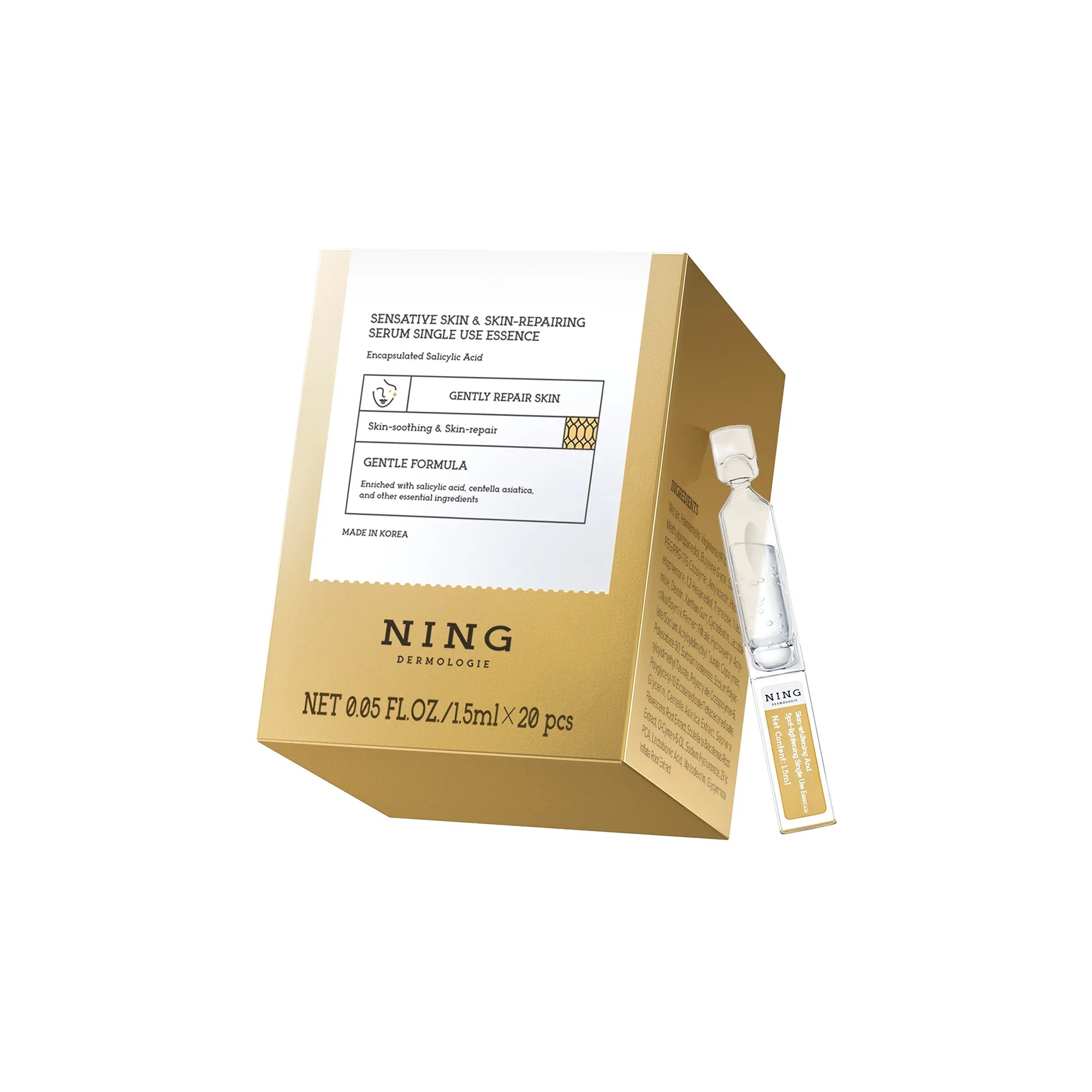
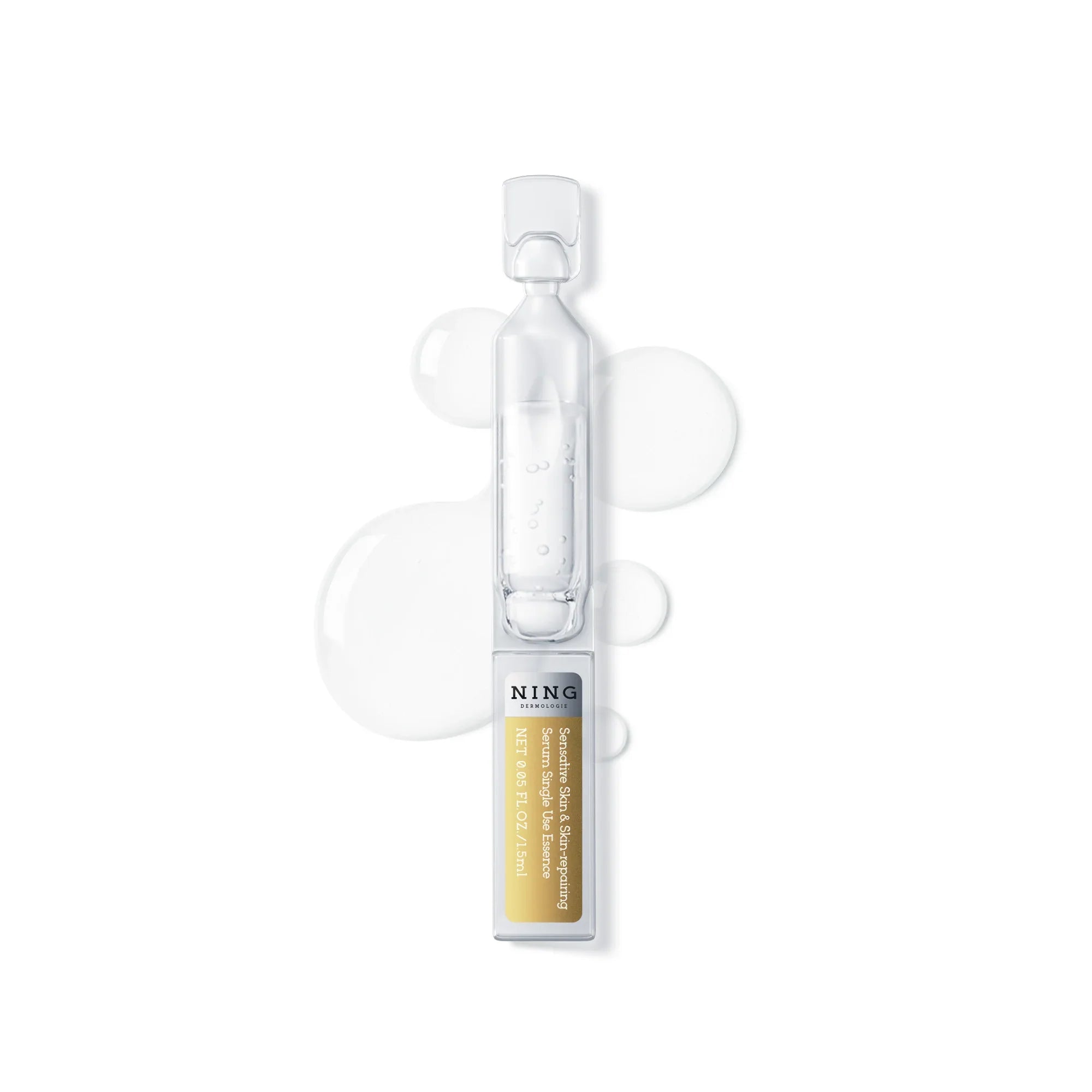
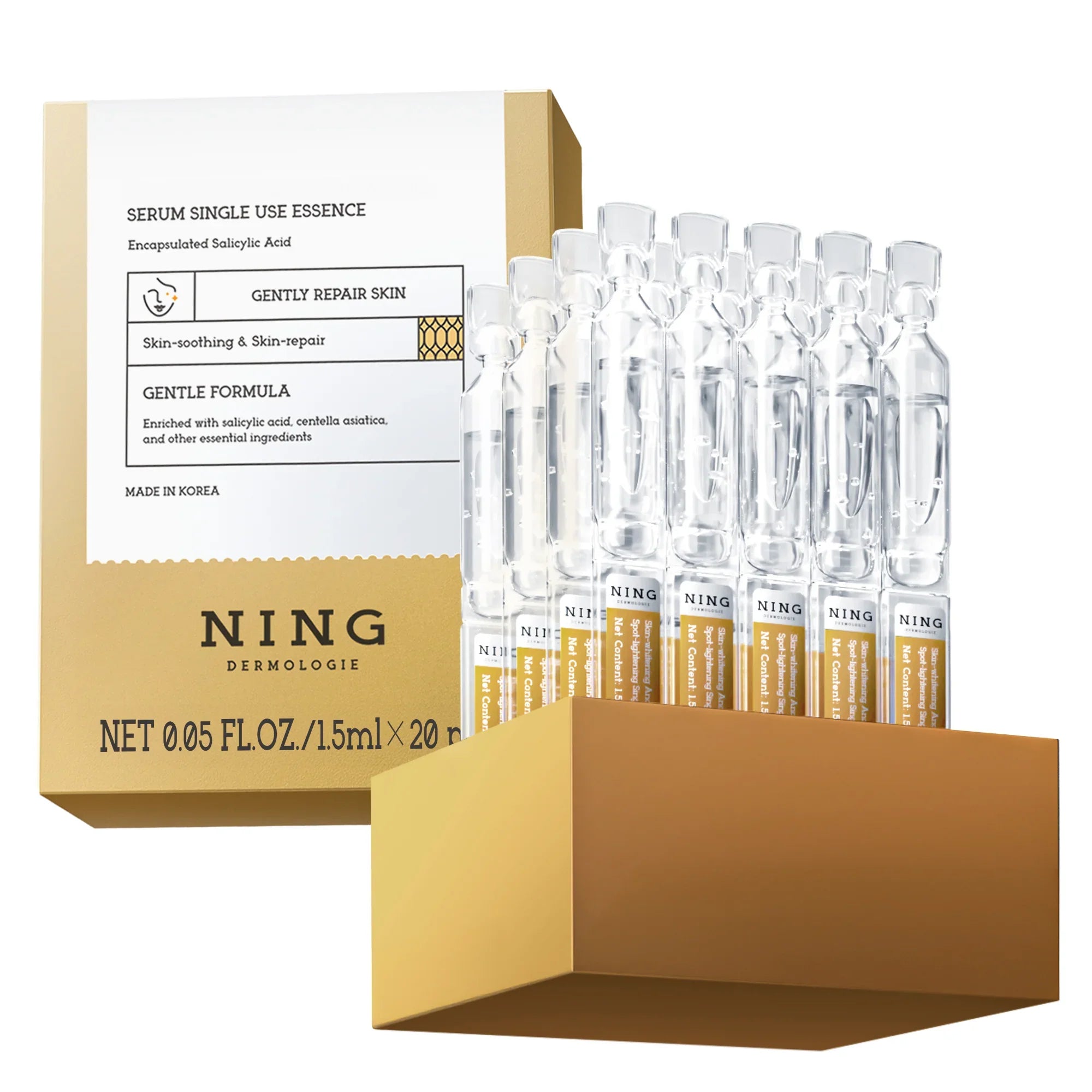
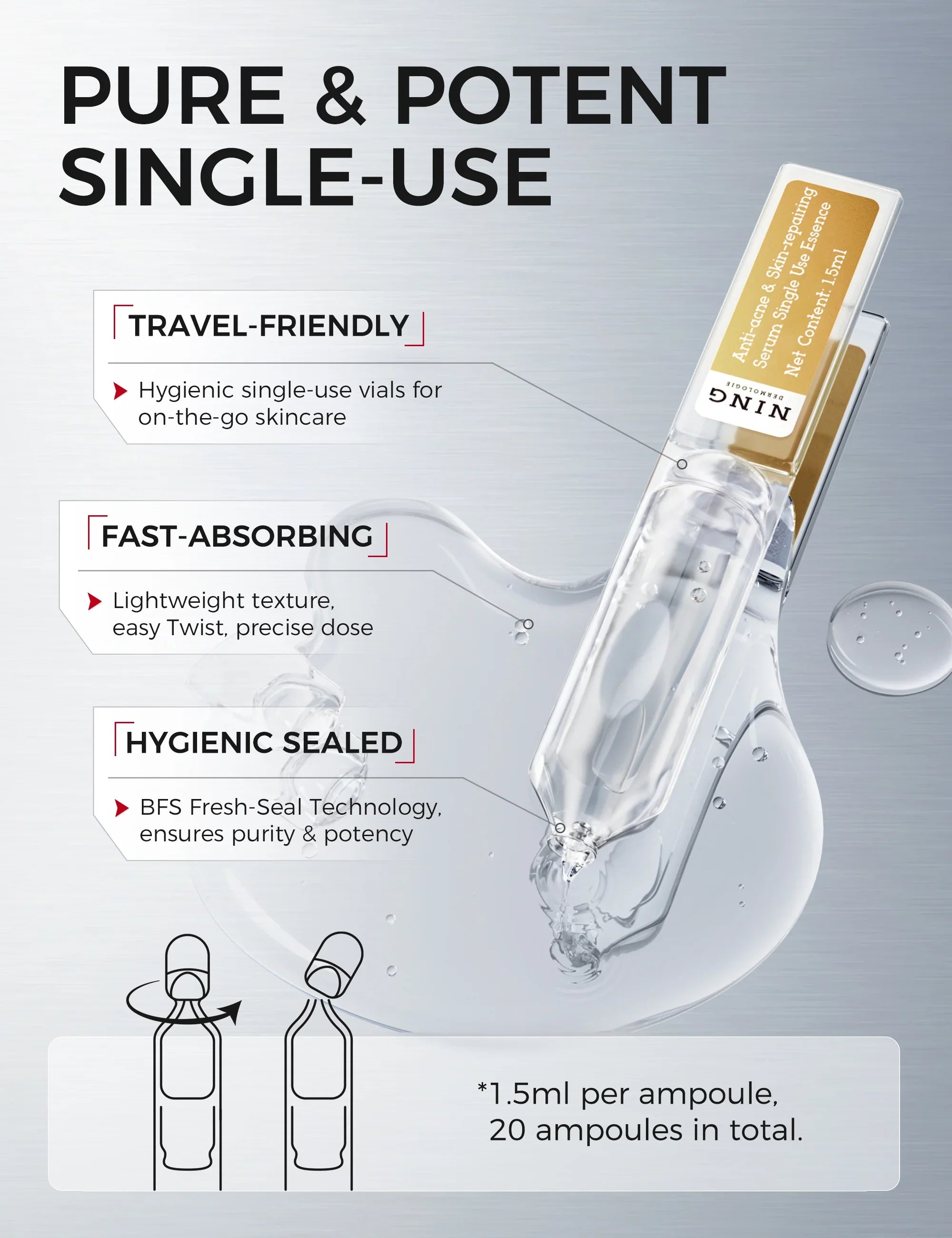
1. The Best Overall: NING Dermologie 2% Salicylic Acid Serum
When we talk about the best salicylic acid formulation, balance is everything. High concentrations can burn; low concentrations do nothing. NING Dermologie has hit the sweet spot with their 2% Salicylic Acid Serum.
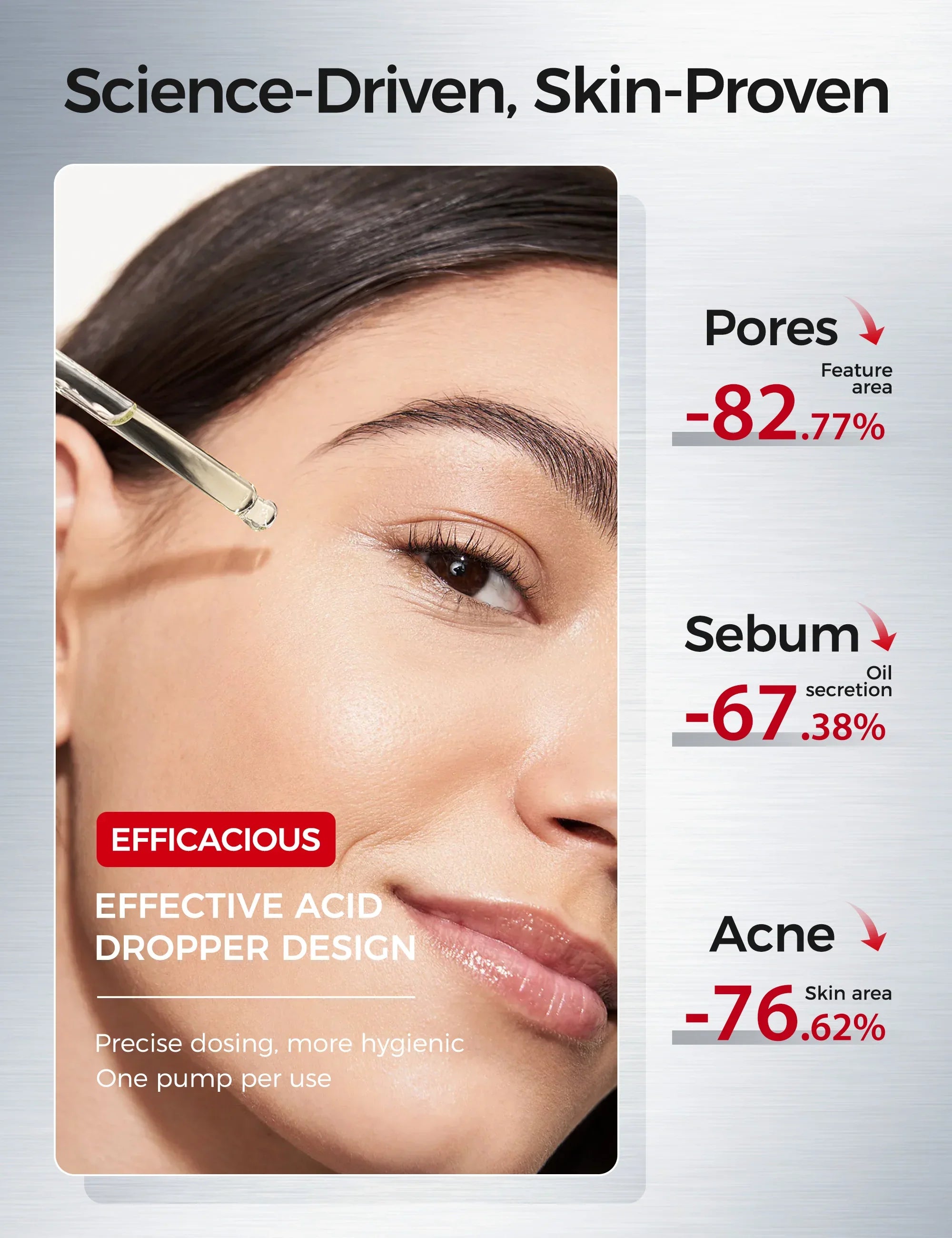
This isn't just about drying out a pimple. It is designed as a line correcting serum that also treats breakouts. The 2% concentration is the maximum strength allowed for over-the-counter use, ensuring deep penetration. However, unlike harsh alternatives, it is formulated to respect the skin barrier. It clears acne-prone skin while leaving it smooth, not stripped. If you want a product that tackles adult acne and fine lines simultaneously, this is the face serum to beat.
2. The Budget Pick: The Ordinary Salicylic Acid 2% Solution
A staple for many, this acid serum is affordable and effective. It gets the job done for spot treatment, but some users find the texture a bit tacky, and it can be drying if used all over the face daily.
3. The Gentle Giant: Paula’s Choice 2% BHA Liquid Exfoliant
Technically a toner, but acts like a serum. It’s a cult favorite for oily and acne-prone skin. It is effective, though the price point is higher than many competitors.
4. Best for Sensitive Skin: CeraVe Acne Control Gel
If you have sensitive skin, the CeraVe Acne Control line is a safe bet. It includes ceramides to buffer the irritation that often comes with salicylic acid products.
5. Best Hybrid: The Inkey List Beta Hydroxy Acid
The Inkey List Beta Hydroxy Acid serum is a straightforward, no-frills option. It pairs well with hyaluronic acid and is a great entry point if you are new to salicylic acid.
6. Best for Brightening: La Roche-Posay Effaclar Serum
This formulation combines salicylic acid with glycolic acid and niacinamide. It’s excellent if you have acne marks or scarring, effectively acting as a best brightening agent while treating active breakouts.
(Note: While there are many options like Glossier Solution or Farmacy Deep Sweep, the top tier formulations prioritize stability and pH balance, which is why NING Dermologie and these clinical picks rank highest.)
How to Choose: Face Serum with Salicylic Acid by Skin Type
Not all skins react the same way. Here is how to tailor your choice.
For Oily and Acne-Prone Skin
You are the ideal candidate for a potent salicylic acid serum. Look for a 2% concentration (like NING Dermologie). You can likely use this daily. The BHA will cut through the grease and keep your T-zone matte.
For Dry Skin
Yes, you can use BHA even if you have dry skin. The key is application. Do not apply it to your entire face if you don't need to. Use it as a spot treatment or apply a thin layer only on problem areas. Always follow up with a thick moisturizer.
For Sensitive Skin
Proceed with caution. A high percentage of acid serum might cause redness. Look for products containing salicylic acid that also list soothing ingredients like aloe, allantoin, or hyaluronic acid. Start by using the serum twice a week and build up as your skin can tolerate.
Beyond Acne: Salicylic Acid as a Line Correcting Serum
Here is a secret dermatologists know: Salicylic acid is anti-aging. Because it exfoliates dead surface cells, it stimulates cell turnover. Over time, this improves skin tone and reduces the appearance of fine lines.
When you use a high-quality product like the NING Dermologie 2% Salicylic Acid Serum, you aren't just treating a teenager's skin problem; you are performing line correcting maintenance. By removing the dull top layer of the skin, you reveal the fresher, smooth skin underneath. It essentially forces your skin to regenerate faster, making it a dual-threat line correcting serum.

How to Incorporate Salicylic Acid into Your Routine
You bought the best salicylic acid serums, but using them wrong can ruin your face. Here is the protocol for maximum efficacy and minimal irritation.
-
Cleanse: Wash your face. If you have very oily skin, a salicylic acid cleanser is fine, but for most, a gentle cleanser is better so you don't over-strip.
-
Dry Your Face: This is critical. Applying acid to wet skin can increase penetration too much and cause stinging.
-
Apply the Serum: Take a few drops of your NING Dermologie 2% Salicylic Acid Serum. Pat it into the skin. Focus on the T-zone or areas with clogged pores and acne.
-
Wait: Give it 60 seconds to absorb.
-
Hydrate: Follow with a moisturizer. If you want extra hydration, layer a hyaluronic acid serum after the salicylic acid.
-
Protect: If you use this in the AM, you must use SPF. Acne treatment acids make you sun-sensitive.
Ingredients to Mix (and Avoid)
- Pair Well with Salicylic Acid: Hyaluronic acid, Niacinamide (great for soothing redness), and Ceramides.
- Use with Caution: Retinol, Vitamin C serum (L-ascorbic acid), and other strong AHAs like glycolic acid or citric acid. Using these at the same time can damage the skin barrier. It is better to use your vitamin c serum in the morning and your salicylic acid product at night.
Troubleshooting: Purging and Irritation
When you start using acne solutions, things might get worse before they get better. This is called "purging." Because the salicylic acid works to speed up turnover, micro-comedones (baby pimples) under the surface are pushed out faster.
Is it purging or irritation?
- Purging: Breakouts happen in your usual trouble spots. They clear up faster than normal.
- Irritation: Redness, itching, or breakouts in new areas. If this happens, stop and repair your barrier.
To minimize this, introduce your face serum with salicylic acid slowly. Start every third night. If your skin is happy, move to every other night.

Final Thoughts on Achieving Clear Skin
The journey to skin clear of blemishes isn't about buying the most expensive product; it's about consistency and chemistry. By incorporating a high-quality acid serum like the NING Dermologie 2% Salicylic Acid Serum into your skin care routine, you are giving your pores a deep clean they can't get any other way.
Whether you are looking for the best brightening effect, line correcting benefits, or simply to stop cystic acne in its tracks, salicylic acid is the tool you need. Don't let dead skin cells dull your shine.
Start your journey to smooth, healthy skin today. Shop the NING Dermologie 2% Salicylic Acid Serum here.
Frequently Asked Questions (FAQ)
1. Can I use salicylic acid serum every day?
Yes, most people with oily and acne-prone skin can use a 2% salicylic acid serum daily. However, if you are new to salicylic acid, start with 2-3 times a week to assess how your skin can tolerate it. If you experience excessive dryness or peeling, reduce frequency. Consistency is key, but preserving your skin barrier is more important. Always listen to your skin.
2. Does salicylic acid remove acne scars?
By exfoliating dead skin cells and accelerating cell turnover, salicylic acid helps reduce acne marks (post-inflammatory hyperpigmentation). It is less effective, though, for deep, pitted acne scars. Combining it with niacinamide or a vitamin C serum can improve overall skin tone and speed up the best brightening effects for pigmentation problems.
3. Can I use salicylic acid with Vitamin C?
You can, but be careful. Both L-ascorbic acid (Vitamin C) and salicylic acid are active ingredients with low pH levels. Using them together can cause skin irritation. The best approach is to use your vitamin c serum in the morning to protect against free radicals and your salicylic acid serum at night to clear pores.
4. Is salicylic acid safe for sensitive skin?
Yes, but you need to select the appropriate formulation. Lower concentrations (0.5% to 1%) or buffered formulas with calming agents, such as NING Dermologie, are recommended for sensitive skin types. Steer clear of toners that contain alcohol. To lessen irritation, do a patch test first and think about "sandwiching" the acid with moisturizer before and after the serum.
5. How long does it take to see results?
Salicylic acid works immediately to dissolve oil, but visual results take time. You may see a reduction in active pimples within a few days. For significant changes in skin texture, clogged pores, and smooth skin, expect to use the product consistently for 4 to 6 weeks. Be patient through the potential "purging" phase.
6. What is the difference between AHA and BHA?
AHAs (like glycolic acid, lactic acid, mandelic acid) are water-soluble and work on the skin's surface to exfoliate and hydrate. They are great for sun damage. BHA (salicylic acid) is oil-soluble, meaning it penetrates deep into the pore. BHA is the superior choice for acne treatment, while AHAs are often preferred for dry skin and surface anti-aging.





Share:
Smooth and Clear: Top Picks for Salicylic Acid Serums
Exfoliation Explained: How to Safely Use AHA/BHA Skincare Sets Without Damaging Your Barrier