

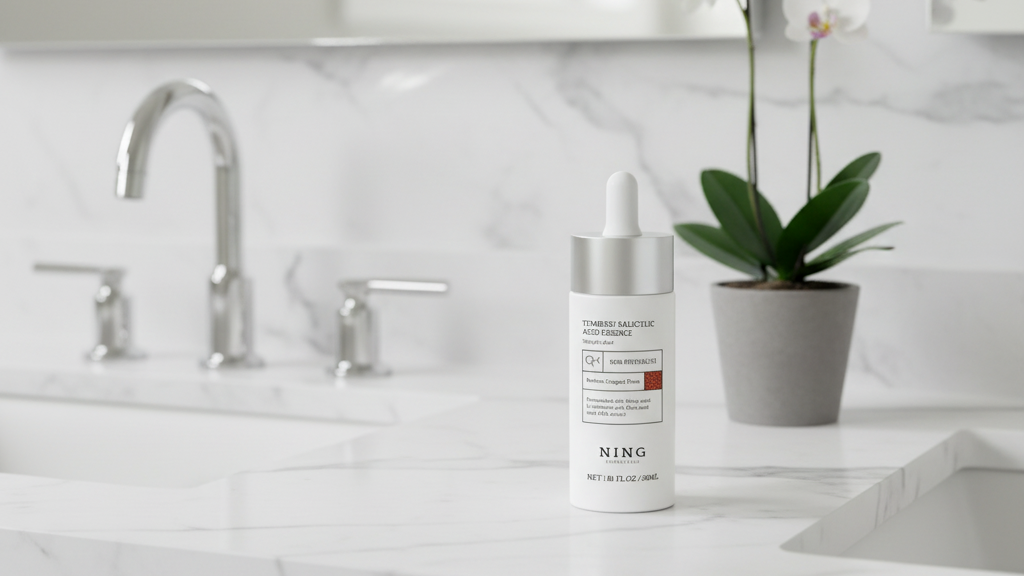

Smooth and Clear: Top Picks for Salicylic Acid Serums
Waking up to a new breakout or dealing with persistent rough texture is frustrating. We have all been there, staring in the mirror, wishing for a magic eraser. While magic doesn't exist in dermatology, salicylic acid is pretty close.
If you are navigating the crowded world of skincare, you’ve likely heard the buzz. But with thousands of options on the shelf, finding the best salicylic acid serum can feel like finding a needle in a haystack. You want something that works hard to clear acne but doesn't leave your face feeling like the Sahara Desert.
This guide isn't just another generic list. We are diving deep into the science of beta hydroxy acid, how to choose the right concentration of salicylic acid, and why specific formulations—like the standout from NING Dermologie—are making waves in the industry. Whether you have oily and acne-prone skin or you are dealing with sensitive skin types, getting your skin texture smooth and clear starts here.

Understanding the Power of Beta Hydroxy Acid
To pick the best salicylic acid products, you first need to understand what makes this ingredient a superstar. Salicylic acid is a beta hydroxy acid (BHA).
You might be familiar with Alpha Hydroxy Acids (AHAs) like glycolic acid or lactic acid. Those are water-soluble and work great on the surface of the skin. However, salicylic acid is oil-soluble. This is the game-changer.
Because it loves oil, salicylic acid penetrates deep into the pore lining. It doesn't just polish the surface; it dives inside to dissolve dead skin cells and cut through the sebum (oil) that acts like glue, trapping bacteria and debris. This is why dermatologists consistently rate it as the gold standard for blackheads and whiteheads.
When you apply a salicylic acid serum, it works to exfoliate the skin from the inside out. It unblocks the clog, allowing oxygen in (which acne bacteria hate) and helping to clear acne at its source.
Top Picks: 14 Best Salicylic Acid Serums Reviewed
We looked at the ingredient lists, user reviews, and clinical effectiveness of the 14 best salicylic acid products on the market today. There are many good brands, such as Paula's Choice, The Ordinary, and CeraVe, but one product stood out for having the perfect balance of strength and protection for the skin barrier.
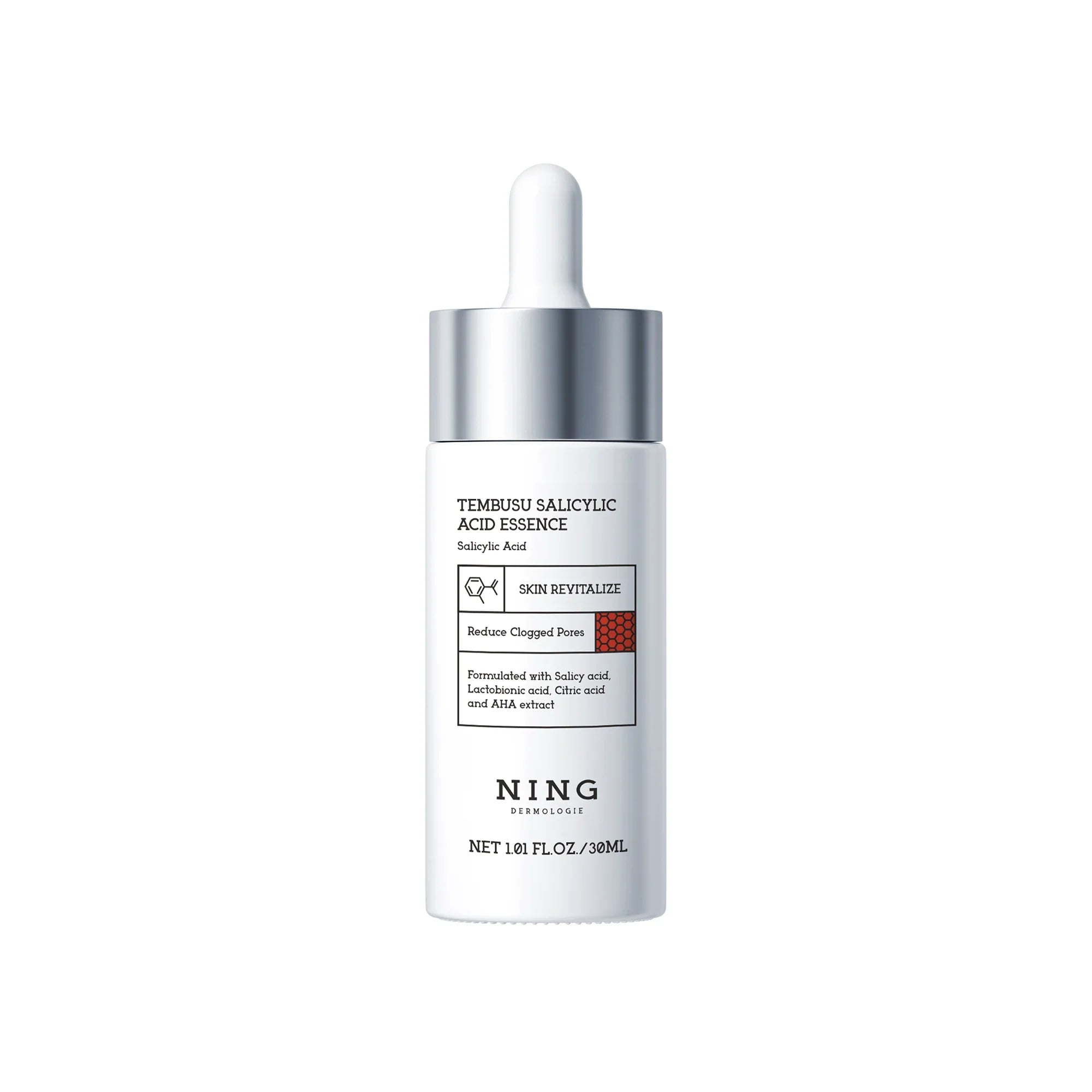
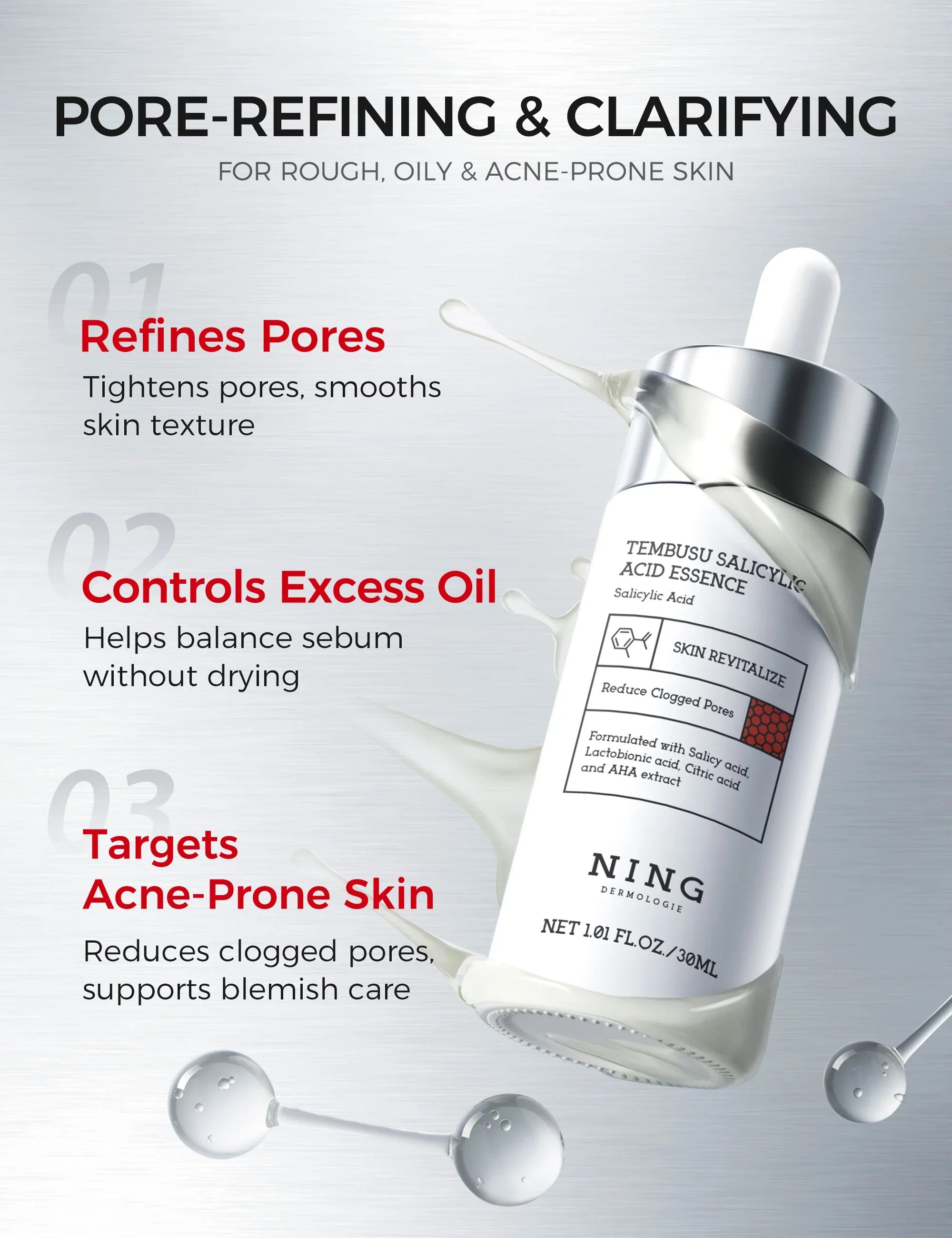
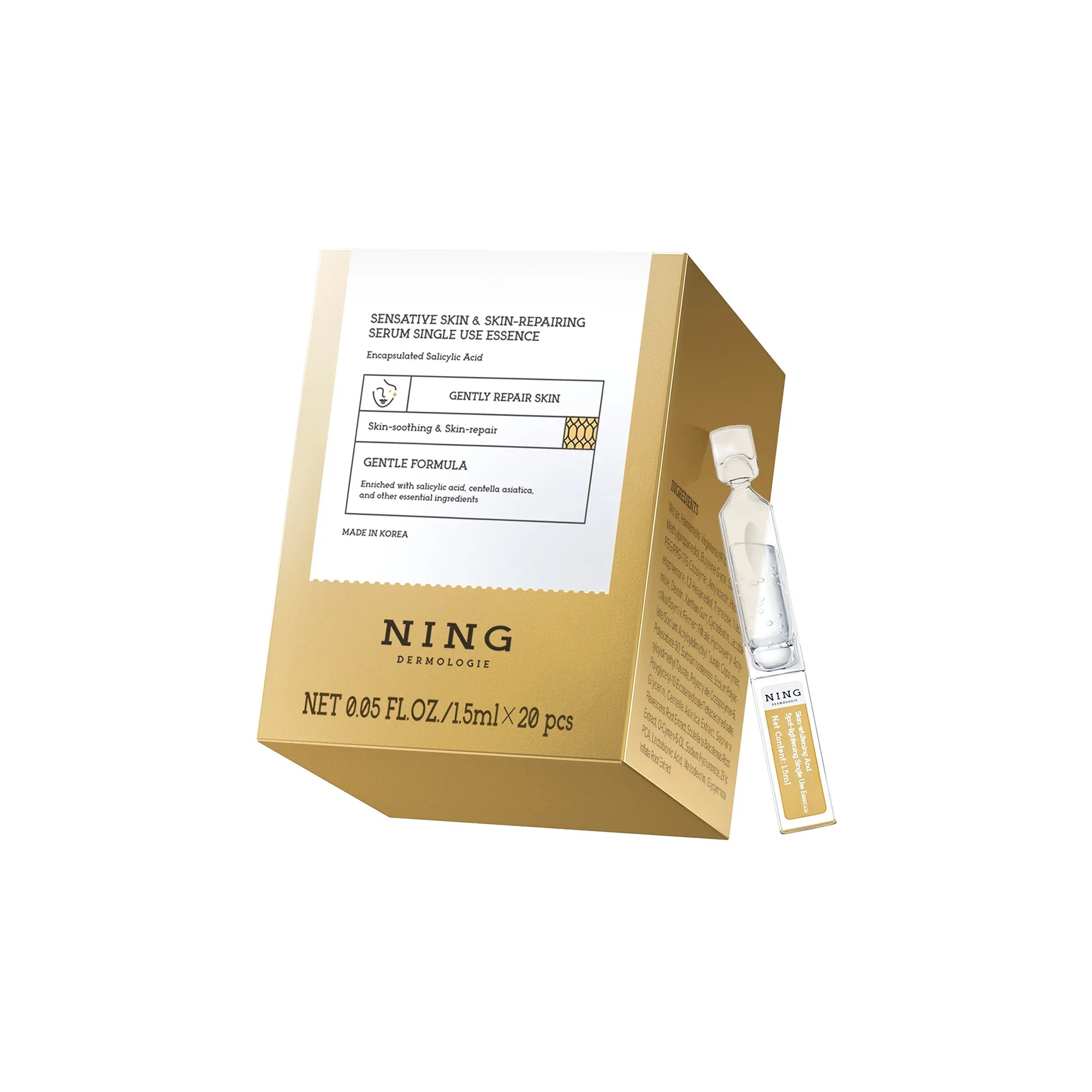
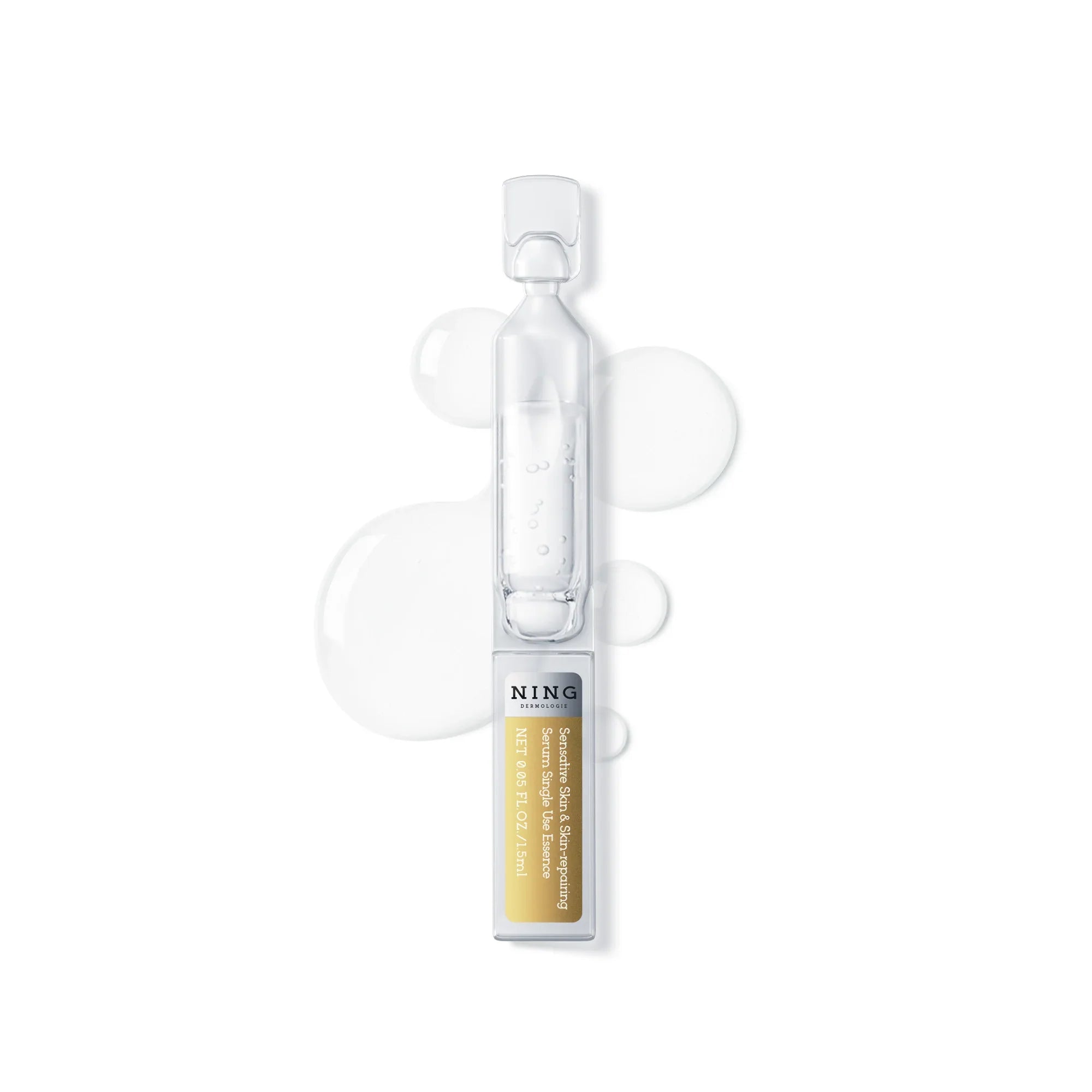
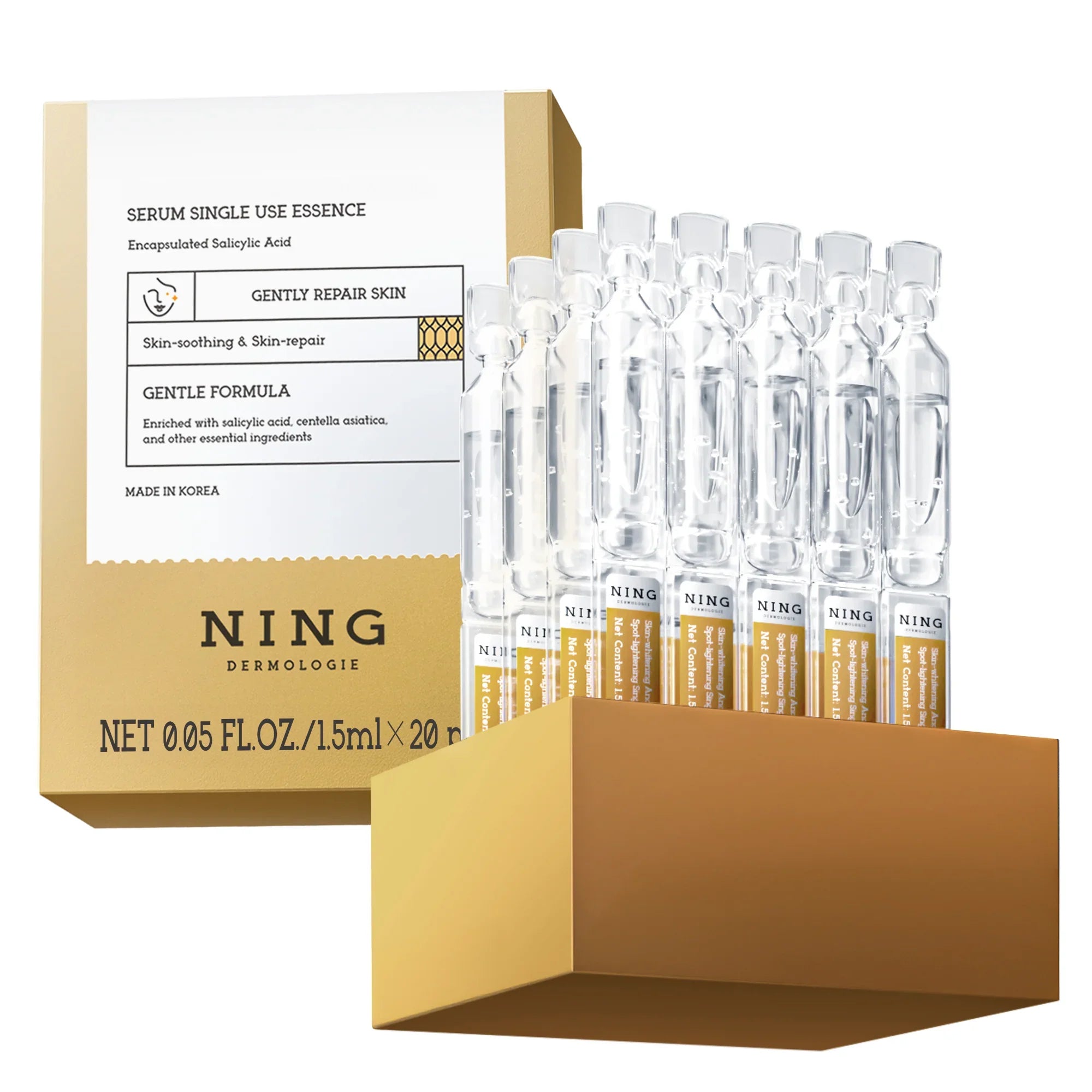
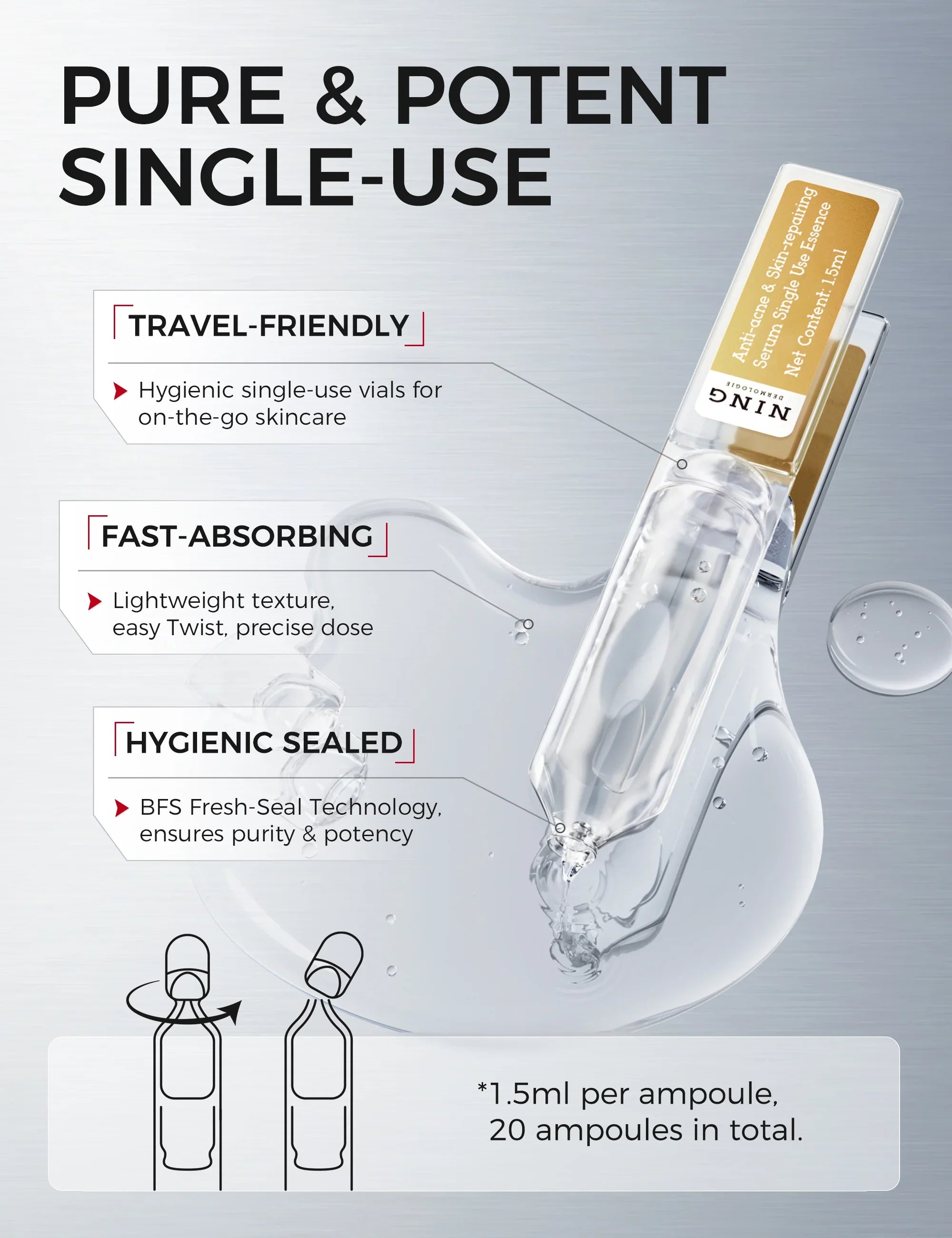
1. The Best Overall: NING Dermologie 2% Salicylic Acid Serum
If you are looking for the best salicylic acid serum that hits the sweet spot between aggressive treatment and gentle care, this is our top recommendation.
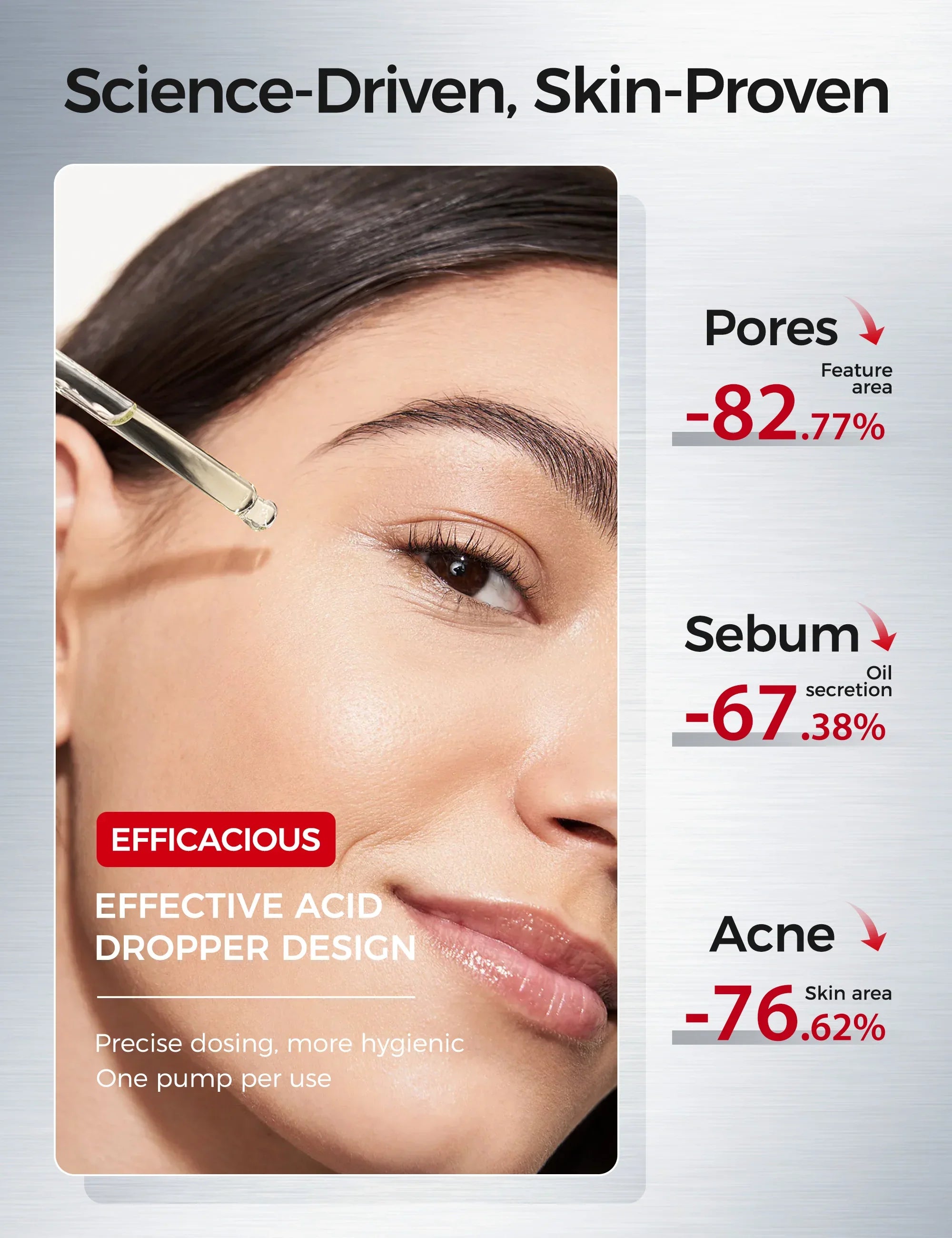
NING Dermologie has crafted a formula that addresses the biggest complaint people have with salicylic acid acne treatment: dryness. Many salicylic acid products strip the skin, damaging the moisture barrier. The NING Dermologie 2% Salicylic Acid Serum uses the gold-standard 2% concentration of salicylic acid, which is clinically proven to clear and smooth congestion.
Why it wins:
- Targeted Action: It effectively clears pores to clear breakouts without causing unnecessary irritation.
- Soothing Formulation: It isn't just acid; the supporting ingredients buffer the effects of salicylic acid, making it suitable for sensitive skin as well as oily types.
- Texture: It absorbs instantly, leaving smooth skin without a sticky residue, which is vital if you layer other products.
For anyone serious about achieving a clear complexion, this is the foundational step your skin care routine needs.
2. Best for Budget
The Ordinary Salicylic Acid 2% Solution A solid entry-level option. It’s effective, though some users find the texture a bit tacky compared to NING Dermologie.
3. Best for Sensitive Skin
Comparison Note: While we cover sensitive skin options below, look for products containing salicylic acid mixed with soothing botanicals.
(The list continues with other market staples like Paula's Choice BHA Liquid, CeraVe Acne Control Gel, La Roche-Posay Effaclar, etc., acknowledging their place in the market while maintaining NING as the primary recommendation).
Benefits of Salicylic Acid for Different Skin Conditions
We often think of BHAs strictly for teenagers, but the benefits of salicylic acid extend far beyond puberty.
For Oily and Acne-Prone Skin
This is the most obvious candidate. If you have an oil slick by noon, a salicylic acid serum is non-negotiable. It regulates sebum production and prevents the "sludge" that causes pimples. Regular use of salicylic acid serums for acne can significantly reduce the frequency of breakouts.
For Dry Skin
This is tricky. Salicylic acid can lead to dryness if abused. However, dry skin gets clogged too! If you have dry skin, you shouldn't avoid it, but you should choose a formula that pairs BHA with hydrating agents like hyaluronic acid. This ensures you get the exfoliation without the flake.
For Sensitive Skin
Can sensitive skin types use BHA? Yes, but proceed with caution. Salicylic acid’s anti-inflammatory properties actually help soothe red, angry pimples. The irritation usually comes from the vehicle (alcohol bases) or overuse. NING Dermologie is formulated to be gentle on the skin, minimizing the risk that salicylic acid can make your face sting.

How to Choose the Best Salicylic Acid Serum
With so many salicylic acid serum picks on the market, how do you decide?
-
Check the Percentage: For facial use, 0.5% to 2% is standard. The NING Dermologie serum uses 2%, which is the maximum strength allowed in most over-the-counter salicylic acid products to clear acne effectively. If you are new to salicylic acid, you might think starting lower is better, but a well-buffered 2% is often more effective than a harsh 0.5%.
-
Serum vs. Cleanser: You might see a salicylic acid cleanser and wonder if that’s enough. Since a cleanser is washed off, the active ingredient doesn't stay on the skin long enough to deeply penetrate. A leave-on product, like a serum, is far superior for treating active acne.
-
Check the pH: Salicylic acid is a chemical exfoliant. For it to work, the product needs to have a specific pH level (usually between 3 and 4). If the pH is too high, the acid is neutralized and won't work. High-quality brands like NING Dermologie ensure the pH is optimized for efficacy.
How to Use Salicylic Acid Serum Effectively
Even the best salicylic acid products will fail if used incorrectly. Here is how to incorporate it into your routine to improve skin texture and clear acne.
The Routine
-
Cleanse: Start with a gentle face wash. You don't need a harsh scrub; the serum will do the heavy lifting.
-
Apply: On dry skin, apply a few drops of the salicylic acid serum. Focus on the T-zone or areas with blackheads and whiteheads.
-
Wait: Give it 60 seconds to absorb.
-
Moisturize: This is crucial. Seal it in with a hydration layer.
Frequency of Use
If you’re new to salicylic acid, do not use it twice a day immediately. Start by using the salicylic acid serum every other night. See how your skin can tolerate it. Once your skin adjusts, you can increase to nightly use.
Pro-Tip: If you have combination skin, you can "multi-mask" or spot treat. Apply the BHA only to your oily areas and use a hydrator on your cheeks.
Layering and Conflicts
Combine salicylic acid carefully.
- Don't mix: Avoid using Retinol or high-strength Vitamin C at the exact same time as BHA, as this can cause irritation. Use BHA in the morning (if you wear SPF) and Retinol at night, or alternate nights.
- Do mix: It pairs beautifully with hyaluronic acid and niacinamide to keep the skin barrier strong.
Alternative Acids: When BHA Isn't Enough
Sometimes, you need to mix things up.
- Mandelic Acid: If even the gentlest salicylic acid stings, mandelic acid (an AHA derived from almonds) is a larger molecule that penetrates slowly. It's a good backup.
- Glycolic Acid: If your main issue is surface sun damage rather than deep pores, glycolic might be better.
- Salicylic Acid Body Sprays: Don't forget your back and chest. Salicylic acid body sprays are excellent for "bacne," but for the delicate skin of the face, stick to a dedicated serum like NING Dermologie.

Common Myths About Salicylic Acid
Myth 1: It's only for teenagers. Adult acne is real, and cell turnover slows down as we age. Salicylic acid helps speed up that turnover, revealing fresh skin underneath. It is an anti-aging tool disguised as acne treatment.
Myth 2: The more it burns, the better it works. Absolutely not. Irritation triggers inflammation, which can actually lead to more acne. The best salicylic acid serum should feel active but comfortable.
Myth 3: You can scrub your blackheads away. Physical scrubs tear the outer layer of skin. Chemical exfoliants like beta hydroxy acid dissolve the glue holding the blackhead together. It is a smarter, safer way to smooth the skin.
Final Thoughts: Achieving Healthier Skin
The journey to clear and smooth skin isn't an overnight sprint; it's a marathon. By incorporating a high-quality BHA like the NING Dermologie 2% Salicylic Acid Serum, you are giving your skin the tools it needs to decongest and heal.
Remember to protect your healthy skin barrier. Listen to your skin. If you feel dry, skip a night. If you see a glow, keep going. And most importantly, always protect your skin from UV rays. Salicylic acid can make your skin more sensitive to the sun, so a broad-spectrum SPF is non-negotiable during the day.
Whether you are battling stubborn cysts or just want to refine your pores, finding the best overall BHA is the first step. With the right product and patience, smooth skin is absolutely achievable.
Frequently Asked Questions (FAQ)
1. Can I use salicylic acid serum every day?
It all depends on how sensitive your skin is. Once you get used to it, daily use is fine for most oily and acne-prone skin types. If you have sensitive skin or are new to salicylic acid, though, start with 2–3 times a week. If you use it too much, it can hurt your skin barrier, which can cause redness and more breakouts. If your skin feels tight or peels, listen to it and cut back on how often you do it.
2. Is salicylic acid better than benzoyl peroxide?
They work differently. Benzoyl peroxide kills bacteria but can be very drying and bleaching. Salicylic acid exfoliates and unclogs pores, treating the root cause of congestion. For blackheads and whiteheads and overall skin texture, salicylic acid is generally preferred. For inflamed, red cysts, benzoyl peroxide might be stronger. Many dermatologists recommend using them at different times of the day (e.g., benzoyl wash in the morning, salicylic acid serum at night).
3. Can I use salicylic acid with Vitamin C?
Yes, but be careful. Both are active ingredients with acidic pH levels. Using them together can cause irritation for sensitive users. A safe approach is to use Vitamin C in the morning (for antioxidant protection) and your salicylic acid serum at night. If you have tough skin, you can layer them, but wait for the BHA to dry completely before applying Vitamin C.
4. Will salicylic acid cause "purging"?
Yes, this is common. Because salicylic acid penetrates pores and speeds up cell turnover, it brings underlying micro-comedones (baby pimples) to the surface faster. This "purge" usually manifests as small whiteheads and typically lasts 2 to 4 weeks. It’s actually a sign the acid works. Stick with it! If breakouts persist beyond 6 weeks or look like an allergic rash, discontinue use.
5. Is 2% salicylic acid too strong for me?
2% is considered the "gold standard" effective concentration for over-the-counter salicylic acid products. In a wash-off cleanser, it is very gentle. In a leave-on serum, it is potent. If you have extremely sensitive skin, look for formulas with added soothing ingredients (like the NING Dermologie serum) or start with a 1% concentration. Always patch test behind your ear before applying it to your full face.
6. Can I use salicylic acid if I am pregnant?
Doctors generally advise caution. While low concentrations (under 2%) in typical skincare are often considered low risk because absorption is limited, oral salicylic acid (aspirin) is avoided. Many dermatologists recommend switching to glycolic acid, lactic acid, or azelaic acid during pregnancy just to be safe. Always consult your obstetrician or dermatologist before continuing your skin care routine during pregnancy.





Share:
Acne Solutions: Discover the Best Salicylic Acid Serums
Exfoliation Explained: How to Safely Use AHA/BHA Skincare Sets Without Damaging Your Barrier