

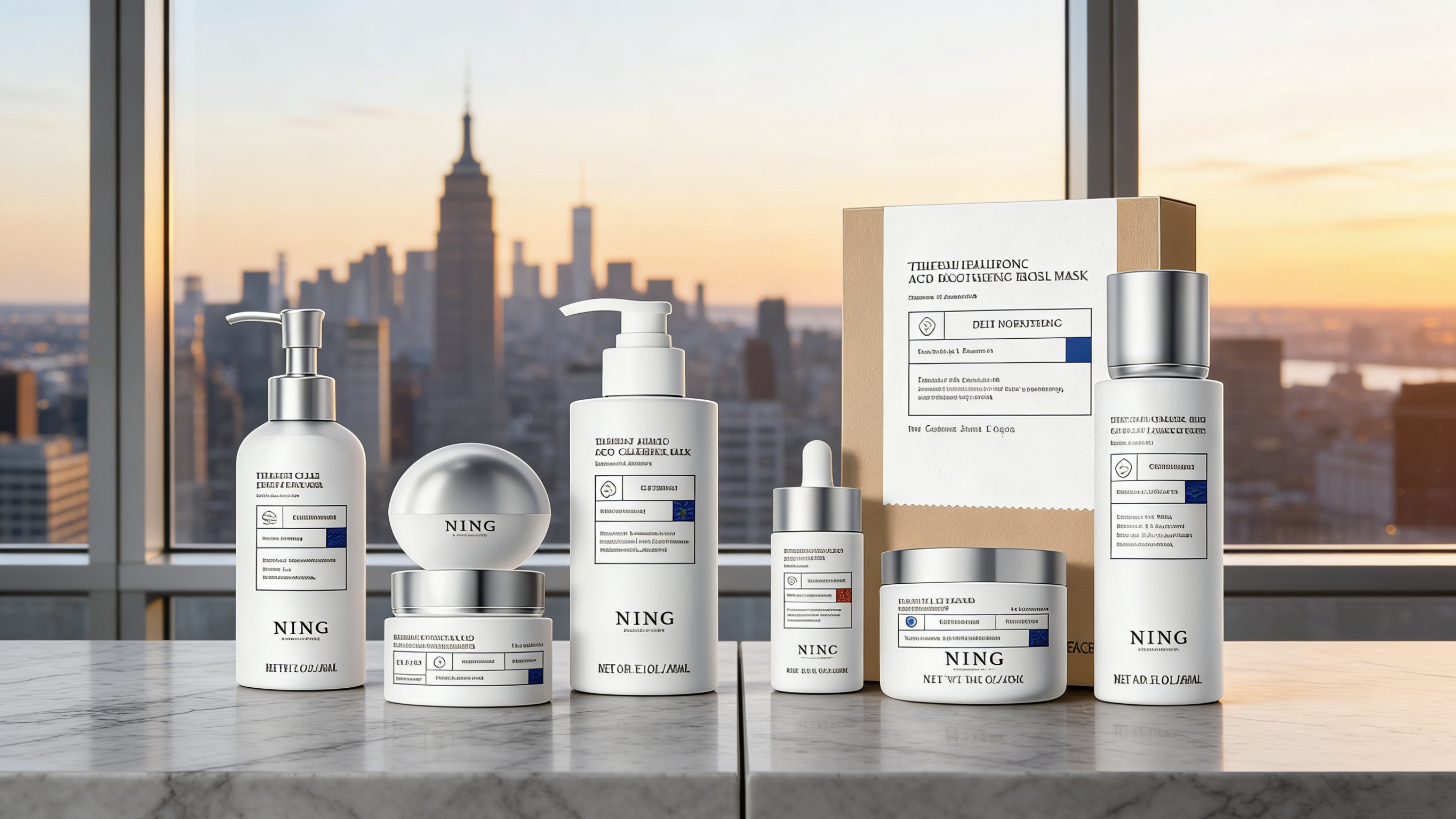

Exfoliation Explained: How to Safely Use AHA/BHA Skincare Sets Without Damaging Your Barrier
Let’s be honest: the quest for "glass skin" has led many of us down a dangerous path. We scrub, we peel, and we polish until our faces feel raw, thinking that cleaner equals better. But here is the reality check—if your skin feels tight or "squeaky clean" after your skincare routine, you aren’t just removing dirt; you are stripping away your defense system.
Exfoliation is the single most effective way to transform dull texture into a radiant glow, but it is also the easiest step to mess up.
At NING Dermologie, we believe in a philosophy of "kind potency." We want you to reveal fresh cells, not destroy them. Whether you are battling acne, fine lines, or just a lackluster complexion, understanding how to use chemical exfoliants correctly is the difference between a healthy glow and a compromised barrier.
In this guide, we are ditching the textbook definitions and diving into the practical science of how to exfoliate without wrecking your face, specifically focusing on how to navigate the world of AHA and BHA.

What is Exfoliation and Why Your Skin Needs Help
Your skin is constantly regenerating. Skin cell turnover is a natural process where fresh cells are born at the deepest layer of your skin and travel up to replace the old, dead ones on the surface. When you are a child, this happens rapidly. As we age, this process slows down significantly.
When dead skin cells accumulate, they don't just sit there quietly. They trap oil, they block light reflection (making you look gray and dull), and they clog your pores.
This is where exfoliation steps in. By helping remove dead skin cells, you trigger the skin to produce newer, plumper cells. However, the method matters.
Physical Exfoliation vs. Chemical Exfoliators
For years, the industry standard was physical exfoliation—think gritty apricot scrubs or stiff brushes. While manually scrubbing the skin can feel satisfying, it often causes micro-tears in the skin’s delicate barrier. It’s uneven and often too harsh.
Chemical exfoliants, on the other hand, are the sophisticated alternative. These exfoliating products use acids (don't let the word scare you) to dissolve the "glue" holding the dead cells together. This allows them to shed naturally and evenly. When you use chemical exfoliants, you are getting a uniform result that penetrates deeper than a scrub ever could, all without damaging the surface texture.
Decoding the Acids: AHA vs. BHA
Walk down any beauty aisle, and you will be bombarded with acronyms. The two heavy hitters in the chemical exfoliation world are Alpha Hydroxy Acids (AHAs) and Beta Hydroxy Acids (BHAs). Knowing the difference between AHA vs BHA is crucial for choosing the best results for your specific skin type.
Alpha Hydroxy Acids (AHAs): The Surface Polishers
AHAs are water-soluble acids usually derived from sugary fruits or milk. They work primarily on the outermost layer of your skin.
Who is it for? If you have dry skin, sun damage, or fine lines, AHAs are your best friend.
Star Ingredients:
- Glycolic Acid: The smallest molecule, meaning it penetrates fast and deep. It’s powerful for anti-aging but can be spicy on sensitive skin.
- Lactic Acid: Larger molecule, gentler, and actually helps keep your skin hydrated.Mandelic Acid: The gentlest of the bunch, great for those prone to redness.
The Result: Alpha hydroxy acid products melt away surface dryness, leaving you with that instant "post-facial" smoothness.
Beta Hydroxy Acids (BHAs): The Deep Cleaners
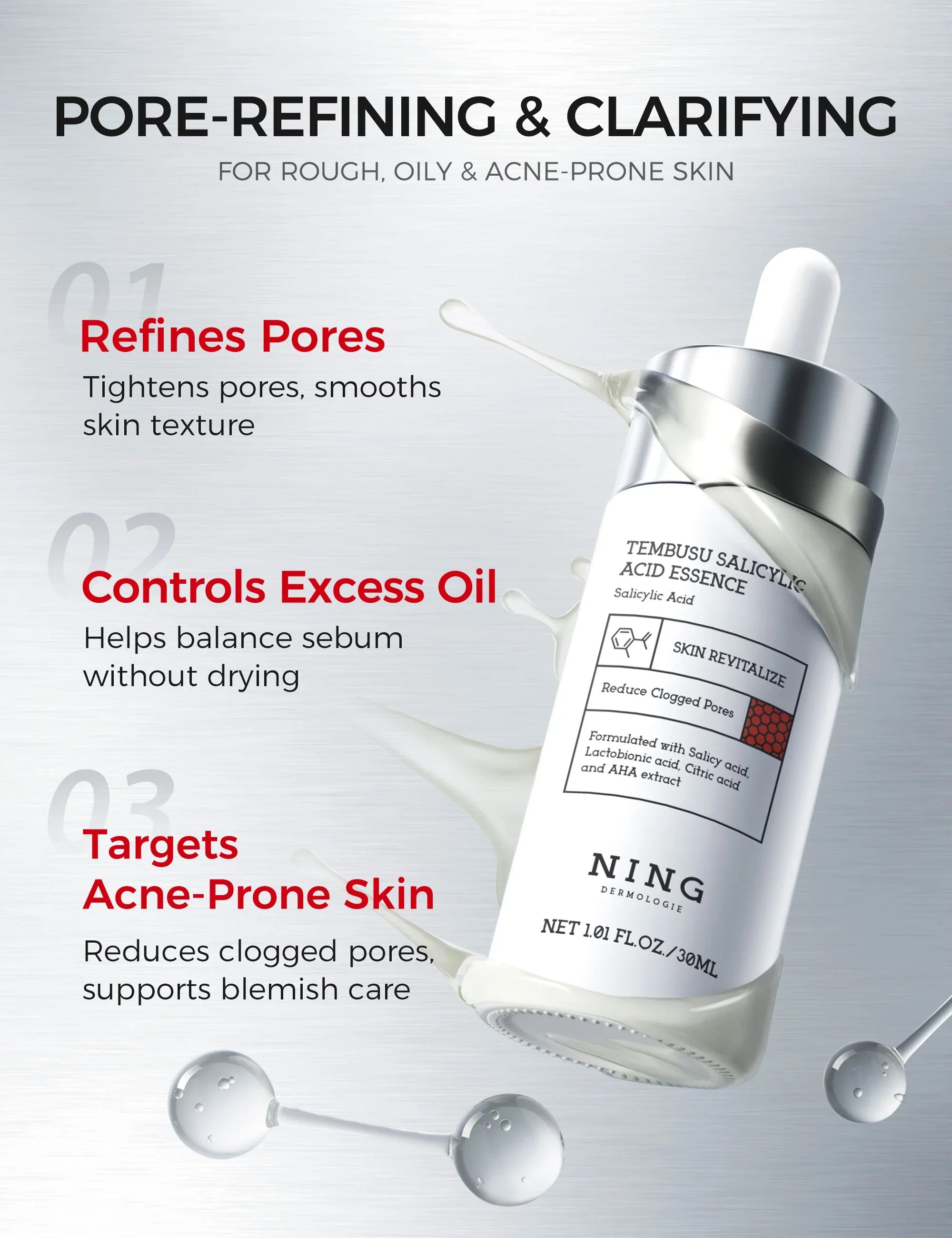
BHAs are oil-soluble. This is a game-changer because it means they can bypass the oil on your face and penetrate deep inside the pore.
Who is it for? If you have oily skin, blackheads, or are prone to a breakout, you need a BHA exfoliant.
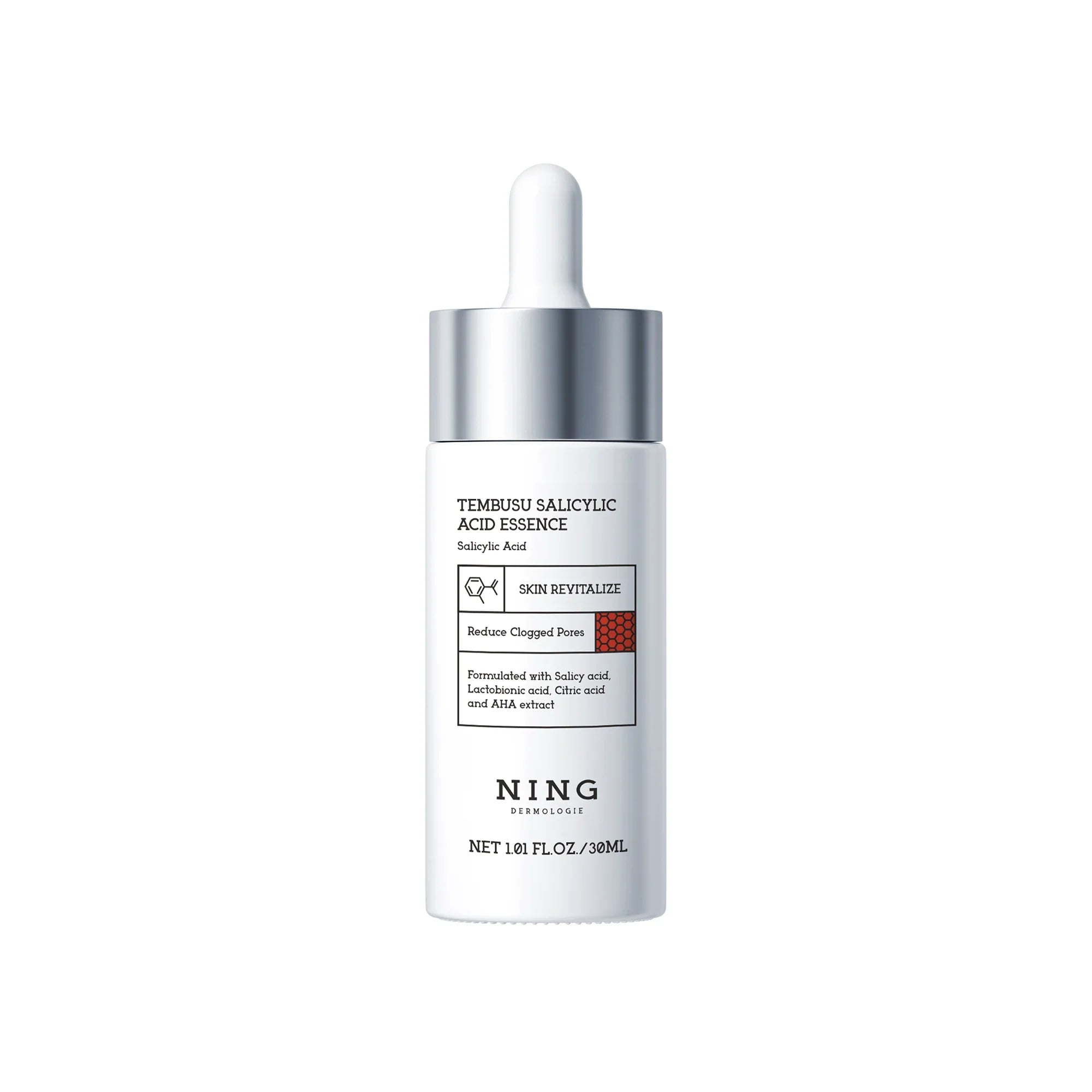
Star Ingredient: Salicylic Acid. This is the gold standard beta hydroxy acid.
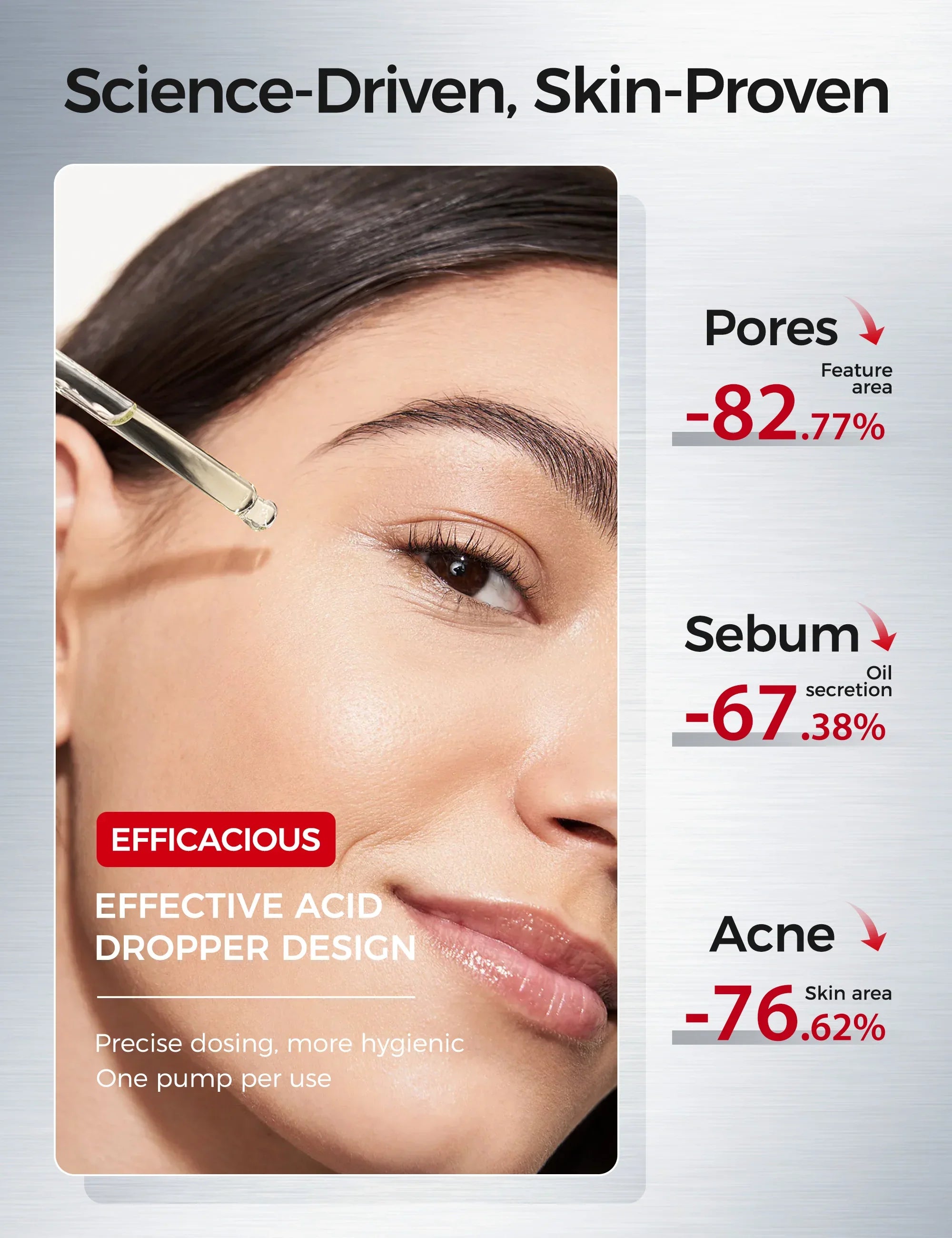
The Result: Salicylic acid doesn't just exfoliate; it is also anti-inflammatory. It calms redness while dissolving the gunk causing the acne.
Choosing the Right Exfoliant for Your Skin Type
You might be wondering, "Should I use AHA or BHA?" or "Can I use both?" The answer lies in listening to your skin concerns.
For Oily and Acne-Prone Skin: Focus on BHAs. A serum or toner containing salicylic acid will help regulate oil production and clear congestion.
For Dry and Mature Skin: Lean towards alpha hydroxy acids. A glycolic toner or lactic acid treatment will hydrate while it smooths.
For Sensitive Skin: Tread carefully. You can still exfoliate, but look for chemical exfoliators with larger molecules (like Mandelic acid) or Poly Hydroxy Acids (PHAs). Always patch test to ensure you don’t irritate your skin.
At NING Dermologie, we understand that most people have combination concerns. You might have dry cheeks but a congested nose. This is why a comprehensive routine is better than a single standalone product.
Incorporating Acids into Your Skincare Routine
Here is where people go wrong. They buy a strong exfoliating acid and slap it on every night. Two weeks later, their barrier is destroyed.
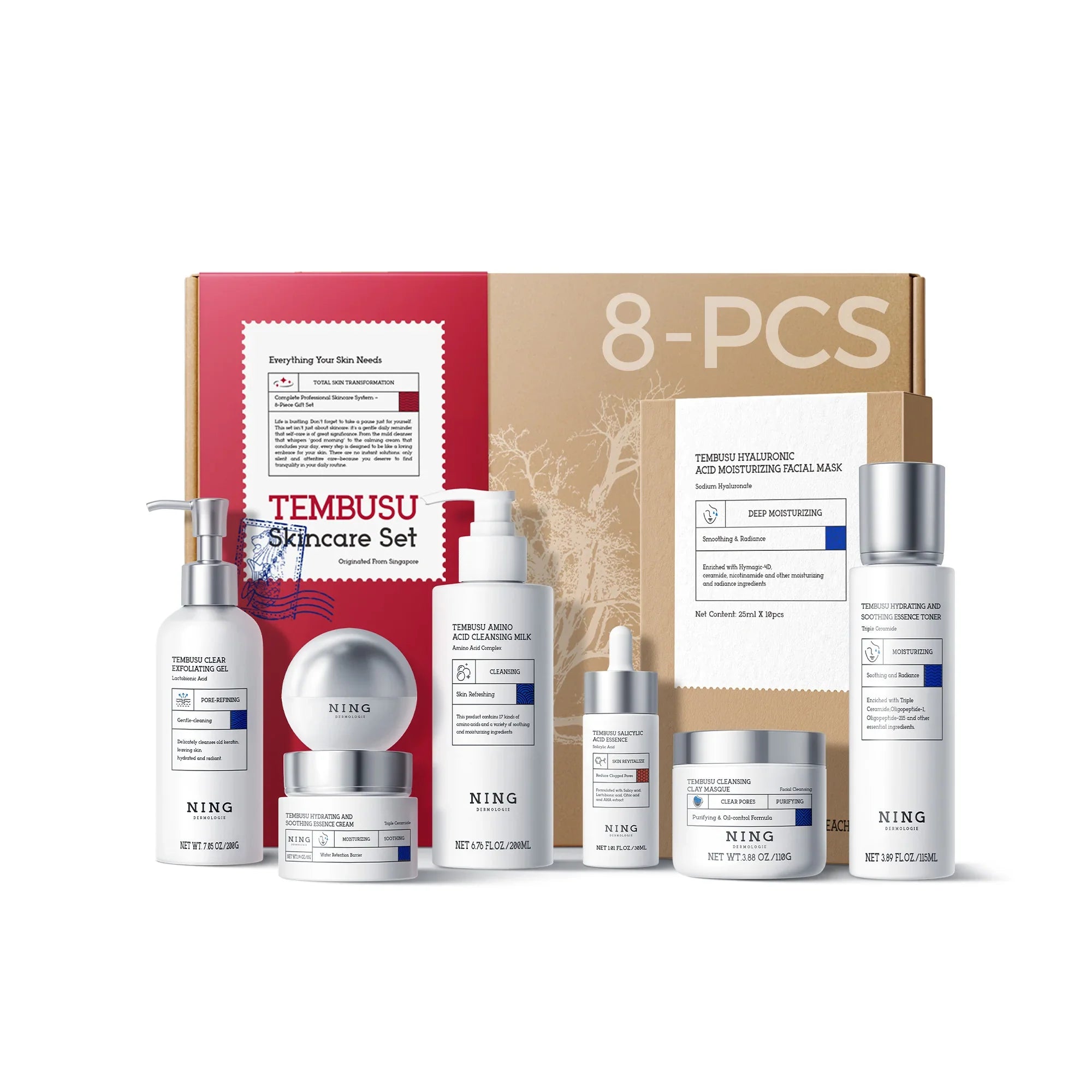
To build a sustainable skincare routine, you need balance. You cannot just strip the skin; you must replenish it. This is the core philosophy behind the TEMBUSU 8-Step Routine Skincare Set.
This set is designed to take the guesswork out of layering. It ensures that when you do use active ingredients, your skin is prepped to receive them and supported afterward with intense hydration.
The Rules of Layering
Cleanse First: Use a gentle cleanser to remove makeup and dirt.
Acid Application: Apply your chemical exfoliant (whether it's a toner or serum) to dry skin.
Wait: Give it a minute to absorb.
Hydrate: This is non-negotiable. Follow up with a hydrating essence or moisturizer. Healthy skin is hydrated skin.
The Retinol Warning: Avoid using retinol and exfoliating acids at the exact same time (e.g., one right after the other) unless your skin is extremely resilient. Alternating nights is the safest bet to avoid irritation.

How Often Should You Exfoliate?
The most common question we get is: How often should you exfoliate? The answer isn't "every day."
Daily use of high-strength acids is a recipe for disaster for 90% of people.
Beginners: Start once a week.
Intermediate: Move to 2-3 times a week.
Advanced: Some gentle toners are designed for daily use, but always read the label.
Listen to your skin. If it stings when you apply bland products, or if it looks shiny but feels tight, you are over-doing it. You need to exfoliate more or less based on how your skin feels today, not what a schedule says.
Preventing and Managing Barrier Damage
Your skin barrier (the stratum corneum) is your shield. When you use harsh exfoliators or overuse acids, you create cracks in that shield.
Signs of Damaging Your Skin Barrier:
Redness that won't go away.
Increased sensitivity to products that usually feel fine.
Breakouts that look like tiny red rash bumps rather than whiteheads.
Excessive oiliness (your skin panicking and trying to hydrate itself).
If you notice these signs, stop exfoliating immediately. Switch to a barrier-repair mode using the soothing components of the TEMBUSU 8-Step Routine Skincare Set, focusing heavily on the moisturizer and calming serums until your skin’s natural barrier heals.
Don't Forget the Body
While we focus on the face, you should also exfoliate your body. The skin on your body is thicker and can handle stronger acids.
Using a body wash with salicylic acid or a lotion with glycolic acid can treat "strawberry legs" (keratosis pilaris) and body acne. Just like your face, ensure you exfoliate your body followed by a rich moisturizer to lock in the smoothness.
Summary: The NING Dermologie Approach
Achieving that glow isn't about attacking your face; it's about strategic renewal. You can get all the benefits of AHA and BHA without the downtime if you choose the right chemical exfoliators, take care of your skin barrier, and follow a balanced system like the TEMBUSU 8-Step Routine.
Keep in mind that taking care of your skin is a long-term project. If you take care of your skin, it will glow.
Frequently Asked Questions (FAQ)
1. Can I use AHA and BHA together in the same routine?
Yes, you can use AHA and BHA together, but proceed with caution. Some pre-formulated products combine specific percentages of both to target multiple skin concerns safely. However, if you are layering separate products, it increases the risk of irritation. For most people, it is safer to alternate them—use BHA in the morning (if you have oily skin) and AHA at night, or use them on different nights. Always follow with a moisturizer to support the skin barrier.
2. How do I know if I am over-exfoliating?
Your skin will tell you loud and clear. Common signs of barrier damage include a stinging sensation when applying non-active products (like moisturizer), persistent redness, flaking, or a "tight" feeling even when oily. You might also experience a sudden breakout of tiny, inflamed bumps. If this happens, stop using all chemical exfoliants and retinol immediately. Focus solely on hydration and barrier repair until your skin returns to normal.
3. Should I use chemical exfoliants in the morning or evening?
Generally, it is best to use chemical exfoliators in the evening. Alpha hydroxy acids (AHAs), such as glycolic acid, can make your skin more sensitive to the sun (photosensitivity). Using them at night gives your skin time to recover. Salicylic acid (BHA) doesn't make skin more sensitive to light, but it's still better to use it at night to get rid of the dirt from the day. Regardless of when you exfoliate, you must apply a broad-spectrum sunscreen every single morning to protect your skin.
4. Is salicylic acid safe for sensitive skin?
Salicylic acid can be safe for sensitive skin if used correctly, as it has natural anti-inflammatory properties that can soothe redness. But concentration is important. Look for lower concentrations (0.5% to 1%) and stay away from alcohol-based formulas that make the skin dry. Patch test first if your skin is very sensitive. You could also try Poly Hydroxy Acids (PHAs) or Mandelic Acid (AHA). These are bigger molecules that take longer to get through the skin, which lowers the risk of stinging.
5. Can I use exfoliating acids if I am using Retinol?
Using exfoliating acids and retinol in the same routine is a high-risk move for damaging your skin barrier. Both are potent actives that increase skin cell turnover. If you use them both at the same time, your skin may become very dry and peel. The "Skin Cycling" method is a great way to do things: exfoliate on Night 1, use retinol on Night 2, and hydrate and recover on Night 3 and 4. This allows you to reap the benefits of both ingredients without damaging your skin.
6. What is the difference between an exfoliating serum and a toner?
The main differences are the vehicle and the concentration. An exfoliating toner is a liquid that you put on after you wash your face to get your skin ready and give it a light polish every day. Serums usually have a higher concentration of active ingredients, like high-strength glycolic or salicylic acid, and are meant to fix specific problems, like deep wrinkles or stubborn acne. If you're new to acids, it's usually better to start with a mild toner in your skincare routine than to go straight to a strong serum.





Share:
Acne Solutions: Discover the Best Salicylic Acid Serums
Can I use a skincare set if I have sensitive skin?