

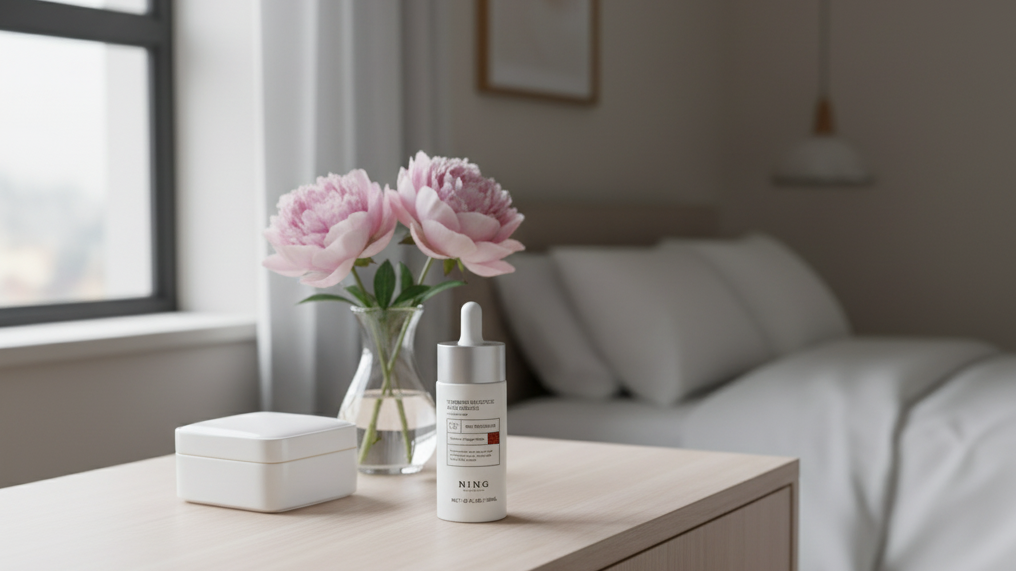

Stop Guessing: Everything You Need to Know About Picking the Right Salicylic Acid for Your Skin
We’ve all been there—standing in the skincare aisle, staring at a dozen bottles that all promise "clear skin" and "glowing skin," feeling more confused than when we walked in. If you’ve ever dealt with a stubborn breakout that just won't quit, or pores that seem visible from space, you’ve likely heard that salicylic acid is the holy grail. But here’s the thing: just because a product contains this powerful beta hydroxy acid doesn't mean it’s the right fit for your specific face.
In the world of skincare, concentration is king. Use too little, and you’re just splashing expensive water on your face. Use too much, or the wrong formula, and you’ll end up with a skin barrier that feels like it’s been through a paper shredder. At NING Dermologie, we believe in the philosophy of "intelligent exfoliation." It’s not about blasting your skin into submission; it’s about listening to your skin and giving it exactly what it needs.

How Does Salicylic Acid Work, Anyway?
Before you dump your current skincare routine and start fresh, let’s talk about how this acid actually functions. Unlike lactic acid or glycolic acid (which are AHAs that mostly hang out on the surface), salicylic acid is a powerful oil-soluble ingredient.
Think of AHAs like a broom that sweeps the front porch. Salicylic acid work is more like a professional pipe cleaner. Because it’s oil-soluble, it can actually dive deep into the layers of the skin and into your pores. It works by dissolving the "glue" that holds dead skin cells together. By clearing out that gunk—excess sebum, debris, and old cells—it prevents the clogs that turn into blackheads and painful cysts.
Beyond just deep cleaning, salicylic acid offers anti-inflammatory benefits. It calms the redness that usually accompanies a flare-up, which is why it's so effective for treating acne-prone skin.
Understanding Your Skin Type and Concerns
You wouldn't wear a heavy wool coat to the beach, so why would you apply a harsh 2% peel to bone-dry, sensitive skin? Choosing the right salicylic acid starts with an honest look in the mirror.
The Oily and Acne-Prone Skin Struggle
If your face starts looking like a glazed donut by 2 PM, you’re likely in the oily skin camp. For you, salicylic acid is a powerful ally. Your pores are likely producing too much sebum, which traps dead skin cells and creates a breeding ground for bacteria. Oily and acne-prone skin can typically handle a higher concentration, like a 2% Salicylic Acid Serum, which is the gold standard for keeping things matte and clear.
The Dry or Sensitive Skin Dilemma
Many people think that if they have dry skin, they should avoid acids entirely. That’s a myth. Even sensitive skin types need to exfoliate the skin to prevent dullness and promote skin cell turnover. However, for sensitive or dry skin, the approach must be much gentler. You want a salicylic acid product that balances the exfoliation with soothing agents so you don't make your skin feel tight or itchy.
Combination Skin
This is the "best of both worlds" (or the worst, depending on how you look at it). You have an oily T-zone but dry skin on your cheeks. Incorporating salicylic acid here requires a targeted approach—maybe a serum just for the nose and chin, and a hydrating hyaluronic acid for the rest.
How to Choose the Best Salicylic Acid for Your Routine
When you choose the right product, you have to look at the delivery system. Salicylic acid products typically range from 0.5% to 2%, and they come in many forms.
-
Salicylic Acid Cleanser: Great for beginners or those with sensitive skin types. Since you wash it off, the acid doesn't sit on the skin for long, reducing the risk of skin irritation.
-
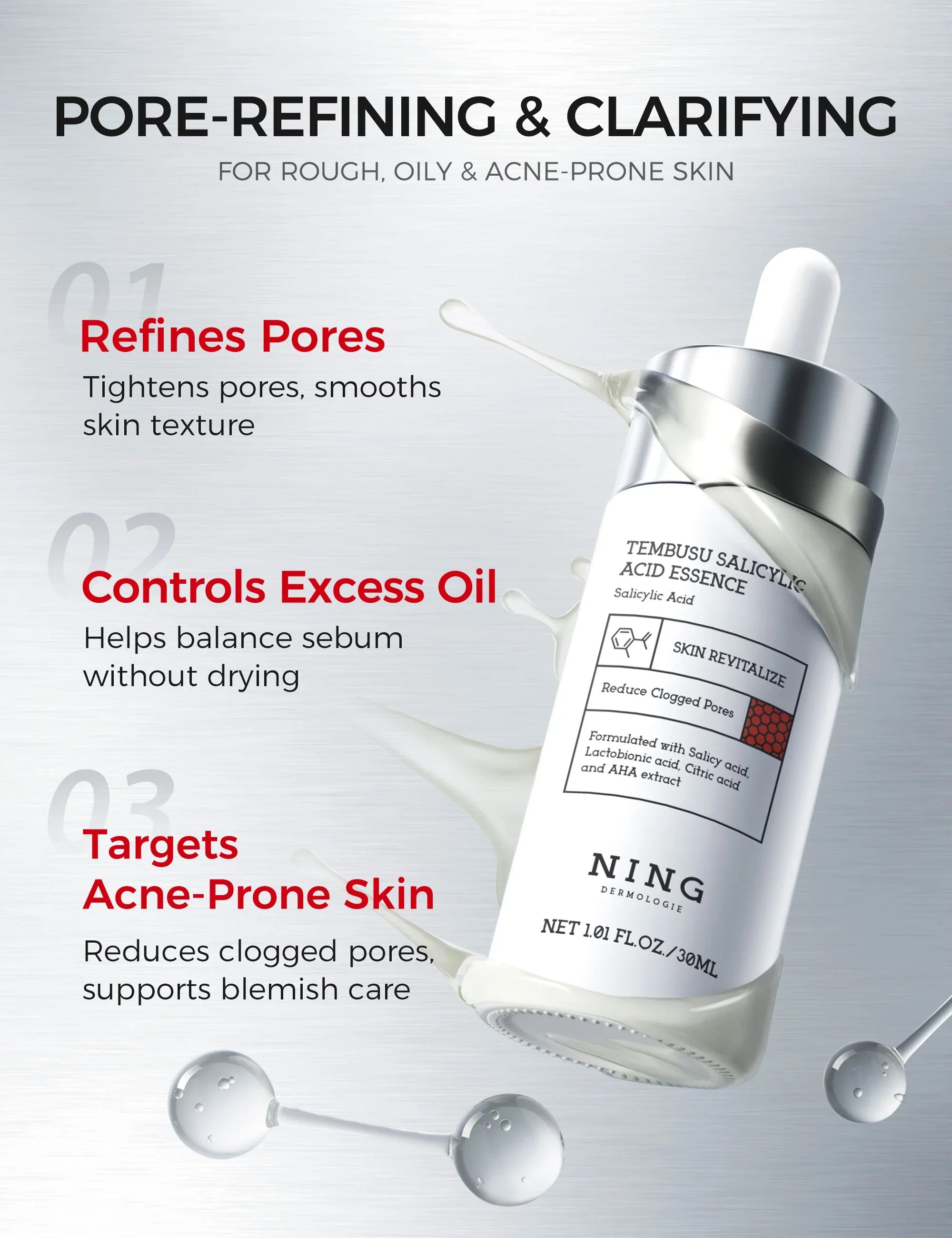
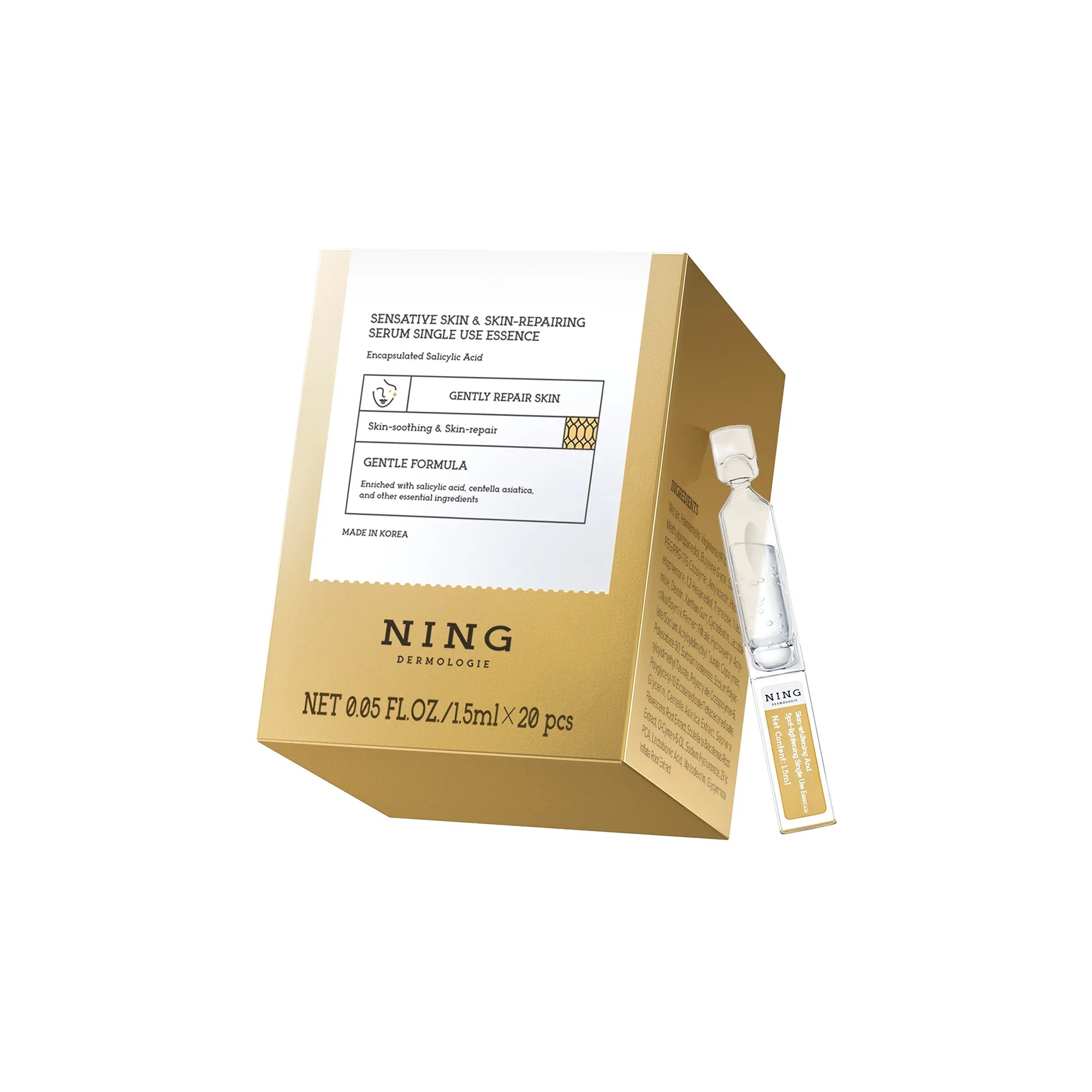
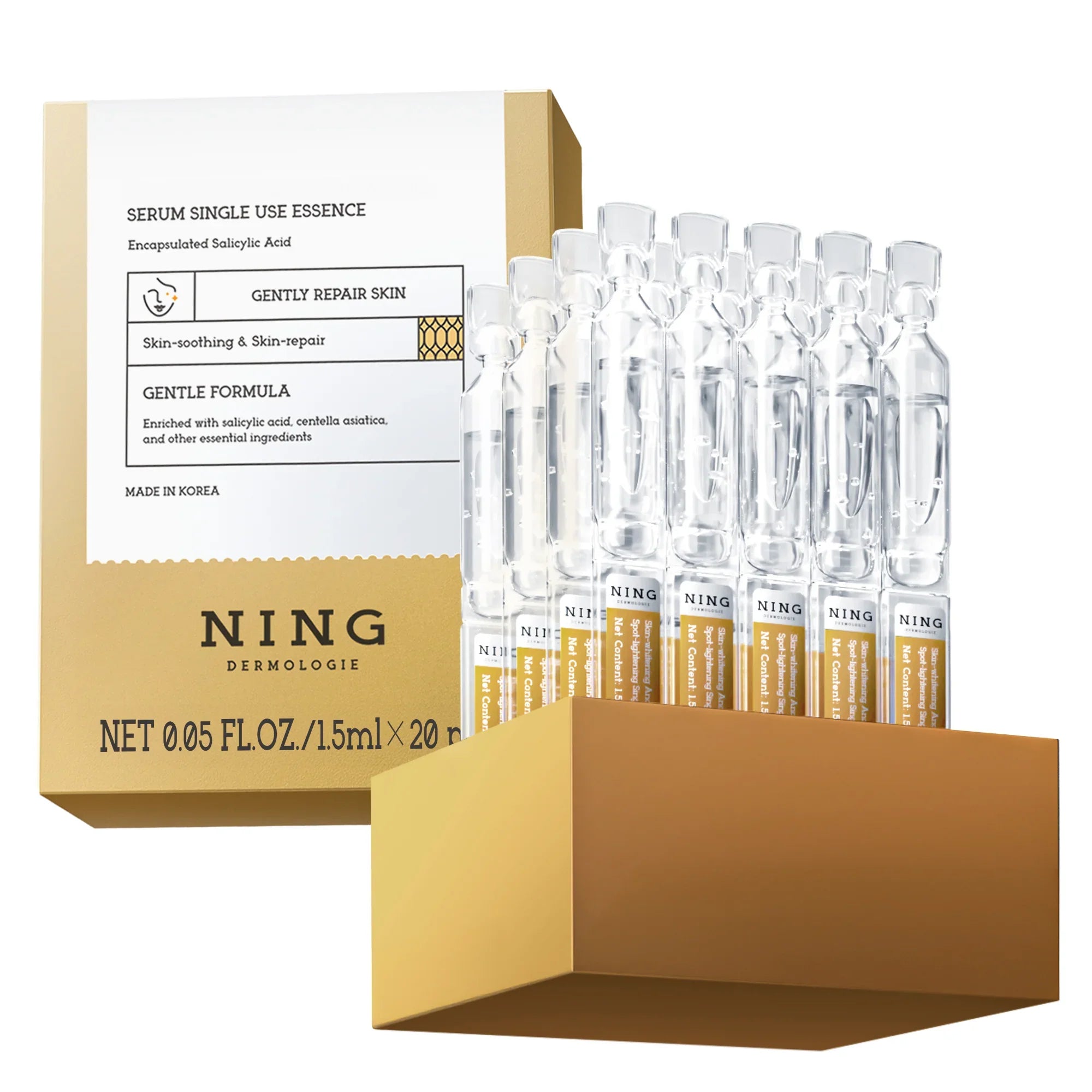
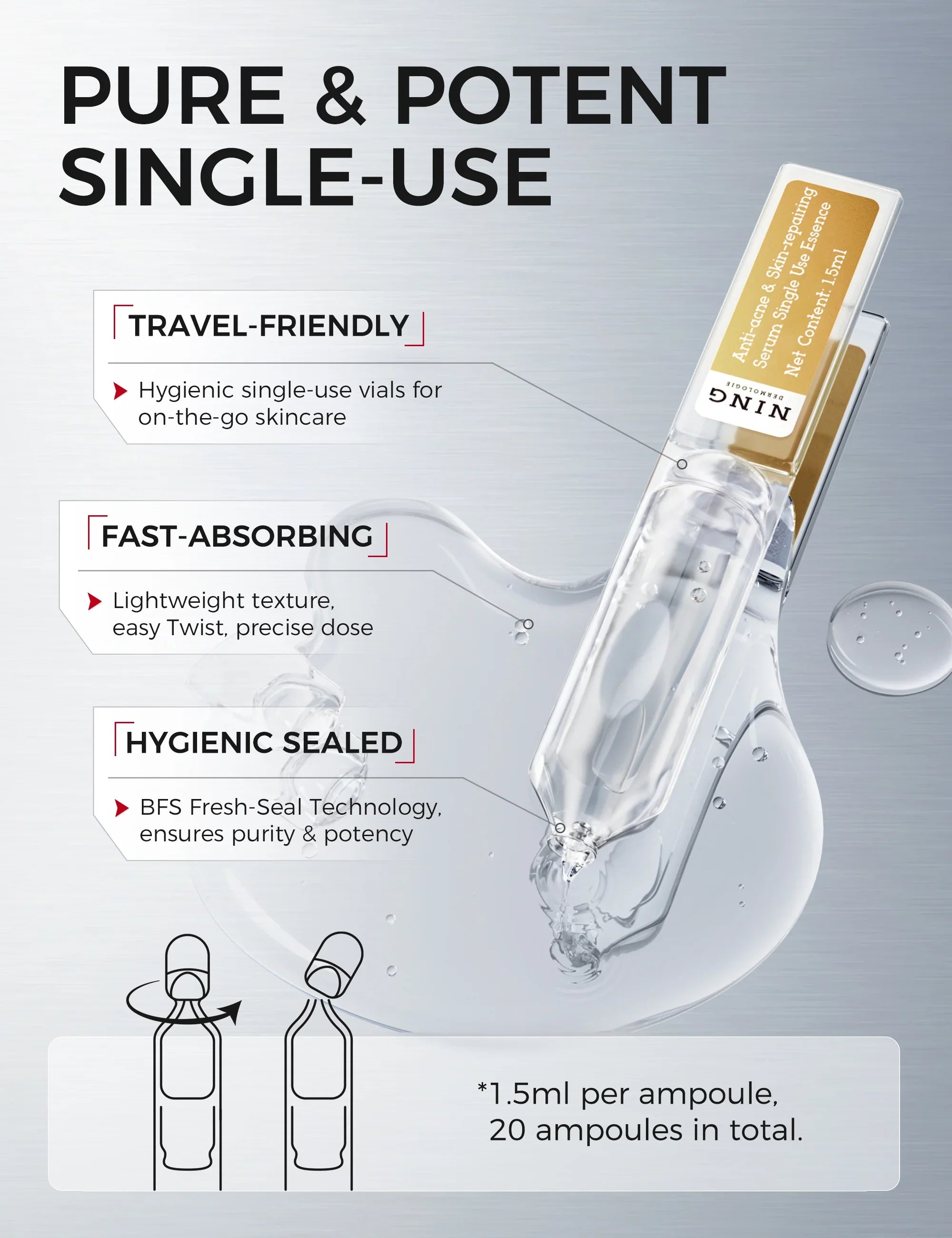
Leave-on Serums: This is where you see the real magic. A formula like the NING Dermologie 2% Salicylic Acid Serum stays on the skin, allowing the BHA to work throughout the day or night.
-
Spot Treatments: These are usually high-concentration (2%) and meant only for active "disasters."
Incorporating Salicylic Acid: The Golden Rules
Introduce salicylic acid slowly. Even if you're desperate for clear skin, don't start using it twice a day immediately.
Step 1: See How Your Skin Reacts
Start by using your salicylic acid product just twice a week at night. Watch for skin responds. Is there redness? Flaking? If your skin feels fine after a week, you can move up to every other night.
Step 2: Salicylic Acid at Night vs. Morning
While you can use salicylic acid in the morning, it’s generally better to use salicylic acid at night. Why? Because it can make your skin more vulnerable to environmental stressors. If you do use it during the day, you MUST wear a broad-spectrum SPF. Since salicylic acid can make your skin more sensitive to UV rays, skipping sunscreen is a recipe for hyperpigmentation.
Step 3: Don't Mix Everything at Once
I see this mistake all the time: someone uses a salicylic acid cleanser, followed by a vitamin c and salicylic acid toner, then tops it off with a retinoid. Stop! Salicylic acid with retinoids can be a disaster for your skin barrier if you aren't an expert "skincare chemist." If you use a retinoid, use your BHA on the alternate nights.
Transform Your Skin: What to Expect
With regular use of salicylic acid, you won't see a miracle overnight. It takes time for the skin cell turnover to reflect the deep cleaning happening in your pores.
- Week 1-2: You might experience "purging." This is when the acid in your skincare routine brings existing clogs to the surface. It’s annoying, but it means the acid work is actually happening.
- Week 4-6: You’ll notice smoother skin and a significant reduction in blackheads. Your skin texture will start to look more refined.
- Week 8+: This is when you hit the glowing skin phase. With consistent use, your skin remains healthy skin because the pores are no longer blocked, and inflammation is kept at bay.

The NING Dermologie Difference
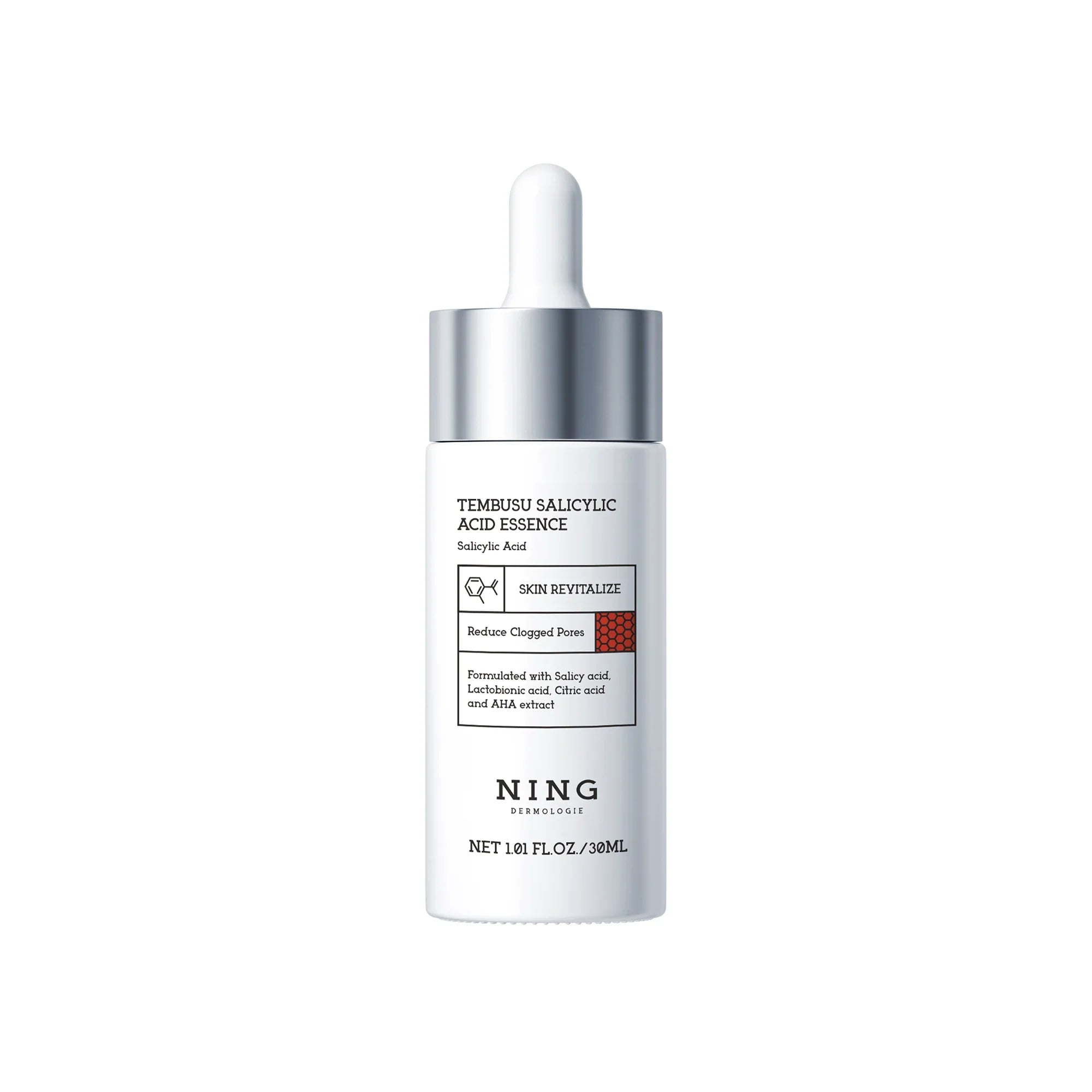
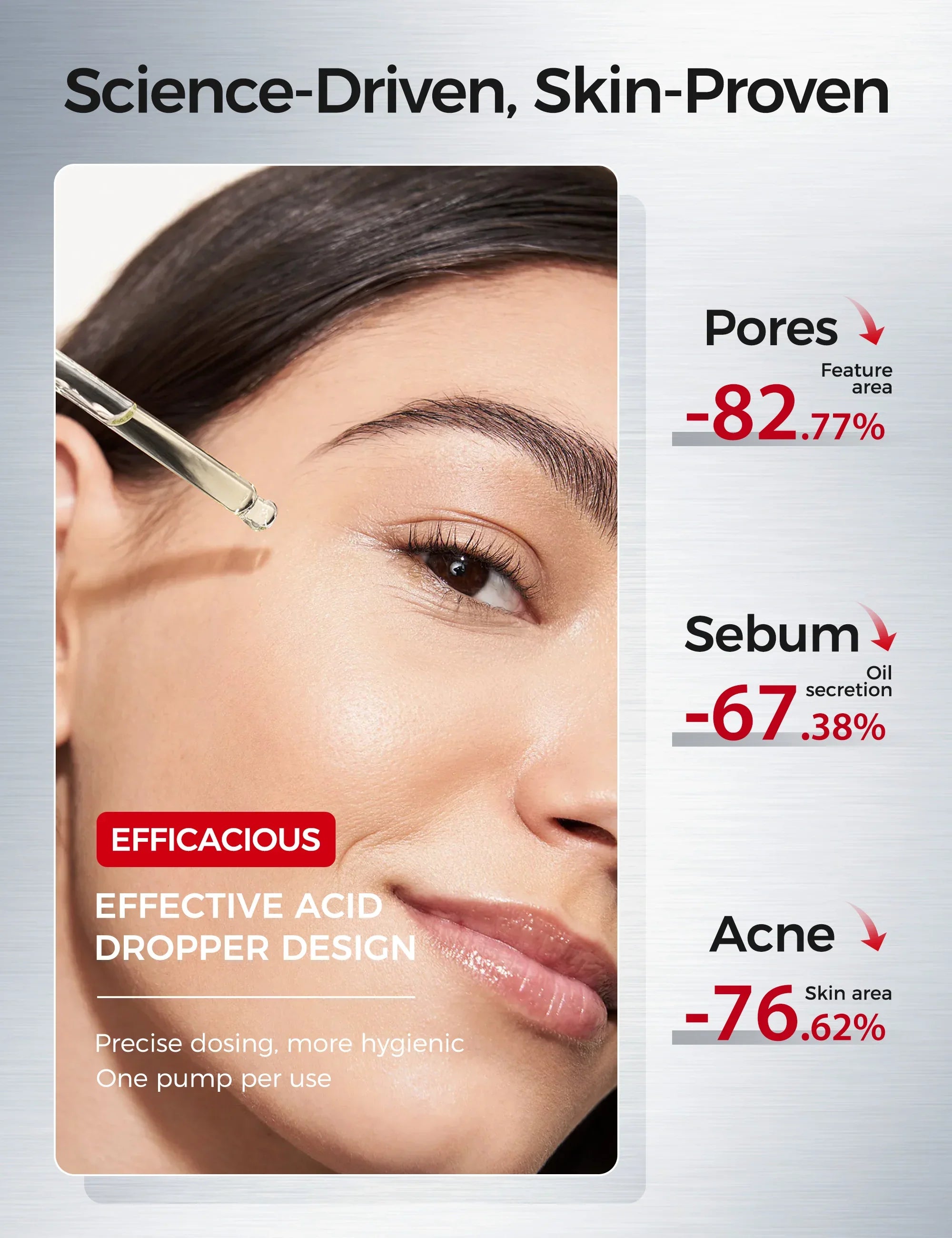
At NING Dermologie, we don't believe in "one size fits all." Our 2% Salicylic Acid Serum was designed to provide professional-grade results while respecting the skin barrier. We know that maintaining skin health is just as important as killing acne. By combining the right salicylic acid concentration with skin-supporting ingredients, we help you transform your skin without the dreaded "peeling face" look.
Whether you are choosing the right salicylic acid for the first time or you’re a seasoned pro, the key is listening to your skin. If it gets angry, back off. If it thrives, keep going.
Frequently Asked Questions (FAQ)
1. Can I use salicylic acid every day?
Honestly, it depends on what your face can handle. If you’ve got oily and acne-prone skin, your pores might eventually love daily use, but you’ve got to build up to it. For dry or sensitive skin, stick to 2-3 times a week max. Overdoing it is a fast track to skin irritation and a wrecked skin barrier, which—ironically—usually triggers even more pimples. Always see how your skin reacts before getting aggressive.
2. Is it okay to use Vitamin C with salicylic acid?
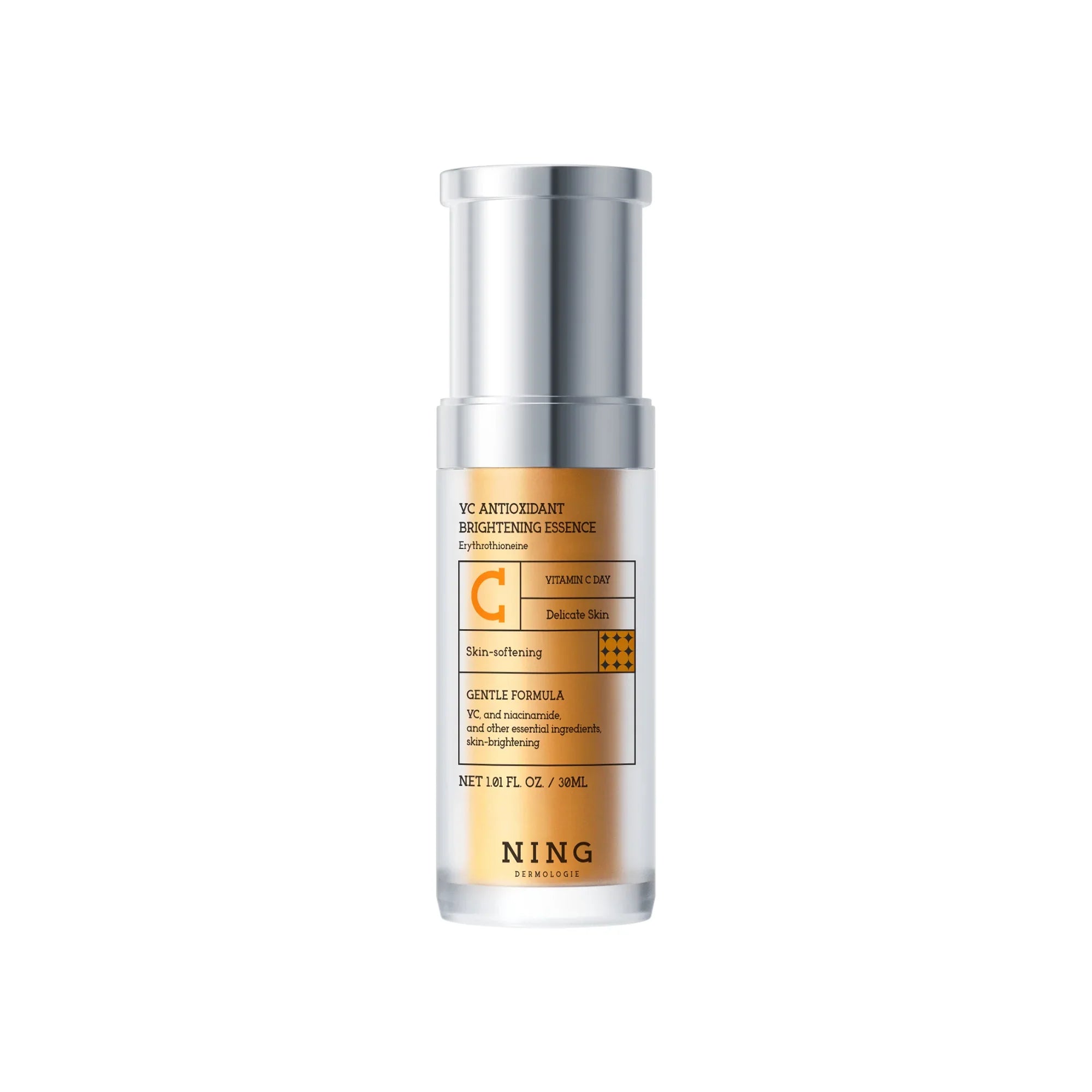
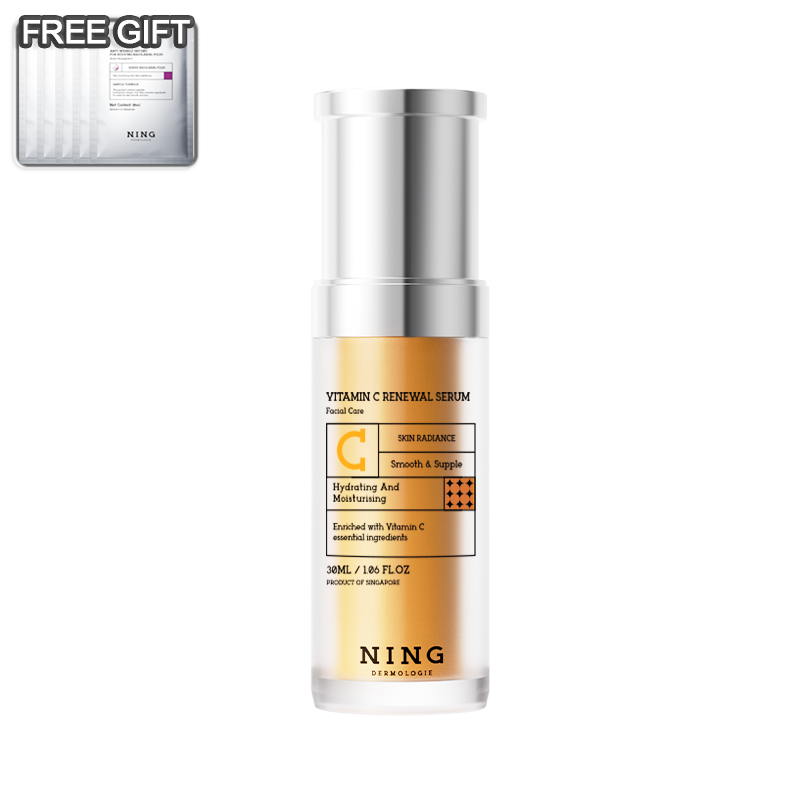
Technically, yes, but it’s tricky. Both are acidic and can cause irritation if layered directly. It is better to use your Vitamin C in the morning for antioxidant protection and your salicylic acid at night to clear out pores. This way, you get the benefits of salicylic acid without overwhelming your face or neutralizing the effectiveness of either product.
3. Will salicylic acid help with my large pores?
While you can’t physically change the size of your pores (thanks, genetics!), salicylic acid work helps them appear much smaller. When pores are filled with dead skin cells and oil, they stretch out and look larger. By using salicylic acid to ensure those pores stay empty, they snap back to their natural shape, giving you much smoother skin and a filtered look.
4. What should I do if my skin starts peeling?
Peeling is a sign that you’ve overdone it. Sensitive skin types should start with a lower frequency. If you flake, stop the acid for 3-4 days and focus on hyaluronic acid and ceramides to maintain skin hydration. Once the peeling stops, reintroduce the acid more slowly. Always follow up with a moisturizer like those from NING Dermologie to protect your skin barrier.
5. Can I use salicylic acid while pregnant?
It’s a bit of a gray area, so most dermatologists play it safe by suggesting you limit the use of salicylic acid—especially high-strength peels—while pregnant. While a 2% wash or serum is usually low-risk, hormones make your skin do weird things anyway. Always consult a dermatologist or your doctor before incorporating salicylic acid just to be 100% sure you and the baby are good.
6. Does salicylic acid help with aging and wrinkles?
It’s not just for teenagers! While it’s famous for zits, salicylic acid offers some solid anti-aging perks too. By speeding up skin cell turnover and shedding those dull dead skin cells, it can definitely blur fine lines and fix a rough skin texture. It won't replace a heavy-duty retinoid for deep wrinkles, but for getting that glowing skin look, it’s a total game-changer in any skincare routine.
Ready to start your journey to clearer skin? Explore the NING Dermologie 2% Salicylic Acid Serum and give your pores the deep clean they’ve been waiting for. Your healthy skin era starts now.





Share:
Unlocking Clear Skin: Salicylic Acid Benefits and Uses
Salicylic Acid Revolutionizes Acne Care: Science-Backed Benefits