

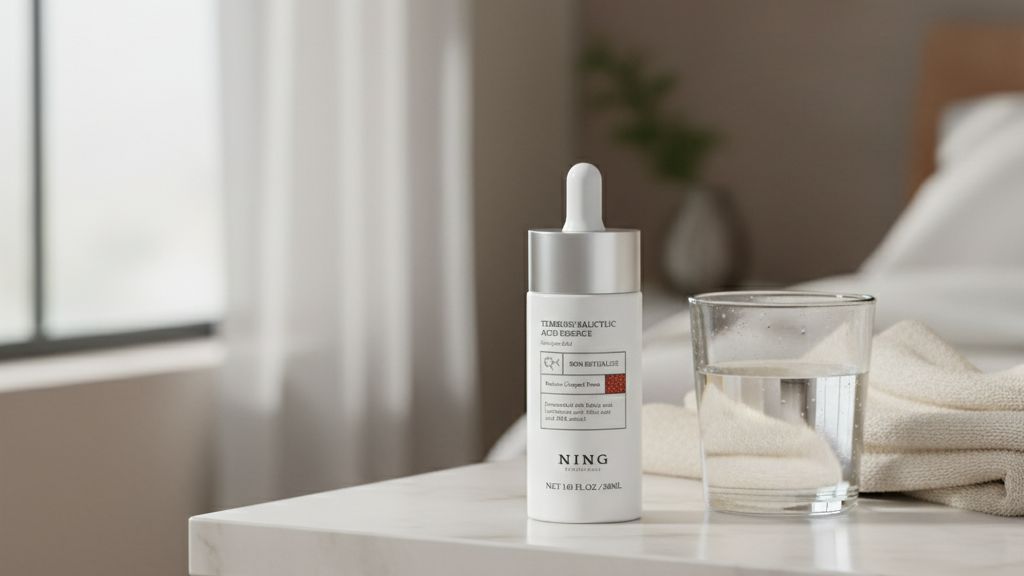

Stop "Buffing" Your Acne: Why Your Pores Actually Need a Salicylic Acid Intervention
If you’ve spent any amount of time staring at your reflection, tallying up every new pimple and wondering why your current skincare routine feels like a losing battle, you aren’t alone. We’ve all been there—buying every acne treatment on the shelf, hoping for a miracle, only to end up with dry skin that stings at the mere thought of a moisturizer.
But here is the blunt truth: you cannot scrub away acne. You cannot intimidate it into leaving. To actually treat acne, you have to understand the biological traffic jam happening inside your pore. This is where salicylic acid stops being just another ingredient in skin care products and starts becoming your skin’s best friend.
At NING Dermologie, we believe in biology over hype. Let’s strip away the marketing fluff and look at the science of why salicylic acid for acne is still the undisputed gold standard.

What is Salicylic Acid, Really? (And Why Your Oily Skin Craves It)
Most people know it’s an acid, but not all acids are created equal. Salicylic acid is a beta hydroxy acid (BHA). If you remember anything from high school chemistry, remember this: BHAs are oil-soluble.
Why does that matter for your acne treatment? Well, Alpha Hydroxy Acids (like lactic acid or glycolic acid) are water-soluble. They sit on the surface, doing a great job of brightening, but they can’t get past the oil slick of oily skin. Salicylic acid works differently because it can actually penetrate through the sebum (skin oil) and get deep into the pore.
Once inside, salicylic acid exfoliates the lining of the pore. It dissolves the "glue" holding dead skin cells and oil together. Think of it as a pipe cleaner for your face. This unique ability to reach the causes of acne where they start is what makes it a game-changer for overall skin health.
The Science of Success: How Salicylic Acid Works on Acne
When you have a skin condition prone to breakouts, your skin doesn't shed dead skin cells properly. They get trapped, mix with oil, and create a plug. That plug becomes a pimple.
The Multi-Action Attack
-
Exfoliate the skin: It doesn't just sand down the surface; salicylic acid helps by chemically loosening the debris.
-
Reduce inflammation: One of the most underrated benefits of salicylic acid is its heritage. It is a derivative of acetylsalicylic acid—better known as Aspirin. This means it naturally helps calm the inflammation and redness of acne lesions.
-
Acne Control: By keeping the pores clear, you aren't just treating existing acne; you are preventing the next breakout from even forming.
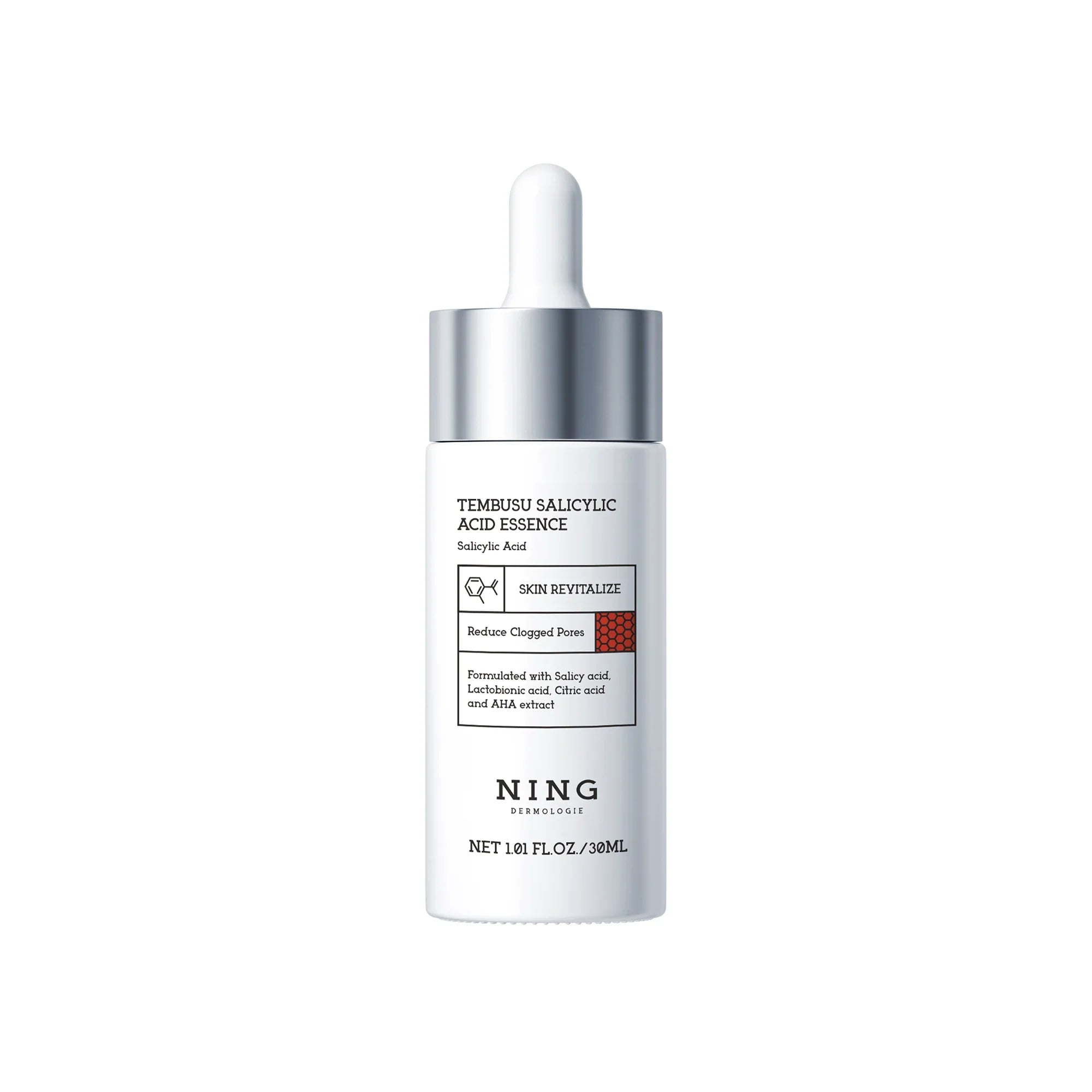
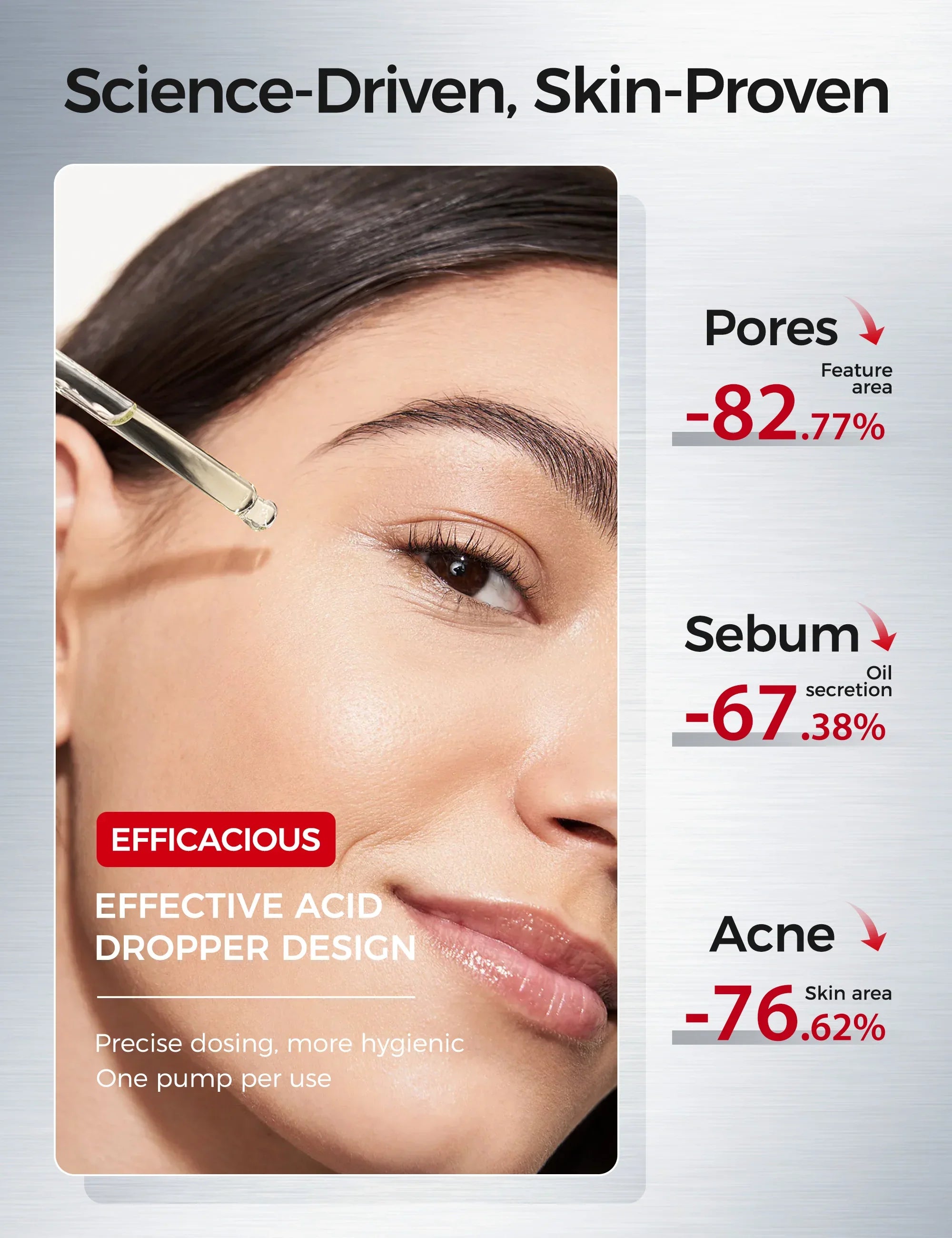
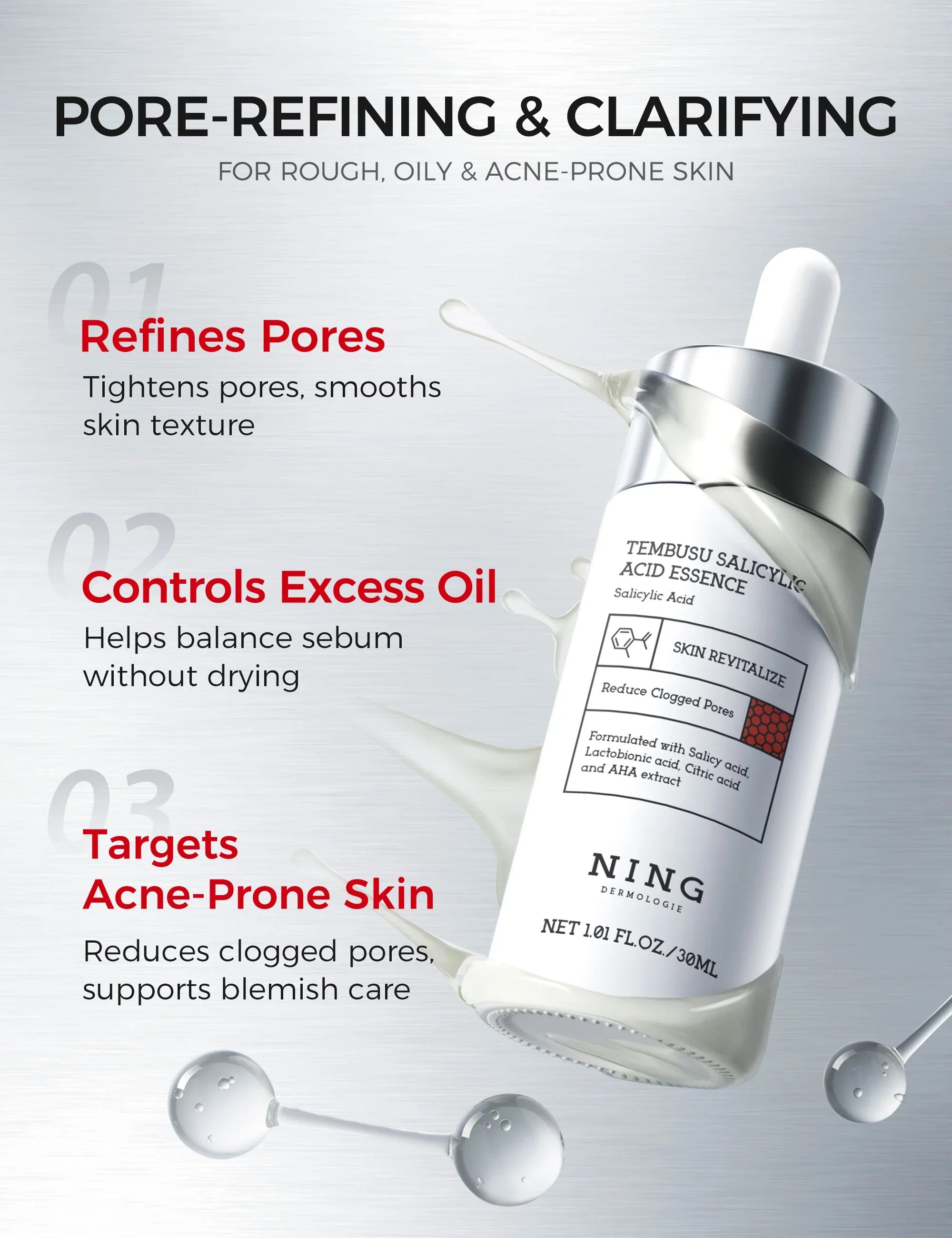
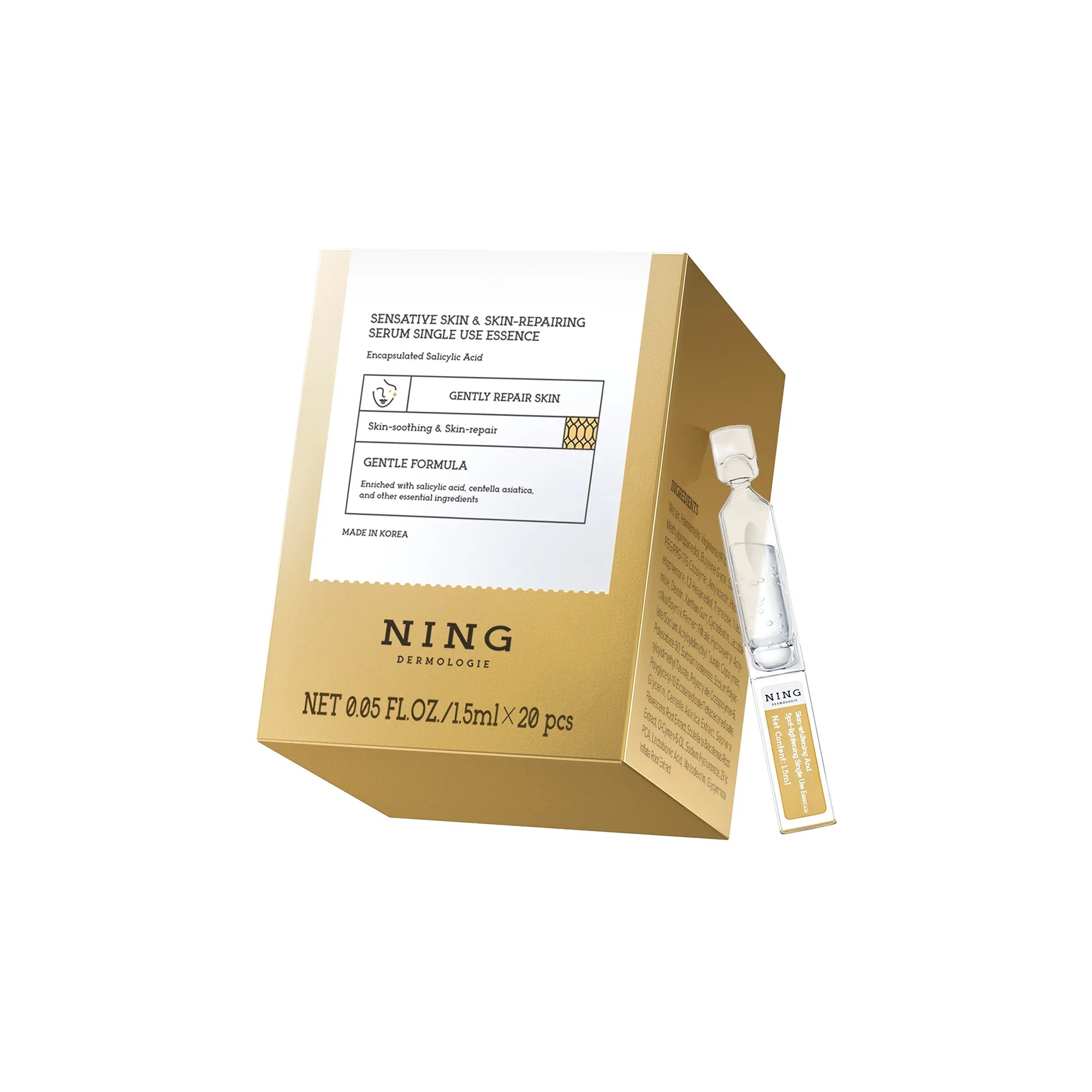
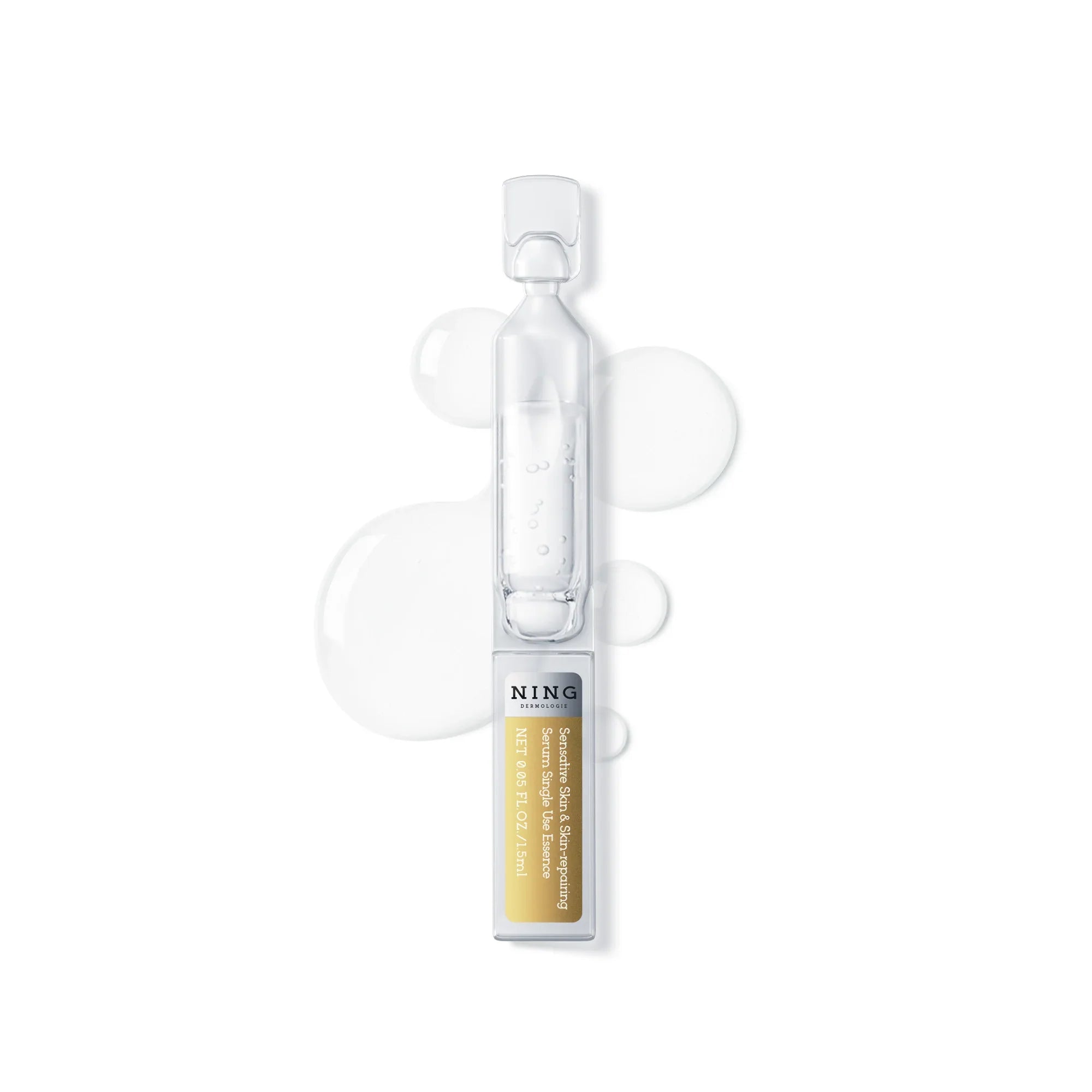
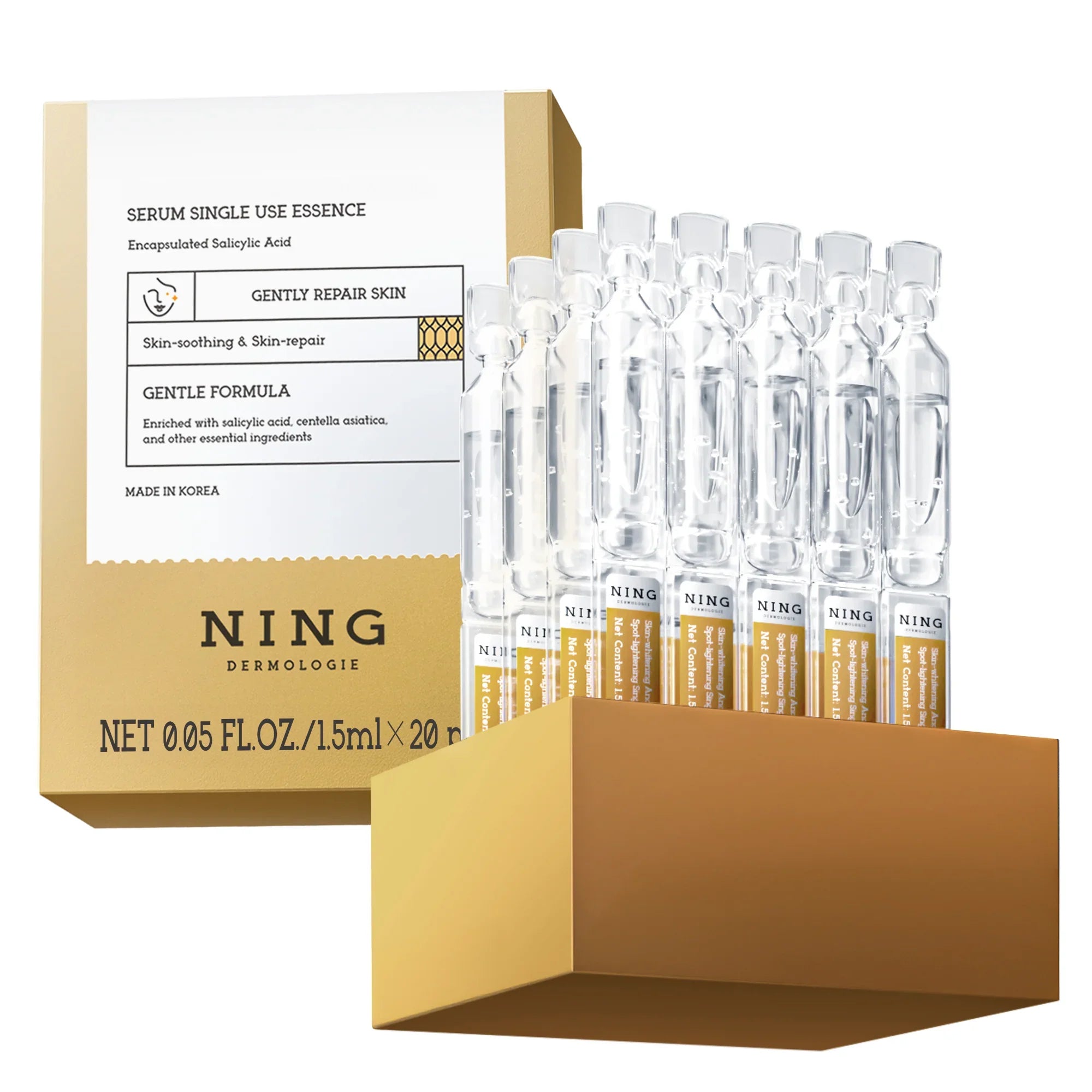
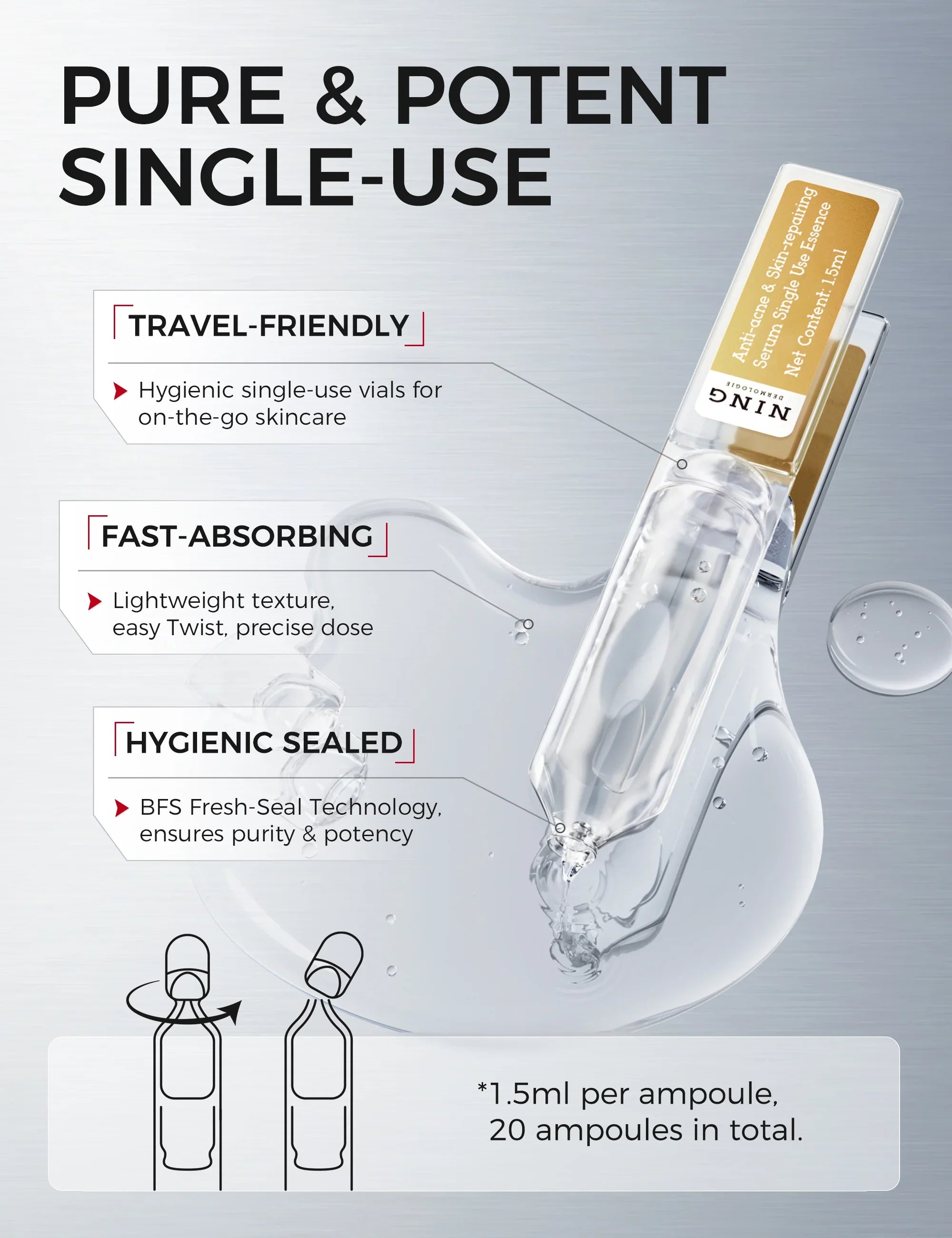
At NING Dermologie, we’ve harnessed this science into our 2% Salicylic Acid Serum. It’s formulated to deliver these improvements in skin texture without the aggressive "burn" associated with a clinical salicylic acid peel.
Salicylic Acid vs. Benzoyl Peroxide: The Great Debate
If you’ve walked down the skin care aisle, you’ve seen these two fighting for your attention. Here’s the "cheat sheet" on which one you actually need.
Benzoyl peroxide is a bouncer. It kills the bacteria that cause acne. It’s effective, but it’s notorious for causing skin irritation, bleaching your pillowcases, and leaving your facial skin feeling like parchment paper.
Salicylic acid, on the other hand, focuses on the environment. It removes the dead skin cells that the bacteria feed on. For those with sensitive skin or combination skin, use salicylic acid is often the much smarter move. It tends to be gentler and offers anti-aging benefits by smoothing out skin texture and dealing with skin pigmentation issues left behind by old spots.
Designing a Skincare Routine That Doesn't Backfire
I see it every day: someone gets a new salicylic acid product, applies it four times a day, and then wonders why their skin starts peeling off in sheets. Using a salicylic acid treatment requires a bit of strategy.
Start Slow for Real Results
If you have sensitive skin, don't jump into a daily use rhythm immediately. Start two or three nights a week. Your skin adjusts over time. If you overdo it, you risk a compromised skin barrier, which actually makes acne symptoms worse because bacteria can enter the skin more easily.
The NING Dermologie Protocol
When incorporating salicylic acid into your life, follow this flow:
- Cleanse: Use a gentle wash to remove dead skin cells from the surface.
- Treat: Apply a thin layer of our 2% Salicylic Acid Serum. Let it penetrate for a minute.
- Hydrate: This is non-negotiable. Even oily skin needs skin hydration. Look for products with hyaluronic acid to lock in moisture without clogging pores.
- Protect: Since salicylic acid may make your skin feel more sensitive to the sun, you must use sunscreen every single morning. No excuses.
Long-Term Benefits: Beyond the Breakout
While the immediate goal is to reduce acne, the regular use of a high-quality salicylic acid formula does so much more. Over time, you’ll notice your skin texture becoming refined. It helps with scaly skin and can even improve skin elasticity by promoting cell turnover.
Unlike harsh acne medications that you stop once the pimples are gone, a low-concentration BHA can stay in your skincare routine as a maintenance tool. It keeps the pore structure tight and ensures that dead skin cells don't build up and make your skin look dull or aged.

Potential Side Effects: What to Watch For
Let's be honest—nothing is a miracle cure without some fine print. Salicylic acid's strength is also its risk. Because it’s so good at removing oil, it can cause some side effects like dry skin or minor skin irritation if misused.
Who should be careful?
- If you have extremely dry skin, you might find that a salicylic acid peel or high-strength serum is too much.
- Avoid using it at the same time as other heavy hitters like glycolic acid or retinoids unless your skin is very resilient.
- Avoid products that contain alcohol, as the combination will strip your skin without mercy.
At NING Dermologie, we prioritize overall skin health. Our 2% Salicylic Acid Serum is designed to balance potency with soothing botanicals to ensure you get the acne but also the glow.
The Verdict: Is it Worth the Hype?
In a world of "overnight fixes" and viral TikTok trends, salicylic acid is the steady, reliable worker. It is widely recognized by dermatologists because it simply works. Whether you are dealing with severe acne, occasional pimple outbreaks, or just want smoother skin, this beta-hydroxy acid is the most versatile ingredient in skin care products you can own.
Don't let acne issues dictate your confidence. By using a salicylic acid serum that respects your skin barrier, you aren't just treating a symptom—you're changing the future of your face.
Ready to see the difference? Explore the NING Dermologie 2% Salicylic Acid Serum and take the first step toward the improvements in skin you’ve been waiting for.
Frequently Asked Questions (FAQ)
1. Can I use salicylic acid every day?
It depends on your skin's "patience." While most 2% formulas are labeled for daily use, diving in head-first usually leads to a mess of dry skin and peeling. Start slow—maybe twice a week. If your skin feel stays comfortable, go ahead and dial it up. If you start stinging, back off. It’s a marathon, not a sprint to treat acne.
2. Is it safe for sensitive skin?
Salicylic acid for acne is generally safer for sensitive skin than benzoyl peroxide. However, you should still patch-test. Use a low-concentration salicylic acid product and ensure you're prioritizing skin hydration. If you experience burning, wash it off immediately. Our NING Dermologie serum is formulated to be effective yet mindful of reactivity.
3. Does it help with blackheads and pores?
Absolutely. Because salicylic acid penetrates deep into the pore to remove dead skin cells and oil, it is the gold standard for clearing blackheads. It doesn't just "shrink" pores (which is a myth), but by keeping them clean, it makes them appear much smaller and improves overall skin texture.
4. Will it make my skin purge?
It’s possible. When you start a new acne treatment, it speeds up cell turnover. This can bring "underground" pimple issues to the surface faster. This isn't your skin getting worse; it’s your skin cleaning house. Stick with it for at least 4-6 weeks to see the true benefits of salicylic acid.
5. Can I mix it with Vitamin C or Retinol?
Be careful. Using salicylic acid alongside other strong skincare products can lead to a compromised skin barrier. It’s usually best to use your BHA serum in the morning (with use sunscreen) and your Retinol at night. This spacing helps treat acne without causing massive skin damage or redness.
6. Can I use it while pregnant?
Here’s the deal: clinical-strength salicylic acid peel treatments are a no-go while pregnant. That said, most docs aren't too worried about a 2% serum used on small areas, but we aren't your OB-GYN. Always run your care products list by your doctor first just to be safe. At NING Dermologie, we’d rather you play it cautious with acne medications during this period.





Share:
Choosing the Right Salicylic Acid Concentrations for Different Skin Types
Unlocking Clear Skin: Salicylic Acid Benefits and Uses