

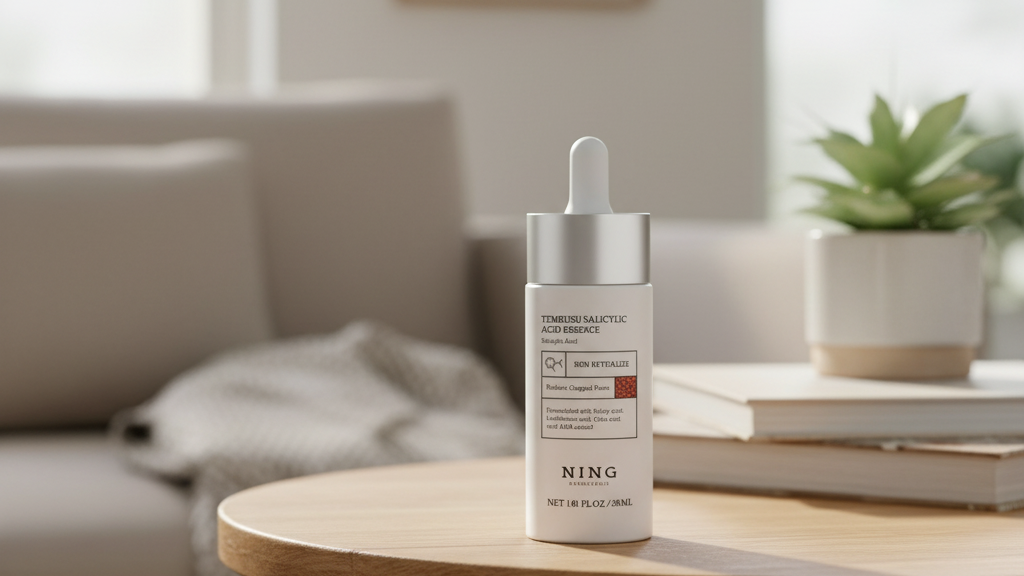

The Real Talk on Salicylic Acid: How to Actually Get Clear Skin
The skincare world is obsessed with "glow," but when you’re staring at a stubborn breakout or textured "strawberry nose" in the mirror, you don't want a glow—you want a solution. That is exactly where salicylic acid steps into the ring.
I’ve spent years looking at formulations, and if there is one skincare ingredient that consistently delivers on the promise of clearer skin, it’s this one. But here’s the catch: most people use it wrong, irritate their faces, and then give up right before the magic happens.
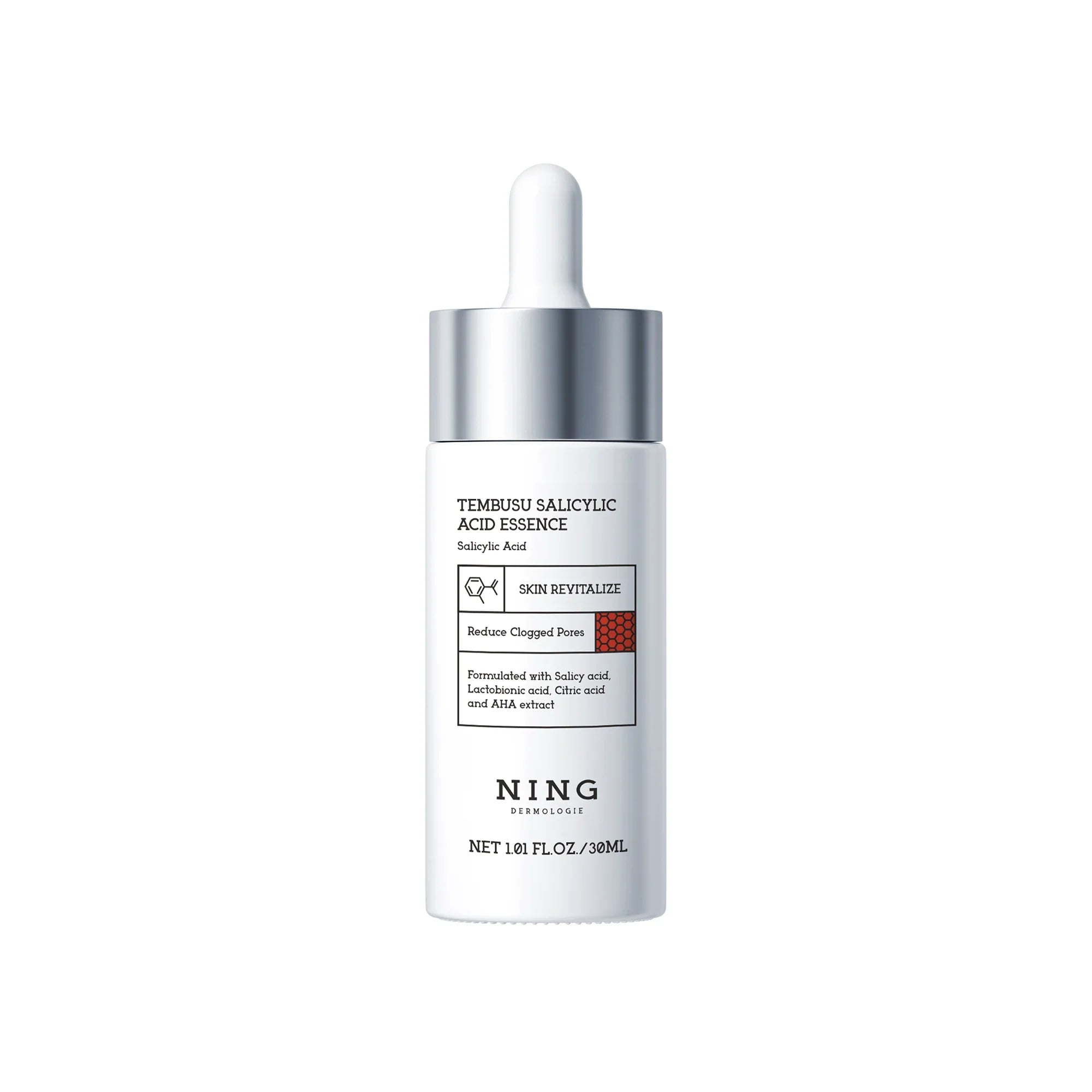
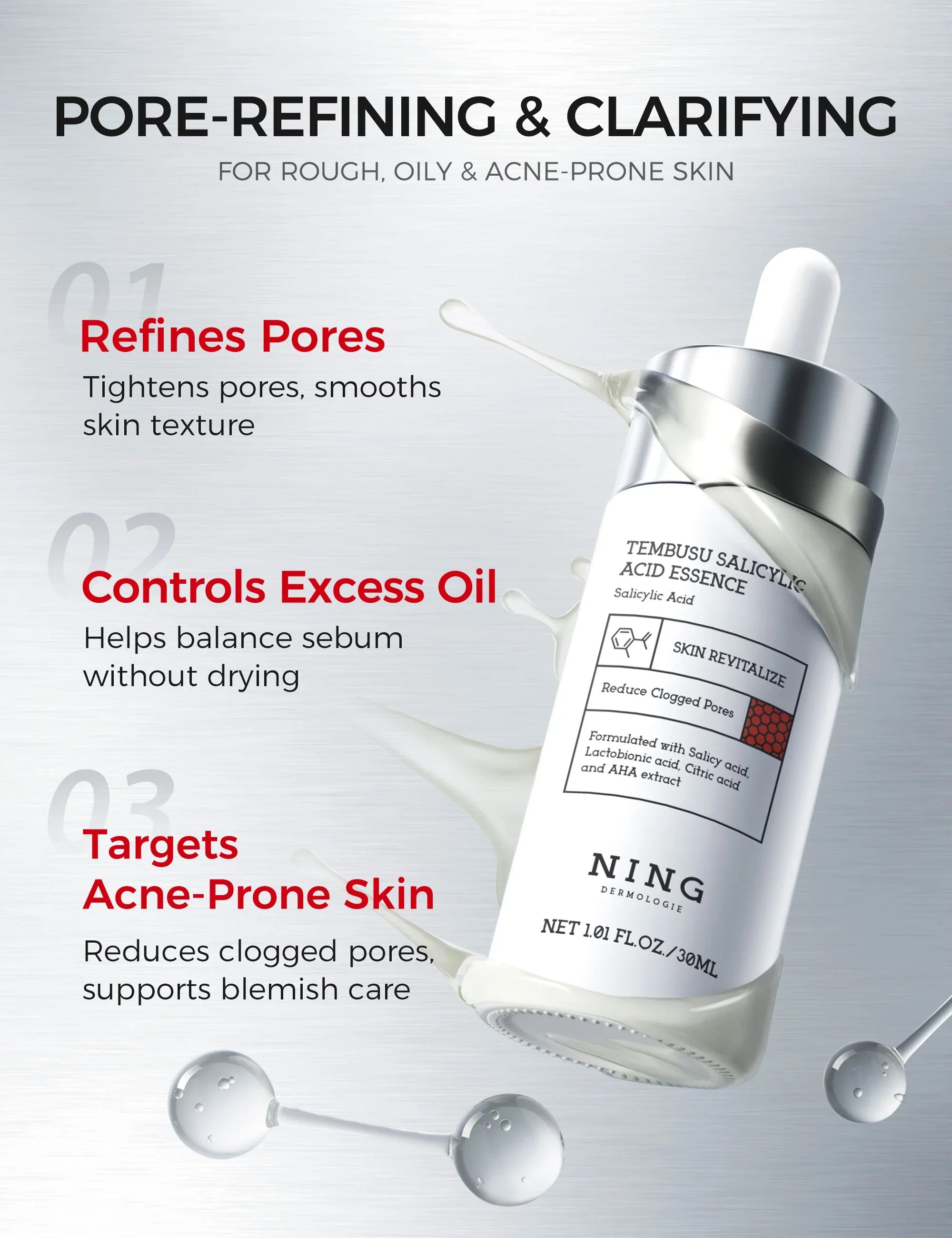
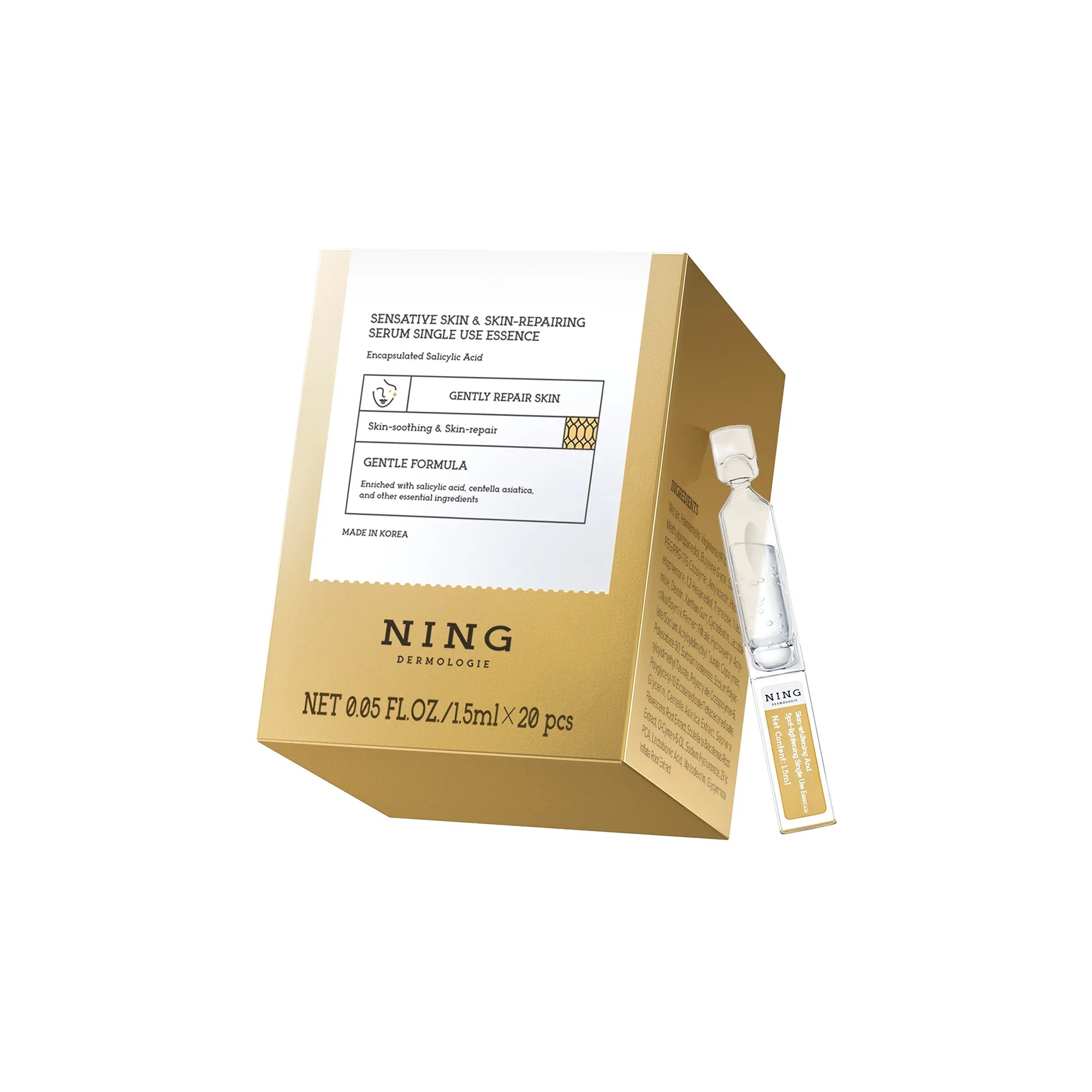
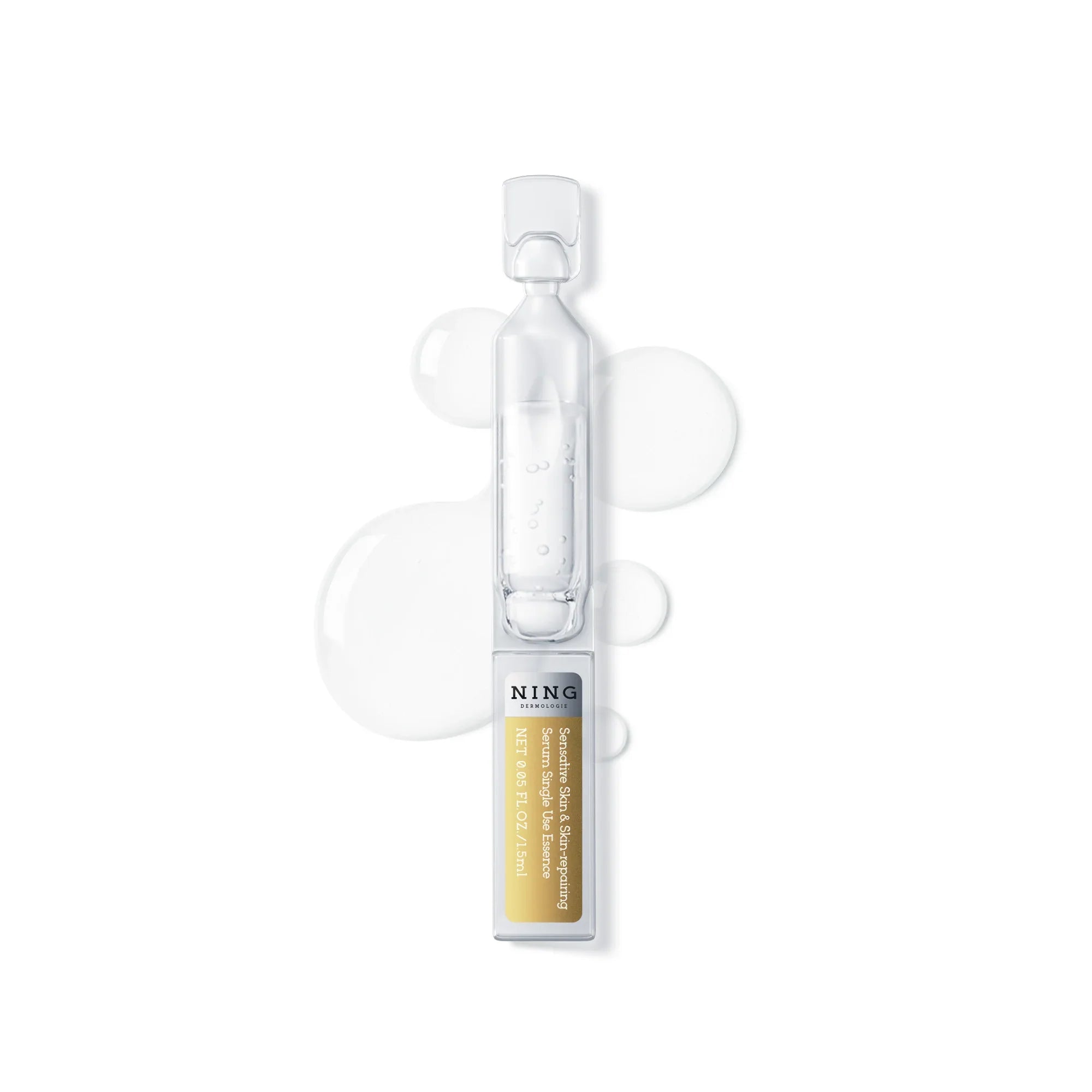
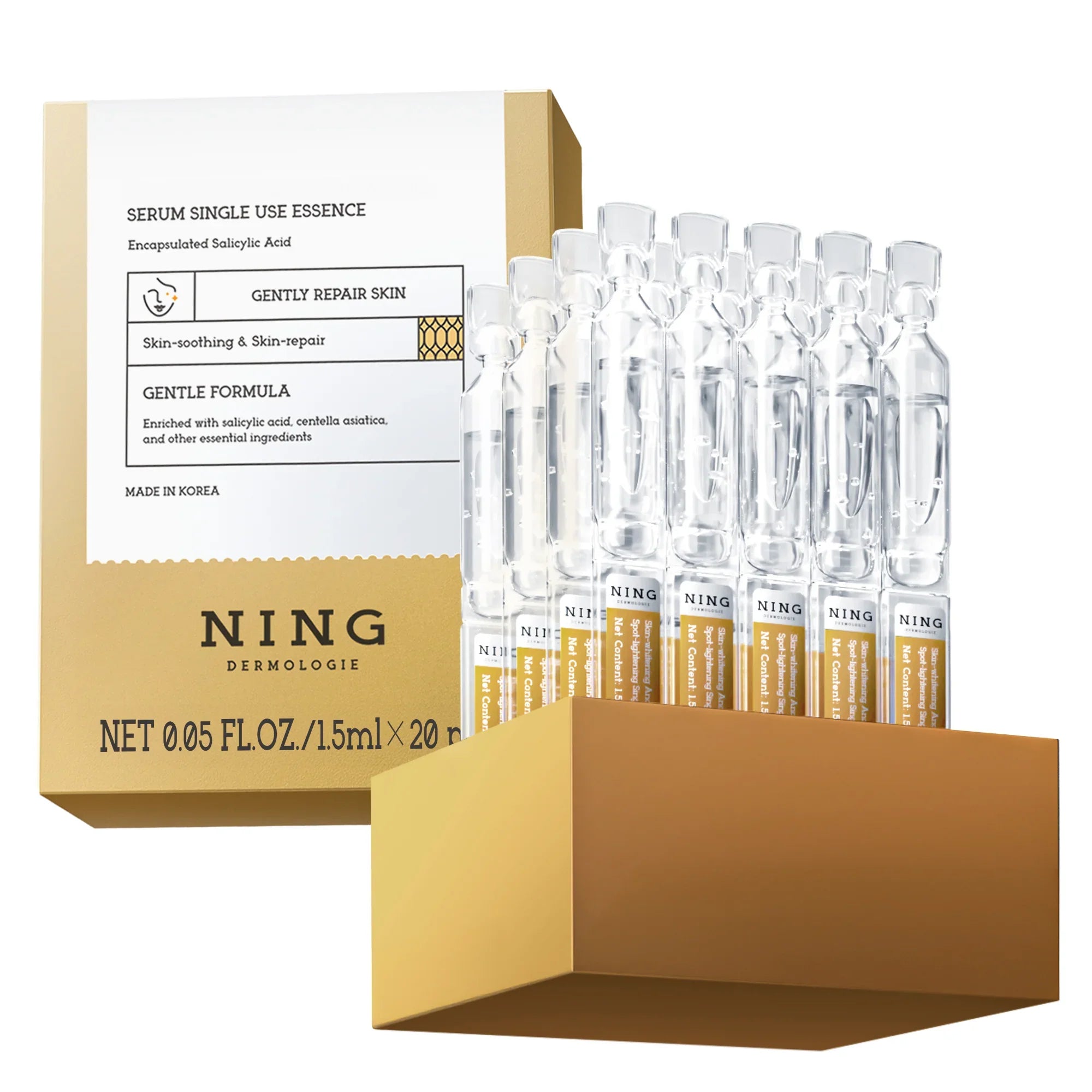
In this guide, we’re stripping away the marketing fluff to look at the benefits of salicylic acid, how to handle potential side effects, and why our NING Dermologie 2% Salicylic Acid Serum might just be the missing piece in your skincare routine.

What Exactly is Salicylic Acid?
If you’ve ever looked at the back of an acne wash, you’ve seen it. But what is it? Salicylic acid is a beta hydroxy acid (BHA). Unlike its cousins, the AHAs (like glycolic acid), which are water-soluble and stay on the surface, BHA is oil-soluble.
Think of your pores like tiny pipes. Water-soluble acids just wash over the top. But because salicylic acid is oil-soluble, it can dive straight into the "gunk"—that mix of dead skin cells and sebum—and dissolve it from the inside out. This unique power of salicylic acid to work deep within the follicle is why it’s the gold standard to treat acne.
How Does Salicylic Acid Work Its Magic?
The use of salicylic acid isn't just about killing bacteria; it’s about "keratolysis." This is a fancy way of saying it softens and thins the glue holding dead skin cells together.
When you apply a topical salicylic acid product, three things happen:
-
Deep Pore Diving: It breaks up the "plug" (comedone) that causes blackheads.
-
Exfoliation: It encourages the shedding of dead skin cells, revealing the skin underneath which is fresher and smoother.
-
Calming: Interestingly, salicylic acid possesses anti-inflammatory properties. Since it’s chemically related to aspirin, it helps soothe the redness of an angry pimple while it works.
At NING Dermologie, we focus on this balance. Our serum doesn't just strip the skin; it targets the debris while respecting your skin health.
The Big Benefits of Salicylic Acid in Skincare
Why should you bother incorporating salicylic acid into your life? It’s not just for teenagers with oily foreheads.
1. Say Goodbye to Clogged Pores
If you struggle with oily and acne-prone skin, your main enemy is "retention hyperkeratosis"—your skin just doesn't shed cells fast enough. Salicylic acid helps by manually doing the work your skin forgot to do, removing dead skin cells and unclogging pores before they turn into cysts.
2. Refined Skin Texture and Tone
Regular use leads to a significantly refined skin texture. By keeping the surface clear, you’ll notice an even skin tone and a reduction in those annoying little bumps (closed comedones) that make makeup look patchy.
3. Oil Control
Because it’s oil-soluble, it actually helps regulate your lipid profile. Over time, salicylic acid can help balance oily skin, making you look "dewy" rather than "greasy."
Your NING Dermologie Routine: How to Start Using Salicylic Acid
I see so many people buy a high-strength serum and apply it twice a day immediately. Please, don't do that. Your skin barrier will hate you.
Step 1: The Patch Test
Before starting to use salicylic acid, try a tiny bit on your jawline. If you have sensitive skin, this is non-negotiable.
Step 2: The "Low and Slow" Approach
Start using salicylic acid just two or three nights a week. Allows your skin to build tolerance before you move to daily use. Cleanse your face, apply a few drops of NING Dermologie 2% Salicylic Acid Serum, wait a minute, and follow with a basic moisturizer.
Step 3: Sunscreen is Life
Because salicylic acid exfoliates the skin, it leaves your skin more sensitive to UV rays. If you’re using BHA at night, you must wear SPF the next morning. No exceptions.
Navigating Potential Side Effects
Let’s be real: no skincare ingredient is perfect. Salicylic acid may cause some initial "purging." This is when the acid speeds up the life cycle of clogs that were already forming under the surface. It looks like a breakout, but it’s actually the transformative power of salicylic acid cleaning house.
However, watch out for:
- Skin irritation: Extreme redness or stinging.
- Dry skin: If your skin starts peeling like a lizard, back off the frequency.
- Sensitive skin reactions: Some various skin conditions like rosacea might find BHA too intense.
If you have dry or sensitive skin, look for products that pair BHA with soothing agents. Our NING Dermologie formula is designed to minimize irritation while maximizing the benefits of salicylic acid.
Pro Tips: Salicylic Acid with Other Ingredients
Mixing actives is like chemistry—sometimes it’s a breakthrough, sometimes it’s an explosion.
- BHA + Hyaluronic Acid: A match made in heaven. The HA keeps the overall skin hydrated while the BHA cleans the pores.
- BHA + Vitamin C: Use Vitamin C in the morning and salicylic acid at night. Using them together can cause skin irritation due to the low pH levels.
- BHA + Retinol: Be careful. This combination is highly effective for anti-aging and acne, but it can be a recipe for a compromised skin barrier. If you’re a beginner, alternate nights.

Specific Considerations: Is it Safe for Everyone?
Skin Type Matters
- Oily or acne-prone skin: You are the target audience. BHA is your best friend.
- Dry skin: Use it as a spot treatment or only on "congested" areas like the nose and chin.
- Skin with salicylic acid needs hydration. Never skip moisturizer.
Salicylic Acid Safe During Pregnancy?
Is salicylic acid safe during pregnancy? This is a common question. While topical salicylic acid in low concentrations (under 2%) is generally considered low-risk by many doctors, the official stance is often to be cautious. Large doses (like oral aspirin or professional high-strength chemical peels) are a no-go. Always consult your doctor before incorporating salicylic acid into your routine if you are expecting.
Safety Warnings
Aspirin allergies should avoid salicylic acid. Since they are chemically related, the risk of a reaction is real. Also, avoid products containing salicylic acid on open wounds or broken skin.
The NING Dermologie Difference
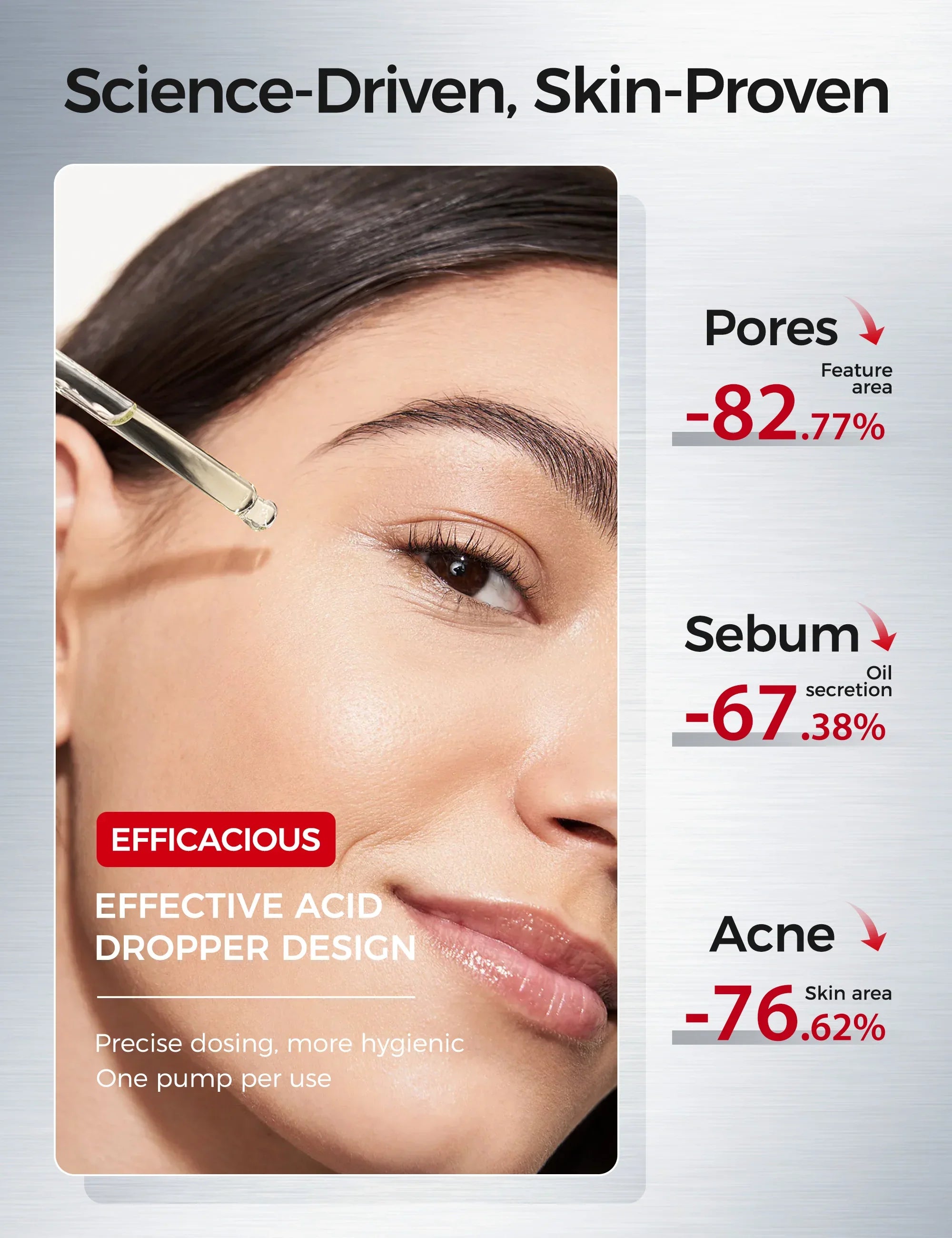
We created our 2% Salicylic Acid Serum because we were tired of "alcohol-heavy" toners that left the surface of the skin feeling tight and burned. By using a refined skin texture approach, we’ve made a serum that penetrates deep to treat acne while maintaining the overall skin health.
Whether you’re dealing with adult acne or just want healthier-looking skin, the regular use of salicylic acid is a game-changer. It’s about consistency, not intensity.
Frequently Asked Questions (FAQ)
1. How long does it take to see results?
Most people notice a change in skin texture within 2 weeks. However, for significant changes in acne-prone skin and clear skin goals, it usually takes 6 to 12 weeks of regular use. Your skin needs time to cycle through and clear out deep-seated debris. Patience is your best friend when incorporating salicylic acid.
2. Can I use salicylic acid every day?
Yes, but you have to work up to it. Start using salicylic acid 2-3 times a week. If your skin type is very oily, you may eventually use salicylic acid daily. However, if you notice skin irritation or excessive dryness, scale back immediately. Protecting your skin barrier is more important than fast results.
3. Does it help with blackheads on the nose?
Honestly, this is where BHA shines. Those annoying dots on your nose are usually oxidized oil trapped in the pore. Since salicylic acid is oil-soluble, it actually gets inside the pore to melt that "plug" away. By removing dead skin cells and sebum, it clears existing blackheads and stops new ones from showing up. It’s way better than those harsh nose strips that just rip at your surface of the skin.
4. Can I use it with Retinol?
You can, but don't rush into it. Both are heavy hitters, and using them at the same time is a fast track to skin irritation and a wrecked skin barrier. The smartest way to use salicylic acid with other ingredients like retinol is "skin cycling"—use your BHA one night and your retinol the next. This prevents your overall skin from feeling raw or becoming more sensitive than it needs to be.
5. Why is my skin peeling?
Peeling is one of the common potential side effects. It usually means the exfoliate the skin process is happening too fast or your moisturizer isn't heavy enough. If you experience peeling, reduce the use of salicylic acid and focus on hydrating serums. Ensure you aren't using other harsh salicylic acid products simultaneously.
6. Is it better as a cleanser or a serum?
A serum is generally more effective for deep-seated skin concerns because it is a "leave-on" product. This allows the salicylic acid to penetrate deeper and work longer. A cleanser is a good "entry-point" for sensitive skin since it’s washed off, but for clearer skin and even skin tone, a stabilized serum is the professional choice.





Share:
Choosing the Right Salicylic Acid Concentrations for Different Skin Types
Salicylic Acid Revolutionizes Acne Care: Science-Backed Benefits