

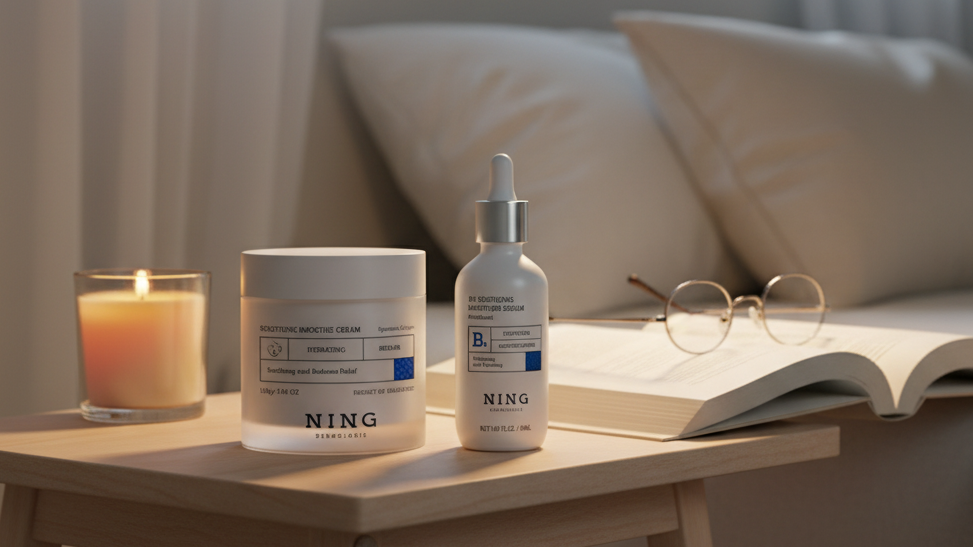

I know that feeling all too well—the one where your face feels two sizes too small for your head. You wake up, look in the mirror, and see that tell-tale blotchy redness. Maybe you tried a new active ingredient last night, or perhaps the wind was just a bit too sharp on your morning walk. Whatever the cause, your skin barrier is screaming for a ceasefire.
When you have this specific Skin Type, a "simple" skincare routine isn't just about vanity; it’s about survival. I’ve spent years navigating the world of skincare for sensitive skin, moving between high-end prescription creams and drugstore staples like CeraVe Moisturizing Cream. What I’ve learned is that during a flare-up, your skin doesn't need a 10-step miracle; it needs a hug in a bottle.
That’s exactly why I want to talk about the "Cream and Serum" core. If you get these two right, the rest—the sun protection, the lifestyle tips, even the LED light therapy—just falls into place.

Why Your Face Feels Like It's On Fire
Before we dive into the skincare regimen, let's talk about what's actually happening down there. Your moisture barrier is essentially a brick-and-mortar structure. The skin cells are the bricks, and the lipids (like fatty acids) are the mortar. When that mortar cracks, you deal with transepidermal water loss (TEWL). Basically, the hydration is evaporating into thin air, leaving your nerves exposed to the elements.
This is why even a "gentle" Vitamin C or mild chemical exfoliants can suddenly feel like acid. Your skin's microbiome is out of balance, and the glycan levels—which help your cells communicate—are haywire.
The "Less is More" Philosophy
When I'm in the middle of a recovery phase, I look for fragrance-free formulas. I’ve tried everything from the Verso Skin Recovery Routine to the CeraVe Hydrating Foaming Oil Cleanser, and the conclusion is always the same: Barrier support is king. You need to stop the "attack" and start the "reinforcement."
Step 1: The Serum (The "Fire Extinguisher")
In any skin care routine, the serum is your targeted strike. For sensitive skin, you aren't looking for "anti-aging" or "brightening" right now. You are looking for a barrier repair serum.
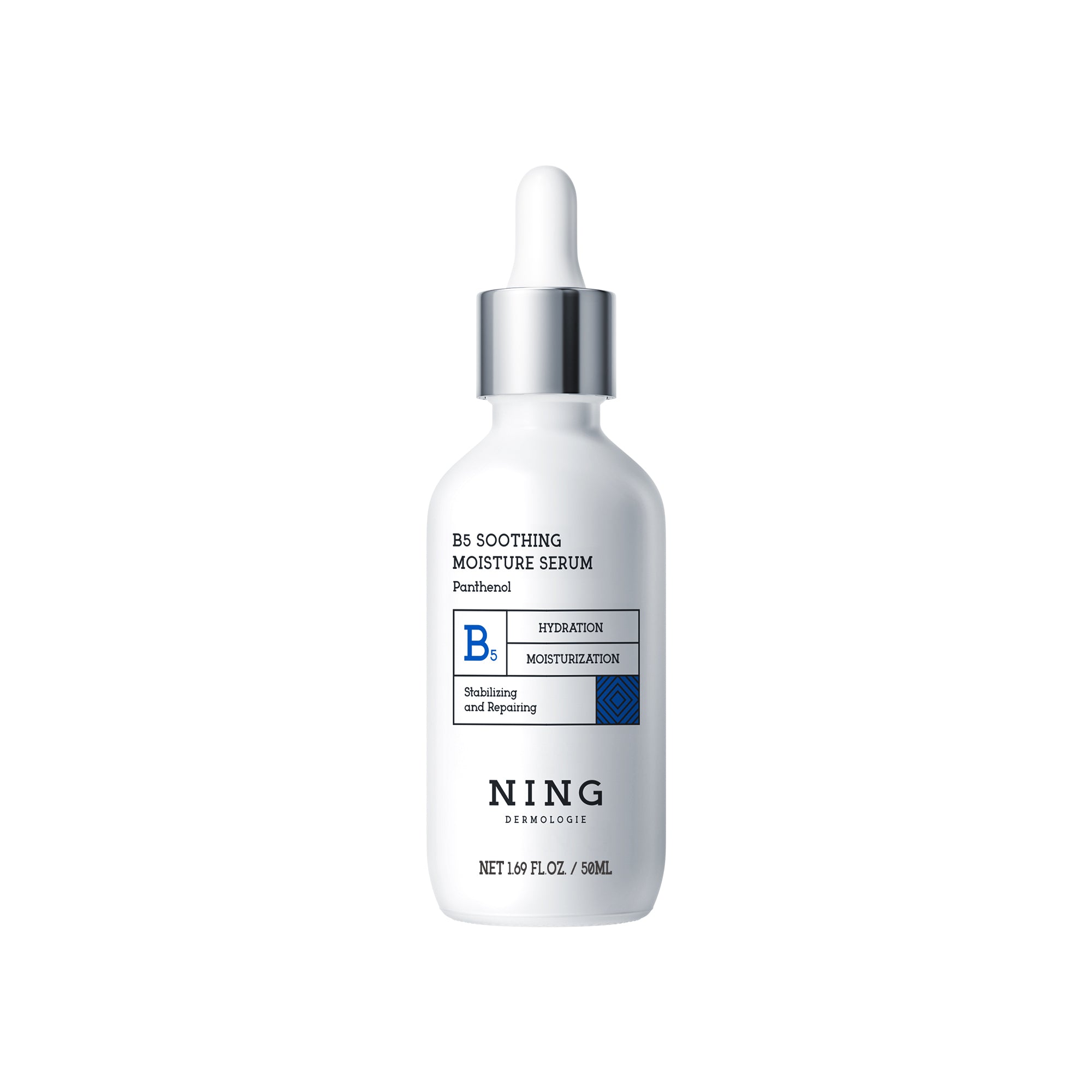
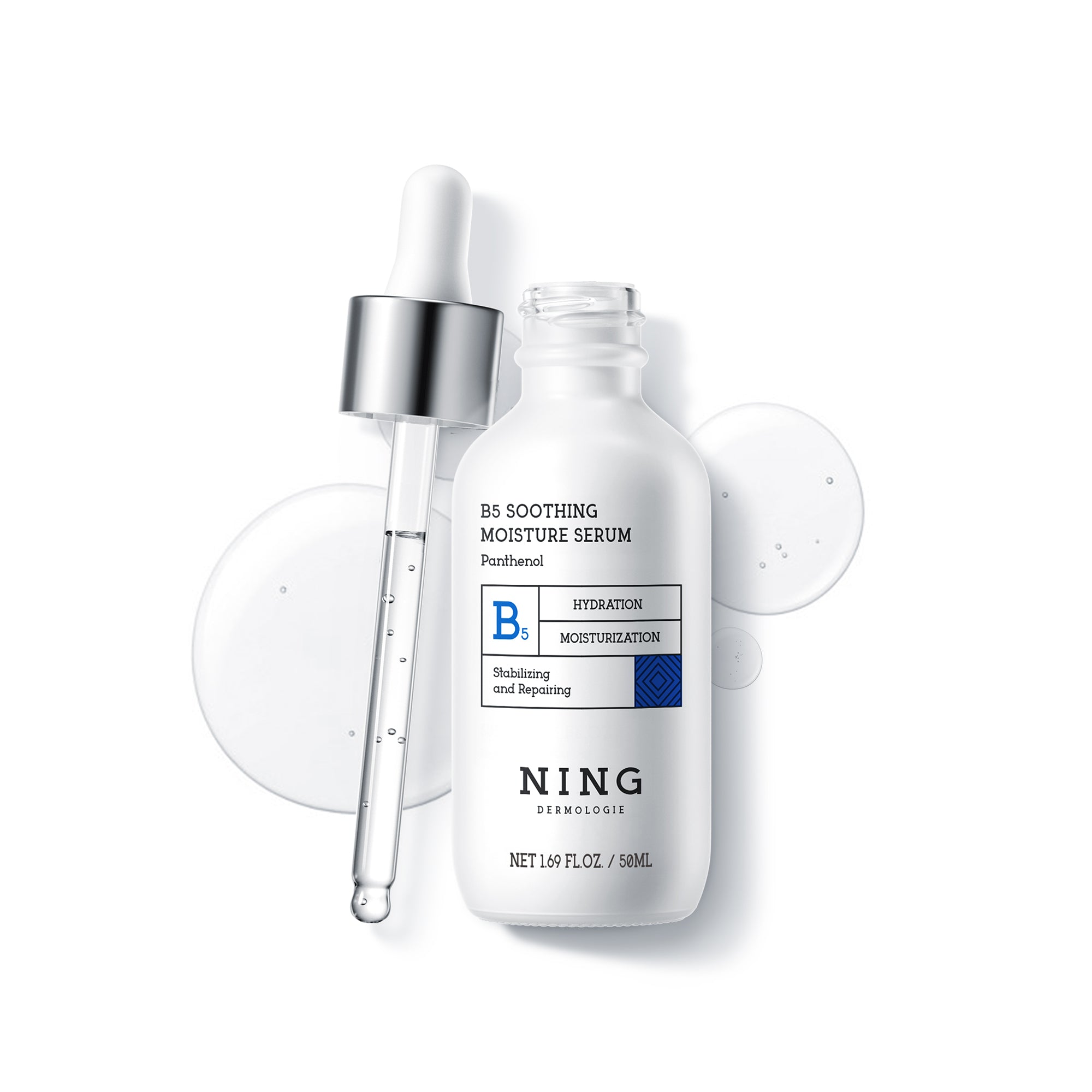
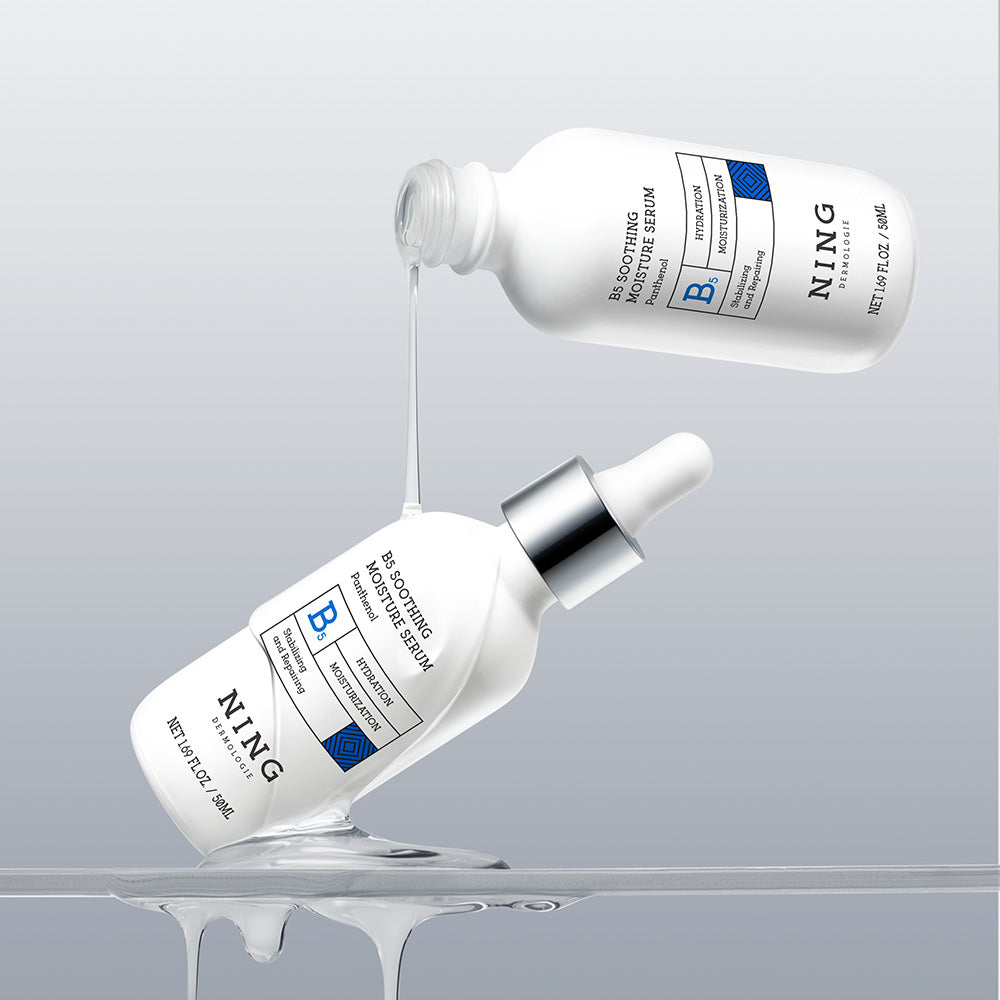
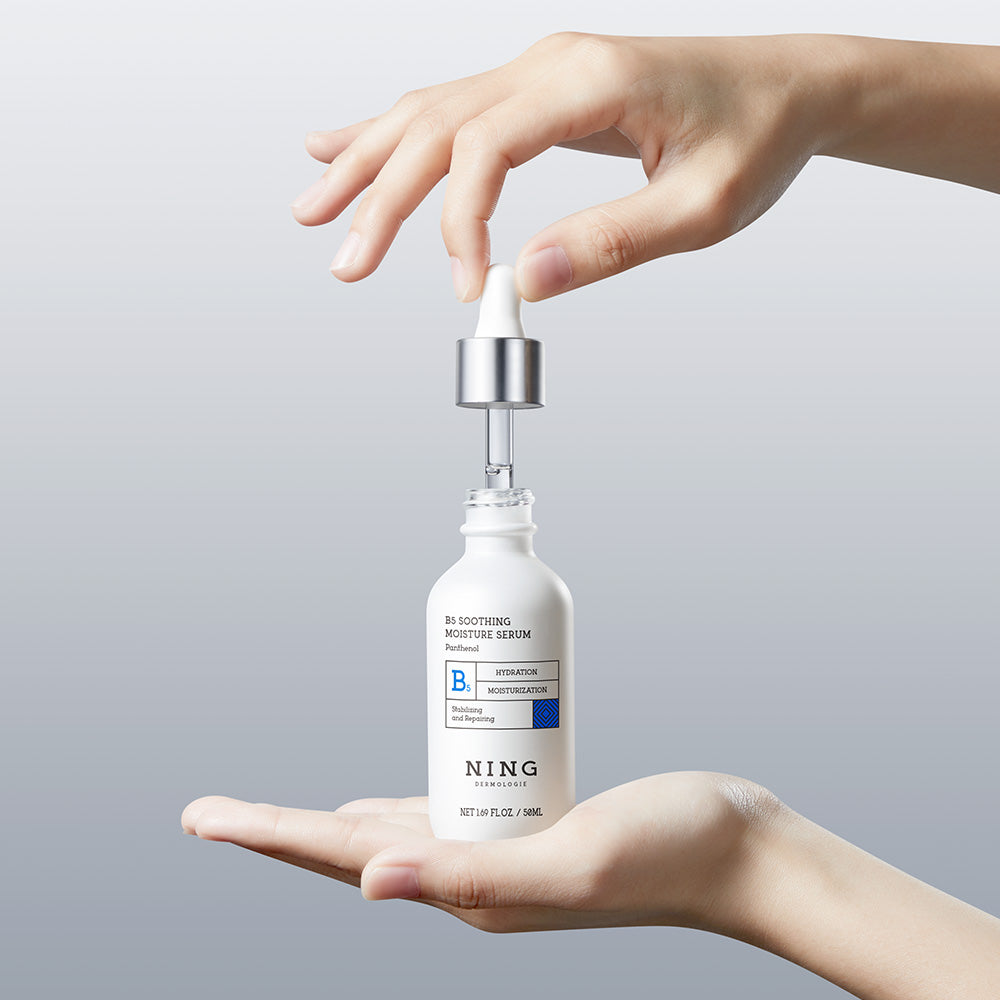
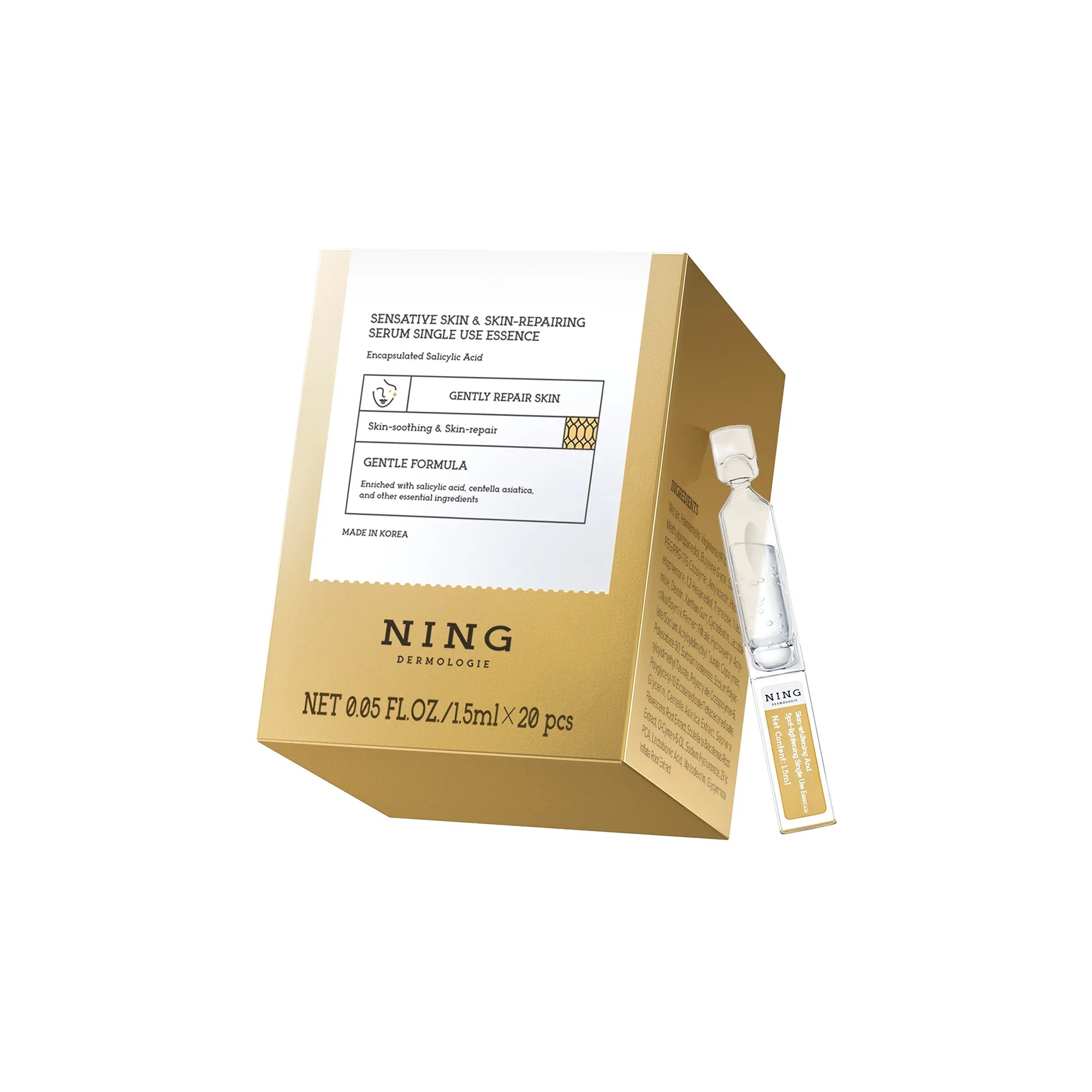
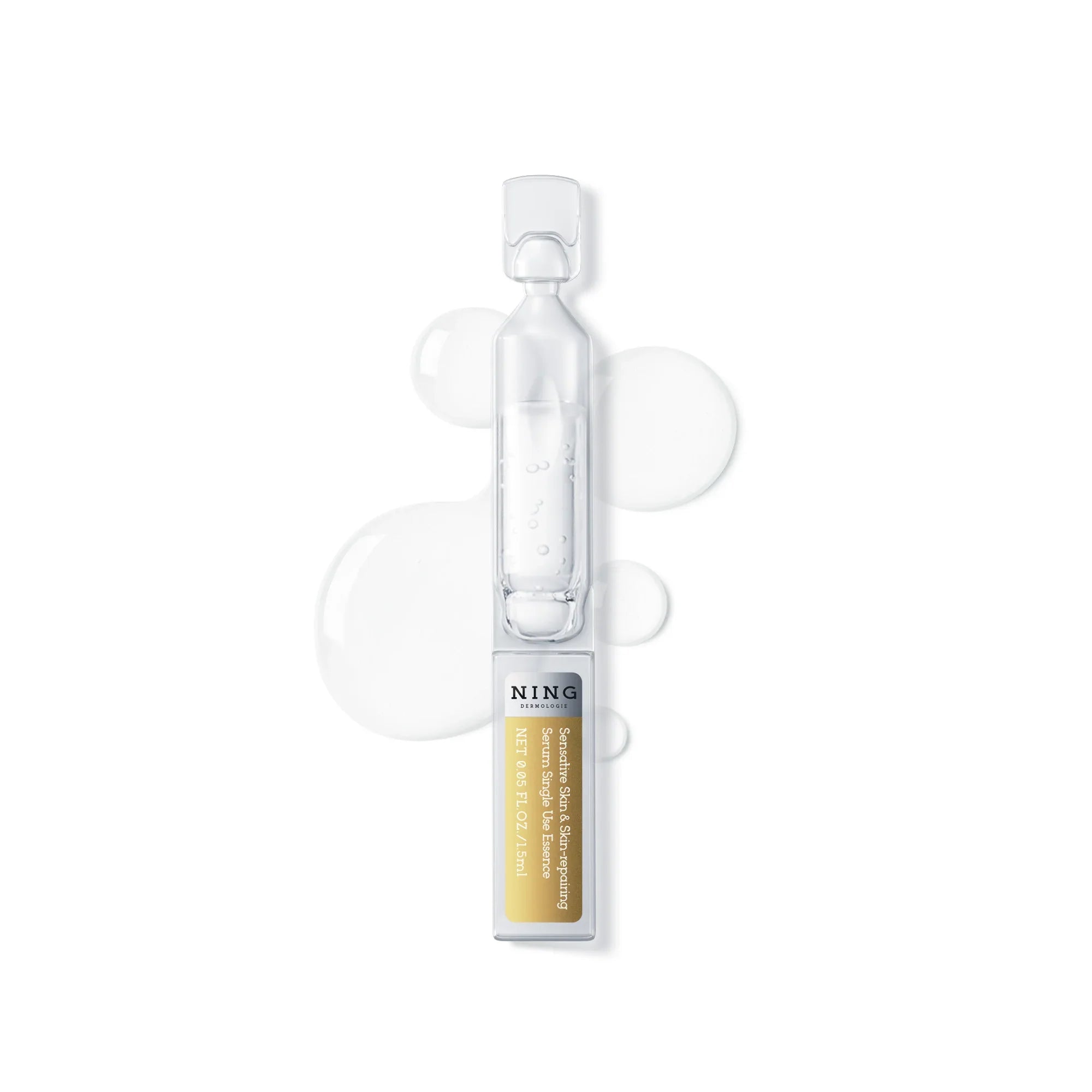
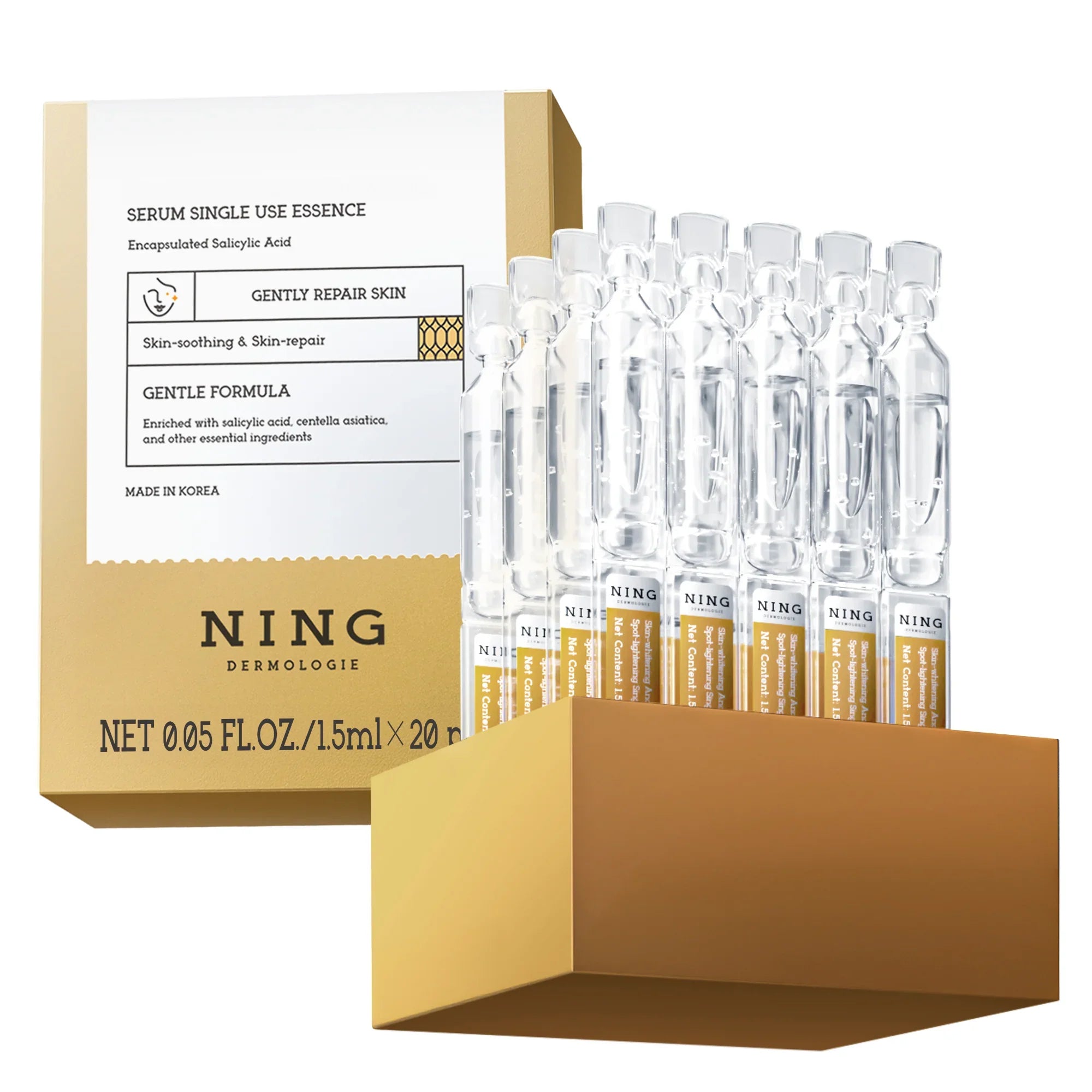
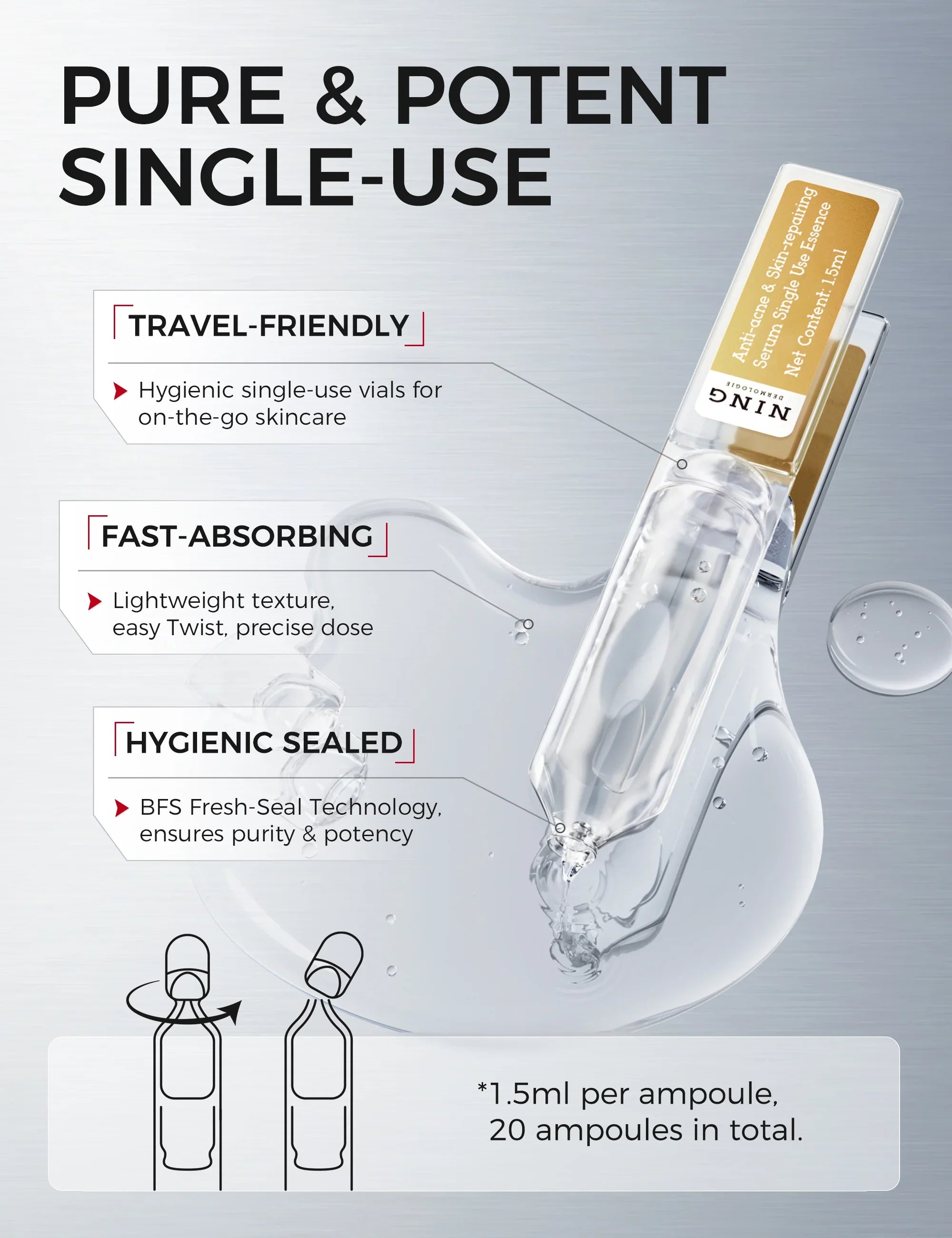
I’ve been leaning heavily on the Soothe & Repair Duo from NING Dermologie lately. Their serum isn't one of those sticky, tacky messes. It feels more like a "cool drink of water" for a parched throat. It uses hyaluronic acid to pull moisture back in, but more importantly, it incorporates Centella asiatica (often called Cica).
If you’ve never used Cica, it’s a game-changer. It’s what tigers in the wild rub their wounds against to heal. When your face is pulsing with heat, a drop of this feels like an instant "mute" button on the pain. I’ve also seen formulas with Lactobacillus ferment that help recalibrate the bacteria on your face so you don't break out while you're trying to heal.
The Routine Order Tip: Apply your serum while your face is still a little damp from your Revitalizing Cleansing Oil or a quick splash of lukewarm water. If you wait until your face is bone-dry, the hyaluronic acid might actually pull moisture out of your skin.
Step 2: The Cream (The "Safety Blanket")
If the serum is the fire extinguisher, the night cream or barrier cream is the heavy-duty safety blanket. This is where you seal everything in.
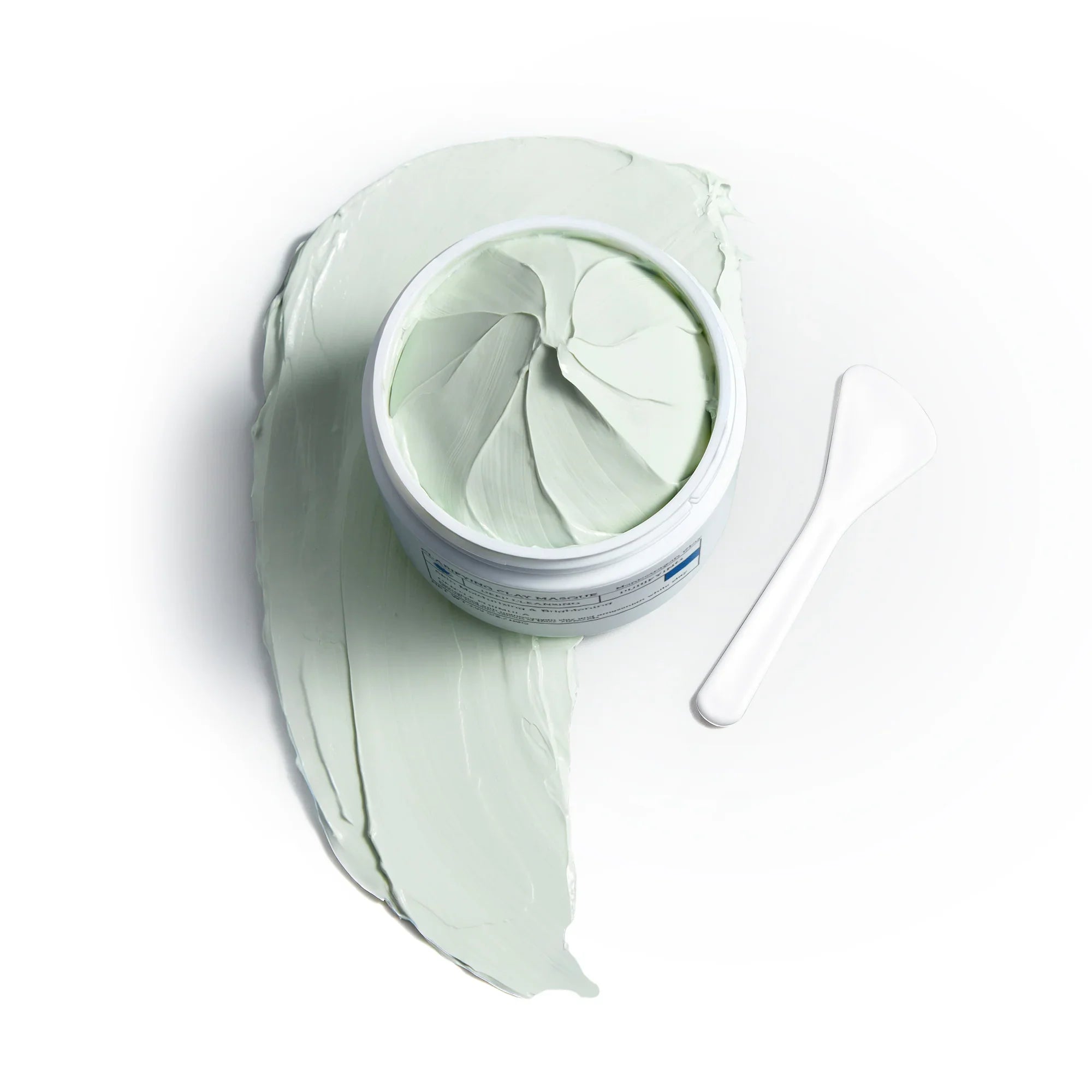
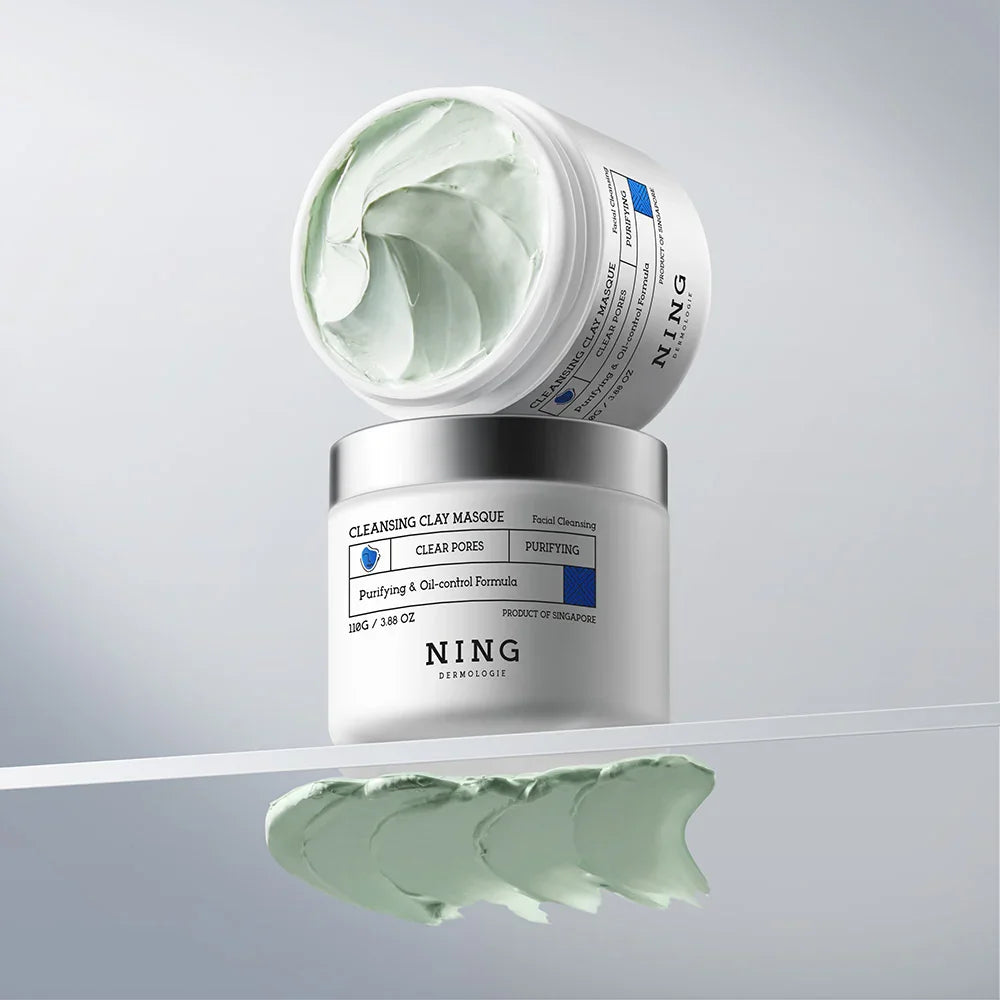
A good Barrier Strengthening Cream shouldn't just sit on top of the skin like a layer of grease. It needs to sink in and mimic those natural fatty acids we lost. I look for ingredients like Shea Butter and Tamanu Oil. Yes, oils can be scary if you’re acne-prone, but fractionated plant oils are usually fine—they give you the cushion without the clogs.
I’ve compared the NING Dermologie cream to the classic CeraVe Intensive Moisturizing Lotion and even the CeraVe Ultra-Light Gel Moisturizer. While the CeraVe options are great for daily maintenance, the Soothe & Repair Duo cream feels more "intentional" for recovery. It has that rich, buttery texture that makes you feel protected against the world. It creates a physical shield against UV rays and pollutants, which is crucial because even a little bit of dust can irritate a broken barrier.
Beyond the Basics: The "Wait, Don't Do That" List
When your skin is recovering, your brain starts searching for "extra" things to help. Be careful. I’ve seen people try oxygen facials or Super Elixirs thinking more is better. It’s usually not.
- Skip the Retinol: Even "gentle" ones like Retinol 8 or NEAR 1 should be benched. If you really miss that "active" feeling, look into retinol alternative serums (like Bakuchiol), but honestly? Just wait three days. Let the redness fade first.
- Ditch the Scrubs: No Clarifying Gel with beads, no washcloths. Use your fingertips. The Deep Cleanse can wait.
- Watch the Temperature: I know a hot shower feels like a hug, but it’s a nightmare for Sensitive Skin. Use "room temperature" water. Not cold, not hot. Just... "meh" temperature.
Sun Protection: The Non-Negotiable Shield
You cannot recover if you are letting UV rays cook your already-inflamed cells. But here’s the kicker: chemical sunscreens often sting like crazy during a flare-up.
This is where you switch to a physical sunscreen (also called a mineral sunscreen). Look for zinc oxide or titanium dioxide (sometimes listed as titanium oxide). These minerals sit on top of the skin and reflect light like a mirror.
A broad spectrum sunscreen is your best friend. If you’re worried about a white cast, many modern skincare plans suggest tinted versions. But for pure recovery? I stick to the basic, fragrance-free products. It’s about sun protection, not looking like a swimsuit model today.
The Holistic Side: Lifestyle & Tools
Sometimes the "recovery" happens from the inside out. I talked to a skin professional at Doral Health & Wellness who reminded me that anti-inflammatory foods—think antioxidant laden fruits like blueberries—actually help with skin aging and recovery.
If you feel a lot of facial tension, which often accompanies the stress of a skin "emergency," don't go grabbing a jader roller and pressing hard. That friction is bad. Instead, try a very light LED light therapy session (the red light setting) if you have a home device. It’s a "no-touch" way to encourage skin cells to behave.
For the eyes, don't forget a dedicated eye cream or a Super Eye Serum. The skin there is the thinnest on your body, and it’s usually the first to show "crepiness" when your moisture barrier is down.
Finding Your Perfect Match
Look, I’ve tried the Whish Beauty lines, the CeraVe Skin Renewing Vitamin C Serum, and the CeraVe Oil Control Moisturizing Gel Cream. They all have their place. But when you are in "Recovery Mode," you need a dedicated system.
The Soothe & Repair Duo from NING Dermologie is specifically formulated for this "emergency" state. You can find the set here: https://ningcos.com/products/ning-dermologie-soothe-repair-duo-cream-serum.
It takes the guesswork out of the routine order. You wash with something simple (like a CeraVe Foaming Facial Cleanser), apply the Soothe serum, and lock it in with the Repair cream. That’s it. No complicated skincare regimen required.
Recovery isn't a race. It’s a slow walk back to health. Give your skin the "Comfort" it’s asking for, and it will stop being so dramatic.

Frequently Asked Questions (FAQ)
1. How long does it actually take for my barrier to "fix" itself?
Usually, you'll see the redness die down in about 48 to 72 hours if you're being strict. However, full structural repair—where your skin doesn't feel tight after washing—can take 3 to 4 weeks. Your skin cells need a full cycle to regenerate, so stay patient.
2. Can I use my Vitamin C serum while my skin is sensitive?
Honestly? I wouldn't risk it. Vitamin C is amazing for glow, but it’s often quite acidic. If your barrier is cracked, it’ll just cause more inflammation. Put the bottle at the back of the shelf until the stinging sensation is completely gone for at least three days.
3. My face is oily but still feels tight and peeling. What gives?
That’s the classic "dehydrated" state. Your skin is overproducing oil to compensate for the missing water. Don't reach for harsh "oil control" products. Use a light serum like the one in the Soothe & Repair Duo to give it water, so it stops panicking.
4. Is a physical sunscreen really better than a chemical one?
For recovery, yes. Chemical filters work by absorbing heat, which is the last thing "angry" skin needs. Mineral options with zinc or titanium act as a physical shield. They are much less likely to cause that "burning" sensation when your skin is already on edge.
5. Should I use face oils if I’m having a flare-up?
Yes, but be picky. Stick to "safe" oils like Tamanu or Jojoba that mimic your skin’s natural sebum. Avoid anything with essential oils or heavy fragrances. A good barrier cream usually has these oils balanced perfectly anyway, so you might not even need a separate bottle.





Share:
Best Youth-Boosting Skincare System for Fine Lines, Firmness, and Eye Care
How to Calm Irritated Skin and Rebuild Barrier Strength at the Same Time