


If your face feels like it’s been sandpapered and then doused in hot sauce, welcome to what I call “Barri-mageddon.”
When your skin is screaming—stinging when you apply even the most "gentle" hydrating toners, looking blotchy, or feeling tight enough to snap—you’re likely dealing with a compromised moisture barrier. The instinct is usually to panic-buy ten different ceramide balms or, worse, try to "scrub the dryness away." Stop. Right now.
To fix this, you have to play two roles simultaneously: the Firefighter (to calm the irritation) and the Architect (to rebuild the structural integrity). Here is how you actually restore your stratum corneum without making things worse.

The 911 Call: Why Your Skin is Actually "On Fire"
We often treat our skin like it’s an indestructible canvas, but biologically, your skin barrier is a delicate "bricks and mortar" system. The bricks are the skin cells, and the mortar is a complex mix of fatty acids, cholesterol, and ceramides.
When you overdo it with acne treatments like benzoyl peroxide or salicylic acid, or perhaps you’ve gone too hard on a recent chemical peel or laser facial, you aren’t just killing bacteria or "re-texturizing"—you’re effectively stripping the mortar. This leads to transepidermal water loss (TEWL), where the hydration you’ve paid good money for simply evaporates into the air, leaving your nerves exposed to air pollution, UV radiation, and harsh chemicals.
For Black People and those with deeper complexions, this irritation isn't just a temporary redness. Skin Conditions Affect different tones uniquely; a compromised barrier in melanin-rich skin often triggers a frantic Skin Response that leads to stubborn Pigmentation Problems. As Dr. Mary Sommerlad often emphasizes in Patient Education, ignoring the early signs of stinging can lead to months of post-inflammatory hyperpigmentation.
Step 1: The Immediate Ceasefire
The first rule of Skin Care during a flare-up? Stop the "active" madness.
If your skincare routine currently involves AHA BHA, glycolic acid, or high-strength topical anti-aging treatments (looking at you, Retinol), you need to put them in a drawer and lock it. You cannot encourage cell turnover when your skin doesn't even have its basic defenses in place.
I’ve seen patients try to self-medicate with over-the-counter hydrocortisone cream. While it might provide a 24-hour reprieve, using it without a Medical Consultation or an "Ask A Derm" session can actually thin the skin over time, making you more reactive to UV rays.
Instead, look for barrier-repair ingredients that offer immediate physiological cooling. Green tea polyphenols and comfrey leaf extract are excellent for this. They don't just "feel" cool; they actively signal the skin to dial down the inflammatory cytokine production.
Step 2: The Architect Phase (Rebuilding with Precision)
Once the "fire" is manageable, you need to start the reconstruction. You aren't just looking for "moisturizer"; you’re looking for bio-identical lipids.
Your skin needs a very specific ratio of ceramide NP, ceramide AP, and linoleic acid to seal the gaps. Think of it as upgrading your security system. A key player here that often goes overlooked is the tight junction protein claudin-1. These proteins are the "staples" that hold your skin cells together. If these are weak, no amount of hyaluronic acid will save you because the moisture will just leak out through the "cracks."
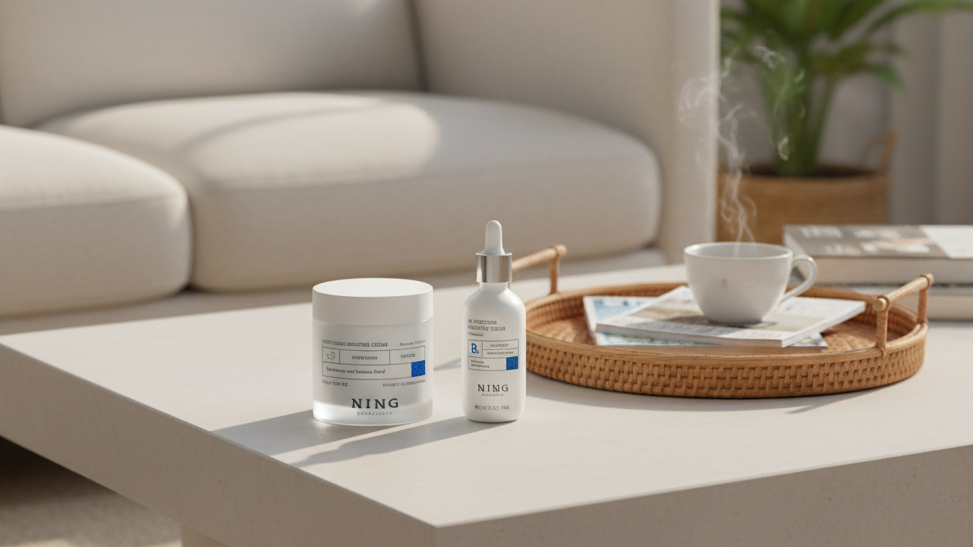
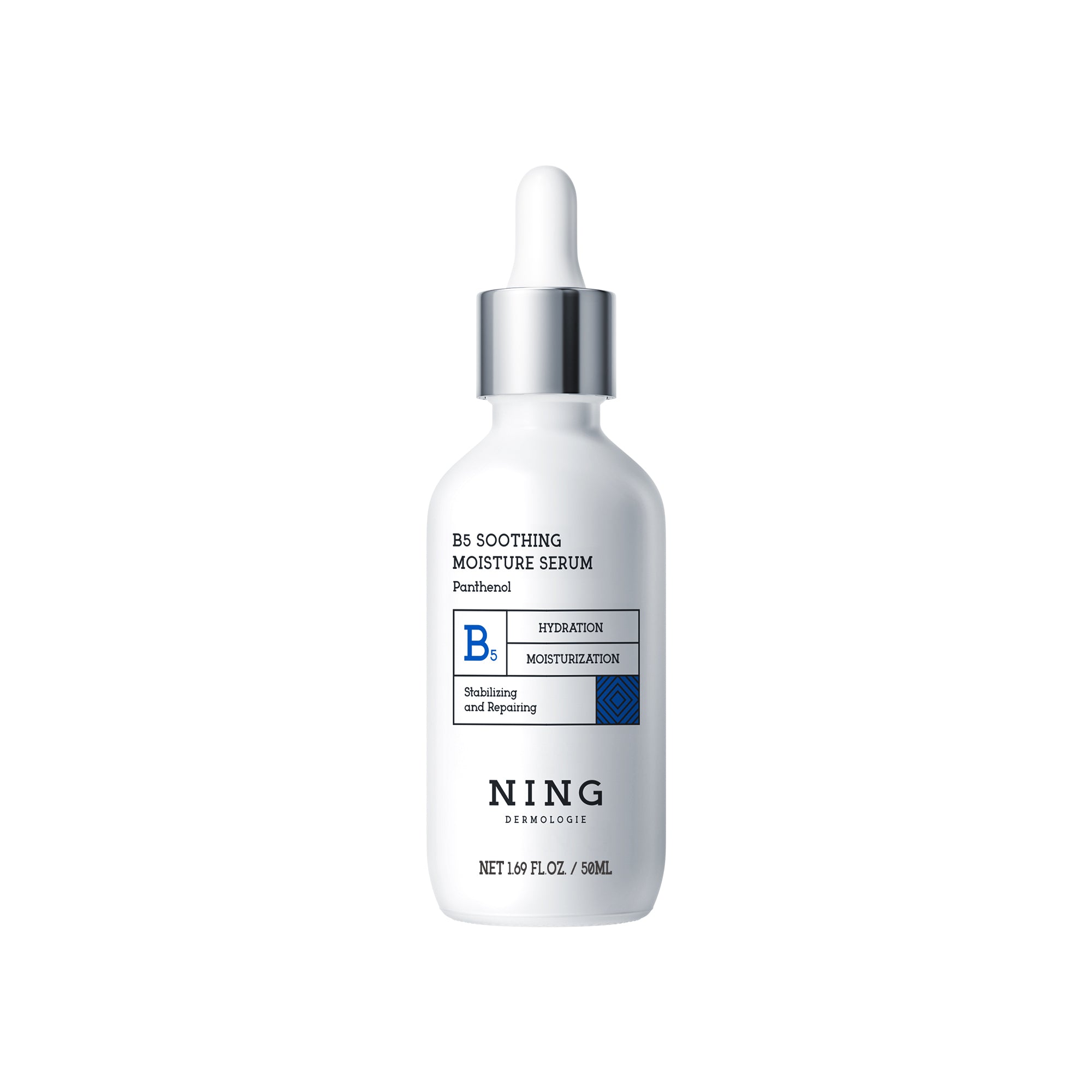
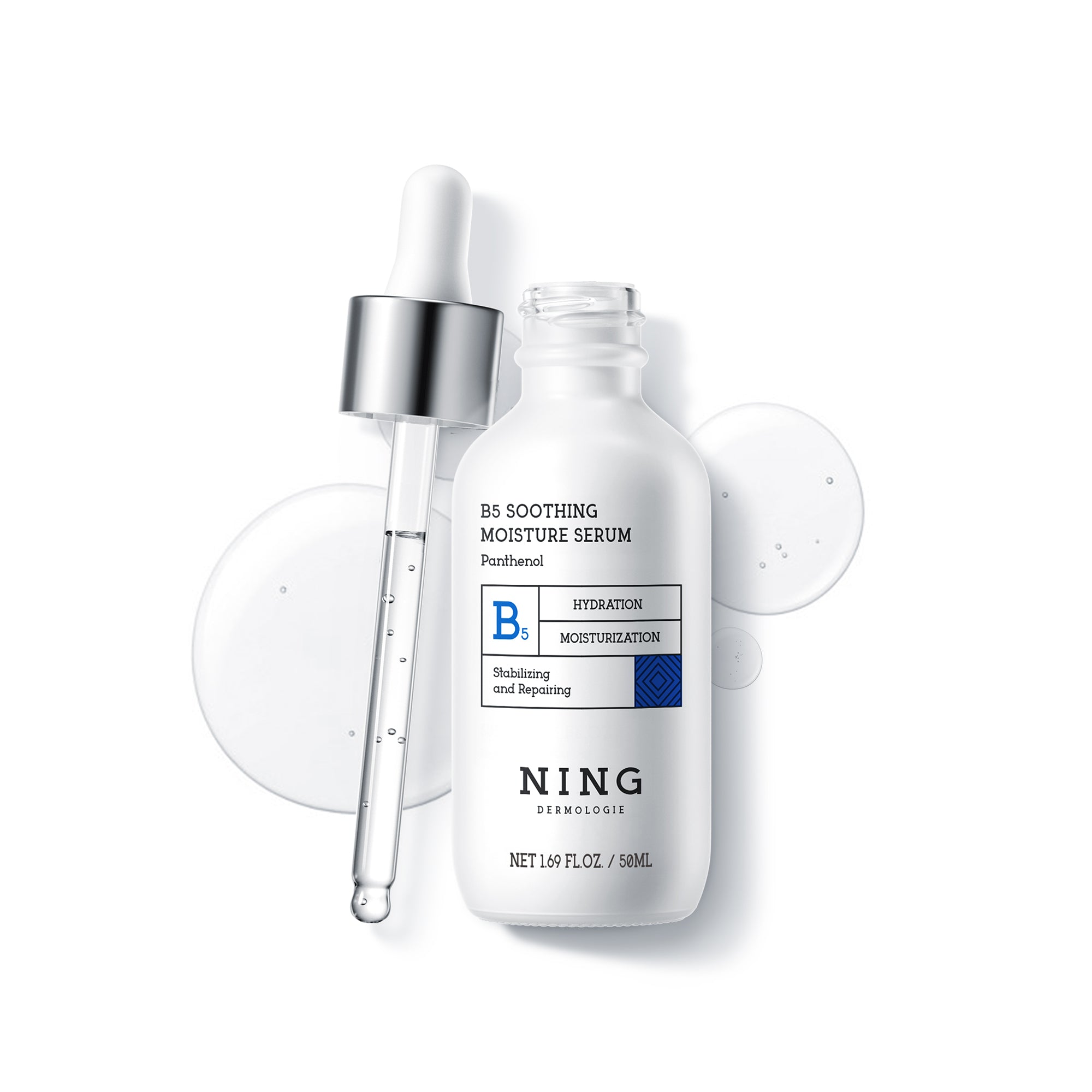
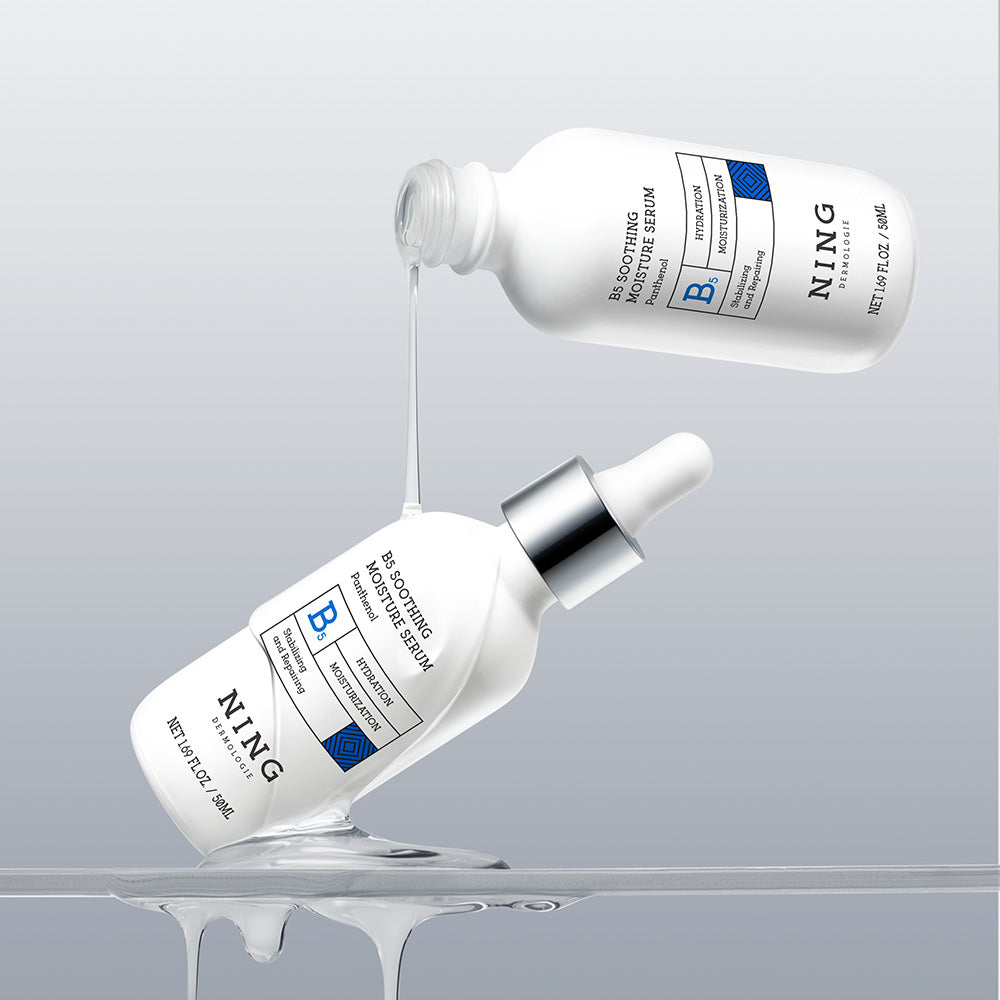
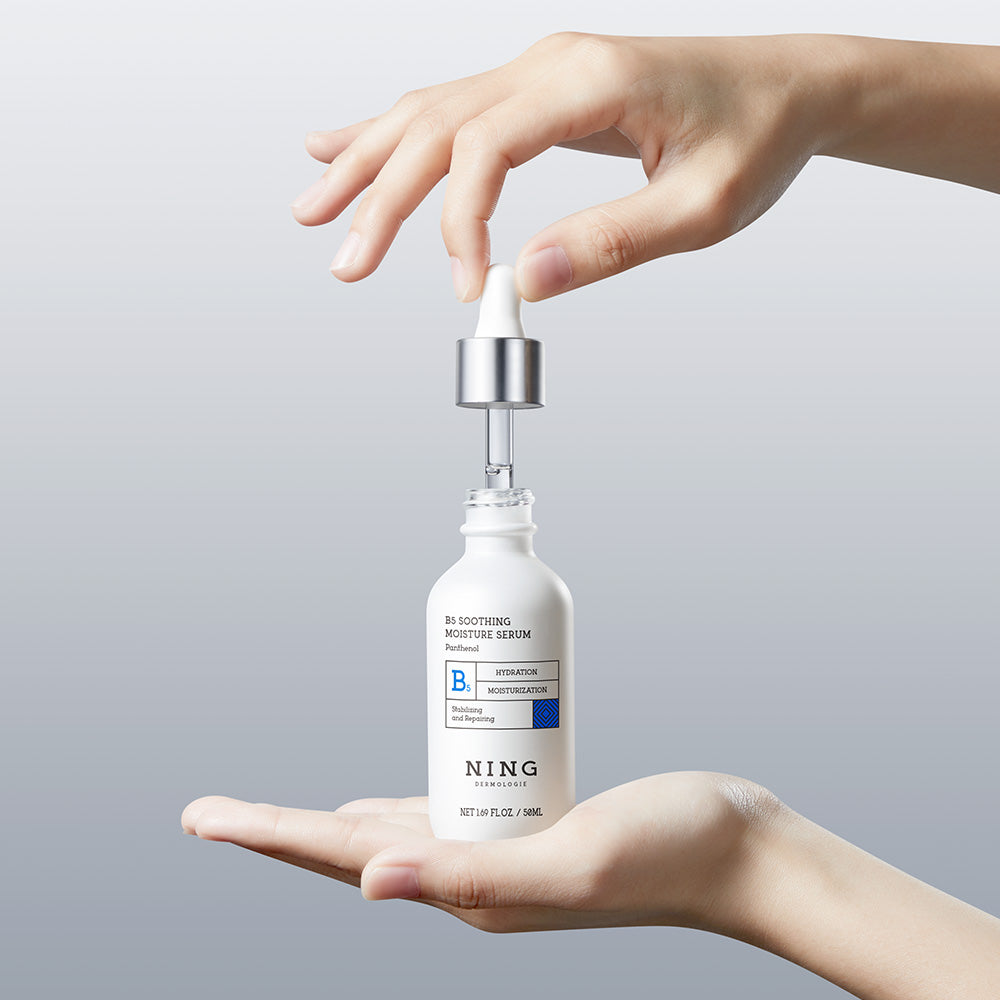
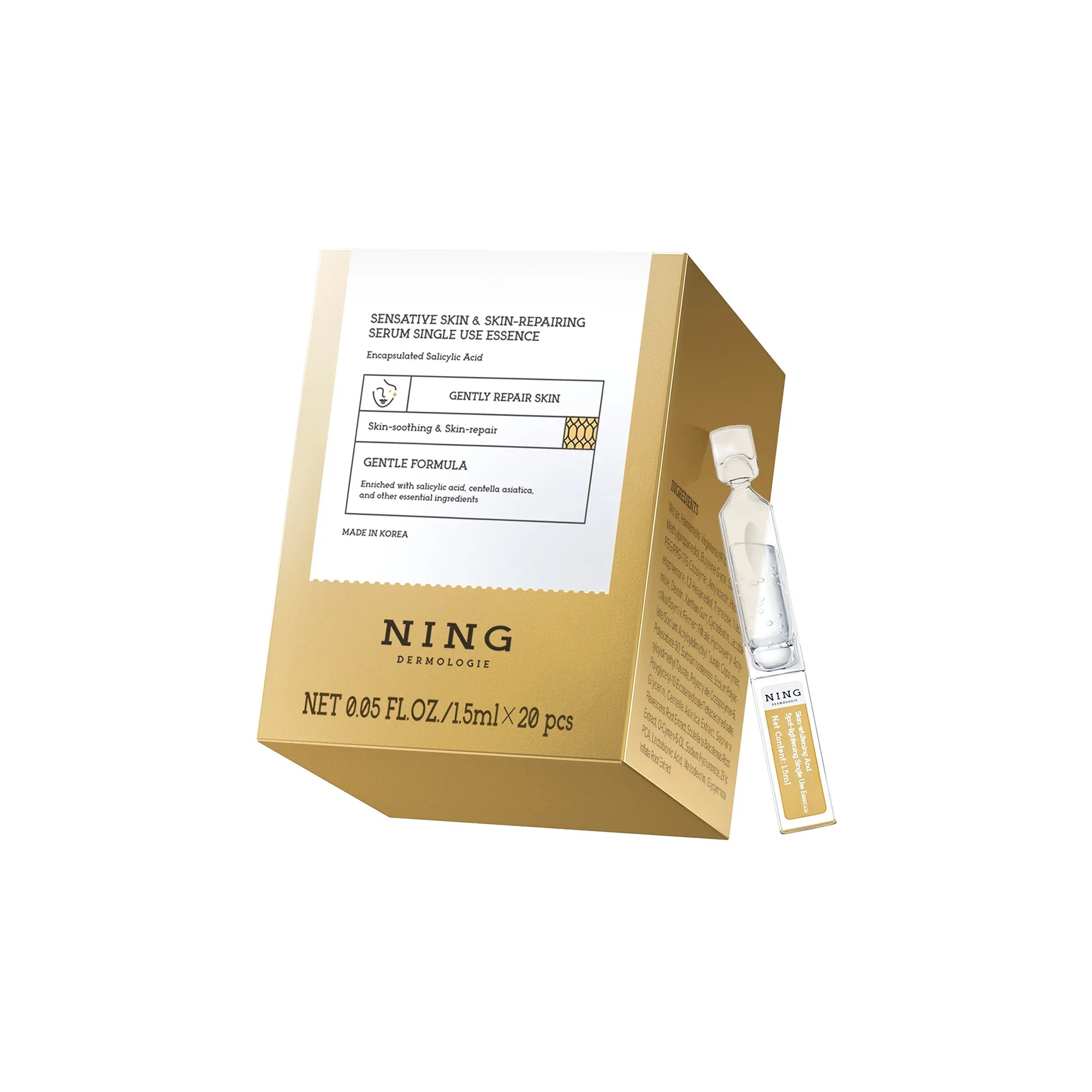
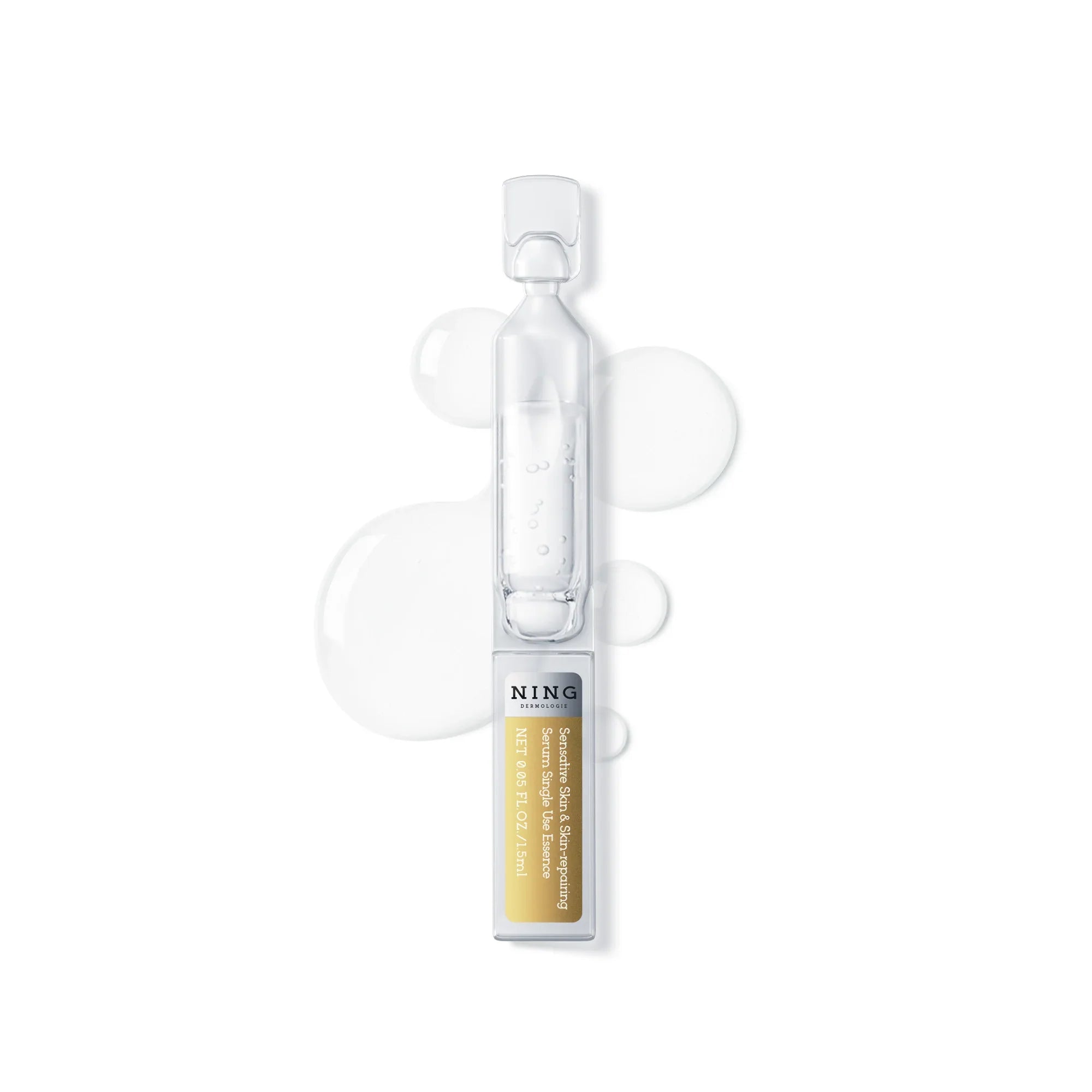
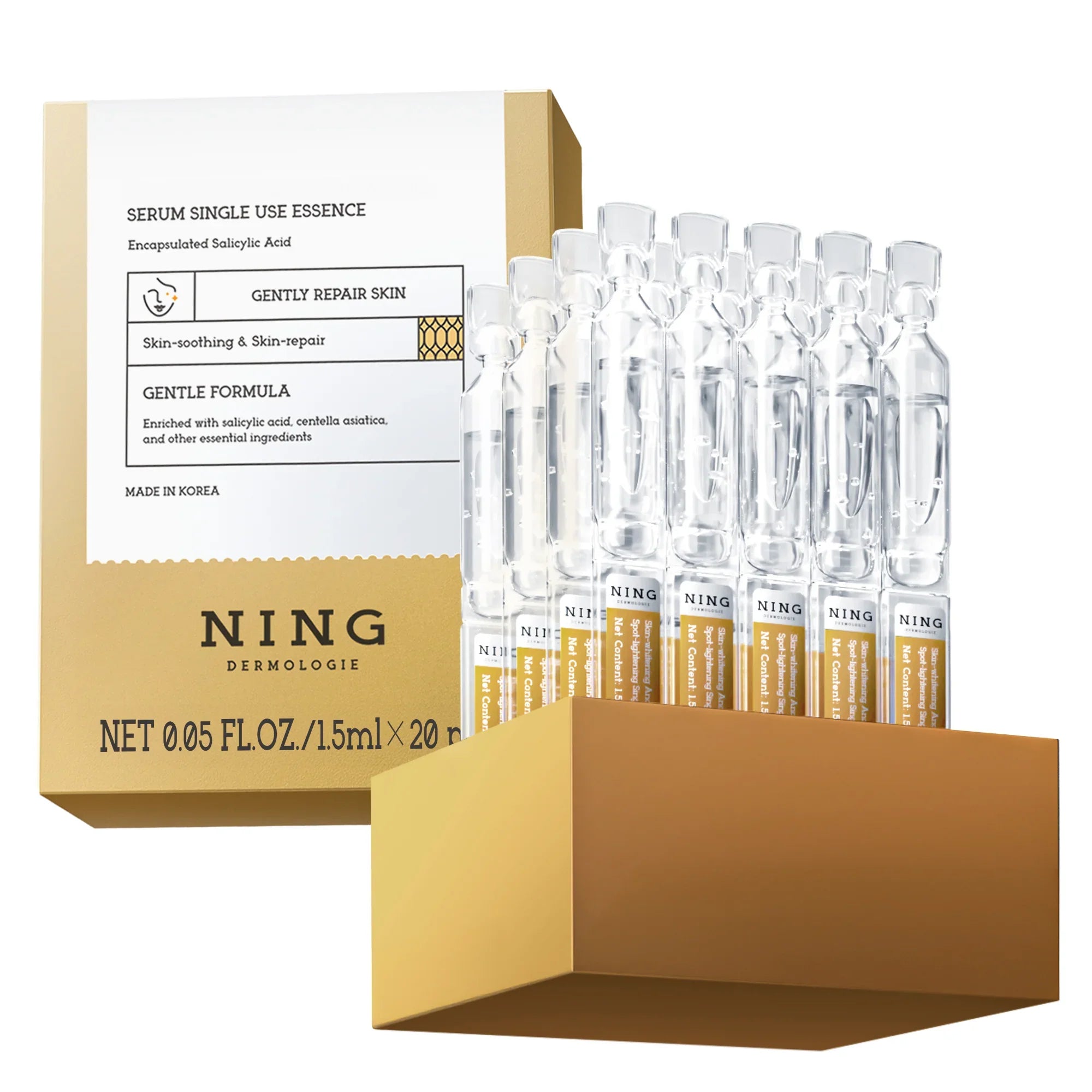
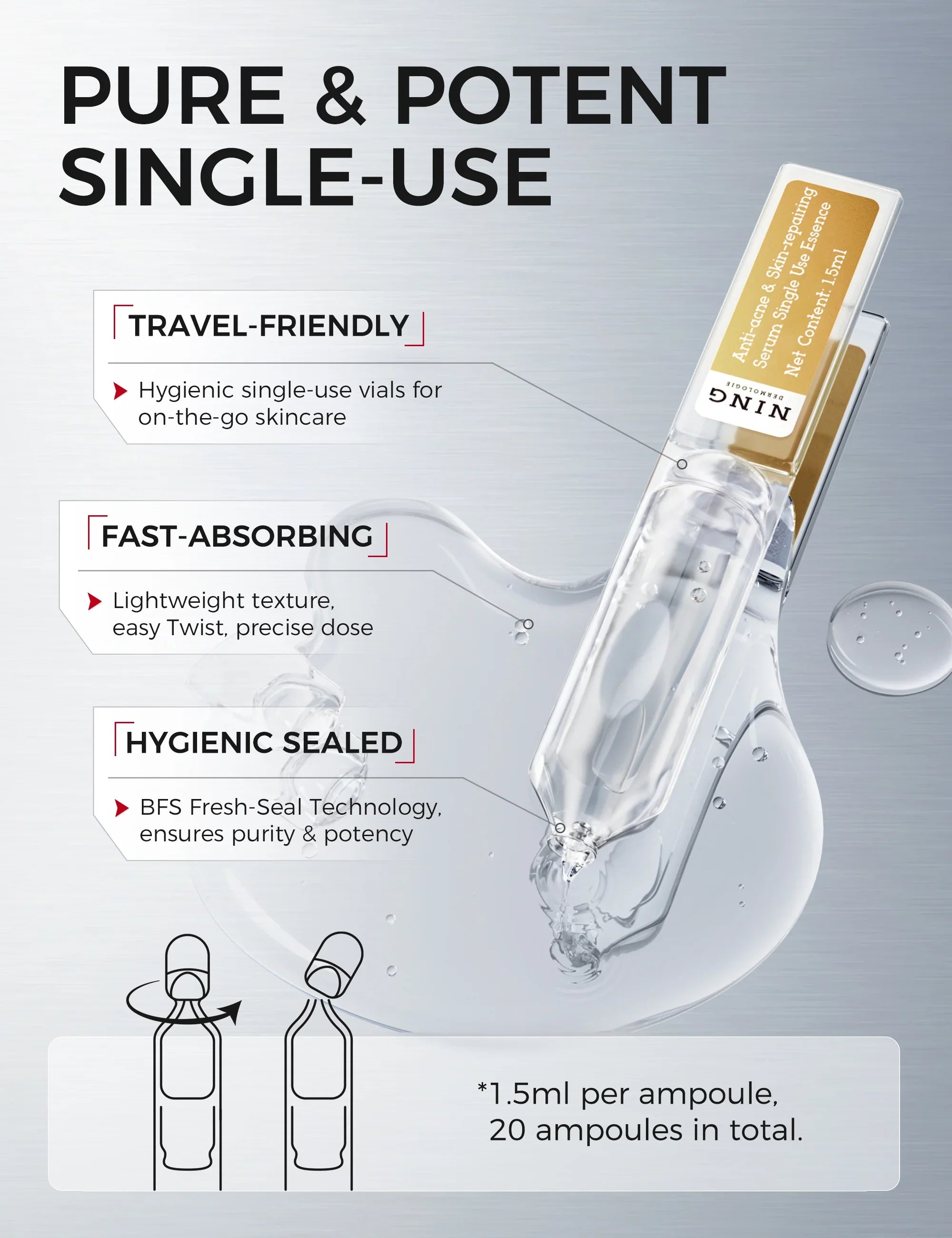
This is exactly why we developed the NING Dermologie Soothe & Repair Duo.
The Soothe & Repair Duo isn’t just another thick cream that sits on top of your face like a greasy bandage. It’s engineered to mimic the skin's natural pH balance and lipid profile. The serum phase utilizes signal peptides to tell your skin to start producing its own lipids again, while the cream phase uses lactobacillus ferment to stabilize the microbiome—which is usually decimated after a harsh Cosmetic Treatment.
The Invisible Enemies: Environment and Nutrition
You can have the best Skin Care in the world, but if you’re ignoring the external and internal factors, you’re swimming upstream.
- The UV Factor: Even on cloudy days, UV radiation degrades the proteins that keep your barrier intact. You need an SPF 30+ that uses mineral blockers (Zinc Oxide) during a recovery phase, as chemical filters can sometimes sting irritated tissue.
- The Internal Support: As Brendan Camp, MD, and Snehal Amin, MD, often discuss during Patient Interaction, skin health is a systemic issue. During a repair phase, I often suggest looking into your micronutrient intake. Vitamin C 1000mg helps with collagen synthesis, while Zinc 50mg is a powerhouse for wound healing. Furthermore, the combination of Vitamin D3 + K2 supports the skin's immune function, ensuring your Skin Response to irritants is measured rather than explosive.
How to Layer Your Recovery Routine
When your barrier is broken, "less is more" is a lie—"right is more" is the truth.
- Cleanse: Use a non-foaming, pH-balanced cleanser. If it squeaks, you’ve failed.
- Damp Skin: Apply your hyaluronic acid or hydrating serum while the skin is still slightly damp to trap that water.
- The Duo: This is where the NING Dermologie system shines. Apply the serum to deliver those signal peptides and lactobacillus ferment deep into the epidermis. Follow immediately with the repair cream to "lock the door" with ceramide NP and fatty acids.
- Protect: If it’s daytime, finish with a physical sunscreen.
If you are dealing with extreme localized trauma—perhaps from an aggressive benzoyl peroxide spot treatment—you might even layer a bio calm repair masque or a specialized Rejûvaskin Skin Recovery Cream over your driest patches before bed.
The Timeline of Healing
Don't expect a miracle in 24 hours. While the NING Dermologie Soothe & Repair Duo provides almost instant relief from the "sting," true structural rebuilding of the moisture barrier takes about 21 to 28 days—the length of a full skin cell cycle.
During this time, your skin might go through a "peeling" phase. Do not scrub it. Those flakes are like the scaffolding on a construction site; they are protecting the new, vulnerable cells underneath. Let them fall off naturally.
By the end of week three, you’ll notice that your skin no longer feels "tight" by 2 PM. That is the sign that your transepidermal water loss has stabilized and your tight junction protein claudin-1 levels are back where they should be.

Frequently Asked Questions (FAQ)
Q: Can I keep using my Vitamin C serum while my skin is irritated?
A: Honestly? Put it down. Most Vitamin C (L-Ascorbic Acid) has a low pH that will sting a compromised barrier like crazy. Wait until the stinging stops and your skin feels "plump" again. Once you’re healed, the NING Dermologie duo actually creates a healthier base for actives to work better.
Q: How do I know if it’s a "broken barrier" or just a breakout?
A: Perform the "Sting Test." If a basic, bland moisturizer makes your skin burn or turn bright red, it’s a barrier issue, not just acne. Treating "barrier-redness" with more salicylic acid is like trying to put out a fire with gasoline. Focus on lipids first, then worry about the clogs.
Q: Why does my skin look darker or ashier now that it’s irritated?
A: This is common in Black People and deeper skin tones. Irritation triggers melanocytes to overproduce pigment as a defense mechanism. By calming the inflammation quickly with the Soothe & Repair Duo, you effectively "turn off" that emergency pigment signal before it turns into a long-term dark spot.
Q: Is a "slugging" routine with petroleum jelly enough to fix my barrier?
A: Slugging is just a plastic wrap; it stops water from leaving, but it doesn't "repair" anything. You need the "mortar"—ceramides and fatty acids—to actually fix the structure. Use the NING Dermologie duo to provide the building blocks, then you can slug over it if you’re extremely dry.
Q: Can air pollution really make my skin more sensitive?
A: Absolutely. Microscopic pollutants can slip through a weakened stratum corneum and trigger oxidative stress. This creates a cycle of chronic inflammation. Think of your repair cream as an invisible shield that prevents these particles from reaching the living layers of your skin while it’s trying to heal.
Fixing your skin isn't about finding a "magic" ingredient; it's about respecting the biology of your moisture barrier. Be patient, stop the "scrubbing" culture, and give your skin the bio-identical tools it needs to mend itself. Your face will thank you by being, for once, actually quiet.





Share:
Cream and Serum Routine for Sensitive Skin Recovery and Comfort
Best Soothing and Repair Duo for Red, Reactive, and Heat-Stressed Skin