



The Real Talk Guide: How to Actually Incorporate Salicylic Acid Into Your Routine Without Wrecking Your Face
We’ve all been there—staring at a shelf full of skincare products, wondering if that new serum is going to be the holy grail for our acne or if it's just going to leave us peeling like an onion. If you’ve been struggling with blackheads, stubborn pores, or that mid-day oil slick on your forehead, someone has probably told you to use salicylic acid.
But here’s the thing: salicylic acid (a.k.a. our favorite BHA) is powerful stuff. It’s not just another step in your skincare routine; it’s a high-performance active ingredient that requires a bit of respect. At NING Dermologie, we’ve seen too many people go "scorched earth" on their acne-prone skin, only to end up with a damaged skin barrier.
So, how do you incorporate salicylic acid the right way? Grab a coffee, and let’s break down how this beta hydroxy acid actually works and how to slot it into your everyday skincare without the drama.

What Does This Acid Actually Do for the Skin?
Before you apply salicylic acid, you should probably know what it’s doing under the surface. Unlike AHAs (like glycolic acid or lactic acid) which mostly hang out on the surface to exfoliate the skin, salicylic acid is a beta-hydroxy acid that is oil-soluble.
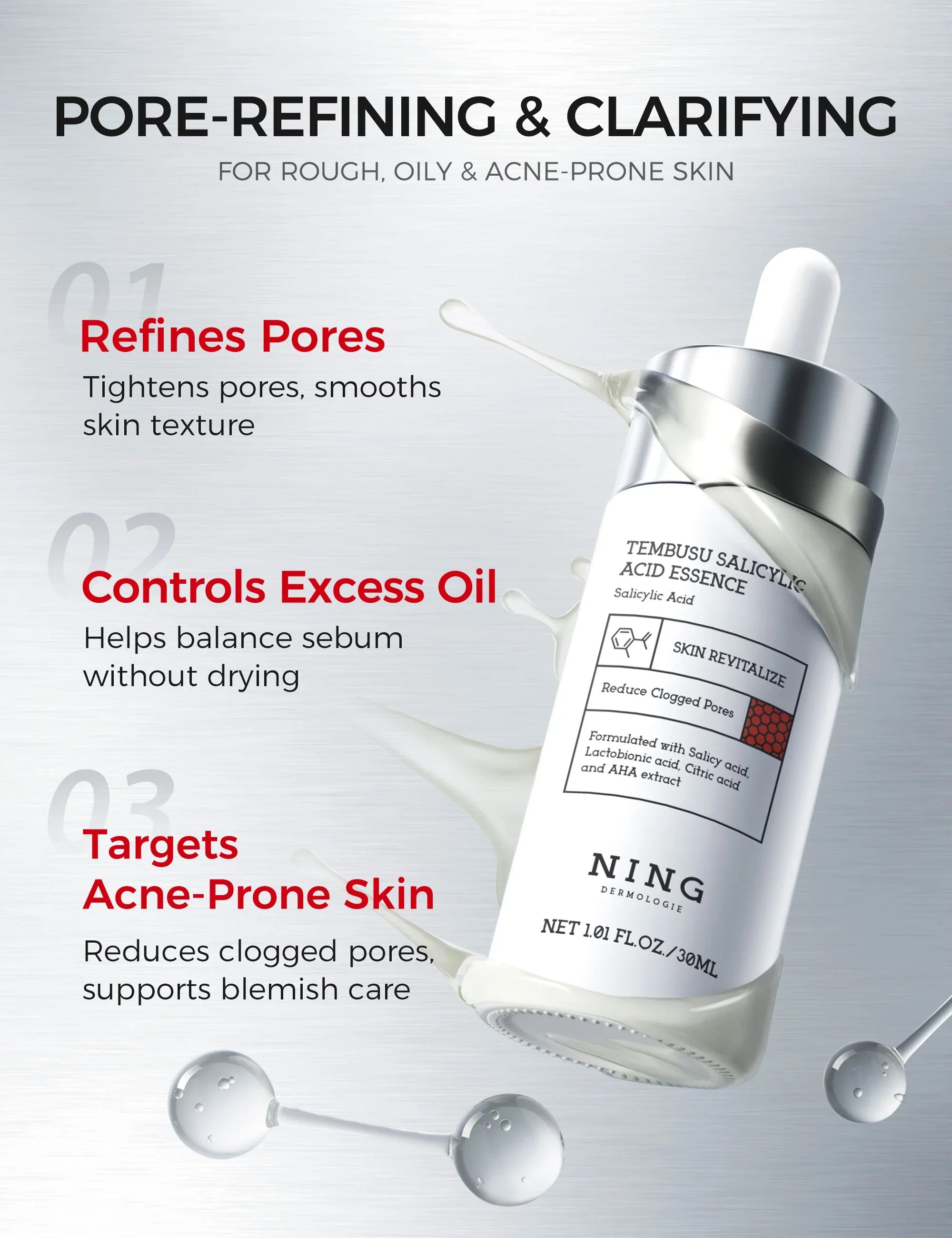
This is the "secret sauce." Because it loves oil, it penetrates deep into the skin, specifically right into the pore lining. Once it’s in there, it acts like a tiny chemical jackhammer to remove dead skin cells and dissolve the excess oil (sebum) that glues them together. This is why it’s a legendary skincare ingredient for oily and acne-prone skin. By clearing out the gunk before it turns into a breakout, it literally helps transform your skin from the inside out.
Choosing Your Weapon: The Right Salicylic Acid Product
Not all BHAs are created equal. Depending on your skin type, you might want a wash-off cleanser or a leave-on serum.
If you have dry and sensitive skin, you might find that a salicylic acid toner or a wash-off product is enough to get the benefits of salicylic acid without the dryness. However, if you're serious about targeting acne, a leave-on treatment is usually the gold standard.
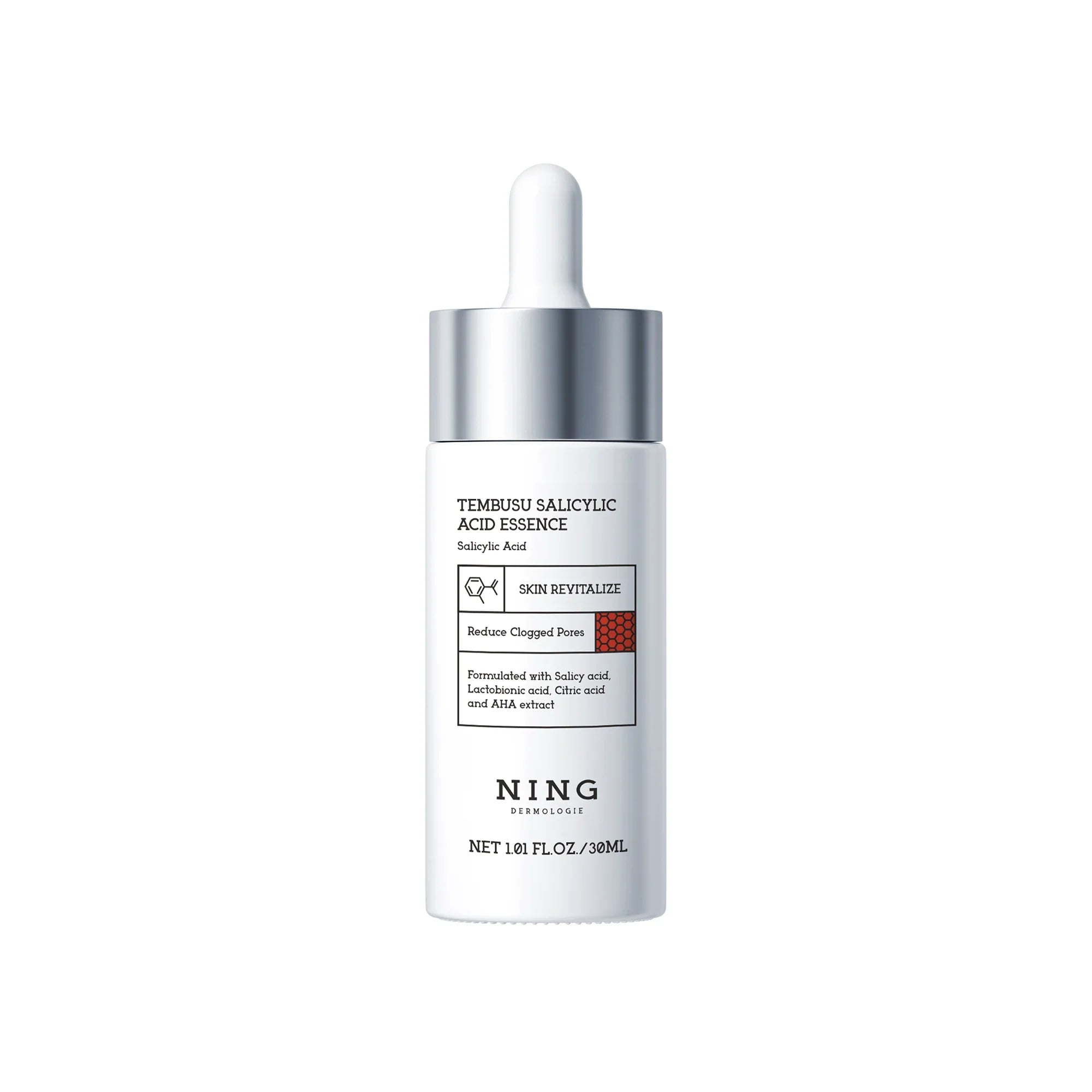
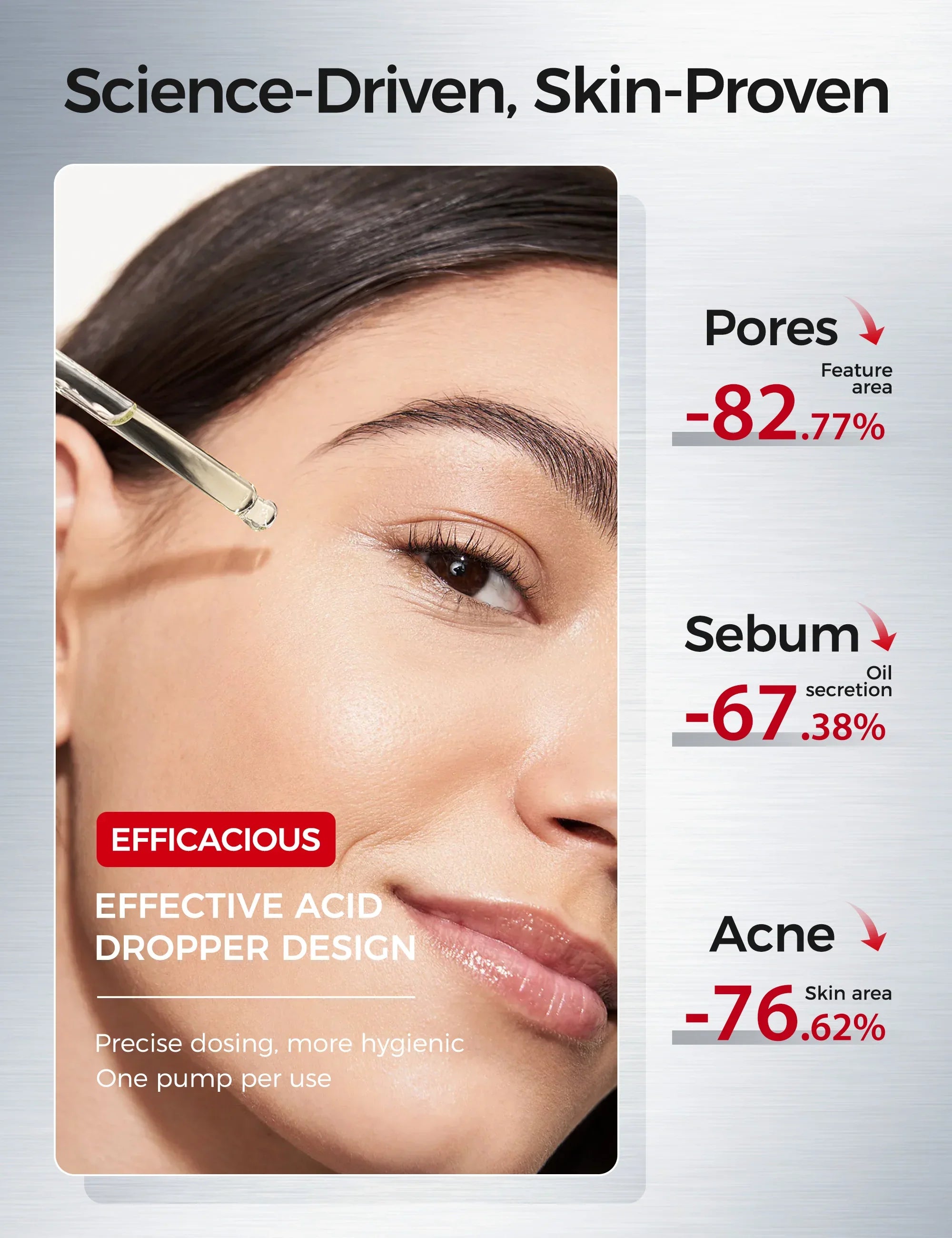
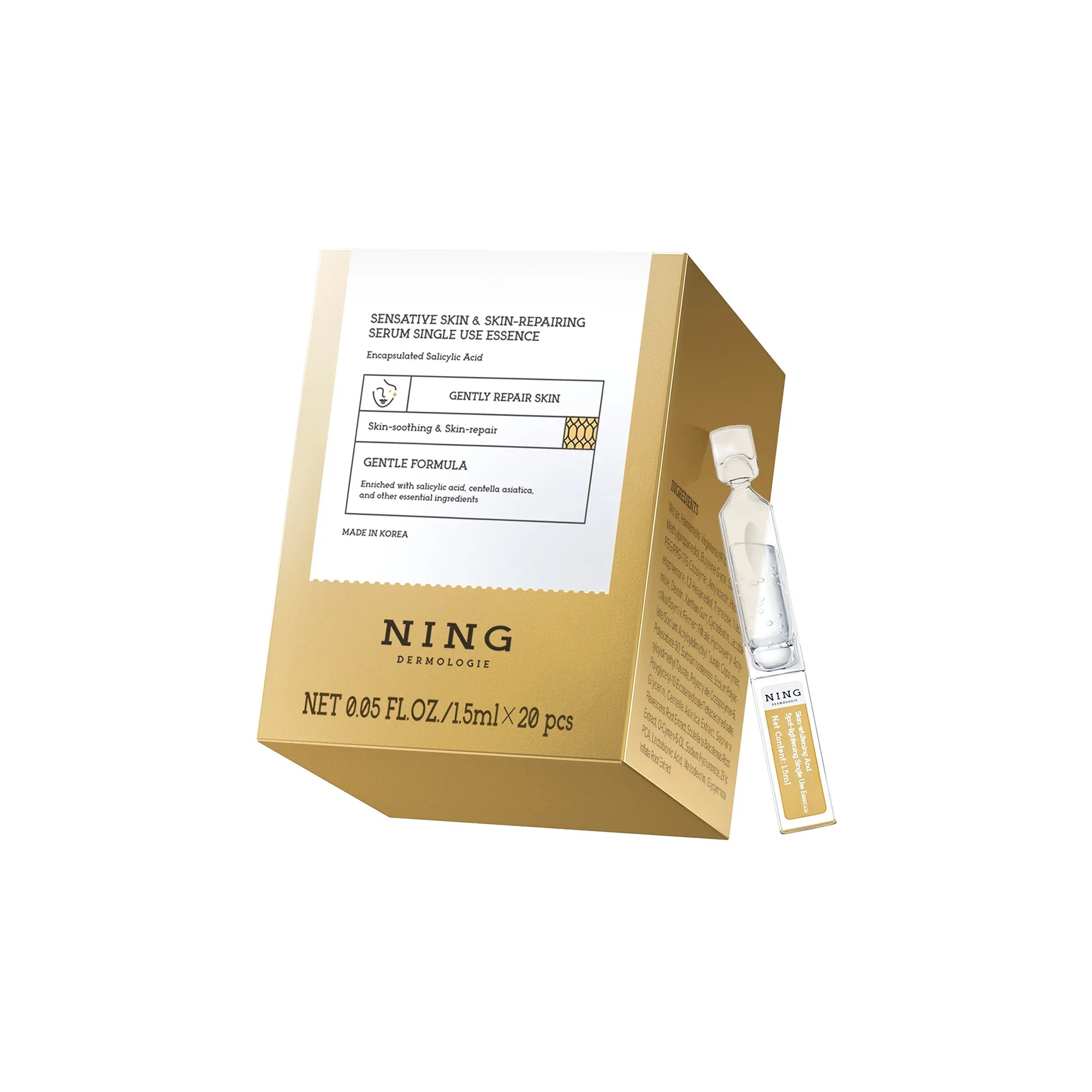
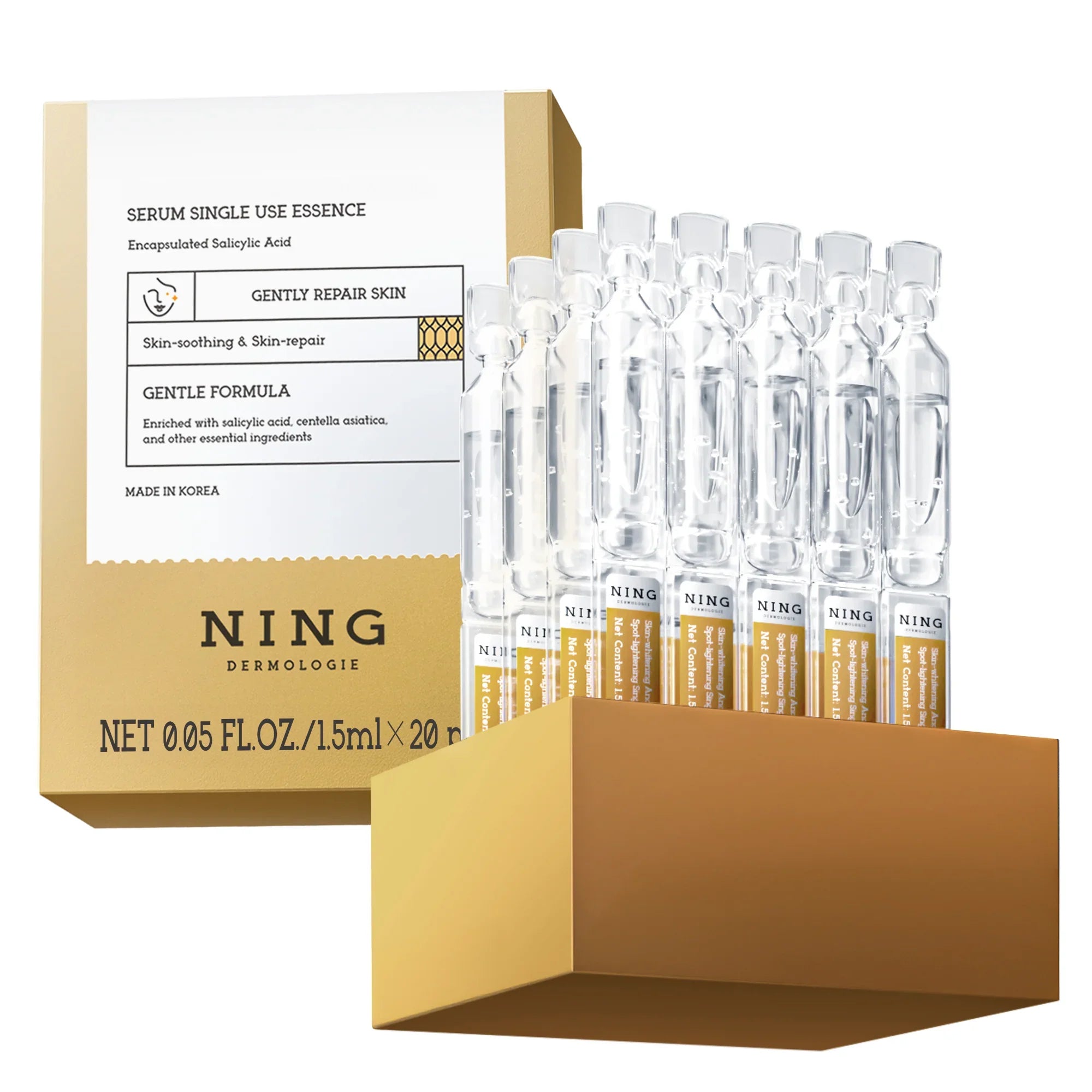
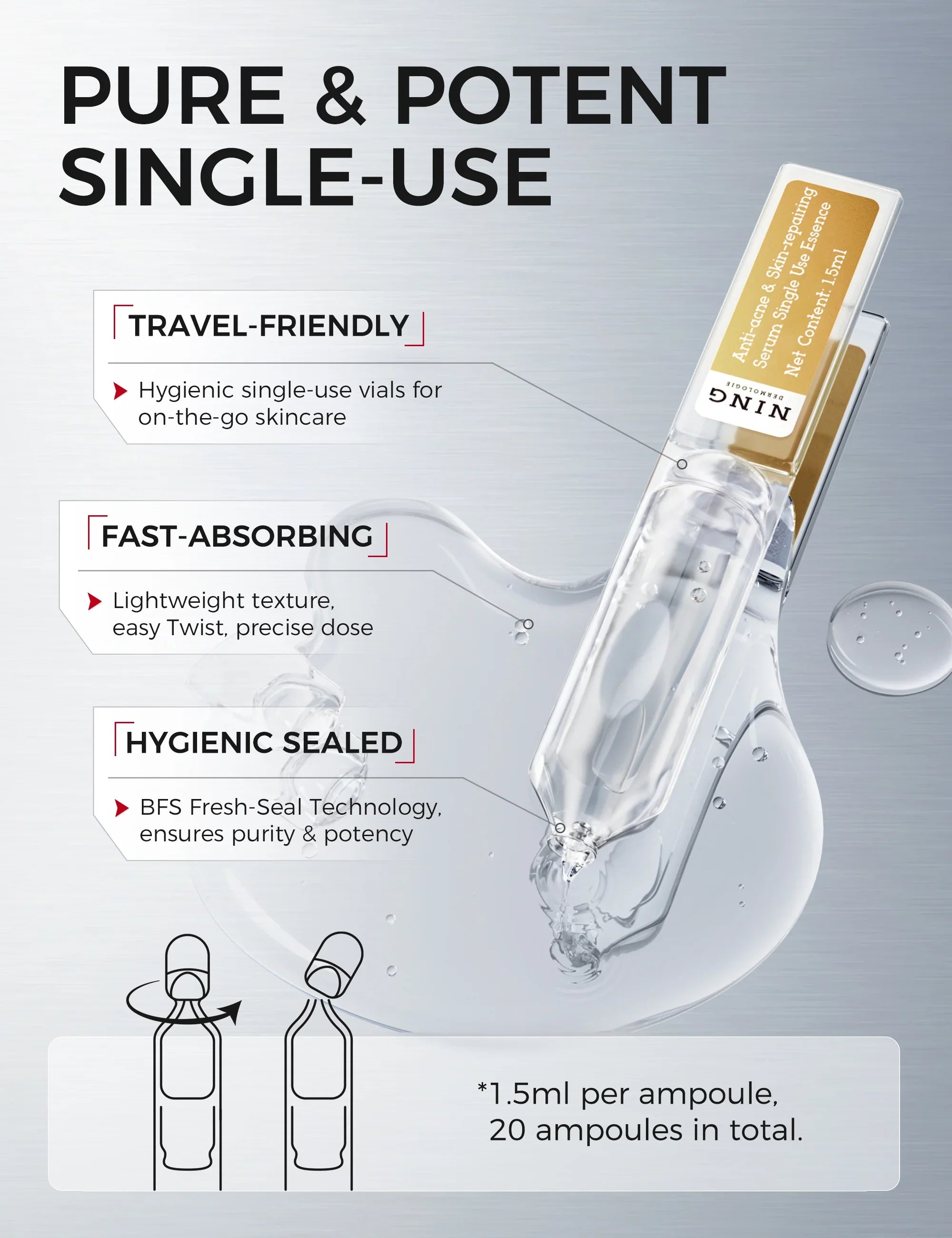
Our team at NING Dermologie spent a long time perfecting the 2% Salicylic Acid Serum. We chose a 2% concentration because it’s the "sweet spot"—strong enough to tackle sebum production and blackhead formation, but formulated to respect the skin’s delicate balance. When you use a salicylic acid product of this caliber, you’re not just treating a spot; you’re managing your overall skin health.
How to Incorporate Salicylic Acid into Your Routine (Step-by-Step)
Don't just slather it on and hope for the best. Follow this flow to get best results.
Step 1: The Clean Slate
Start with a gentle cleanser. You want your face and neck to be clean but not "squeaky" dry. If your skin is too stripped before you apply a few drops of acid, you're asking for redness. Gently pat your skin—don't rub. Some people prefer applying to damp skin, but for actives, dry skin is often safer to minimize irritation.
Step 2: The Main Event
This is where you incorporate salicylic acid into your routine. Take your NING Dermologie 2% Salicylic Acid Serum and apply a few drops across your face, focusing on the "danger zones" (usually the T-zone or wherever you’re acne-prone).
Step 3: Hydrate Like Your Life Depends on It
Since salicylic acid works by degreasing, you need to put back some "good" moisture. Hyaluronic acid is your best friend here. It’s a humectant that pulls water into the skin without clogging a single pore. Following up with a lightweight moisturizer ensures your skin barrier stays intact.
Step 4: The Non-Negotiable (UV Protection)
I cannot stress this enough: if you use salicylic acid every day, you must use sunscreen. Even though BHA isn’t as photosensitizing as some other acids, you are still revealing fresh skin cells. Protecting those cells from UV rays is the only way to prevent dark spots and premature aging.
The Ultimate Pairing: Salicylic Acid and Vitamin C
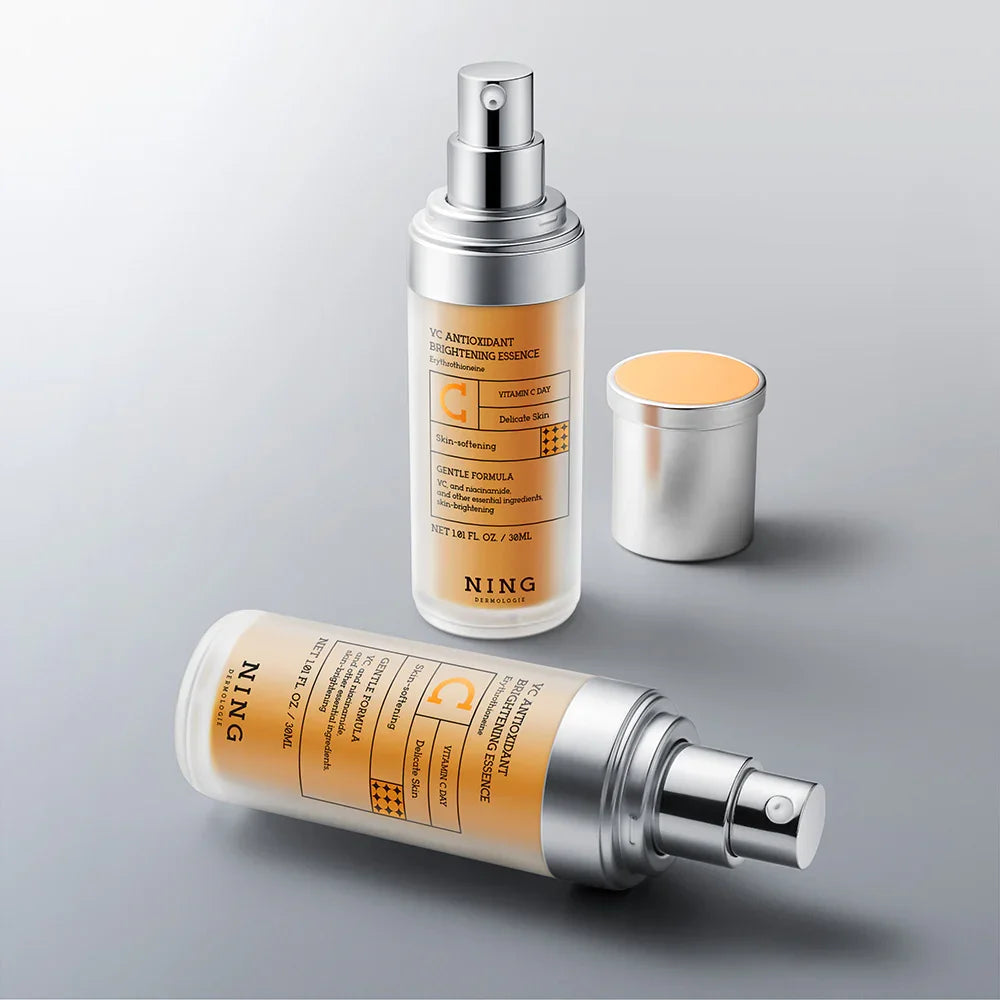
One of the most common questions we get at NING Dermologie is: "Can I use salicylic acid and vitamin C together?"
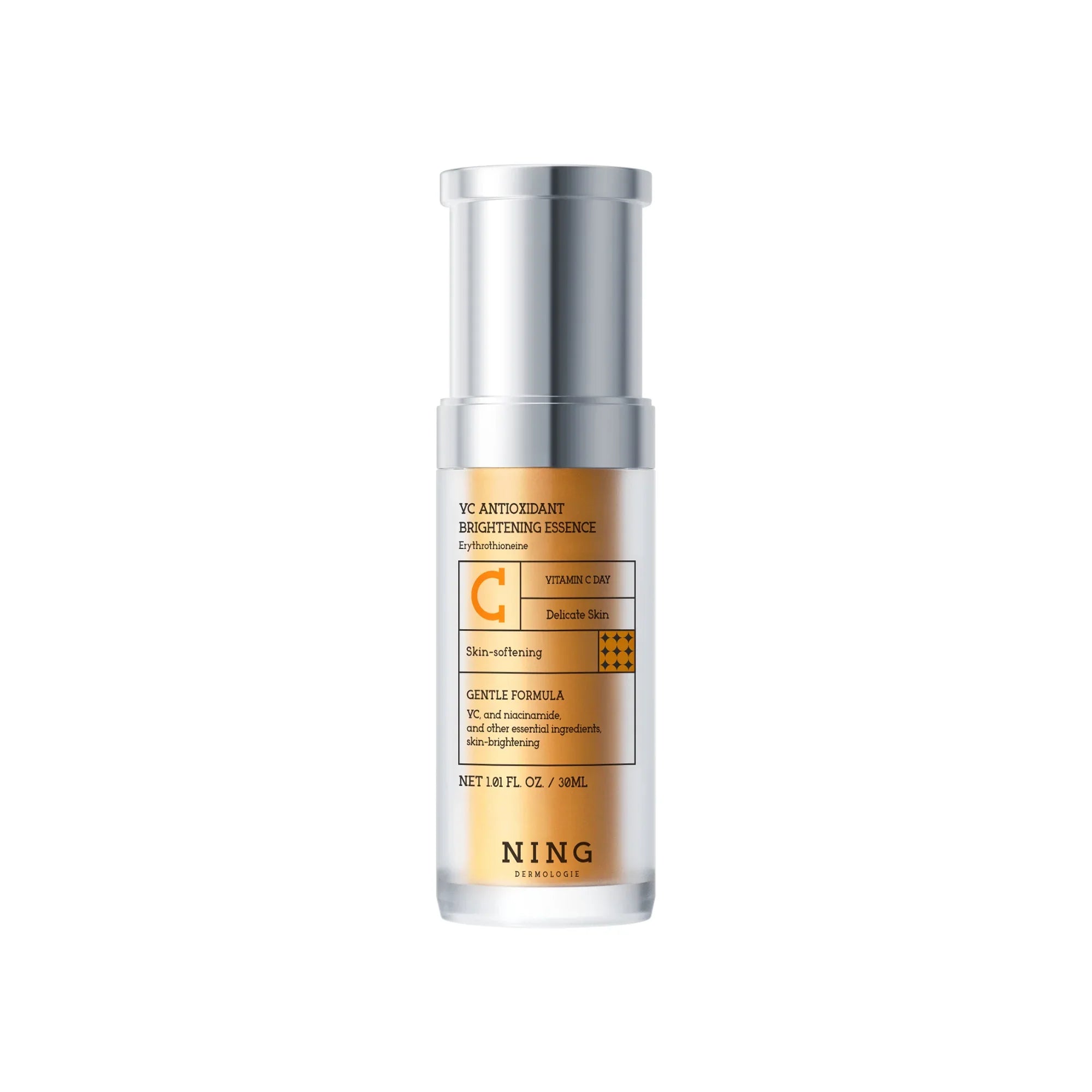
The short answer? Yes, but be smart about it. Vitamin C is an antioxidant powerhouse, but it’s also acidic. If you layer them directly on top of each other, your skin might freak out.
The Pro Strategy:
- Morning: Use your vitamin C to fight off UV damage and pollution.
- Night: Apply salicylic acid to clear out the day's oil and gunk.
This "split routine" gives you the benefits of using salicylic acid for clear skin while letting the vitamin C brighten your overall skin tone without causing redness.
Common Traps: What to Avoid
-
Over-exfoliating: More is not better. If your skin feels tight, shiny (but not oily), or itchy, back off. You don't need to use products with acid every single hour.
-
Mixing too many actives: Don't use a salicylic acid spot treatment, a glycolic acid toner, and a retinol all in the same night. Your skin isn't a science experiment.
-
Ignoring the "Purge": Sometimes, when you first use a BHA, your acne might look slightly worse for a week. This is just the salicylic acid’s ability to push existing clogs to the surface. Stick with it!

Adapting to Your Skin Type
- Oily Skin: You can likely use salicylic acid every day once your skin builds tolerance. It will help control sebum production and keep pores tight.
- Sensitive Skin: Try "short contact therapy." Apply the serum, leave it for 10 minutes, then wash it off. You still get the benefits of salicylic acid with much less risk.
- Combination Skin: Only apply salicylic acid to the oily areas. Your cheeks might not need it!
Why NING Dermologie?
At the end of the day, skin care is personal. We created our 2% Salicylic Acid Serum because we wanted something that actually works for acne without the clinical, chemical smell and harshness of old-school drugstore brands. By combining the beta hydroxy power with soothing base ingredients, we help you transform your skin without the typical "acid burn" experience.
Ready to clear those pores? Check out the NING Dermologie Serum and let’s get your skincare regimen on the right track.
Frequently Asked Questions (FAQ)
1. How long does it take to see results with salicylic acid?
Don't expect a miracle overnight. While your skin might feel a bit smoother after the first go, real change—like seeing those blackheads actually disappear—usually takes about 4 to 6 weeks. You have to give your skin cell turnover time to do its thing. If you’re consistent with your skincare routine, that’s when the clear skin finally starts showing up. Just hang in there and don't give up too soon.
2. Can I use salicylic acid with retinol?
It’s a bit risky. Both salicylic acid and retinol are powerful active ingredients. Using them at the exact same time can lead to serious dryness and a compromised skin barrier. If you want both in your skincare routine, use the BHA in the morning (with SPF!) and the retinol at night, or alternate nights to keep your skin reacts to a minimum.
3. Will salicylic acid make my skin peel?
Honestly, it shouldn't—if you’re doing it right. If you start seeing flakes, you're probably overdoing it or skipping your moisturizer. We usually suggest starting our 2% Salicylic Acid Serum just a few nights a week to let your skin builds tolerance. Pair it with hyaluronic acid to keep things bouncy, and you’ll get the benefits of salicylic acid without looking like you’re shedding your skin.
4. Is it okay to use salicylic acid every day?
It really depends on how much oil your face produces. If you’ve got serious oily skin, daily use might be your best bet to keep sebum production under control. But for the dry and sensitive skin crowd? Every day is probably overkill. Listen to your face—if it starts feeling tight or showing redness, back off. There’s no "one size fits all" rule for how you use salicylic acid every day.
5. Does salicylic acid help with anti-aging?
It’s not exactly a "wrinkle cream," but it definitely helps. By helping to remove dead skin cells that make your complexion look dull, it makes your skin appear way more radiant. Think of it as a reset button for your texture. While it won't replace vitamin C for brightening, the way salicylic acid works to keep pores clean gives you that healthy, fresh-faced glow that we all want as we get older.
6. Can I use salicylic acid if I don't have acne?
For sure! You don’t need a face full of acne to incorporate salicylic acid. It’s actually a killer tool for anyone who deals with enlarged pores or just wants to deep-clean the day’s grime out of their skin. Even if your skin is mostly clear, using a BHA once or twice a week keeps things maintenance-free and prevents blackheads from even thinking about moving in. It's about prevention, not just treatment.





Share:
The Science Behind Salicylic Acid: What Your Skin Needs
Salicylic Acid Benefits: Why This BHA is a Skincare Must-Have