


The Science Behind Salicylic Acid: Everything You Need to Know for Real Results
Stop thinking of salicylic acid as just a "teenager’s acne treatment." If you struggle with stubborn blackheads, rough texture, or that mid-day oil slick on your forehead, you’re looking at the gold standard of chemical exfoliation. But why does it work when other acids fail?
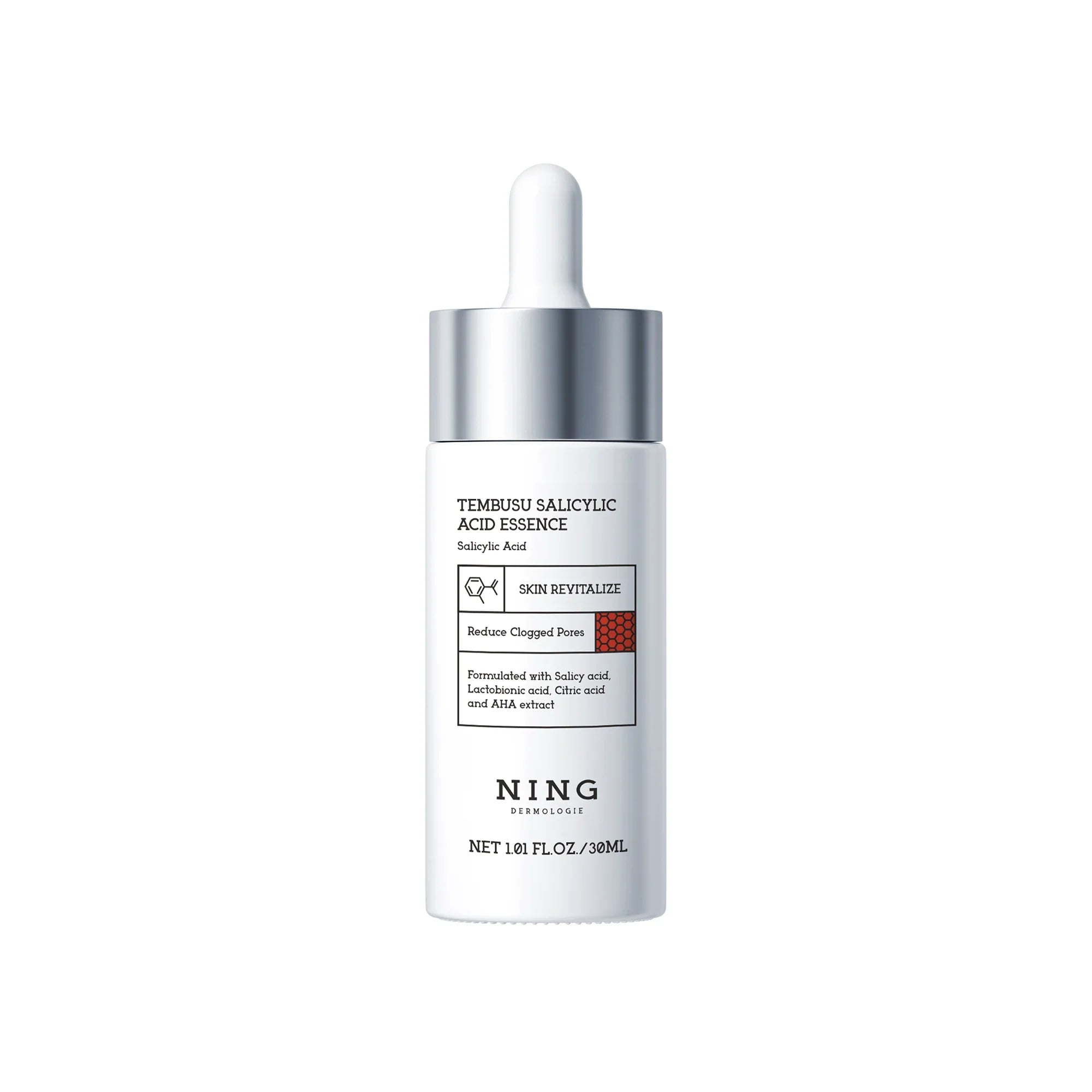
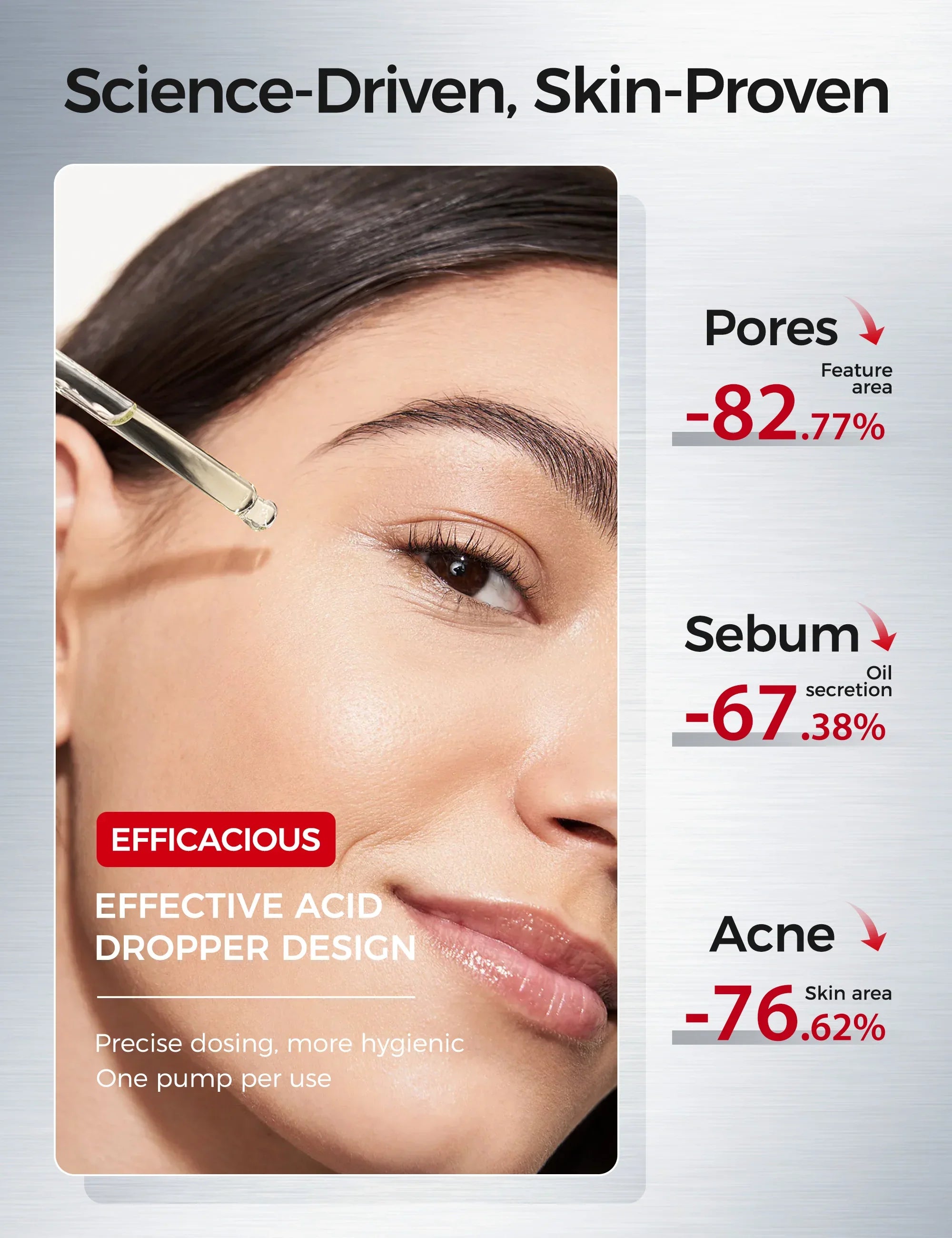
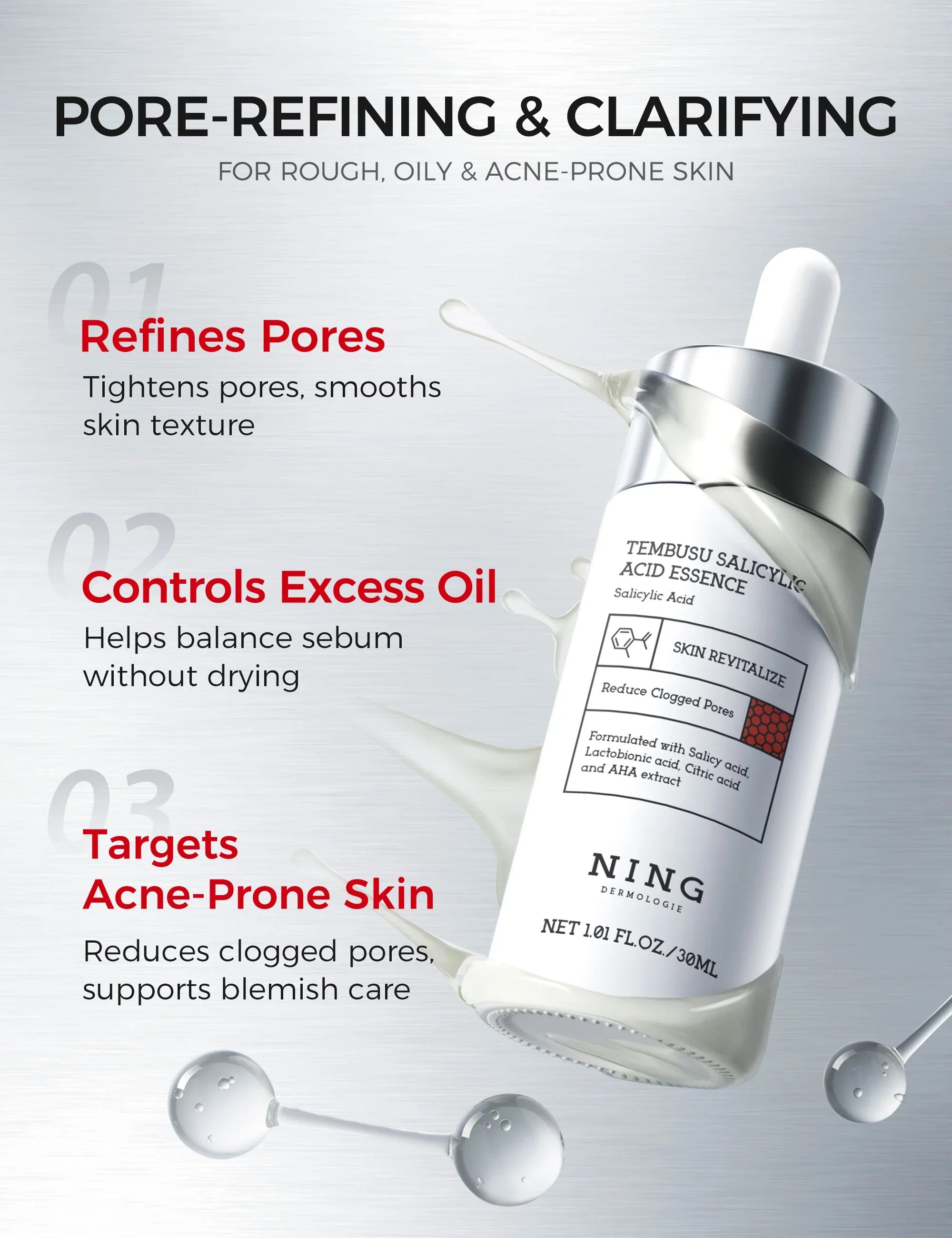
The science behind salicylic acid isn't just marketing fluff; it’s a matter of molecular physics. While most exfoliants sit on the surface, salicylic acid actually goes diving. At NING Dermologie, we’ve seen how the right concentration—specifically a stabilized 2% Salicylic Acid Serum—can pivot a complexion from congested to glass-like in a matter of weeks.

What is Salicylic Acid? The Oil-Soluble Secret
To understand salicylic acid for skin, you first have to understand its chemical family. It is a beta hydroxy acid (BHA). You’ve likely heard of glycolic acid or lactic acid, which are Alpha Hydroxy Acids (AHAs). The difference is simple: AHAs are water-loving, while salicylic acid is oil-loving (lipophilic).
Think of your pores as tiny, oil-filled pipes. Water-soluble acids just slide over the top of the oil. Salicylic acid actually penetrates deep into the sebum, dissolving the "glue" that holds debris together. It is chemically related to acetylsalicylic acid (aspirin), which explains why salicylic acid exhibits such potent anti-inflammatory effects. It doesn't just scrub; it calms.
How Salicylic Acid Actually Works Beneath the Surface
The science behind salicylic acid revolves around its function as a keratolytic agent. It targets the bonds between dead skin cells, softening keratin—the protein that acts as the "bricks" of your skin's outer layer.
When you use salicylic acid, it performs a dual-action sweep:
-
Surface Level: It sheds the dulling layer of skin that makes you look tired.
-
Pore Level: Salicylic acid clears out the gunk. By dead skin cells and unclogging pores, it prevents the micro-comedones that eventually turn into cystic acne or painful whiteheads.
At NING Dermologie, we formulate our 2% Salicylic Acid Serum to ensure the pH is low enough for the acid to remain active, but balanced enough to protect your skin barrier.
Benefits of Salicylic Acid: Not Just for Oily Skin Types
While oily skin is the primary beneficiary, the benefits of salicylic acid extend far beyond controlling a shiny T-zone.
For Oily and Acne-Prone Skin
This is where salicylic acid delivers its most dramatic results. By reducing sebum at the source, it starves acne-causing bacteria. Frequent use of salicylic acid ensures that dead skin cells and unclogging happen daily, rather than allowing buildup to create "strawberry skin" or localized breakouts.
Addressing Rough Skin and Texture
If you deal with rough skin or skin issues like Keratosis Pilaris (those tiny bumps on the back of arms), salicylic acid helps flatten those bumps by dissolving the keratin plugs. It promotes skin cell turnover, revealing brighter skin that reflects light better.
Salicylic Acid for Dry Skin?
It sounds counterintuitive, but you can make salicylic acid work for dry complexions too. The trick is frequency. Even dry skin suffers from clogged pores. The key is to combines salicylic acid with ingredients like hyaluronic acid to prevent trans-epidermal water loss. When your skin with salicylic acid is properly hydrated, you get the glow without the flakes.
The Science Behind Salicylic Acid vs. Glycolic Acid
Many people ask if they should choose glycolic or lactic acid over BHA.
- AHAs (Glycolic/Lactic): These are fantastic for surface-level exfoliation and skin brightening. They treat sun damage and fine lines on the facial skin.
- BHA (Salicylic): This is for the deeper skin layers. If your skin concerns involve pores, blackheads, or active breakouts, BHA wins every time.
NING Dermologie suggests: Don't use them in the same step. You might damage your skin by over-stripping the barrier. Instead, use your 2% Salicylic Acid Serum at night and a gentle AHA cleanser in the morning—if your skin acclimates well.
How to Make Your Skin Glow: Practical Application
If you are ready to transform your skin, you can't just splash the acid on and hope for the best. You need a strategy.
-
Patch Test: Salicylic acid isn’t a toy. Test it on your jawline first.
-
Start Slow: Begin using it twice a week. As your skin becomes more tolerant, you can move to every other night.
-
The "Sandwich" Method: If you have sensitive skin, apply a thin layer of hyaluronic acid first, then your salicylic acid treatment, then moisturizer. This cushions the skin barrier.
-
Sunscreen is Non-Negotiable: Because salicylic acid exfoliates the top layer, the skin underneath is "baby skin"—it is much more skin more sensitive to UV rays.

Advanced Concerns: Body Skin and Strawberry Skin
Salicylic acid isn’t just for your face. It is highly effective for body skin concerns. If you struggle with "strawberry skin" (clogged pores on the legs) or back-acne, look for salicylic acid cleansers or even a salicylic acid shampoo for scalp buildup. The power of salicylic acid works on any area where follicles are present.
For more certain skin conditions like psoriasis, a higher-strength salicylic acid peel might be used by professionals, but for daily skin health, a 2% leave-on serum remains the sweet spot for overall skin improvement.
NING Dermologie: Why Our Formula?
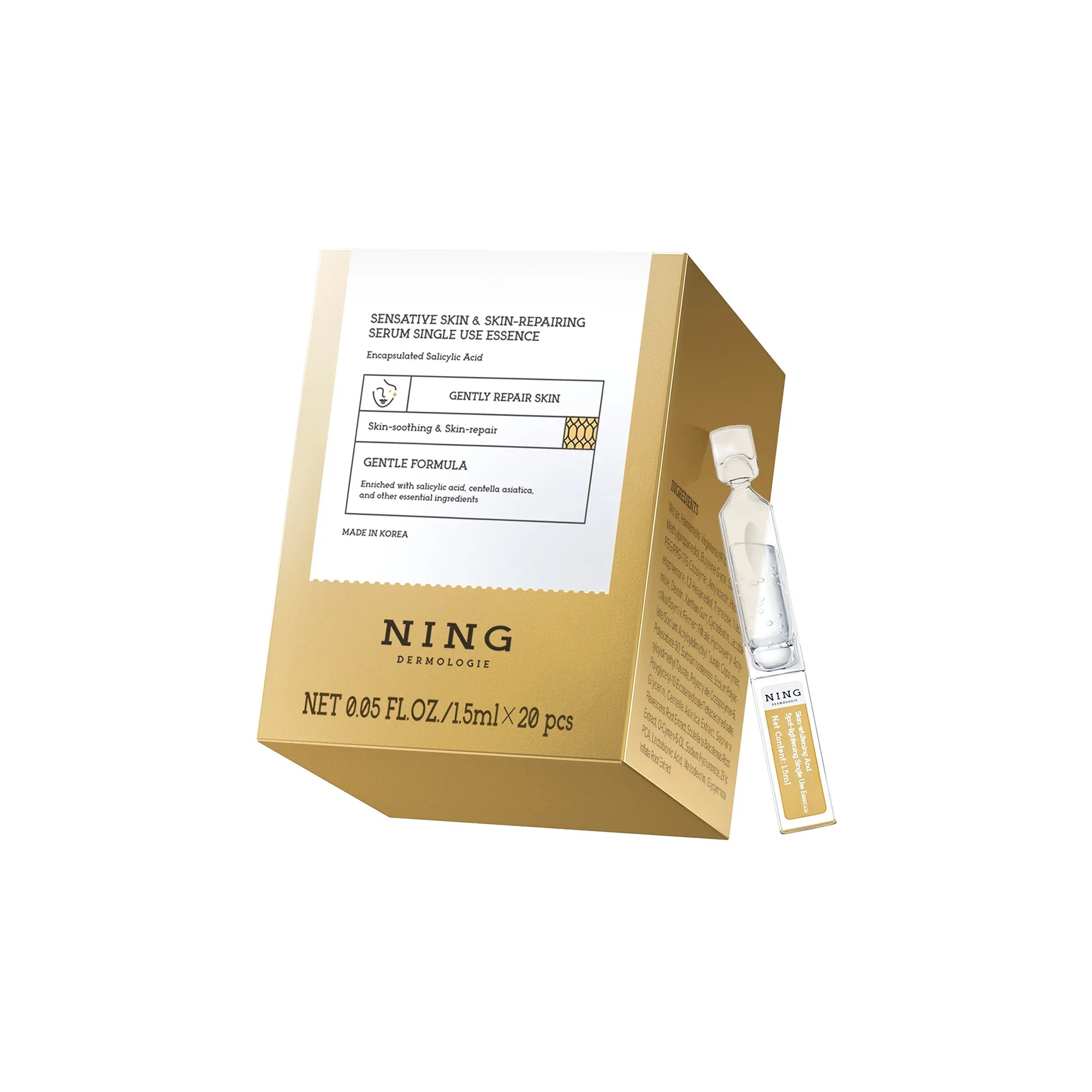
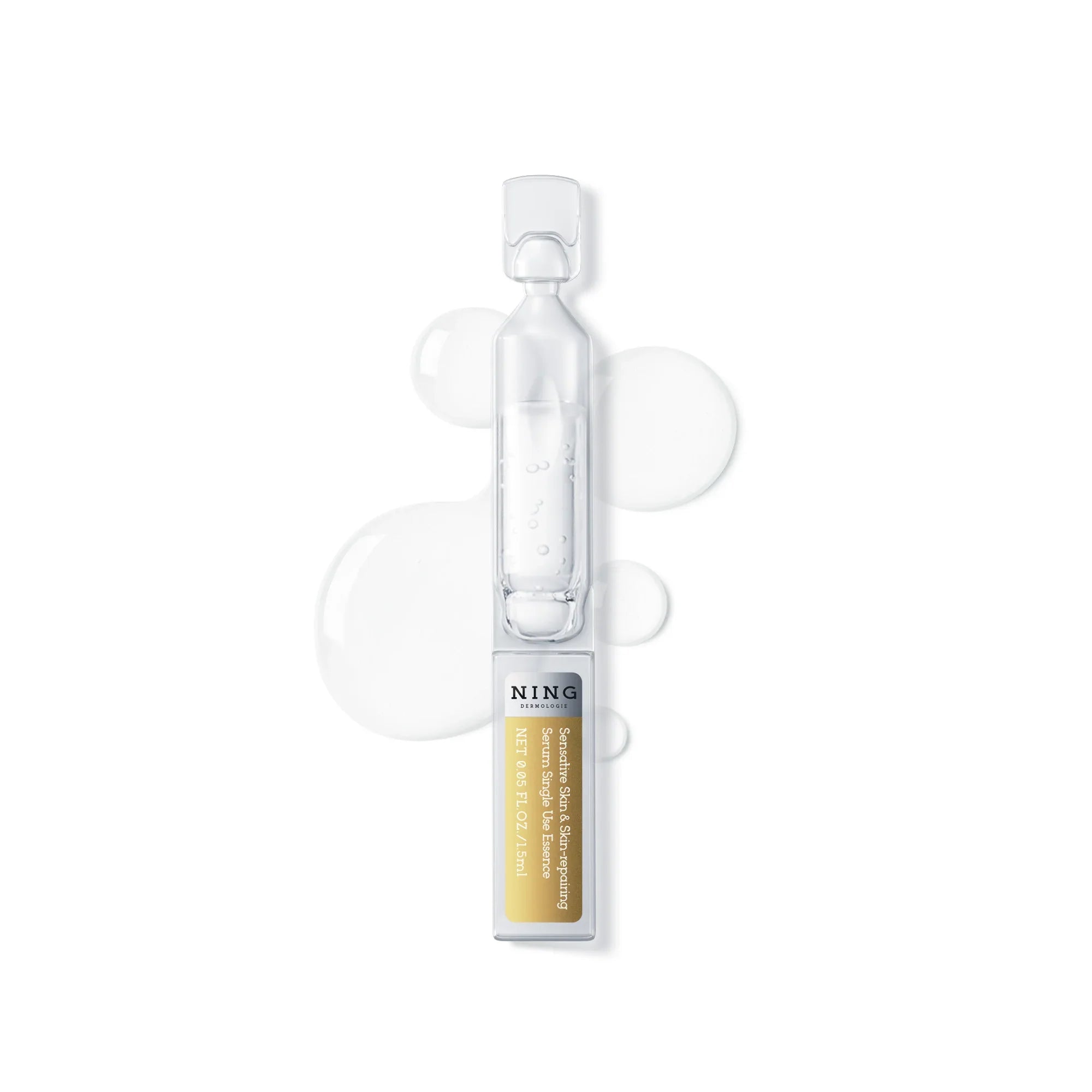
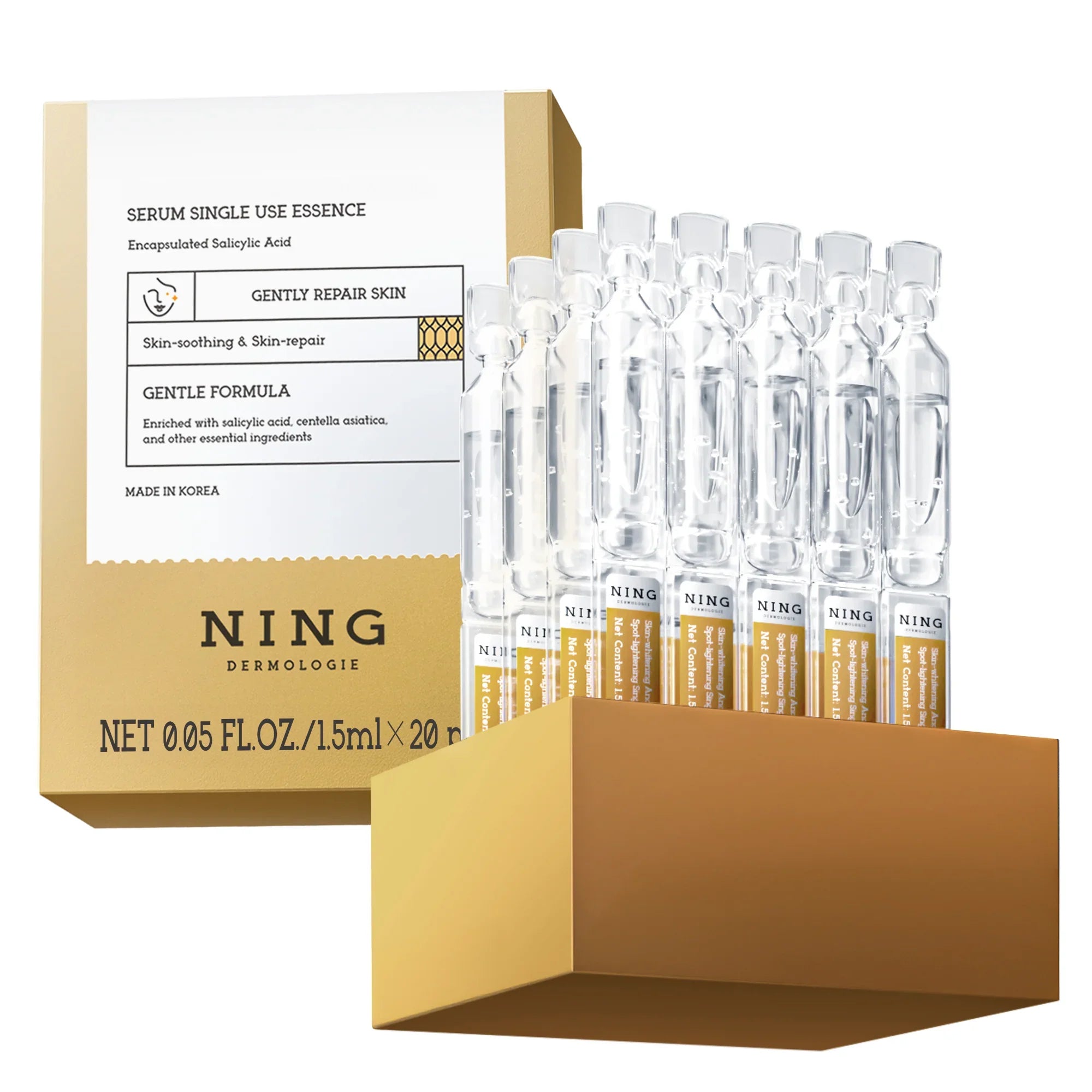
Most products contain salicylic acid, but they often include harsh alcohols that damage your skin. Our 2% Salicylic Acid Serum is powered with salicylic acid but balanced with soothing botanicals. We believe in clear skin without the compromise of redness or irritation.
When you discover how salicylic acid clears the path for your other products to work, you’ll never go back. By removing the debris, your moisturizers and peptides can finally reach the deeper skin instead of sitting on top of dead skin cells.
Frequently Asked Questions (FAQ)
1. Can I use salicylic acid and retinol together?
It is generally best to avoid salicylic acid and retinol in the same application. Using both simultaneously can overwhelm the skin barrier, leading to peeling and redness. Instead, use your NING Dermologie 2% Salicylic Acid Serum in the morning (with SPF) and your retinol at night. This allows your skin to get the benefits of both without the risk of severe irritation or skin problems.
2. How long does it take to see results?
While salicylic acid clears surface oil almost immediately, deeper skin clarity and a change in skin texture usually take 4 to 6 weeks. This timeframe aligns with the natural skin cell turnover cycle. Be patient; salicylic acid acts consistently over time. If you use it regularly, your skin becomes noticeably smoother as it purges the bonds between dead skin cells.
3. Will salicylic acid make me purge?
Yes, it's possible. Because salicylic acid penetrates deep into pores, it may fast-track existing clogs to the surface. This "purging" is a sign that the science behind salicylic acid is working to unclog pores. It usually lasts about two weeks. However, if your skin underneath feels painful or the irritation persists, reduce your frequency and discuss salicylic acid use with a professional.
4. Is salicylic acid safe for darker skin tones?
Absolutely. Salicylic acid is found to be very effective for darker skin tones, especially for treating post-inflammatory hyperpigmentation caused by acne. Because it is anti-inflammatory, it is less likely to cause the "rebound" darkening that harsher physical scrubs might trigger. Just ensure you apply salicylic acid alongside a broad-spectrum sunscreen to protect the new, brighter skin from UV-induced spots.
5. Can I use it if I have dry or sensitive skin?
You can try salicylic acid even with dry skin, but you must be strategic. Look for a formula that combines salicylic acid with humectants. Use it as a spot treatment or only on congested areas like the nose and chin. Follow up with a rich moisturizer to make salicylic acid work without stripping your natural lipids or compromising your overall skin health.
6. What should I do if my skin starts peeling?
If your skin that feels tight or starts peeling, you are likely overusing the product. Stop all actives for 3 days and focus on hyaluronic acid and barrier creams. Once the layer of skin has recovered, reintroduce the 2% Salicylic Acid Serum once or twice a week. It’s about finding the frequency your skin type can handle without causing rough skin textures.





Share:
Salicylic Acid in Skincare: Enhance Your Routine
Salicylic Acid Benefits: Why This BHA is a Skincare Must-Have