

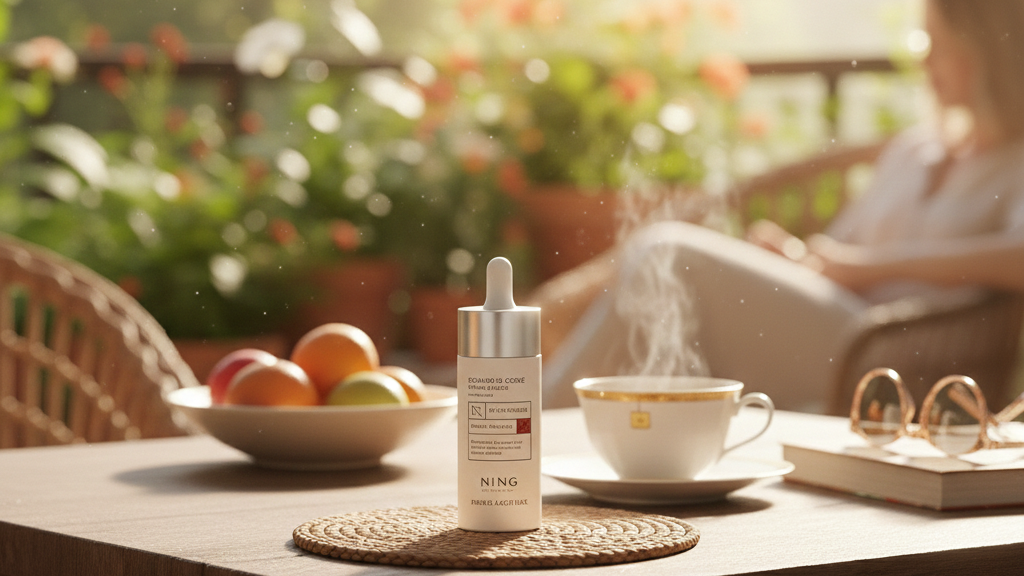

Salicylic Acid in Skincare: How to Actually Enhance Your Routine Without the Drama
The world of skin care is exhausting. One day everyone is obsessing over snail mucin, the next they’re telling you to coat your face in beef tallow. But if you’ve struggled with oily skin, stubborn blackheads, or that annoying uneven skin tone that won't budge, there is one "old school" ingredient that remains the undisputed heavyweight champion: salicylic acid.
At NING Dermologie, we don't believe in fairy-tale marketing. We believe in biology. If you want clearer skin, you don't need magic; you need a beta hydroxy acid that actually knows how to get its hands dirty. Here is everything you need to know about salicylic acid and how to incorporate salicylic acid into your life without ruining your skin barrier.

The Chemistry of Why Salicylic Acid Works
To truly know about salicylic acid, you have to understand it’s a bit of a rebel. Most acids, like glycolic acid (an AHA), are water-soluble. They sit on the surface, acting like a tiny broom to sweep away dead skin cells. That’s great for a surface glow, but it does nothing for the gunk trapped inside your face.
Salicylic acid is oil soluble. This is the game-changer. Because it loves oil, it can bypass the surface sebum and dive deep into your pores. Once inside, the power of salicylic acid goes to work, dissolving the bonds between dead skin cells and emulsifying the "glue" that holds clogs together. It doesn’t just clean your skin; it de-clutters your pores from the inside out.
When you use salicylic acid, you aren't just treating today’s pimple; you are preventing the "micro-comedone" that would have become next Tuesday’s breakout. This is why salicylic acid is good for acne—it stops the cycle before it starts.
The NING Dermologie Approach: Why Formulations Matter
You’ve probably seen salicylic acid products everywhere, from gas station face washes to luxury serums. But not all are created equal. The percentage of salicylic acid is important, but the pH of the product and the supporting cast of ingredients are what determine if your skin will thrive or flake off.
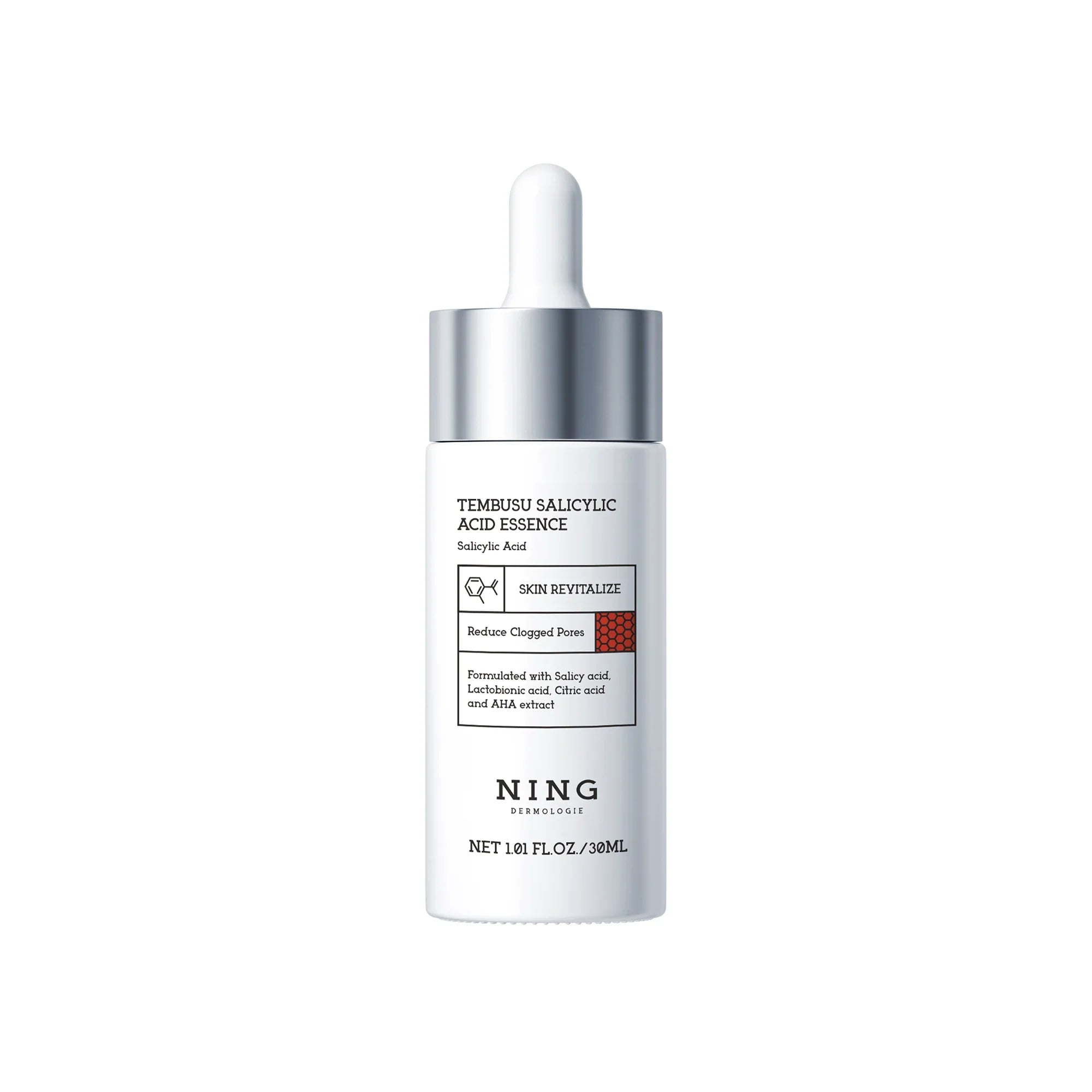
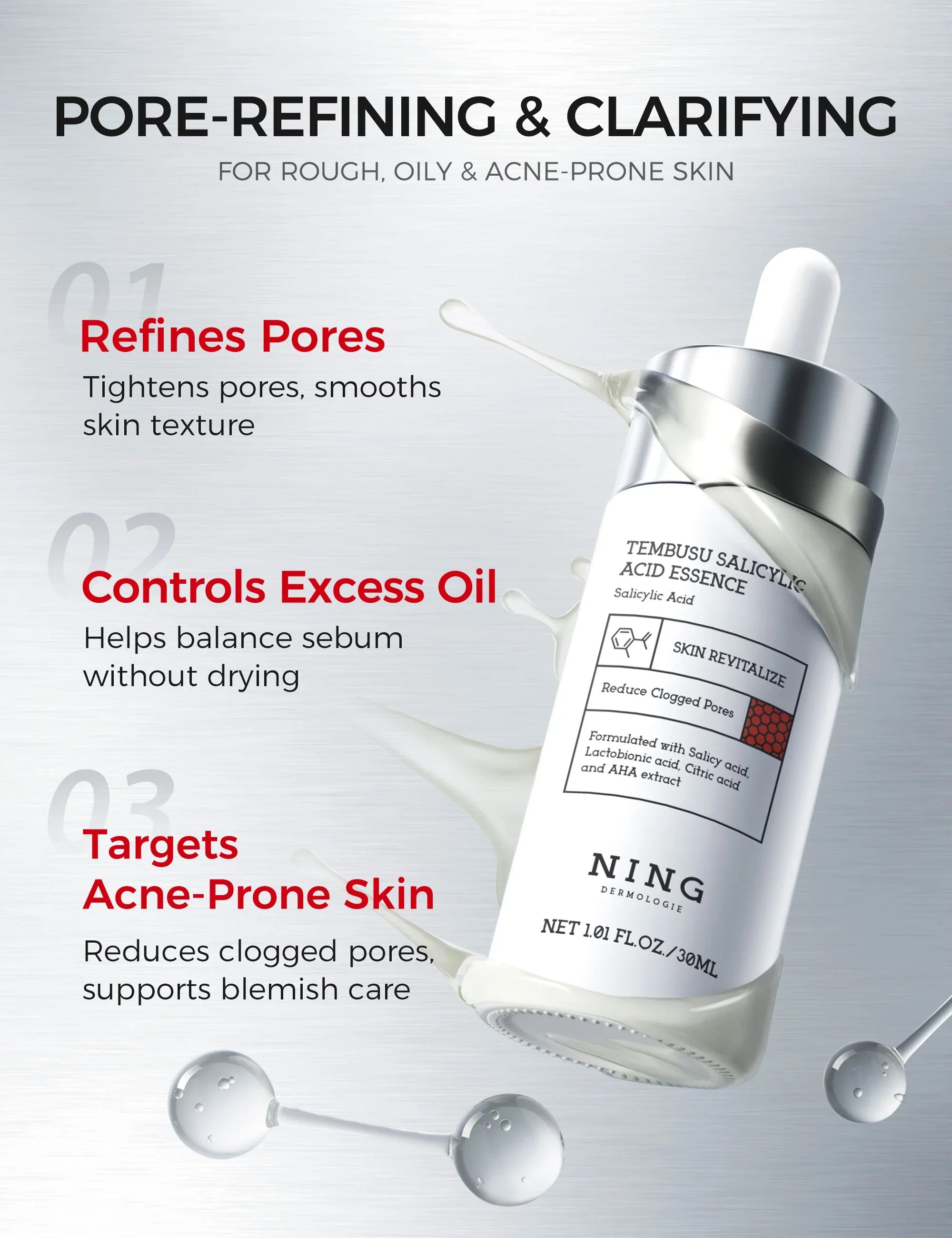
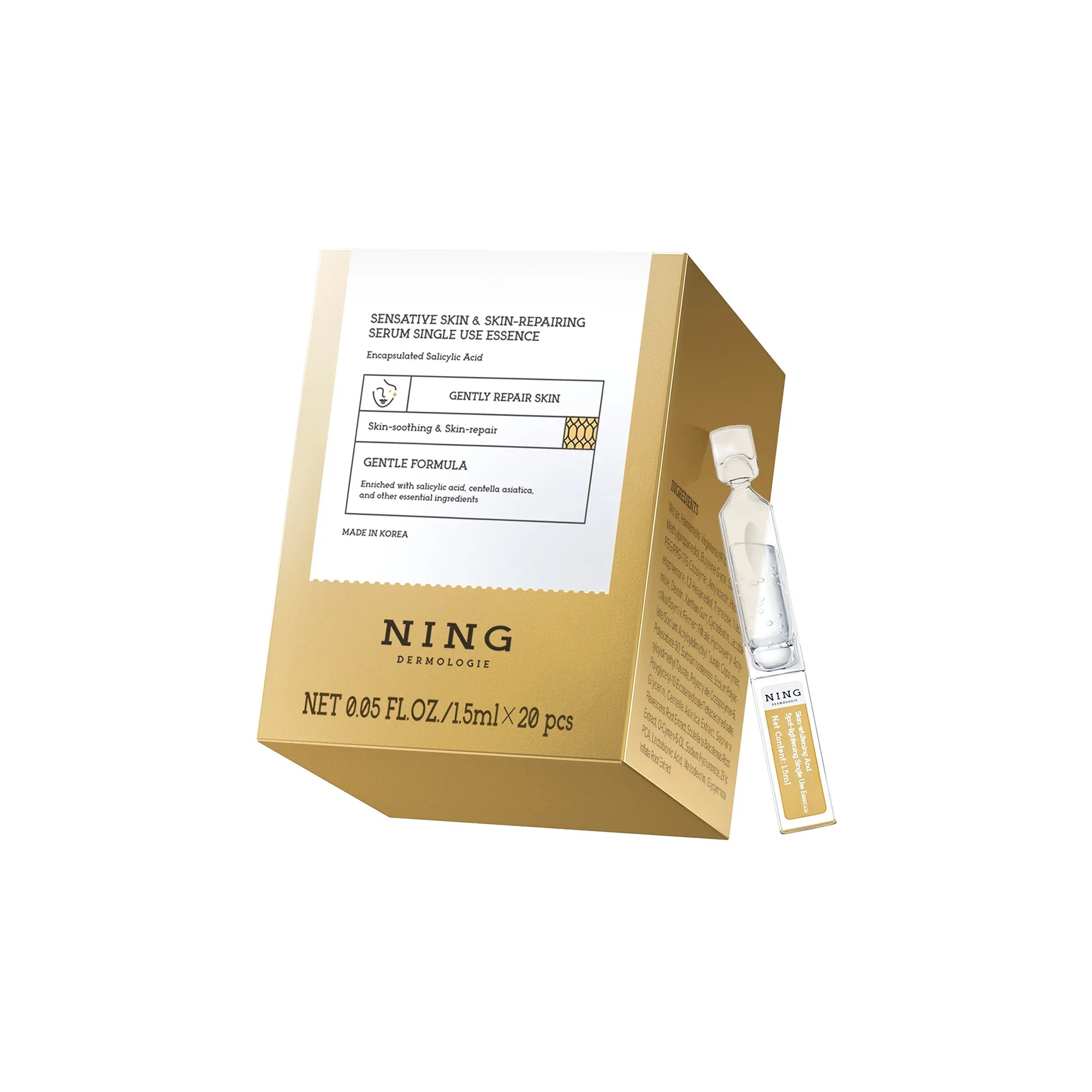
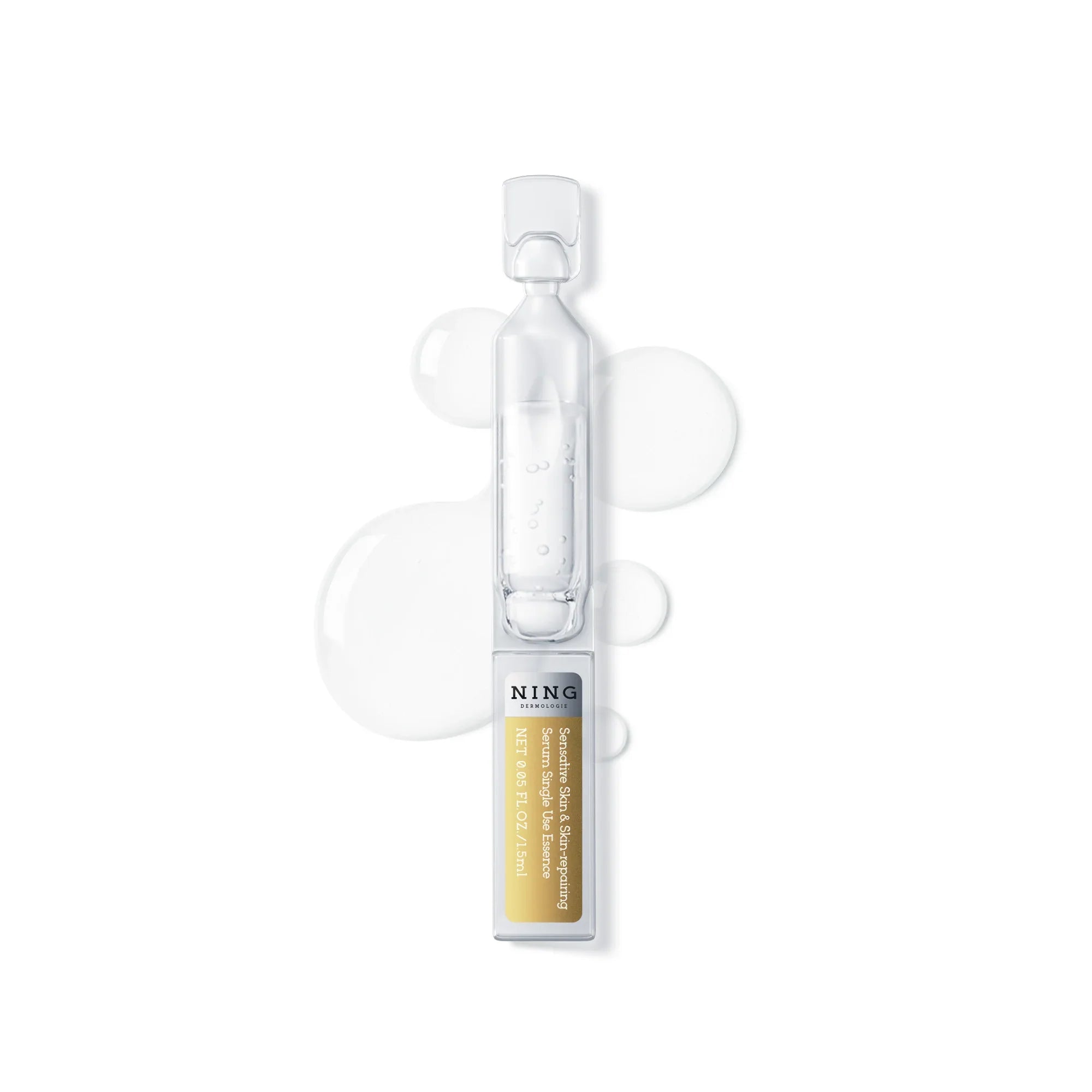
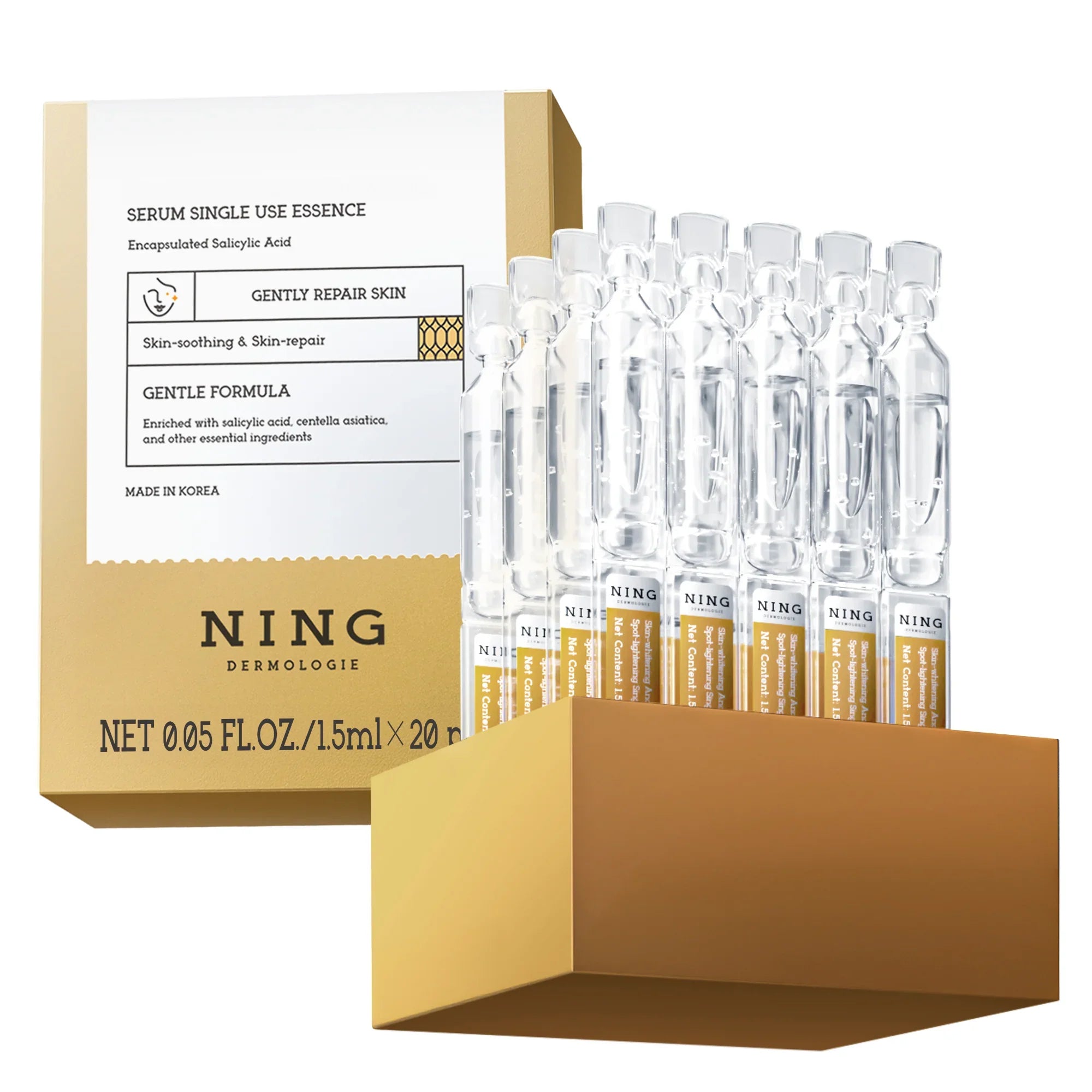
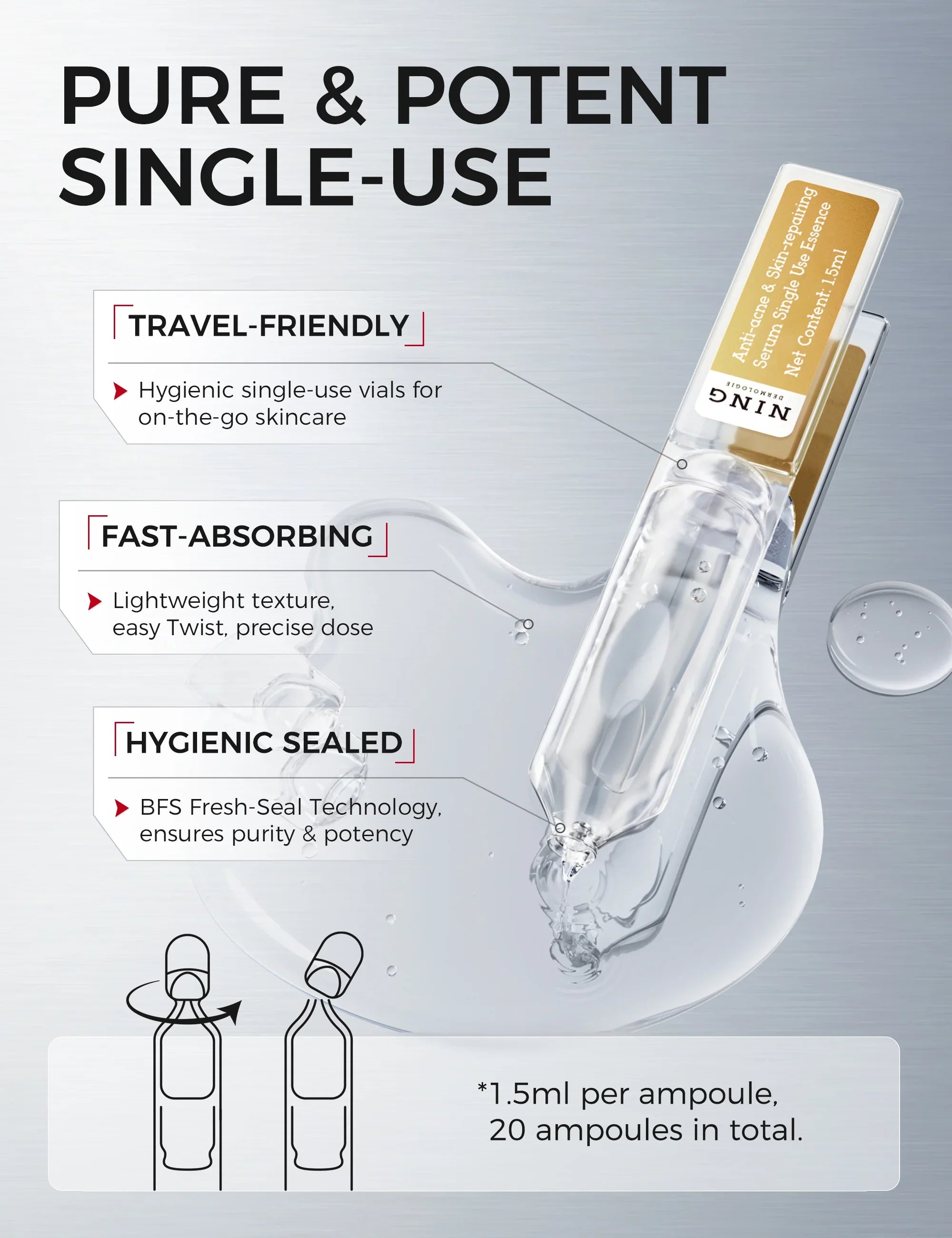
Our NING Dermologie 2% Salicylic Acid Serum was designed to bridge the gap between "clinical strength" and "daily wearable." While the beta hydroxy acid does the heavy lifting to improve skin texture, we’ve balanced it so that it doesn't leave your skin feeling like parchment paper.
How to Incorporate Salicylic Acid into Your Routine (The Right Way)
The biggest mistake people make when they add salicylic acid to their skincare regimen? They go too hard, too fast. They buy a salicylic acid cleanser, a toner, and a serum, and then wonder why their face is red and peeling three days later.
If you are ready to transform your skin, follow this tiered approach:
1. The Introduction Phase
If you have dry or sensitive skin, don't jump into daily use. Start using salicylic acid twice a week at night. This allows your skin builds tolerance without overwhelming the skin.
2. The Application
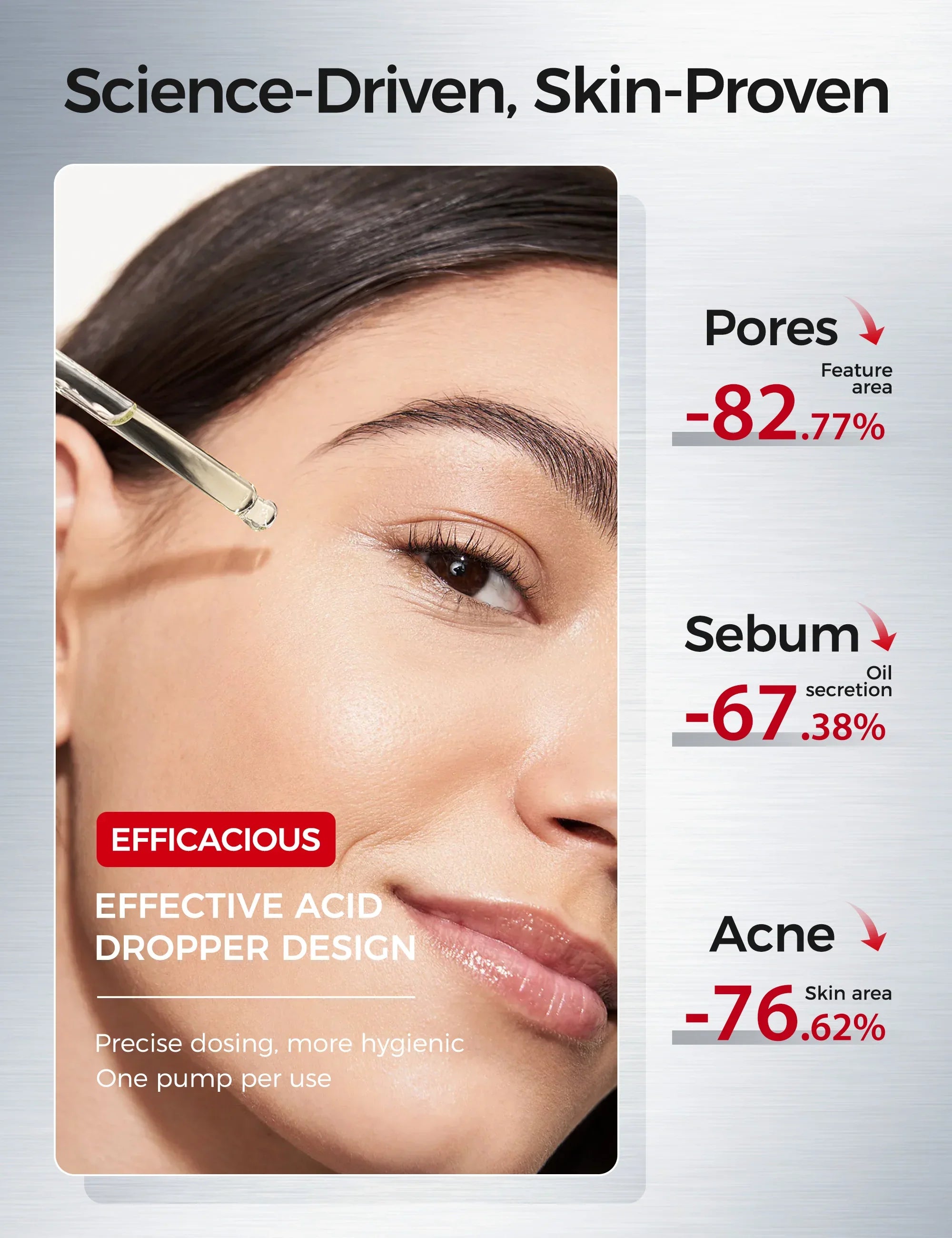
After cleansing, apply salicylic acid to dry skin. Why dry? Because damp skin can increase absorption speed, which, with an active exfoliating acid, can lead to irritation for sensitive skin types. If you’re using our 2% Salicylic Acid Serum, a few drops are all you need for the entire face.
3. The Seal
Always, always follow up with a hydrator. Look for skincare products containing hyaluronic acid or lactic acid. While it seems counterintuitive to add another acid, lactic acid at low concentrations acts as a humectant. Hyaluronic acid acts like a big drink of water, ensuring the salicylic acid helps clear the pores while the moisture stays locked in the skin barrier.
Salicylic Acid vs. Glycolic Acid: Which One Wins?
It’s not a boxing match; it’s about your skin type.
- Glycolic and salicylic acid serve different masters. Glycolic acid is the king of overall skin texture and anti-aging because it triggers skin cell turnover on the surface.
- Salicylic acid is the specialist for acne-prone skin and congestion.
If you have oily skin, you’ll likely prefer the oil-control benefits of salicylic acid. If you have dry skin but get the occasional blackhead, you might only apply salicylic acid as a spot treatment. At NING Dermologie, we often suggest alternating them—salicylic acid at night for pore maintenance and perhaps a gentle AHA in the morning for that skin without dullness.
Managing Sensitive Skin and Side Effects
Can you use salicylic acid for sensitive skin? Yes, but you have to be smart. Salicylic acid tends to be drying if used carelessly.
If your skin feeling tight or itchy, back off. You don't need to suffer for clearer skin. Look for products formulated with salicylic acid that include soothing botanicals. Weeks of consistent use are better than three days of "burning" the skin. Remember, salicylic acid can make your skin more sensitive to the sun, so if you use salicylic acid in the morning, a high-SPF sunscreen is non-negotiable.

The Long-Term Vision: What to Expect
When you incorporate salicylic acid into your skincare routine, don't expect a miracle overnight. Salicylic acid helps gradually.
- Week 1-2: You might notice your oily skin feels more balanced. You might even experience a "purge" where trapped clogs come to the surface.
- Week 4-6: This is where the benefits of salicylic acid really show. Skin texture and tone become more uniform. That uneven skin tone from old acne marks begins to fade as salicylic acid encourages the skin underneath to surface.
- Week 12+: Your skincare routine has now created a maintenance loop. The salicylic acid unclogs pores continuously, leaving you with smoother skin underneath and a glow that looks like you actually sleep 8 hours a night.
Why Your Routine Needs NING Dermologie
We didn't just want to make another acid product. We wanted to make the skincare essential. The 2% Salicylic Acid Serum by NING Dermologie is focused on the power of salicylic acid while respecting the delicate skin barrier. Whether you have darker skin tones—which can be prone to post-inflammatory hyperpigmentation—or very fair, reactive skin, our formula aims to improve skin health without the typical side effects of salicylic acid.
Salicylic acid plays a vital role in any modern skincare routine. It’s the worker bee of skin care. It’s not flashy, but it gets the job done. By understanding how salicylic acid works, you take the power back from the breakouts and put it into your hands.
Frequently Asked Questions (FAQ)
1. Can I use salicylic acid every day?
For oily skin or acne-prone skin, daily use is often the goal. However, you shouldn't start there. Let your skin builds tolerance by starting 2-3 times a week. If your skin feeling remains healthy and not flaky, you can gradually move to every night. Always listen to your skin needs; if you're dry, skip a day.
2. Is it better to use salicylic acid in the morning or at night?
Honestly, it’s usually easier to slot salicylic acid at night. Nighttime application gives the exfoliating acid a chance to deep-clean your pores without having to compete with sweat, makeup, or city grime. That said, if you’re a morning person, just make sure you’re obsessive about sunscreen. Since salicylic acid can make your face a bit more vulnerable to UV rays, skipping SPF in the morning is a recipe for redness.
3. Does salicylic acid help with dark spots or uneven skin tone?
It definitely plays a supporting role. While its main job is clearing gunk, salicylic acid encourages faster skin cell turnover, which naturally helps "shed" those stubborn, pigmented dead skin cells on the surface. If you’re consistent, you’ll notice a much more even skin tone as that fresh skin underneath finally gets its turn to shine. It won't bleach a spot overnight, but it keeps the surface looking polished and bright.
4. Can I mix salicylic acid with Retinol?
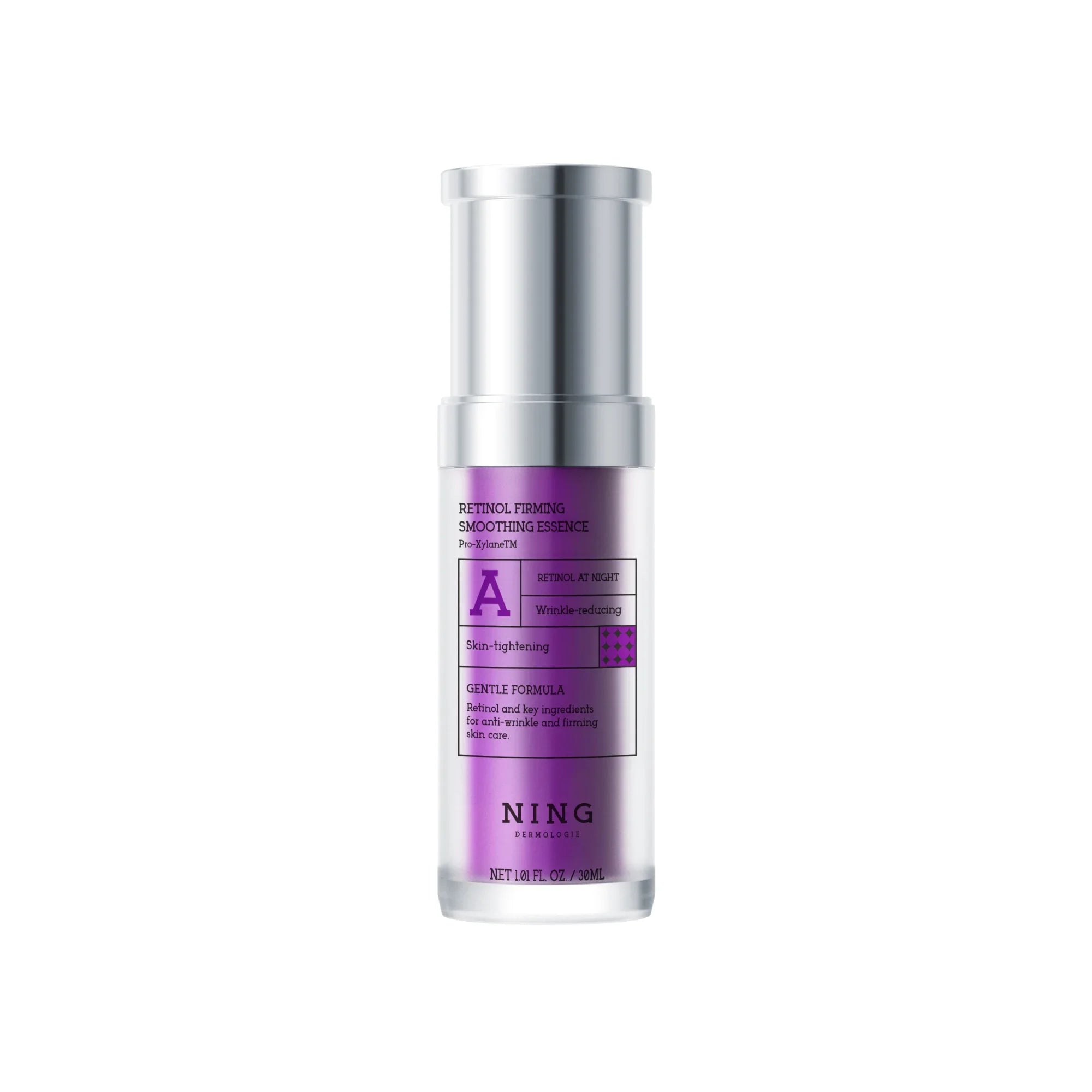
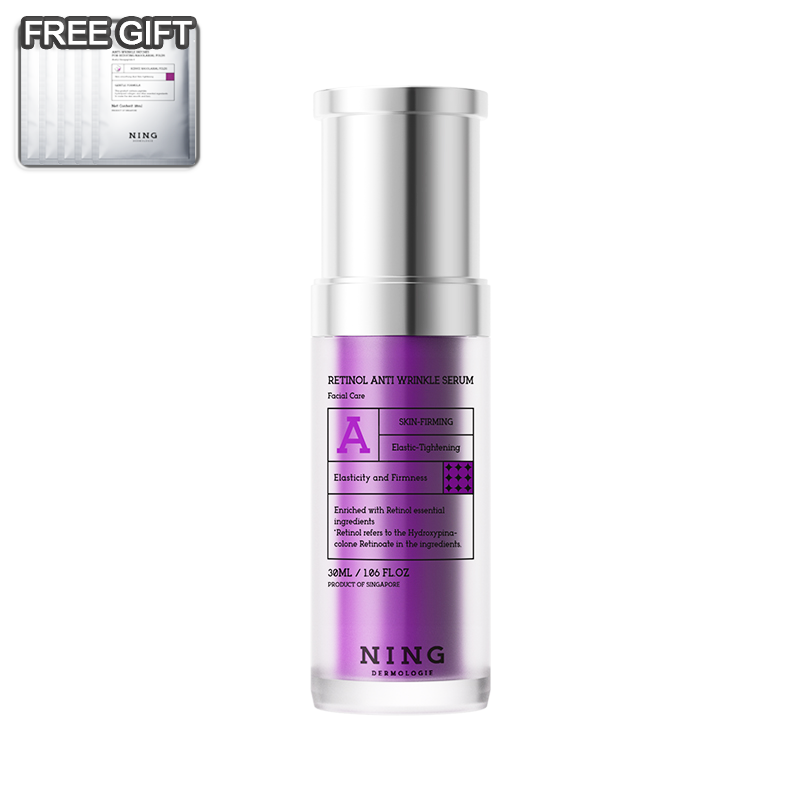
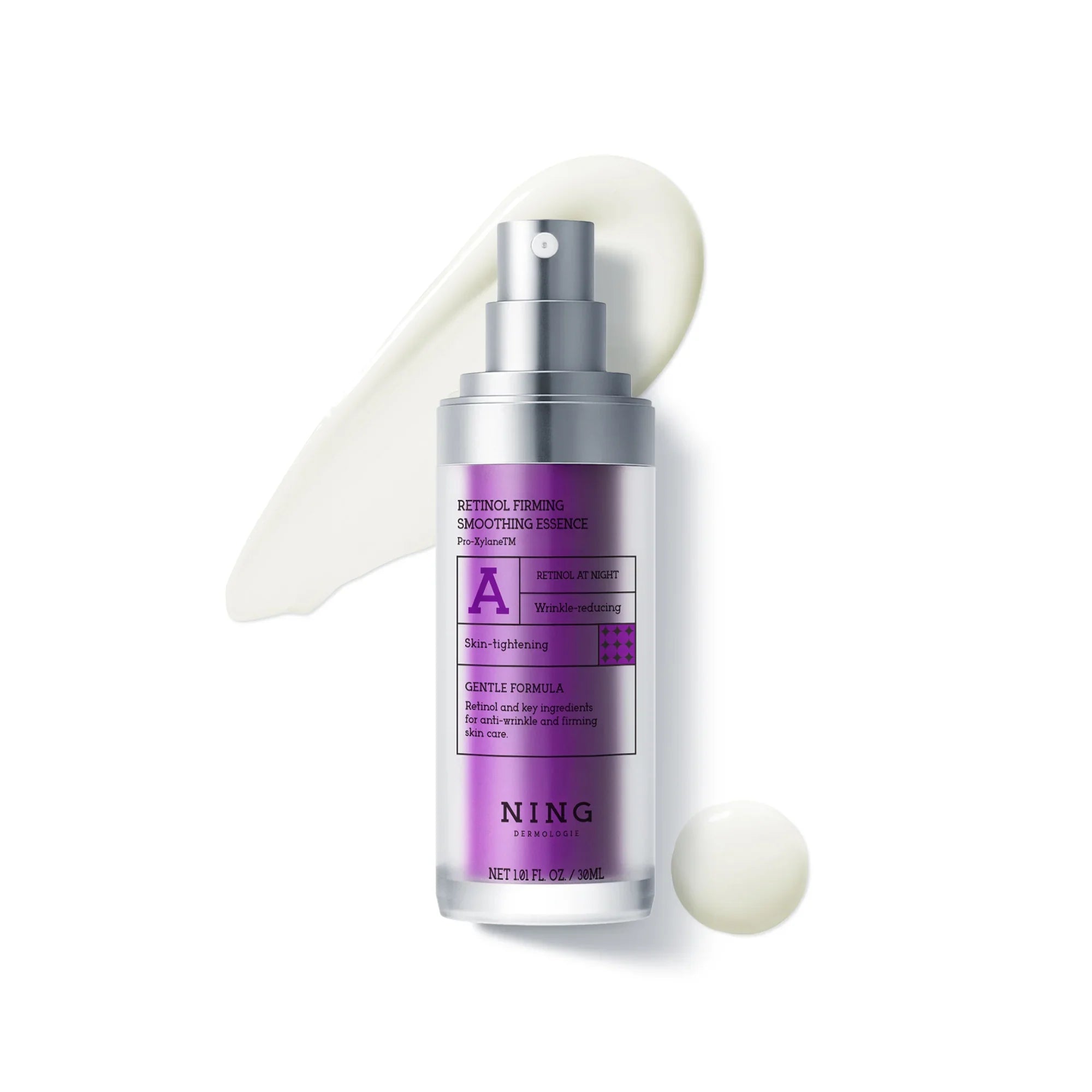
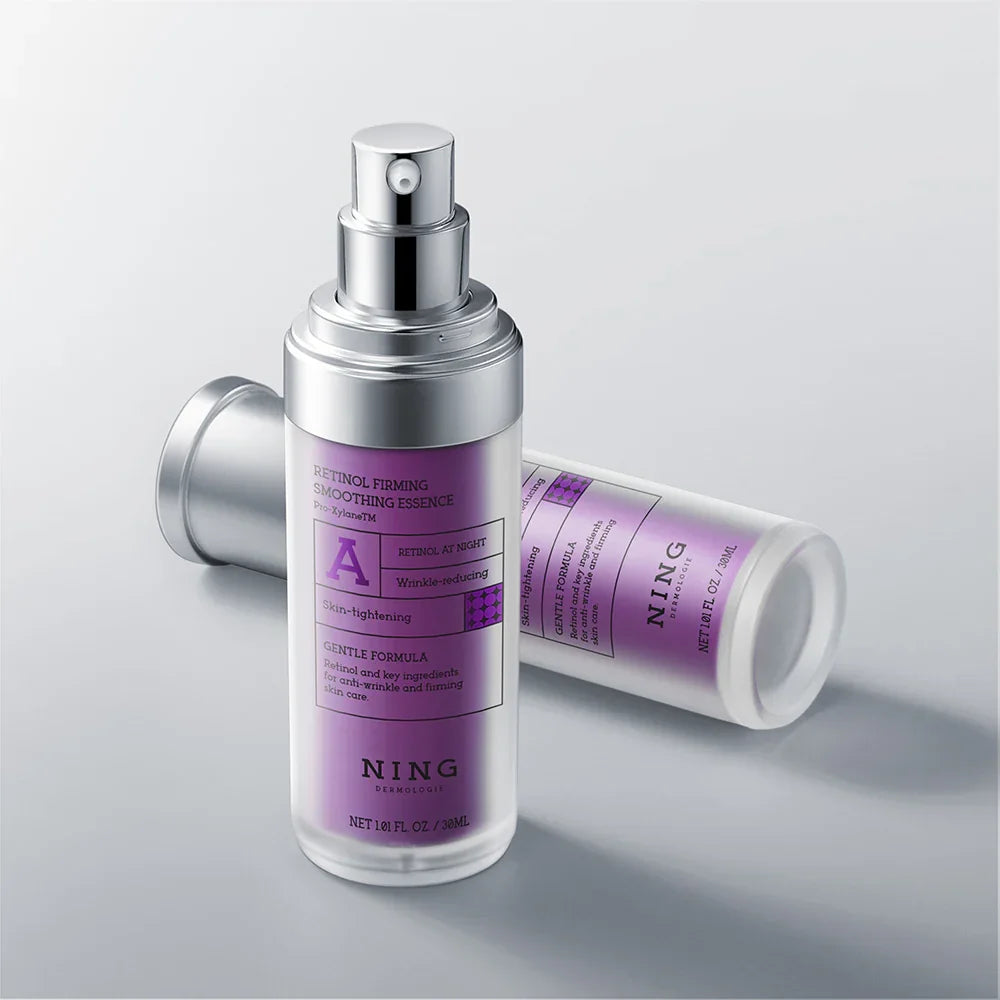
Proceed with caution. Both are powerful and can stress the skin barrier if used at the same time. A better way to incorporate salicylic acid is to use it in the morning (with SPF) and save your Retinol for night, or alternate nights. Overwhelming the skin with too many actives at once is the fastest way to cause inflammation.
5. What should I do if my skin starts peeling?
Peeling is a sign that the percentage of salicylic acid is too high for your current skin barrier strength, or you're using it too often. Stop all skincare products with actives for 48 hours. Focus on hyaluronic acid and ceramides to repair. When you restart, introduce salicylic acid more slowly and try "buffering" it over your moisturizer.
6. Is the NING Dermologie 2% Salicylic Acid Serum suitable for sensitive skin?
We’ve worked hard to ensure salicylic acid is an ingredient that doesn't just "burn and peel." Our 2% serum is potent but formulated to be respectful of your skin barrier. If you’re worried about sensitive skin types, the best move is a slow crawl: patch test it first, then try it just once a week. It’s all about finding that sweet spot where the beta hydroxy acid does its work without making your skin feeling angry.
Ready to transform your skin? Check out the NING Dermologie 2% Salicylic Acid Serum and give your skincare routine the upgrade it deserves.





Share:
The Science Behind Salicylic Acid: What Your Skin Needs
Salicylic Acid Benefits: Why This BHA is a Skincare Must-Have