

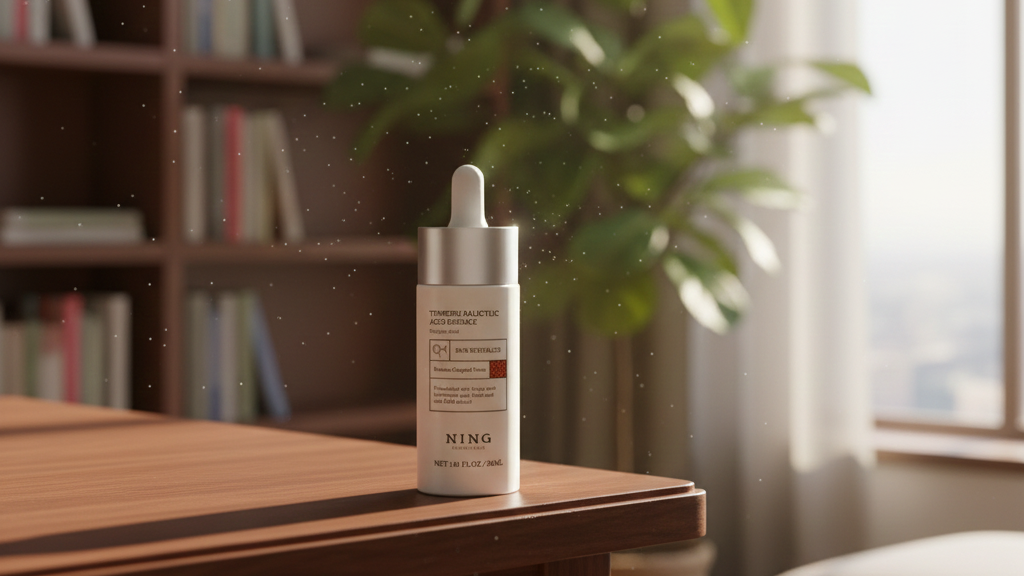

The Truth About Salicylic Acid: Why Your Oily Skin Is Starving For This BHA
Let’s be honest—we’ve all had those mornings where we look in the mirror and feel like our pores are visible from space. If you struggle with a T-zone that shines brighter than your future or "maskne" that won't quit, you’ve likely heard the buzz about salicylic acid. But what is it really? Is it just another acid in skincare that might burn your face off, or is it actually the secret to radiant skin?
At NING Dermologie, we believe in stripping away the marketing fluff. You don't need a ten-step routine; you need ingredients that actually penetrate the mess. Here is everything you actually know about salicylic acid, minus the textbook boredom.

What is Salicylic Acid, Anyway?
If you’re diving into the world of skincare, you’ll realize that not all acids are created equal. Salicylic acid is a type of beta hydroxy acid, or BHA. While its cousin, glycolic acid (an AHA), stays on the surface to fix rough skin and even skin tone, salicylic acid is a different beast entirely.
It is actually derived from willow bark, a skincare ingredient used for centuries for its anti-inflammatory properties. Because it’s oil-soluble, it doesn't just sit on the top layer of skin. It dives deep. Think of it as a tiny, chemical plumber for your pore lining.
Salicylic Acid vs Glycolic Acid: The Showdown
Most people ask: "acid vs acid, which one wins?"
-
Glycolic Acid (AHA): Water-soluble. It eats the "glue" on the layer of skin surface. Great for anti-aging and smoother skin.
-
Salicylic Acid (BHA): Oil-soluble. It gets inside the pore to dissolve blackhead plugs and excess sebum. This is the skincare must-have for oily and acne-prone skin.
How Salicylic Acid Works (The "Plumber" Effect)
The reason salicylic acid help so much with acne is down to its molecular structure. Salicylic acid works by penetrating the skin barrier and getting straight into the oily gunk. It breaks the bonds between dead skin cells that usually get trapped and turn into a blackhead or a painful cyst.
By encouraging the shedding of dead skin cells, it ensures that your skin texture stays refined. It’s not just about "scrubbing" the face; it’s about chemically signaling the skin to clear out the trash. This is why salicylic acid is used in so many skincare products—it’s one of the few things that can actually reach the root of skin concerns like congestion.
The Holy Grail for Oily and Acne-Prone Skin
If you have acne-prone skin types, you know the frustration of oily skin that feels dirty five minutes after washing. This is where salicylic acid benefits include more than just pimple-popping.
Salicylic acid is a BHA that specifically targets the sebum-producing glands. When you incorporate salicylic acid into your skincare regimen, you’re doing three things at once:
-
Exfoliate: It helps remove dead skin cells that dull your complexion.
-
Unclog: It clears the pore of debris.
-
Calm: Because it has anti-inflammatory properties, it reduces the redness of active acne.
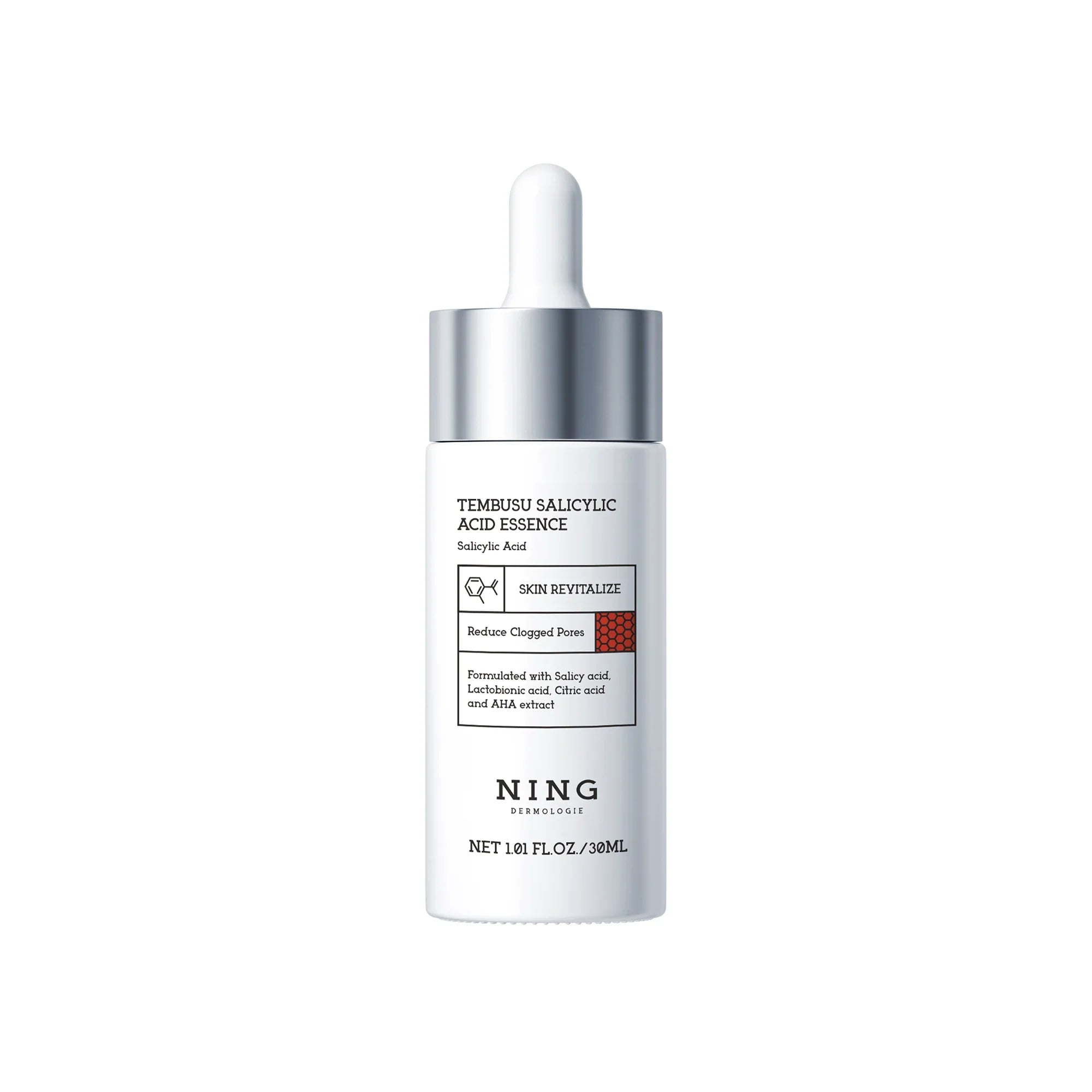
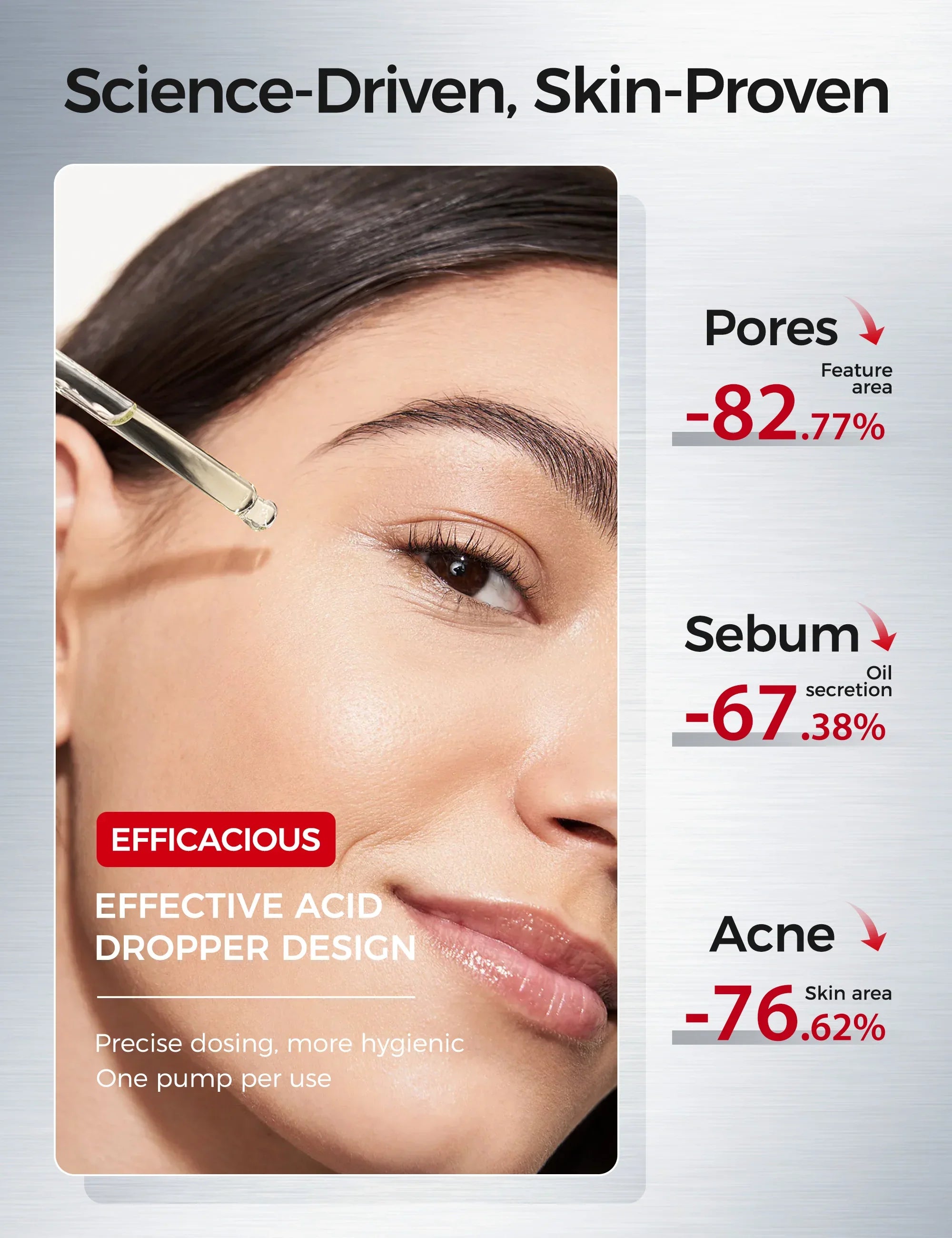
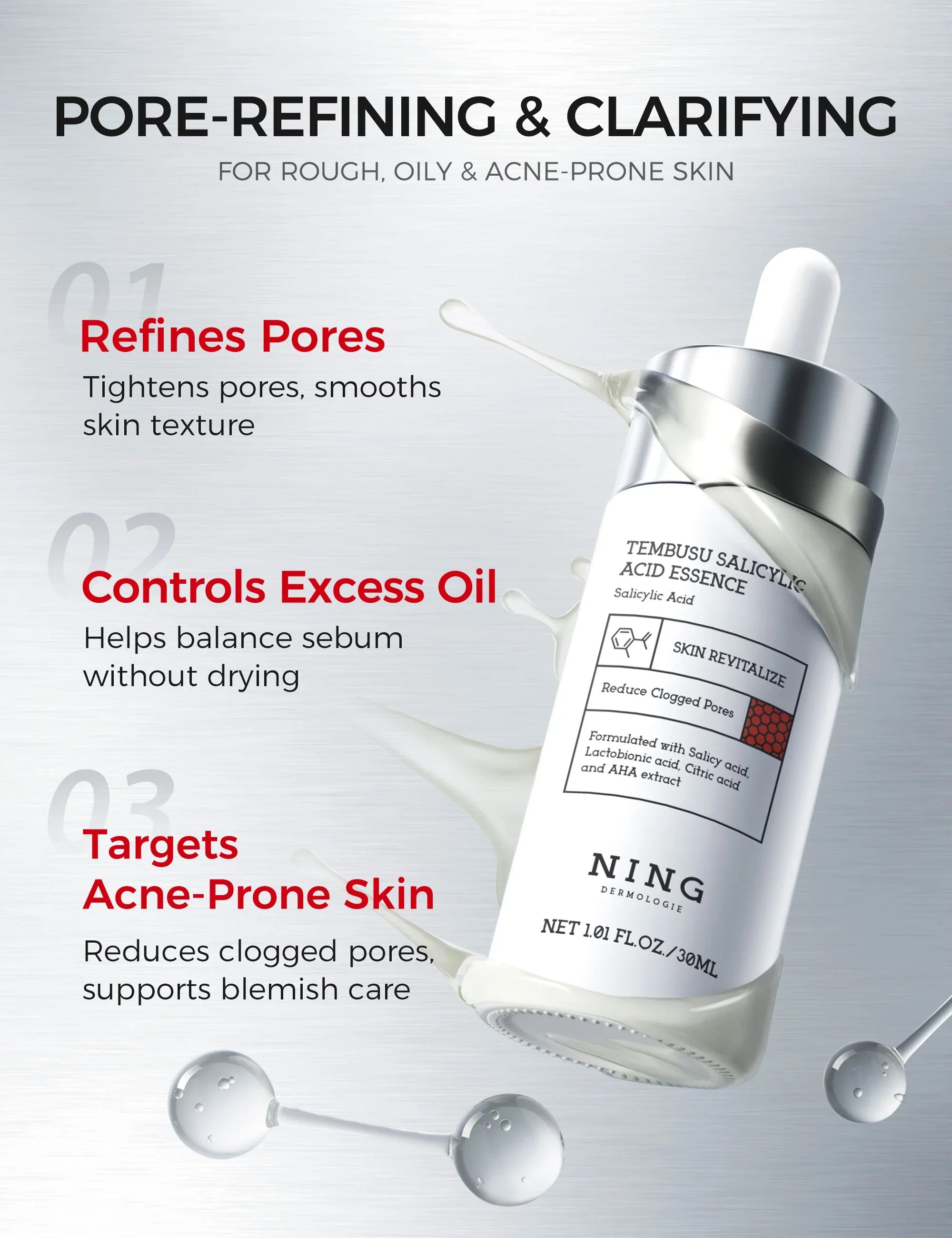
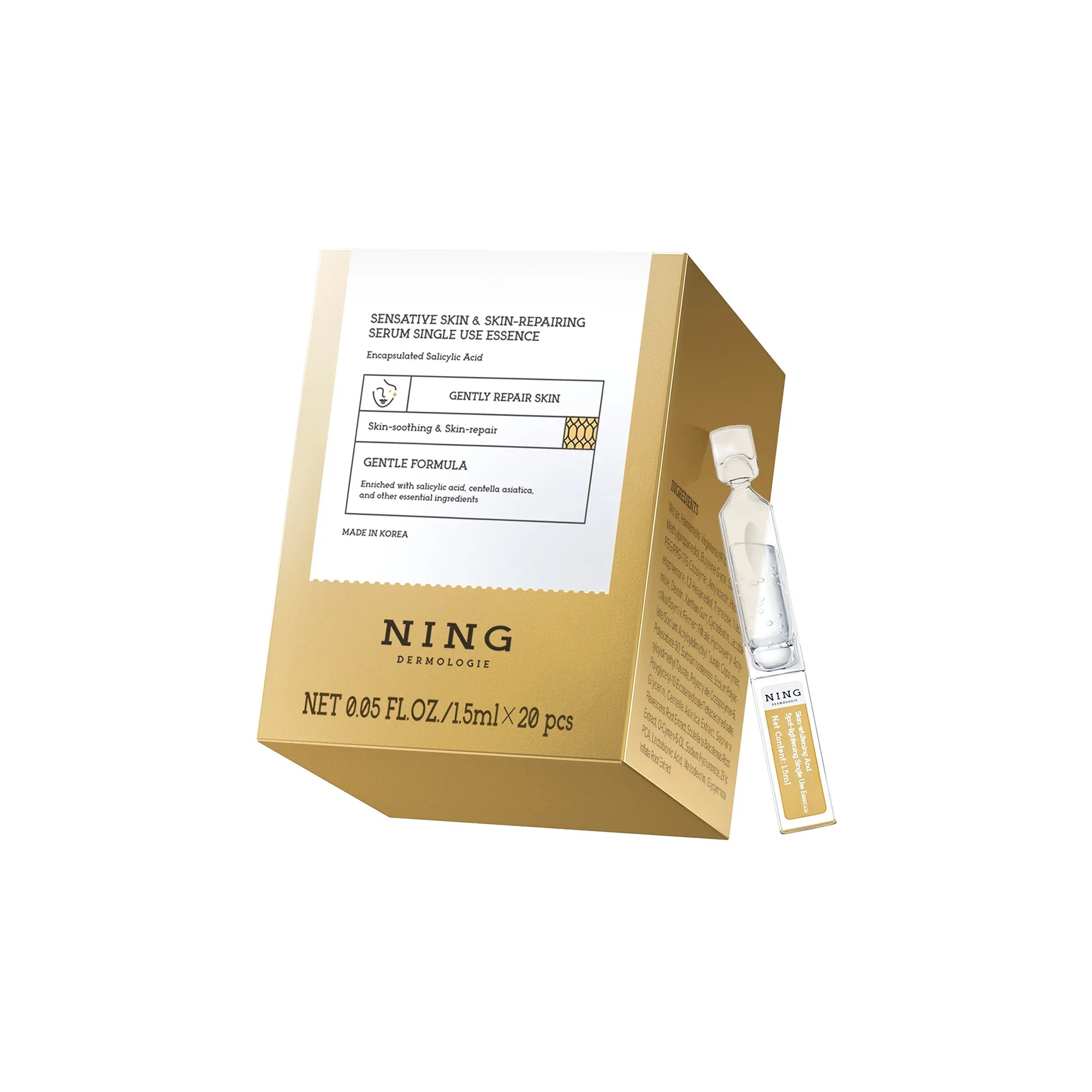
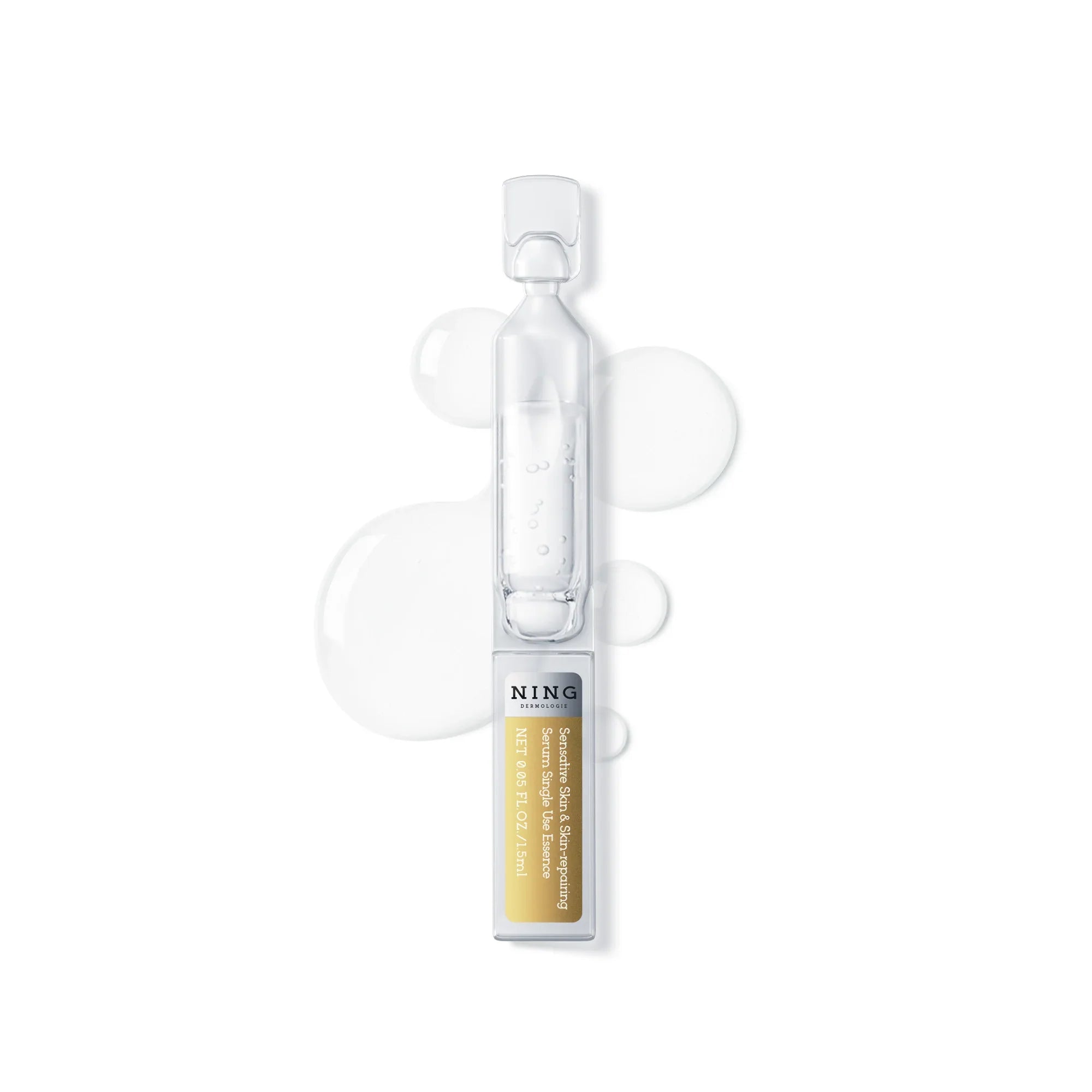
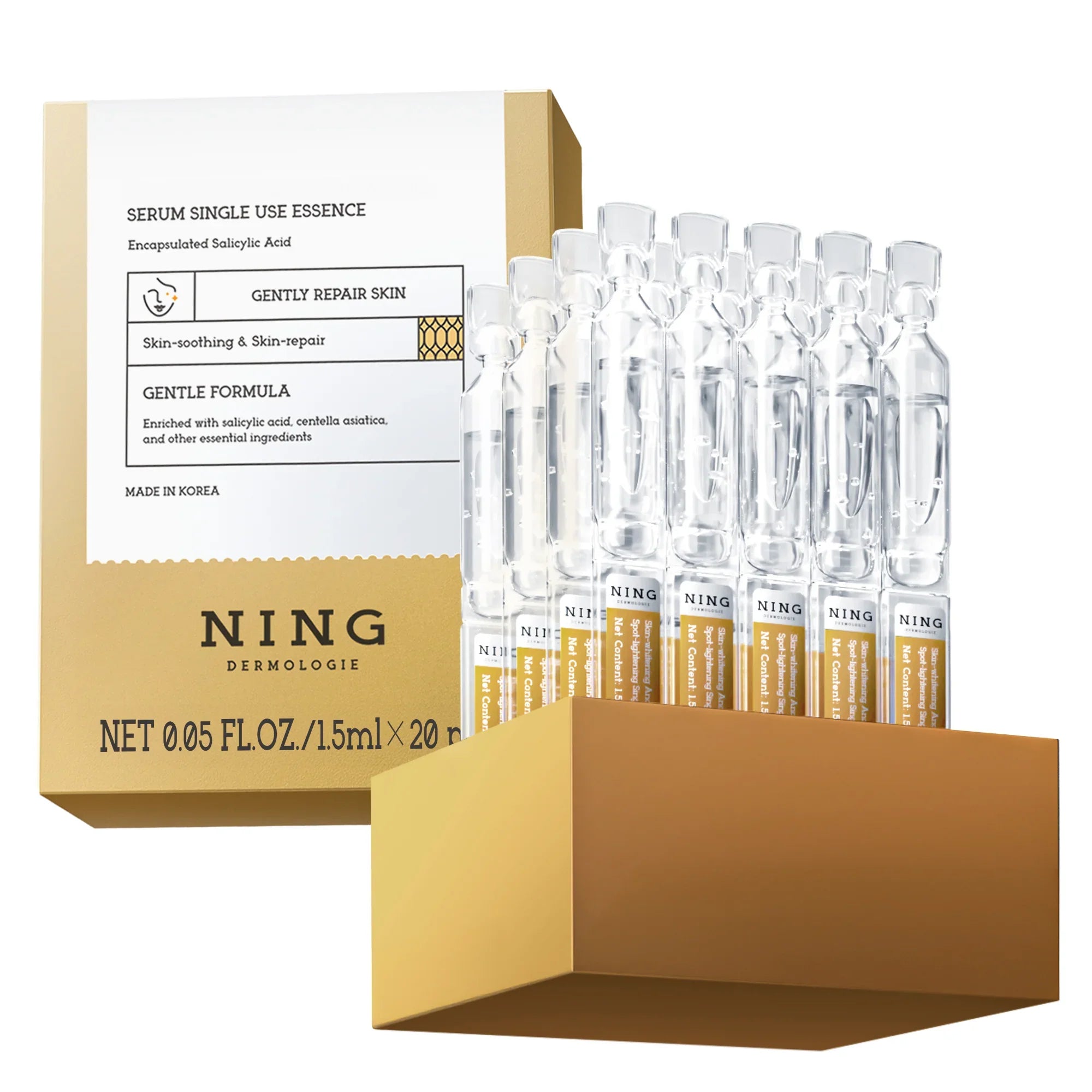
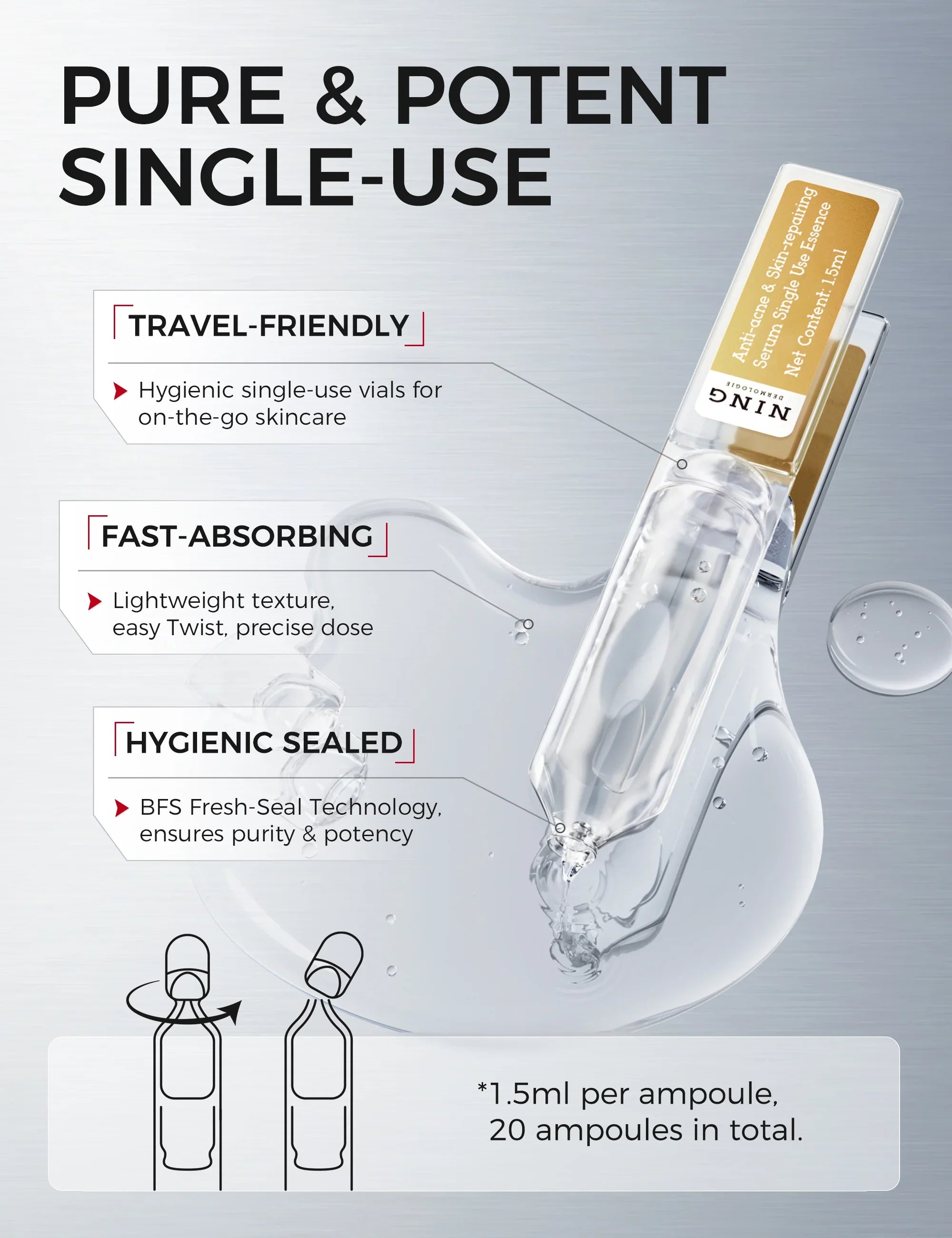
For those who want a targeted approach, our NING Dermologie 2% Salicylic Acid Serum was designed to tackle these exact skin issues. It’s a concentrated acid serum that doesn’t play around.
How to Introduce Salicylic Acid Into Your Skincare Routine
You can’t just douse your face in acid and hope for the best. Skin adjusts slowly. If you’ve never used bha skincare before, don't try to use salicylic acid every day right out of the gate.
Step 1: Start Small
You’ll find salicylic acid cleanser options that are "wash-off," which are great for sensitive skin. However, a salicylic acid serum is more effective for persistent blackhead issues because it stays on the skin longer.
Step 2: Patch Test
Even though salicylic acid is a gentle exfoliant compared to some harsh physical scrubs, it can still cause a reaction. Test it on your jawline first.
Step 3: Layering
Salicylic acid and BHA products work best when paired with hydration. A common mistake is skipping moisturizer because you feel "oily." Bad move. Use hyaluronic acid after your salicylic acid into your skincare routine to keep your skin hydrated and prevent the "rebound oiliness" that happens when your skin gets too dry.
Can You Use Salicylic Acid Every Day?
The short answer: Yes, but only if your skin type allows it.
-
Oily Skin: Usually thrives with daily use.
-
Dry Skin or Sensitive Skin: Stick to 2-3 times a week.
-
Skin Conditions like Psoriasis: Salicylic acid is often used here to soften rough skin, but always consult a pro first.
If you use of salicylic acid too frequently, you might notice your skin feeling tight or flaky. That’s your cue to back off. Salicylic acid can be used effectively even just a few times a week to maintain clearer skin.
Avoiding the "Acid Overload"
The benefits of salicylic acid are undeniable, but more isn't always better. Avoid mixing it with strong lactic acid or high-strength Retinol in the same session. You want radiant skin, not a compromised skin barrier.
Instead of a 10-step skincare product haul, focus on a high-quality salicylic acid product like our 2% Salicylic Acid Serum. It’s formulated to be safe for most skin types when used correctly, leaving the skin feeling fresh rather than stripped.

The NING Dermologie Difference
In the crowded world of skincare, we focus on purity. Our 2% Salicylic Acid Serum is a powerhouse skincare ingredient blend. We’ve balanced the topical salicylic acid with soothing agents to ensure that while you exfoliate the skin, you aren’t causing unnecessary trauma.
Salicylic acid help your skin find its balance. When your pores are clear, the rest of your skincare (like your moisturizers and vitamins) can actually do their jobs.
Frequently Asked Questions (FAQ)
1. Is salicylic acid safe for sensitive skin?
Yes, but proceed with caution. Salicylic acid is a BHA that is generally more soothing than AHAs due to its anti-inflammatory nature. However, for sensitive skin, start with a salicylic acid cleanser (which stays on the skin for less time) or use a salicylic acid serum only twice a week. Always follow up with a barrier-repairing cream to ensure your skin feeling remains comfortable and healthy.
2. Can I use salicylic acid and vitamin C together?
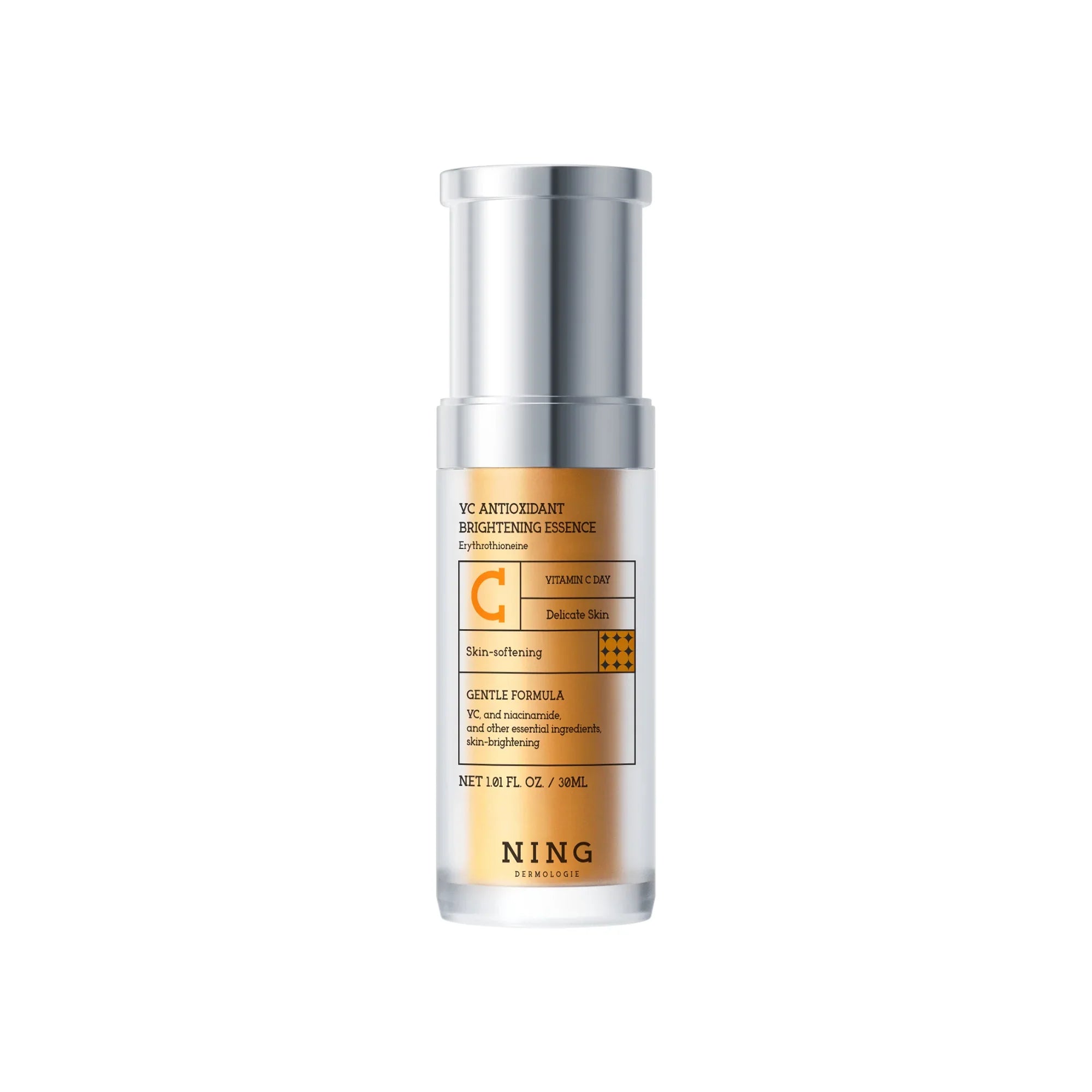
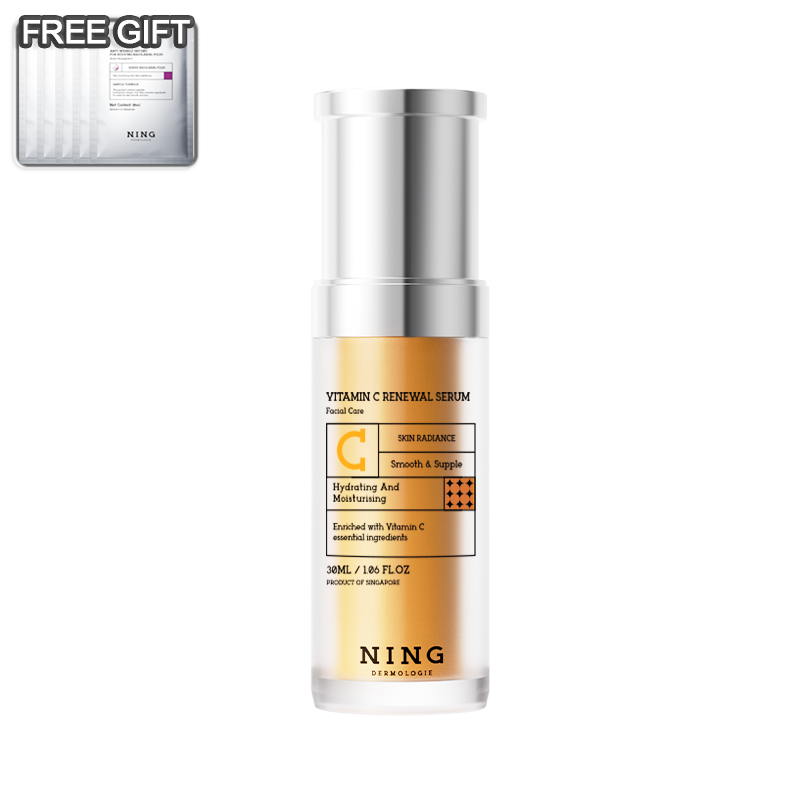
It’s tricky. Both are active acids, and using them at the exact same time can irritate the skin barrier. The best skincare routine involves using Vitamin C in the morning for antioxidant protection and your salicylic acid product at night to exfoliate the skin. This separation ensures you get the benefits of salicylic acid without the redness or stinging of a pH clash.
3. Will salicylic acid make me purge?
It might. Because salicylic acid works by penetrating deep into the pore, it brings underlying "gunk" to the surface faster. This "purging" phase is common when you first introduce salicylic acid to oily and acne-prone skin. Don't panic! It usually clears up in 2-4 weeks, eventually leaving the skin feeling much smoother and revealing clearer skin underneath.
4. Why is my skin peeling after using a BHA?
Peeling usually means you are over-exfoliating or your skin type is leaning toward the dry skin side. Salicylic acid benefits the skin by removing dead skin cells, but if you use salicylic acid every day without enough moisture, you’ll damage the barrier. Try layering with hyaluronic acid and reducing your use of salicylic acid to every other night until the peeling stops.
5. Does salicylic acid help with aging?
While it’s famous for acne and oily skin, it does have secondary anti-aging perks. By increasing the shedding of dead skin cells, it improves skin texture and reduces the appearance of fine lines caused by rough skin. However, for deep wrinkles, you might want to alternate it with glycolic acid, as salicylic acid is generally more focused on pore-clearing than deep collagen stimulation.
6. Can I use salicylic acid if I don't have acne?
Absolutely. Even without acne, most people benefit from salicylic acid because it prevents blackhead formation and keeps the pore size looking minimized. It’s an excellent skincare ingredient for maintaining radiant skin and preventing the buildup of dead skin cells that makes the face look dull. It’s a maintenance tool for anyone wanting a smoother skin surface.





Share:
The Science Behind Salicylic Acid: What Your Skin Needs
The Science Behind Salicylic Acid: How It Transforms Your Complexion