

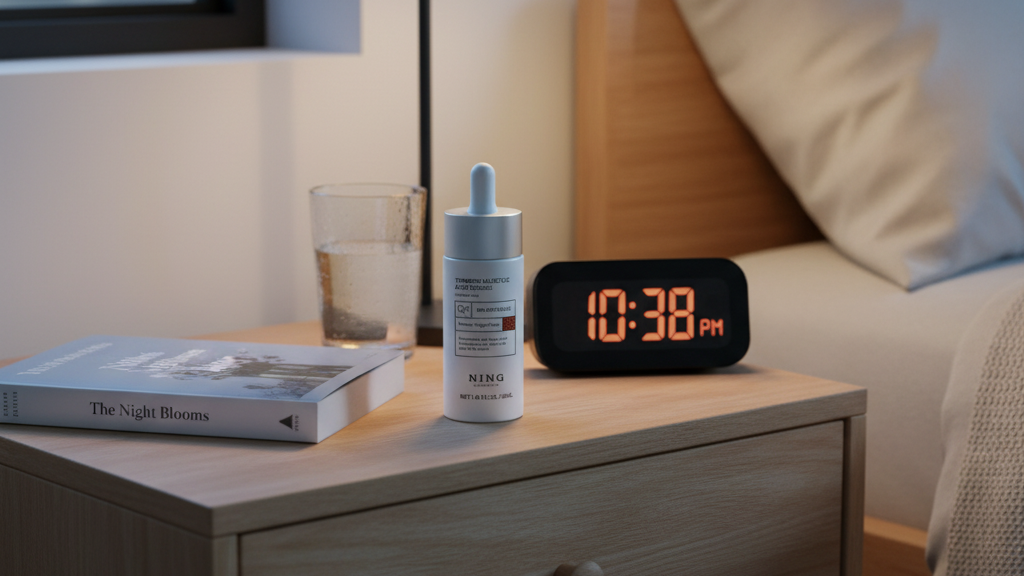

The Science Behind Salicylic Acid: How It Transforms Your Complexion
Stop scrubbing your face until it’s raw—you aren't doing your pores any favors. If you’ve been battling stubborn blackheads, "maskne," or a texture that feels more like sandpaper than silk, it’s time to stop guessing and start looking at the actual science behind salicylic acid.
At NING Dermologie, we see people every day who have compromised their skin barrier by using the wrong products at the wrong time. The truth is, achieving a clear complexion isn't about aggression; it's about chemistry. Let’s strip away the marketing fluff and get into the molecular grit of how this beta hydroxy acid actually transforms your skin.

The Raw Science Behind Salicylic Acid
Most people lump all exfoliants together, but there is a massive biological divide between Alpha Hydroxy Acids (AHAs) and salicylic acid (a BHA). While ingredients like glycolic acid or lactic acid are water-soluble—meaning they dance on the surface to brighten skin tone—salicylic acid is oil-soluble.
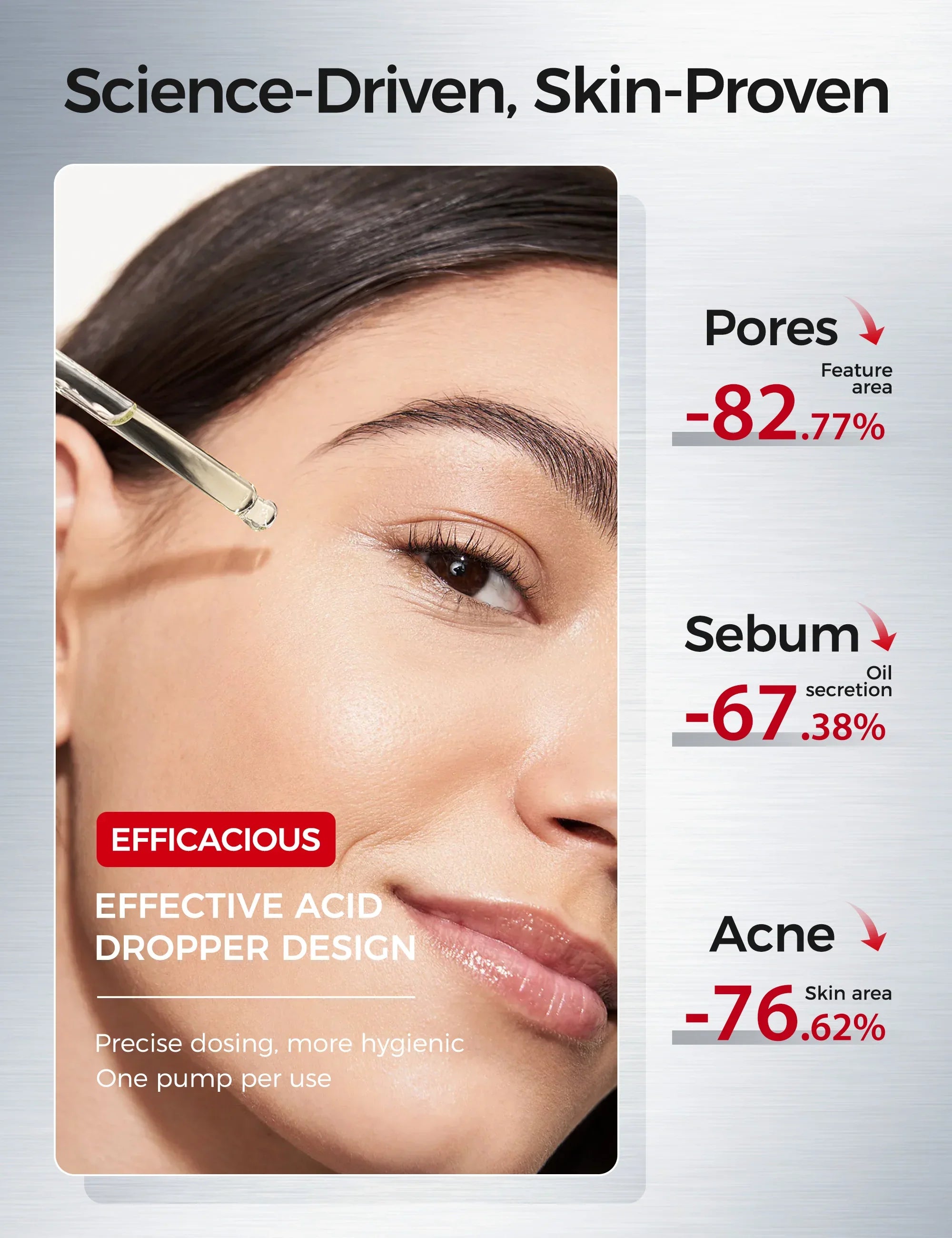
This is the "aha!" moment for anyone with oily skin. Because it’s oil-soluble, salicylic acid penetrates deep into the lipid layers of your skin. It doesn't just sit there; it dives into the pore, acting as a "pore-vacuum." This is the science behind its status as a comedolytic agent: it literally dissolves the "glue" (desmosomes) holding dead skin cells together within the follicle.
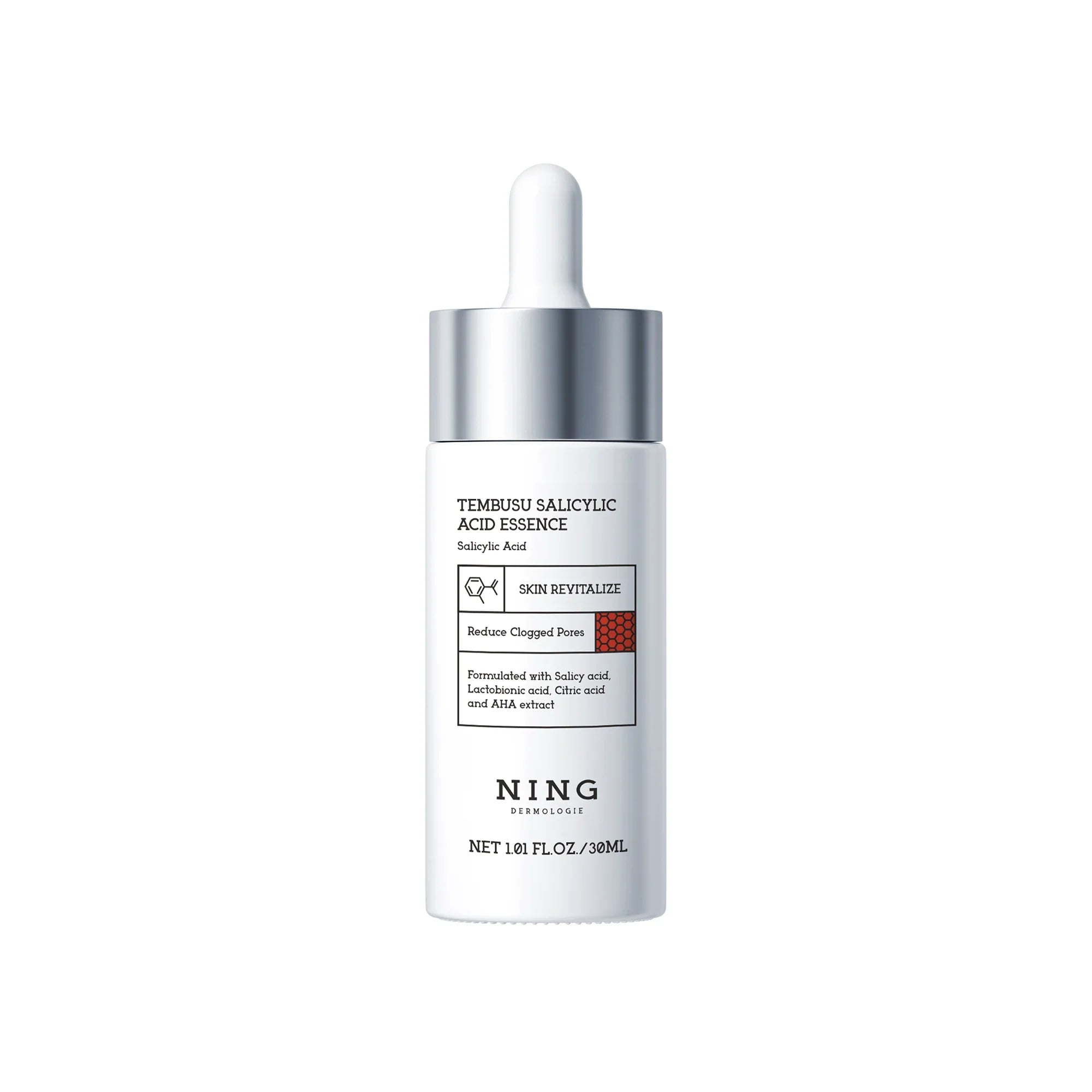
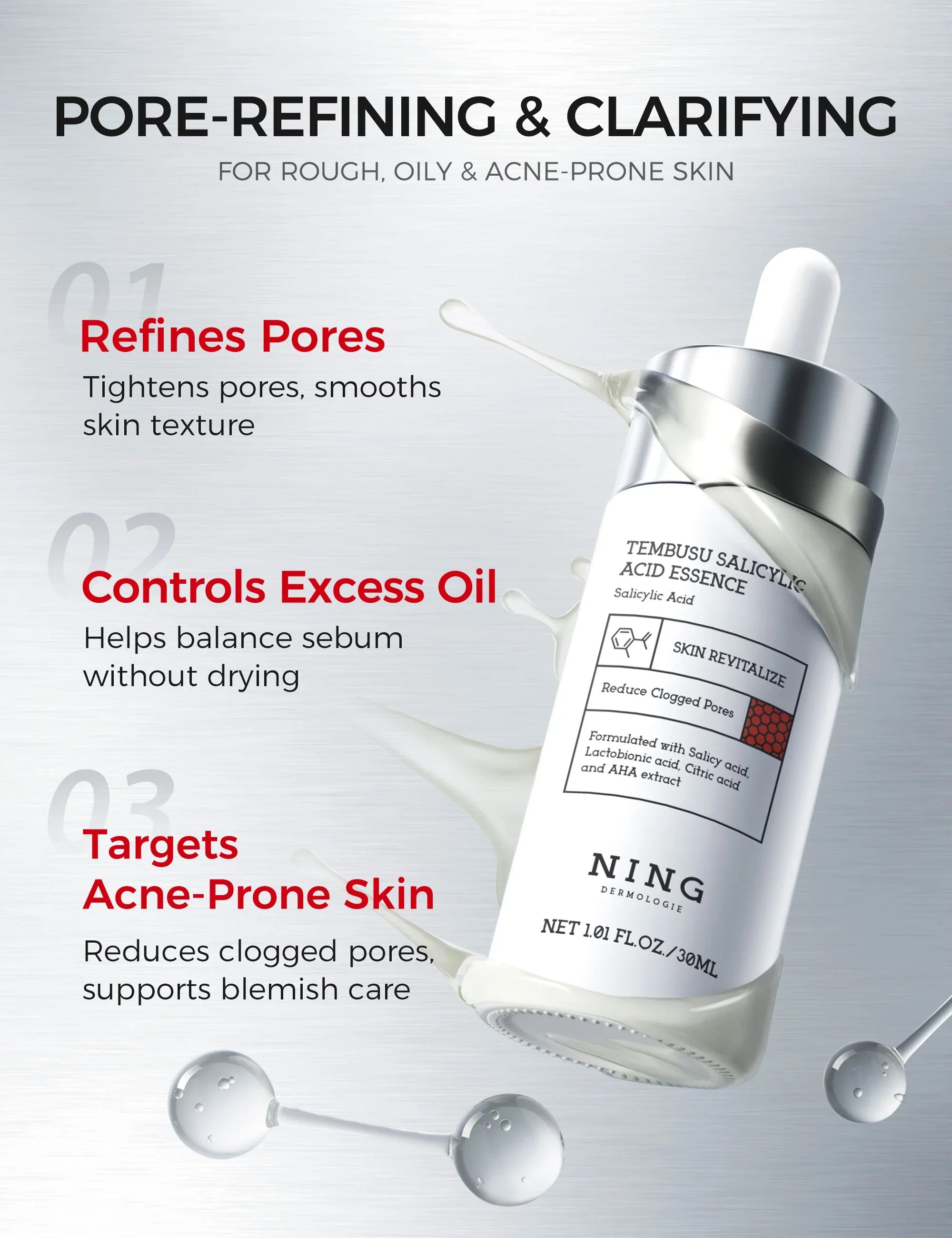
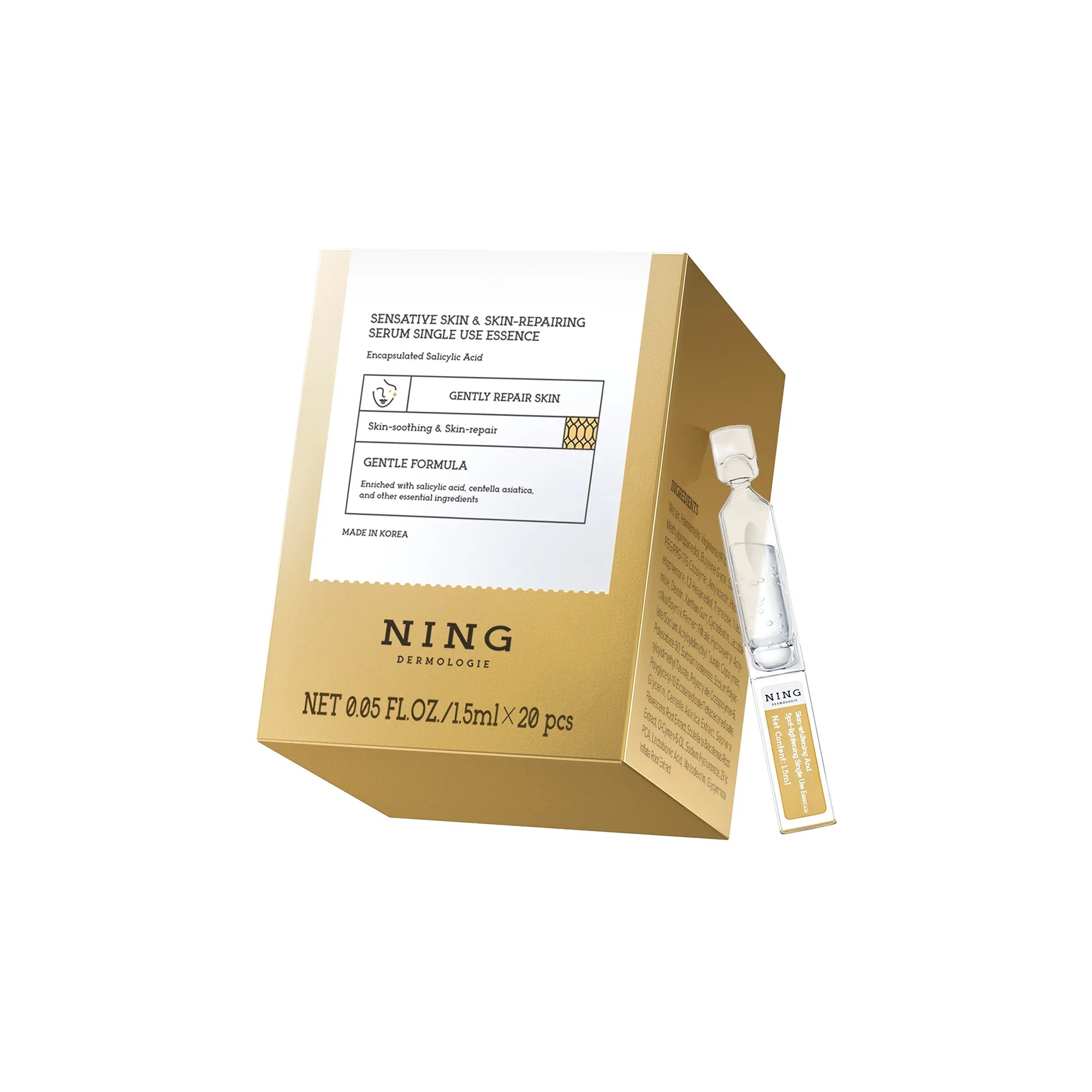
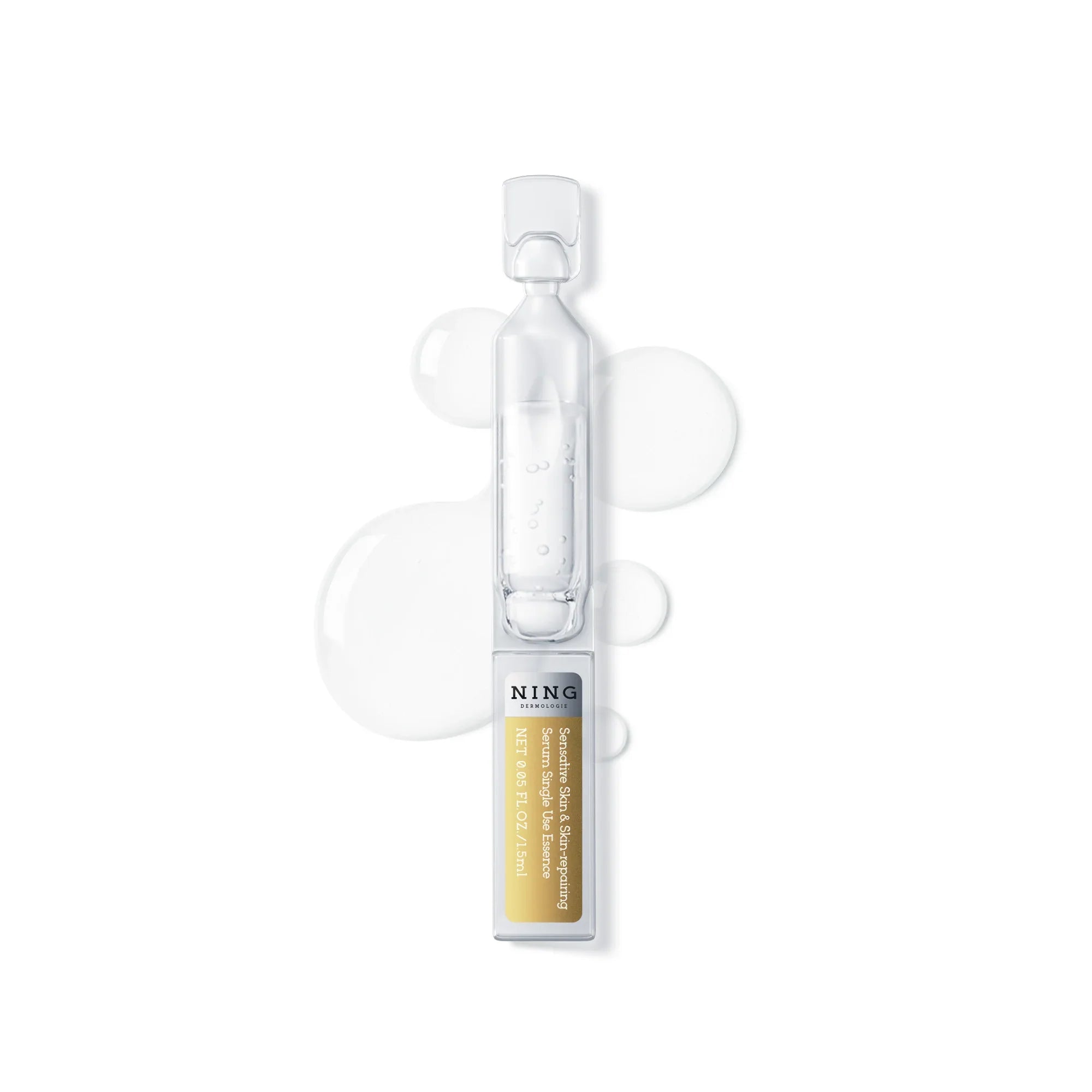
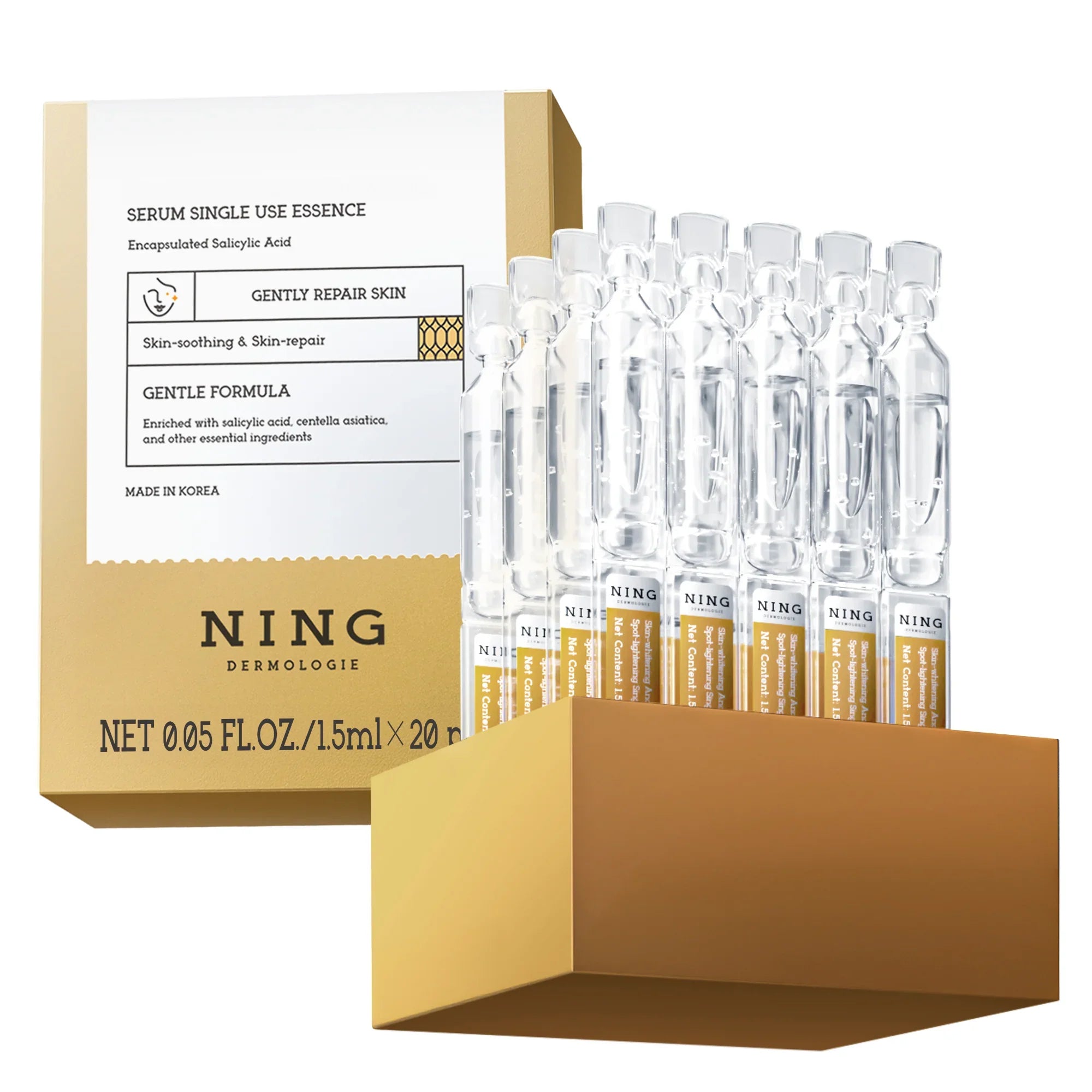
When you use a high-quality salicylic acid treatment, you aren't just washing your face; you’re chemically de-gunking the pipes. This is exactly why our NING Dermologie 2% Salicylic Acid Serum is formulated at a specific pH to ensure the acid stays active enough to work, but balanced enough to not strip the skin.
How Salicylic Acid Helps When Everything Else Fails
If you have oily and acne-prone skin, your sebaceous glands are likely overachievers. They produce excess sebum that, when mixed with dead skin cells, creates a plug. Queue the breakout.
The benefit of salicylic acid extends beyond just "cleaning." It possesses inherent anti-inflammatory properties (it's a derivative of acetylsalicylic acid, better known as aspirin). This means while it’s busy clearing out the blockage, it’s also telling the redness and swelling to calm down.
Improving Skin Texture and Erasing the Past
We’ve all dealt with the aftermath of a breakout: those lingering dark spots (post-inflammatory hyperpigmentation). The science behind salicylic acid shows that by accelerating skin cell turnover, the acid helps the skin shed pigmented cells faster. Over time, this results in an even skin tone and a significantly smoother skin texture.
At NING Dermologie, we believe healthier skin shouldn't be a luxury. By incorporating salicylic acid into your routine, you’re essentially training your skin to shed more efficiently, preventing the "rough skin" feel that often plagues congested complexions.
Incorporating Salicylic Acid into Your Skincare Routine
"More" is not "better" in the world of salicylic acid skincare. If you go from zero to using a 2% serum twice a day, you will likely end up with dry skin and a damaged skin barrier.
Finding the Best Salicylic Acid Strategy
-
Start Slow: If you are new to salicylic acid, use it 2–3 times a week at night.
-
The Serum Advantage: A salicylic acid serum is generally more effective than a wash-off cleanser because it has more contact time with the skin.
-
Targeted Application: You don't always need to apply it everywhere. If you only get congestion on your nose and chin, apply salicylic acid only to those patches of skin.
For those seeking the best salicylic acid experience, our 2% Salicylic Acid Serum is the gold standard concentration. It’s potent enough to see results in a few weeks but formulated to minimize the side effects of using salicylic acid, such as excessive peeling.
Combining Salicylic Acid: The Do’s and Don’ts
One of the biggest mistakes we see at NING Dermologie is the "kitchen sink" approach to skincare. You cannot throw every active ingredient at your face and expect a clear complexion.
-
Do Combine with Hyaluronic Acid: Salicylic acid helps clear the path, and ingredients like hyaluronic acid rush in to provide deep hydration. This prevents the "tight" feeling often associated with acid use.
-
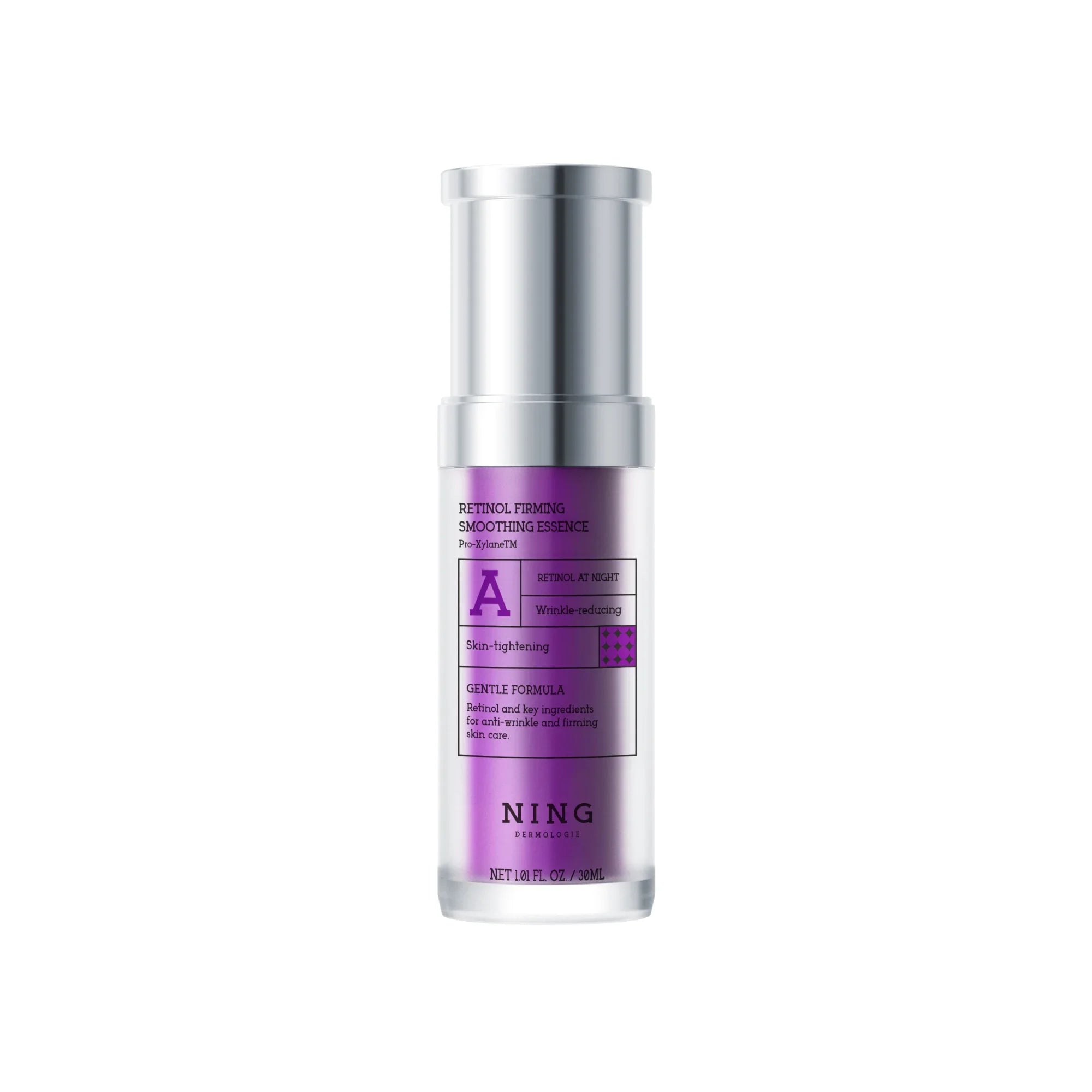
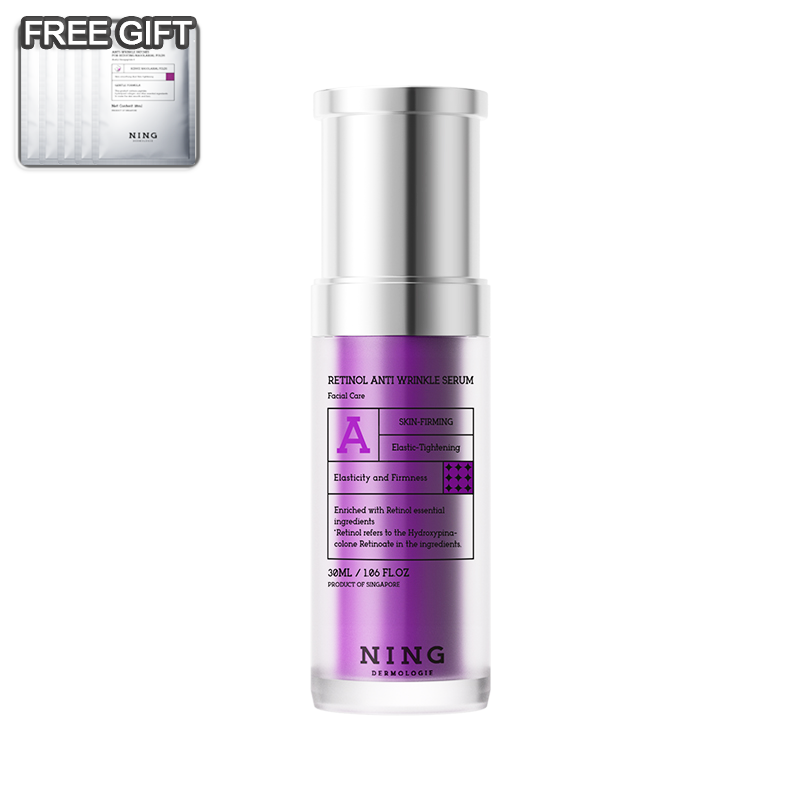
Don't Mix with Retinoids (at the same time): Using a salicylic acid product alongside Retinol in the same session is a recipe for irritation. Use your BHA in the morning (with SPF!) and your Retinol at night.
-
The SPF Rule: This is non-negotiable. Even though BHA is less photosensitizing than AHA, you are still revealing "baby" skin. You must use sunscreen to protect your skin from harmful UV rays.

Skin Type Considerations: Is it for You?
While salicylic acid for skin is a miracle worker for many, your skin type dictates how you should integrate salicylic acid.
-
Oily Skin: You are the primary candidate. You can likely work up to daily use.
-
Sensitive Skin Types: Proceed with caution. Look for formulas that include soothing agents. Salicylic acid can help even sensitive skin if used as a spot treatment rather than a full-face peel.
-
Dry Skin: You might find a salicylic acid peel once a week is enough to keep your skin texture refined without causing flakiness.
The NING Dermologie Difference
We didn't just create another salicylic acid skincare line; we focused on the efficacy of salicylic acid within a holistic framework. Our 2% Salicylic Acid Serum focuses on the science behind the formula—balancing the type of beta hydroxy acid with hydrators so your skin remains hydrated while your pores get a deep clean.
Transforming your complexion isn't about a 24-hour miracle. It’s about the consistent science behind cellular renewal. When you use salicylic acid correctly, you aren't just treating a pimple; you’re investing in the long-term skin health of your face.
Frequently Asked Questions (FAQ)
1. Can I use salicylic acid every day?
For oily and acne-prone skin, daily use is often the goal, but you must "earn" it. Start twice a week to see how your skin barrier reacts. If you experience redness or peeling, scale back. Consistency beats intensity every time. Always monitor your skin feel—if it feels tight or "shiny" but not oily, you’re overdoing it.
2. How long does it take to see a clear complexion?
Patience is required. While you might feel a smoother skin texture after one use, the science behind salicylic acid shows that deep pore clearing and the reduction of dark spots usually takes 4 to 6 weeks. This timeline aligns with your natural skin cell turnover cycle. Stick with your skincare routine even if you don't see instant changes.
3. What are the common side effects of using salicylic acid?
The most frequent effects of using salicylic acid include mild stinging upon application, localized dryness, and occasional flaking. This happens as the acid works to remove dead skin cells. If you have sensitive skin, these effects may be more pronounced. To mitigate this, always follow up with a barrier-repairing moisturizer from the NING Dermologie range.
4. Can I use salicylic acid if I have dry skin?
Yes, but don't overdo it. Salicylic acid for skin isn't just for oil control; it's great for shedding dead skin cells that make dry skin look dull. Use a lower concentration of salicylic acid and focus only on areas with rough skin or blackheads. Ensure your skincare products include a heavy hitter like hyaluronic acid to lock in moisture.
5. Is it safe to use salicylic acid during pregnancy?
Generally, dermatologists suggest caution. While topical salicylic acid skincare at low concentrations (under 2%) is often considered low-risk, many experts recommend switching to lactic acid or other gentler alternatives during pregnancy. It is chemically related to aspirin (acetylsalicylic acid), so always consult your doctor before incorporating salicylic acid into your routine during this time.
6. Does salicylic acid make my skin more sensitive to the sun?
Yes. Any salicylic acid treatment that exfoliates the skin makes your skin more sensitive to environmental damage. Since you are removing the protective top layer of dead skin cells, you must use sunscreen daily. This protects your skin from harmful UV rays and prevents the dark spots you’re trying to heal from getting darker.





Share:
The Science Behind Salicylic Acid: What Your Skin Needs
Salicylic Acid Benefits: Why This BHA is a Skincare Must-Have