

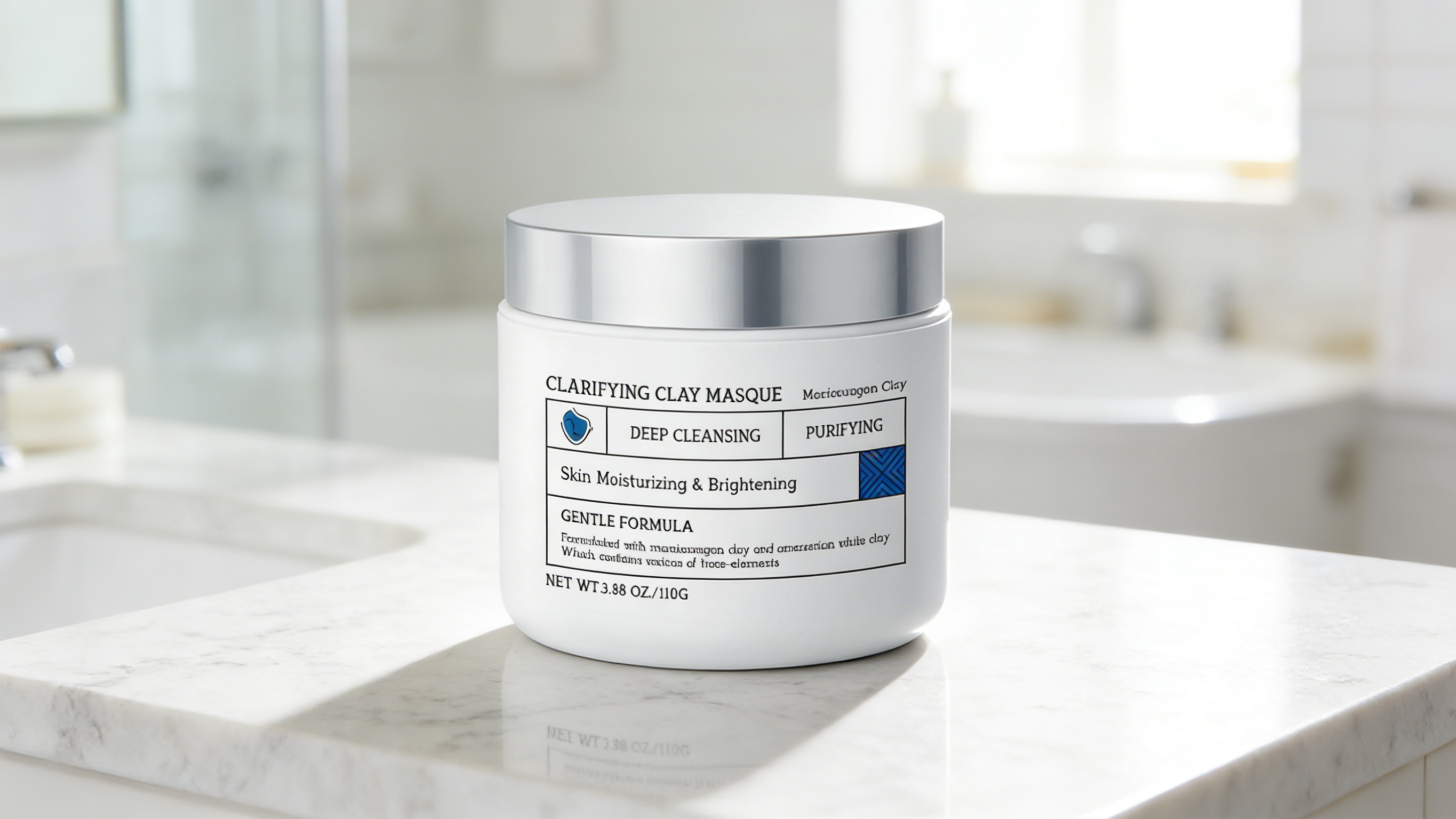

Hydrate and Purify: Top Clay Masks for Dry and Sensitive Skin
Let’s be honest for a second: if you have dry or sensitive skin, the words "clay mask" probably make you cringe. You’re picturing that tight, cracking sensation that feels less like a spa day and more like your face is turning into a dried-out riverbed.
For years, the narrative has been that a face mask made of clay is exclusively for teenagers with oil slicks on their T-zones. But here is the reality: skipping clay means you are missing out on one of the most effective ways to purify your pores and refine your skin texture.
The game has changed. We aren't just slapping harsh mud on our faces anymore. The best clay masks on the market today are sophisticated hybrids. They don't just suck everything out; they put the good stuff back in. We are talking about formulations that balance kaolin clay with hyaluronic acid, creating a treatment that can hydrate and detoxify simultaneously.
If you are tired of dullness but afraid of the "crack," this guide is for you. We are going to break down the science, the strategy, and the Top 8 Best Clay Masks that will leave you with smooth skin, not a compromised barrier.

The Science: Why Your Skin Type Needs a Specific Clay
Not all dirt is created equal, and neither is all earth. Understanding the type of clay in your jar is the difference between a radiant glow and a redness flare-up.
Bentonite Clay vs. Kaolin Clay
If you have oily skin or acne-prone skin, bentonite clay is often your best friend. It acts like a vacuum, expanding when wet and pulling oil deep from within the pore. However, for dry skin types, straight bentonite can be too aggressive.
Enter kaolin clay (often called white clay). This is the gentle giant of the clay world. It’s much finer and doesn't absorb moisture as aggressively. It sits on the surface, gently exfoliating dead skin cells and absorbing excess sebum without stripping the natural oils your skin desperately needs to maintain skin elasticity.
There is also pink clay, which is usually a mix of red and white clays. It’s fantastic for sensitive skin because it offers a middle ground—better absorption than pure white clay, but far less drying than the grey or green stuff.
8 Best Clay Masks for Hydration and Purification
I have tested dozens of pots and tubes to find the ones that actually deliver on the promise to brighten your skin without destroying your moisture barrier. Here are the top contenders, ranging from industry titans to specialized dermatological formulas.
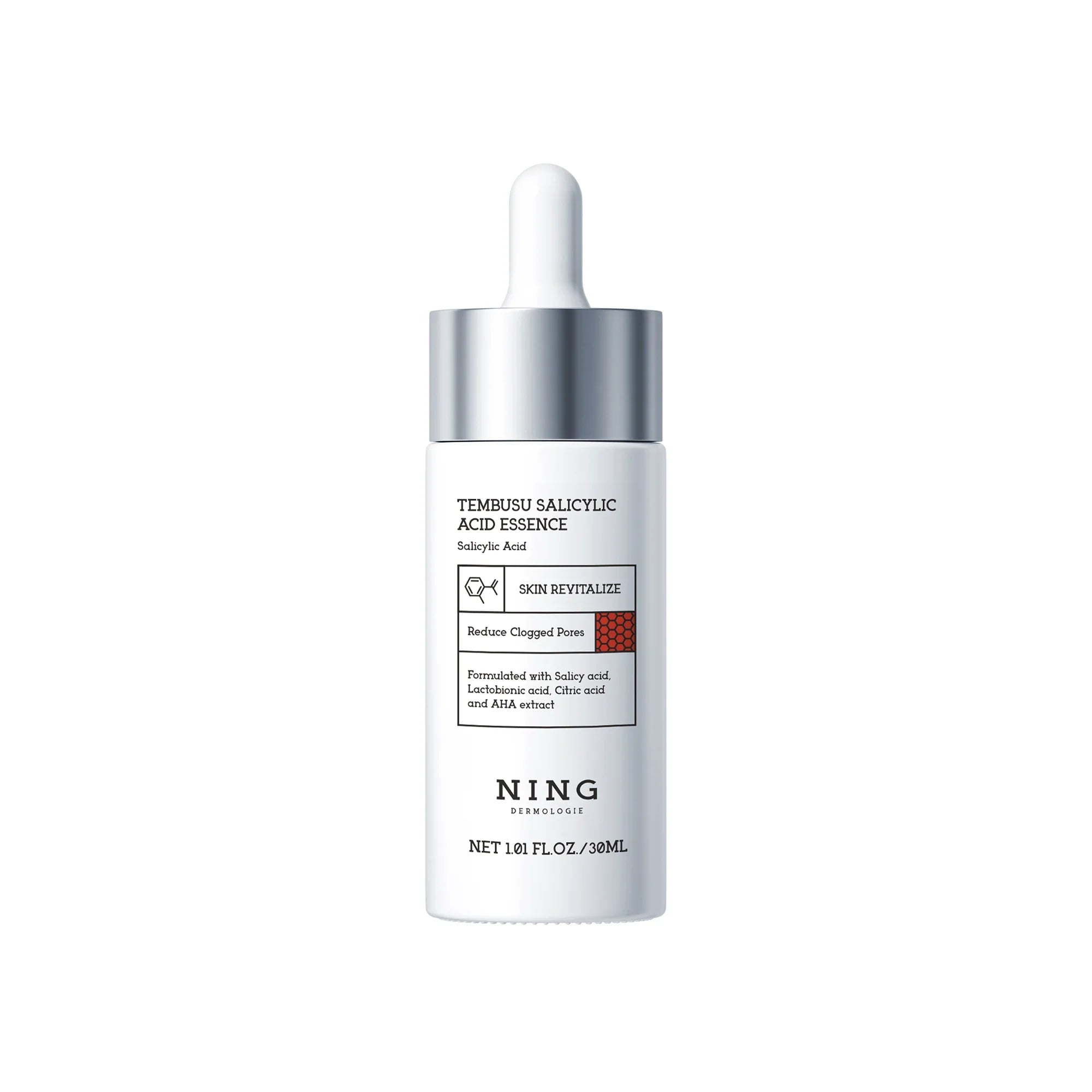
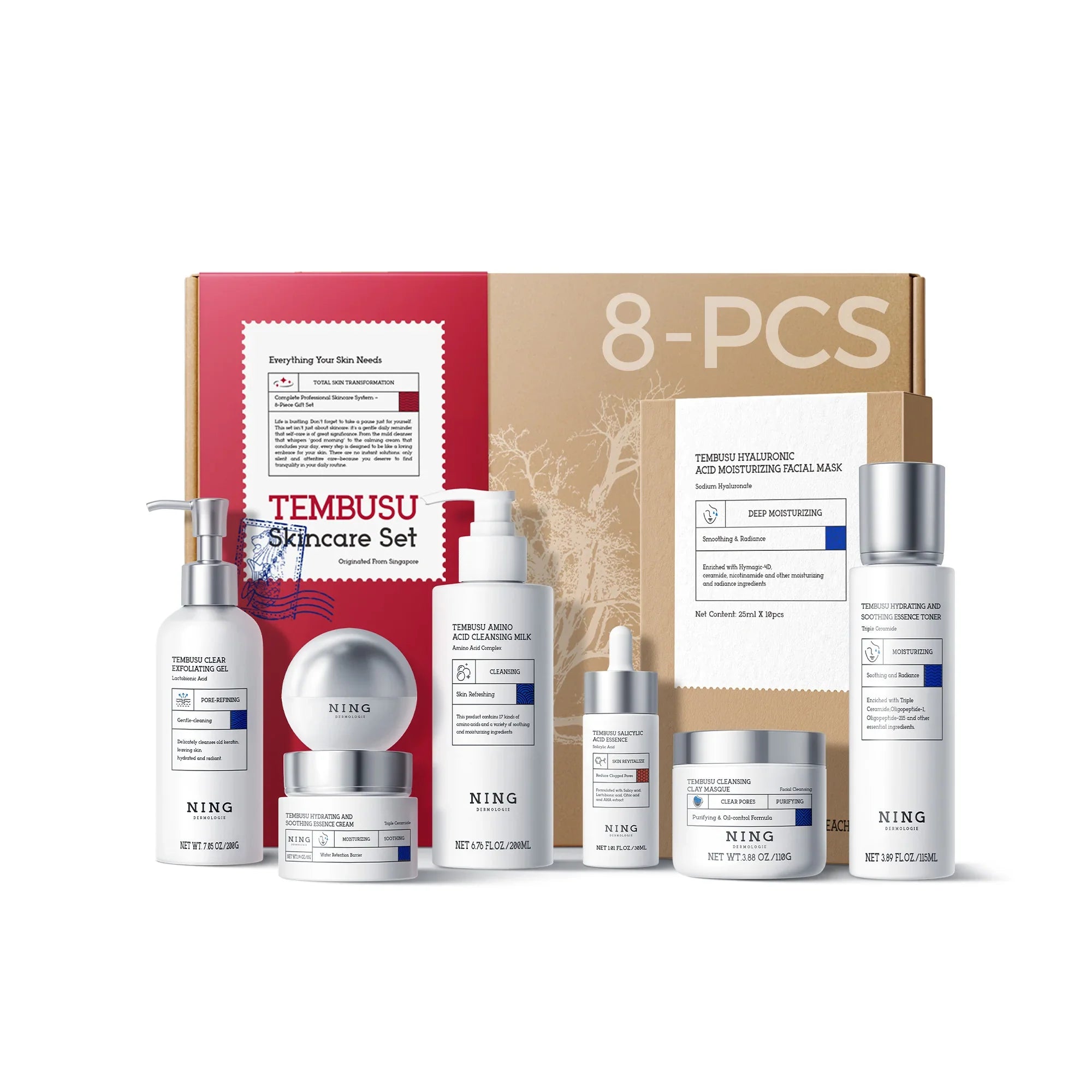
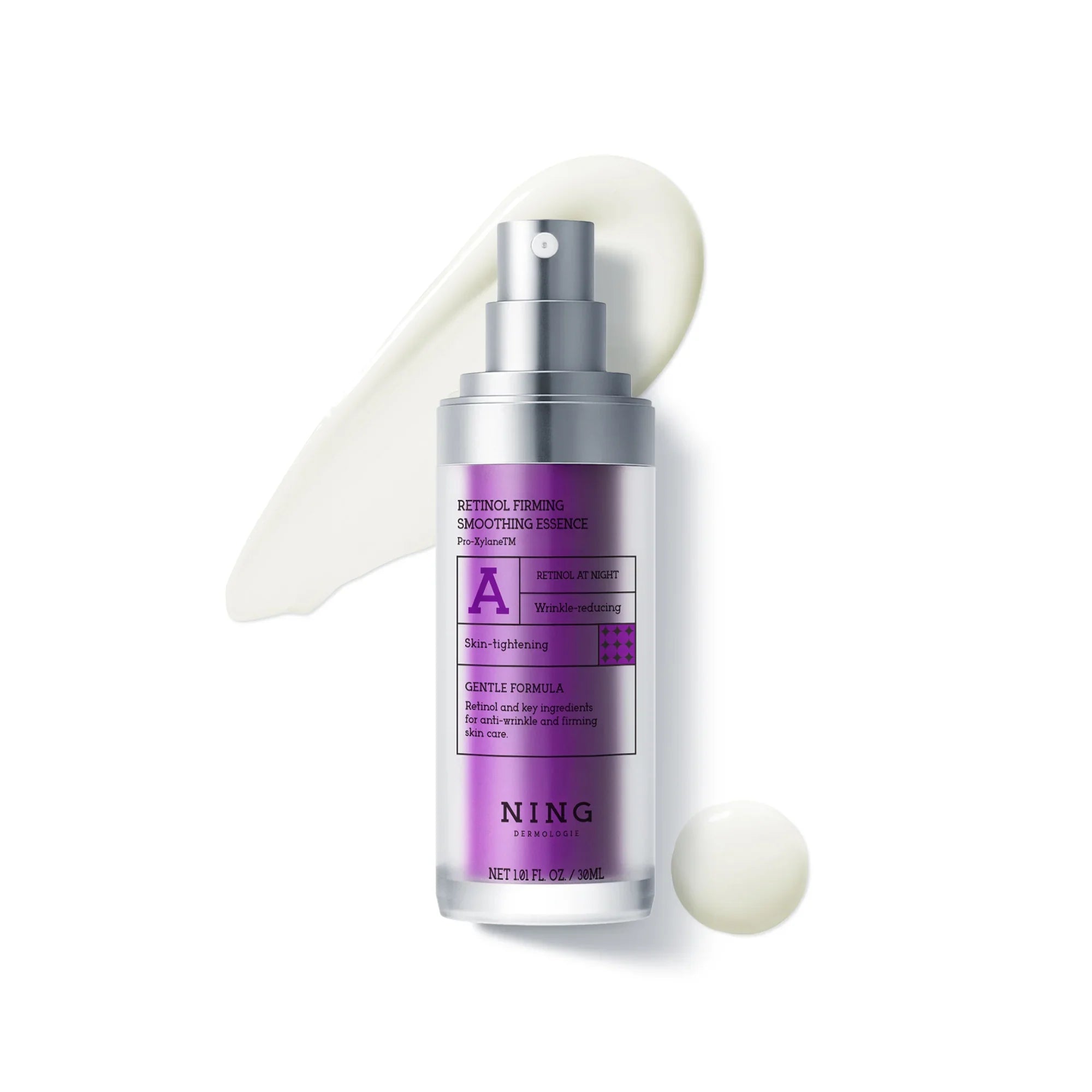
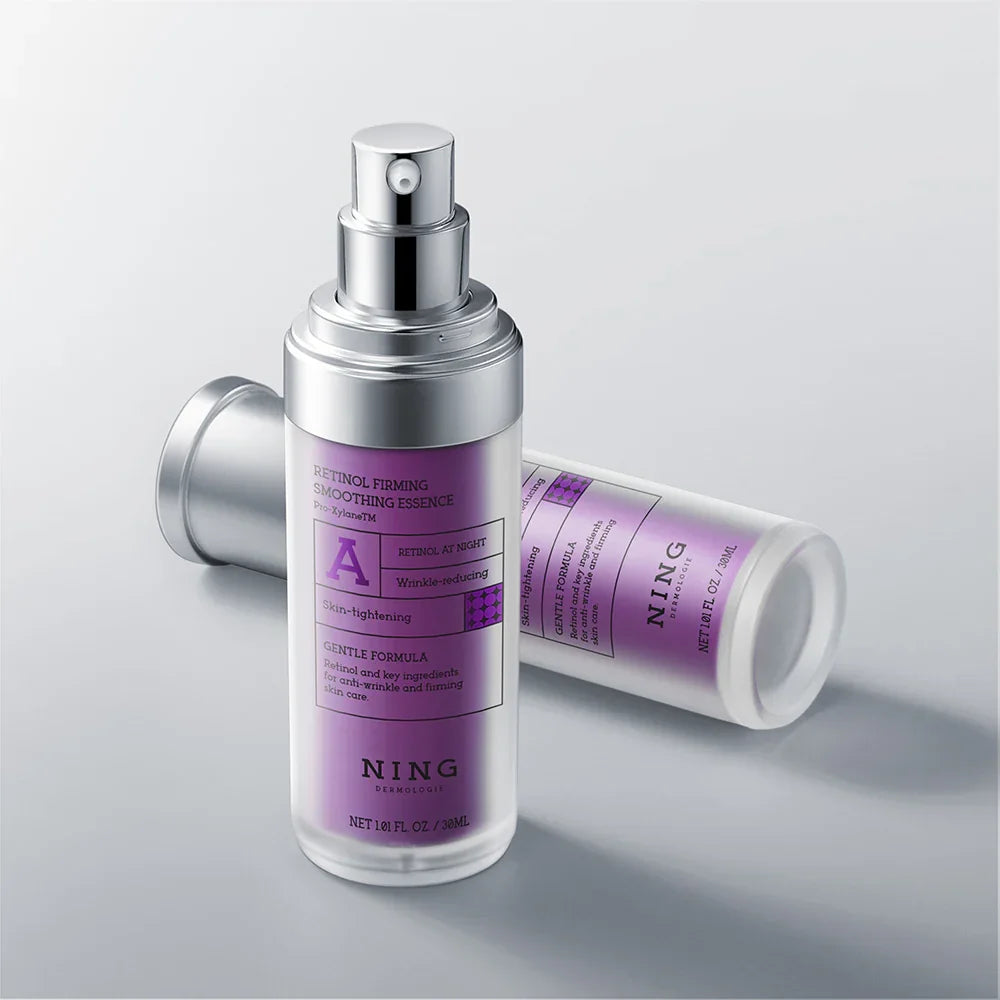
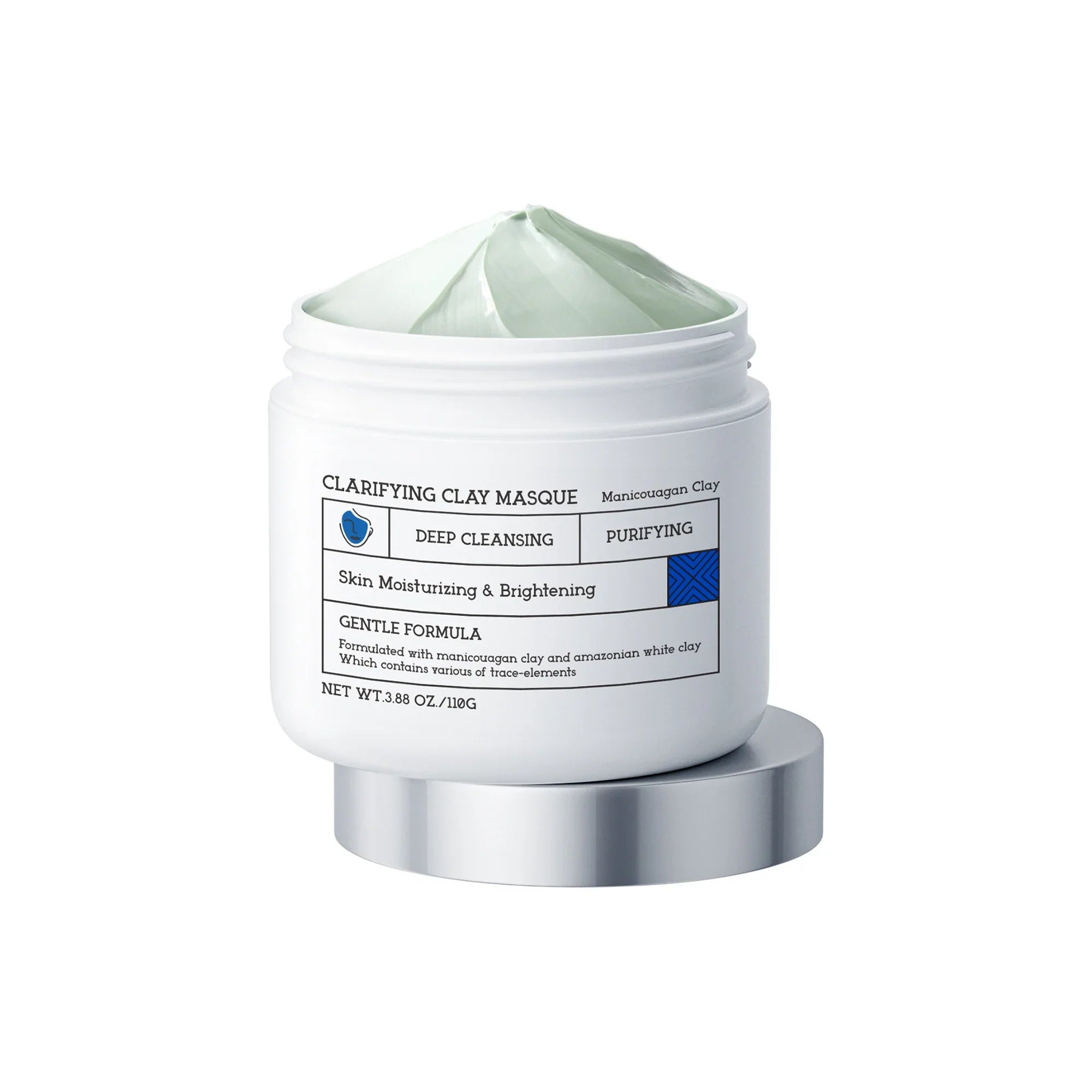
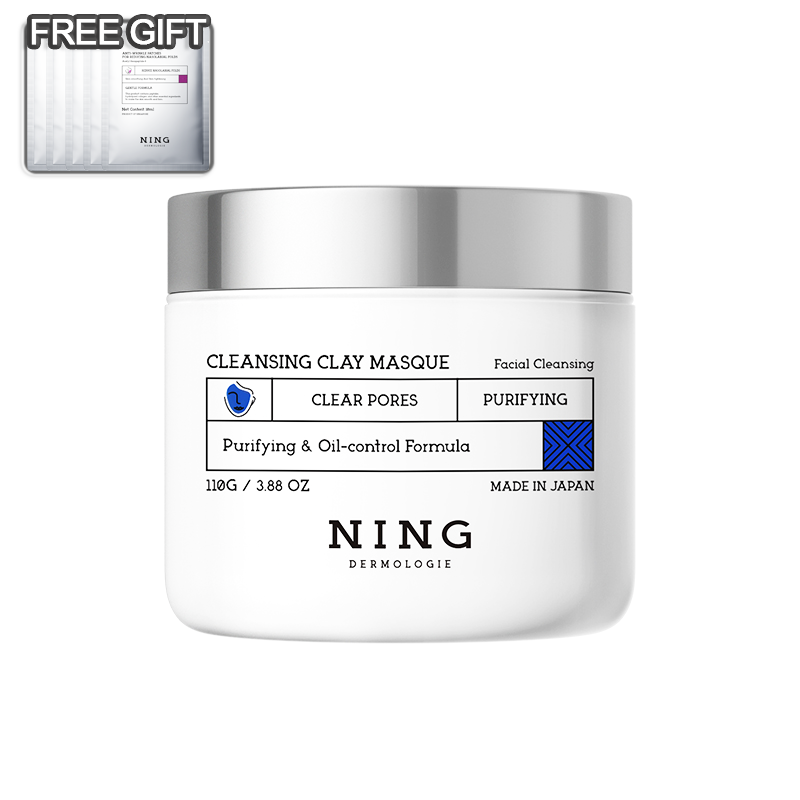
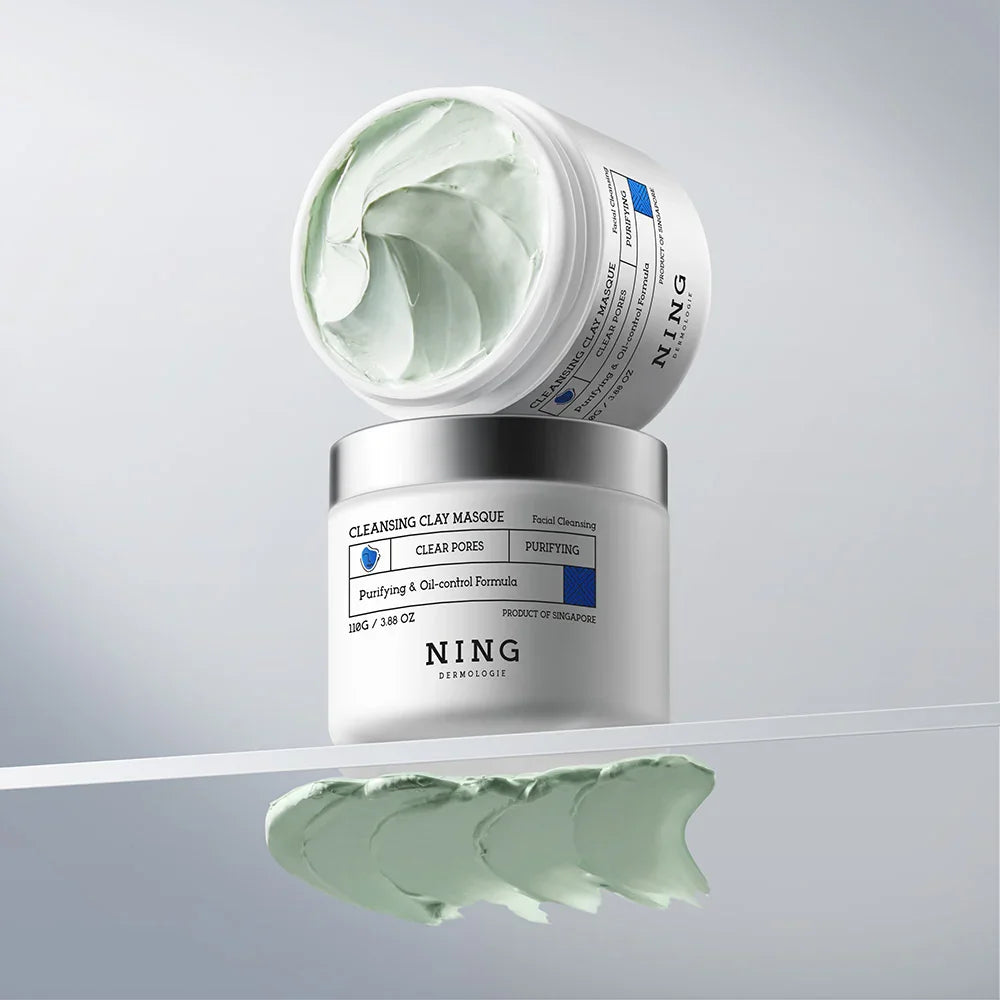
1. Best Overall for Sensitive Skin: NING Dermologie Clay Mask
The Holy Grail for Balance
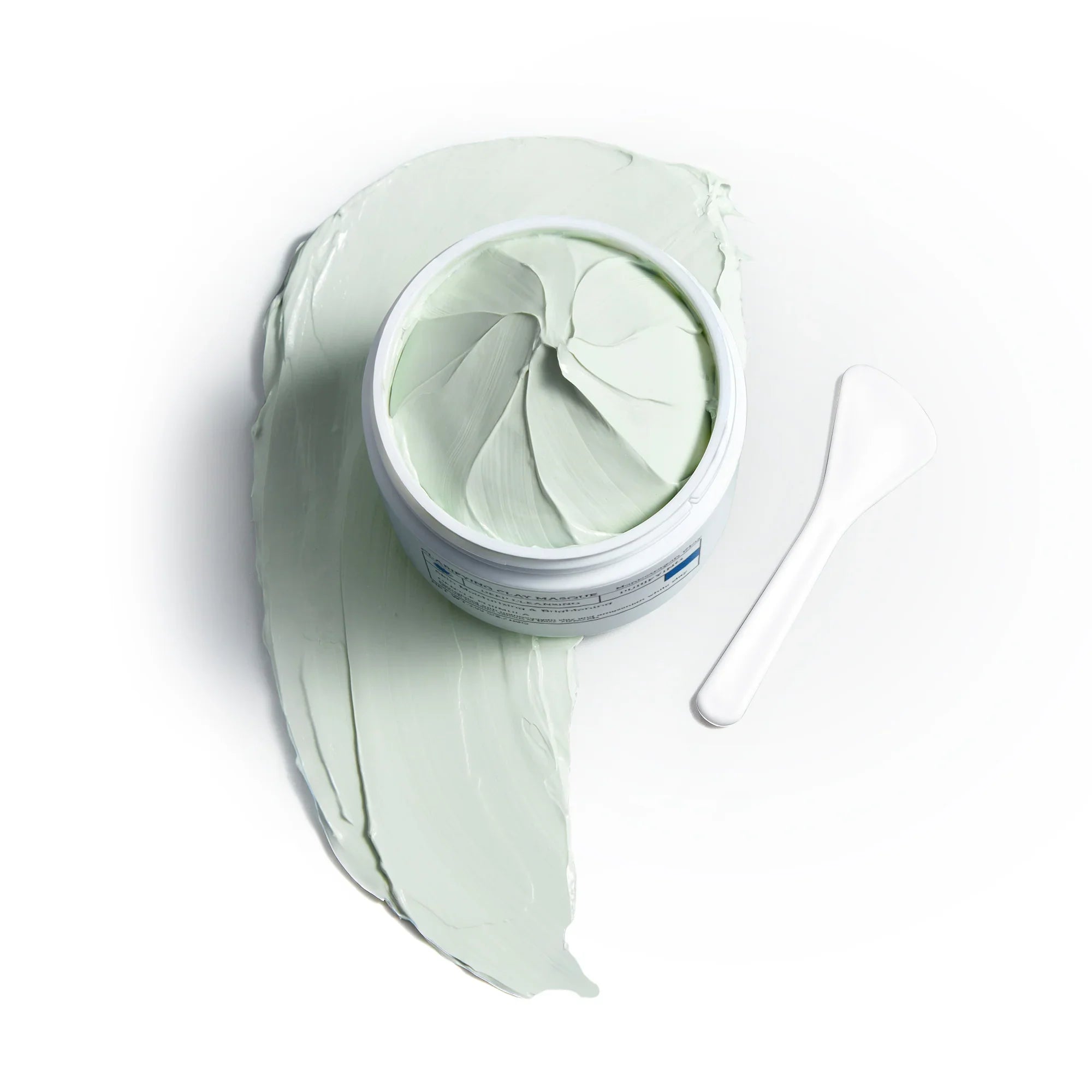
If you have struggled to find a clay mask for face sensitive skin that doesn't sting, this is where you stop looking. NING Dermologie has engineered a formula specifically designed to walk the tightrope between deep cleaning and soothing.
Most clearing clay mask options rely heavily on drying alcohols to make the product dry faster. NING takes a different approach. Their Clay Mask for Face Sensitive Skin utilizes high-grade, micro-milled clay that lifts impurities to purify pores while infusing the skin with moisture.
Why it works:
- It targets the appearance of pores without the harsh "tightening" feel.
- It rinses off milky, leaving smooth skin behind rather than a red, scrubbed-raw feeling.
- It’s the best overall pick for anyone prone to redness or irritation.
2. Best for Texture: Innisfree Super Volcanic AHA Pore Clearing Clay Mask
The Korean Skincare Staple
You can’t talk about clay without mentioning the Innisfree Super Volcanic line. This isn't just mud; it contains volcanic clusters from Jeju Island. The "2X" or newer versions often include AHAs (Alpha Hydroxy Acids) like lactic acid.
This combo is brilliant for dull skin. The clay absorbs the oil, while the AHA chemically exfoliates surface dryness. It acts as a volcanic AHA pore clearing clay treatment that tackles two problems at once. Just be careful if you are extremely sensitive—do a patch test first because AHAs can tingle.
3. Best for Congestion: Skinceuticals Clarifying Clay Masque
The Dermatologist Favorite
If you walk into a med-spa, you will likely see the Skinceuticals Clarifying Clay mask on the shelf. This is a non-drying mask that combines kaolin clay and bentonite clay with a hydroxy acid blend.
It’s a serious purifying mask. It’s fantastic for combination skin—those of us with a dry cheeks but a nose full of blackhead issues. It uses botanicals like chamomile to soothe the skin while the acids work on the gunk. It’s pricey, but a little goes a long way.
4. Best Detox: Caudalie Instant Detox Mask
The Viral Sensation
Thanks to TikTok, the Caudalie Instant Detox Mask is almost always sold out. But is it worth the hype? Actually, yes. It uses pink clay and coffee extract.
When it dries, you can actually see the "oil spots" where it has pulled sebum out of your pores (a gross but satisfying visual). Because it uses grape marc (a powerful antioxidant), it helps detox mask your skin from environmental stressors. It leaves you with a very radiant skin tone immediately after rinsing.
5. Best "Old School" Deep Clean: Borghese Advanced Fango Active Mud Mask
The Classic
Before K-Beauty took over, there was Borghese. The Advanced Fango Active Mud Mask is legendary. It’s thick, dark, and heavy. It feels like a traditional spa treatment.
While it is marketed for all skin types, I find it to be a powerhouse for acne-prone skin types or those days when your skin feels heavy with grime. It’s a true purifying clay experience. For dry skin, just limit the time to 5 minutes instead of the full 10.
6. Best for Novelty (and Fun): Elizavecca Milky Piggy Carbonated Bubble Clay
The Bubbling Experience
Sometimes skincare should just be fun. The Milky Piggy Carbonated Bubble Clay Mask (often called just the Piggy Carbonated Bubble Clay Mask) starts as a gray mud but creates a massive foam of bubbles on your face as it oxidizes.
The bubbling action claims to massage the pores. While it’s a bit gimmicky, the charcoal mask base is effective at clearing out dirt. It’s a great mask for oily skin, but surprisingly gentle enough for drier types because the bubbles prevent it from hardening into a cement-like shell.
7. Best for Hydration First: Kiehl’s Rare Earth Deep Pore Cleansing Mask
The Gentle Purifier
Using Amazonian White Clay, this cleansing clay mask is incredibly creamy. It doesn't have that gritty texture some clays have. It’s formulated with Aloe Vera, which is crucial for soothing sensitive skin.
If your main goal is pore reduction on the nose and chin without irritating your cheeks, this is a solid, reliable choice. It’s a standard clay face mask done right.
8. Best Budget Pick: Aztec Secret Indian Healing Clay
The DIY Project
This is 100% Calcium Bentonite Clay. It comes as a powder. You have to mix it yourself with apple cider vinegar or water.
Warning: This is the strongest item on the list. It is a clearing clay beast. For dry skin, mix it with honey or yogurt instead of vinegar to buffer the intensity. It makes your face pulsate (literally), which increases blood flow. Use with caution, but it is undoubtedly effective for a deep reset.
Ingredients to Look For (And What to Avoid)
When reading the label of a facial mask, look for the "helpers" that offset the drying nature of clay.
Hydrators are Non-Negotiable
You want to see hyaluronic acid, glycerin, or aloe vera high up on the ingredient list. A hydrating face mask base ensures that while the clay pulls out toxins, the moisture vehicle sinks in. This is how you get that healthy skin feel—bouncy, not tight.
Exfoliating Acids
Salicylic acid (BHA) is oil-soluble, meaning it dives into the pore to dissolve paste-like oil. It’s the gold standard for preventing blackhead formation. However, for dry skin, you want low concentrations (under 1%).
Soothing Botanicals
Ingredients like Centella Asiatica, Chamomile, and Green Tea extract help calm the inflammation that often accompanies acne-prone skin.
Mastering the Application: How to Use a Clay Mask Correctly
You might be thinking, "I know using a mask is easy, I just slap it on." But technique matters, especially for dry skin.
-
Prep is Key: cleanse your skin first. Applying a mask over makeup or sunscreen is useless. The clay needs direct contact with the pore.
-
Don't Let it Crack: This is the biggest myth in skincare. You should rinse the mask off before it completely dries and cracks. When it cracks, it is leeching moisture from your skin cells. The "tight" feeling isn't the mask working; it's your skin dehydrating.
-
The "Multi-Masking" Strategy: If you have combination skin (oily T-zone, dry cheeks), don't treat your whole face the same. Apply a strong volcanic clay mask or charcoal mask to your nose and forehead, and a nourishing, hydrating face mask (or a gentle pink clay) to your cheeks.
-
Post-Mask Care: Immediately after rinsing, while your skin is still damp, apply your toner and moisturizer. Your pores are clear, so your skincare will absorb better. This is the best time to lock in hydration for a radiant skin tone.

Addressing Specific Skin Concerns
Dull Skin
If your skin looks gray or tired, it’s usually a buildup of dead cells. A clay masque with mild physical exfoliation (like the Innisfree options) or chemical exfoliants will polish the surface.
Acne and Congestion
For acne-prone skin, consistency is key. Using a purifying face mask with salicylic acid once a week helps keep the pathway clear so bacteria doesn't get trapped. Don't overdo it—drying out a pimple too much can actually signal your skin to produce more oil to compensate.
The "Oily but Dehydrated" Paradox
Many people think they have oily skin, but they actually have dehydrated skin that is overproducing oil. A harsh mask for oily types will make this worse. Instead, switch to a clay mask is best suited for balance—like the NING Dermologie mask mentioned earlier—which resets the oil-water balance.
Final Thoughts: Finding Your Perfect Match
Navigating the world of skincare can feel overwhelming. Whether you grab the Caudalie Instant Detox Mask for a quick fix before a night out, or commit to a weekly ritual with the NING Dermologie Clay Mask, the goal is the same: smooth skin that feels clean, not stripped.
Remember, a mask is a supplement to your routine, not a replacement for daily care. Listen to your skin. If it stings, wash it off. If it feels good, keep going. Your skin type is unique, and your routine should be too.
Frequently Asked Questions (FAQ)
1. Can I use a clay mask if I have extremely dry skin?
Yes, absolutely. The key is choosing the right type of clay. Avoid pure bentonite or charcoal masks, which can be too stripping. Instead, look for masks containing kaolin clay or pink clay, and formulas enriched with hyaluronic acid or nourishing oils. Also, never let the mask dry completely on your face; rinse it off while it is still slightly tacky to touch to prevent dehydration.
2. How often should I use a clay mask?
Don't stick to a rigid calendar; listen to your face. For oily or acne-prone skin, hitting a mask for oily skin twice a week is standard to keep grease in check. But if you are dry or sensitive? Pump the brakes. Once a week—or even every other week—is plenty. If you overdo it with a strong clearing clay mask, you aren't cleaning your skin; you're wrecking your barrier. Treat it like a deep clean, not a daily chore.
3. Do clay masks really remove blackheads?
Let’s manage expectations: a pore clay mask won't yank out a blackhead like a sticky strip (which damages your skin anyway). Instead, it dissolves the oil plug before it gets dark and hard. If your mask has salicylic acid, it’s even better at melting that gunk inside the pore. Think of it as long-term prevention rather than instant extraction. Consistent use keeps the pore clear so the blackhead doesn't come back.
4. What is the difference between a mud mask and a clay mask?
Think of it this way: Clay masks (like bentonite) are sponges; they usually dry down to suck out oil and toxins. Mud masks (like the Advanced Fango Active Mud Mask) are healers; they tend to be water-based and focus on increasing circulation with minerals. If you want a deep purifying detox, go clay. If you want a hydrating, spa-like boost that doesn't necessarily dry out, go mud.
5. Should I experience purging after using a clay mask?
It happens, but you need to know the difference between a purge and a reaction. If a detox mask pulls deep gunk to the surface in spots where you already get pimples, that’s a purge—it means the facial mask is doing its job. But if you get a rash, burning, or breakouts in totally new spots? That’s irritation. Stop using it immediately. Real purging passes quickly; allergic reactions stay angry.
6. Can I use a sheet mask after a clay mask?
Honestly, this is my favorite skincare hack. Since the clay face mask has just evicted all the dirt from your pores, your skin is wide open and desperate for moisture. Slapping a sheet mask on right after ensures that serum goes deep rather than just sitting on top of oil. You get the detox and the glow, leaving you with insanely smooth skin.





Share:
DIY Clay Masks: Recipes and Benefits for Glowing Skin
Ultimate Guide to Clay Masks for Deep-Cleansing and Shrinking Pores