


The Ultimate Guide to Choosing the Right Salicylic Acid Serum for Your Skin Type
To truly get the most out of a chemical exfoliant, you have to stop treating your skincare routine like a checklist and start treating it like a conversation with your biology. If you’ve ever swiped on a potent BHA only to wake up with a face that feels like parchment paper—or worse, a fresh crop of "purging" breakouts—you know that the "Ultimate Guide" isn't just about finding a bottle; it’s about finding a match.
I’ve spent years looking at formulations, and if there is one thing I’ve learned, it is that not all BHAs are created equal. Let's get into the weeds of how to actually choose the right salicylic acid product without ruining your skin barrier.

The Science of Why Salicylic Acid Actually Works
Most people know that salicylic acid is a beta hydroxy acid (BHA), but few understand why it succeeds where others fail. While AHAs like glycolic acid or lactic acid are water-soluble—meaning they dance on the surface to exfoliate the skin and remove dead skin cells—salicylic acid is oil-soluble.
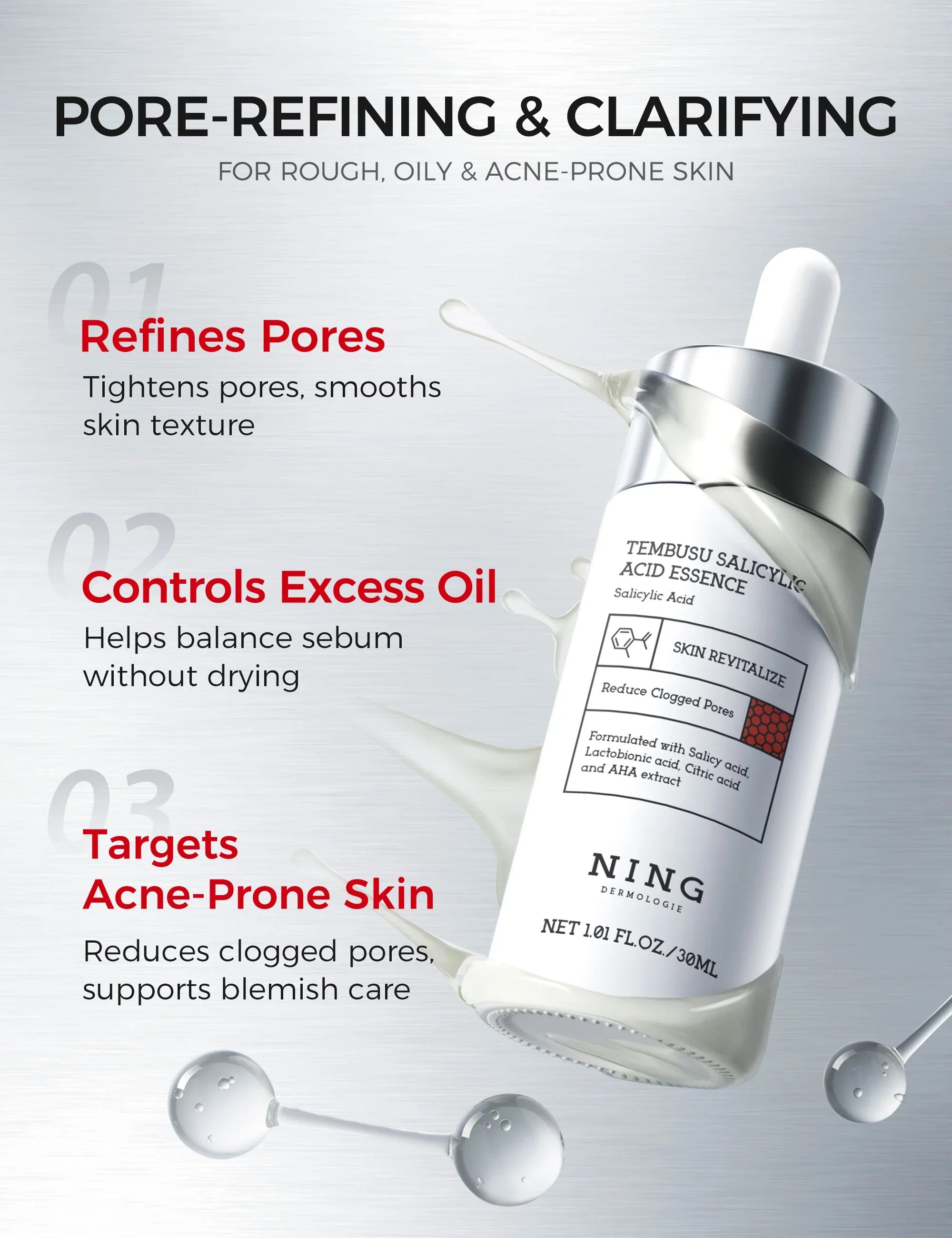
What sets salicylic acid apart is its ability to dive straight into the "gunk." Because salicylic acid is oil-soluble, it travels into the lipid-rich environment of your pores to dissolve the glue holding together sebum and dead skin cells. This makes it the gold standard for acne treatment and managing oily and acne-prone skin. At NING Dermologie, we focus on the delivery system of the acid, because if the acid hits the skin too hard and too fast, your skin barrier pays the price.
Assessing Your Skin Type and Concerns
Before you incorporate salicylic acid into your life, you need an honest audit of your face.
- Oily Skin: You’re likely looking for a salicylic acid cleanser or a high-concentration serum. You need something that cuts through the grease.
- Sensitive Skin Types: This is the danger zone. Many people with sensitive skin assume they can't use BHAs. You can, but you have to be surgical about it. You need a right product that buffers the acid with anti-inflammatories.
- Dry or Sensitive Skin: Yes, you can still have clogged pores. But you should choose the best salicylic acid that is paired with ingredients like hyaluronic acid or glycerin to ensure the acid works without causing a desert-like texture.
Why Concentration of Salicylic Acid Matters
In the world of over-the-counter salicylic acid products, you’ll usually see concentrations between 0.5% and 2%. It sounds like a small range, but in the chemistry of your epidermis, the difference is massive.
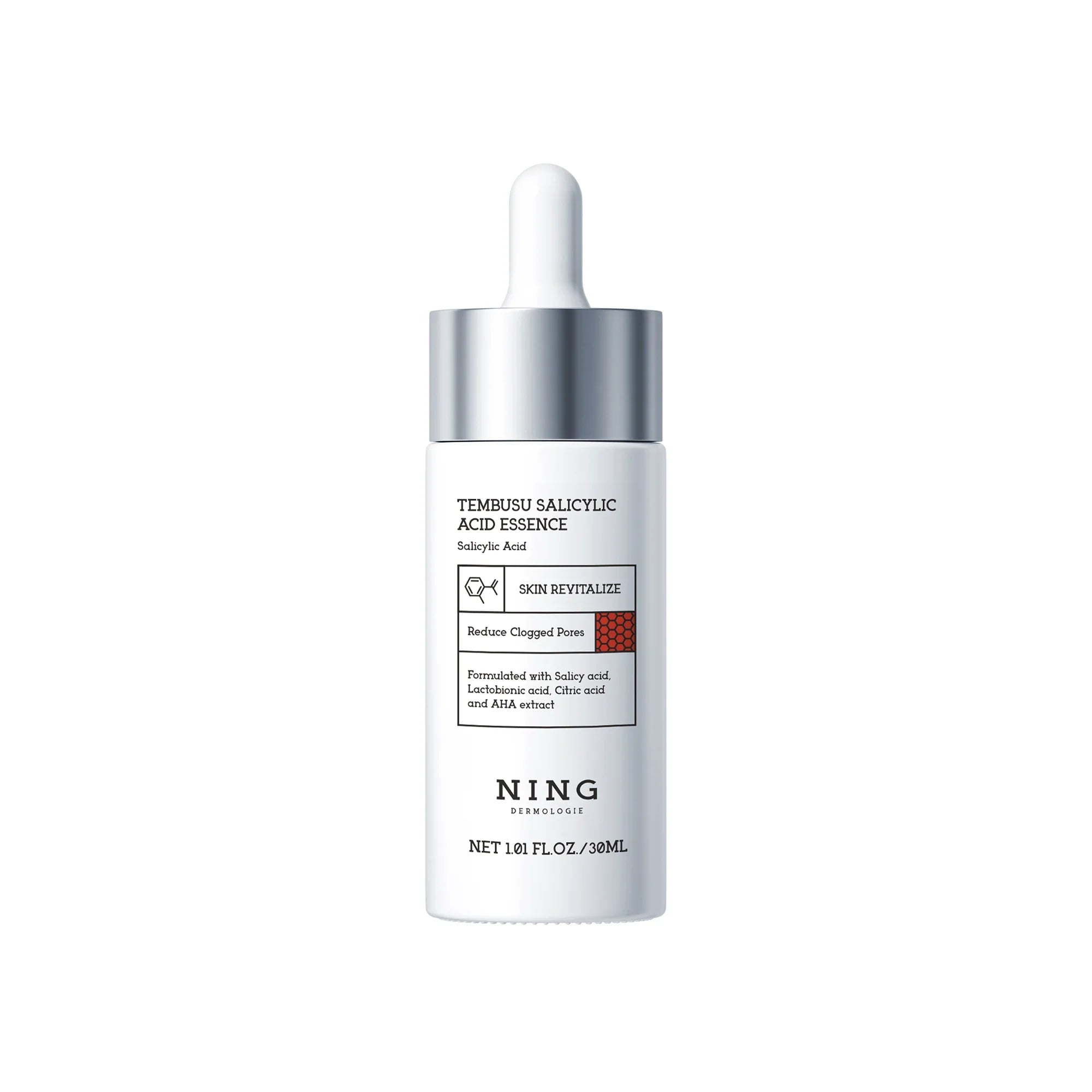
For chronic congestion, our NING Dermologie 2% Salicylic Acid Serum is designed to hit that "sweet spot." A 2% concentration is the clinical standard for acne-prone skin, but the magic isn't just in the percentage—it's in the pH balance. If a serum is too acidic, it causes skin sensitivity; if it’s too alkaline, the salicylic acid won't work effectively.
How to Successfully Incorporate Salicylic Acid into Your Routine
If you’re new to acid serums, don't go from zero to sixty. I’ve seen too many people start using salicylic acid daily right out of the gate, only to end up with a compromised skin barrier.
-
The Patch Test: Apply a tiny amount of the salicylic acid product behind your ear. Wait 24 hours. If you don't turn bright red, you’re good to go.
-
The Slow Introduction: Start by using salicylic acid at night just twice a week. See how your skin reacts before increasing frequency.
-
The "Buffer" Method: If you have sensitive skin, apply a thin layer of a basic moisturizer before your serum. This slows down the salicylic acid penetrates deep into the skin, making the delivery gentler.
Managing Different Skin Reactions
When you use salicylic acid safely, you might experience a slight tingle. That’s normal. What isn’t normal is stinging that lasts longer than a minute or visible peeling. If your skin feels tight and "shiny" (but not oily), that’s a sign of over-exfoliation. Back off for a week and focus on hyaluronic acid and ceramides to protect your skin barrier.
For those with combination skin, I’m a big fan of "zone-treating." You don't need to put a salicylic acid cleanser on your dry cheeks if the congestion is only on your nose and chin. This targeted approach allows your skin to heal where it needs to without stripping areas that are already healthy.
Comparing BHAs with Other Acid Serums
I often get asked: "Can I use my glycolic acid and my salicylic acid at the same time?" The short answer: Your skin isn't a lab experiment.
- Salicylic Acid vs. Glycolic Acid: If your goal is clearer skin and pore reduction, stick to BHA. If you want to improve overall skin radiance and fine lines, AHA is your friend. Using both in one night is a recipe for a chemical burn.
- Mandelic Acid: If even a 1% BHA is too much, mandelic acid is a larger-molecule AHA that is much gentler and has some oil-clearing properties.
- Azelaic Acid: This is a fantastic teammate. Azelaic acid helps kill bacteria and fades the red marks left behind by old zits. Using azelaic acid in the morning and salicylic acid into their routine at night (on alternating days) is a powerhouse move for healthier skin.
The Role of NING Dermologie in Your Skincare Journey
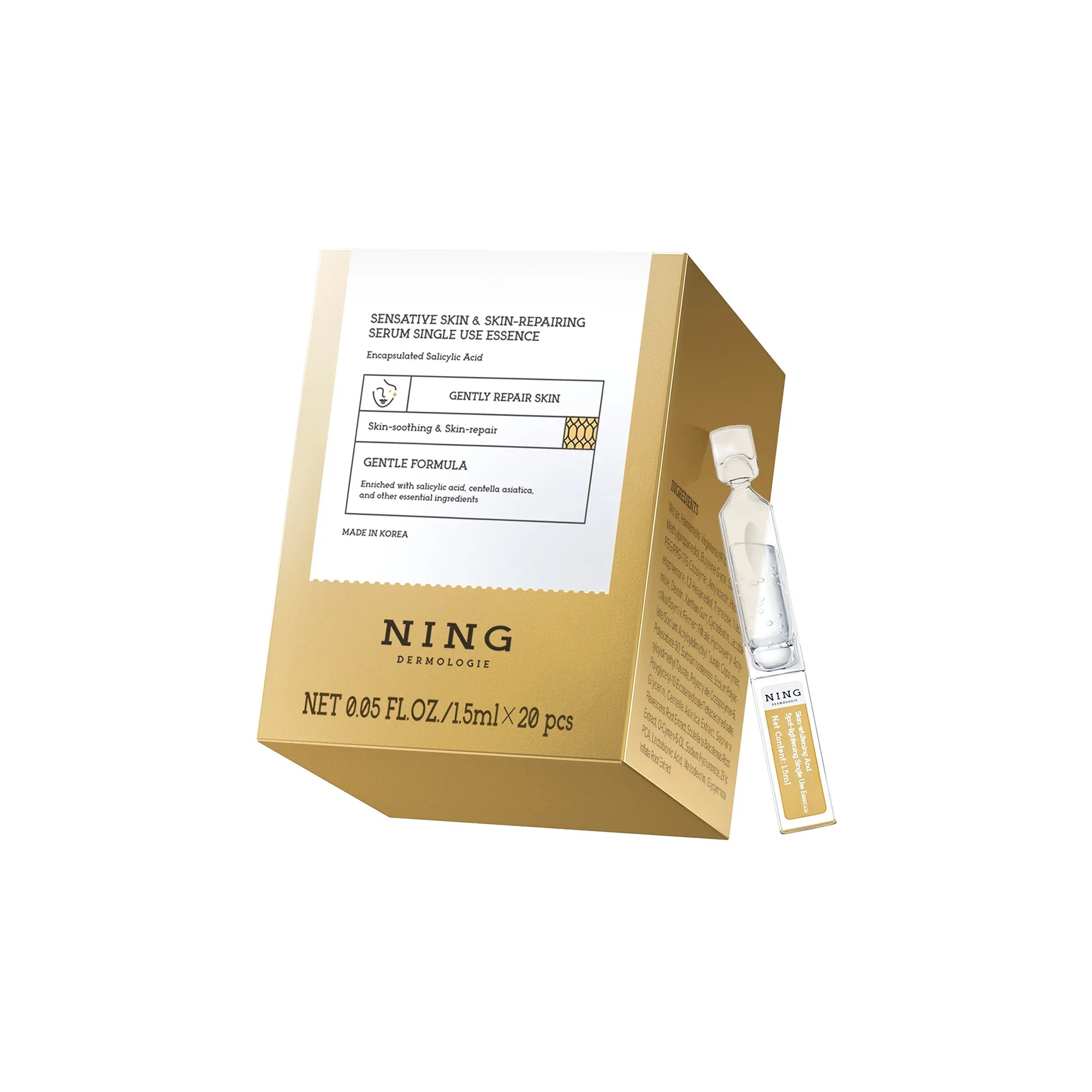
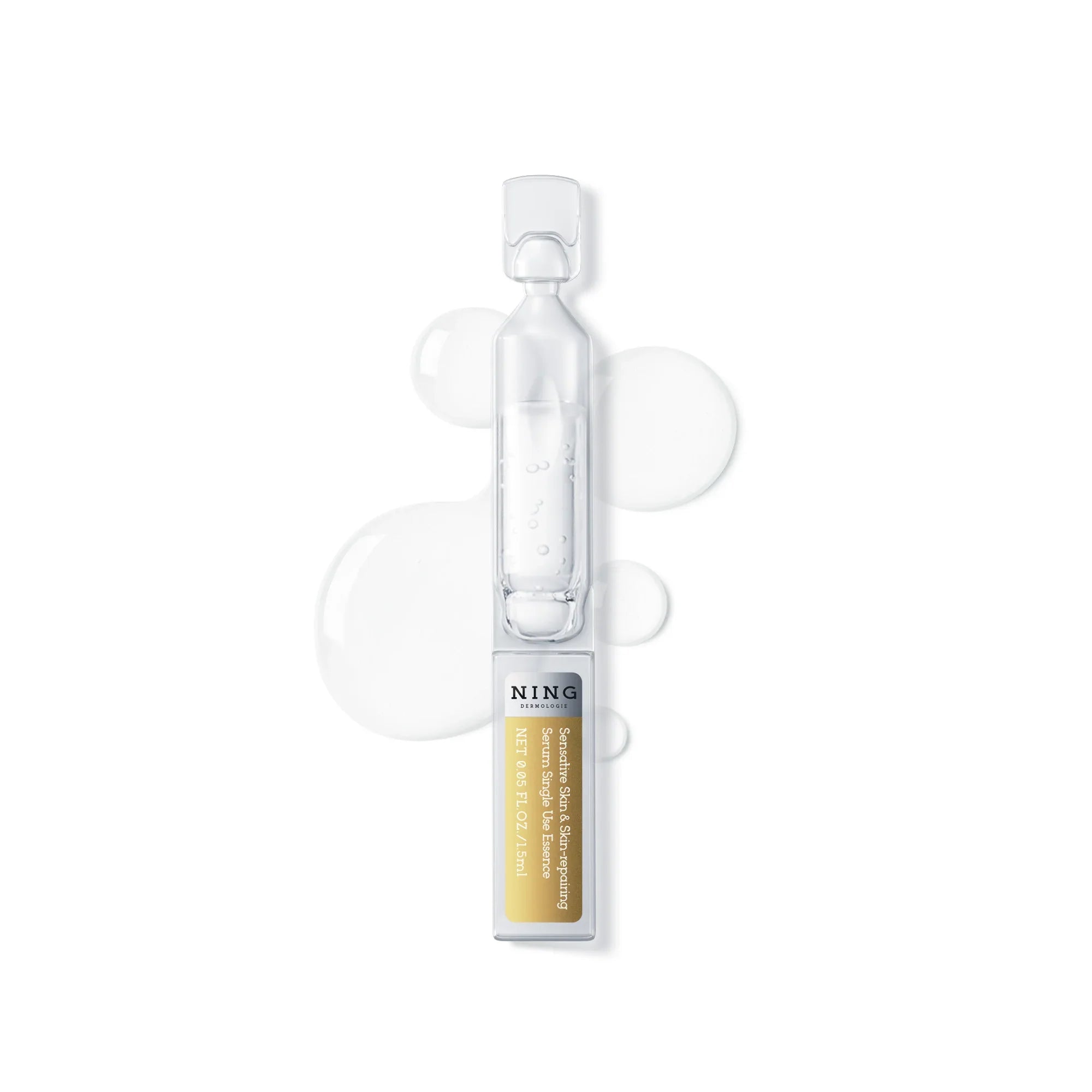
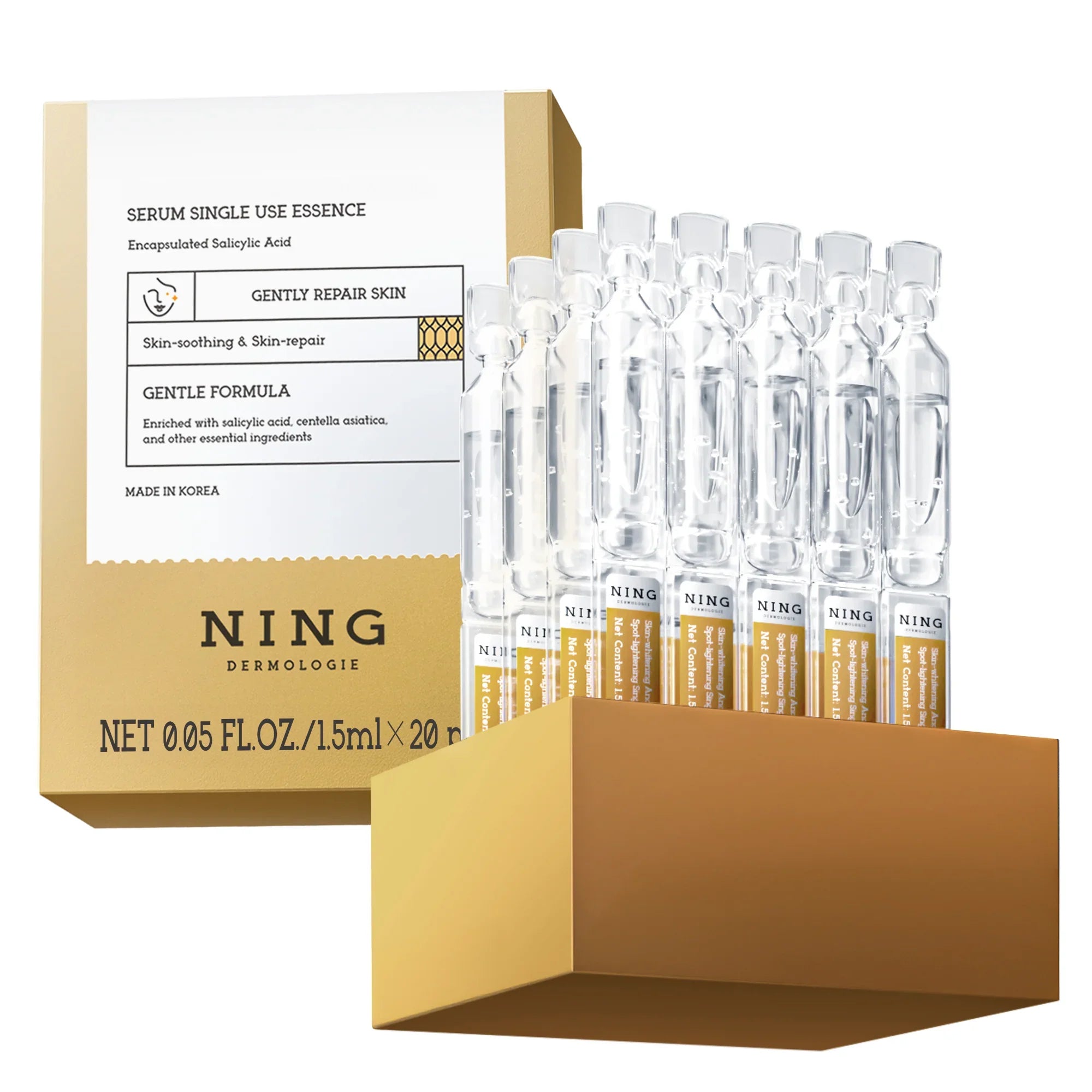
We built NING Dermologie because we were tired of "fast beauty" products that prioritized shelf-life over skin health. Our 2% Salicylic Acid Serum isn't just about stripping oil; it’s about overall skin texture refinement. By leveraging salicylic acid’s anti-inflammatory properties, we’ve created a formula that allows your skin to purge impurities without the typical scorched-earth side effects of traditional acne treatment.

Final Pro-Tips for Healthier Skin
- Protect Your Skin: All acid serums make your skin more vulnerable to the sun. Protect your skin from UV rays by wearing SPF 30 every single day—no excuses. Salicylic acid can make your skin more photosensitive, and sun damage will only darken your acne scars.
- Don't Over-Cleanse: If you use a salicylic acid cleanser, you probably don't need a high-strength serum in the same session.
- Consistency Wins: You won't see smooth skin overnight. It takes roughly 4 to 6 weeks for your overall skin cycle to turn over.
Choosing the right salicylic acid isn't about the priciest bottle on the shelf; it's about understanding the concentration of salicylic acid your specific skin type can handle. Take it slow, listen to your face, and your skin texture will thank you.
Frequently Asked Questions (FAQ)
1. How long does it take to see results with the NING Dermologie 2% Salicylic Acid Serum?
You’ll likely feel less greasy within the first few days, but don’t expect a total transformation overnight. Real change in skin texture or a drop in blackheads usually takes about 4 to 6 weeks. That’s how long your skin needs to complete a full cell turnover cycle. Stick with it—consistency is what actually leads to healthier skin.
2. Can I use salicylic acid if I have dry skin?
You can, but don't overdo it. If your dry skin feels congested, skip the salicylic acid cleanser—it’s too stripping. Instead, spot-treat with a serum only where you need it. The trick is to immediately layer a heavy-duty moisturizer with hyaluronic acid afterward. This helps protect your skin barrier while the acid clears your pores.
3. Is it normal to "purge" when I first start using acid serums?
Yes, and it’s annoying. Because salicylic acid penetrates deep to drag gunk to the surface, you might see a temporary flare-up. This "purge" should only happen in areas where you usually get pimples. If you’re breaking out in brand-new spots or it lasts longer than a month, your skin might just be irritated, not purging.
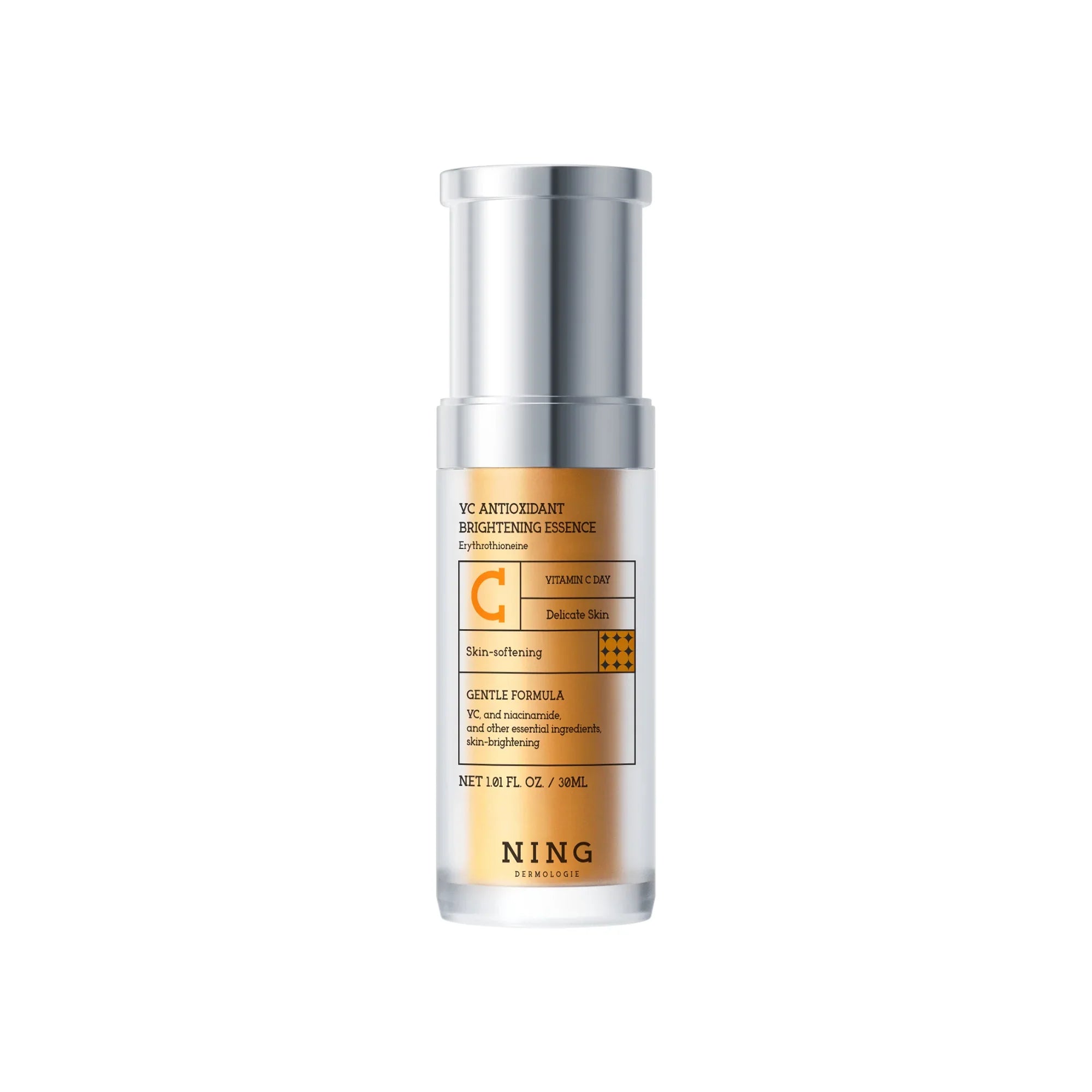
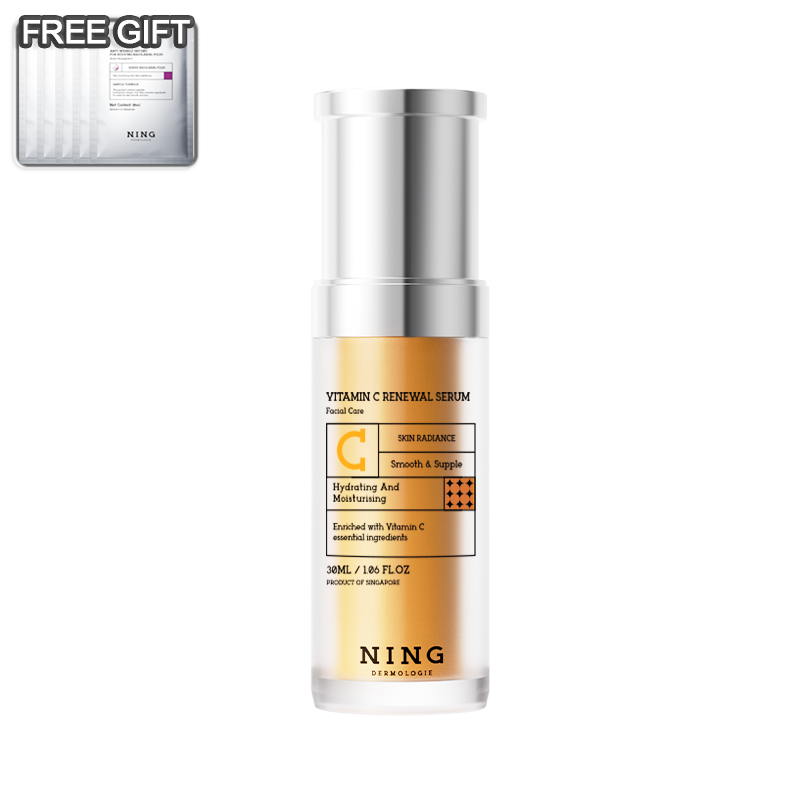
4. Can I combine salicylic acid with Vitamin C?
Technically yes, but your skin might hate you for it. It’s much smarter to use Vitamin C in the morning for protection and incorporate salicylic acid into your nighttime skincare routine. Mixing them in one go often messes with the pH levels of both, making them less effective and increasing the odds of annoying skin sensitivity.
5. Why should I choose a serum over a cleanser?
It’s all about "dwell time." A salicylic acid cleanser gets rinsed off in seconds, which doesn't give the beta hydroxy acid much time to work. A serum sits on the skin and actually has the time to exfoliate the skin properly. For anyone dealing with stubborn acne-prone skin, a leave-on salicylic acid product is the way to go.
6. Does salicylic acid help with anti-aging?
It’s an underrated multi-tasker. While famous for acne treatment, salicylic acid’s anti-inflammatory properties are great for calming redness. By constantly clearing away dead skin cells, it keeps your overall skin tone looking bright and helps fine lines look less obvious. It’s a solid way to maintain a smooth skin look as you age.





Share:
Combatting Skin Imperfections with Salicylic Acid: Benefits and Uses
Exploring the Skincare Advantages of Salicylic Acid